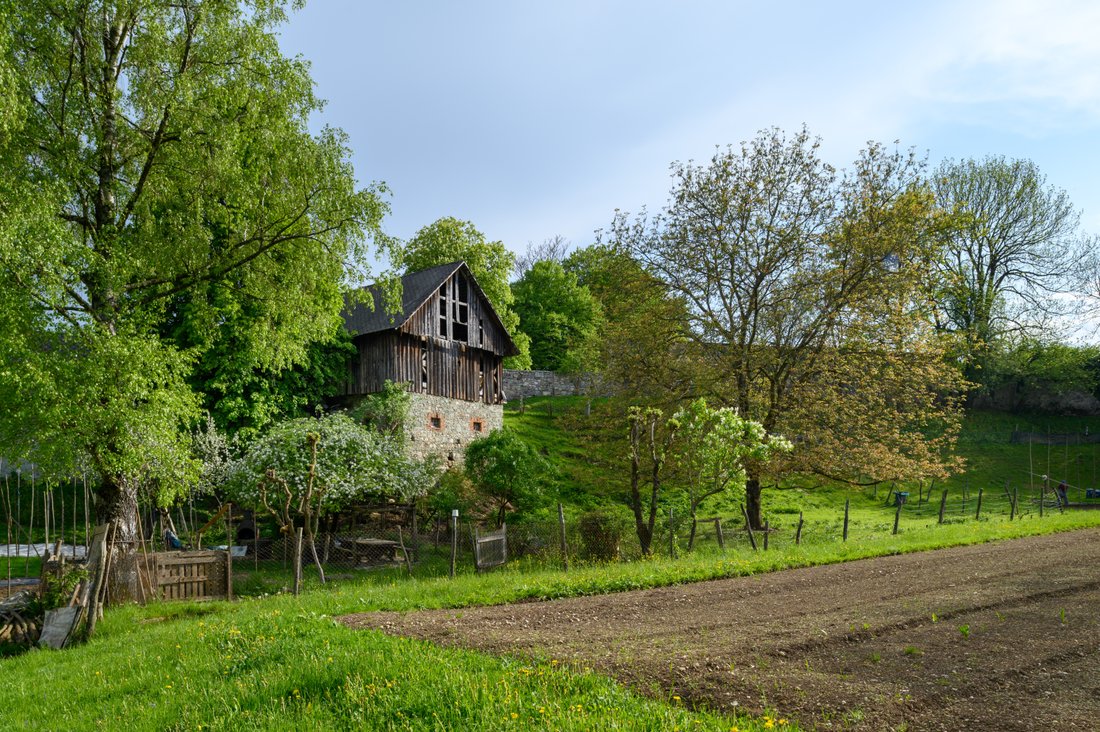
$1,442,628
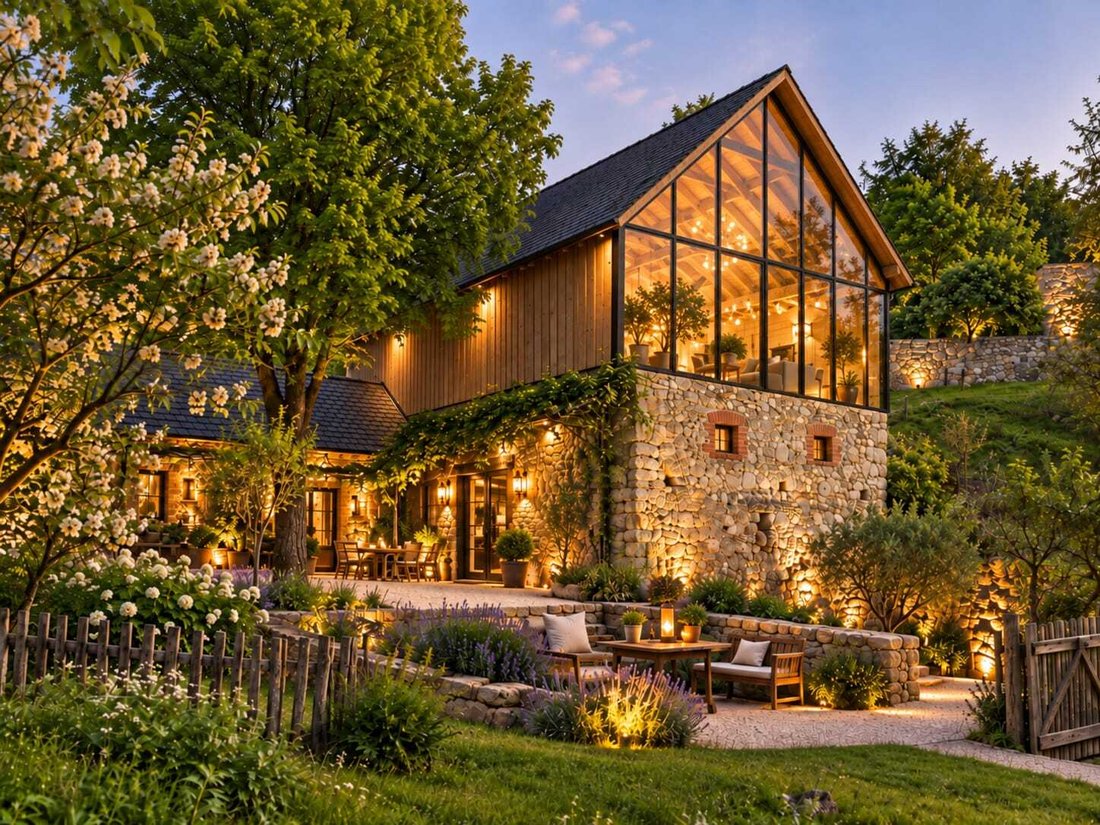
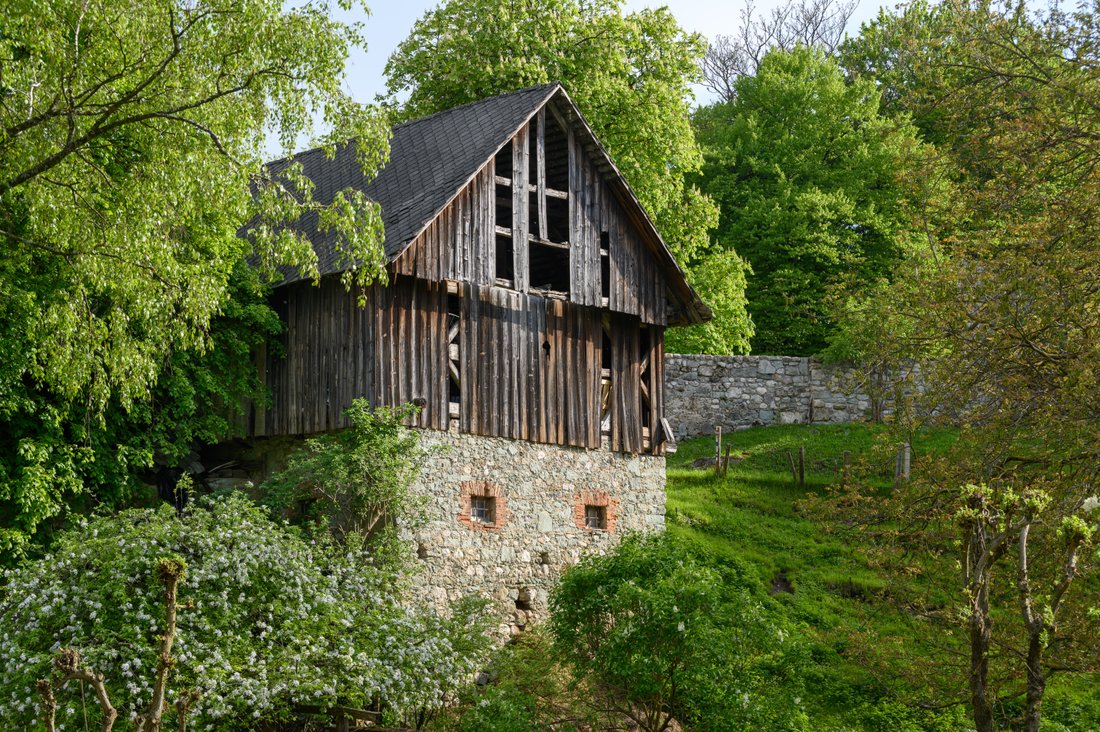
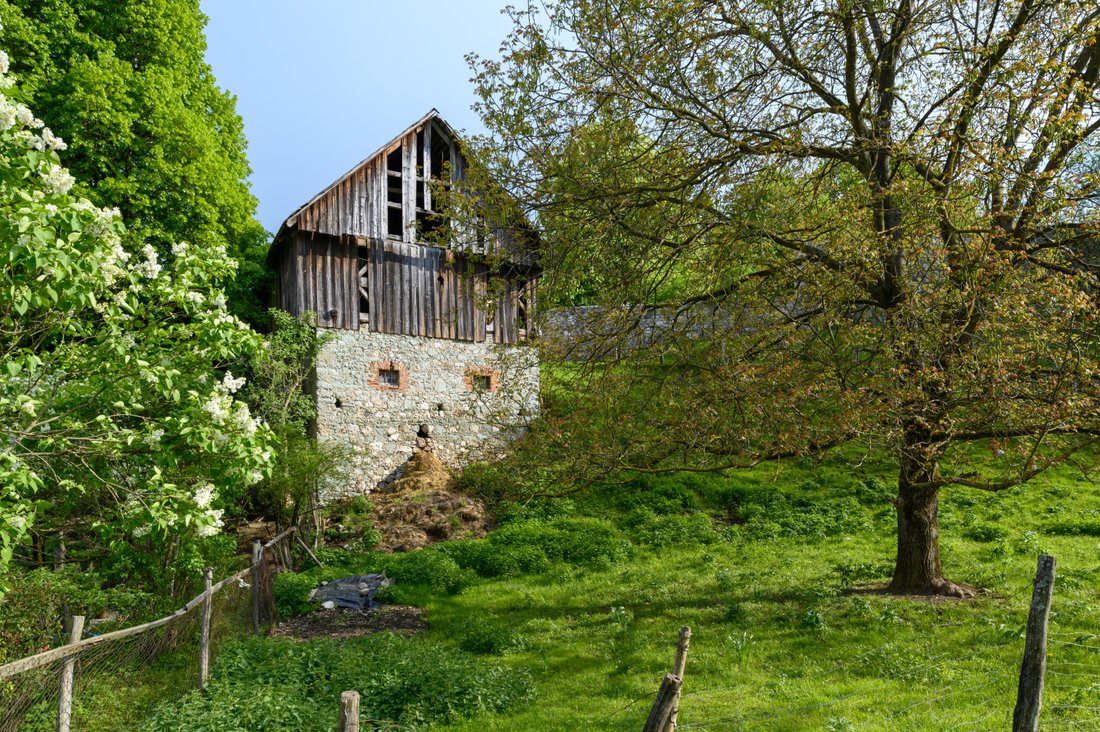
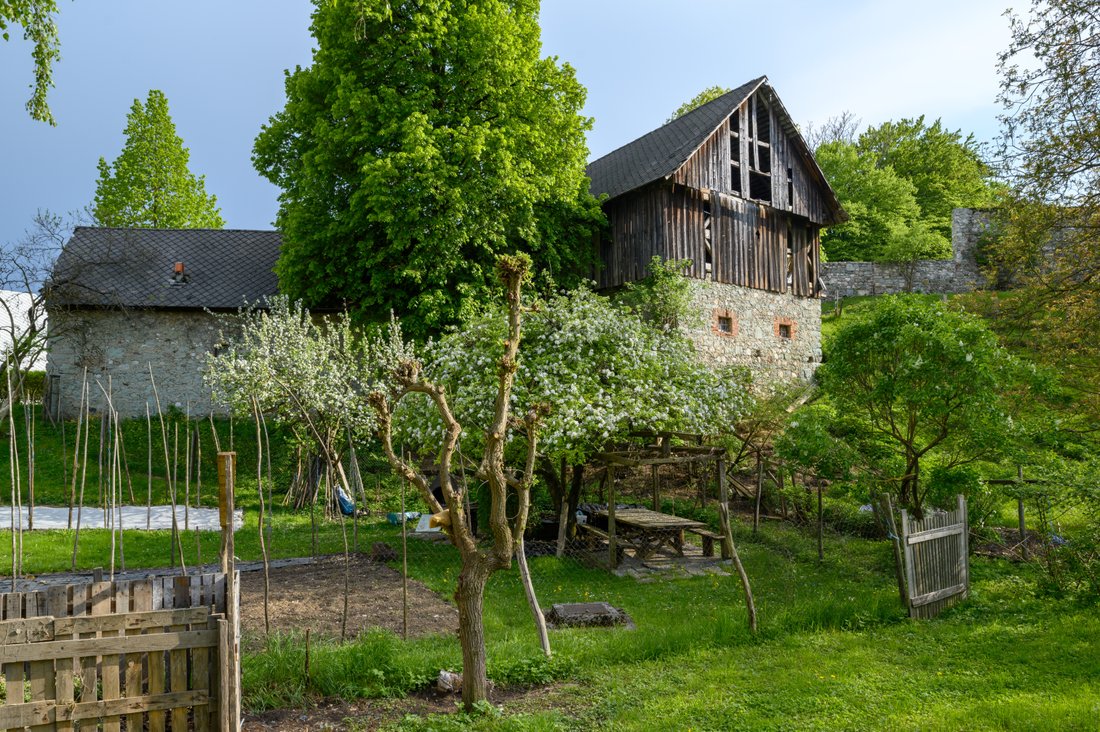
Umbau Der Pferdeställe Des Alten Palastes
- 4 Schlafz.
- 4 Bäder
- 6,459 Sqft
- 18,299 Sqft lot
- Aktualisiert: September 25
- 16
Über die Immobilie
Beschreibung wurde automatisch übersetzt.
Die Beschreibung wird in der Originalsprache angezeigt.
Der Besitz einer Immobilie, die um 16oo gebaut wurde, bietet eine Kombination aus kulturellem Prestige, architektonischer Beständigkeit und einzigartigen finanziellen Möglichkeiten, die moderne Häuser nicht bieten können.
1. Kulturelle und historische Verwaltung
a) Einzigartige Geschichte: Sie werden zum Verwalter eines greifbaren Stücks Geschichte, das mehrere Epochen und histor
1. Kulturelle und historische Verwaltung
a) Einzigartige Geschichte: Sie werden zum Verwalter eines greifbaren Stücks Geschichte, das mehrere Epochen und histor
Owning a property built around 16oo offers a combination of cultural prestige, architectural durability, and unique financial opportunities that modern homes cannot replicate.
1. Cultural and Historical Stewardship
a) Unique History: You become a steward of a tangible piece of history that has survived multiple eras and historical events.
b) Community Identity: Historic
1. Cultural and Historical Stewardship
a) Unique History: You become a steward of a tangible piece of history that has survived multiple eras and historical events.
b) Community Identity: Historic
Der Besitz einer Immobilie, die um 16oo gebaut wurde, bietet eine Kombination aus kulturellem Prestige, architektonischer Beständigkeit und einzigartigen finanziellen Möglichkeiten, die moderne Häuser nicht bieten können.
1. Kulturelle und historische Verwaltung
a) Einzigartige Geschichte: Sie werden zum Verwalter eines greifbaren Stücks Geschichte, das mehrere Epochen und historische Ereignisse überlebt hat.
b) Gemeinschaftsidentität: Historische Häuser dienen oft als Eckpfeiler ihrer lokalen Gemeinschaft und verankern den Charakter und das Erbe des Viertels.
c) Unersetzliche Ästhetik: Diese Häuser verfügen über handgefertigte architektonische Details, die nicht mehr zum Standard gehören, wie freiliegende Holzbalken, handgeschnitzte Holzarbeiten, Steinkamine und dicke Latten- und Putzwände, die eine hervorragende Schalldämmung bieten.
2. Finanzielle und steuerliche Vorteile
a) Steuerbefreiungen: Einige Gebäude von „herausragendem Interesse“ können von der Erbschaftssteuer und der Kapitalertragsteuer befreit werden, wenn sie als Schenkung oder im Todesfall an einen neuen Eigentümer weitergegeben werden, sofern sie bestimmte Denkmalkriterien erfüllen.
b) Zuschüsse zur Renovierung: Organisationen in Slowenien bieten häufig finanzielle Unterstützung oder Zuschüsse für notwendige Reparaturen an, um die historische Integrität zu wahren.
c) Wiederverkaufsprämie: Bei gut erhaltenen historischen Immobilien wird oft ein Aufschlag von 9 bis 23% gegenüber vergleichbaren modernen Immobilien in derselben Gegend verlangt.
d) Einkommenspotenzial: Historische Anwesen können durch Kulturreisen, Drehorte oder als hochwertige Ferienwohnungen (z. B. Airbnb) Einnahmen generieren.
3. Überlegene körperliche Eigenschaften
a) Bauqualität: Ältere Häuser wurden in der Regel aus langlebigen, hochwertigen Materialien wie massivem Stein, Ziegeln und altem Hartholz gebaut, das oft die Lebensdauer moderner Massenmaterialien überdauert.
b) Größere Grundstücke: 400 Jahre alte Grundstücke befinden sich oft auf größeren Grundstücken mit angelegten Gärten und altem Baumbestand, die in modernen Wohnanlagen selten zu finden sind.
c) Erstklassige Lage: Die meisten dieser Immobilien befinden sich in zentraler Lage in historischen Stadtkernen oder etablierten ländlichen Gebieten mit besserem Zugang zu lokalen Annehmlichkeiten.
4. Ökologische Nachhaltigkeit
a) Niedrigerer CO2-Fußabdruck: Die Renovierung eines 400 Jahre alten Bauwerks ist aufgrund des bereits in den vorhandenen Materialien vorhandenen „eingebetteten Kohlenstoffs“ oft umweltfreundlicher als ein Neubau.
b) Natürliche Dämmung: Dickere Stein- oder Ziegelwände bieten eine natürliche thermische Masse, die dazu beiträgt, die Temperaturen effektiver zu regulieren als bei einigen Gebäuden aus der Mitte des Jahrhunderts.
1. Kulturelle und historische Verwaltung
a) Einzigartige Geschichte: Sie werden zum Verwalter eines greifbaren Stücks Geschichte, das mehrere Epochen und historische Ereignisse überlebt hat.
b) Gemeinschaftsidentität: Historische Häuser dienen oft als Eckpfeiler ihrer lokalen Gemeinschaft und verankern den Charakter und das Erbe des Viertels.
c) Unersetzliche Ästhetik: Diese Häuser verfügen über handgefertigte architektonische Details, die nicht mehr zum Standard gehören, wie freiliegende Holzbalken, handgeschnitzte Holzarbeiten, Steinkamine und dicke Latten- und Putzwände, die eine hervorragende Schalldämmung bieten.
2. Finanzielle und steuerliche Vorteile
a) Steuerbefreiungen: Einige Gebäude von „herausragendem Interesse“ können von der Erbschaftssteuer und der Kapitalertragsteuer befreit werden, wenn sie als Schenkung oder im Todesfall an einen neuen Eigentümer weitergegeben werden, sofern sie bestimmte Denkmalkriterien erfüllen.
b) Zuschüsse zur Renovierung: Organisationen in Slowenien bieten häufig finanzielle Unterstützung oder Zuschüsse für notwendige Reparaturen an, um die historische Integrität zu wahren.
c) Wiederverkaufsprämie: Bei gut erhaltenen historischen Immobilien wird oft ein Aufschlag von 9 bis 23% gegenüber vergleichbaren modernen Immobilien in derselben Gegend verlangt.
d) Einkommenspotenzial: Historische Anwesen können durch Kulturreisen, Drehorte oder als hochwertige Ferienwohnungen (z. B. Airbnb) Einnahmen generieren.
3. Überlegene körperliche Eigenschaften
a) Bauqualität: Ältere Häuser wurden in der Regel aus langlebigen, hochwertigen Materialien wie massivem Stein, Ziegeln und altem Hartholz gebaut, das oft die Lebensdauer moderner Massenmaterialien überdauert.
b) Größere Grundstücke: 400 Jahre alte Grundstücke befinden sich oft auf größeren Grundstücken mit angelegten Gärten und altem Baumbestand, die in modernen Wohnanlagen selten zu finden sind.
c) Erstklassige Lage: Die meisten dieser Immobilien befinden sich in zentraler Lage in historischen Stadtkernen oder etablierten ländlichen Gebieten mit besserem Zugang zu lokalen Annehmlichkeiten.
4. Ökologische Nachhaltigkeit
a) Niedrigerer CO2-Fußabdruck: Die Renovierung eines 400 Jahre alten Bauwerks ist aufgrund des bereits in den vorhandenen Materialien vorhandenen „eingebetteten Kohlenstoffs“ oft umweltfreundlicher als ein Neubau.
b) Natürliche Dämmung: Dickere Stein- oder Ziegelwände bieten eine natürliche thermische Masse, die dazu beiträgt, die Temperaturen effektiver zu regulieren als bei einigen Gebäuden aus der Mitte des Jahrhunderts.
Owning a property built around 16oo offers a combination of cultural prestige, architectural durability, and unique financial opportunities that modern homes cannot replicate.
1. Cultural and Historical Stewardship
a) Unique History: You become a steward of a tangible piece of history that has survived multiple eras and historical events.
b) Community Identity: Historic homes often serve as pillars of their local community, anchoring the neighborhood’s character and heritage.
c) Irreplaceable Aesthetic: These homes feature hand-crafted architectural details that are no longer standard, such as exposed wooden beams, hand-carved woodwork, stone fireplaces, and thick lath-and-plaster walls that provide excellent sound insulation.
2. Financial and Tax Advantages
a) Tax Exemptions: Some buildings of ”outstanding interest” can be exempt from Inheritance Tax and Capital Gains Tax when passed to a new owner as a gift or upon death, provided they meet specific heritage criteria.
b) Renovation Grants: Organisations in Slovenia frequently offer financial assistance or grants for essential repairs to maintain historical integrity.
c) Resale Premium: Well-maintained historic properties often command a premium of 9% to 23% over comparable modern properties in the same area.
d) Potential for Income: Historical estates can generate revenue through cultural tours, filming locations, or as high-end vacation rentals (e.g., Airbnb).
3. Superior Physical Attributes
a) Construction Quality: Older homes were typically built with durable, high-quality materials like solid stone, brick, and old-growth hardwood that often outlast modern mass-produced materials.
b) Larger Plots: 400-year-old properties are often situated on larger plots of land with established gardens and mature trees, which are rarely found in modern developments.
c) Prime Location: Most such properties are centrally located in historic town cores or established rural areas with better access to local amenities.
4. Environmental Sustainability
a) Lower Carbon Footprint: Refurbishing a 400-year-old structure is often more environmentally friendly than new construction due to the ”embodied carbon” already present in the existing materials.
b) Natural Insulation: Thicker stone or brick walls can offer natural thermal mass, which helps regulate temperatures more effectively than some mid-century builds.
1. Cultural and Historical Stewardship
a) Unique History: You become a steward of a tangible piece of history that has survived multiple eras and historical events.
b) Community Identity: Historic homes often serve as pillars of their local community, anchoring the neighborhood’s character and heritage.
c) Irreplaceable Aesthetic: These homes feature hand-crafted architectural details that are no longer standard, such as exposed wooden beams, hand-carved woodwork, stone fireplaces, and thick lath-and-plaster walls that provide excellent sound insulation.
2. Financial and Tax Advantages
a) Tax Exemptions: Some buildings of ”outstanding interest” can be exempt from Inheritance Tax and Capital Gains Tax when passed to a new owner as a gift or upon death, provided they meet specific heritage criteria.
b) Renovation Grants: Organisations in Slovenia frequently offer financial assistance or grants for essential repairs to maintain historical integrity.
c) Resale Premium: Well-maintained historic properties often command a premium of 9% to 23% over comparable modern properties in the same area.
d) Potential for Income: Historical estates can generate revenue through cultural tours, filming locations, or as high-end vacation rentals (e.g., Airbnb).
3. Superior Physical Attributes
a) Construction Quality: Older homes were typically built with durable, high-quality materials like solid stone, brick, and old-growth hardwood that often outlast modern mass-produced materials.
b) Larger Plots: 400-year-old properties are often situated on larger plots of land with established gardens and mature trees, which are rarely found in modern developments.
c) Prime Location: Most such properties are centrally located in historic town cores or established rural areas with better access to local amenities.
4. Environmental Sustainability
a) Lower Carbon Footprint: Refurbishing a 400-year-old structure is often more environmentally friendly than new construction due to the ”embodied carbon” already present in the existing materials.
b) Natural Insulation: Thicker stone or brick walls can offer natural thermal mass, which helps regulate temperatures more effectively than some mid-century builds.
-
Art der Immobilie
Farm Ranch
-
Etagen
3
-
Baujahr
1600
-
Preis/Quadratfuß
$223
-
Emissionen
D
-
Verbrauch
D
Funktionen
- Bergblick
- Terrasse
- Garten
- Garage
- Golfblick
- Pferdesport
- Kino
- Spielzimmer
- Feuergrube
Funktionen
Lot
Innenbereich
- Hohe Decke
- Office
- Kamin
- Klimaanlage
- Gasherd
- Whirlpool
- Waschtrockner
- Waschküche
- Sauna
- Spielzimmer
- Kino
- Bibliothek
- Keller
- Stein Arbeitsplatten
- Begehbarer Kleiderschrank
- Fitnessstudio
Outdoor
- Terrasse
- Balkon
- Parkplatz
- Feuergrube
- Garage
- Spielplatz
- Outdoor-Küche
- Wohnraum im Freien
- Tor
- Pergola
- Garten
Erkunden Sie die Gegend
Partizanska pot 8, 4240 Radovljica, Slovenia, Slowenien
Auf Google Maps anzeigen
Preis pro sqft
Niedrig
Hoch
Vor 10 Monaten beigetreten
Sie haben sich nach diesem Objekt erkundigt
Der Agent wird sich in Kürze mit Ihnen in Verbindung setzen
Gelistet von
11
Angebote
2025
Beigetreten
Besichtigung mit the agent buchen
Wählen Sie ein Datum und ob Sie eine virtuelle oder persönliche Besichtigung mit dem Makler wünschen.
Bevorzugtes Datum
Art der Tour

Porta Alpina is a premium Slovenian real estate development company that holds an extensive portfolio of own proper
Porta Alpina is a premium Slovenian real estate development company that holds an extensive portfolio of own properties.
The company specialises in prime cultural heritage properties, potentially converting them into state of the art masterpieces, suitable for contemporary living at the highest level.
We offer:
1) Market Mastery and ”Off-Market” Access
a) Deep Local Data
b) Exclusive Inventory
2) Strategic Value for Sellers
a) Higher Sale Prices
b) Accelerated Sales
c) Targeted Marketing
3) Strategic Value for Buyers
a) Objective Advocacy
b) Negotiation Power
c) Complexity Management
4) Operational Efficiencies
a) Professional Networks
b) Technological Advantage
c) Peace of Mind
Why Slovenia?
In 2026, Slovenia continues to be recognised as a leading European destination for its high quality of life, environmental sustainability, and geostrategy.
1. Quality of Life and Safety
a) Top-Tier Safety: Slovenia is consistently ranked among the top 10 safest countries globally, currently holding the 9th spot for safety.
b) Happiness and Wellbeing: In 2025, Slovenia reached its highest ever ranking in the World Happiness Report at 19th place.
c) Work-Life Balance: The culture strongly prioritizes personal time, with a standard 8-hour workday and an emphasis on outdoor recreation over long working hours.
2. Environmental Leadership
a) Pristine Nature: Over 60% of the territory is covered by forest, making it the third most forested country in Europe.
b) Sustainable Tourism: Slovenia is a global leader in ”green” travel. In 2026, Condé Nast Traveler named the Upper Carniola (Gorenjska) region one of the best places to visit in Europe due to its sustainable developments.
c) Clean Resources: High-quality potable water is available directly from the tap nationwide.
3. Economic and Business Advantages
a) Strategic Location: Located at the heart of Europe, Slovenia serves as a geostatregic bridge between Western Europe and the Balkans, providing easy access to over 700 million customers within the EU market.
b) Innovation Hub: The country ranks 9th globally in high-tech exports and is a pioneer in technologies like blockchain and artificial intelligence.
c) Digital Nomad Friendly: Slovenia has introduced a digital nomad visa, making it highly attractive for remote workers seeking a European base with modern infrastructure and reliable public services.
4. Cultural and Educational Benefits
a) Multilingualism: Proficiency in foreign languages is among the highest in Europe; most citizens under 30 speak English fluently, and many are trilingual (often including German or Italian).
b) Affordable Education: Higher education is often free or low-cost for EU residents, with prestigious institutions like the University of Ljubljana ranking in the top 3% of universities worldwide.
c) 2026 Cultural Milestones: Ptuj has been named ”Europe’s Best Cultural Heritage Town 2026”.
The UNESCO-listed Škofja Loka Passion Play will be performed in Spring 2026, an event that occurs only once every six years.
5. Cost of Living
a) While housing in the capital (Ljubljana) can be expensive, the overall cost of living remains significantly lower than in Western European nations like France, Italy, or Austria.
b) Healthcare: Legal residents have access to a universal, high-quality healthcare system funded through state taxes.
The company specialises in prime cultural heritage properties, potentially converting them into state of the art masterpieces, suitable for contemporary living at the highest level.
We offer:
1) Market Mastery and ”Off-Market” Access
a) Deep Local Data
b) Exclusive Inventory
2) Strategic Value for Sellers
a) Higher Sale Prices
b) Accelerated Sales
c) Targeted Marketing
3) Strategic Value for Buyers
a) Objective Advocacy
b) Negotiation Power
c) Complexity Management
4) Operational Efficiencies
a) Professional Networks
b) Technological Advantage
c) Peace of Mind
Why Slovenia?
In 2026, Slovenia continues to be recognised as a leading European destination for its high quality of life, environmental sustainability, and geostrategy.
1. Quality of Life and Safety
a) Top-Tier Safety: Slovenia is consistently ranked among the top 10 safest countries globally, currently holding the 9th spot for safety.
b) Happiness and Wellbeing: In 2025, Slovenia reached its highest ever ranking in the World Happiness Report at 19th place.
c) Work-Life Balance: The culture strongly prioritizes personal time, with a standard 8-hour workday and an emphasis on outdoor recreation over long working hours.
2. Environmental Leadership
a) Pristine Nature: Over 60% of the territory is covered by forest, making it the third most forested country in Europe.
b) Sustainable Tourism: Slovenia is a global leader in ”green” travel. In 2026, Condé Nast Traveler named the Upper Carniola (Gorenjska) region one of the best places to visit in Europe due to its sustainable developments.
c) Clean Resources: High-quality potable water is available directly from the tap nationwide.
3. Economic and Business Advantages
a) Strategic Location: Located at the heart of Europe, Slovenia serves as a geostatregic bridge between Western Europe and the Balkans, providing easy access to over 700 million customers within the EU market.
b) Innovation Hub: The country ranks 9th globally in high-tech exports and is a pioneer in technologies like blockchain and artificial intelligence.
c) Digital Nomad Friendly: Slovenia has introduced a digital nomad visa, making it highly attractive for remote workers seeking a European base with modern infrastructure and reliable public services.
4. Cultural and Educational Benefits
a) Multilingualism: Proficiency in foreign languages is among the highest in Europe; most citizens under 30 speak English fluently, and many are trilingual (often including German or Italian).
b) Affordable Education: Higher education is often free or low-cost for EU residents, with prestigious institutions like the University of Ljubljana ranking in the top 3% of universities worldwide.
c) 2026 Cultural Milestones: Ptuj has been named ”Europe’s Best Cultural Heritage Town 2026”.
The UNESCO-listed Škofja Loka Passion Play will be performed in Spring 2026, an event that occurs only once every six years.
5. Cost of Living
a) While housing in the capital (Ljubljana) can be expensive, the overall cost of living remains significantly lower than in Western European nations like France, Italy, or Austria.
b) Healthcare: Legal residents have access to a universal, high-quality healthcare system funded through state taxes.
Zuletzt aktualisiert
September 25
Erstmalig gelistet
Januar 14
Ähnliche Immobilien in der Nähe
Neue Angebote in Radovljica


Entdecken Sie mehr Häuser zum Verkauf
Radovljica, Slowenien Städte
Radovljica, Slowenien Immobilienarten
Radovljica, Slowenien beliebte Suchanfragen
- Immobilien mit Klimaanlage in Radovljica, Slowenien
- Immobilien mit Garten in Radovljica, Slowenien
- Immobilien mit Office in Radovljica, Slowenien
- Immobilien mit Bibliothek in Radovljica, Slowenien
- Anlageimmobilie Immobilien in Radovljica, Slowenien
- Privatsphäre Immobilien in Radovljica, Slowenien
- Immobilien mit Kamin in Radovljica, Slowenien
- Immobilien auf Hügeln in Radovljica, Slowenien
- Immobilien mit Golfblick in Radovljica, Slowenien
- Immobilien mit Kino in Radovljica, Slowenien
- Pferdesport Immobilien in Radovljica, Slowenien
- Immobilien mit Whirlpool in Radovljica, Slowenien
- Immobilien mit Dampfsauna in Radovljica, Slowenien
- Immobilien mit Seeblick in Radovljica, Slowenien
- am See Immobilien in Radovljica, Slowenien
- Gesicherte Wohnanlage Immobilien in Radovljica, Slowenien
- Immobilien mit Offene Küche in Radovljica, Slowenien
- Immobilien mit Outdoor-Küche in Radovljica, Slowenien
- Immobilien mit Spielzimmer in Radovljica, Slowenien
Verwandte Leitfäden & Geschichten
Das Vertrauen der führenden Makler der Welt
Die Makler hinter den außergewöhnlichsten Immobilien der Welt inserieren bei JamesEdition.
- Angebote von Sotheby's, Christie's, BARNES und Engel & Völkers
- Jedes Angebot wird vor der Veröffentlichung geprüft
- Verbinden Sie sich direkt mit verifizierten Maklern
Indem Sie fortfahren, akzeptieren Sie unsere Nutzungsbedingungen und Datenschutzrichtlinie.