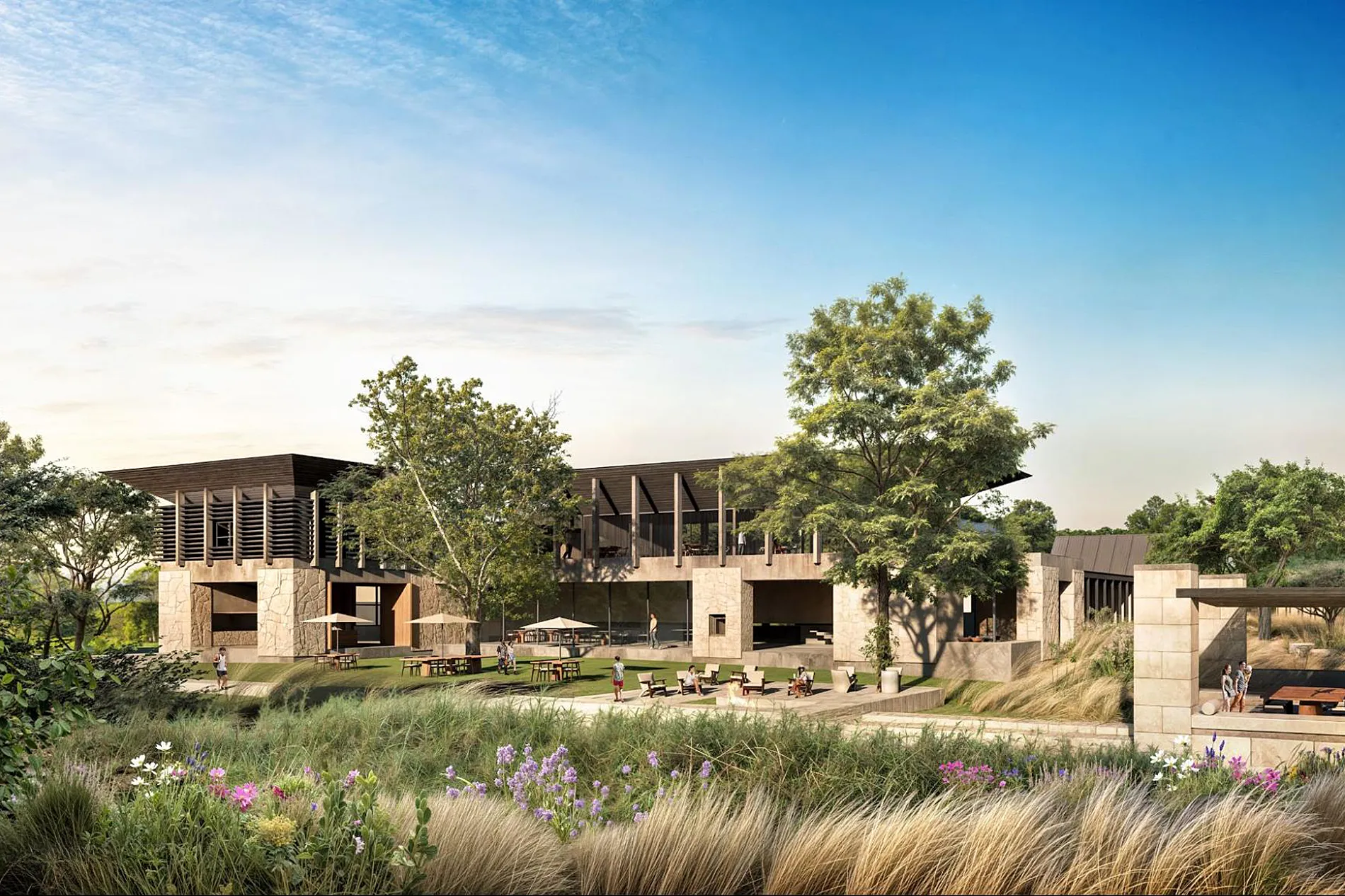
Texas has spent the past decade benefiting from one of the strongest demographic and economic expansions in the United States. Corporate relocations, tax advantages, infrastructure investment, and sustained domestic migration have transformed cities such as Austin, Dallas, and Houston into established luxury markets.
What is changing now is the international perception of the state.
Rather than being viewed solely through the lens of business expansion, Texas is increasingly recognised as a lifestyle market capable of competing with established global luxury destinations.
Nowhere is that shift more visible than in Texas Hill Country, the region between Austin and San Antonio that is emerging as a new lifestyle-driven luxury market.
To understand how developers are approaching this next phase of growth, JamesEdition spoke with Mark Harmon, founder of Auberge Resorts Collection and one of the developers behind Waldorf Astoria Texas Hill Country, a new hospitality and branded residential project developed in partnership with Hilton.
In conversation with JamesEdition, Harmon discusses the rise of Texas Hill Country, the economics of place-making, and why authenticity, wellness, and long-term livability are becoming increasingly important in luxury development.
 Mark HarmonFounder and CEO, Auberge Resorts CollectionProperties that authentically reflect their surroundings tend to age well. When architecture, materials, and programming are rooted in the land and culture, the property feels timeless rather than trend-driven. That authenticity fosters emotional connection, and emotional connection drives long-term value.
Texas Beyond the Boom: Why Global Capital is Moving South
The state’s appeal begins with economics. Relative to coastal gateway cities, Texas continues to offer meaningful value at the luxury level, particularly when measured against comparable properties in New York, Miami, London, Dubai, or Los Angeles. Yet pricing alone does not generate international demand.
What is drawing affluent global buyers is the combination of economic resilience and lifestyle flexibility. Large land parcels, lower-density living, privacy, and multi-generational ownership potential are becoming increasingly valuable in a post-pandemic luxury environment where buyers prioritize space and operational flexibility.
According to Harmon, the state’s appeal extends well beyond its major urban centers.
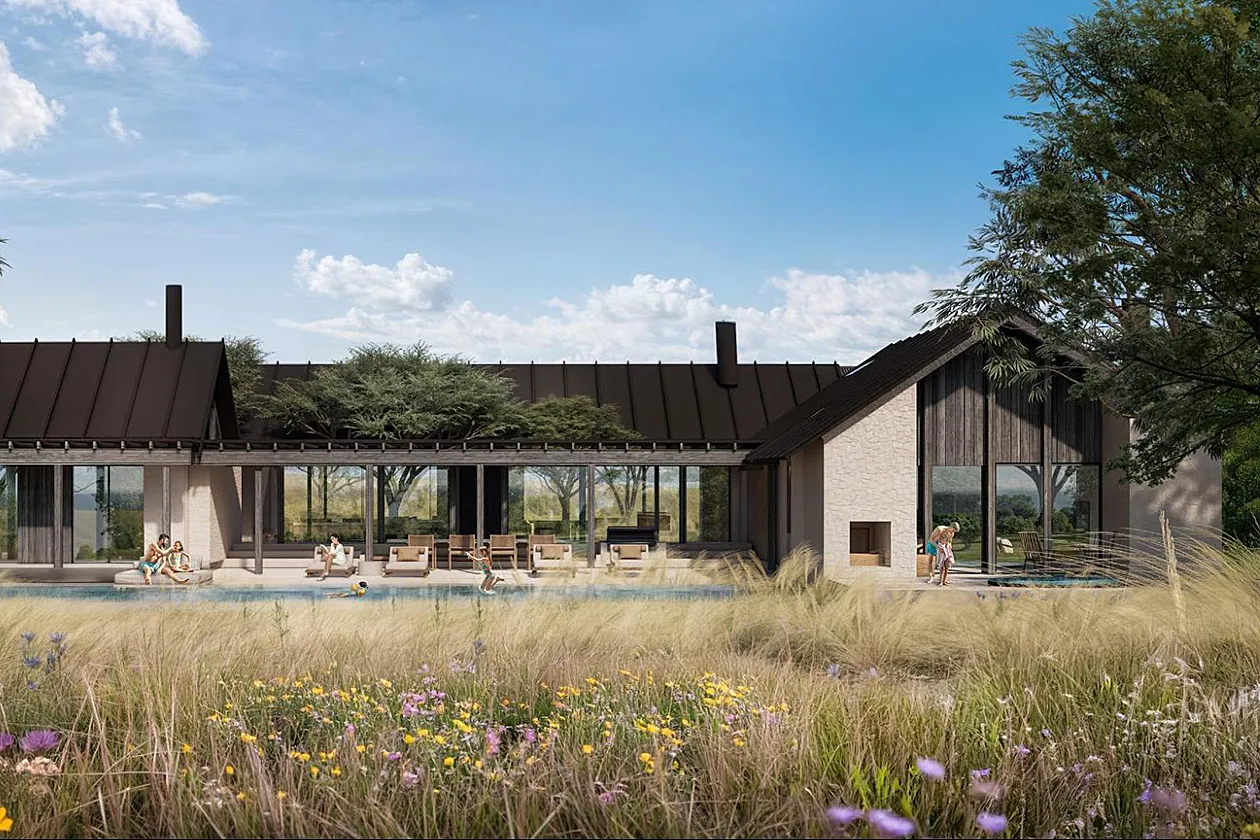
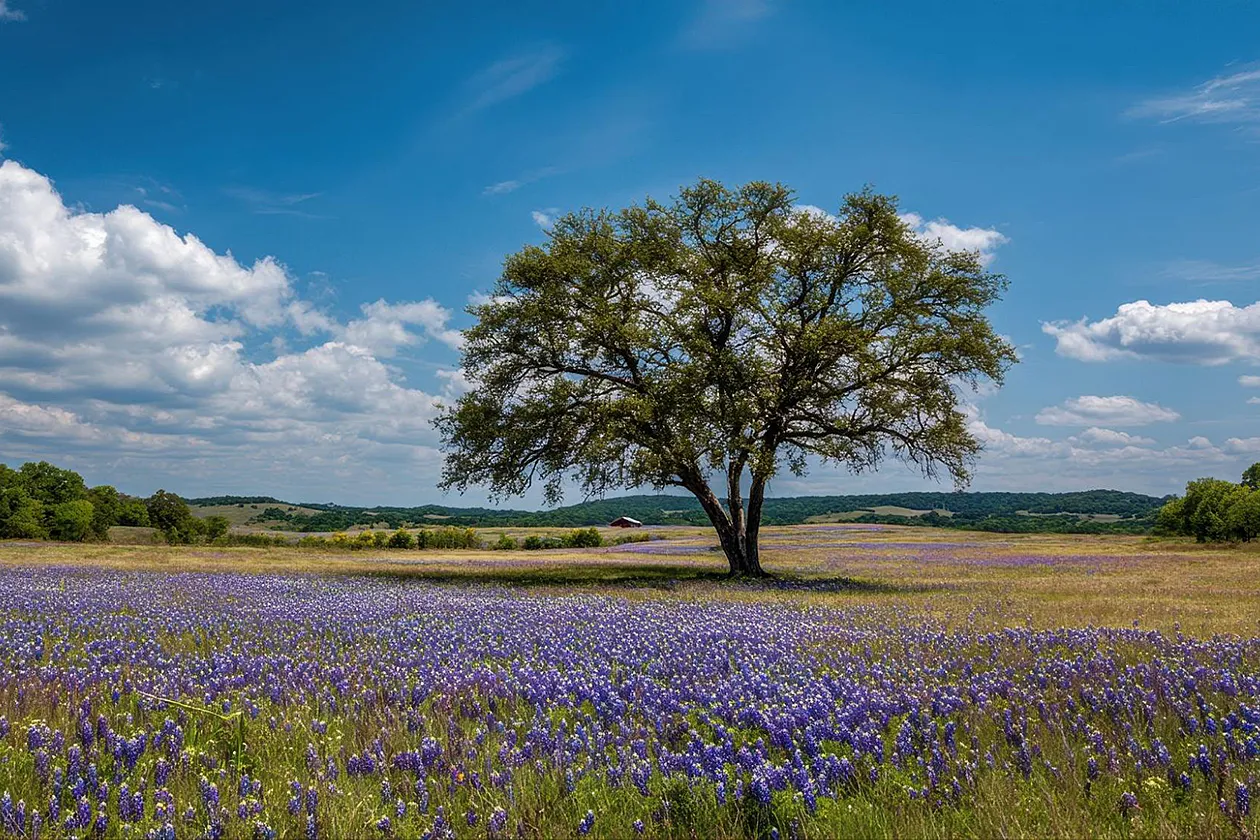
Fredericksburg and the surrounding Hill Country region are emerging as alternative luxury destinations precisely because they offer a different type of experience: slower-paced, land-connected, and culturally distinctive.
Long known for ranchland, wineries, and low-density living, Hill Country is increasingly attracting affluent buyers seeking privacy, land, wellness, and a slower pace of living without disconnecting from major economic centres.
The region’s growing hospitality ecosystem, anchored by vineyards, culinary tourism, and boutique accommodations, has accelerated that shift.
Fredericksburg’s recognition as one of the friendliest traveller destinations in the United States has further elevated the town’s visibility among affluent domestic and international visitors.
Scale, Land, and the Luxury of Space
Internationally, many mature luxury markets face structural constraints around land availability and development scale. Texas presents the opposite dynamic.
Its geographic openness allows developers to integrate landscape, architecture, wellness programming, and privacy into large-scale projects that would be difficult to execute in denser global markets.
That scale also creates opportunities for a different kind of luxury product, one less dependent on urban density and more focused on experiential living. Rather than vertical luxury towers, Hill Country developments can integrate walking trails, wellness facilities, outdoor gathering spaces, and low-density residential layouts that emphasise environmental immersion.
For UHNW buyers increasingly focused on longevity and quality of life, those characteristics are becoming core investment considerations rather than secondary amenities.
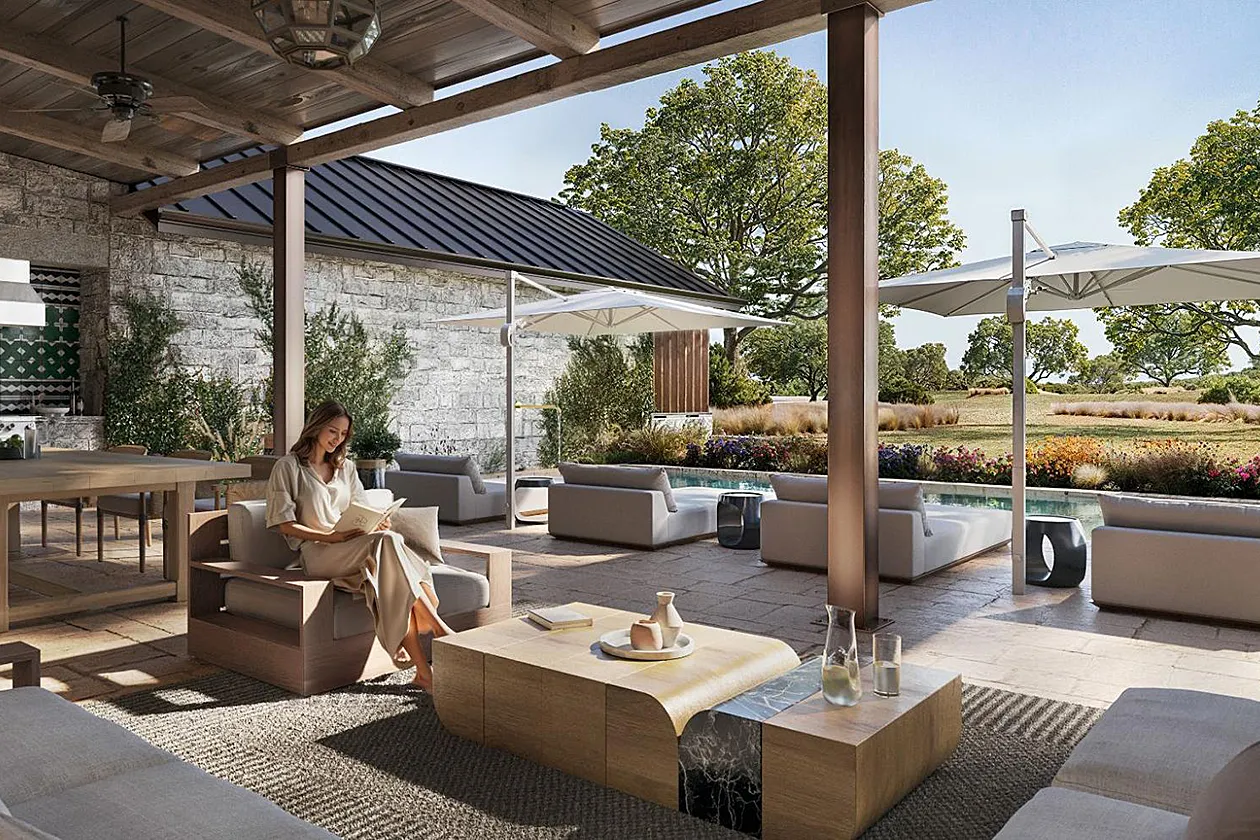
The New Luxury Geography: How Texas Hill Country is Becoming a Strategic Lifestyle Market
Branded residences have historically concentrated around globally established luxury hubs: Miami, New York, Beverly Hills, Dubai, Los Cabos. Hilton’s decision to introduce a Waldorf Astoria-branded destination into Texas Hill Country signals a broader shift in where luxury hospitality groups see long-term growth.
The strategy is not simply about following migration trends. It is about identifying markets where hospitality infrastructure can actively shape a destination’s global positioning.
Why Fredericksburg Matters
Fredericksburg occupies a distinctive position within the American luxury landscape. Located roughly 90 minutes from Austin and San Antonio, the town combines German heritage, wine tourism, ranch culture, and an increasingly sophisticated hospitality offering.
Unlike heavily commercialised resort markets, however, it remains relatively early in its luxury development cycle.
That timing was central to Harmon’s decision to enter the market.
For developers, entering an emerging luxury destination carries both risk and strategic upside. The challenge lies in building infrastructure without diluting local identity. The advantage is the ability to establish category-defining projects before the market reaches saturation.
In Hill Country, the landscape itself plays a defining role in that positioning. Rolling hills, oak forests, vineyards, and open meadows create an aesthetic framework more commonly associated with European wine regions than conventional perceptions of Texas.
Branded Residences Enter Their Next Phase
The branded residential sector has expanded rapidly over the past decade as affluent buyers increasingly seek operational consistency, hospitality services, and global brand credibility.
Yet the next phase of branded residential growth may depend less on adding inventory in saturated global cities and more on identifying experiential markets with strong long-term demographic fundamentals.
That distinction matters because branded residences increasingly compete not only on design and service, but on emotional identity. Buyers are seeking destinations with narrative depth, places that feel culturally grounded rather than globally interchangeable.
In practical terms, that means architecture, landscape integration, culinary programming, and local partnerships become part of the value proposition.
From Hotel Development to Destination Creation: The Economics of Place-Making
Luxury hospitality development has evolved well beyond the traditional resort model. Increasingly, developers are tasked not simply with building hotels, but with shaping broader destination ecosystems.
For Harmon, that philosophy emerged early in his career through observing how hospitality projects could influence economic and cultural development at the regional level.
The Difference Between Development and Place-Making
Place-making, as Harmon describes it, depends on amplification rather than replacement.
Successful luxury developments strengthen existing cultural and environmental identity instead of imposing externally manufactured concepts onto a location.
That philosophy has become increasingly important as luxury buyers grow more sceptical of homogenised hospitality environments.
Across many global resort markets, affluent travellers are seeking experiences that feel regionally specific rather than standardised across continents. Developers who fail to establish that distinction risk creating assets vulnerable to commoditisation.
Hill Country’s appeal, by contrast, lies partly in its cultural specificity. Ranch traditions, local wineries, landscape preservation, and low-density development patterns create an experience difficult to replicate elsewhere.
Hospitality as Regional Infrastructure
Hospitality-led development also generates secondary economic effects that extend beyond real estate transactions.
Luxury resorts can elevate regional dining scenes, attract investment capital, expand tourism infrastructure, and increase global visibility for surrounding communities. In emerging markets, those effects often accelerate broader luxury adoption.
Harmon believes Waldorf Astoria Texas Hill Country can serve precisely that role for Fredericksburg.
That balancing act, introducing global luxury standards while preserving local identity, increasingly defines successful destination development.
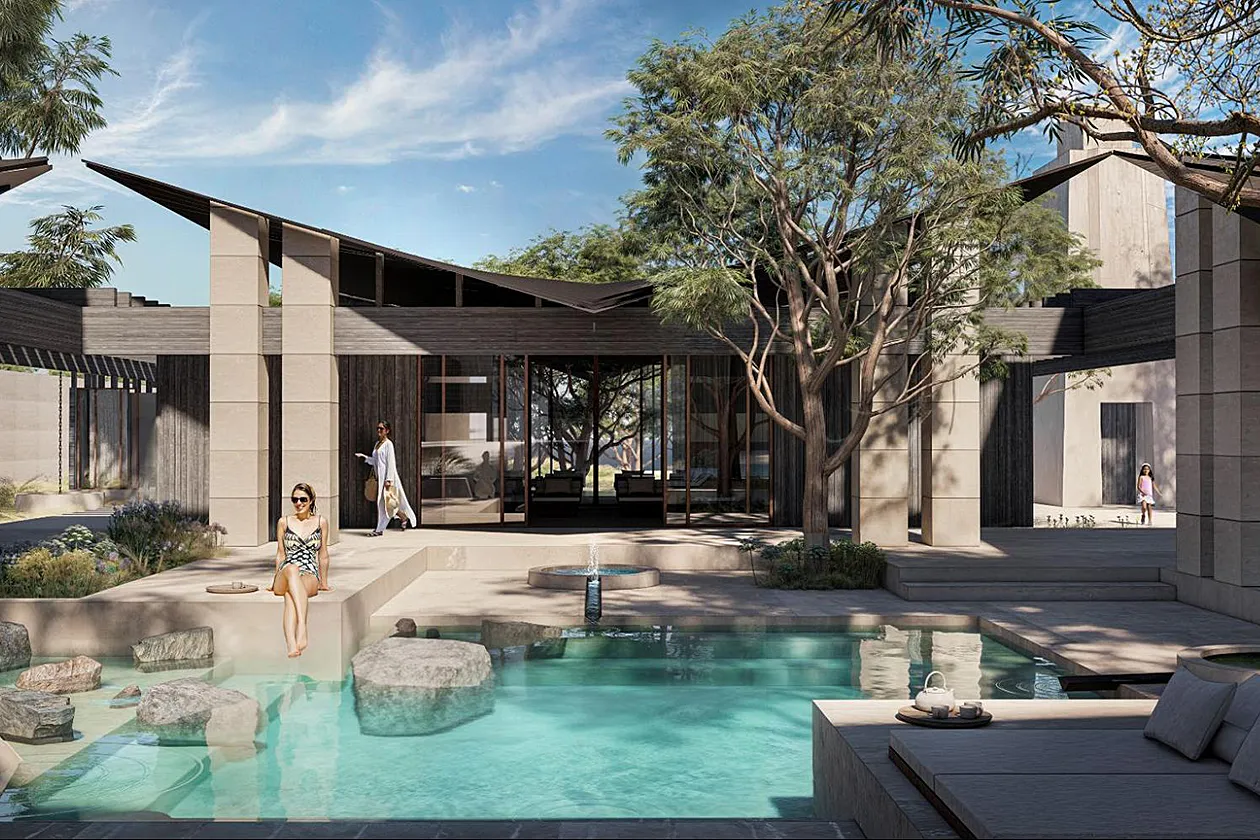
The Wellness Shift: How UHNW Priorities Are Reshaping Luxury Real Estate
The pandemic accelerated several structural shifts in luxury real estate demand, but one of the most significant has been the redefinition of wellness.
For UHNW buyers, wellness is no longer confined to spa amenities or fitness facilities. It has broadened into a wider framework encompassing privacy, environmental quality, flexibility, and long-term livability.
Wellness Moves Beyond Amenities
Harmon sees wellness-oriented design becoming foundational rather than supplementary.
That evolution is influencing both architecture and land planning.
Developers are increasingly prioritising lower-density layouts, outdoor integration, natural materials, and wellness-centred programming designed to support longer stays and multi-generational use.
In markets such as Texas Hill Country, those priorities align naturally with the physical landscape. Expansive land allows developments to incorporate outdoor movement, environmental immersion, and privacy at scales difficult to achieve in urban luxury environments.
Flexibility as a Core Luxury Asset
The traditional distinction between primary residences, vacation homes, and investment properties is also becoming less rigid.
Affluent buyers increasingly expect properties to function across multiple use cases: personal retreat, income-producing asset, family gathering place, or long-term strategic holding.
That shift carries significant implications for luxury development.
Projects capable of integrating hospitality operations with residential flexibility are likely to command stronger long-term demand. Branded residences, in particular, benefit from this dynamic because they combine ownership with professionally managed operational infrastructure.
For internationally mobile buyers, that operational consistency reduces friction while increasing asset usability.
Building for Permanence: Why Authenticity Outperforms Trend Cycles
Luxury real estate markets are highly cyclical, but certain assets maintain relevance across decades. According to Harmon, authenticity is one of the defining variables separating durable destinations from trend-driven developments.
The Long-Term Economics of Authentic Design
In emerging luxury markets, developers often face pressure to replicate globally recognisable aesthetics. Yet projects disconnected from local context frequently lose distinctiveness over time.
Harmon argues that enduring value comes from designing properties inseparable from their environments.
That philosophy extends beyond architecture into materials, landscaping, culinary partnerships, programming, and environmental stewardship.
For sophisticated buyers, those details increasingly signal whether a development represents genuine destination-building or simply luxury branding layered onto interchangeable product.
Looking Beyond Texas
Although Texas remains a major focus, Harmon’s broader philosophy of place-based development extends globally.
When asked where he would create one final destination project, his answer was not another urban luxury market, but Africa.
The reasoning reflects the same principles shaping his Hill Country work: conservation, local integration, sustainability, and emotional connection to landscape.
That perspective underscores a broader shift in luxury development. The future of high-end hospitality may depend less on spectacle and more on stewardship, creating environments that preserve cultural and ecological identity while still delivering world-class experiences.