Santa Barbara-style homes have long become a synonym of the West Coast upscale living. So what are the key elements of the refined, instantly recognizable Santa Barbara architecture?
While Santa Barbara isn’t the wealthiest of areas in the USA in terms of the median income per household, the city certainly promises the high-end lifestyle that wealthy buyers seek when on the lookout for their next property. The impressive building design in Santa Barbara and the laid-back lifestyle is, however, what makes the city one of the most popular places to live in the country right now. Some of the areas where you can find the best examples of Santa Barbara architecture are in the wealthy enclaves of Goleta, Carpinteria, Montecito; the latter of which is now home to Prince Harry and Meghan Markle.
Set amongst the Santa Ynez mountains, Santa Barbara is filled with Mediterranean character and islaso known as the ‘American Riviera’, thanks to its Meditteranian climate — and expertly designed buildings which reflect the city’s Spanish Colonial heritage from over 500 years ago.
What is Santa Barbara’s architectural style?
Santa Barbara is first and foremost known for its colonial architecture, which owes much of its charm to thick plaster walls and clay-tiled roofs, which you’d most typically come across in Spain today. Despite its historic influences, Santa Barbara also has a mix of contemporary builds which are starting to spring up around the city – aiming to mock the luxe colonial style but with space and functionality in mind for the modern homeowner.
Explorer Sebastián Vizcaíno, sailed from Mexico in 1602 – then ruled by the Spanish – and survived a deadly storm on the eve of Saint Barbara’s feast day. Upon reaching the shore, he named the island ‘Santa Barbara’ in honour of the saint.
In 1769, the Spanish returned to Santa Barbara from Mexico to construct forts on the island. In a short period of time, the Old Mission and El Presidio fort were erected (and can still be visited to this day). The old streets in the downtown region are also still a reminder of this very early period of the Spanish settlement.
In the early 1900s, millions more Spanish settled in the South West of the US, including Florida and Texas which influenced the early beginnings of the Spanish Colonial revival in the region. The decision to keep this architectural trend alive was backed by several professional architects, including George Washington Smith, Lutah Maria Riggs and Winsor Soule.
When an earthquake reading 6.8 on the Ritcher scale struck in 1925, colossal damage was caused to many buildings in Santa Barbara. It was then that the new architectural style was truly brought into play. Thanks to Civic leader Pearl Chase, the council was convinced to rebuild structures in the classic Spanish colonial style – especially on State Street and the Pueblo Viejo area.
Santa Barbara style homes today: key features
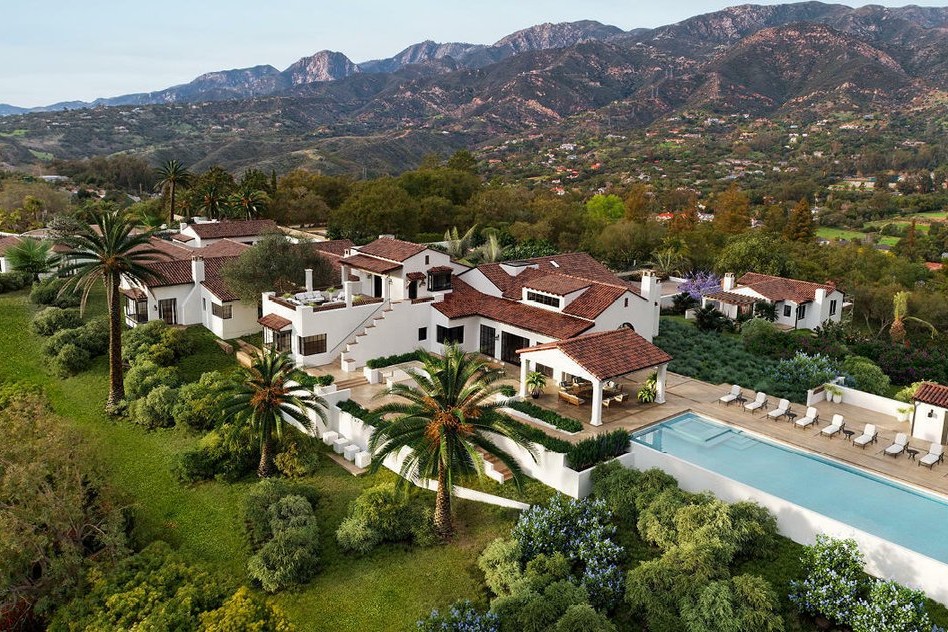
Upscale homes within Santa Barbara are typically designed with the same characteristics and features. Colonial-style buildings are often built with a low roof pitch finished with red tiles, while white-washed plaster walls are detailed with cornice and eave markings to create a decorative edge. On the front of the property, you would usually find a deep porch surrounded by decorative plaster or wooden balustrades. The front doors on these homes are often created from solid wood with a colorful tile surrounding, while the windows are often minimalistic, but caged with a metal frame around the exterior structure.
Santa Barbara style interiors
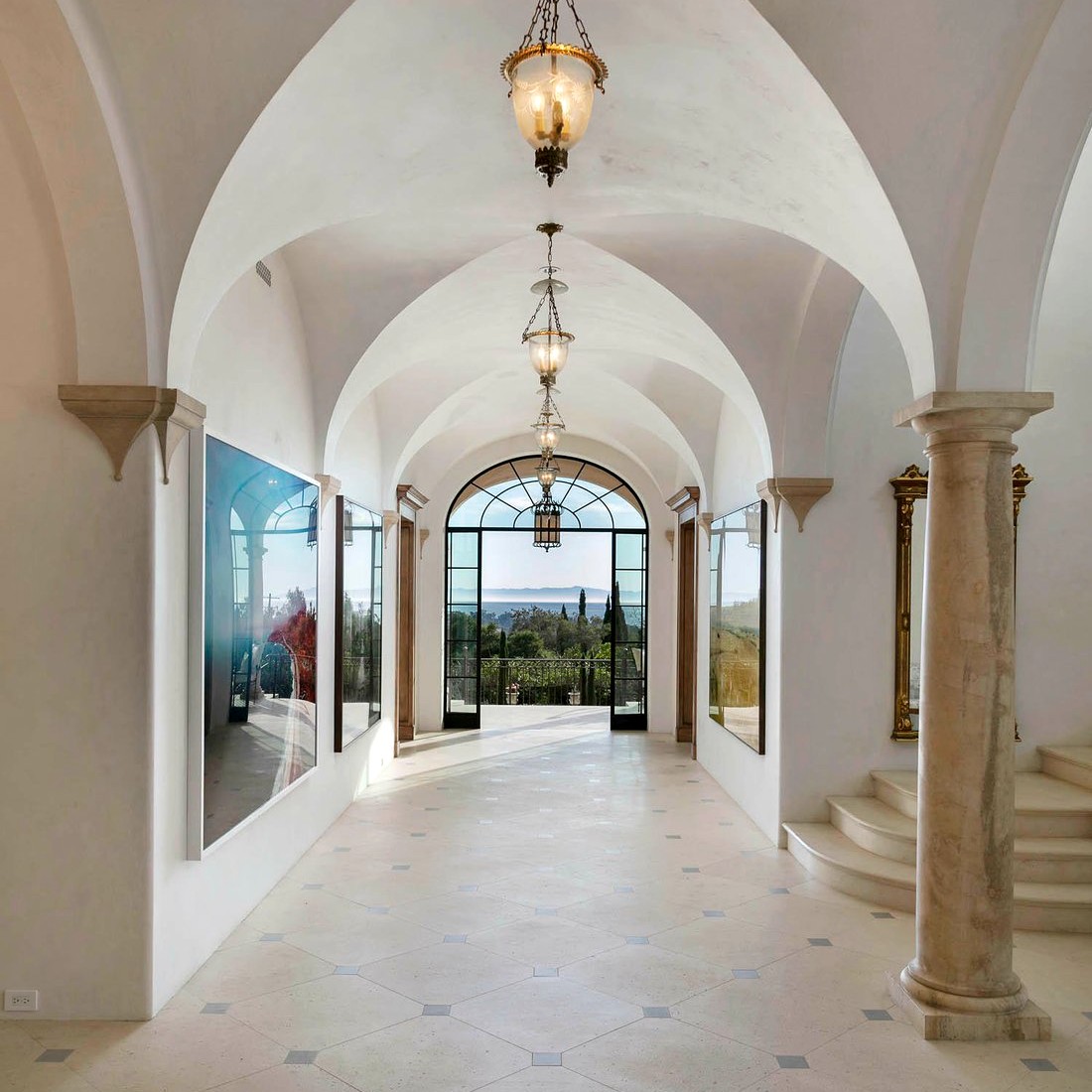
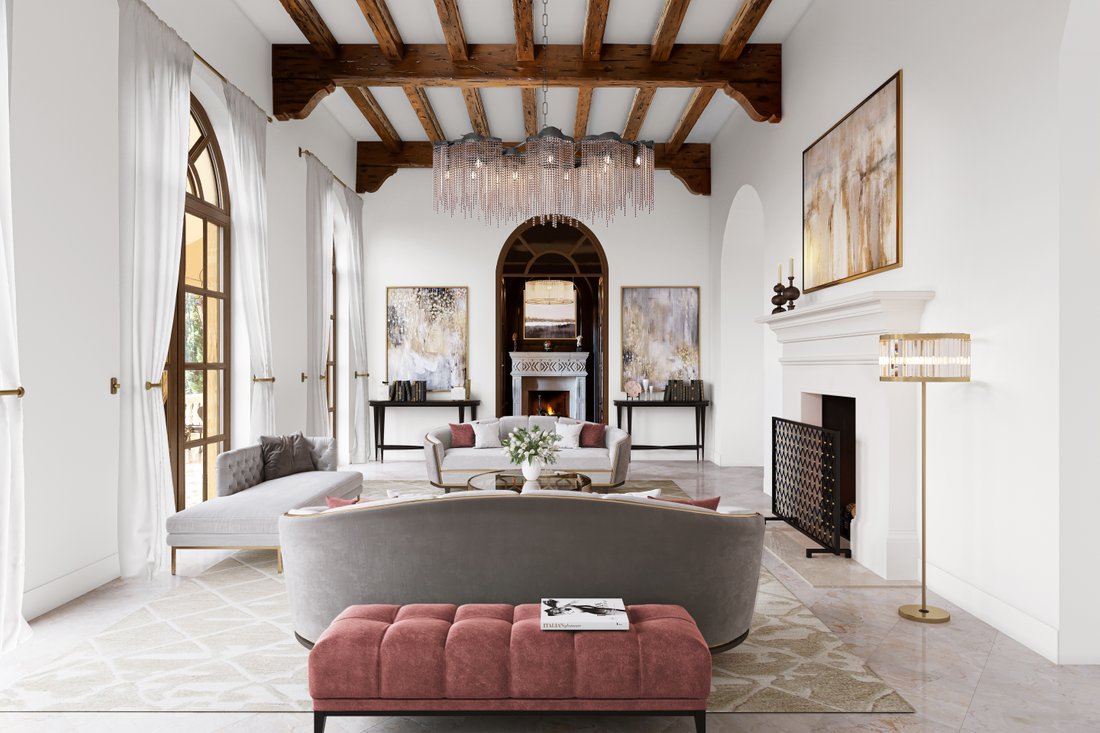
As you may well expect, homes in Santa Barbara feature typically lavish interiors to complement the exotic exterior structure. Mirroring the Spanish aesthetic of the build, rooms often feature stone fireplaces, wooden beam ceilings and wooden or tiled flooring. Habitually, the most common feature of the home is a swirling staircase surrounded by an intricately designed wrought cast-iron balustrade for that authentic Mediterranean vibe.
What is the difference between Santa Barbara and Spanish colonial architecture?
Spanish architecture takes inspiration from the design and techniques of its history which translates onto buildings. As with most Mediterranean architecture, the Spanish Colonial style is simple, with the use of plain washed walls, exposed wood and tiling. The only difference of this style to Santa Barbara architecture is that the latter properties are modern, having taken Spanish influences and combining them with contemporary finishes and practicality in mind.
What is the difference between Santa Barbara and Tuscan architecture?
While Santa Barbara architecture takes inspiration from Spanish culture, Tuscan architecture, on the other hand, is heavily influenced by authentic Italian design. The main difference is that Tuscan homes are typically built from darker stone with earthy tones within the interior, as opposed to the light and bright Santa Barbara style homes.
What is the difference between Santa Barbara and Mediterranean architecture?
Mediterranean style architecture takes influence from countries across the Mediterranean and those surrounding it, including the likes of Spain, Italy, and Greece, and North Africa. These buildings are exemplified by brown tile roofs, quirky asymmetric interiors and an abundance of balconies, arches and courtyards designed with the intention of enjoying the sun and surroundings, whether it be dining or relaxing. On the other hand, the Santa Barbara style is specifically focused on traditional Spanish architecture.
What is the difference between Santa Barbara and Monterey architecture style?
Another Spanish architectural style is Monterey design, which was developed following the Spanish colonial trend. Thomas O. Larkin is famed for this architectural style, which often features two-stories, extensive porches and hipped roofs. It could be said that this style is much more ‘modern’ in comparison to the traditional Spanish aesthetic of Santa Barbara architecture.
Editor’s Choice: Top 5 Santa Barbara style homes for sale
These homes located in some of the most prestigious neighborhoods are perfect examples of Santa Barbara style architecture on the market:
1. Historic property created by Reginald Johnson
$10,200,000
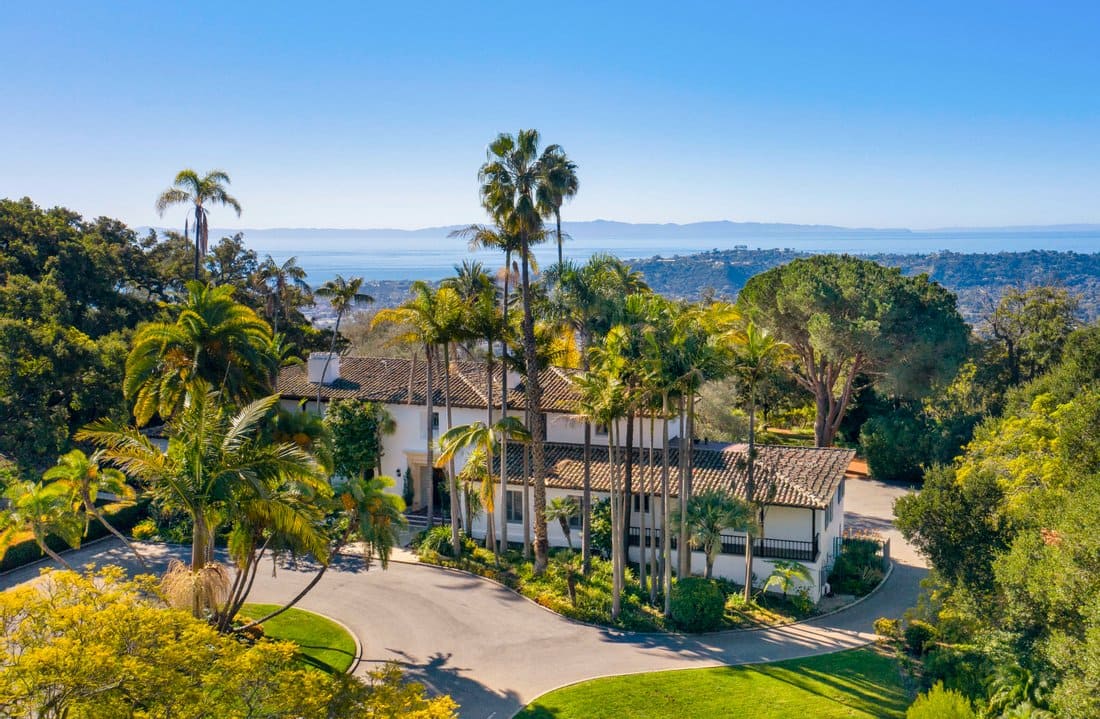
This property is a nod to California’s golden age, in which you can revel in the glamour and luxury of the early 1900s. Designed by Reginald Johnson, this property is brimming with authentic details and materials, such as exposed wooden beams and cast-iron balustrades. Outside, you’ll find a relaxing pool overlooking the sea and surrounding neighborhood as well as a two-bedroom guest house.
2. Iconic Montecito estate
$7,250,000
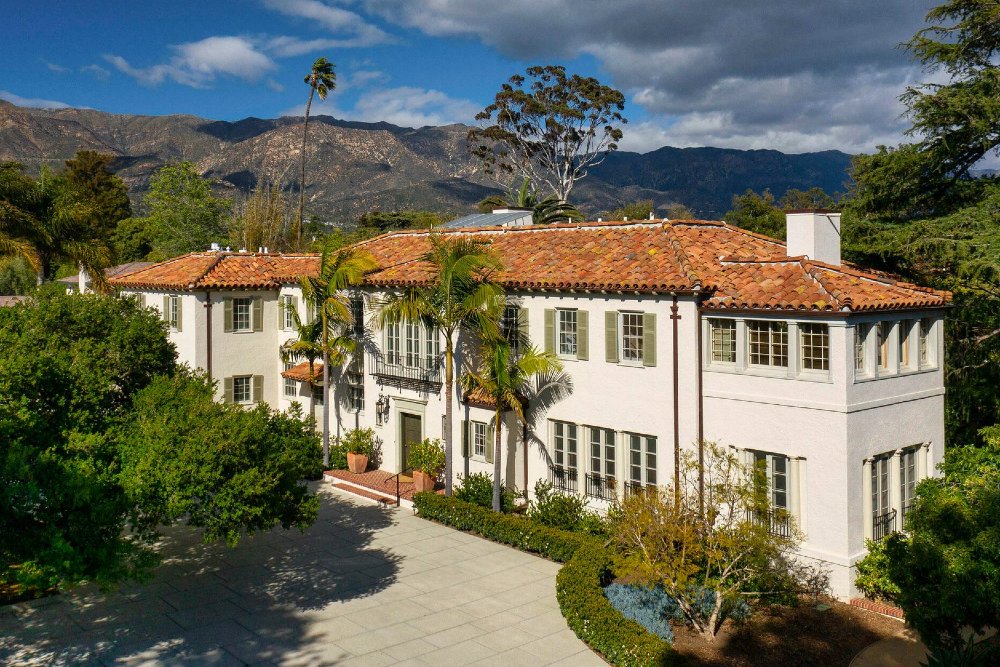
This elegant masterpiece is bursting with classic style and charm. Constructed in 1917 and designed by famous architect Winsor Soule, this home was originally named ”Monte Bello”; and is mentioned in David Myrick’s book, ”Montecito and Santa Barbara – From Farms to Estates”. Upon entering the residence, you are welcomed by a grand staircase, wide hallways, and tall ceilings with crown molding which take your breath away. The tremendous scale, elegance, and fine details of this home are unmatched.
3. One of Montecito’s finest-built homes
$21,500,000
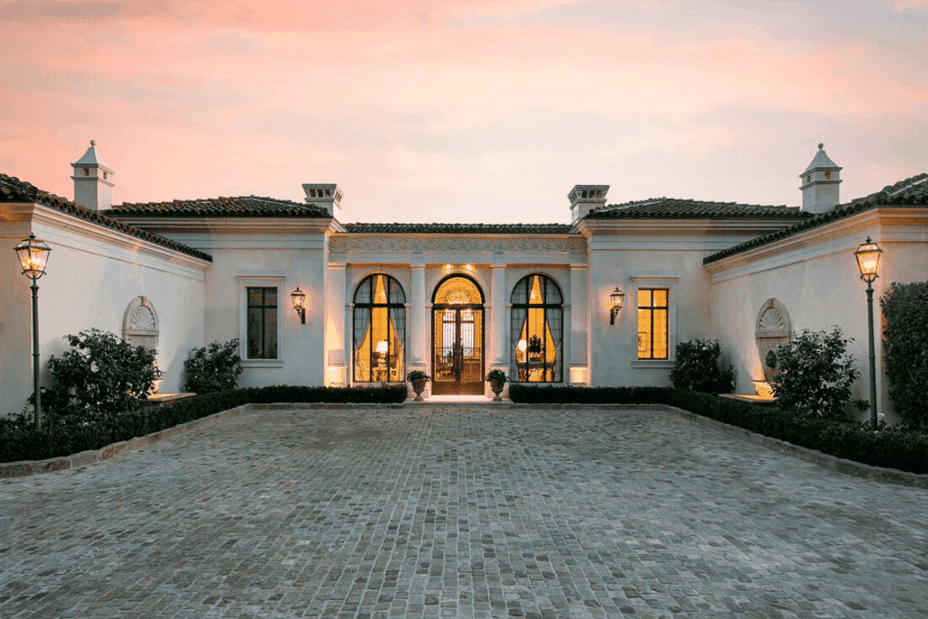
Created by renowned architect Peter Becker and international designer Rosie Feinberg, this residence captures the authentic spirit of an Italian Villa and combines the work of old-world artisans with the conveniences of modern technology. Some of the key amenities of the property includes an impressive library, south-facing loggia pool terrace and guest house.
4. The 1920-s inspired estate
$6,495,000
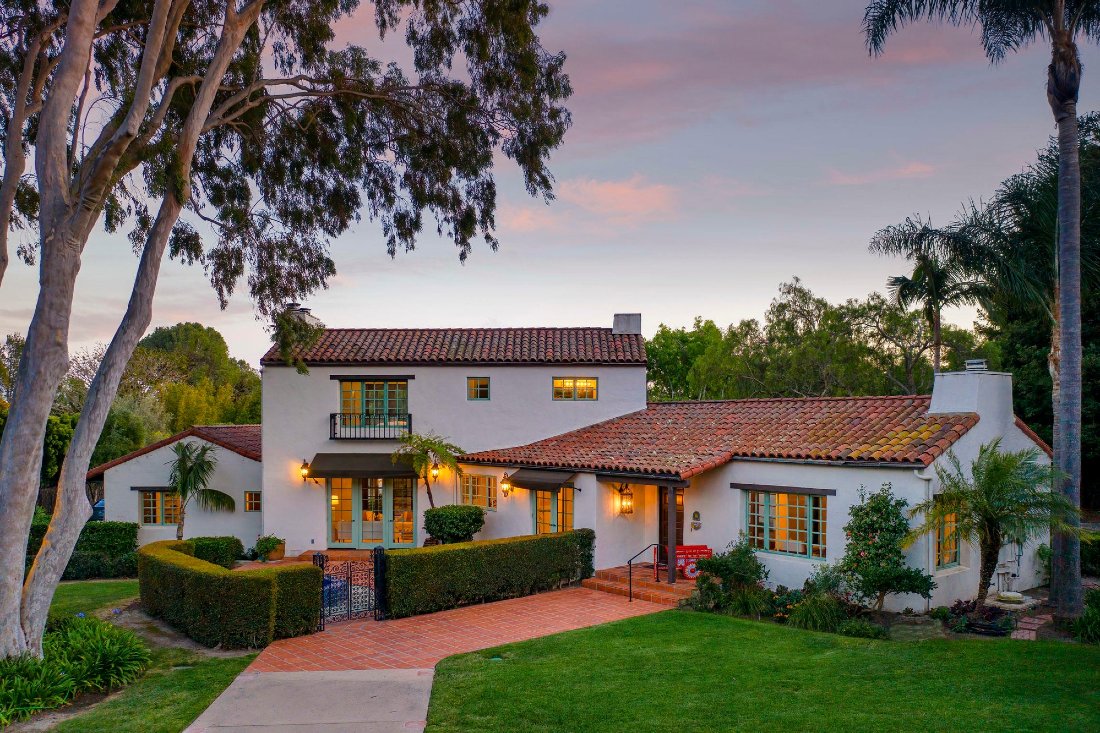
This beautiful home inspired by the architecture of the 1920s is a perfect combination of Santa Barbara style and Spanish Colonial Revival elements. The golden light that bathes the property creates a stunning indoor-outdoor living flow complementing the charming patio and internal terraces. The floor plans also have been meticulously thought out to capture the beauty of the landscaped garden designed by Sydney Baumgartner.
5. Country home in the historic Rancho Tajiguas
$29,000,000
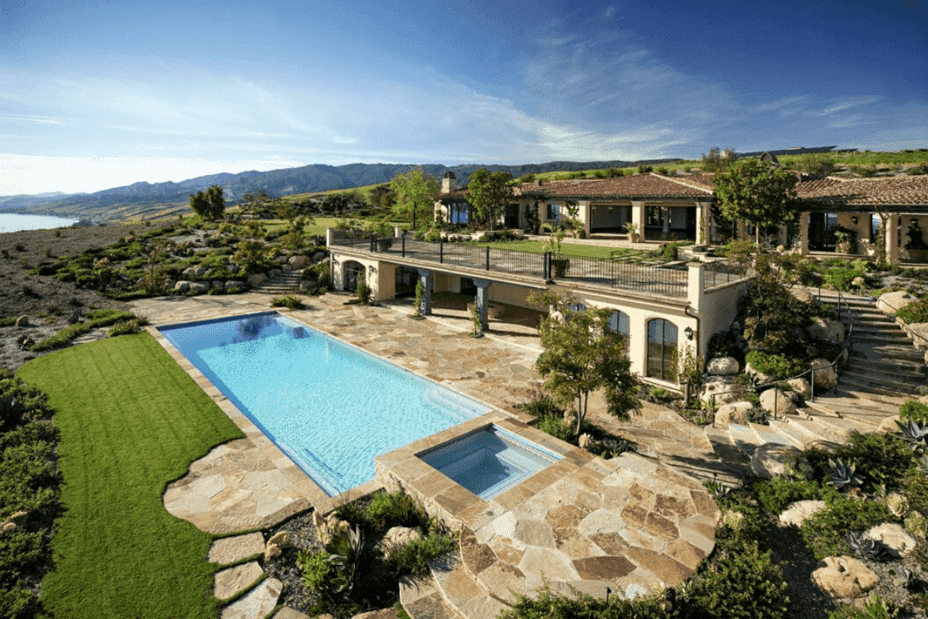
This five-bedroom gracefully designed villa accounts for unparalleled opportunities to experience the vibrancy of unspoiled surroundings from 287 grassy acres. Characterized by stone pillars and a shallow roof, this property’s most impressive feature is the private pool that overlooks the crystal blue ocean.