$14,334,517
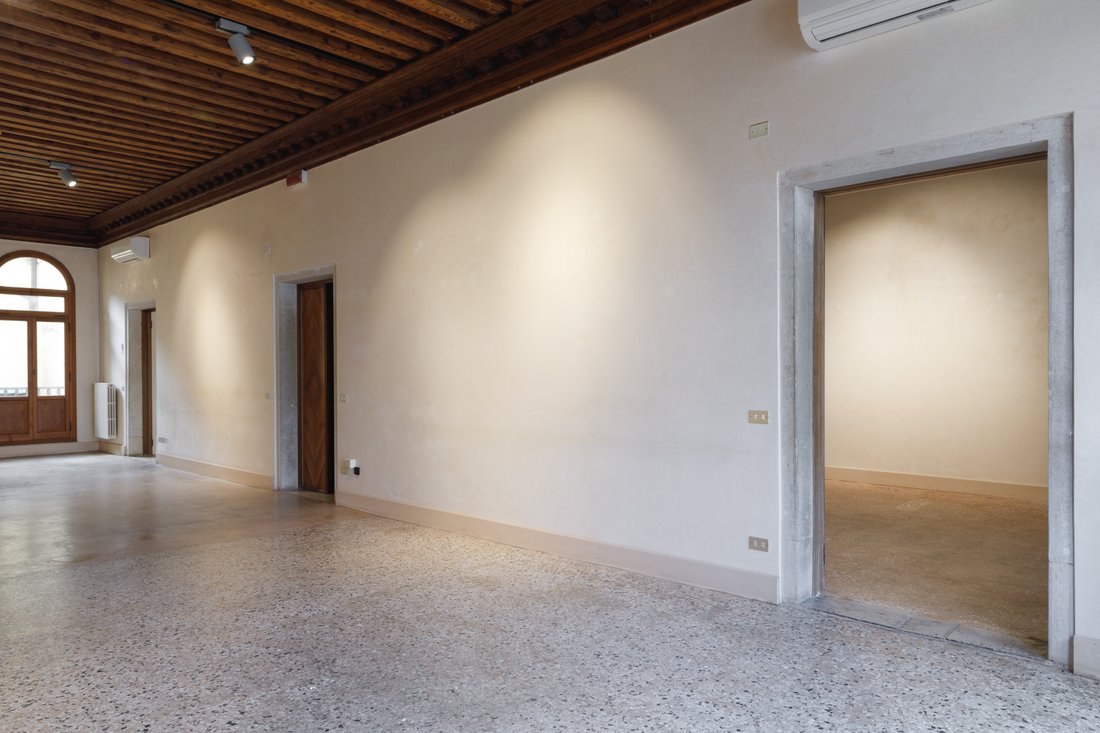
Venezianischer Palazzo
- 26,921 Sqft
- 26,910 Sqft lot
- Aktualisiert: April 29
- 14
Über die Immobilie
Beschreibung wurde automatisch übersetzt.
Die Beschreibung wird in der Originalsprache angezeigt.
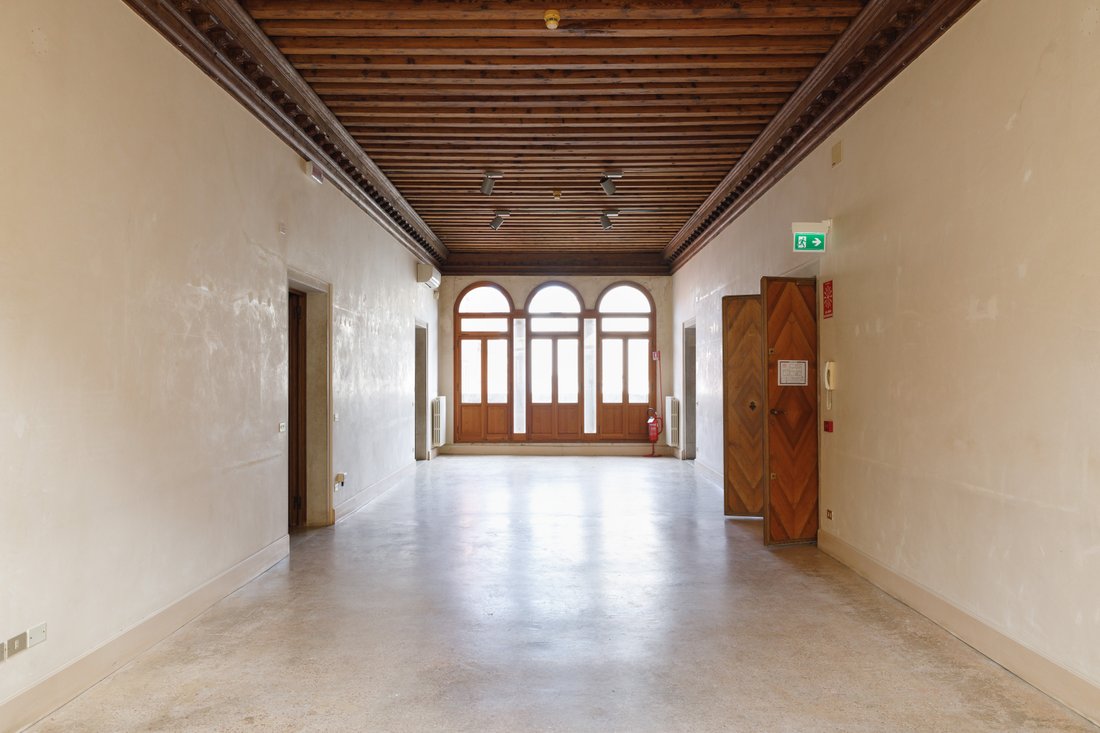
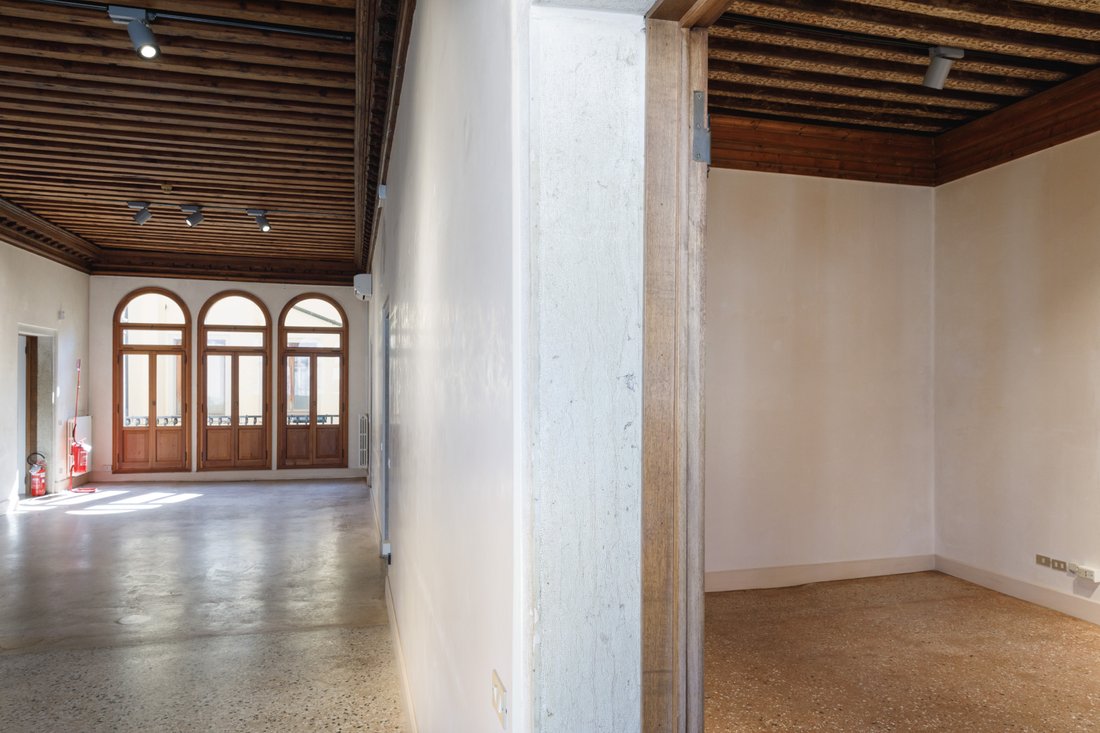
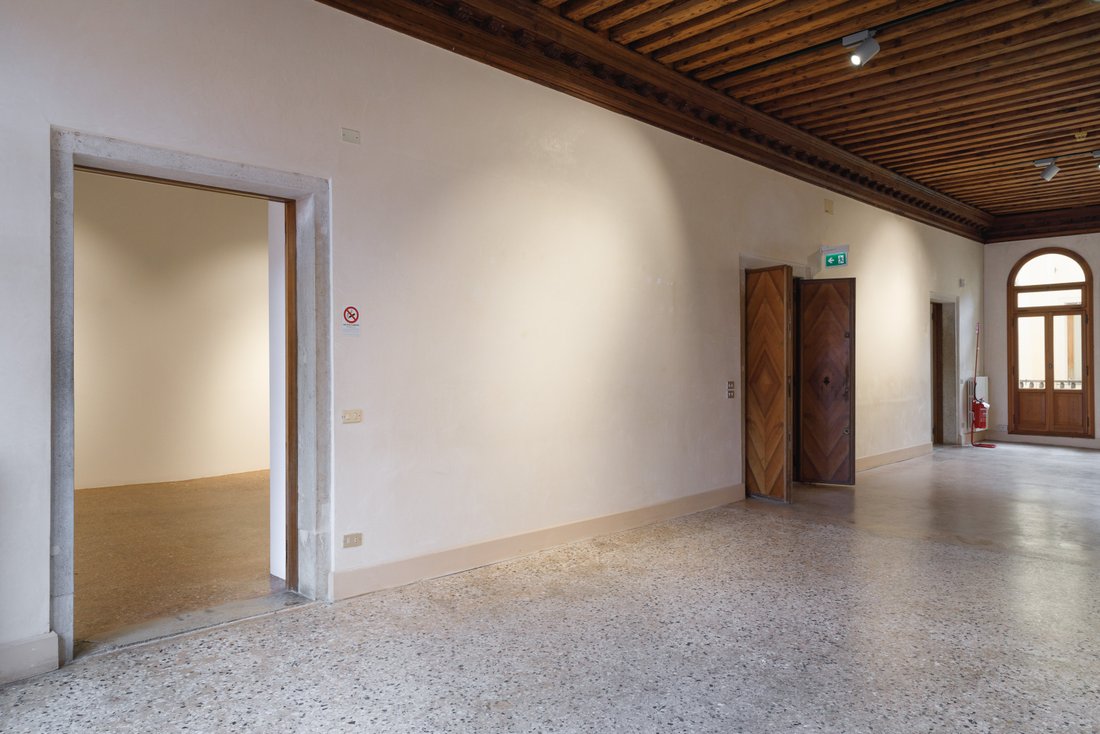
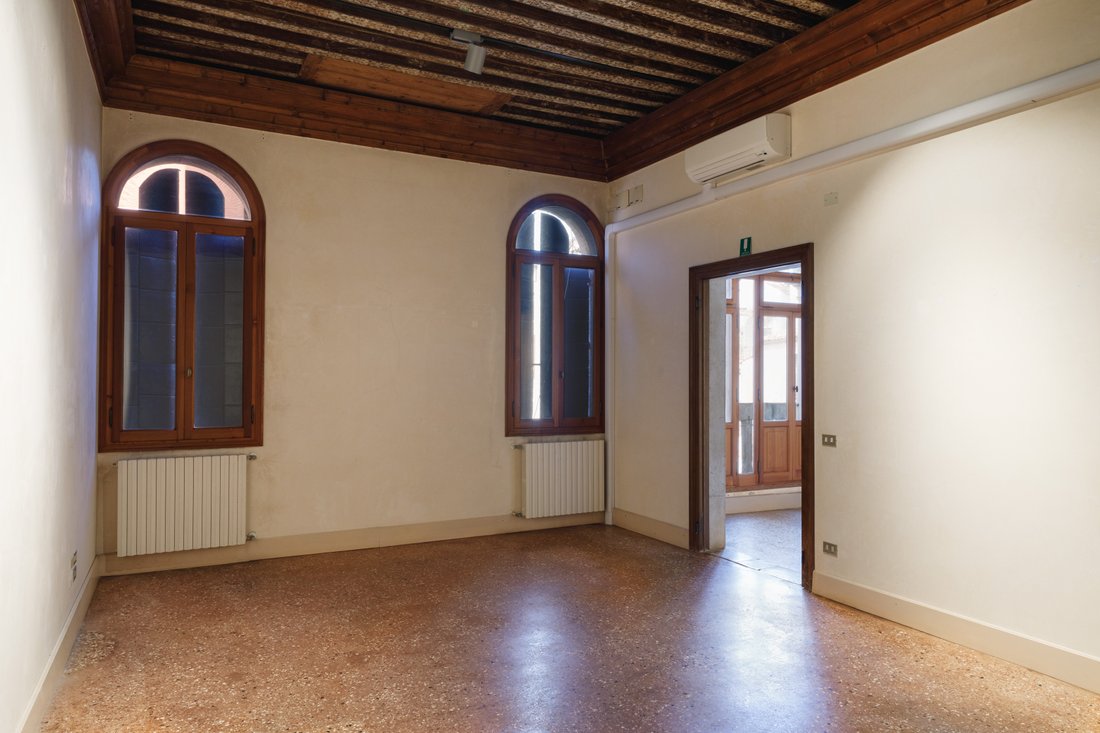
Die Entstehung des Palazzo, wie wir ihn heute sehen, geht auf das 17. Jahrhundert zurück. Seine Nutzungsmöglichkeiten sind vielfältig und im Laufe der Jahre fanden hier Ausstellungen, Bildungsaktivitäten, Büros der Universität und des Regionalinstituts für venezianische Villen statt, in dem Organisatoren von Kunstausstellungen und Filmproduktionen untergebracht waren.
Der Gebäudekomplex b
Der Gebäudekomplex b
The creation of the Palazzo as we see it today dates back to the 1600s. Its possible uses are varied and over the years it has hosted exhibitions, educational activities, offices of the University, and the Regional Institute for Venetian Villas, hosting art exhibition organisers and film productions.
The building complex consists of two buildings, six floors above ground with lift, and is
The building complex consists of two buildings, six floors above ground with lift, and is
Die Entstehung des Palazzo, wie wir ihn heute sehen, geht auf das 17. Jahrhundert zurück. Seine Nutzungsmöglichkeiten sind vielfältig und im Laufe der Jahre fanden hier Ausstellungen, Bildungsaktivitäten, Büros der Universität und des Regionalinstituts für venezianische Villen statt, in dem Organisatoren von Kunstausstellungen und Filmproduktionen untergebracht waren.
Der Gebäudekomplex besteht aus zwei Gebäuden mit sechs oberirdischen Stockwerken und Aufzug. Er setzt sich wie folgt zusammen:
— Erdgeschoss: drei Geschäfte, verschiedene Lagerhäuser und Eingangshalle
(ungefähr 502 Quadratmeter)
— Zwischengeschoss: drei Wohnungen und Lagerhäuser (ca. 502 qm)
— erster Stock: Büros (ca. 502 m²)
— zweiter Stock: 1 Wohnung (ca. 317 qm)
— dritter Stock: 3 Wohnungen (ca. 317 qm)
— vierter Stock: Dachboden (ca. 150 qm)
— kleines Haus (ca. 240 qm)
Der Palazzo befindet sich in der Nähe von Ca’ Rezzonico, der Galleria dell’Accademia und dem Campo Santa Margherita. Auf der Rückseite befindet sich ein Kanal
ein paar Schritte entfernt. Nach Jacopo de Barbaris Ansicht ist der Palazzo eine Ansammlung von Gebäuden mit etwa drei Stockwerken, die an der geradlinigen Straße Calle Lunga San Barnaba stehen und wahrscheinlich für Aktivitäten im Zusammenhang mit dem Malpaga squero genutzt wurden. Der ursprüngliche Teil dieser Artefakte befindet sich im Untergeschoss der Fassaden an der Calle Lunga San Barnaba, Ramo, Calle und Campiello del Squero.
Für weitere Informationen wenden Sie sich bitte an unsere Büros.
Der Gebäudekomplex besteht aus zwei Gebäuden mit sechs oberirdischen Stockwerken und Aufzug. Er setzt sich wie folgt zusammen:
— Erdgeschoss: drei Geschäfte, verschiedene Lagerhäuser und Eingangshalle
(ungefähr 502 Quadratmeter)
— Zwischengeschoss: drei Wohnungen und Lagerhäuser (ca. 502 qm)
— erster Stock: Büros (ca. 502 m²)
— zweiter Stock: 1 Wohnung (ca. 317 qm)
— dritter Stock: 3 Wohnungen (ca. 317 qm)
— vierter Stock: Dachboden (ca. 150 qm)
— kleines Haus (ca. 240 qm)
Der Palazzo befindet sich in der Nähe von Ca’ Rezzonico, der Galleria dell’Accademia und dem Campo Santa Margherita. Auf der Rückseite befindet sich ein Kanal
ein paar Schritte entfernt. Nach Jacopo de Barbaris Ansicht ist der Palazzo eine Ansammlung von Gebäuden mit etwa drei Stockwerken, die an der geradlinigen Straße Calle Lunga San Barnaba stehen und wahrscheinlich für Aktivitäten im Zusammenhang mit dem Malpaga squero genutzt wurden. Der ursprüngliche Teil dieser Artefakte befindet sich im Untergeschoss der Fassaden an der Calle Lunga San Barnaba, Ramo, Calle und Campiello del Squero.
Für weitere Informationen wenden Sie sich bitte an unsere Büros.
The creation of the Palazzo as we see it today dates back to the 1600s. Its possible uses are varied and over the years it has hosted exhibitions, educational activities, offices of the University, and the Regional Institute for Venetian Villas, hosting art exhibition organisers and film productions.
The building complex consists of two buildings, six floors above ground with lift, and is composed as follows:
– ground floor: three shops, various warehouses and entrance hall
(approximately 502 square metres)
– mezzanine floor: three flats and warehouses (approx. 502 sqm)
– first floor: offices (approx. 502 sqm)
– second floor: 1 flat (approx. 317 sqm)
– third floor: 3 flats (about 317 sqm)
– fourth floor: attics (approx. 150 sqm)
– small house (approx. 240 sqm)
The Palazzo is located close to Ca’ Rezzonico, the Accademia Galleries and Campo Santa Margherita, and is served by a canal at the back a
few steps away. In Jacopo de Barbari’s view, the Palazzo appears as an aggregation of buildings of approximately three levels standing on the rectilinear street Calle Lunga San Barnaba and probably used for activities related to the Malpaga squero. The original portion of these artefacts can be found in the basement part of the fronts on calle Lunga San Barnaba, ramo, calle and campiello del Squero.
For further information, please contact our offices.
The building complex consists of two buildings, six floors above ground with lift, and is composed as follows:
– ground floor: three shops, various warehouses and entrance hall
(approximately 502 square metres)
– mezzanine floor: three flats and warehouses (approx. 502 sqm)
– first floor: offices (approx. 502 sqm)
– second floor: 1 flat (approx. 317 sqm)
– third floor: 3 flats (about 317 sqm)
– fourth floor: attics (approx. 150 sqm)
– small house (approx. 240 sqm)
The Palazzo is located close to Ca’ Rezzonico, the Accademia Galleries and Campo Santa Margherita, and is served by a canal at the back a
few steps away. In Jacopo de Barbari’s view, the Palazzo appears as an aggregation of buildings of approximately three levels standing on the rectilinear street Calle Lunga San Barnaba and probably used for activities related to the Malpaga squero. The original portion of these artefacts can be found in the basement part of the fronts on calle Lunga San Barnaba, ramo, calle and campiello del Squero.
For further information, please contact our offices.
-
Art der Immobilie
Villa
-
Etagen
4
-
Baujahr
1600
-
Preis/Quadratfuß
$532
Funktionen
- Wasserblick
- Aufzug
- Panorama
- Hohe Decke
- Klimaanlage
- Balkon
Erkunden Sie die Gegend
Campo San Barnaba, 30123 Venezia VE, Italy, Dorsoduro, Venedig, Italien
Auf Google Maps anzeigen
Preis pro sqft
Niedrig
Hoch
Im historischen Viertel Dorsoduro gelegen, bietet Campo San Barnaba ein authentisches venezianisches Erlebnis. Es liegt nahe am Canal Grande und bietet Zugang zu Wassertaxis und Vaporettos. In der Nähe von kulturellen Stätten wie der Gallerie dell’Accademia. Luxusgeschäfte und Gastronomie liegen vor der Tür, während angesehene internationale Schulen und alle Annehmlichkeiten in Reichweite sind.
In der Nähe anzeigen
Sehenswürdigkeiten
Schulen
Bahnhof Venezia Santa Lucia
Bahnhof
10 Min.
Flughafen Marco Polo
Flughafen
20 Min.
Galerien der Accademia
Kultur & Erbe
5 Min.
Harry's Bar
Essen & Wein
8 Min.
ISV - Internationale Schule von Venedig
Internationale Schule
15 Min.

Vor 3 Jahren beigetreten
Sie haben sich nach diesem Objekt erkundigt
Der Agent wird sich in Kürze mit Ihnen in Verbindung setzen
Gelistet von
6
Angebote
2023
Beigetreten
Besichtigung mit Daniela Biguzzi buchen
Wählen Sie ein Datum und ob Sie eine virtuelle oder persönliche Besichtigung mit dem Makler wünschen.
Bevorzugtes Datum
Art der Tour

Venice Real Estate | Knight Frank is a boutique real estate investment agency with an outstanding presence in the
Venice Real Estate | Knight Frank is a boutique real estate investment agency with an outstanding presence in the international arena, specialising in luxury properties in the splendid city of Venice. From exclusive studio apartments to prestigious waterfront Palazzi, each proposal offers the promise of a dream come true, of living in a city beyond compare where time flows like the notes of a symphony, not in any way reminiscent of a frenetic contemporary lifestyle. Venice Real Estate is part of the Knight Frank Global Network of worldwide residential offices. Clients who entrust us with the sale of their property are provided with a worldwide platform. Knight Frank has been operating on the international property market for more than a century, since 1896. It now has 487 offices across 53 territories and more than 20,000 people.
Zuletzt aktualisiert
April 29
Erstmalig gelistet
Mar 8, 2024
Angebotsreferenz
710
Ähnliche Immobilien in der Nähe
Neue Angebote in Dorsoduro






Entdecken Sie mehr Häuser zum Verkauf
Dorsoduro, Venedig, Italien Immobilienarten
Dorsoduro, Venedig, Italien beliebte Suchanfragen
- Panorama Immobilien in Dorsoduro, Venedig, Italien
- Immobilien mit Terrasse in Dorsoduro, Venedig, Italien
- Immobilien mit Bar in Dorsoduro, Venedig, Italien
- Immobilien mit Office in Dorsoduro, Venedig, Italien
- Immobilien mit Flussblick in Dorsoduro, Venedig, Italien
- Immobilien mit Aufzug in Dorsoduro, Venedig, Italien
- Blick auf die Stadt Immobilien in Dorsoduro, Venedig, Italien
- Immobilien mit Garten in Dorsoduro, Venedig, Italien
- Duplex Immobilien in Dorsoduro, Venedig, Italien
- am Wasser Immobilien in Dorsoduro, Venedig, Italien
- Anlageimmobilie Immobilien in Dorsoduro, Venedig, Italien
- Moderne Immobilien in Dorsoduro, Venedig, Italien
- Immobilien mit Bibliothek in Dorsoduro, Venedig, Italien
- Immobilien mit Klimaanlage in Dorsoduro, Venedig, Italien
- Immobilien mit Kamin in Dorsoduro, Venedig, Italien
- Immobilien mit Pool in Dorsoduro, Venedig, Italien
- Immobilien mit Balkon in Dorsoduro, Venedig, Italien
- Luxusvilla Immobilien in Dorsoduro, Venedig, Italien
- Immobilien mit Offene Küche in Dorsoduro, Venedig, Italien
- Renoviert Immobilien in Dorsoduro, Venedig, Italien
- Immobilien mit Wasserblick in Dorsoduro, Venedig, Italien
Verwandte Leitfäden & Geschichten
Das Vertrauen der führenden Makler der Welt
Die Makler hinter den außergewöhnlichsten Immobilien der Welt inserieren bei JamesEdition.
- Angebote von Sotheby's, Christie's, BARNES und Engel & Völkers
- Jedes Angebot wird vor der Veröffentlichung geprüft
- Verbinden Sie sich direkt mit verifizierten Maklern
Indem Sie fortfahren, akzeptieren Sie unsere Nutzungsbedingungen und Datenschutzrichtlinie.