$11,257,496
Historisches Anwesen Südlich Von Parma
- 10 Schlafz.
- 10 Bäder
- 107,639 Sqft
- 86.49 Ac lot
- 27
Über die Immobilie
Beschreibung wurde automatisch übersetzt.
Die Beschreibung wird in der Originalsprache angezeigt.
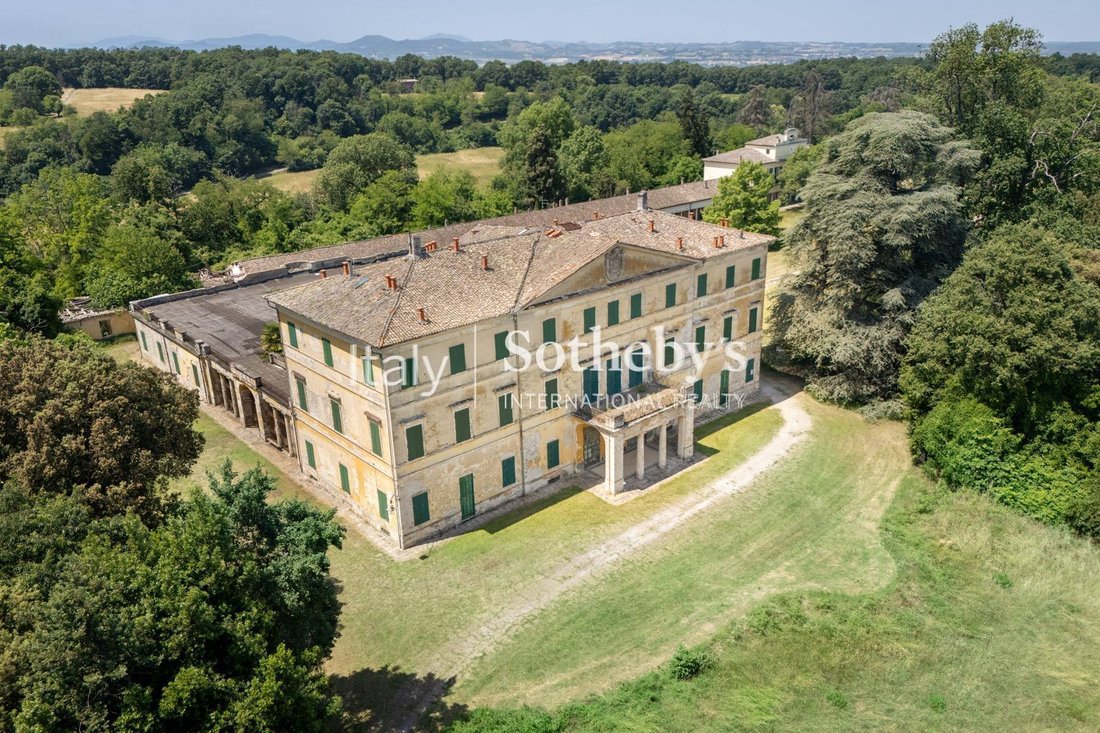
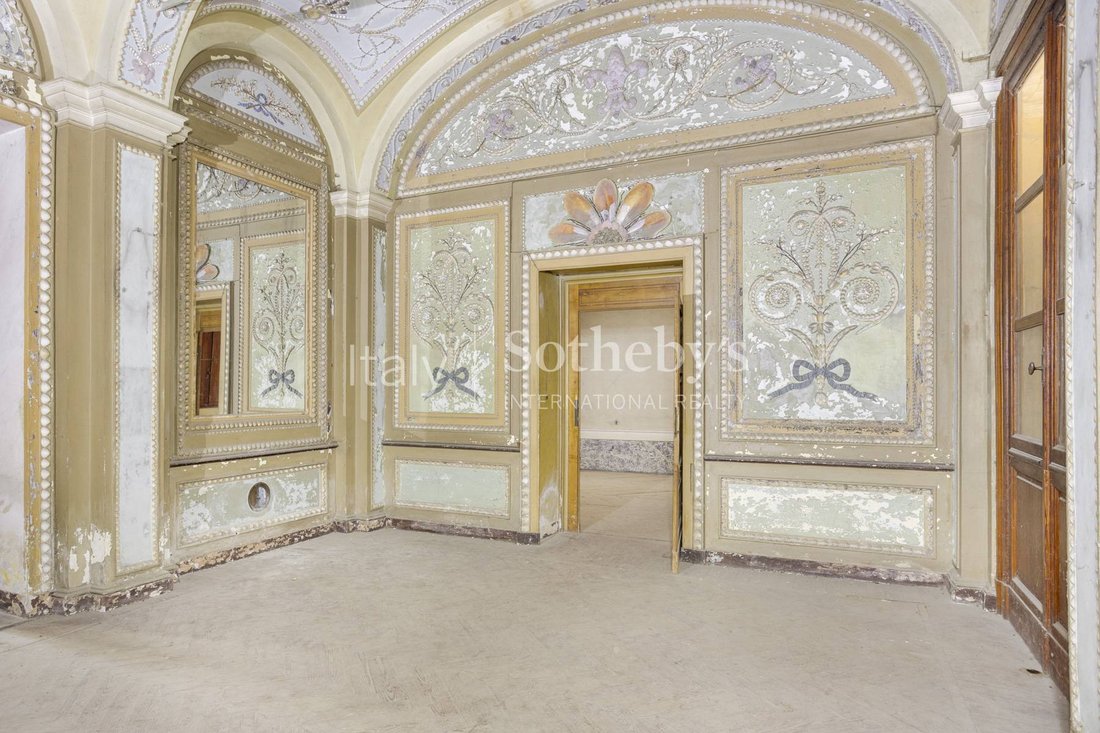
Zwischen 1775 und 1789 auf Wunsch der Herzogin Maria Amalia von Bourbon erbaut, erhielt das Casino dei Boschi sein heutiges architektonisches Erscheinungsbild im Jahr 1819 durch die von Maria Luigia von Habsburg-Lothringen, der neuen Herzogin von Parma, veranlassten Umbauten.
Die Villa del Casino im neoklassizistischen Stil ist in zwei Gebäudeteile gegliedert, die sich zum zentralen Innen
Die Villa del Casino im neoklassizistischen Stil ist in zwei Gebäudeteile gegliedert, die sich zum zentralen Innen
Built between 1775 and 1789 at the behest of Duchess Maria Amalia of Bourbon, the Casino dei Boschi assumed its current stylistic character in 1819, with the interventions promoted by Maria Luisa of Habsburg-Lorraine, the new Duchess of Parma.
The Villa del Casino, of neoclassical design, is divided into two bodies overlooking the central courtyard and has a total surface area of approxim
The Villa del Casino, of neoclassical design, is divided into two bodies overlooking the central courtyard and has a total surface area of approxim
Zwischen 1775 und 1789 auf Wunsch der Herzogin Maria Amalia von Bourbon erbaut, erhielt das Casino dei Boschi sein heutiges architektonisches Erscheinungsbild im Jahr 1819 durch die von Maria Luigia von Habsburg-Lothringen, der neuen Herzogin von Parma, veranlassten Umbauten.
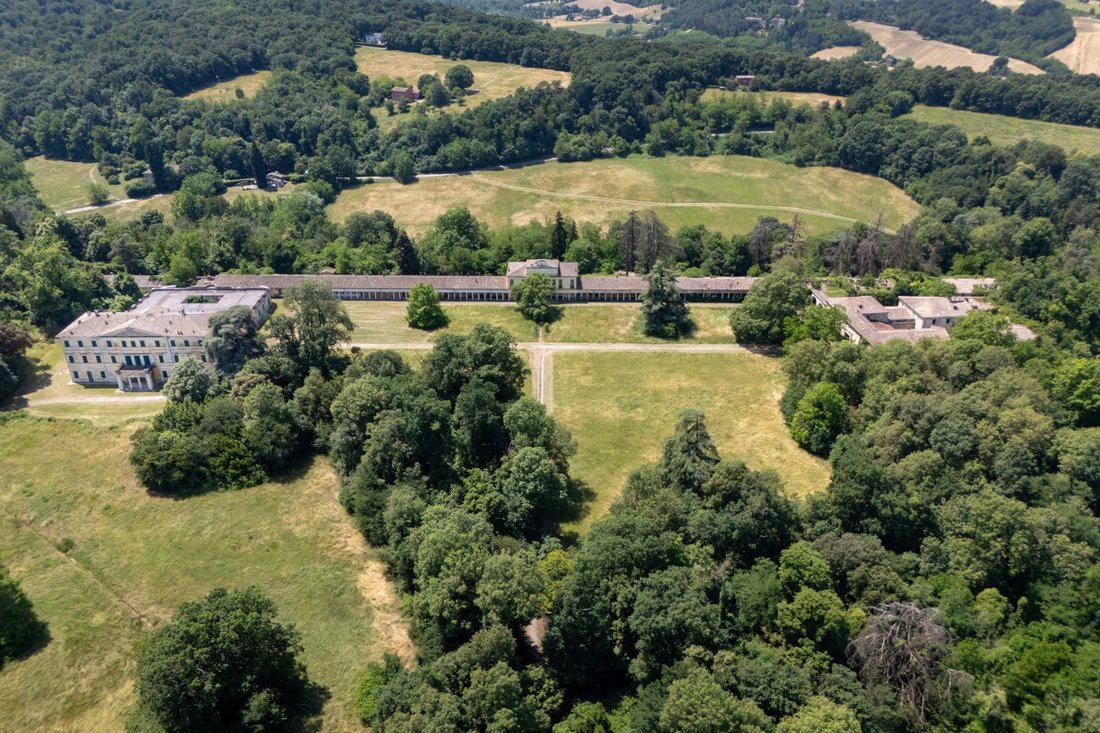
Die Villa del Casino im neoklassizistischen Stil ist in zwei Gebäudeteile gegliedert, die sich zum zentralen Innenhof hin öffnen, und verfügt über eine Gesamtfläche von etwa 3.500 m². An die Villa schließt sich die Prolunga mit einer Fläche von etwa 4.500 m² an, die durch eine durchgehende Kolonnade geprägt ist. Im Zentrum der langen Fassade befindet sich das Casinetto, das ursprünglich das Hoftheater beherbergte.
Der Wirtschaftshof umfasst eine Gruppe ländlicher Gebäude mit einer Gesamtfläche von mehr als 5.000 m².
Rund um die Gebäude erstreckt sich ein 35 Hektar großer Park, üppig bewachsen und mit kleinen Seen ausgestattet, reich an exotischen Pflanzenarten und umgeben von einem weiteren Waldpark. Die Grünanlagen bestimmen die Dimension des Casino dei Boschi und bewahren seinen Charakter als bedeutendes Bauwerk, das harmonisch in die Landschaft eingebettet ist.
Der Komplex befindet sich in den Hügeln von Sala Baganza, 20 km südlich von Parma und etwa 25 Autominuten vom Flughafen entfernt.
Die Villa del Casino im neoklassizistischen Stil ist in zwei Gebäudeteile gegliedert, die sich zum zentralen Innenhof hin öffnen, und verfügt über eine Gesamtfläche von etwa 3.500 m². An die Villa schließt sich die Prolunga mit einer Fläche von etwa 4.500 m² an, die durch eine durchgehende Kolonnade geprägt ist. Im Zentrum der langen Fassade befindet sich das Casinetto, das ursprünglich das Hoftheater beherbergte.
Der Wirtschaftshof umfasst eine Gruppe ländlicher Gebäude mit einer Gesamtfläche von mehr als 5.000 m².
Rund um die Gebäude erstreckt sich ein 35 Hektar großer Park, üppig bewachsen und mit kleinen Seen ausgestattet, reich an exotischen Pflanzenarten und umgeben von einem weiteren Waldpark. Die Grünanlagen bestimmen die Dimension des Casino dei Boschi und bewahren seinen Charakter als bedeutendes Bauwerk, das harmonisch in die Landschaft eingebettet ist.
Der Komplex befindet sich in den Hügeln von Sala Baganza, 20 km südlich von Parma und etwa 25 Autominuten vom Flughafen entfernt.
Built between 1775 and 1789 at the behest of Duchess Maria Amalia of Bourbon, the Casino dei Boschi assumed its current stylistic character in 1819, with the interventions promoted by Maria Luisa of Habsburg-Lorraine, the new Duchess of Parma.
The Villa del Casino, of neoclassical design, is divided into two bodies overlooking the central courtyard and has a total surface area of approximately 3,500 sqm. Adjacent to the villa is the Prolunga, of approximately 4,500 sqm, characterized by a continuous colonnade. At the centre of the long frontage stands the Casinetto, which originally housed the court theatre. The rustic courtyard gathers a group of rural buildings for over 5,000 sqm.
Around the buildings extends a 35-hectare park, lush and rich in exotic species, surrounded by a further woodland park. The greenery defines the scale of the Casino dei Boschi and preserves its character as a great architecture immersed in the landscape.
The complex stands on the hills of Sala Baganza, 20 km south of Parma and approximately 25 minutes by car from the airport.
The Villa del Casino, of neoclassical design, is divided into two bodies overlooking the central courtyard and has a total surface area of approximately 3,500 sqm. Adjacent to the villa is the Prolunga, of approximately 4,500 sqm, characterized by a continuous colonnade. At the centre of the long frontage stands the Casinetto, which originally housed the court theatre. The rustic courtyard gathers a group of rural buildings for over 5,000 sqm.
Around the buildings extends a 35-hectare park, lush and rich in exotic species, surrounded by a further woodland park. The greenery defines the scale of the Casino dei Boschi and preserves its character as a great architecture immersed in the landscape.
The complex stands on the hills of Sala Baganza, 20 km south of Parma and approximately 25 minutes by car from the airport.
-
Art der Immobilie
Haus
-
Baujahr
1789
-
Preis/Quadratfuß
$104
Funktionen
- Garten
- Wasserblick
- Bergblick
- Privatsphäre
- Hohe Decke
Erkunden Sie die Gegend
Via Olma, Sala Baganza, PR 04308, Emilia-Romagna, Italien
Auf Google Maps anzeigen
Preis pro sqft
Niedrig
Hoch
Diese Immobilie in Sala Baganza bietet ruhiges Landleben mit Nähe zur Innenstadt von Parma, 20 Minuten mit dem Auto. Der Flughafen Parma ist 25 Minuten entfernt. In der Umgebung gibt es historische Villen, gehobene Gastronomie und das Naturreservat Parco dei Cento Laghi in 40 Minuten. Zugang zu Parmas kulturellem Erbe und guten internationalen Schulen macht es ideal für Familien.
In der Nähe anzeigen
Sehenswürdigkeiten
Schulen
Flughafen Parma
Flughafen
25 Min.
Bahnhof Parma
Bahnhof
20 Min.
Kathedrale von Parma
Kultur & Erbe
20 Min.
Ristorante Parizzi
Essen & Wein
20 Min.
Golfclub Parma
Golf- & Country-Clubs
15 Min.
Parco Dei Cento Laghi
Outdoor & Natur
40 Min.
Internationale Schule Parma
Internationale Schule
20 Min.
Kolleg St. Giuseppe
Private Schule
20 Min.
Vor 5 Monaten beigetreten
Sie haben sich nach diesem Objekt erkundigt
Der Agent wird sich in Kürze mit Ihnen in Verbindung setzen
Gelistet von
4
Angebote
2026
Beigetreten
Besichtigung mit Giacomo Volpe buchen
Wählen Sie ein Datum und ob Sie eine virtuelle oder persönliche Besichtigung mit dem Makler wünschen.
Bevorzugtes Datum
Art der Tour

Italy Sotheby's International Realty
Via Santo Stefano 28, 40125, Bologna, Bologna, Italy
Agenturprofil anzeigen
Thanks to its rich historical heritage, vibrant cultural scene and strategic
position in the heart of Italy, Em
position in the heart of Italy, Em
Thanks to its rich historical heritage, vibrant cultural scene and strategic
position in the heart of Italy, Emilia-Romagna is a region of great appeal,
appreciated by both Italian and international clients. Within this setting,
Bologna stands out as one of the country’s most fascinating and dynamic cities:
elegant, cultured and authentic, with an unmistakable architectural identity,
from its renowned UNESCO-listed porticoes to its medieval towers, historic
palazzi and most sought-after residential districts.
position in the heart of Italy, Emilia-Romagna is a region of great appeal,
appreciated by both Italian and international clients. Within this setting,
Bologna stands out as one of the country’s most fascinating and dynamic cities:
elegant, cultured and authentic, with an unmistakable architectural identity,
from its renowned UNESCO-listed porticoes to its medieval towers, historic
palazzi and most sought-after residential districts.
Zuletzt aktualisiert
Juni 19
Erstmalig gelistet
Juni 9
Angebotslink
Angebotsreferenz
VQNJ6G
Ähnliche Immobilien in der Nähe
Neue Angebote in Sala Baganza


Entdecken Sie mehr Häuser zum Verkauf
Sala Baganza, Emilia-Romagna, Italien beliebte Suchanfragen
- Immobilien mit Outdoor-Küche in Sala Baganza, Emilia-Romagna, Italien
- Immobilien mit Golfblick in Sala Baganza, Emilia-Romagna, Italien
- Moderne Immobilien in Sala Baganza, Emilia-Romagna, Italien
- Neubauten Immobilien in Sala Baganza, Emilia-Romagna, Italien
- Immobilien mit Fitnessstudio in Sala Baganza, Emilia-Romagna, Italien
- Immobilien mit Dampfsauna in Sala Baganza, Emilia-Romagna, Italien
- Immobilien mit Whirlpool in Sala Baganza, Emilia-Romagna, Italien
- Immobilien mit Offene Küche in Sala Baganza, Emilia-Romagna, Italien
- Immobilien mit Wasserblick in Sala Baganza, Emilia-Romagna, Italien
Verwandte Leitfäden & Geschichten
Das Vertrauen der führenden Makler der Welt
Die Makler hinter den außergewöhnlichsten Immobilien der Welt inserieren bei JamesEdition.
- Angebote von Sotheby's, Christie's, BARNES und Engel & Völkers
- Jedes Angebot wird vor der Veröffentlichung geprüft
- Verbinden Sie sich direkt mit verifizierten Maklern
Indem Sie fortfahren, akzeptieren Sie unsere Nutzungsbedingungen und Datenschutzrichtlinie.