$1,095,092
Historic Palace House In Cazalla De La Sierra
- 22 Schlafz.
- 22 Bäder
- 13.240 ft²
Über die Immobilie
Beschreibung wurde automatisch übersetzt.
Die Beschreibung wird in der Originalsprache angezeigt.
Im Herzen des historischen Ensembles von Cazalla de la Sierra liegt dieses einzigartige Herrenhaus, eine besondere Immobilie, die den Wert des andalusischen architektonischen Erbes mit einem interessanten Potenzial für die Hotelentwicklung verbindet.
Mit 1.444 Quadratmetern, die auf einem Grundstück von 1.116 Quadratmetern gebaut wurden, hat das Gebäude seinen Ursprung im 17. und 18. Jahr
In the heart of the Historic Ensemble of Cazalla de la Sierra lies this unique manor house, a singular property that combines the value of Andalusian architectural heritage with an interesting potential for hotel development.
With 1,444 square meters built on a plot of 1,116 square meters, the building has its origins in the 17th and 18th centuries, with subsequent renovations in the 19th
Im Herzen des historischen Ensembles von Cazalla de la Sierra liegt dieses einzigartige Herrenhaus, eine besondere Immobilie, die den Wert des andalusischen architektonischen Erbes mit einem interessanten Potenzial für die Hotelentwicklung verbindet.
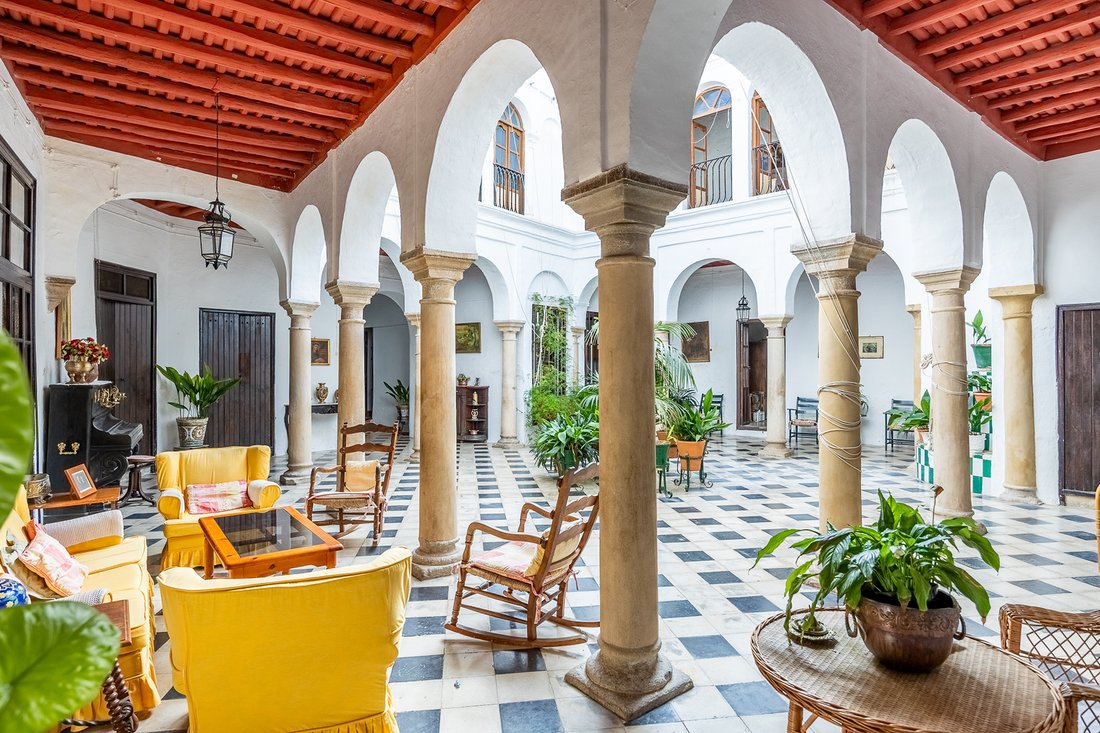
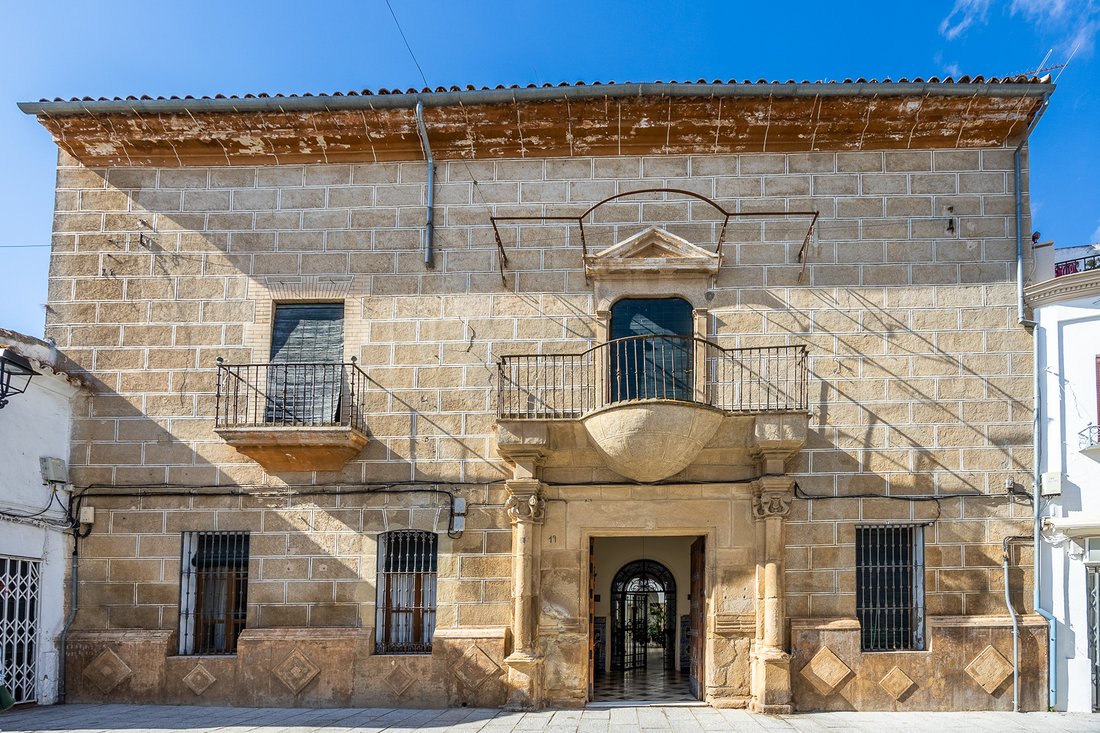
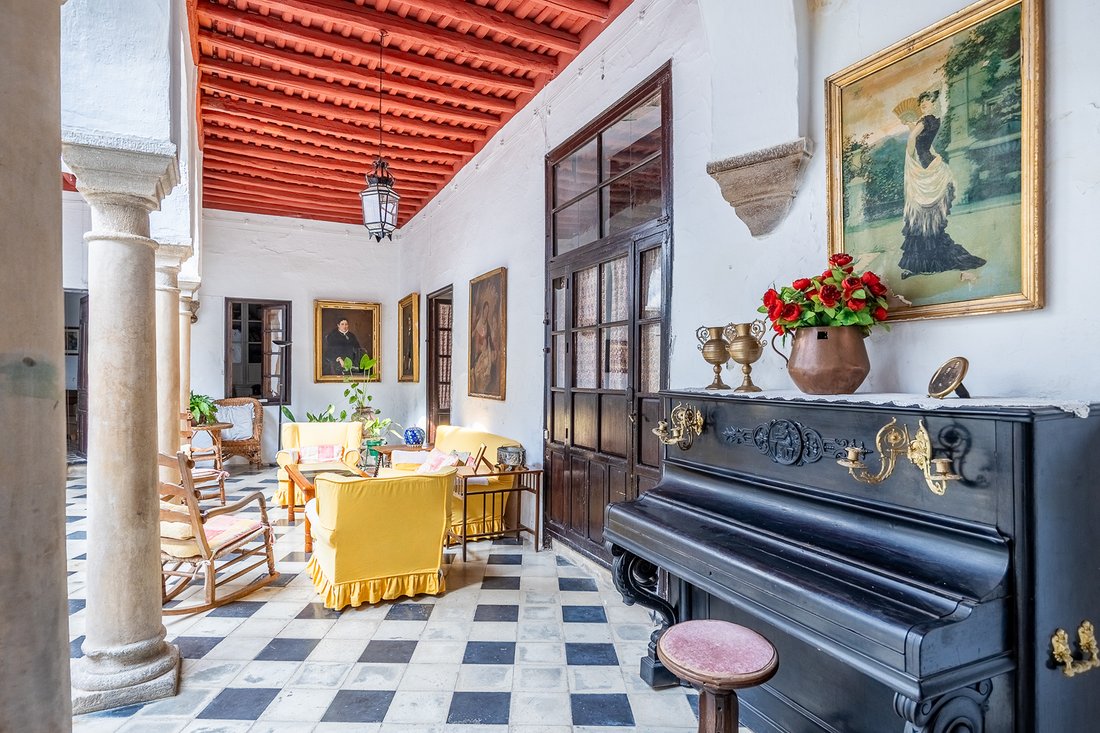
Mit 1.444 Quadratmetern, die auf einem Grundstück von 1.116 Quadratmetern gebaut wurden, hat das Gebäude seinen Ursprung im 17. und 18. Jahrhundert, mit späteren Renovierungen im 19. Jahrhundert. Es zeichnet sich durch seine imposante Hauptfassade aus, mit einem steinernen Eingang, Säulen auf einem Sockel und einem Ehrenbalkon, sowie durch seine Anordnung um einen Innenhof, der die verschiedenen Räume verbindet.
Eines seiner einzigartigsten Elemente ist die alte Weinkellerei im hinteren Teil, mit Zugang von der Daoiz-Straße. Dieser Raum beherbergte einst eine Brennerei, die mit den historischen Anismarken La Rosa und La Cepa verbunden war, und bewahrt einen Großteil seiner ursprünglichen Krüge, die in die Wände integriert sind und die Brenntradition der Stadt hervorrufen.
Aufgrund seiner Größe und Konfiguration bietet die Immobilie die Möglichkeit, ein Boutique-Hotel mit 20 bis 25 Zimmern zu entwickeln, mit Bereichen für Unterkunft, Gastronomie und Gemeinschaftsräume. Die alte Weinkellerei bietet einen besonderen Reiz, um Erlebnisse zu schaffen, die mit der Kultur des Anis, der Gastronomie und der lokalen Tradition verbunden sind.
An einer der repräsentativsten Fußgängerstraßen des historischen Zentrums gelegen, ist die Immobilie Teil des Katalogs der geschützten Güter und des Schutzbereichs des historischen Ensembles, das als Kulturgut erklärt wurde. Ihre städtebauliche Akte sieht ausdrücklich eine Nutzung als Hotel vor, unter der Bedingung, dass die Erhaltung ihrer Erbeelemente respektiert wird.
Eine einzigartige Gelegenheit für Investoren und Hotelbetreiber, die daran interessiert sind, ein Projekt mit eigener Identität an einem Ort von großer historischer, kultureller, natürlicher und gastronomischer Bedeutung zu entwickeln.
In the heart of the Historic Ensemble of Cazalla de la Sierra lies this unique manor house, a singular property that combines the value of Andalusian architectural heritage with an interesting potential for hotel development.
With 1,444 square meters built on a plot of 1,116 square meters, the building has its origins in the 17th and 18th centuries, with subsequent renovations in the 19th century. It stands out for its imposing main facade, with a stone entrance, columns on a pedestal, and an honorary balcony, as well as its layout around an interior courtyard that connects the various rooms.
One of its most unique elements is the old winery located at the back, with access from Daoiz Street. This space once housed a distillery linked to the historic anise brands La Rosa and La Cepa, and retains much of its original jars, integrated into the walls, evoking the town’s distilling tradition.
Due to its size and configuration, the property offers the possibility of developing a boutique hotel with between 20 and 25 rooms, with spaces dedicated to accommodation, dining, and common areas. The old winery provides a distinctive appeal to create experiences linked to the culture of anise, gastronomy, and local tradition.
Located on one of the most representative pedestrian streets of the historic center, the property is part of the Catalog of Protected Assets and the protection area of the Historic Ensemble, declared a Site of Cultural Interest. Its urban planning file expressly contemplates hotel use, subject to the respect and conservation of its heritage elements.
A unique opportunity for investors and hotel operators interested in developing a project with its own identity in a location of great historical, cultural, natural, and gastronomic richness.
-
Art der Immobilie
Haus
-
Preis/Quadratfuß
$82
Funktionen
Erkunden Sie die Gegend
Calle la Plazuela, Historic Ensemble, Cazalla de la Sierra, 41370, Spain
Auf Google Maps anzeigen
Preis pro sqft
Niedrig
Hoch
Vor 2 Jahren beigetreten
Sie haben sich nach diesem Objekt erkundigt
Der Agent wird sich in Kürze mit Ihnen in Verbindung setzen
Gelistet von
59
Angebote
2024
Beigetreten
Besichtigung mit the agent buchen
Wählen Sie ein Datum und ob Sie eine virtuelle oder persönliche Besichtigung mit dem Makler wünschen.
Bevorzugtes Datum
Art der Tour

Spain Sotheby's International Realty
Plaza Nueva, 3, 41001, Sevilla, Sevilla, Spain
Agenturprofil anzeigen
Zuletzt aktualisiert
Heute
Erstmalig gelistet
November 25
Angebotslink
Angebotsreferenz
3L362F
Ähnliche Immobilien in der Nähe
Neue Angebote in Cazalla de la Sierra



Entdecken Sie mehr Häuser zum Verkauf
Cazalla de la Sierra, Andalusien, Spanien Immobilienarten
Cazalla de la Sierra, Andalusien, Spanien beliebte Suchanfragen
- Immobilien mit Seeblick in Cazalla de la Sierra, Andalusien, Spanien
- Privatsphäre Immobilien in Cazalla de la Sierra, Andalusien, Spanien
- Anlageimmobilie Immobilien in Cazalla de la Sierra, Andalusien, Spanien
- Immobilien mit Bibliothek in Cazalla de la Sierra, Andalusien, Spanien
- Luxusvilla Immobilien in Cazalla de la Sierra, Andalusien, Spanien
- am Fluss Immobilien in Cazalla de la Sierra, Andalusien, Spanien
Verwandte Leitfäden & Geschichten
Das Vertrauen der führenden Makler der Welt
Die Makler hinter den außergewöhnlichsten Immobilien der Welt inserieren bei JamesEdition.
- Angebote von Sotheby's, Christie's, BARNES und Engel & Völkers
- Jedes Angebot wird vor der Veröffentlichung geprüft
- Verbinden Sie sich direkt mit verifizierten Maklern
Indem Sie fortfahren, akzeptieren Sie unsere Nutzungsbedingungen und Datenschutzrichtlinie.