$2,088,675
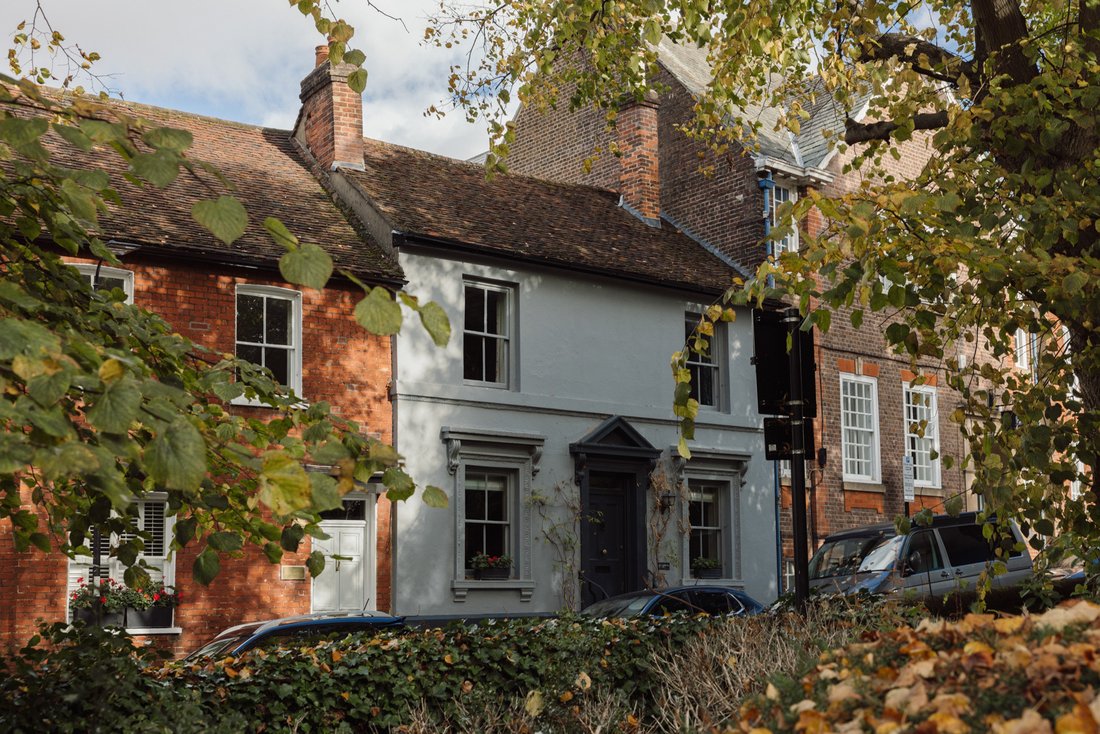
A Georgian House Conceived During The Tudor Period
- 3 Beds
- 1 Baths
- 1,600 Sqft
- Updated: Yesterday
About the Property
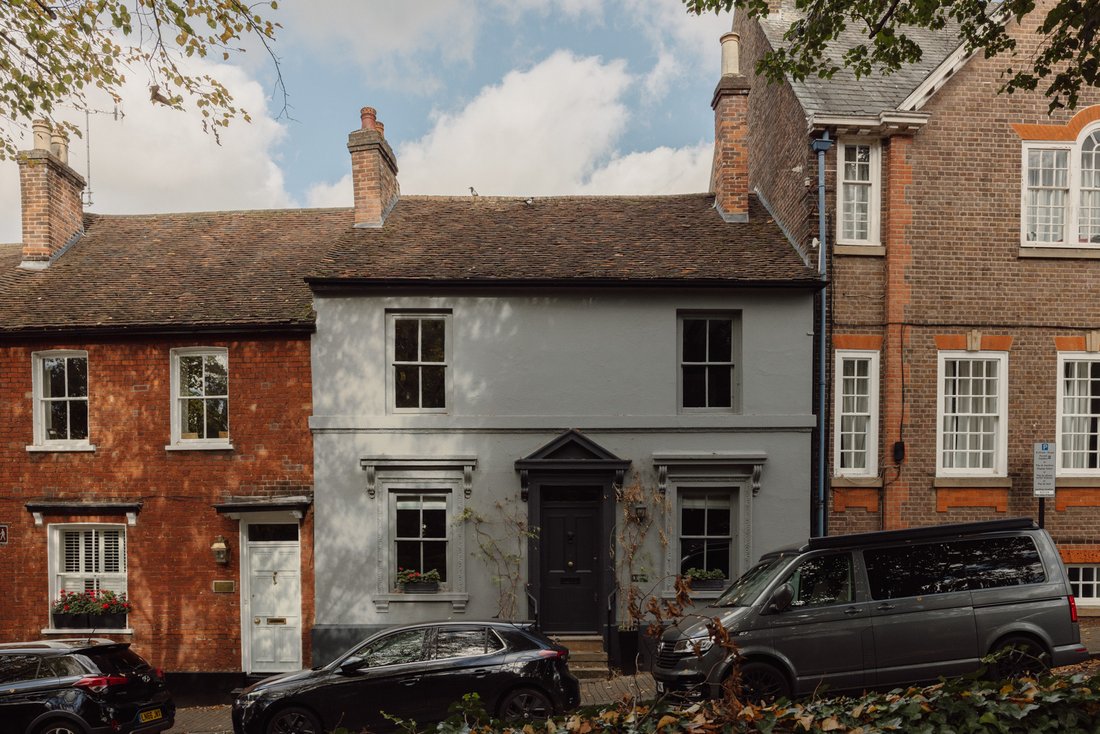
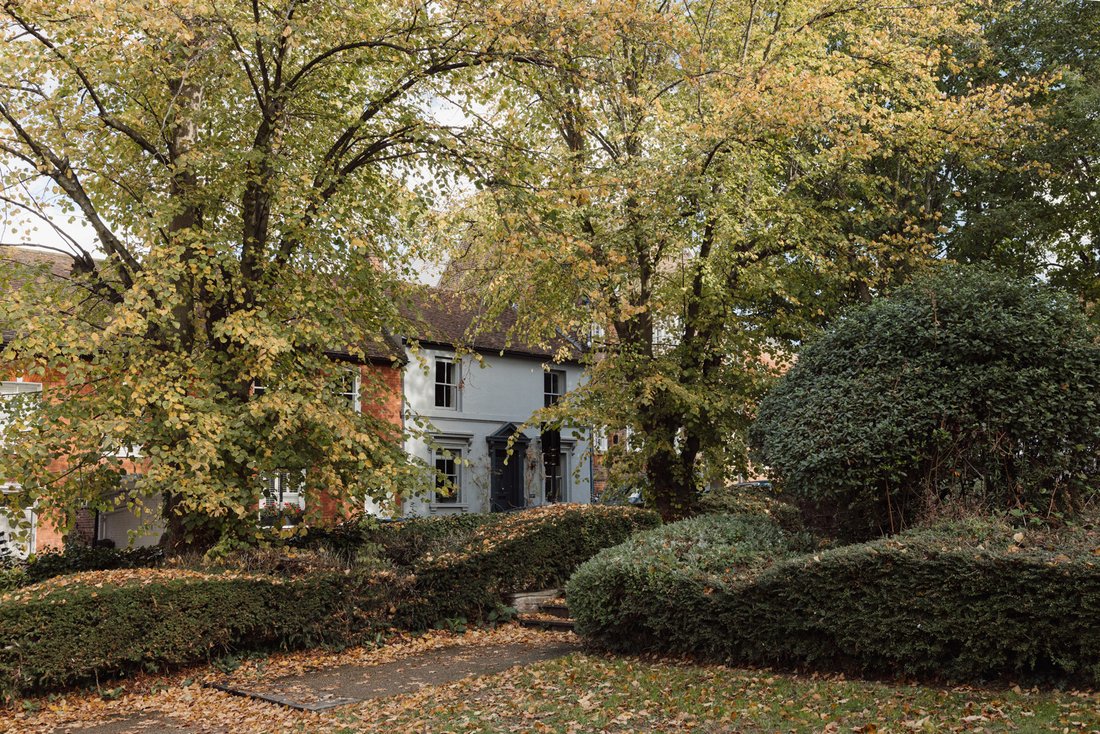
Set on the tranquil slopes of Romeland Hill, in the heart of St Albans’ historic quarter and facing the Abbey, this remarkable, Grade II listed, three-bedroom period home of around 1,600 sq. ft has stood since its Tudor construction. Its unmistakable Georgian appearance is the result of a late-18th-century remodelling, creating what is now a house of genuine character and historic interest.
Ar
Ar
Set on the tranquil slopes of Romeland Hill, in the heart of St Albans’ historic quarter and facing the Abbey, this remarkable, Grade II listed, three-bedroom period home of around 1,600 sq. ft has stood since its Tudor construction. Its unmistakable Georgian appearance is the result of a late-18th-century remodelling, creating what is now a house of genuine character and historic interest.
Architecture & History
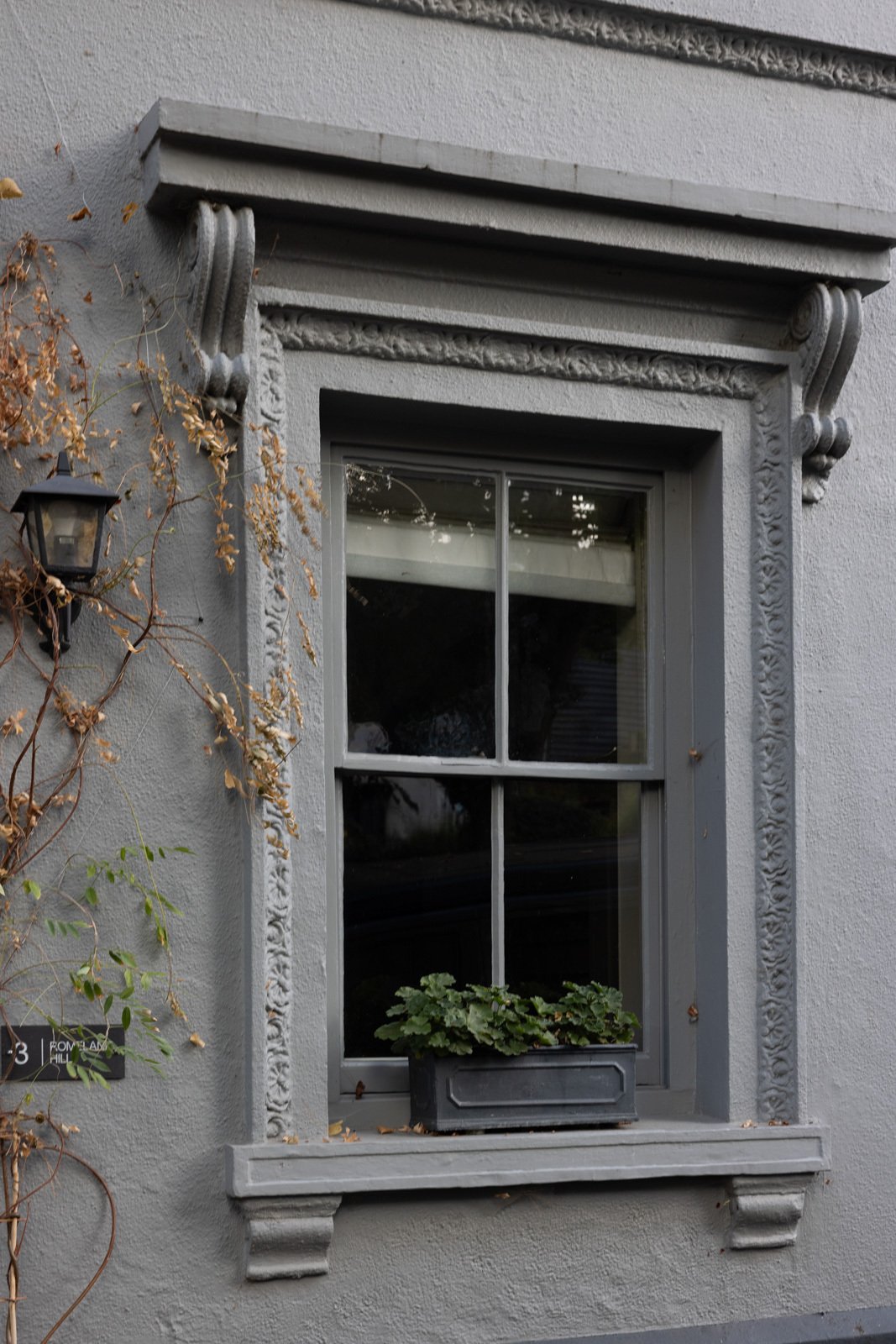
There’s no doubt this house would have seen many guises over the centuries but prior to the current ownership, the property, when acquired, had seen life as offices. The sensitive, layered restoration retained much of the original interior fabric including a combination of panelling made up of rough sawn early Tudor and more refined Georgian, sash windows with rare half riser shutters and later Victorian fireplaces.
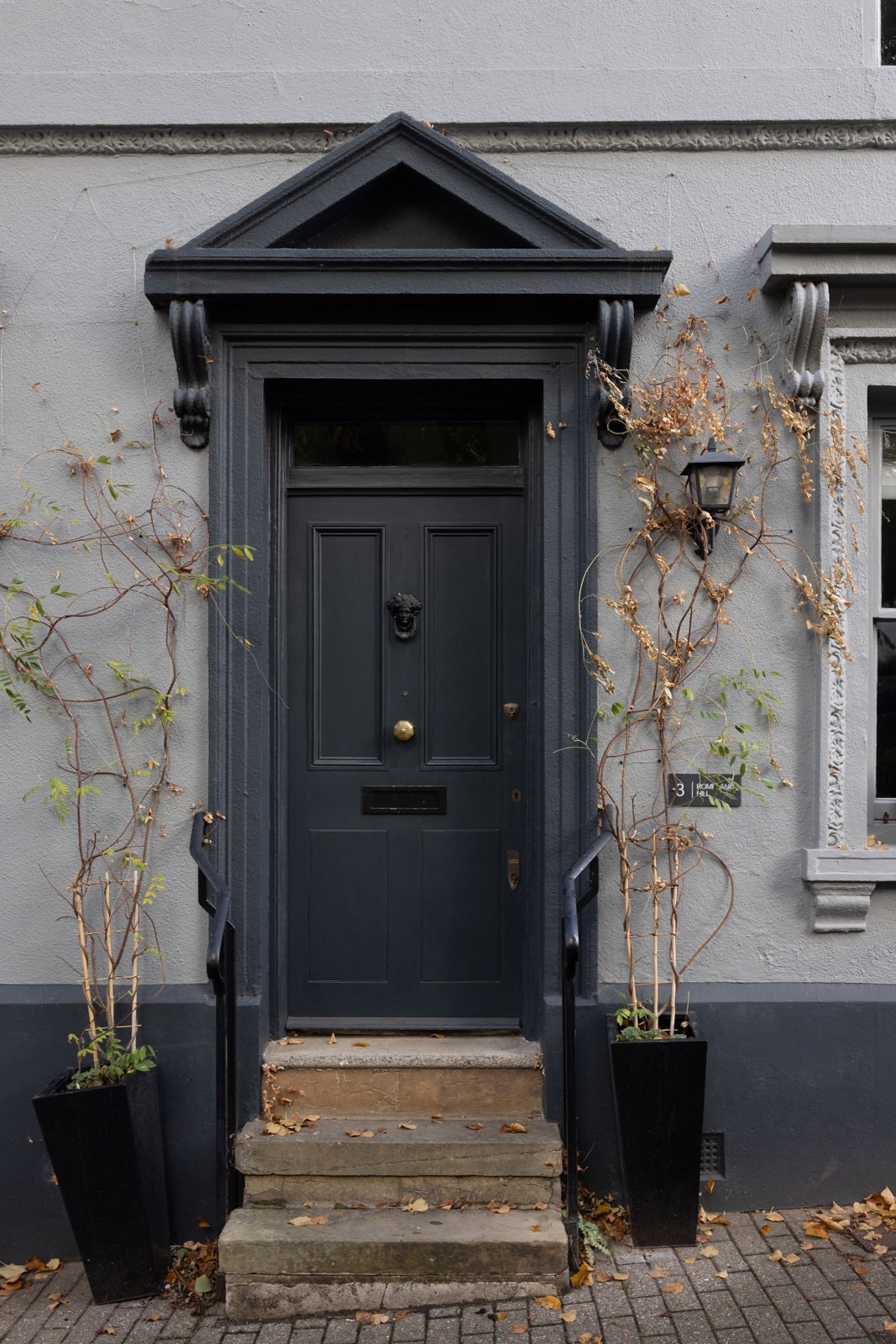
Overhead, what perhaps may be Medieval ceiling beams have been cleaned and waxed forming a statement feature. Heritage Farrow and Ball colours fill the house enhancing the atmospheric rooms. The front door enters into the wide, principal reception, elevated access from the street is by way of a raised entrance. Views of St Albans can be taken in through two street facing sash windows.
A second, beautifully appointed and equally atmospheric reception room lies beyond the front of the house. From here, double doors open onto a private walled courtyard, while further access leads through to the extended kitchen and dining room, added as part of the home’s wider renovation. Overhead, a vaulted, skylit ceiling rises above a bank of contemporary cabinetry, its colour palette echoing the house’s historic character. A guest WC and shower room is located at the far end of the kitchen.
Three bedrooms are arranged across the lower ground and first floors. Accessed by steps from the kitchen, the lower-ground double bedroom retains one of the house’s original oak ceiling beams. Above, two further bedrooms, one with shower en-suite, continue the theme, with time-worn period features including more ceiling beams, fireplaces and, in the second bedroom, a section of the original cruck-frame sill on display.
The family bathroom is intimate in character without compromising on space, its principal feature being a fine slipper bath. Local Area & Transport St Albans occupies an extraordinary place in English history.
Local Area & Transport
St Alban began as Verlamion, a settlement of the Celtic Catuvellauni, before becoming the Roman town of Verulamium around AD 50, one of Roman Britain’s most important urban centres.
For centuries it was a rural market town and the first coaching stop from London, its streets lined with historic inns. Rapid Victorian expansion transformed it, yet its Roman ruins, medieval lanes and great Abbey still make St Albans a uniquely layered record of English history.
St Albans is exceptionally well connected, offering a lifestyle that feels gently removed from the intensity of London while remaining a sophisticated and highly desirable place to live. St Albans City station, around ten minutes’ walk away, provides frequent services to St Pancras International in around 20 minutes, with direct trains to Farringdon, City Thameslink, London Bridge and Blackfriars in roughly 30–40 minutes. A change at Blackfriars also connects with Gatwick Airport and Sussex, while both Heathrow and Luton airports are easily accessible.
Directly opposite, St Albans Cathedral and its grounds lead, by way of a gentle stroll, to the expansive Verulamium Park with its Roman wall, and, just beyond, St Albans Abbey station. The schools in and around St Albans are among the most sought-after in the South of England, with several highly regarded grammar and independent schools close at hand—not least the esteemed St Albans School.
The neighbourhood’s thriving restaurant scene is just yards from the house. There’s of course a plentiful supply of traditional, cosy pubs, many with roaring log fires and a warm welcome for dogs all adding to the city’s enduring charm. As a thriving market town, St Albans also hosts farmers’ markets and regular markets twice a week, alongside excellent sports and leisure facilities, including swimming pools and well-equipped leisure centres. Ibeiros, Hazels, The Ivy & Prime top the list of the owners favourite social haunts.
-
Property type
House
-
Price/sqft
$1,305
Features
- Fireplace
- Renovated
- Basement
- Gate
- Gas Stovetop
- Stone Countertops
Explore the Area
Joined 11 months ago
You have inquired about this property
The agent will contact you soon by
Listed by
25
Listings
2025
Joined
Book home tour with the agent
Choose a date and whether you'd like a virtual or in-person tour with the agent.
Preferred date
Tour type
Last updated
Yesterday
First listed
November 4
Listing reference
-
Similar Properties Nearby
New Listings in St Albans


Explore More Homes for Sale
St Albans property types
St Albans popular searches
- Properties with Game Room in St Albans
- City View properties in St Albans
- Properties with Outdoor Kitchen in St Albans
- Gated Community properties in St Albans
- Investment Property properties in St Albans
- Equestrian properties in St Albans
- Properties with Fitness Center / Gym in St Albans
- Properties with Air Conditioning in St Albans
- Properties with Wine Cellar in St Albans
- Properties with Garage in St Albans
- Properties with Open Kitchen in St Albans
- Properties with Indoor Pool in St Albans
St Albans neighborhoods
- Homes for sale in Birklands
- Homes for sale in Beechwood
- Homes for sale in Abbey Camp
- Homes for sale in Camp Hill
- Homes for sale in Castle End
- Homes for sale in Chillickbury
- Homes for sale in Colney Street
- Homes for sale in Dane End
- Homes for sale in Osterhills
- Homes for sale in The Camp
- Homes for sale in Batchwood
- Homes for sale in Bernards Heath
- Homes for sale in Burston Manor
- Homes for sale in Burston
- Homes for sale in Childwick Green
- Homes for sale in Chiswell Green
- Homes for sale in Cotton Mill
- Homes for sale in Daneswick
- Homes for sale in Douglas Road
- Homes for sale in Fleetville
- Homes for sale in Frogmore
- Homes for sale in Hall Place Gardens
- Homes for sale in New Greens
- Homes for sale in North Riding
- Homes for sale in Porters Wood
- Homes for sale in Ragged Hall
- Homes for sale in Sopwell
- Homes for sale in St Julians
- Homes for sale in St Michael
- Homes for sale in St Peters
- Homes for sale in St Stephens
- Homes for sale in Tippendell
- Homes for sale in Tithe Barn
- Homes for sale in Townsend
Related Guides & Stories
Trusted by the World's Leading Brokers
The agents behind the world's most exceptional properties list with JamesEdition.
- Listings from Sotheby's, Christie's, BARNES, and Engel & Völkers
- Every listing reviewed before it goes live
- Connect directly with verified listing agents
By continuing you agree to our Terms and Privacy Policy.