$8,281,582
Palace Farm And Rustic House In S. Maria And S. Miguel, S. Martinho, S. Pedro Penaferrim
- 12 Beds
- 8 Baths
- 9,688 Sqft
- 8.65 Ac lot
- Updated: July 8
- 24
About the Property
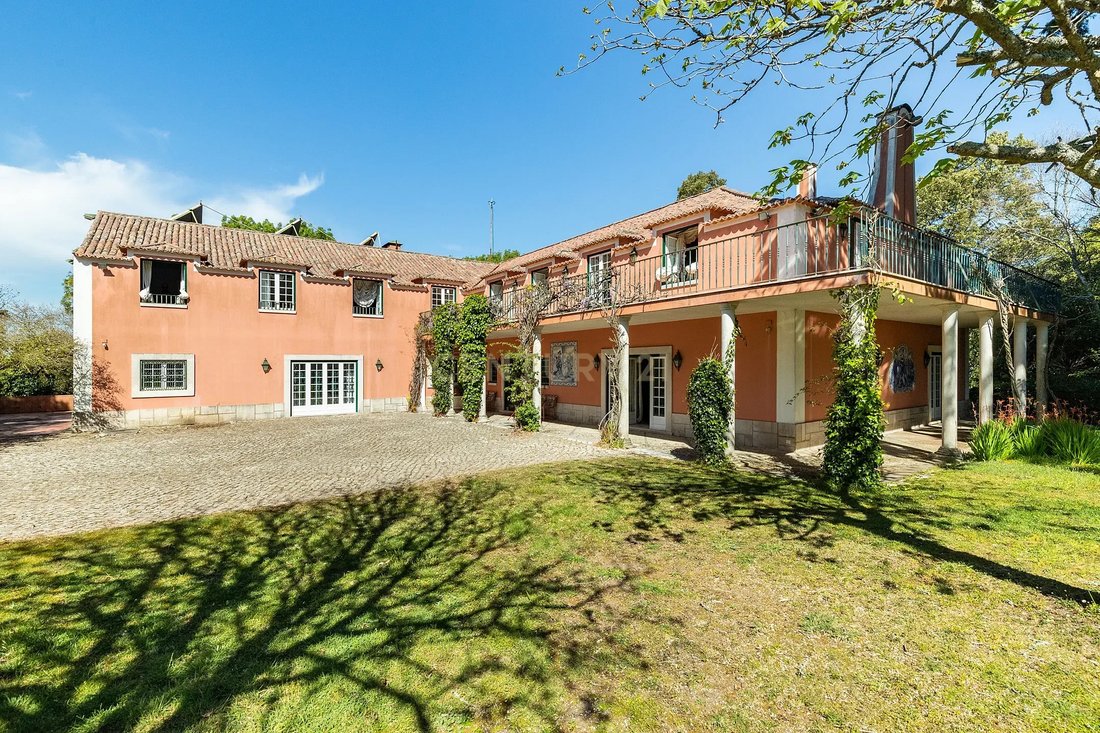
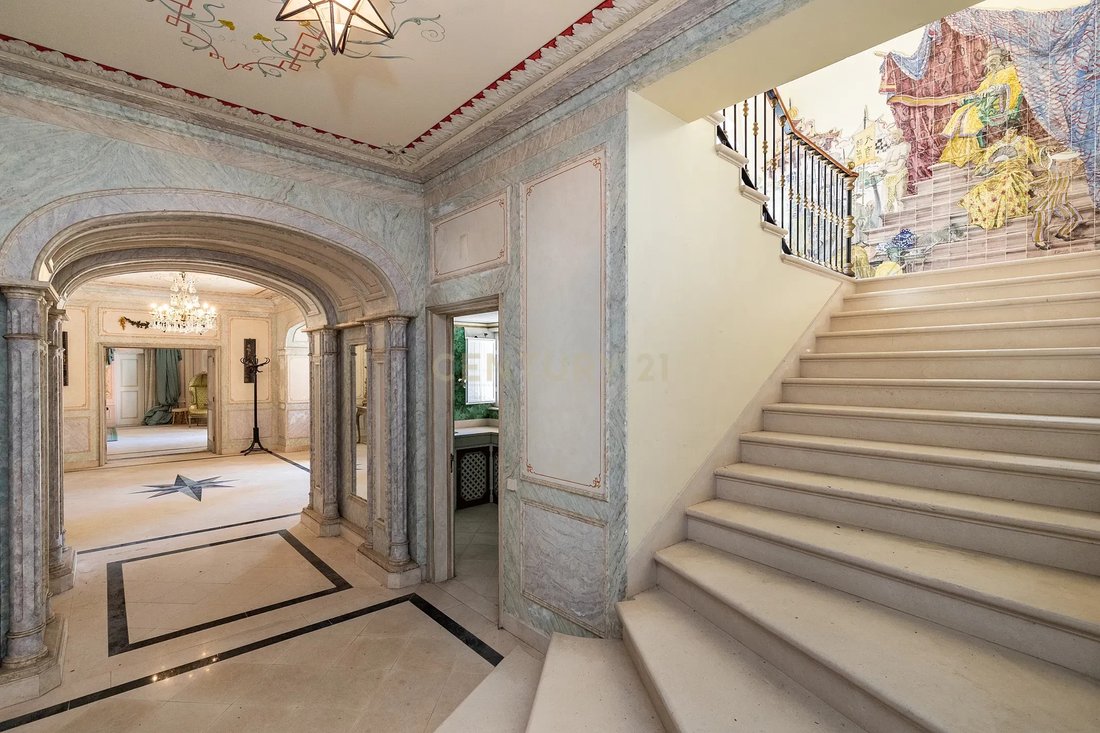
Following a project dating from 1963, Quinta Nova de S. Pedro - Sintra was built during the first half of the 60’s and completely restored in the middle of the 80’s. Located in a total area of 35,000 m2, the main building has total of 900 m2, divided into halls, rooms and support facilities. It also has a caretaker’s house, annexes for housing animals, tennis court, swimming pool, pool support a
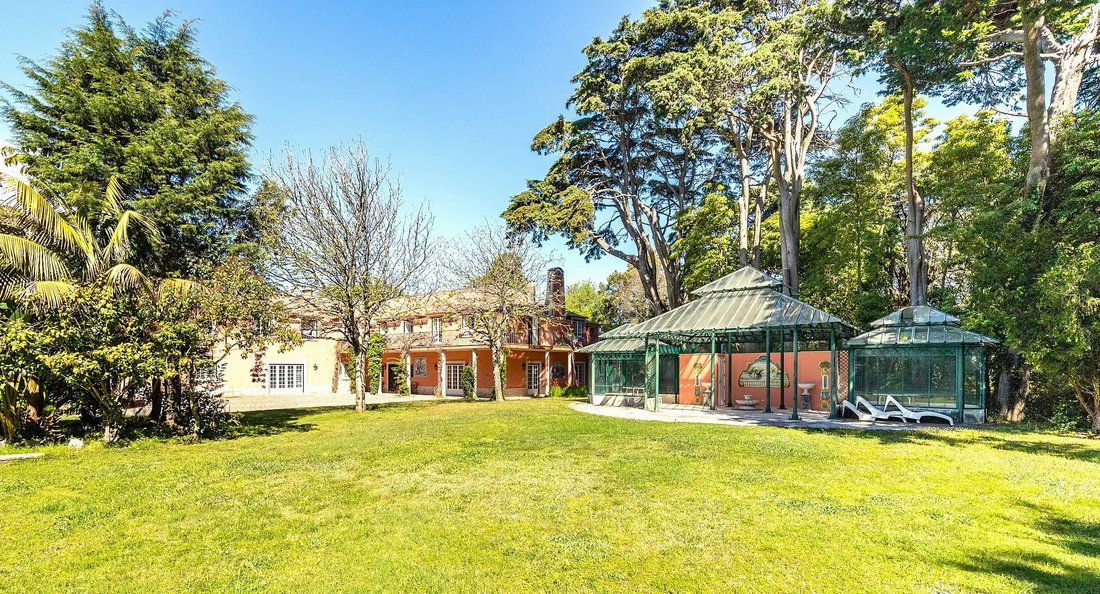
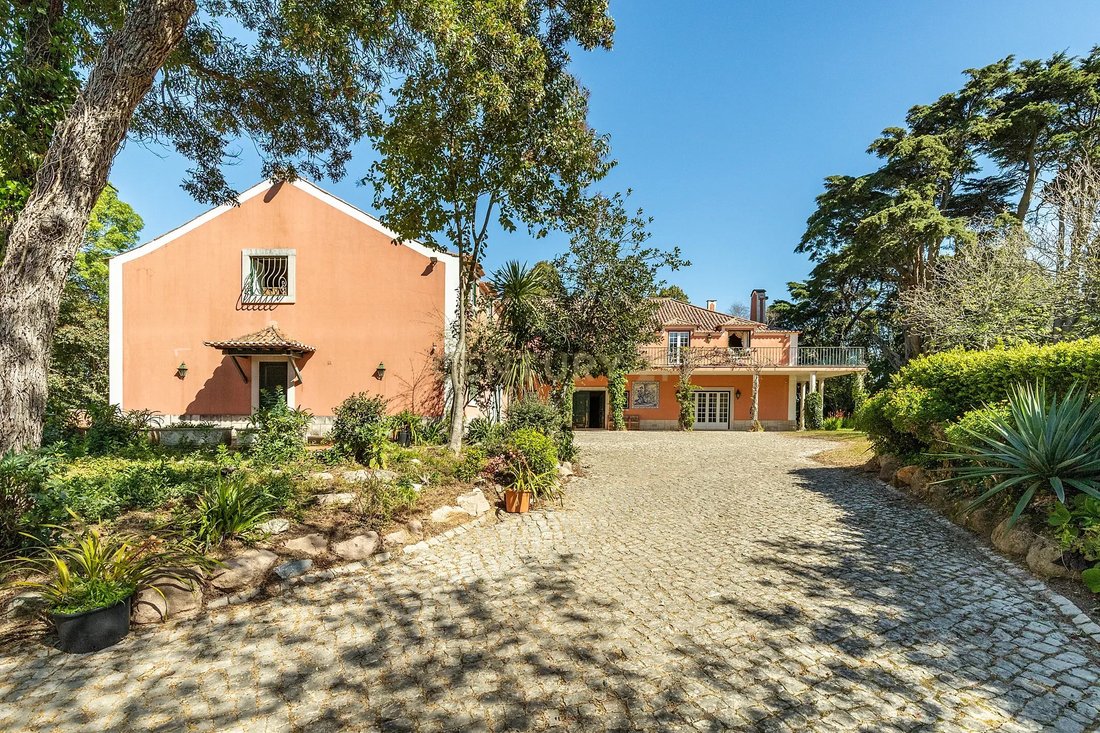
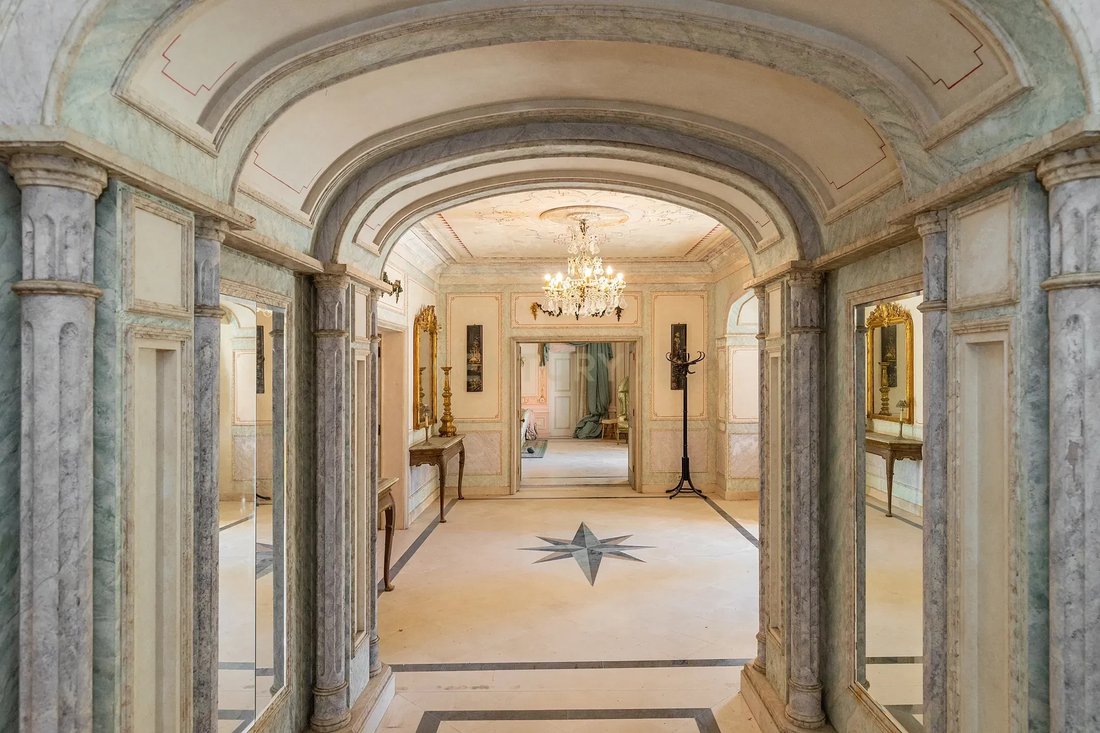
Following a project dating from 1963, Quinta Nova de S. Pedro - Sintra was built during the first half of the 60’s and completely restored in the middle of the 80’s. Located in a total area of 35,000 m2, the main building has total of 900 m2, divided into halls, rooms and support facilities. It also has a caretaker’s house, annexes for housing animals, tennis court, swimming pool, pool support annex, water tank supplied by a natural spring, and a vast area of garden and forest park divided between lawns and various plant species.
S. Pedro de Sintra, as well as the town of Sintra, has always been a place of choice, thanks to its mild summers and mild winters, as a result of the specific microclimate caused by the natural conditions provided by the Serra de Sintra.
A UNESCO World Heritage Site, the Historic Center of Sintra, in which the property is located, represents a unique setting in the world in terms of landscape richness, justified by its surroundings of great natural and architectural beauty, denoting a combination of traces in deep harmony. with the surrounding natural environment; Quinta Nova represents a clear example of this situation. Presenting a design with various examples of what is traditional Portuguese architecture, but with a deep rationality in the use of interior spaces.
Several illustrious figures, elected this area as a place of choice, as a reference, the Kings of Spain, at the time of their exile, had in S. Pedro de Sintra one of their refuges.
S. Pedro de Sintra, as well as the town of Sintra, has always been a place of choice, thanks to its mild summers and mild winters, as a result of the specific microclimate caused by the natural conditions provided by the Serra de Sintra.
A UNESCO World Heritage Site, the Historic Center of Sintra, in which the property is located, represents a unique setting in the world in terms of landscape richness, justified by its surroundings of great natural and architectural beauty, denoting a combination of traces in deep harmony. with the surrounding natural environment; Quinta Nova represents a clear example of this situation. Presenting a design with various examples of what is traditional Portuguese architecture, but with a deep rationality in the use of interior spaces.
Several illustrious figures, elected this area as a place of choice, as a reference, the Kings of Spain, at the time of their exile, had in S. Pedro de Sintra one of their refuges.
-
Property type
Chateau
-
Year built
1963
-
Price/sqft
$854
Features
- Garden
- Pool
- Terrace
- Fireplace
- Wine Cellar
- Tennis Court
- Kitchen island
- High Ceiling
- Balcony
Explore the Area
Avenida Augusto Freire, Sintra, Lisbon, Portugal
View on Google Maps
Price per sqft
Low
High
Joined 5 years ago
You have inquired about this property
The agent will contact you soon by
Listed by
12
Listings
2022
Joined
Book home tour with the agent
Choose a date and whether you'd like a virtual or in-person tour with the agent.
Preferred date
Tour type
Last updated
July 8
First listed
October 1, 2022
Listing reference
1356-01569
Similar Properties Nearby
New Listings in Sintra





Explore More Homes for Sale
Sintra, Portugal property types
- Houses for sale in Sintra, Portugal
- Apartments for sale in Sintra, Portugal
- Villas for sale in Sintra, Portugal
- Land for sale in Sintra, Portugal
- Townhouses for sale in Sintra, Portugal
- Farm Ranches for sale in Sintra, Portugal
- Chalets for sale in Sintra, Portugal
- Chateaus for sale in Sintra, Portugal
- Penthouses for sale in Sintra, Portugal
- Country Homes for sale in Sintra, Portugal
- Bungalows for sale in Sintra, Portugal
Sintra, Portugal popular searches
- Sea View properties in Sintra, Portugal
- Mountain View properties in Sintra, Portugal
- Golf View properties in Sintra, Portugal
- Gated Community properties in Sintra, Portugal
- Waterfront properties in Sintra, Portugal
- Investment Property properties in Sintra, Portugal
- Equestrian properties in Sintra, Portugal
- New Builds properties in Sintra, Portugal
- Oceanfront properties in Sintra, Portugal
- Properties with Wine Cellar in Sintra, Portugal
- Properties with Pool in Sintra, Portugal
- Properties with Tennis Court in Sintra, Portugal
- Properties with Helipad in Sintra, Portugal
- Properties with Vineyard / Winery in Sintra, Portugal
- Lakefront properties in Sintra, Portugal
- Riverfront properties in Sintra, Portugal
- Properties with Indoor Pool in Sintra, Portugal
- Water View properties in Sintra, Portugal
- Ocean View properties in Sintra, Portugal
Sintra, Portugal neighborhoods
Related Guides & Stories
Trusted by the World's Leading Brokers
The agents behind the world's most exceptional properties list with JamesEdition.
- Listings from Sotheby's, Christie's, BARNES, and Engel & Völkers
- Every listing reviewed before it goes live
- Connect directly with verified listing agents
By continuing you agree to our Terms and Privacy Policy.