$577,385
A Priory, Listed As A European Cluniac Site, A 12th Century Tower Et Garden, In The North Of The
- 7 Beds
- 2 Baths
- 7,105 Sqft
- 9,236 Sqft lot
- Updated: July 16
-
14
Views for last 30 days
- 1
About the Property
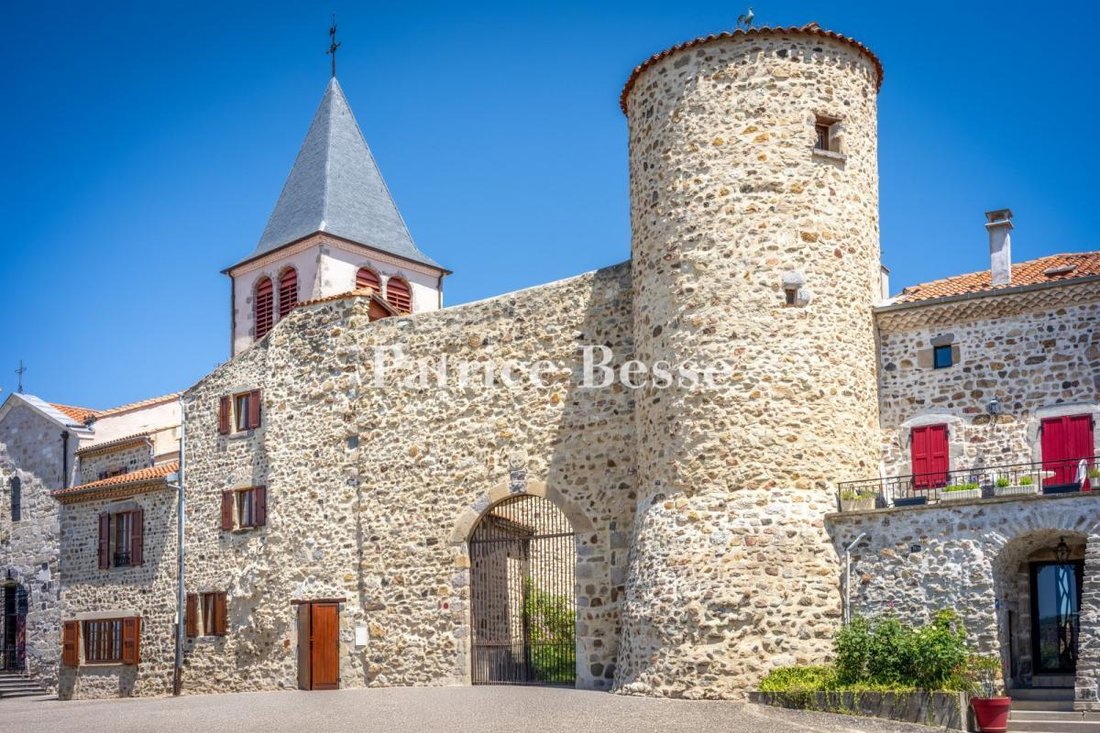
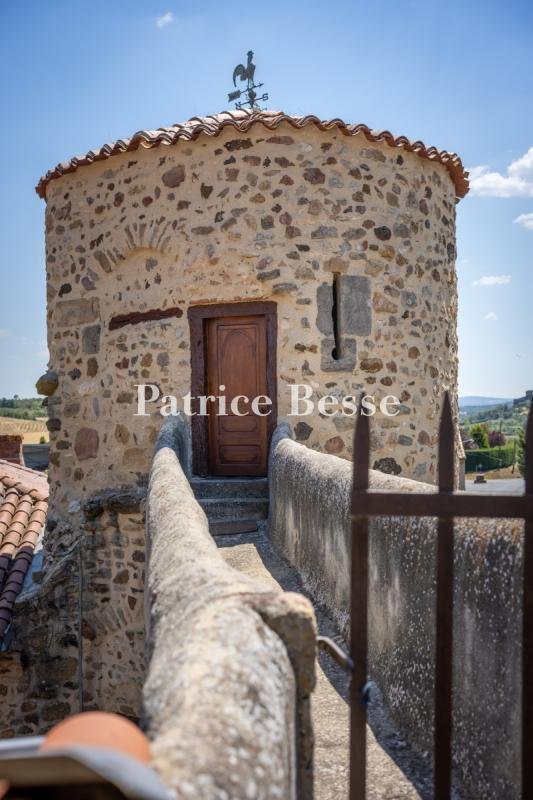
A priory, listed as a European Cluniac Site, a 12th-century tower et garden, in the north of the Brivadois region et the greater Haute-Loire department. Established around 994 thanks to a donation from Lady Aldegarde to the Cluniac monastery of Sauxillanges, the Bournoncle-Saint-Pierre priory was once part of a dynamic that was both spiritually and economically motivated. As of the 12th century, t
A priory, listed as a European Cluniac Site, a 12th-century tower et garden, in the north of the Brivadois region et the greater Haute-Loire department. Established around 994 thanks to a donation from Lady Aldegarde to the Cluniac monastery of Sauxillanges, the Bournoncle-Saint-Pierre priory was once part of a dynamic that was both spiritually and economically motivated. As of the 12th century, the establishment, inhabited by six to eight monks, became more than a site for prayer and was transformed into a major agricultural and religious hub, while in 1132, its influence extended over eighteen farms and thirteen dependencies. At that time, the priory embodied the strength of the Cluny Order, which, at its heyday in the 11th and 12th centuries, oversaw 1,098 monasteries throughout Europe, including 855 in France, a network without parallel in the medieval Christian world.
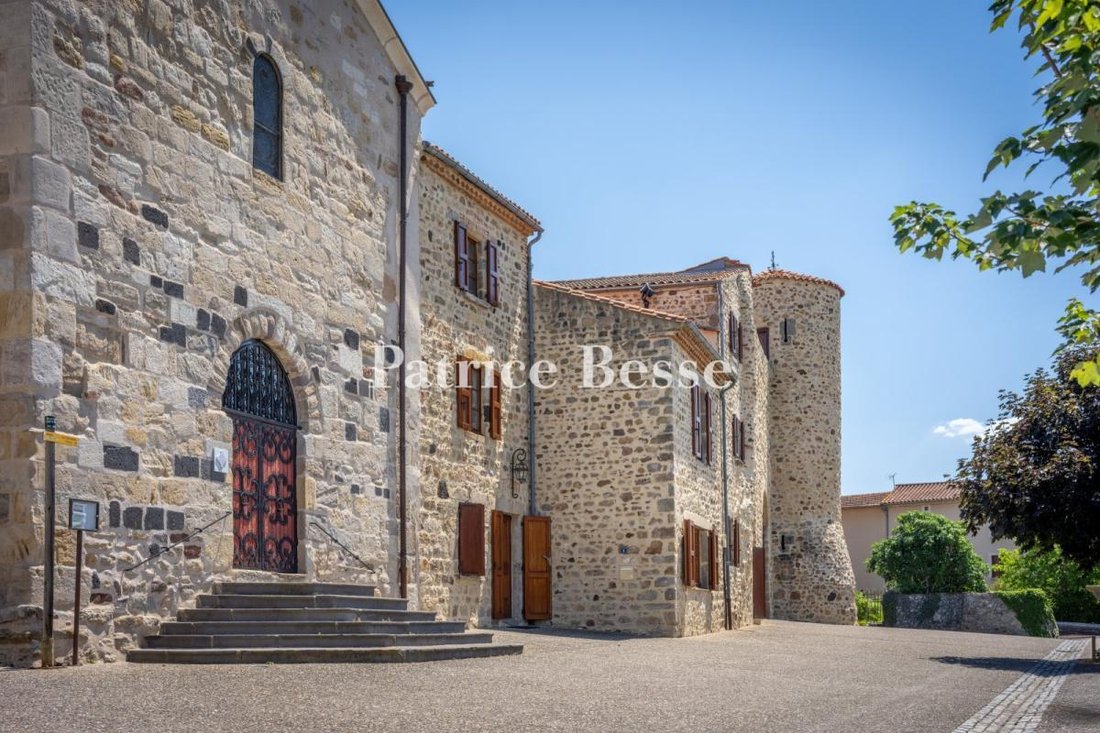
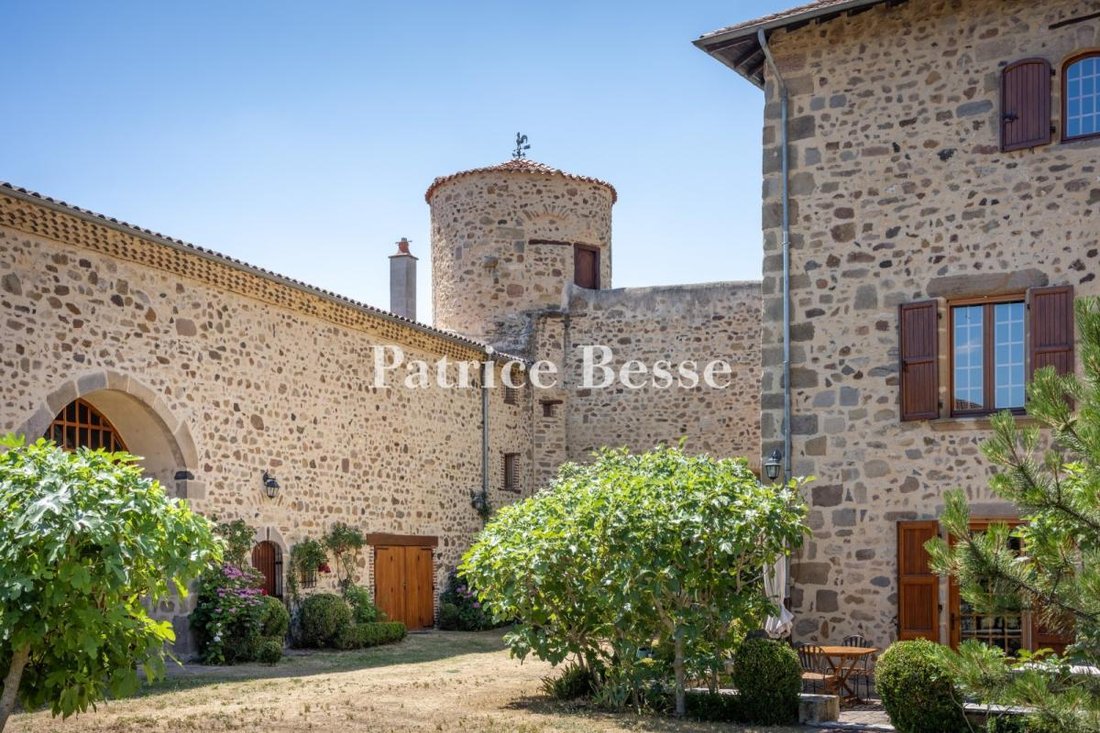
Even today, the site, one of the most eloquent vestiges of the Cluny Order’s history, is a testament to this former strength thanks to its architectural heritage, whereas, in the 12th and the 13th centuries, the monastic buildings, abutting the church, formed a logical and functional composition. Originally surrounded by a fortified enclosure wall, defended by four corner towers, symbols of the priory’s dual vocation: protecting property as well as souls, monastic life took place behind these thick walls with a guest room for visitors and pilgrims, the prior’s chamber – the centre of local power – monastic cells, a kitchen, a pantry and an infirmary.
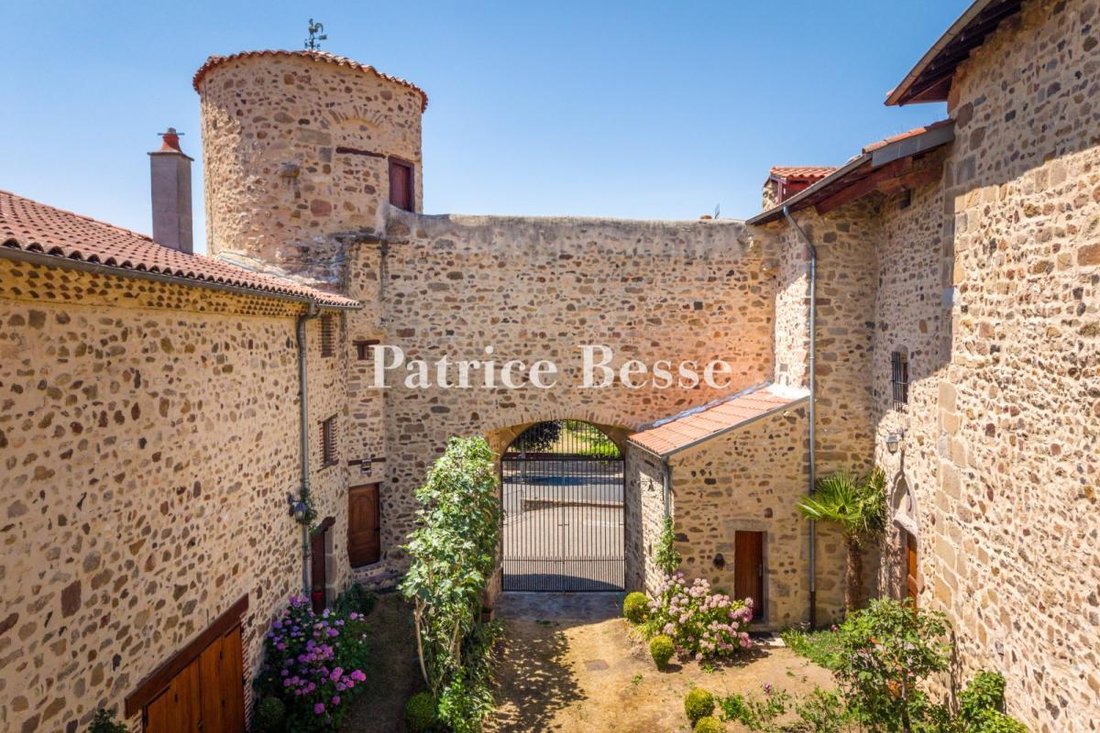
In addition, a tithe barn made it possible to store the grain harvests, while passageways and openings between the church and the priory facilitated access for the monks between their temporal occupations and spiritual duties. As for the site, it has adapted to the changing times with, in particular, the creation of the immense gate opening on to the courtyard, which was added in 1777, whereas, presently, the priory, recognised as a “European Cluniac Site”, is part of the Council of Europe’s cultural itineraries as well as the collective bid by Cluniac sites to be included on the Unesco World Heritage List.
Information on the risks to which this property is exposed is available on the Géorisques website: https://www.georisques.gouv.fr/
Even today, the site, one of the most eloquent vestiges of the Cluny Order’s history, is a testament to this former strength thanks to its architectural heritage, whereas, in the 12th and the 13th centuries, the monastic buildings, abutting the church, formed a logical and functional composition. Originally surrounded by a fortified enclosure wall, defended by four corner towers, symbols of the priory’s dual vocation: protecting property as well as souls, monastic life took place behind these thick walls with a guest room for visitors and pilgrims, the prior’s chamber – the centre of local power – monastic cells, a kitchen, a pantry and an infirmary.
In addition, a tithe barn made it possible to store the grain harvests, while passageways and openings between the church and the priory facilitated access for the monks between their temporal occupations and spiritual duties. As for the site, it has adapted to the changing times with, in particular, the creation of the immense gate opening on to the courtyard, which was added in 1777, whereas, presently, the priory, recognised as a “European Cluniac Site”, is part of the Council of Europe’s cultural itineraries as well as the collective bid by Cluniac sites to be included on the Unesco World Heritage List.
Information on the risks to which this property is exposed is available on the Géorisques website: https://www.georisques.gouv.fr/
-
Property type
House
-
Price/sqft
$81
Features
- Garden
- Fireplace
- Gate
- High Ceiling
Explore the Area
Brioude, Auvergne-Rhône-Alpes, France
View on Google Maps
Price per sqft
Low
High
Joined 3 years ago
You have inquired about this property
The agent will contact you soon by
Listed by
668
Listings
2023
Joined
Book home tour with the agent
Choose a date and whether you'd like a virtual or in-person tour with the agent.
Preferred date
Tour type
Last updated
July 16
First listed
Jul 16
Listing reference
702949_JE
Trusted by the World's Leading Brokers
The agents behind the world's most exceptional properties list with JamesEdition.
- Listings from Sotheby's, Christie's, BARNES, and Engel & Völkers
- Every listing reviewed before it goes live
- Connect directly with verified listing agents
By continuing you agree to our Terms and Privacy Policy.