$2,725,163
Moradia/Armazém Em Lote De 10280m2 Em Alcochete
- 3 Baths
- 110,653 Sqft
- Updated: June 18
- 1
About the Property
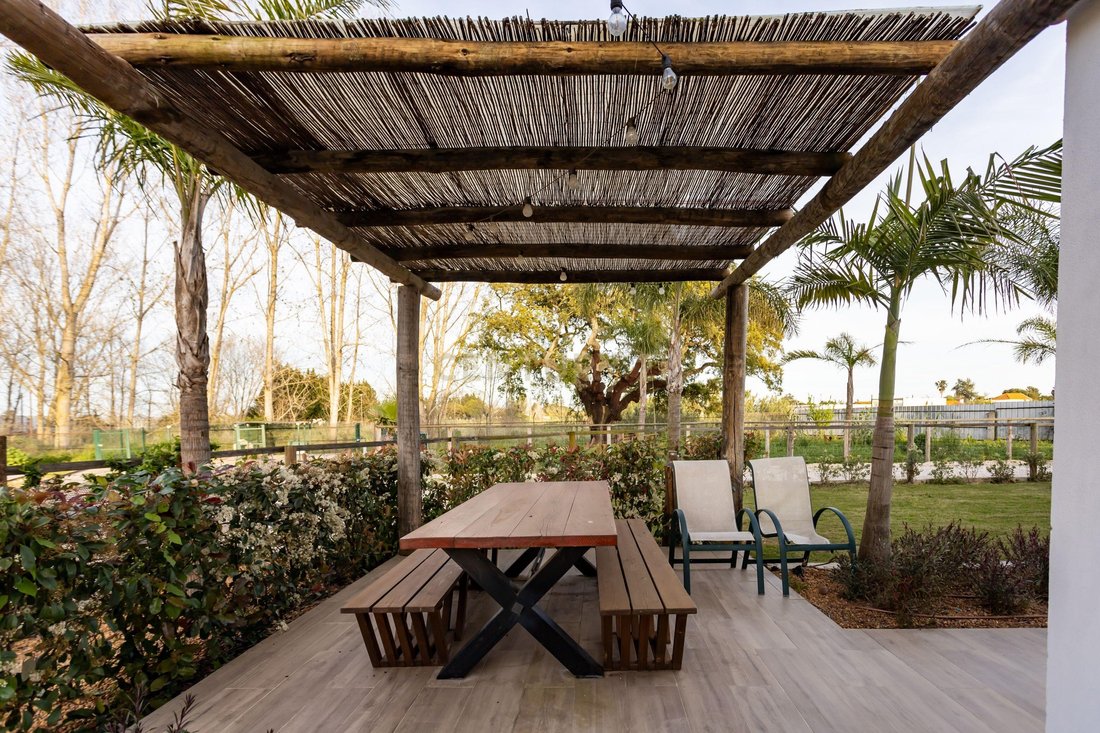
House/Warehouse on a 10,280m2 plot in Alcochete.
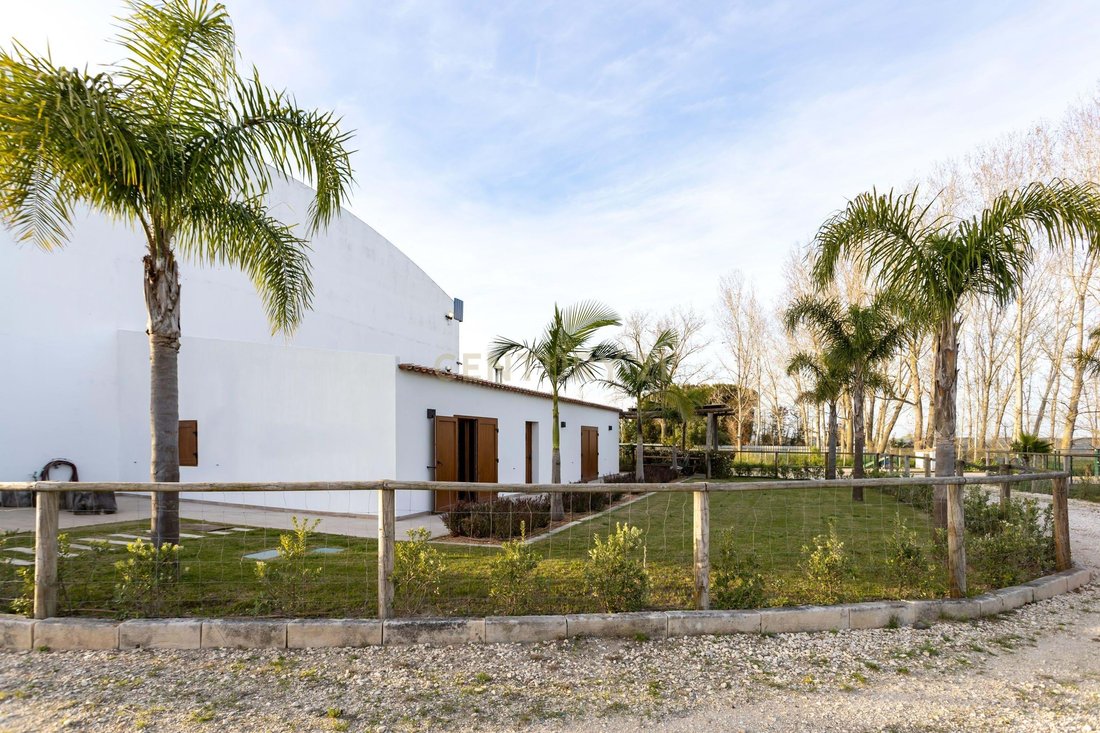
This property consists of a 1,000m2 warehouse, an office, and a dining area.
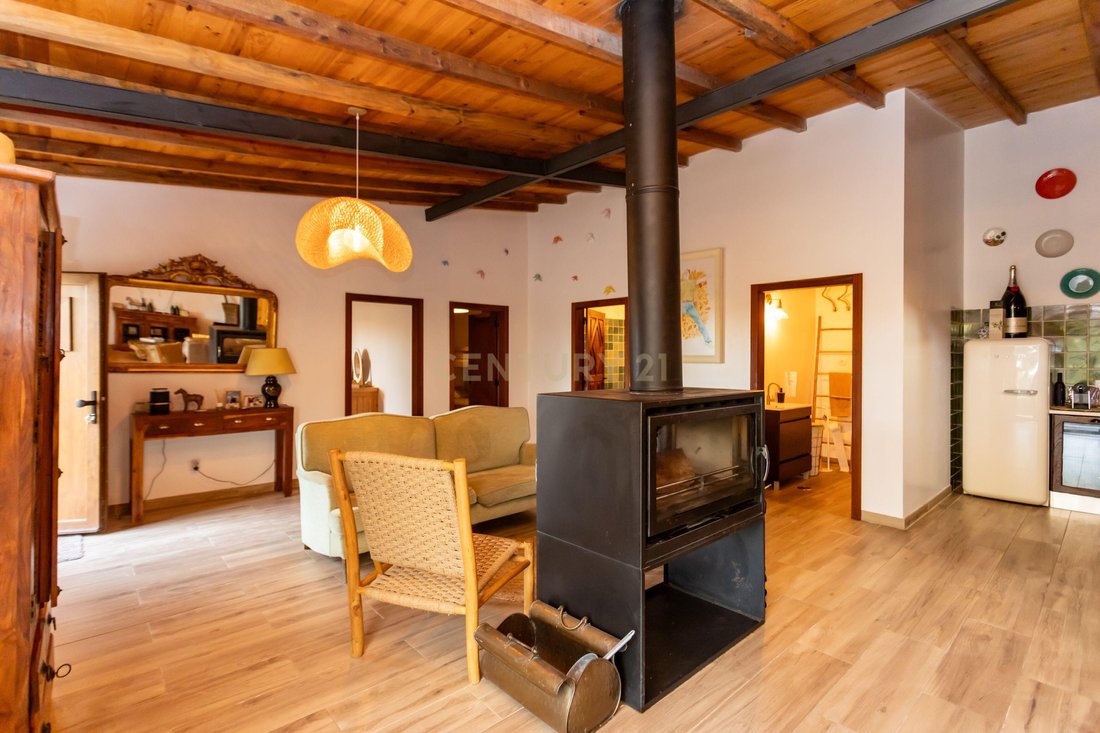
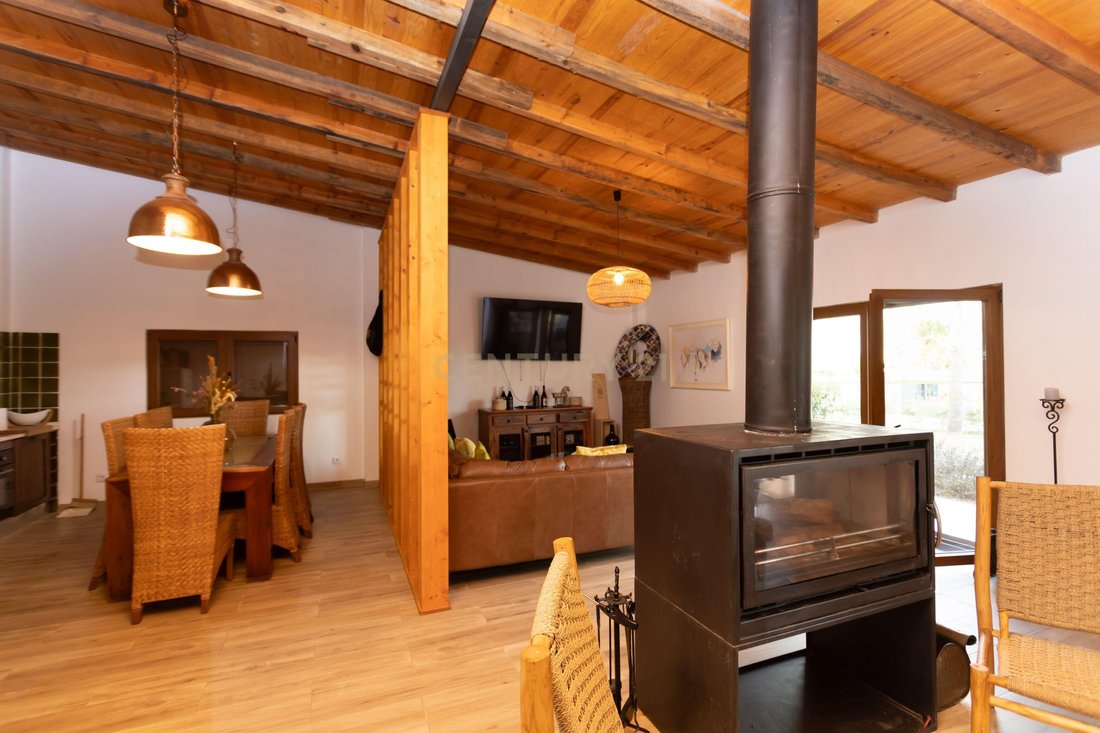
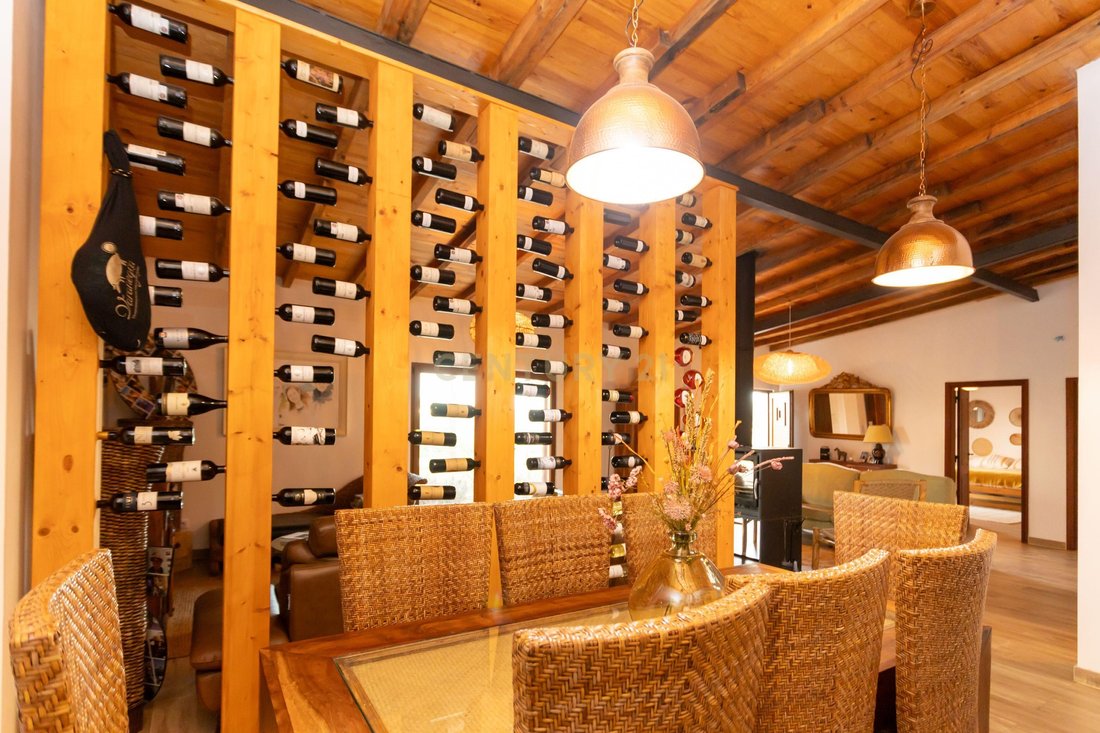
In addition, there is a ready-to-live-in single-story house, ideal for those who want to start their business and also live in the same space.
Urban land with the possibility of constructing other services/businesses within the limits allowed by the PD
This property consists of a 1,000m2 warehouse, an office, and a dining area.
In addition, there is a ready-to-live-in single-story house, ideal for those who want to start their business and also live in the same space.
Urban land with the possibility of constructing other services/businesses within the limits allowed by the PD
House/Warehouse on a 10,280m2 plot in Alcochete.
This property consists of a 1,000m2 warehouse, an office, and a dining area.
In addition, there is a ready-to-live-in single-story house, ideal for those who want to start their business and also live in the same space.
Urban land with the possibility of constructing other services/businesses within the limits allowed by the PDM of C.M. Alcochete.
Excellent location for your new business in an area of high socioeconomic growth.
More Information about Alcochete:
Alcochete is a Portuguese town and the seat of the municipality of Alcochete, which belongs to the District of Setúbal, itself part of the Lisbon Metropolitan Area. The municipality is divided into 3 parishes.
The municipality is bordered to the north by Benavente, to the east and southeast by Palmela, to the southwest by the main area of Montijo, and to the northwest by the Tagus estuary, located in the former province of Estremadura.
Alcochete is home to the Tagus Estuary Natural Reserve, featuring numerous salt pans where various species of water birds nest.
Despite the name, the Alcochete Shooting Range is located in the municipality of Benavente, near Porto Alto and Samora Correia.
King D. Manuel I was born in Alcochete in 1469.
History
It is believed that Alcochete has Arab origins, mainly due to two facts: the origin of the name Al caxete, which may mean ”the oven,” and the location of the Main Church, built in the 14th century and, according to tradition, constructed over an Arab temple.
However, the first documented human occupation refers to the Roman presence, evidenced by findings of a pottery center where amphorae and other containers for food storage and transport were made. The Roman occupation was followed by the Arab occupation, with the toponym being the most visible legacy. They developed agriculture in the region, including irrigation systems and citrus cultivation.
With the Christian reconquest, Alcochete was integrated into the Order of Santiago’s territory, and during this time, salt extraction developed, with salt exported by sea to South America.
A house covered with green tiles in Alcochete, a typical example of local architecture.
The frequent plagues (e.g., the Black Death) in the kingdom’s capital led the royalty and nobility of the 14th and 15th centuries to settle in Alcochete, including King D. João I (late 14th century) and Infante D. Fernando, Duke of Beja (mid-15th century). The Infante D. Manuel, later king, was born in Alcochete in 1469.
On January 17, 1515, Alcochete received a charter granted by King D. Manuel I, in a joint diploma that renewed the charter of Aldeia Galega do Ribatejo (from 1514) and confirmed the town status Alcochete had acquired during the 15th century.
This period of prosperity saw the reconstruction of the Main Church and the sacred paintings in the Chapel of Our Lady of Life and the Church of Mercy.
From the 16th to the 19th centuries, agriculture and cattle raising, especially fighting bulls, developed in the municipality. The Rattons (Jácome Ratton) settled in the town, and salt extraction and maritime transport across the Tagus flourished.
Alcochete pier bridge, rebuilt in 2006.
Politically, the trends of the last quarter of the 19th century, with intense centralist and decentralist municipal movements, led to the loss of Alcochete’s municipal autonomy in favor of Aldeia Galega (now Montijo) and, on January 15, 1898, the restoration of that autonomy.
The 20th-century history of Alcochete is one of human heroism, resistance to the Estado Novo regime, strikes, imprisonments, but also stagnation and near disappearance, although from the 1960s some industries (aluminum foil, tires, etc.) were established in Alcochete.
For more information, contact me!!
This property consists of a 1,000m2 warehouse, an office, and a dining area.
In addition, there is a ready-to-live-in single-story house, ideal for those who want to start their business and also live in the same space.
Urban land with the possibility of constructing other services/businesses within the limits allowed by the PDM of C.M. Alcochete.
Excellent location for your new business in an area of high socioeconomic growth.
More Information about Alcochete:
Alcochete is a Portuguese town and the seat of the municipality of Alcochete, which belongs to the District of Setúbal, itself part of the Lisbon Metropolitan Area. The municipality is divided into 3 parishes.
The municipality is bordered to the north by Benavente, to the east and southeast by Palmela, to the southwest by the main area of Montijo, and to the northwest by the Tagus estuary, located in the former province of Estremadura.
Alcochete is home to the Tagus Estuary Natural Reserve, featuring numerous salt pans where various species of water birds nest.
Despite the name, the Alcochete Shooting Range is located in the municipality of Benavente, near Porto Alto and Samora Correia.
King D. Manuel I was born in Alcochete in 1469.
History
It is believed that Alcochete has Arab origins, mainly due to two facts: the origin of the name Al caxete, which may mean ”the oven,” and the location of the Main Church, built in the 14th century and, according to tradition, constructed over an Arab temple.
However, the first documented human occupation refers to the Roman presence, evidenced by findings of a pottery center where amphorae and other containers for food storage and transport were made. The Roman occupation was followed by the Arab occupation, with the toponym being the most visible legacy. They developed agriculture in the region, including irrigation systems and citrus cultivation.
With the Christian reconquest, Alcochete was integrated into the Order of Santiago’s territory, and during this time, salt extraction developed, with salt exported by sea to South America.
A house covered with green tiles in Alcochete, a typical example of local architecture.
The frequent plagues (e.g., the Black Death) in the kingdom’s capital led the royalty and nobility of the 14th and 15th centuries to settle in Alcochete, including King D. João I (late 14th century) and Infante D. Fernando, Duke of Beja (mid-15th century). The Infante D. Manuel, later king, was born in Alcochete in 1469.
On January 17, 1515, Alcochete received a charter granted by King D. Manuel I, in a joint diploma that renewed the charter of Aldeia Galega do Ribatejo (from 1514) and confirmed the town status Alcochete had acquired during the 15th century.
This period of prosperity saw the reconstruction of the Main Church and the sacred paintings in the Chapel of Our Lady of Life and the Church of Mercy.
From the 16th to the 19th centuries, agriculture and cattle raising, especially fighting bulls, developed in the municipality. The Rattons (Jácome Ratton) settled in the town, and salt extraction and maritime transport across the Tagus flourished.
Alcochete pier bridge, rebuilt in 2006.
Politically, the trends of the last quarter of the 19th century, with intense centralist and decentralist municipal movements, led to the loss of Alcochete’s municipal autonomy in favor of Aldeia Galega (now Montijo) and, on January 15, 1898, the restoration of that autonomy.
The 20th-century history of Alcochete is one of human heroism, resistance to the Estado Novo regime, strikes, imprisonments, but also stagnation and near disappearance, although from the 1960s some industries (aluminum foil, tires, etc.) were established in Alcochete.
For more information, contact me!!
-
Property type
Other
-
Year built
1997
-
Price/sqft
$24
Features
- Garden
- Terrace
- Garage
- Wine Cellar
- Pergola
- Basement
- Gate
- Office
- High Ceiling
Explore the Area
Rua das Fazendas, Alcochete, Setubal, Portugal
View on Google Maps
Price per sqft
Low
High
Joined 5 years ago
You have inquired about this property
The agent will contact you soon by
Listed by
45
Listings
2022
Joined
Book home tour with the agent
Choose a date and whether you'd like a virtual or in-person tour with the agent.
Preferred date
Tour type
Last updated
June 18
First listed
April 30, 2024
Listing reference
0651-05365
Similar Properties Nearby
New Listings in Alcochete


Explore More Homes for Sale
Alcochete, Portugal property types
Alcochete, Portugal popular searches
- Panoramic / Scenic View properties in Alcochete, Portugal
- Sea View properties in Alcochete, Portugal
- Properties with Terrace in Alcochete, Portugal
- Properties with Bar in Alcochete, Portugal
- Properties with Game Room in Alcochete, Portugal
- Properties with Office in Alcochete, Portugal
- River View properties in Alcochete, Portugal
- Properties with Elevator in Alcochete, Portugal
- City View properties in Alcochete, Portugal
- Mountain View properties in Alcochete, Portugal
- Properties with Garden in Alcochete, Portugal
- Properties with Outdoor Kitchen in Alcochete, Portugal
- Duplex properties in Alcochete, Portugal
- Coastal properties in Alcochete, Portugal
- Gated Community properties in Alcochete, Portugal
- Privacy properties in Alcochete, Portugal
- Waterfront properties in Alcochete, Portugal
- Investment Property properties in Alcochete, Portugal
- Modern properties in Alcochete, Portugal
- Equestrian properties in Alcochete, Portugal
- New Builds properties in Alcochete, Portugal
- Properties with Fitness Center / Gym in Alcochete, Portugal
- Properties with Sauna in Alcochete, Portugal
- Properties with Steam Room in Alcochete, Portugal
- Properties with Library in Alcochete, Portugal
- Properties with Air Conditioning in Alcochete, Portugal
- Oceanfront properties in Alcochete, Portugal
- Properties with Wine Cellar in Alcochete, Portugal
- Properties with Jacuzzi in Alcochete, Portugal
- Properties with Fireplace in Alcochete, Portugal
- Properties with Pool in Alcochete, Portugal
- Properties with Garage in Alcochete, Portugal
- Properties with Balcony in Alcochete, Portugal
- Properties with Tennis Court in Alcochete, Portugal
- Mansion properties in Alcochete, Portugal
- Properties with Open Kitchen in Alcochete, Portugal
- Renovated properties in Alcochete, Portugal
- Properties with Cinema in Alcochete, Portugal
- Riverfront properties in Alcochete, Portugal
- Beachfront properties in Alcochete, Portugal
- Properties with Indoor Pool in Alcochete, Portugal
- Water View properties in Alcochete, Portugal
- Ocean View properties in Alcochete, Portugal
Related Guides & Stories
Trusted by the World's Leading Brokers
The agents behind the world's most exceptional properties list with JamesEdition.
- Listings from Sotheby's, Christie's, BARNES, and Engel & Völkers
- Every listing reviewed before it goes live
- Connect directly with verified listing agents
By continuing you agree to our Terms and Privacy Policy.