$1,103,234
Maison De Ville De Tomar
- 4 Chambres
- 3 SdB
- 7,944 Sqft
- 22.9 Ac lot
- Mis à jour: Mars 25
- 3
À propos de la propriété
La description a été traduite automatiquement.
La description est affichée dans la langue d'origine.
PROPRIÉTÉ EXCEPTIONNELLE
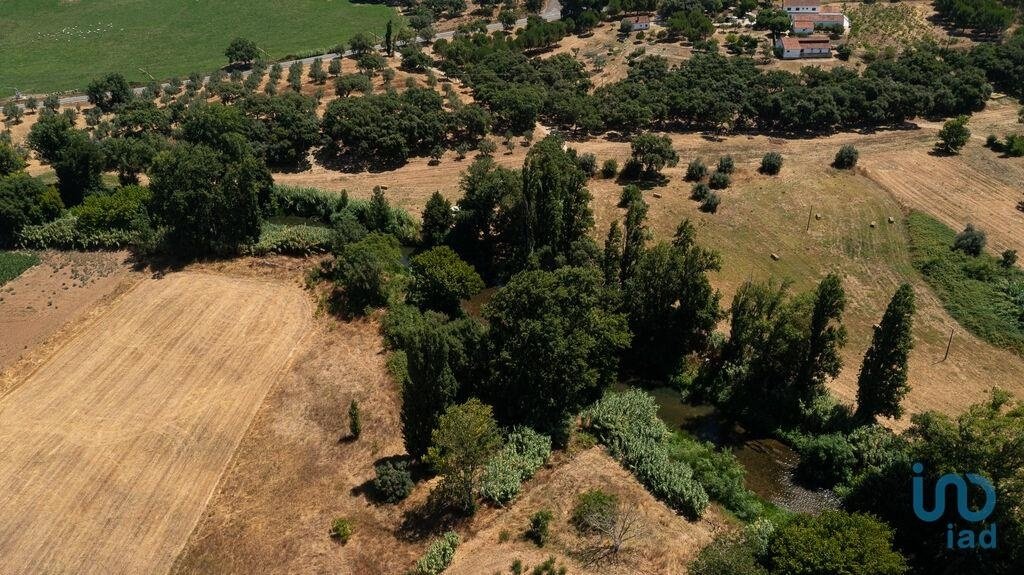
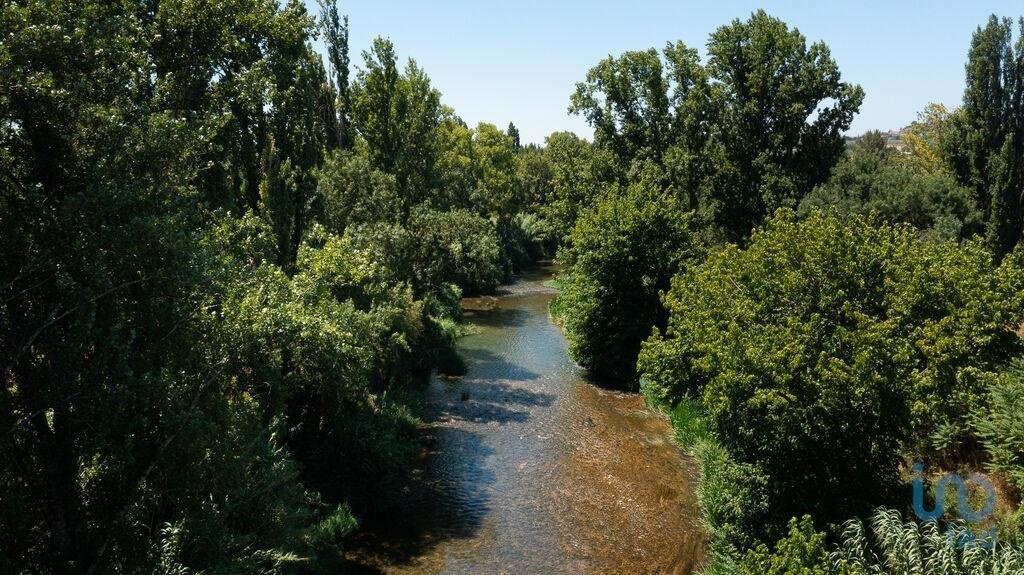
avec 9,2 hectares, bordée par 800 mètres de la rivière Nabão, située à seulement 3 km de la ville de Tomar.
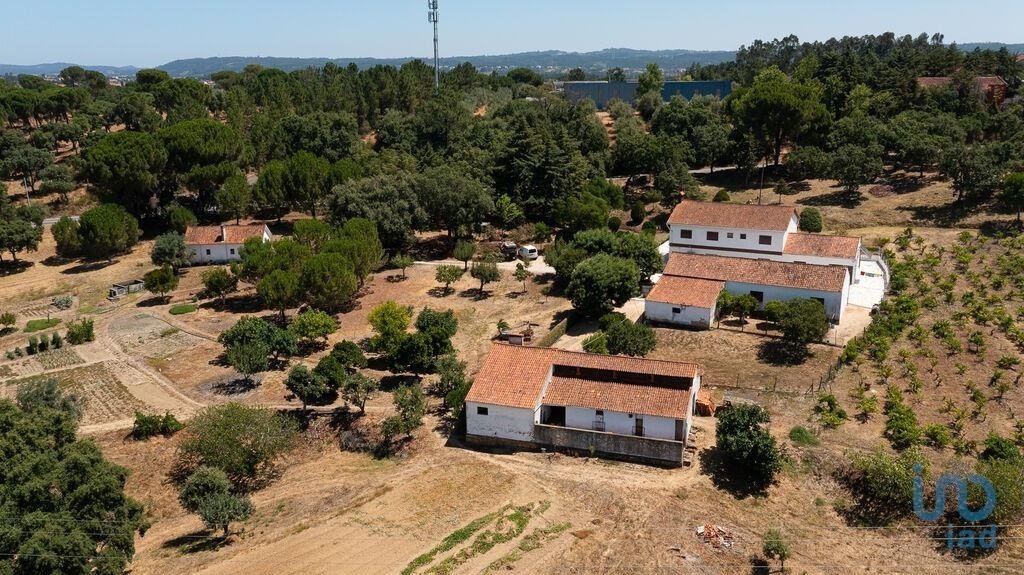
Une propriété au relief diversifié, offrant des plaines agricoles fertiles et des rives de rivière, des collines boisées légèrement inclinées, et des plateaux avec de larges vues panoramiques sur le paysage rural environnant.
Le domaine est
avec 9,2 hectares, bordée par 800 mètres de la rivière Nabão, située à seulement 3 km de la ville de Tomar.
Une propriété au relief diversifié, offrant des plaines agricoles fertiles et des rives de rivière, des collines boisées légèrement inclinées, et des plateaux avec de larges vues panoramiques sur le paysage rural environnant.
Le domaine est
EXTRAORDINARY ESTATE with 9.2 hectares, bordered by 800 meters of the Nabão River, located just 3 km from the city of Tomar.
A property with diverse topography, offering fertile agricultural plains and riverbank, gently sloping wooded hillsides, and plateaus with wide panoramic views over the surrounding rural landscape.
The estate is well organized and rich in income-generating
A property with diverse topography, offering fertile agricultural plains and riverbank, gently sloping wooded hillsides, and plateaus with wide panoramic views over the surrounding rural landscape.
The estate is well organized and rich in income-generating
PROPRIÉTÉ EXCEPTIONNELLE
avec 9,2 hectares, bordée par 800 mètres de la rivière Nabão, située à seulement 3 km de la ville de Tomar.
Une propriété au relief diversifié, offrant des plaines agricoles fertiles et des rives de rivière, des collines boisées légèrement inclinées, et des plateaux avec de larges vues panoramiques sur le paysage rural environnant.
Le domaine est bien organisé et riche en cultures arborées et arbustives à rendement économique, telles que :
VIGNOBLE :
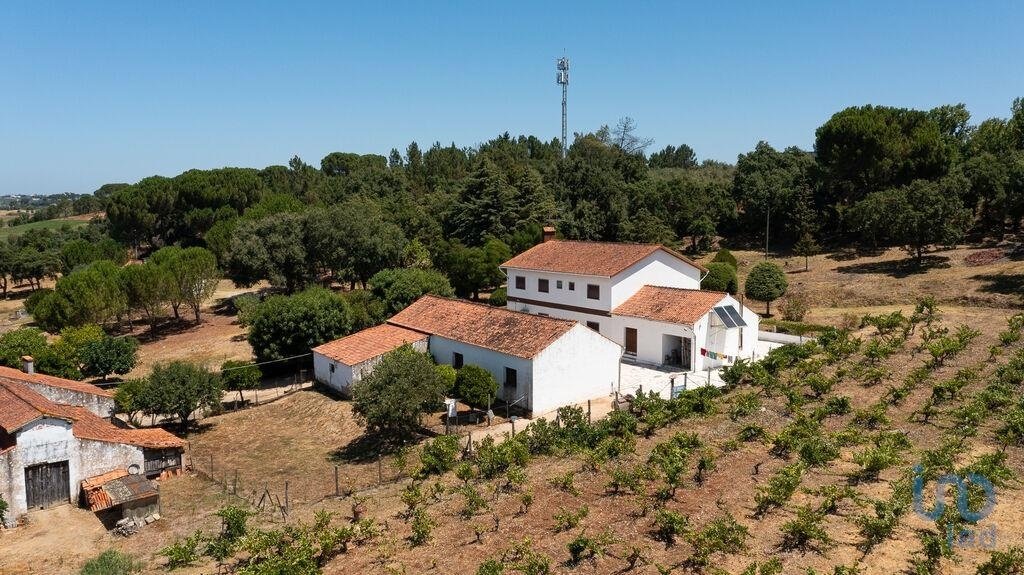
Environ 40 ans d’âge, avec près de 800 ceps, principalement du cépage blanc Fernão Pires, également connu sous le nom de Maria Gomes.
Ce cépage produit des vins blancs versatiles, aux arômes floraux et fruités, décrits comme complexes, frais, dotés de structure et d’une acidité modérée.
Sa polyvalence permet son utilisation dans les vins blancs tranquilles, effervescents, vins fortifiés et vendanges tardives.
OLIVERAIE :
Environ 190 oliviers, avec une production régulière d’olives.
CHÊNES-LIÈGES :
Près de 175 arbres, produisant du liège, générant un revenu moyen d’environ 3 500 € par récolte.
EUCALYPTUS :
Dernière coupe en 2023, rapportant environ 3 500 €.
PINS PIGNONS :
Présents sur la propriété, contribuant à la diversité forestière.
ARBRES FRUITIERS ET HORTICULTURE :
Orangers (variété douce), poiriers Rocha, figuiers (Conventional et Pingo de Mel), pommiers (Golden), néfliers, citrons, entre autres.
Zones dédiées et organisées pour la culture des légumineuses, équipées de toutes les conditions fonctionnelles nécessaires à la production agricole.
EMPLACEMENT :
Située à seulement 3 km du centre-ville de Tomar et de l’Alameda 1 de Março, avec 1 km de façade sur route goudronnée et deux accès indépendants.
TRANSPORTS ET ACCESSIBILITÉ :
Bus : Rodoviária do Médio Tejo / Ligne 5241 – Martinchel / Tomar (3 arrêts dans le centre-ville) et TUTOMAR – Ligne Rose (transport urbain).
MAISON PRINCIPALE :
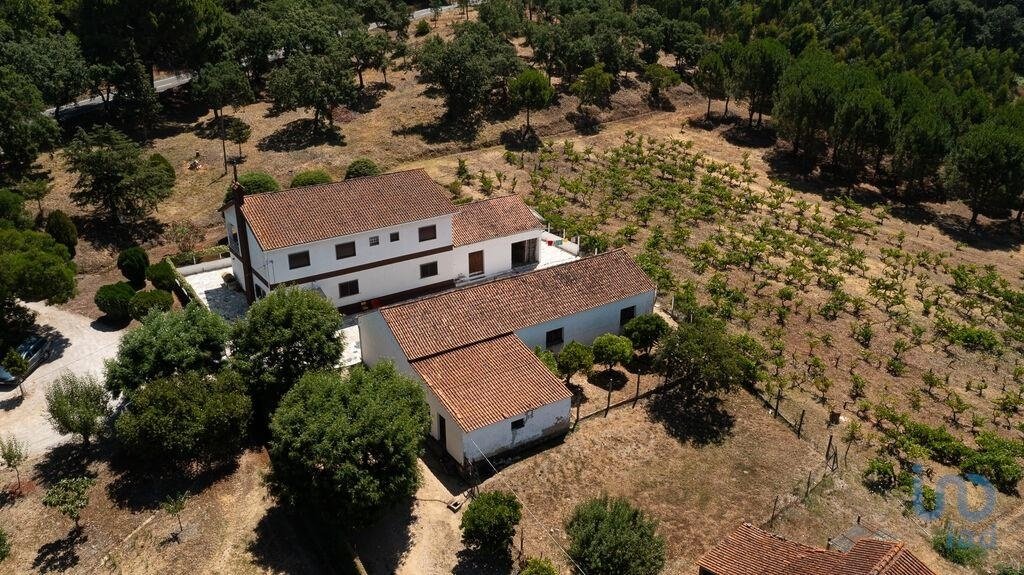
Maison individuelle T4 sur deux étages, avec balcon, porche couvert, garage, et grands patios.
Équipée d’un chauffage central alimenté par une chaudière à bois.
Système de panneaux solaires thermiques pour la production d’eau chaude sanitaire (ECS).
ANNEXES :
Garage pour 6 véhicules avec large portail et/ou entrepôt avec petit pressoir et grands espaces de rangement.
Abri extérieur couvert pour 2 véhicules.
Grande cave rustique avec pressoir.
Espace barbecue avec office et débarras.
Remise à bois et grange.
Four à bois traditionnel.
MAISON SECONDAIRE :
Maison traditionnelle de plain-pied (T1), indépendante, avec porche couvert.
AUTRES BÂTIMENTS :
Divers bâtiments agricoles et poulaillers.
Grande étable et grange, pour l’abri et le soin des animaux de ferme.
Zone de chenil spacieuse.
INFRASTRUCTURES ET ASSAINISSEMENT :
Eau : alimentée par le réseau public.
2 puits, dont un équipé d’une pompe et d’un circuit de distribution pour l’irrigation et le remplissage des réservoirs.
2 réservoirs, dont un avec source naturelle.
TOMAR – VILLE / LOCALISATION GÉOGRAPHIQUE ET ENVIRONNEMENT
Tomar est une ville portugaise située dans le district de Santarém, dans la région Centre, appartenant à la sous-région du Médio Tejo.
La municipalité de Tomar couvre une superficie de 351,2 km².
Elle est limitrophe au nord de Ferreira do Zêzere, à l’est d’Abrantes, au sud de Vila Nova da Barquinha, à l’ouest de Torres Novas, et au nord-ouest d’Ourém.
La ville est traversée par la rivière Nabão, affluent du Zêzere, faisant partie du bassin du Tage.
Située presque au centre du Portugal, Tomar bénéficie d’une position stratégique offrant un accès facile vers la côte comme vers l’intérieur.
ACCÈS ET INFRASTRUCTURES :
Tomar est desservie par les axes IC9 et A23, assurant des liaisons routières modernes et directes.
L’autoroute A1 (Lisbonne–Porto) se trouve à environ 20 km, via l’échangeur reliant à l’A23 (sortie km 93).
La gare ferroviaire de Tomar dessert les trains régionaux et interrégionaux, avec correspondance directe vers Lisbonne – Gare do Oriente (1h40).
Aéroport le plus proche : Lisbonne – Humberto Delgado (133 km, 1h15).
PRINCIPALES ATTRACTIONS TOURISTIQUES ET PATRIMOINE ARCHITECTURAL
Tomar est exceptionnellement riche en patrimoine historique, artistique, religieux et militaire.
Couvent du Christ (Château de Tomar) – Symbole de la ville et classé au patrimoine mondial de l’UNESCO, construit par les Templiers au XIIᵉ siècle.
Aqueduc du Couvent du Christ – Chef-d’œuvre d’ingénierie du XVIᵉ siècle destiné à alimenter le couvent en eau.
Église Santa Maria do Olival – Ancienne église templière abritant la tombe de Gualdim Pais, fondateur de Tomar.
Église Saint-Jean-Baptiste – Édifice central de style gothique et manuélin.
Synagogue de Tomar – L’une des synagogues médiévales les mieux conservées du Portugal, aujourd’hui musée juif.
Autres monuments : Couvent de São Francisco, Couvent de Santa Iria, Ermitage de Nossa Senhora da Conceição, Ermitage de São Gregório.
Centre historique : Un réseau pittoresque de rues médiévales, places et remparts, illustrant l’histoire vivante de Tomar.
LOISIRS, RIVIÈRES ET ACTIVITÉS NAUTIQUES — RÉGION DE CASTELO DE BODE
Le barrage et le lac de Castelo de Bode figurent parmi les principales attractions naturelles de la région.
Sports nautiques : Wakeboard, ski nautique, canoë, paddle, voile.
Croisières en bateau pour explorer les îles, notamment l’île do Lombo.
Plages fluviales équipées d’espaces de détente, cafés et zones de baignade.
La Station Nautique de Castelo de Bode promeut le tourisme durable et organise des événements toute l’année.
Les environs du lac offrent des conditions idéales pour la détente, la randonnée et le contact avec la nature.
MODE ET QUALITÉ DE VIE À TOMAR
Tomar est reconnue pour son équilibre entre confort urbain et tranquillité rurale.
Vie sûre, paisible et abordable.
Excellente gastronomie locale et vins régionaux.
Patrimoine culturel riche et événements tout au long de l’année.
Espaces verts abondants, rivières et proximité du lac Castelo de Bode pour les activités de plein air.
Infrastructures efficaces : routes (IC9, A13, A1), train, transport urbain (TUTomar).
PRINCIPAUX ÉVÉNEMENTS TRADITIONNELS DE TOMAR
Festa dos Tabuleiros (Fête des Plateaux) – Tous les 4 ans (prochaine en 2027), juillet. Défilés religieux et culturels, femmes portant des plateaux de pain et de fleurs. Candidature à l’UNESCO.
Fête de Santa Iria – Annuelle, octobre. En l’honneur de Sainte Iria, patronne de Tomar.
Fête de São Gregório – Annuelle, avril. Célébration rurale et bénédiction des champs.
Fête du Saint-Esprit – Annuelle, mai/juin. Processions et distribution de pain.
Carnaval de Tomar – Annuel, février/mars. Défilés et festivités populaires.
Festival Bons Sons (Cem Soldos) – Biennal, août. Festival musical nationalement reconnu.
Foire Santa Maria do Olival – Annuelle, août. Foire traditionnelle célébrant l’héritage templier.
Tomar Templária – Biennale, juillet. Reconstitution historique médiévale.
Festival des Statues Vivantes – Annuel, septembre. Spectacle artistique de rue.
Foire de Santa Cita – Annuelle, été. Foire agricole et communautaire.
CLIMAT AU FIL DE L’ANNÉE
Tomar bénéficie d’un climat méditerranéen intérieur — étés chauds et secs, hivers doux et pluvieux.
Températures moyennes :
Août : max. ~31 °C / min. ~16 °C
Janvier : max. ~14 °C / min. ~4 °C
Plus de 260 jours d’ensoleillement par an.
Résumé :
Un climat agréable permettant une vie en plein air toute l’année, particulièrement autour du lac Castelo de Bode, d’avril à octobre.
#ref: 151341
avec 9,2 hectares, bordée par 800 mètres de la rivière Nabão, située à seulement 3 km de la ville de Tomar.
Une propriété au relief diversifié, offrant des plaines agricoles fertiles et des rives de rivière, des collines boisées légèrement inclinées, et des plateaux avec de larges vues panoramiques sur le paysage rural environnant.
Le domaine est bien organisé et riche en cultures arborées et arbustives à rendement économique, telles que :
VIGNOBLE :
Environ 40 ans d’âge, avec près de 800 ceps, principalement du cépage blanc Fernão Pires, également connu sous le nom de Maria Gomes.
Ce cépage produit des vins blancs versatiles, aux arômes floraux et fruités, décrits comme complexes, frais, dotés de structure et d’une acidité modérée.
Sa polyvalence permet son utilisation dans les vins blancs tranquilles, effervescents, vins fortifiés et vendanges tardives.
OLIVERAIE :
Environ 190 oliviers, avec une production régulière d’olives.
CHÊNES-LIÈGES :
Près de 175 arbres, produisant du liège, générant un revenu moyen d’environ 3 500 € par récolte.
EUCALYPTUS :
Dernière coupe en 2023, rapportant environ 3 500 €.
PINS PIGNONS :
Présents sur la propriété, contribuant à la diversité forestière.
ARBRES FRUITIERS ET HORTICULTURE :
Orangers (variété douce), poiriers Rocha, figuiers (Conventional et Pingo de Mel), pommiers (Golden), néfliers, citrons, entre autres.
Zones dédiées et organisées pour la culture des légumineuses, équipées de toutes les conditions fonctionnelles nécessaires à la production agricole.
EMPLACEMENT :
Située à seulement 3 km du centre-ville de Tomar et de l’Alameda 1 de Março, avec 1 km de façade sur route goudronnée et deux accès indépendants.
TRANSPORTS ET ACCESSIBILITÉ :
Bus : Rodoviária do Médio Tejo / Ligne 5241 – Martinchel / Tomar (3 arrêts dans le centre-ville) et TUTOMAR – Ligne Rose (transport urbain).
MAISON PRINCIPALE :
Maison individuelle T4 sur deux étages, avec balcon, porche couvert, garage, et grands patios.
Équipée d’un chauffage central alimenté par une chaudière à bois.
Système de panneaux solaires thermiques pour la production d’eau chaude sanitaire (ECS).
ANNEXES :
Garage pour 6 véhicules avec large portail et/ou entrepôt avec petit pressoir et grands espaces de rangement.
Abri extérieur couvert pour 2 véhicules.
Grande cave rustique avec pressoir.
Espace barbecue avec office et débarras.
Remise à bois et grange.
Four à bois traditionnel.
MAISON SECONDAIRE :
Maison traditionnelle de plain-pied (T1), indépendante, avec porche couvert.
AUTRES BÂTIMENTS :
Divers bâtiments agricoles et poulaillers.
Grande étable et grange, pour l’abri et le soin des animaux de ferme.
Zone de chenil spacieuse.
INFRASTRUCTURES ET ASSAINISSEMENT :
Eau : alimentée par le réseau public.
2 puits, dont un équipé d’une pompe et d’un circuit de distribution pour l’irrigation et le remplissage des réservoirs.
2 réservoirs, dont un avec source naturelle.
TOMAR – VILLE / LOCALISATION GÉOGRAPHIQUE ET ENVIRONNEMENT
Tomar est une ville portugaise située dans le district de Santarém, dans la région Centre, appartenant à la sous-région du Médio Tejo.
La municipalité de Tomar couvre une superficie de 351,2 km².
Elle est limitrophe au nord de Ferreira do Zêzere, à l’est d’Abrantes, au sud de Vila Nova da Barquinha, à l’ouest de Torres Novas, et au nord-ouest d’Ourém.
La ville est traversée par la rivière Nabão, affluent du Zêzere, faisant partie du bassin du Tage.
Située presque au centre du Portugal, Tomar bénéficie d’une position stratégique offrant un accès facile vers la côte comme vers l’intérieur.
ACCÈS ET INFRASTRUCTURES :
Tomar est desservie par les axes IC9 et A23, assurant des liaisons routières modernes et directes.
L’autoroute A1 (Lisbonne–Porto) se trouve à environ 20 km, via l’échangeur reliant à l’A23 (sortie km 93).
La gare ferroviaire de Tomar dessert les trains régionaux et interrégionaux, avec correspondance directe vers Lisbonne – Gare do Oriente (1h40).
Aéroport le plus proche : Lisbonne – Humberto Delgado (133 km, 1h15).
PRINCIPALES ATTRACTIONS TOURISTIQUES ET PATRIMOINE ARCHITECTURAL
Tomar est exceptionnellement riche en patrimoine historique, artistique, religieux et militaire.
Couvent du Christ (Château de Tomar) – Symbole de la ville et classé au patrimoine mondial de l’UNESCO, construit par les Templiers au XIIᵉ siècle.
Aqueduc du Couvent du Christ – Chef-d’œuvre d’ingénierie du XVIᵉ siècle destiné à alimenter le couvent en eau.
Église Santa Maria do Olival – Ancienne église templière abritant la tombe de Gualdim Pais, fondateur de Tomar.
Église Saint-Jean-Baptiste – Édifice central de style gothique et manuélin.
Synagogue de Tomar – L’une des synagogues médiévales les mieux conservées du Portugal, aujourd’hui musée juif.
Autres monuments : Couvent de São Francisco, Couvent de Santa Iria, Ermitage de Nossa Senhora da Conceição, Ermitage de São Gregório.
Centre historique : Un réseau pittoresque de rues médiévales, places et remparts, illustrant l’histoire vivante de Tomar.
LOISIRS, RIVIÈRES ET ACTIVITÉS NAUTIQUES — RÉGION DE CASTELO DE BODE
Le barrage et le lac de Castelo de Bode figurent parmi les principales attractions naturelles de la région.
Sports nautiques : Wakeboard, ski nautique, canoë, paddle, voile.
Croisières en bateau pour explorer les îles, notamment l’île do Lombo.
Plages fluviales équipées d’espaces de détente, cafés et zones de baignade.
La Station Nautique de Castelo de Bode promeut le tourisme durable et organise des événements toute l’année.
Les environs du lac offrent des conditions idéales pour la détente, la randonnée et le contact avec la nature.
MODE ET QUALITÉ DE VIE À TOMAR
Tomar est reconnue pour son équilibre entre confort urbain et tranquillité rurale.
Vie sûre, paisible et abordable.
Excellente gastronomie locale et vins régionaux.
Patrimoine culturel riche et événements tout au long de l’année.
Espaces verts abondants, rivières et proximité du lac Castelo de Bode pour les activités de plein air.
Infrastructures efficaces : routes (IC9, A13, A1), train, transport urbain (TUTomar).
PRINCIPAUX ÉVÉNEMENTS TRADITIONNELS DE TOMAR
Festa dos Tabuleiros (Fête des Plateaux) – Tous les 4 ans (prochaine en 2027), juillet. Défilés religieux et culturels, femmes portant des plateaux de pain et de fleurs. Candidature à l’UNESCO.
Fête de Santa Iria – Annuelle, octobre. En l’honneur de Sainte Iria, patronne de Tomar.
Fête de São Gregório – Annuelle, avril. Célébration rurale et bénédiction des champs.
Fête du Saint-Esprit – Annuelle, mai/juin. Processions et distribution de pain.
Carnaval de Tomar – Annuel, février/mars. Défilés et festivités populaires.
Festival Bons Sons (Cem Soldos) – Biennal, août. Festival musical nationalement reconnu.
Foire Santa Maria do Olival – Annuelle, août. Foire traditionnelle célébrant l’héritage templier.
Tomar Templária – Biennale, juillet. Reconstitution historique médiévale.
Festival des Statues Vivantes – Annuel, septembre. Spectacle artistique de rue.
Foire de Santa Cita – Annuelle, été. Foire agricole et communautaire.
CLIMAT AU FIL DE L’ANNÉE
Tomar bénéficie d’un climat méditerranéen intérieur — étés chauds et secs, hivers doux et pluvieux.
Températures moyennes :
Août : max. ~31 °C / min. ~16 °C
Janvier : max. ~14 °C / min. ~4 °C
Plus de 260 jours d’ensoleillement par an.
Résumé :
Un climat agréable permettant une vie en plein air toute l’année, particulièrement autour du lac Castelo de Bode, d’avril à octobre.
#ref: 151341
EXTRAORDINARY ESTATE with 9.2 hectares, bordered by 800 meters of the Nabão River, located just 3 km from the city of Tomar.
A property with diverse topography, offering fertile agricultural plains and riverbank, gently sloping wooded hillsides, and plateaus with wide panoramic views over the surrounding rural landscape.
The estate is well organized and rich in income-generating tree and shrub crops, such as:
* VINEYARD: Approximately 40 years old with around 800 vines; mostly the Fernão Pires white grape variety, also known as Maria Gomes. This is a white grape that produces versatile wines with floral and fruity aromas, described as complex, fresh, with structure and moderate acidity. Its versatility allows it to be used in white wines, sparkling wines, fortified wines, and late harvests.
* OLIVE GROVE: Around 190 olive trees with regular olive production.
* CORK OAKS: Approximately 175 trees producing cork, generating an average income of €3,500 per harvest.
* EUCALYPTUS: Last cut in 2023, yielding around €3,500.
* STONE PINES: Present on the property, contributing to woodland diversity.
FRUIT TREES AND HORTICULTURE:
- Orange trees (sweet variety), Rocha pear trees, Fig trees (Conventional and Pingo de Mel), Apple trees (Golden variety), Loquat trees, Lemon trees, among others.
- Designated and organized areas for legume cultivation, with all necessary functional conditions for agricultural production.
LOCATION:
Situated just 3 km from Tomar city center and Alameda 1 de Março, with 1 km of paved road frontage and two independent entrances.
TRANSPORT & ACCESSIBILITY:
Buses: Rodoviária do Médio Tejo / Line 5241 – Martinchel / Tomar (3 stops in the city center) and the TUTOMAR Urban Transport – Pink Line.
MAIN HOUSE:
Detached 4-bedroom house (T4) on two floors, with balcony, covered porch, garage, and spacious patios.
Equipped with central heating via wood-fired boiler.
Thermal solar panel system for domestic hot water (DHW).
ANNEXES:
- Garage for 6 vehicles with wide gate and/or warehouse with small wine press and ample storage.
- Covered outdoor carport with space for 2 vehicles.
- Large rustic wine cellar with press.
- Outdoor barbecue area, with pantry and storage room.
- Firewood house and barn.
- Traditional wood-fired oven house.
SECONDARY HOUSE:
Detached single-storey traditional T1 house, independent, with covered porch.
OTHER BUILDINGS:
- Various agricultural outbuildings and chicken coops.
- Large barn and stable providing shelter and facilities for farm animals.
- Spacious kennel area.
INFRASTRUCTURE & SANITATION:
- Water: Supplied by public network.
- 2 wells, one equipped with pump and distribution circuit for irrigation and tank filling.
- 2 tanks, one with a natural spring.
TOMAR – CITY / GEOGRAPHIC LOCATION AND SURROUNDINGS
Tomar is a Portuguese city located in the district of Santarém, in the Centro Region, also part of the Médio Tejo sub-region.
The municipality of Tomar covers an area of 351.2 km².
It is bordered to the north by Ferreira do Zêzere, to the east by Abrantes, to the south by Vila Nova da Barquinha, to the west by Torres Novas, and to the northwest by Ourém.
The city is crossed by the Nabão River, a tributary of the Zêzere River, belonging to the Tagus River basin.
Tomar is geographically located almost in the center of Portugal, offering easy access both to the coast and to the main inland routes.
ACCESSIBILITIES AND INFRASTRUCTURE:
Tomar is served by the IC9 and A23 main routes, offering modern and direct road connections.
The A1 motorway (Lisbon–Porto) is about 20 km away, via the junction that connects to the A23 (exit km 93).
The city has a railway station serving regional and inter-regional trains. The Tomar branch line connects directly to the Northern Line through Lamarosa / Torres Novas / Entroncamento, with a connection to Lisbon (Oriente Station) in about 1h40.
Nearest airport: Lisbon – Humberto Delgado Airport (133 km, 1h15).
MAIN TOURIST ATTRACTIONS AND ARCHITECTURAL HERITAGE
Tomar is exceptionally rich in historical, artistic, religious, and military heritage.
1. Convent of Christ (Tomar Castle): The ex-libris of the city and a UNESCO World Heritage Site, built by the Templar Knights in the 12th century.
2. Aqueduct of the Convent of Christ: A 16th-century engineering masterpiece that supplied water to the convent.
3. Church of Santa Maria do Olival: Ancient Templar church housing the tomb of Gualdim Pais, founder of Tomar.
4. Church of Saint John the Baptist: Central Gothic and Manueline church in the main square.
5. Tomar Synagogue: One of the best-preserved medieval synagogues in Portugal, now a Jewish Museum.
6. Other landmarks: Convent of São Francisco, Convent of Santa Iria, Hermitage of Nossa Senhora da Conceição, Hermitage of São Gregório.
7. Historic Center: A charming network of medieval streets, squares, and walls representing the living history of Tomar.
LEISURE, RIVERS, AND AQUATIC ACTIVITIES — CASTELO DE BODE AREA
The Castelo de Bode Dam and its reservoir are among the most important natural attractions of the region.
- Nautical sports: Wakeboarding, water skiing, canoeing, paddleboarding, sailing.
- Boat cruises to explore small islands such as Ilha do Lombo.
- River beaches with leisure areas, cafés, and swimming spots.
- The Castelo de Bode Nautical Station promotes sustainable water tourism and events throughout the year.
The lake’s surroundings provide ideal conditions for recreation, relaxation, and contact with nature.
LIFESTYLE AND QUALITY OF LIFE IN TOMAR
Tomar is known for its balance between urban comfort and rural tranquility.
- Safe, peaceful, and affordable lifestyle.
- Excellent local gastronomy and wines.
- Rich cultural heritage and year-round events.
- Abundant green spaces, rivers, and proximity to Castelo de Bode for outdoor activities.
- Efficient infrastructure (IC9, A13, A1 highways; rail connections; TUTomar urban transport).
MAIN TRADITIONAL EVENTS OF TOMAR
1. Festa dos Tabuleiros (Festival of the Trays) – Every 4 years (next in 2027), July. Religious and cultural event with parades of women carrying trays of bread and flowers. Candidate for UNESCO Intangible Cultural Heritage.
2. Festa de Santa Iria – Annual, October. Honors Saint Iria, patron saint of Tomar, with processions and fairs.
3. Festa de São Gregório – Annual, April. Rural religious festival blessing the fields.
4. Festa do Espírito Santo – Annual, May/June. Holy Spirit celebrations with processions and bread distribution.
5. Carnival of Tomar – Annual, February/March. Popular parades and festivities.
6. Bons Sons Festival (Cem Soldos) – Biennial, August. Nationally acclaimed music festival organized by the local community.
7. Santa Maria do Olival Fair – Annual, August. Traditional fair celebrating the Templar heritage.
8. Tomar Templária – Biennial, July. Historical reenactment transforming Tomar into a medieval Templar village.
9. Living Statues Festival – Annual, September. Artistic street performance festival.
10. Santa Cita Fair – Annual, Summer. Agricultural and community fair.
CLIMATE THROUGHOUT THE YEAR
Tomar has a Mediterranean inland climate — hot, dry summers and mild, rainy winters.
Average Temperatures:
- August: highs ~31 °C / lows ~16 °C
- January: highs ~14 °C / lows ~4 °C
- Over 260 sunny days per year.
Summary:
The comfortable climate allows year-round outdoor living and leisure, particularly around the Castelo de Bode Dam, from April through Octob
#ref: 151341
A property with diverse topography, offering fertile agricultural plains and riverbank, gently sloping wooded hillsides, and plateaus with wide panoramic views over the surrounding rural landscape.
The estate is well organized and rich in income-generating tree and shrub crops, such as:
* VINEYARD: Approximately 40 years old with around 800 vines; mostly the Fernão Pires white grape variety, also known as Maria Gomes. This is a white grape that produces versatile wines with floral and fruity aromas, described as complex, fresh, with structure and moderate acidity. Its versatility allows it to be used in white wines, sparkling wines, fortified wines, and late harvests.
* OLIVE GROVE: Around 190 olive trees with regular olive production.
* CORK OAKS: Approximately 175 trees producing cork, generating an average income of €3,500 per harvest.
* EUCALYPTUS: Last cut in 2023, yielding around €3,500.
* STONE PINES: Present on the property, contributing to woodland diversity.
FRUIT TREES AND HORTICULTURE:
- Orange trees (sweet variety), Rocha pear trees, Fig trees (Conventional and Pingo de Mel), Apple trees (Golden variety), Loquat trees, Lemon trees, among others.
- Designated and organized areas for legume cultivation, with all necessary functional conditions for agricultural production.
LOCATION:
Situated just 3 km from Tomar city center and Alameda 1 de Março, with 1 km of paved road frontage and two independent entrances.
TRANSPORT & ACCESSIBILITY:
Buses: Rodoviária do Médio Tejo / Line 5241 – Martinchel / Tomar (3 stops in the city center) and the TUTOMAR Urban Transport – Pink Line.
MAIN HOUSE:
Detached 4-bedroom house (T4) on two floors, with balcony, covered porch, garage, and spacious patios.
Equipped with central heating via wood-fired boiler.
Thermal solar panel system for domestic hot water (DHW).
ANNEXES:
- Garage for 6 vehicles with wide gate and/or warehouse with small wine press and ample storage.
- Covered outdoor carport with space for 2 vehicles.
- Large rustic wine cellar with press.
- Outdoor barbecue area, with pantry and storage room.
- Firewood house and barn.
- Traditional wood-fired oven house.
SECONDARY HOUSE:
Detached single-storey traditional T1 house, independent, with covered porch.
OTHER BUILDINGS:
- Various agricultural outbuildings and chicken coops.
- Large barn and stable providing shelter and facilities for farm animals.
- Spacious kennel area.
INFRASTRUCTURE & SANITATION:
- Water: Supplied by public network.
- 2 wells, one equipped with pump and distribution circuit for irrigation and tank filling.
- 2 tanks, one with a natural spring.
TOMAR – CITY / GEOGRAPHIC LOCATION AND SURROUNDINGS
Tomar is a Portuguese city located in the district of Santarém, in the Centro Region, also part of the Médio Tejo sub-region.
The municipality of Tomar covers an area of 351.2 km².
It is bordered to the north by Ferreira do Zêzere, to the east by Abrantes, to the south by Vila Nova da Barquinha, to the west by Torres Novas, and to the northwest by Ourém.
The city is crossed by the Nabão River, a tributary of the Zêzere River, belonging to the Tagus River basin.
Tomar is geographically located almost in the center of Portugal, offering easy access both to the coast and to the main inland routes.
ACCESSIBILITIES AND INFRASTRUCTURE:
Tomar is served by the IC9 and A23 main routes, offering modern and direct road connections.
The A1 motorway (Lisbon–Porto) is about 20 km away, via the junction that connects to the A23 (exit km 93).
The city has a railway station serving regional and inter-regional trains. The Tomar branch line connects directly to the Northern Line through Lamarosa / Torres Novas / Entroncamento, with a connection to Lisbon (Oriente Station) in about 1h40.
Nearest airport: Lisbon – Humberto Delgado Airport (133 km, 1h15).
MAIN TOURIST ATTRACTIONS AND ARCHITECTURAL HERITAGE
Tomar is exceptionally rich in historical, artistic, religious, and military heritage.
1. Convent of Christ (Tomar Castle): The ex-libris of the city and a UNESCO World Heritage Site, built by the Templar Knights in the 12th century.
2. Aqueduct of the Convent of Christ: A 16th-century engineering masterpiece that supplied water to the convent.
3. Church of Santa Maria do Olival: Ancient Templar church housing the tomb of Gualdim Pais, founder of Tomar.
4. Church of Saint John the Baptist: Central Gothic and Manueline church in the main square.
5. Tomar Synagogue: One of the best-preserved medieval synagogues in Portugal, now a Jewish Museum.
6. Other landmarks: Convent of São Francisco, Convent of Santa Iria, Hermitage of Nossa Senhora da Conceição, Hermitage of São Gregório.
7. Historic Center: A charming network of medieval streets, squares, and walls representing the living history of Tomar.
LEISURE, RIVERS, AND AQUATIC ACTIVITIES — CASTELO DE BODE AREA
The Castelo de Bode Dam and its reservoir are among the most important natural attractions of the region.
- Nautical sports: Wakeboarding, water skiing, canoeing, paddleboarding, sailing.
- Boat cruises to explore small islands such as Ilha do Lombo.
- River beaches with leisure areas, cafés, and swimming spots.
- The Castelo de Bode Nautical Station promotes sustainable water tourism and events throughout the year.
The lake’s surroundings provide ideal conditions for recreation, relaxation, and contact with nature.
LIFESTYLE AND QUALITY OF LIFE IN TOMAR
Tomar is known for its balance between urban comfort and rural tranquility.
- Safe, peaceful, and affordable lifestyle.
- Excellent local gastronomy and wines.
- Rich cultural heritage and year-round events.
- Abundant green spaces, rivers, and proximity to Castelo de Bode for outdoor activities.
- Efficient infrastructure (IC9, A13, A1 highways; rail connections; TUTomar urban transport).
MAIN TRADITIONAL EVENTS OF TOMAR
1. Festa dos Tabuleiros (Festival of the Trays) – Every 4 years (next in 2027), July. Religious and cultural event with parades of women carrying trays of bread and flowers. Candidate for UNESCO Intangible Cultural Heritage.
2. Festa de Santa Iria – Annual, October. Honors Saint Iria, patron saint of Tomar, with processions and fairs.
3. Festa de São Gregório – Annual, April. Rural religious festival blessing the fields.
4. Festa do Espírito Santo – Annual, May/June. Holy Spirit celebrations with processions and bread distribution.
5. Carnival of Tomar – Annual, February/March. Popular parades and festivities.
6. Bons Sons Festival (Cem Soldos) – Biennial, August. Nationally acclaimed music festival organized by the local community.
7. Santa Maria do Olival Fair – Annual, August. Traditional fair celebrating the Templar heritage.
8. Tomar Templária – Biennial, July. Historical reenactment transforming Tomar into a medieval Templar village.
9. Living Statues Festival – Annual, September. Artistic street performance festival.
10. Santa Cita Fair – Annual, Summer. Agricultural and community fair.
CLIMATE THROUGHOUT THE YEAR
Tomar has a Mediterranean inland climate — hot, dry summers and mild, rainy winters.
Average Temperatures:
- August: highs ~31 °C / lows ~16 °C
- January: highs ~14 °C / lows ~4 °C
- Over 260 sunny days per year.
Summary:
The comfortable climate allows year-round outdoor living and leisure, particularly around the Castelo de Bode Dam, from April through Octob
#ref: 151341
-
Type de propriété
Maison de ville
-
Prix/pied²
$138
-
Émissions
C
-
Consommation
C
Caractéristiques
- Jardin
- Terrasse
- Garage
- Cave à vins
- Vignoble / Cave
- Équestre
- Plan d’étage 2D
- Vue panoramique / panoramique
- Porte
Caractéristiques
Lot
Intérieur
- Haut plafond
- Cuisinière à gaz
- Cave à vins
- Comptoirs en pierre
Outdoor
Explorez le secteur
São Pedro de Tomar, Tomar, 2300-000, Portugal
Voir sur Google Maps
Prix par sqft
Faible
Élevé
Inscrit il y a 7 ans
Vous vous êtes renseigné sur ce bien
L'agent vous contactera bientôt par
Publié par
1712
Annonces
2019
Inscrit
Réserver une visite avec the agent
Choisissez une date et si vous souhaitez une visite virtuelle ou en personne avec l’agent.
Date préférée
Type de visite
Dernière mise à jour
Mars 25
Première mise en ligne
Octobre 17, 2025
Référence de l’annonce
151341
La confiance des plus grands courtiers du monde
Les agents des propriétés les plus exceptionnelles du monde publient sur JamesEdition.
- Des annonces de Sotheby's, Christie's, BARNES et Engel & Völkers
- Chaque annonce est vérifiée avant sa mise en ligne
- Contactez directement des agents vérifiés
En continuant, vous acceptez nos Conditions et notre Politique de confidentialité.