$1,442,628
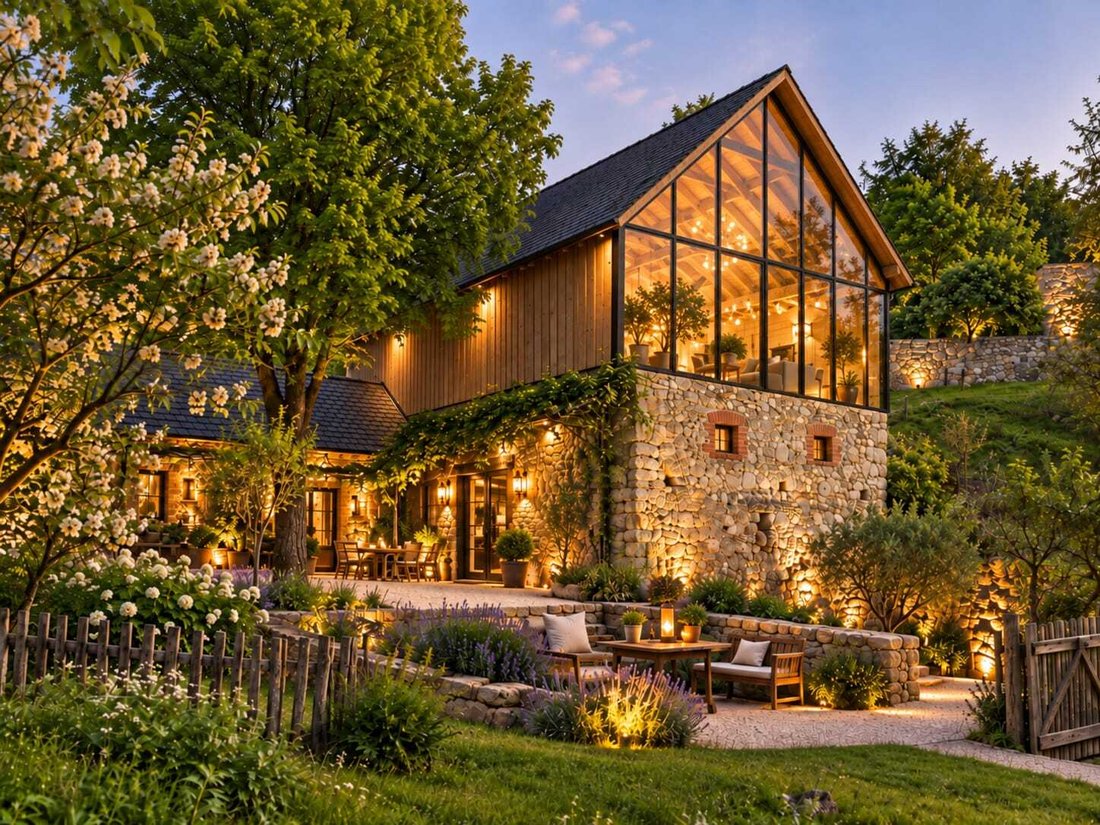
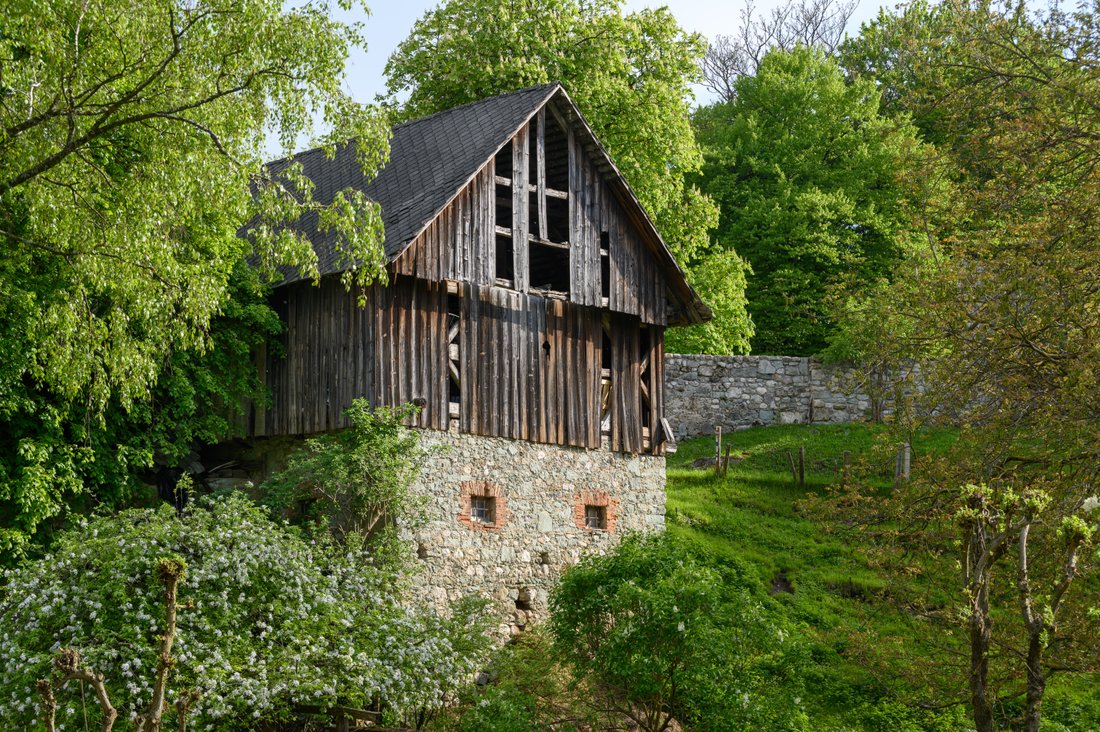
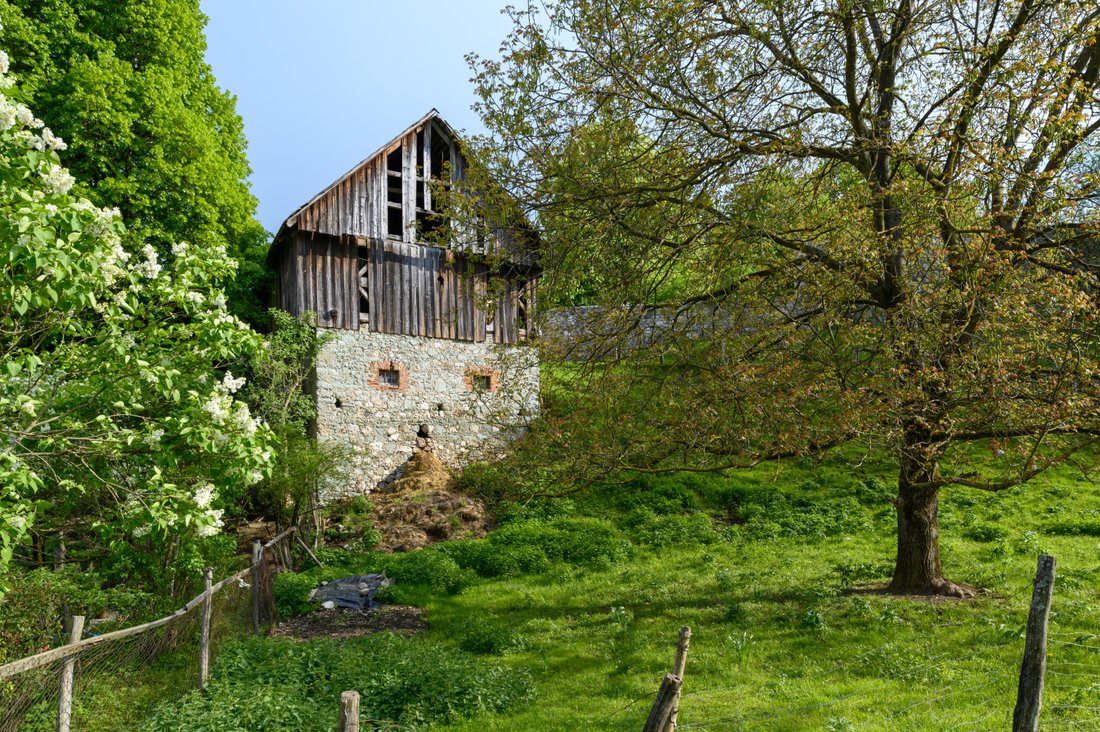
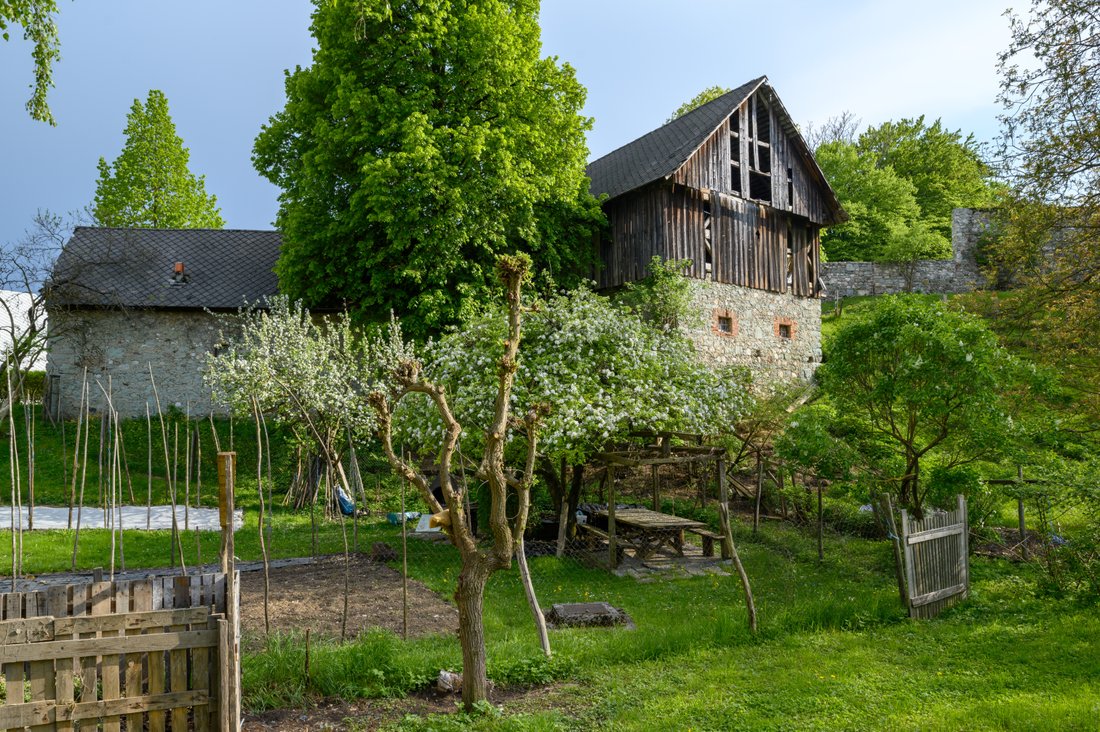
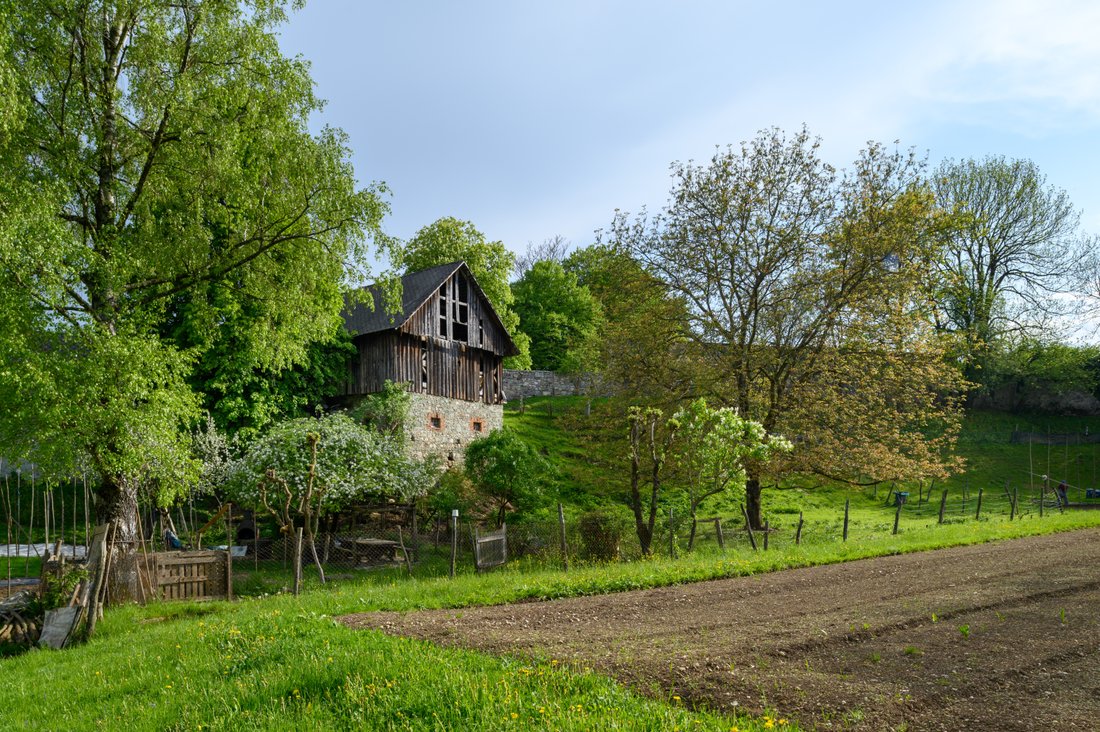
Conversion Des Écuries De L'ancien Palais
- 4 Chambres
- 4 SdB
- 6,459 Sqft
- 18,299 Sqft lot
- Mis à jour: Septembre 25
- 16
À propos de la propriété
La description a été traduite automatiquement.
La description est affichée dans la langue d'origine.
Posséder une propriété construite autour de 16oo offre une combinaison de prestige culturel, de durabilité architecturale et d’opportunités financières uniques que les maisons modernes ne peuvent pas reproduire.
1. Intendance culturelle et historique
a) Histoire unique : vous devenez le gardien d’un élément tangible de l’histoire qui a survécu à de multiples époques et événe
1. Intendance culturelle et historique
a) Histoire unique : vous devenez le gardien d’un élément tangible de l’histoire qui a survécu à de multiples époques et événe
Owning a property built around 16oo offers a combination of cultural prestige, architectural durability, and unique financial opportunities that modern homes cannot replicate.
1. Cultural and Historical Stewardship
a) Unique History: You become a steward of a tangible piece of history that has survived multiple eras and historical events.
b) Community Identity: Historic
1. Cultural and Historical Stewardship
a) Unique History: You become a steward of a tangible piece of history that has survived multiple eras and historical events.
b) Community Identity: Historic
Posséder une propriété construite autour de 16oo offre une combinaison de prestige culturel, de durabilité architecturale et d’opportunités financières uniques que les maisons modernes ne peuvent pas reproduire.
1. Intendance culturelle et historique
a) Histoire unique : vous devenez le gardien d’un élément tangible de l’histoire qui a survécu à de multiples époques et événements historiques.
b) Identité communautaire : Les maisons historiques constituent souvent les piliers de leur communauté locale, ancrant le caractère et le patrimoine du quartier.
c) Une esthétique irremplaçable : Ces maisons présentent des détails architecturaux fabriqués à la main qui ne sont plus standard, tels que des poutres apparentes, des boiseries sculptées à la main, des cheminées en pierre et d’épais murs en lattes et en plâtre qui offrent une excellente isolation phonique.
2. Avantages financiers et fiscaux
a) Exonérations fiscales : certains bâtiments présentant un « intérêt exceptionnel » peuvent être exemptés de l’impôt sur les successions et de l’impôt sur les plus-values lorsqu’ils sont cédés à un nouveau propriétaire en cadeau ou en cas de décès, à condition qu’ils répondent à des critères patrimoniaux spécifiques.
b) Subventions de rénovation : les organisations slovènes proposent fréquemment une aide financière ou des subventions pour des réparations essentielles afin de préserver l’intégrité historique.
c) Prime de revente : Les propriétés historiques bien entretenues sont souvent assorties d’une prime de 9 % à 23 % par rapport aux propriétés modernes comparables situées dans la même région.
d) Potentiel de revenus : les propriétés historiques peuvent générer des revenus grâce à des visites culturelles, à des lieux de tournage ou à des locations de vacances haut de gamme (par exemple, Airbnb).
3. Attributs physiques supérieurs
a) Qualité de la construction : Les maisons anciennes étaient généralement construites avec des matériaux durables et de haute qualité tels que la pierre solide, la brique et le vieux bois dur qui durent souvent plus longtemps que les matériaux modernes produits en série.
b) Parcelles plus grandes : les propriétés vieilles de 400 ans sont souvent situées sur de plus grandes parcelles de terrain avec des jardins bien entretenus et des arbres matures, que l’on trouve rarement dans les développements modernes.
c) Emplacement privilégié : La plupart de ces propriétés sont situées au centre des villes historiques ou des zones rurales établies avec un meilleur accès aux commodités locales.
4. Durabilité environnementale
a) Réduction de l’empreinte carbone : la rénovation d’une structure vieille de 400 ans est souvent plus respectueuse de l’environnement qu’une nouvelle construction en raison du « carbone incorporé » déjà présent dans les matériaux existants.
b) Isolation naturelle : Des murs en pierre ou en brique plus épais peuvent offrir une masse thermique naturelle, ce qui permet de réguler les températures plus efficacement que certaines constructions du milieu du siècle.
1. Intendance culturelle et historique
a) Histoire unique : vous devenez le gardien d’un élément tangible de l’histoire qui a survécu à de multiples époques et événements historiques.
b) Identité communautaire : Les maisons historiques constituent souvent les piliers de leur communauté locale, ancrant le caractère et le patrimoine du quartier.
c) Une esthétique irremplaçable : Ces maisons présentent des détails architecturaux fabriqués à la main qui ne sont plus standard, tels que des poutres apparentes, des boiseries sculptées à la main, des cheminées en pierre et d’épais murs en lattes et en plâtre qui offrent une excellente isolation phonique.
2. Avantages financiers et fiscaux
a) Exonérations fiscales : certains bâtiments présentant un « intérêt exceptionnel » peuvent être exemptés de l’impôt sur les successions et de l’impôt sur les plus-values lorsqu’ils sont cédés à un nouveau propriétaire en cadeau ou en cas de décès, à condition qu’ils répondent à des critères patrimoniaux spécifiques.
b) Subventions de rénovation : les organisations slovènes proposent fréquemment une aide financière ou des subventions pour des réparations essentielles afin de préserver l’intégrité historique.
c) Prime de revente : Les propriétés historiques bien entretenues sont souvent assorties d’une prime de 9 % à 23 % par rapport aux propriétés modernes comparables situées dans la même région.
d) Potentiel de revenus : les propriétés historiques peuvent générer des revenus grâce à des visites culturelles, à des lieux de tournage ou à des locations de vacances haut de gamme (par exemple, Airbnb).
3. Attributs physiques supérieurs
a) Qualité de la construction : Les maisons anciennes étaient généralement construites avec des matériaux durables et de haute qualité tels que la pierre solide, la brique et le vieux bois dur qui durent souvent plus longtemps que les matériaux modernes produits en série.
b) Parcelles plus grandes : les propriétés vieilles de 400 ans sont souvent situées sur de plus grandes parcelles de terrain avec des jardins bien entretenus et des arbres matures, que l’on trouve rarement dans les développements modernes.
c) Emplacement privilégié : La plupart de ces propriétés sont situées au centre des villes historiques ou des zones rurales établies avec un meilleur accès aux commodités locales.
4. Durabilité environnementale
a) Réduction de l’empreinte carbone : la rénovation d’une structure vieille de 400 ans est souvent plus respectueuse de l’environnement qu’une nouvelle construction en raison du « carbone incorporé » déjà présent dans les matériaux existants.
b) Isolation naturelle : Des murs en pierre ou en brique plus épais peuvent offrir une masse thermique naturelle, ce qui permet de réguler les températures plus efficacement que certaines constructions du milieu du siècle.
Owning a property built around 16oo offers a combination of cultural prestige, architectural durability, and unique financial opportunities that modern homes cannot replicate.
1. Cultural and Historical Stewardship
a) Unique History: You become a steward of a tangible piece of history that has survived multiple eras and historical events.
b) Community Identity: Historic homes often serve as pillars of their local community, anchoring the neighborhood’s character and heritage.
c) Irreplaceable Aesthetic: These homes feature hand-crafted architectural details that are no longer standard, such as exposed wooden beams, hand-carved woodwork, stone fireplaces, and thick lath-and-plaster walls that provide excellent sound insulation.
2. Financial and Tax Advantages
a) Tax Exemptions: Some buildings of ”outstanding interest” can be exempt from Inheritance Tax and Capital Gains Tax when passed to a new owner as a gift or upon death, provided they meet specific heritage criteria.
b) Renovation Grants: Organisations in Slovenia frequently offer financial assistance or grants for essential repairs to maintain historical integrity.
c) Resale Premium: Well-maintained historic properties often command a premium of 9% to 23% over comparable modern properties in the same area.
d) Potential for Income: Historical estates can generate revenue through cultural tours, filming locations, or as high-end vacation rentals (e.g., Airbnb).
3. Superior Physical Attributes
a) Construction Quality: Older homes were typically built with durable, high-quality materials like solid stone, brick, and old-growth hardwood that often outlast modern mass-produced materials.
b) Larger Plots: 400-year-old properties are often situated on larger plots of land with established gardens and mature trees, which are rarely found in modern developments.
c) Prime Location: Most such properties are centrally located in historic town cores or established rural areas with better access to local amenities.
4. Environmental Sustainability
a) Lower Carbon Footprint: Refurbishing a 400-year-old structure is often more environmentally friendly than new construction due to the ”embodied carbon” already present in the existing materials.
b) Natural Insulation: Thicker stone or brick walls can offer natural thermal mass, which helps regulate temperatures more effectively than some mid-century builds.
1. Cultural and Historical Stewardship
a) Unique History: You become a steward of a tangible piece of history that has survived multiple eras and historical events.
b) Community Identity: Historic homes often serve as pillars of their local community, anchoring the neighborhood’s character and heritage.
c) Irreplaceable Aesthetic: These homes feature hand-crafted architectural details that are no longer standard, such as exposed wooden beams, hand-carved woodwork, stone fireplaces, and thick lath-and-plaster walls that provide excellent sound insulation.
2. Financial and Tax Advantages
a) Tax Exemptions: Some buildings of ”outstanding interest” can be exempt from Inheritance Tax and Capital Gains Tax when passed to a new owner as a gift or upon death, provided they meet specific heritage criteria.
b) Renovation Grants: Organisations in Slovenia frequently offer financial assistance or grants for essential repairs to maintain historical integrity.
c) Resale Premium: Well-maintained historic properties often command a premium of 9% to 23% over comparable modern properties in the same area.
d) Potential for Income: Historical estates can generate revenue through cultural tours, filming locations, or as high-end vacation rentals (e.g., Airbnb).
3. Superior Physical Attributes
a) Construction Quality: Older homes were typically built with durable, high-quality materials like solid stone, brick, and old-growth hardwood that often outlast modern mass-produced materials.
b) Larger Plots: 400-year-old properties are often situated on larger plots of land with established gardens and mature trees, which are rarely found in modern developments.
c) Prime Location: Most such properties are centrally located in historic town cores or established rural areas with better access to local amenities.
4. Environmental Sustainability
a) Lower Carbon Footprint: Refurbishing a 400-year-old structure is often more environmentally friendly than new construction due to the ”embodied carbon” already present in the existing materials.
b) Natural Insulation: Thicker stone or brick walls can offer natural thermal mass, which helps regulate temperatures more effectively than some mid-century builds.
-
Type de propriété
Corps de ferme
-
Étages
3
-
Année de construction
1600
-
Prix/pied²
$223
-
Émissions
D
-
Consommation
D
Caractéristiques
Caractéristiques
Lot
- Lotissement sécurisé
- Vue panoramique / panoramique
- Vue sur la montagne
- Vie privée
- Colline
- Vue sur un golfe
- Équestre
- Immobilier d’investissement
Intérieur
- Haut plafond
- Bureau
- Cheminée
- Climatisation
- Cuisinière à gaz
- Jacuzzi
- Laveuse sécheuse
- Buanderie
- Sauna
- Salle de jeux
- Cinéma
- Bibliothèque
- Sous-sol
- Comptoirs en pierre
- Dressing
- Centre de remise en forme / Fitness
Outdoor
- Terrasse
- Balcon
- Stationnement
- Foyer
- Garage
- Terrain de jeu
- Cuisine extérieure
- Espace de vie extérieur
- Porte
- Pergola
- Jardin
Explorez le secteur
Partizanska pot 8, 4240 Radovljica, Slovenia, Slovénie
Voir sur Google Maps
Prix par sqft
Faible
Élevé
Inscrit il y a 10 mois
Vous vous êtes renseigné sur ce bien
L'agent vous contactera bientôt par
Publié par
11
Annonces
2025
Inscrit
Réserver une visite avec the agent
Choisissez une date et si vous souhaitez une visite virtuelle ou en personne avec l’agent.
Date préférée
Type de visite

Porta Alpina is a premium Slovenian real estate development company that holds an extensive portfolio of own proper
Porta Alpina is a premium Slovenian real estate development company that holds an extensive portfolio of own properties.
The company specialises in prime cultural heritage properties, potentially converting them into state of the art masterpieces, suitable for contemporary living at the highest level.
We offer:
1) Market Mastery and ”Off-Market” Access
a) Deep Local Data
b) Exclusive Inventory
2) Strategic Value for Sellers
a) Higher Sale Prices
b) Accelerated Sales
c) Targeted Marketing
3) Strategic Value for Buyers
a) Objective Advocacy
b) Negotiation Power
c) Complexity Management
4) Operational Efficiencies
a) Professional Networks
b) Technological Advantage
c) Peace of Mind
Why Slovenia?
In 2026, Slovenia continues to be recognised as a leading European destination for its high quality of life, environmental sustainability, and geostrategy.
1. Quality of Life and Safety
a) Top-Tier Safety: Slovenia is consistently ranked among the top 10 safest countries globally, currently holding the 9th spot for safety.
b) Happiness and Wellbeing: In 2025, Slovenia reached its highest ever ranking in the World Happiness Report at 19th place.
c) Work-Life Balance: The culture strongly prioritizes personal time, with a standard 8-hour workday and an emphasis on outdoor recreation over long working hours.
2. Environmental Leadership
a) Pristine Nature: Over 60% of the territory is covered by forest, making it the third most forested country in Europe.
b) Sustainable Tourism: Slovenia is a global leader in ”green” travel. In 2026, Condé Nast Traveler named the Upper Carniola (Gorenjska) region one of the best places to visit in Europe due to its sustainable developments.
c) Clean Resources: High-quality potable water is available directly from the tap nationwide.
3. Economic and Business Advantages
a) Strategic Location: Located at the heart of Europe, Slovenia serves as a geostatregic bridge between Western Europe and the Balkans, providing easy access to over 700 million customers within the EU market.
b) Innovation Hub: The country ranks 9th globally in high-tech exports and is a pioneer in technologies like blockchain and artificial intelligence.
c) Digital Nomad Friendly: Slovenia has introduced a digital nomad visa, making it highly attractive for remote workers seeking a European base with modern infrastructure and reliable public services.
4. Cultural and Educational Benefits
a) Multilingualism: Proficiency in foreign languages is among the highest in Europe; most citizens under 30 speak English fluently, and many are trilingual (often including German or Italian).
b) Affordable Education: Higher education is often free or low-cost for EU residents, with prestigious institutions like the University of Ljubljana ranking in the top 3% of universities worldwide.
c) 2026 Cultural Milestones: Ptuj has been named ”Europe’s Best Cultural Heritage Town 2026”.
The UNESCO-listed Škofja Loka Passion Play will be performed in Spring 2026, an event that occurs only once every six years.
5. Cost of Living
a) While housing in the capital (Ljubljana) can be expensive, the overall cost of living remains significantly lower than in Western European nations like France, Italy, or Austria.
b) Healthcare: Legal residents have access to a universal, high-quality healthcare system funded through state taxes.
The company specialises in prime cultural heritage properties, potentially converting them into state of the art masterpieces, suitable for contemporary living at the highest level.
We offer:
1) Market Mastery and ”Off-Market” Access
a) Deep Local Data
b) Exclusive Inventory
2) Strategic Value for Sellers
a) Higher Sale Prices
b) Accelerated Sales
c) Targeted Marketing
3) Strategic Value for Buyers
a) Objective Advocacy
b) Negotiation Power
c) Complexity Management
4) Operational Efficiencies
a) Professional Networks
b) Technological Advantage
c) Peace of Mind
Why Slovenia?
In 2026, Slovenia continues to be recognised as a leading European destination for its high quality of life, environmental sustainability, and geostrategy.
1. Quality of Life and Safety
a) Top-Tier Safety: Slovenia is consistently ranked among the top 10 safest countries globally, currently holding the 9th spot for safety.
b) Happiness and Wellbeing: In 2025, Slovenia reached its highest ever ranking in the World Happiness Report at 19th place.
c) Work-Life Balance: The culture strongly prioritizes personal time, with a standard 8-hour workday and an emphasis on outdoor recreation over long working hours.
2. Environmental Leadership
a) Pristine Nature: Over 60% of the territory is covered by forest, making it the third most forested country in Europe.
b) Sustainable Tourism: Slovenia is a global leader in ”green” travel. In 2026, Condé Nast Traveler named the Upper Carniola (Gorenjska) region one of the best places to visit in Europe due to its sustainable developments.
c) Clean Resources: High-quality potable water is available directly from the tap nationwide.
3. Economic and Business Advantages
a) Strategic Location: Located at the heart of Europe, Slovenia serves as a geostatregic bridge between Western Europe and the Balkans, providing easy access to over 700 million customers within the EU market.
b) Innovation Hub: The country ranks 9th globally in high-tech exports and is a pioneer in technologies like blockchain and artificial intelligence.
c) Digital Nomad Friendly: Slovenia has introduced a digital nomad visa, making it highly attractive for remote workers seeking a European base with modern infrastructure and reliable public services.
4. Cultural and Educational Benefits
a) Multilingualism: Proficiency in foreign languages is among the highest in Europe; most citizens under 30 speak English fluently, and many are trilingual (often including German or Italian).
b) Affordable Education: Higher education is often free or low-cost for EU residents, with prestigious institutions like the University of Ljubljana ranking in the top 3% of universities worldwide.
c) 2026 Cultural Milestones: Ptuj has been named ”Europe’s Best Cultural Heritage Town 2026”.
The UNESCO-listed Škofja Loka Passion Play will be performed in Spring 2026, an event that occurs only once every six years.
5. Cost of Living
a) While housing in the capital (Ljubljana) can be expensive, the overall cost of living remains significantly lower than in Western European nations like France, Italy, or Austria.
b) Healthcare: Legal residents have access to a universal, high-quality healthcare system funded through state taxes.
Dernière mise à jour
Septembre 25
Première mise en ligne
Janvier 14
Propriétés similaires à proximité
Nouvelles annonces à Radovljica


Explorez plus de biens à vendre
Radovljica, Slovénie Villes
Radovljica, Slovénie types de propriétés
Radovljica, Slovénie Recherches populaires
- Propriétés avec Climatisation à Radovljica, Slovénie
- Propriétés avec Jardin à Radovljica, Slovénie
- Propriétés avec Bureau à Radovljica, Slovénie
- Propriétés avec Bibliothèque à Radovljica, Slovénie
- Immobilier d’investissement propriétés à Radovljica, Slovénie
- Vie privée propriétés à Radovljica, Slovénie
- Propriétés avec Cheminée à Radovljica, Slovénie
- Colline propriétés à Radovljica, Slovénie
- Vue sur un golfe propriétés à Radovljica, Slovénie
- Propriétés avec Cinéma à Radovljica, Slovénie
- Équestre propriétés à Radovljica, Slovénie
- Propriétés avec Jacuzzi à Radovljica, Slovénie
- Propriétés avec Hammam à Radovljica, Slovénie
- Vue sur le lac propriétés à Radovljica, Slovénie
- Au bord du lac propriétés à Radovljica, Slovénie
- Lotissement sécurisé propriétés à Radovljica, Slovénie
- Propriétés avec Cuisine ouverte à Radovljica, Slovénie
- Propriétés avec Cuisine extérieure à Radovljica, Slovénie
- Propriétés avec Salle de jeux à Radovljica, Slovénie
Guides et histoires connexes
La confiance des plus grands courtiers du monde
Les agents des propriétés les plus exceptionnelles du monde publient sur JamesEdition.
- Des annonces de Sotheby's, Christie's, BARNES et Engel & Völkers
- Chaque annonce est vérifiée avant sa mise en ligne
- Contactez directement des agents vérifiés
En continuant, vous acceptez nos Conditions et notre Politique de confidentialité.