$2,100,772
Palais Aristrocratique au Cœur de Pistoia, en Toscane
- 18 Chambres
- 8 SdB
- 16,146 Sqft
- Mis à jour: Aujourd'hui
À propos de la propriété
La description a été traduite automatiquement.
La description est affichée dans la langue d'origine.
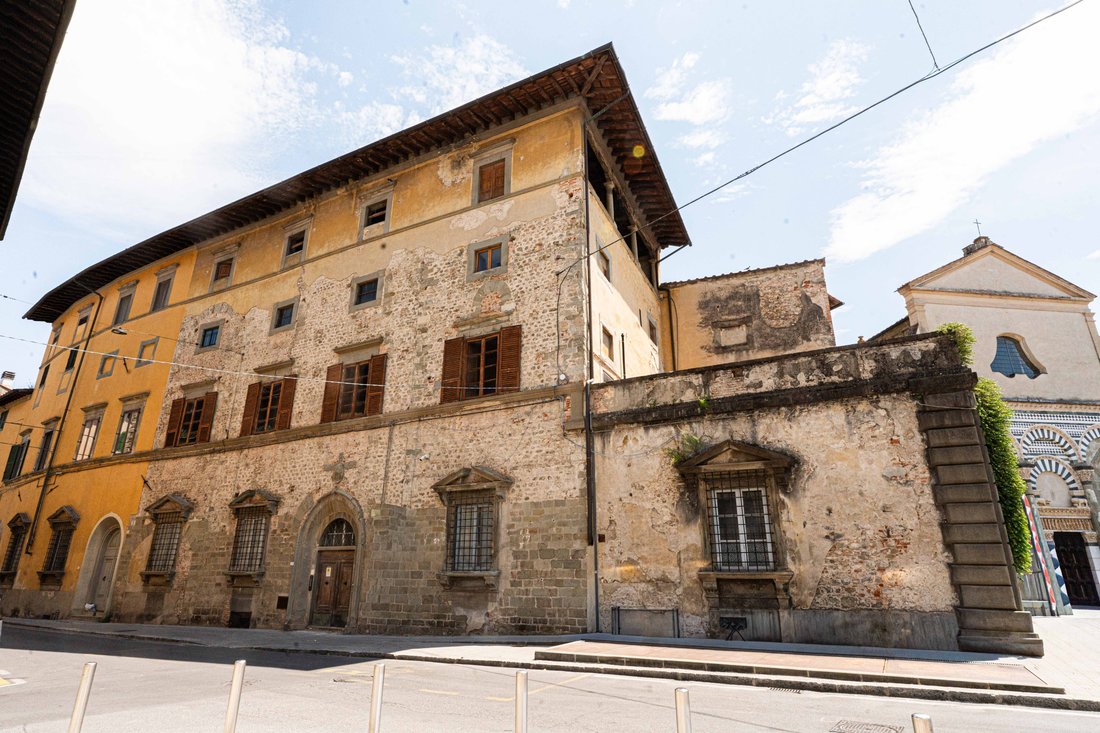
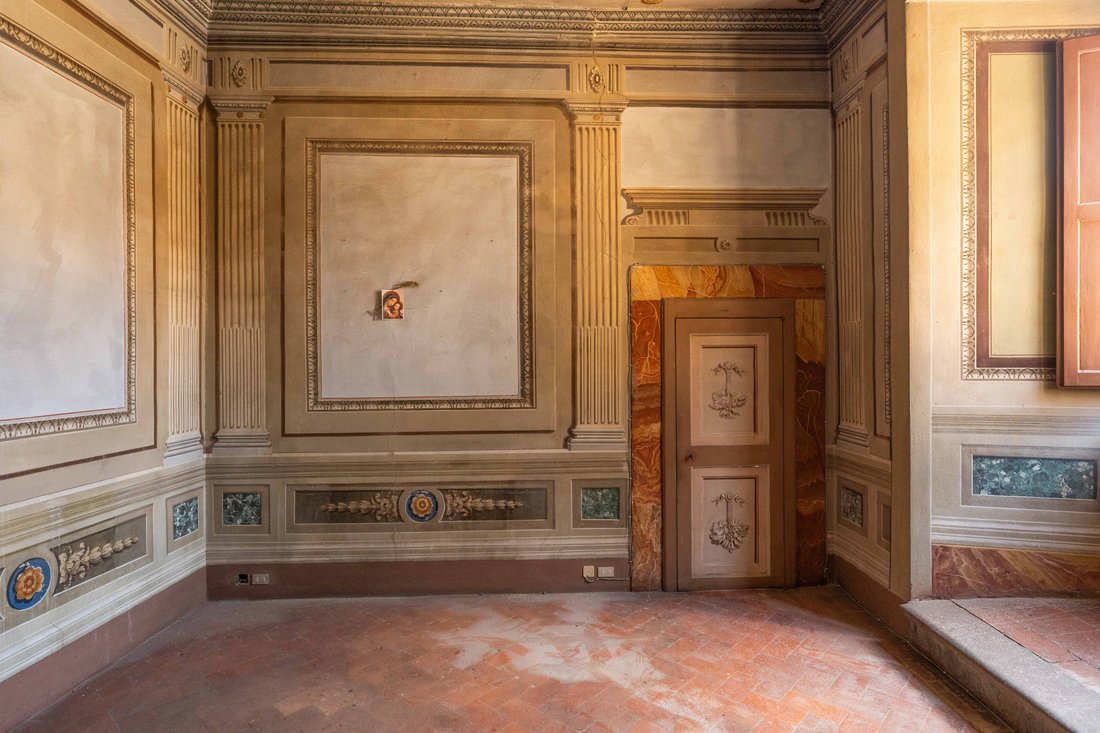
Historic residence, noble palace, papal home — all these definitions converge in the splendid Palazzo Tucci Rospigliosi, set in a secluded square in the heart of Pistoia.
Built in the mid 17th century, the palace originally belonged to the Rospigliosi family, whose most illustrious member, Giulio Rospigliosi, became Pope Clement IX. A commemorative plaque placed by Abbot Jacopo Rospigliosi in
Built in the mid 17th century, the palace originally belonged to the Rospigliosi family, whose most illustrious member, Giulio Rospigliosi, became Pope Clement IX. A commemorative plaque placed by Abbot Jacopo Rospigliosi in
Historic residence, noble palace, papal home — all these definitions converge in the splendid Palazzo Tucci Rospigliosi, set in a secluded square in the heart of Pistoia.
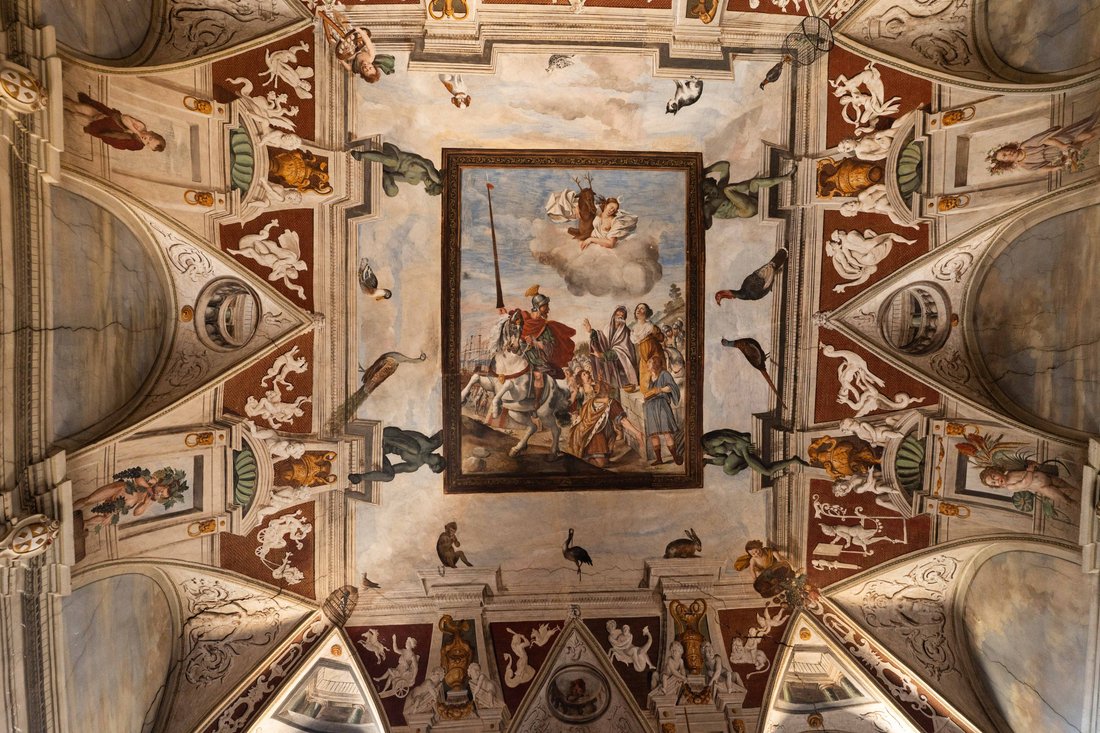
Built in the mid 17th century, the palace originally belonged to the Rospigliosi family, whose most illustrious member, Giulio Rospigliosi, became Pope Clement IX. A commemorative plaque placed by Abbot Jacopo Rospigliosi in 1676 still bears witness to its origin and heritage, while frescoes depicting the papal coat of arms can still be admired inside.
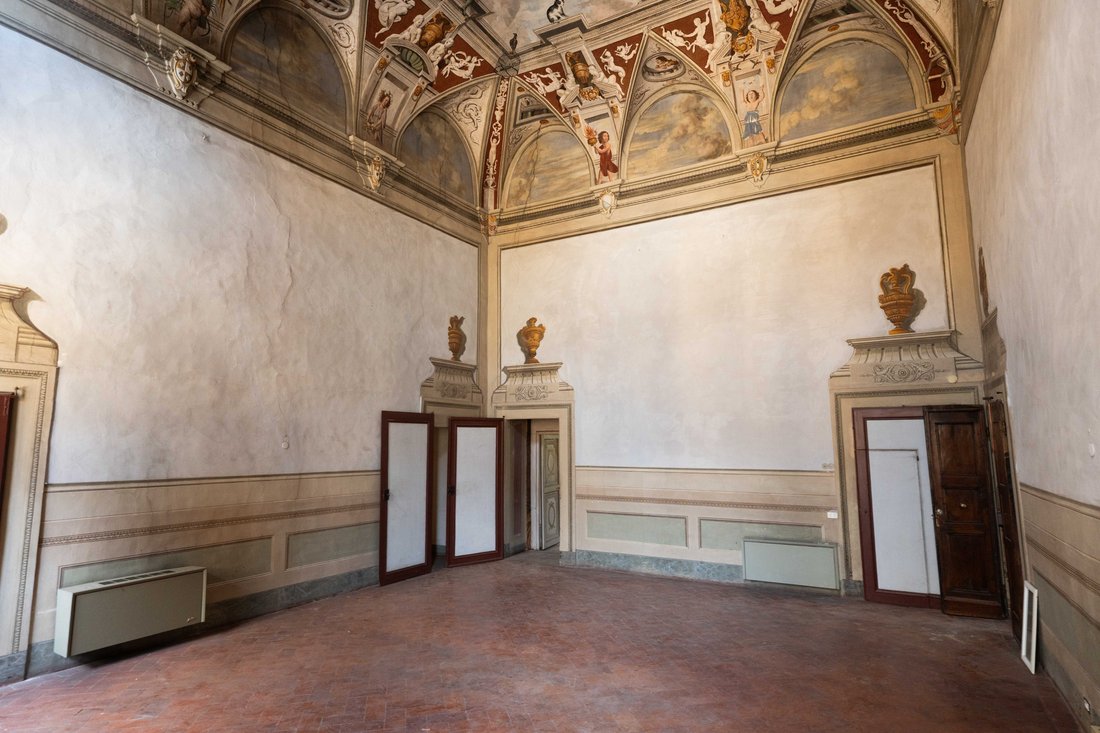
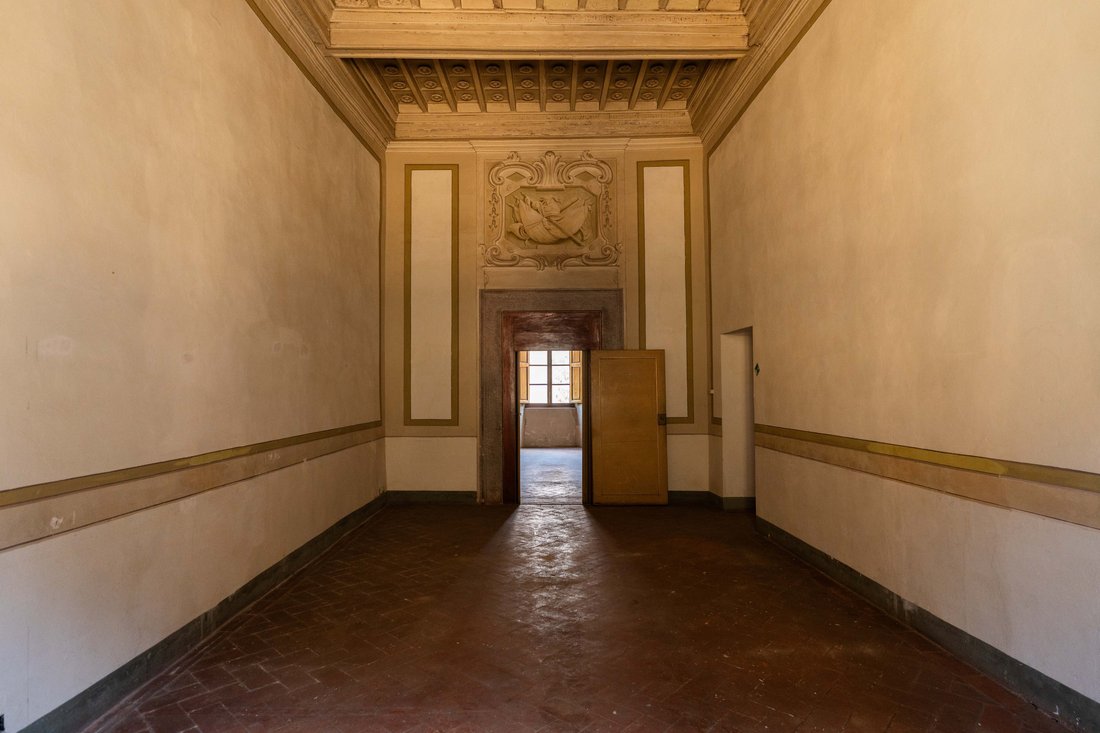
During the 18th century the building took on its current architectural form, distinguished by elegant proportions and spacious reception rooms adorned with original frescoes and decorative details.
In 1824, through the marriage of Francesco Rospigliosi’s niece to Alessandro Tucci, ownership passed to the Tucci family.
The graceful façade, the harmonious rhythm of the interiors, and the refinement of the frescoes still evoke the prestige and atmosphere of the great Italian aristocratic residences.
The property extends over three main levels, featuring a private garden and a loggia — elements rarely found within the historic center.
It offers multiple opportunities for enhancement — as a private residence, representative headquarters, cultural venue, or refined hospitality project — always in harmony with its historic identity.
Registered among Italy’s historic residences, (ADSI) it benefits from the tax advantages granted to heritage properties of historical and artistic interest.
-
Type de propriété
Maison de ville
-
Étages
3
-
Année de construction
1600
-
Prix/pied²
$130
-
Émissions
NC
-
Consommation
G
Caractéristiques
- Jardin
- Cheminée
- Manoir
- Vue sur la ville
- Vue panoramique / panoramique
- Vie privée
- Haut plafond
- Comptoirs en pierre
- Balcon
Explorez le secteur
Via Porta S. Marco, 51100 Pistoia PT, Italy, Centro, Toscane
Voir sur Google Maps
Prix par sqft
Faible
Élevé
Publié par
1
Annonces
2026
Inscrit
Réserver une visite avec Francesca Gambazza
Choisissez une date et si vous souhaitez une visite virtuelle ou en personne avec l’agent.
Date préférée
Type de visite
Dernière mise à jour
Aujourd'hui
Première mise en ligne
Novembre 14
Propriétés similaires à proximité
Nouvelles annonces à Centro





Explorez plus de biens à vendre
Centro, Pistoia, Toscane types de propriétés
Centro, Pistoia, Toscane Recherches populaires
- Vue panoramique / panoramique propriétés à Centro, Pistoia, Toscane
- Propriétés avec Terrasse à Centro, Pistoia, Toscane
- Propriétés avec Salle de jeux à Centro, Pistoia, Toscane
- Propriétés avec Bureau à Centro, Pistoia, Toscane
- Propriétés avec Ascenseur à Centro, Pistoia, Toscane
- Vue sur la montagne propriétés à Centro, Pistoia, Toscane
- Propriétés avec Jardin à Centro, Pistoia, Toscane
- Vie privée propriétés à Centro, Pistoia, Toscane
- Colline propriétés à Centro, Pistoia, Toscane
- Immobilier d’investissement propriétés à Centro, Pistoia, Toscane
- Moderne propriétés à Centro, Pistoia, Toscane
- Propriétés avec Bibliothèque à Centro, Pistoia, Toscane
- Propriétés avec Climatisation à Centro, Pistoia, Toscane
- Propriétés avec Cave à vins à Centro, Pistoia, Toscane
- Propriétés avec Cheminée à Centro, Pistoia, Toscane
- Propriétés avec Piscine à Centro, Pistoia, Toscane
- Propriétés avec Terrain de tennis à Centro, Pistoia, Toscane
- Propriétés avec Vignoble / Cave à Centro, Pistoia, Toscane
- Manoir propriétés à Centro, Pistoia, Toscane
- Propriétés avec Cuisine ouverte à Centro, Pistoia, Toscane
- Rénové propriétés à Centro, Pistoia, Toscane
Guides et histoires connexes
La confiance des plus grands courtiers du monde
Les agents des propriétés les plus exceptionnelles du monde publient sur JamesEdition.
- Des annonces de Sotheby's, Christie's, BARNES et Engel & Völkers
- Chaque annonce est vérifiée avant sa mise en ligne
- Contactez directement des agents vérifiés
En continuant, vous acceptez nos Conditions et notre Politique de confidentialité.