$5,333,818
Fortaleza Del Siglo XVIII «Castillo Del Cardenal»
- 6 Hab.
- 3 Baños
- 6,373 Sqft
- 12.36 Ac lot
- Actualizado: Ayer
- 2
Sobre la propiedad
La descripción se tradujo automáticamente.
La descripción se muestra en el idioma original.
Esta imponente fortaleza del siglo XVIII, conocida como Castillo del Cardenal, fue erigida en honor al infante español D. Luis Antonio Jaime de Borbón y Farnesio (1727-1785), hermano del rey Carlos III y mecenas prominente de artistas como Goya y Luis Paret, así como de músicos como Luigi Boccherini. Su importancia histórica y su ubicación privilegiada con vistas al Atlántico en la Costa da Morte
This imposing 18th-century fortress, known as Cardinal’s Castle, was erected in honor of the Spanish Infante D. Luis Antonio Jaime de Borbón y Farnesio (1727-1785), brother of King Carlos III and a prominent patron of artists such as Goya and Luis Paret, as well as musicians like Luigi Boccherini. Its historical significance and privileged location overlooking the Atlantic on the Costa da Morte ma
Esta imponente fortaleza del siglo XVIII, conocida como Castillo del Cardenal, fue erigida en honor al infante español D. Luis Antonio Jaime de Borbón y Farnesio (1727-1785), hermano del rey Carlos III y mecenas prominente de artistas como Goya y Luis Paret, así como de músicos como Luigi Boccherini. Su importancia histórica y su ubicación privilegiada con vistas al Atlántico en la Costa da Morte la convierten en una propiedad única en Galicia.
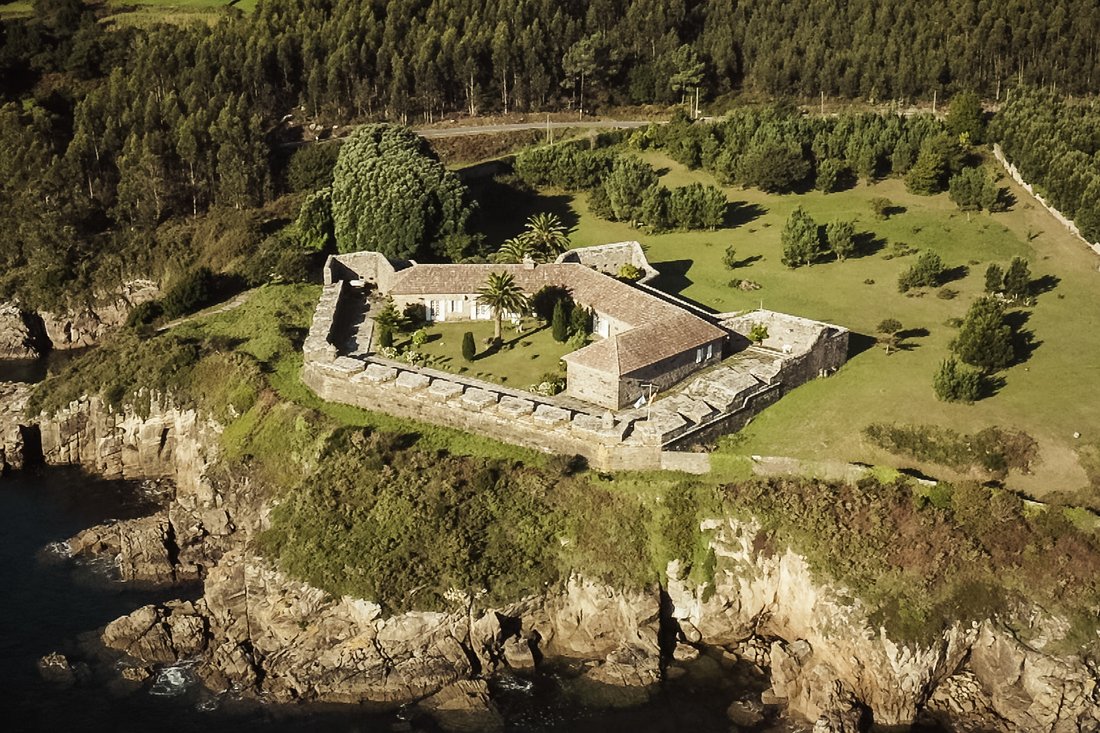
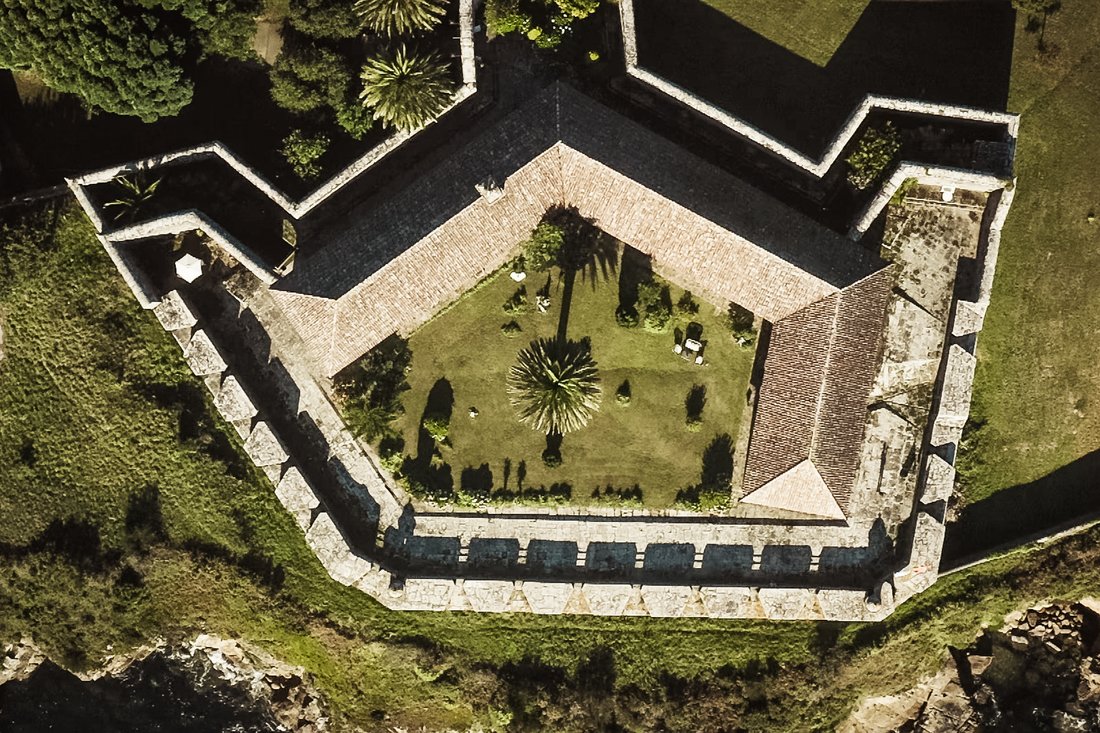
La construcción comenzó en 1755 bajo la dirección de Lana Ferrieri y fue completada por Francisco Llovet y el francés Carlos Lemaur en 1757. El castillo formaba parte del sistema defensivo de la ría de Corcubión, junto con el Castillo del Príncipe, y protegía el puerto y las rutas comerciales con el norte de Europa y el Mediterráneo. Su diseño estratégico —una península fortificada en forma de estrella, perfectamente integrada en el paisaje— permitía sorprender a los atacantes y garantizar la seguridad de las expediciones.
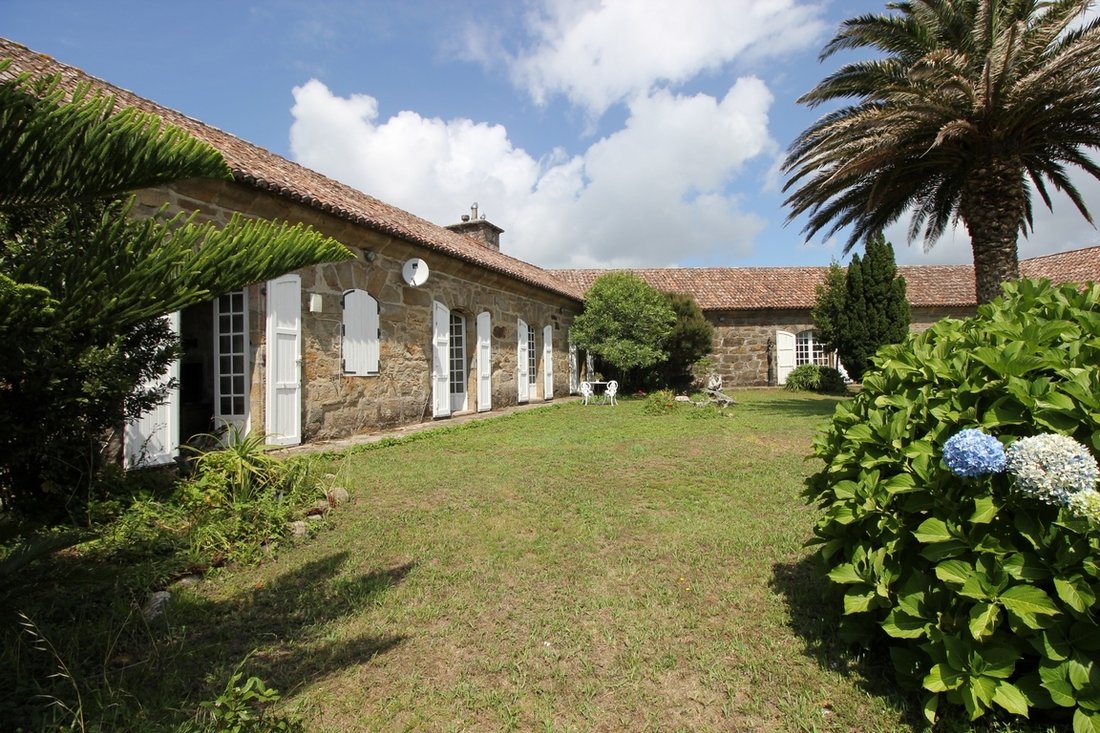
Construido con piedra maciza de la zona, el castillo cuenta con 17 puertos de cañón y una superficie aproximada de 2.800 m². En el interior, alrededor del antiguo patio de armas, hay una estructura en forma de U, ahora convertida en espacio residencial. Originalmente, albergaba cuarteles, almacenes, un polvorín e instalaciones para una guarnición de hasta 96 soldados.
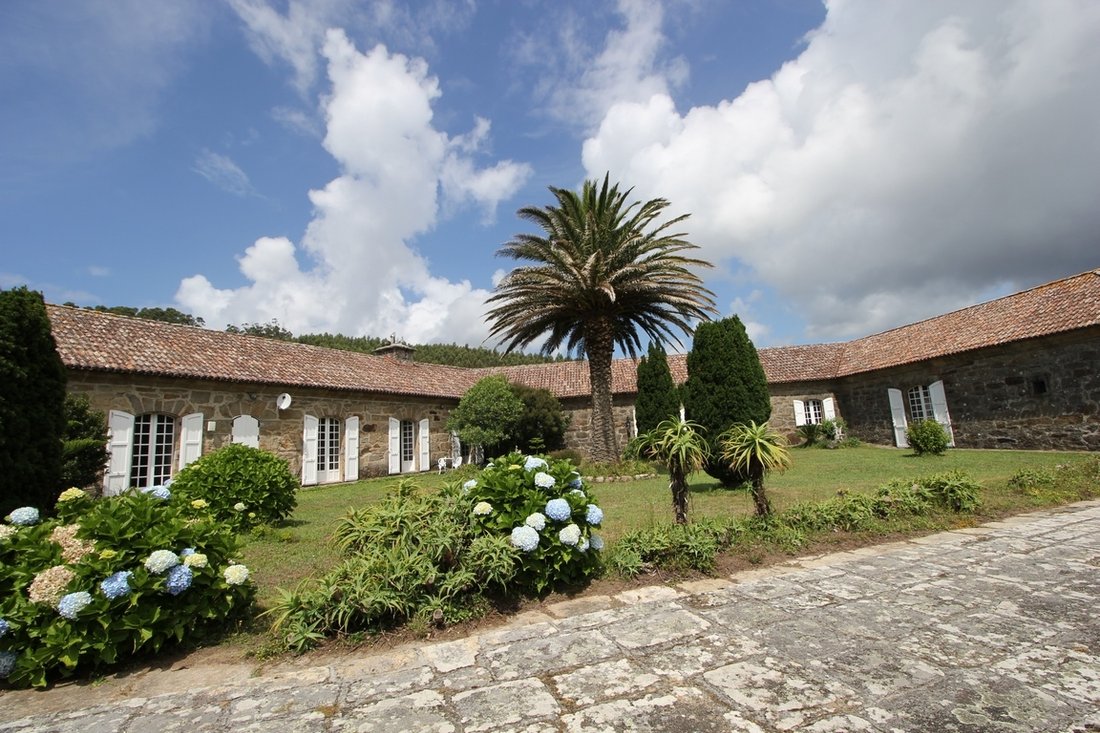
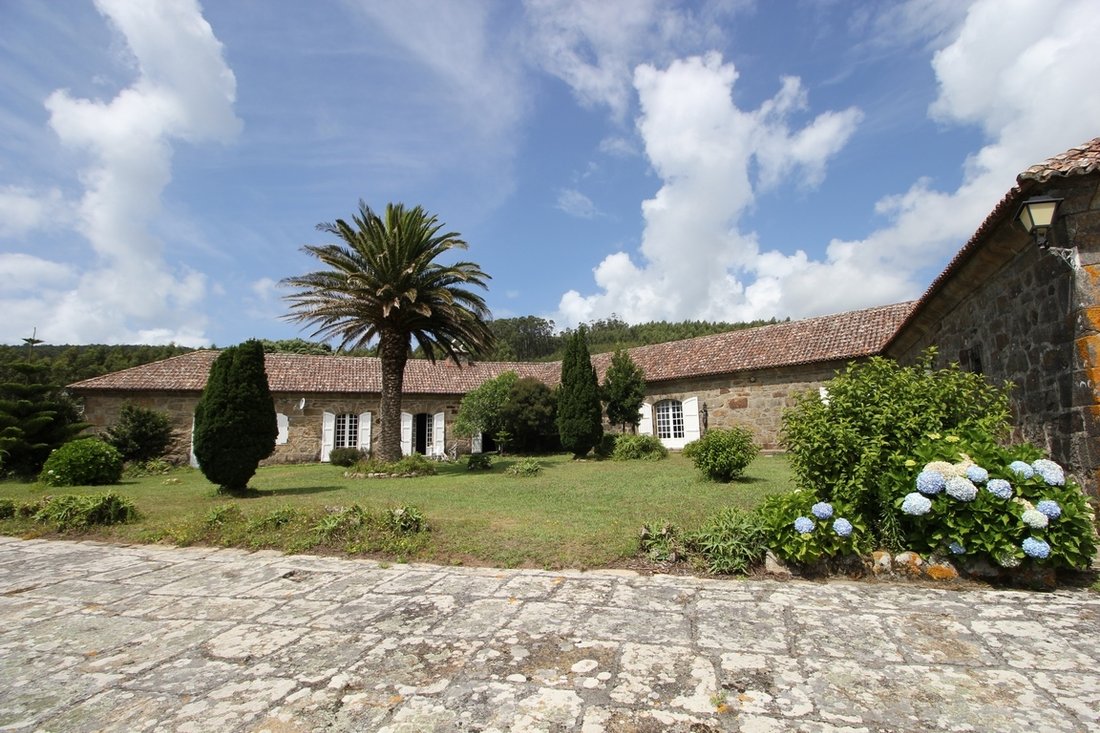
El edificio principal, que consta de una sola planta y tres cuerpos de piedra, conserva elementos arquitectónicos de gran valor: bóvedas de cañón, paredes encaladas —aún visibles en la bodega actual— y techos tradicionales de tejas rústicas. La fortaleza también tenía jardines interiores y un pozo de agua dulce, imprescindible en caso de asedio.
Hoy en día, el Castillo del Cardenal se presenta en excelentes condiciones, respetando fielmente su estructura original y ofreciendo un espacio único para uso residencial, turístico o cultural.
Una joya arquitectónica única en la costa gallega, donde la historia, el paisaje y la exclusividad se unen en una propiedad sin igual.
La construcción comenzó en 1755 bajo la dirección de Lana Ferrieri y fue completada por Francisco Llovet y el francés Carlos Lemaur en 1757. El castillo formaba parte del sistema defensivo de la ría de Corcubión, junto con el Castillo del Príncipe, y protegía el puerto y las rutas comerciales con el norte de Europa y el Mediterráneo. Su diseño estratégico —una península fortificada en forma de estrella, perfectamente integrada en el paisaje— permitía sorprender a los atacantes y garantizar la seguridad de las expediciones.
Construido con piedra maciza de la zona, el castillo cuenta con 17 puertos de cañón y una superficie aproximada de 2.800 m². En el interior, alrededor del antiguo patio de armas, hay una estructura en forma de U, ahora convertida en espacio residencial. Originalmente, albergaba cuarteles, almacenes, un polvorín e instalaciones para una guarnición de hasta 96 soldados.
El edificio principal, que consta de una sola planta y tres cuerpos de piedra, conserva elementos arquitectónicos de gran valor: bóvedas de cañón, paredes encaladas —aún visibles en la bodega actual— y techos tradicionales de tejas rústicas. La fortaleza también tenía jardines interiores y un pozo de agua dulce, imprescindible en caso de asedio.
Hoy en día, el Castillo del Cardenal se presenta en excelentes condiciones, respetando fielmente su estructura original y ofreciendo un espacio único para uso residencial, turístico o cultural.
Una joya arquitectónica única en la costa gallega, donde la historia, el paisaje y la exclusividad se unen en una propiedad sin igual.
This imposing 18th-century fortress, known as Cardinal’s Castle, was erected in honor of the Spanish Infante D. Luis Antonio Jaime de Borbón y Farnesio (1727-1785), brother of King Carlos III and a prominent patron of artists such as Goya and Luis Paret, as well as musicians like Luigi Boccherini. Its historical significance and privileged location overlooking the Atlantic on the Costa da Morte make it a unique property in Galicia.
Construction began in 1755 under the direction of Lana Ferrieri and was completed by Francisco Llovet and the Frenchman, Carlos Lemaur in 1757. The castle was part of the defensive system of the Ría de Corcubión, along with the Prince’s Castle, protecting the port and trade routes to Northern Europe and the Mediterranean. Its strategic design—a fortified peninsula in the shape of a star, perfectly integrated into the landscape—allowed for surprising attackers and ensuring the safety of expeditions.
Built from solid local stone, the castle features 17 gun ports and an approximate area of 2,800 m². Inside, around the old parade ground, there is a U-shaped structure, now converted into residential space. Originally, it housed barracks, warehouses, a powder magazine, and facilities for a garrison of up to 96 soldiers.
The main building, consisting of a single floor and three stone bodies, retains highly valuable architectural elements: barrel vaults, whitewashed walls—still visible in the current cellar—and traditional country tile roofing. The fortress also had interior gardens and a freshwater well, essential in case of siege.
Today, Cardinal’s Castle is presented in excellent condition, faithfully respecting its original structure and offering a unique space for residential, tourist, or cultural use.
A unique architectural gem on the Galician coast, where history, landscape, and exclusivity come together in an unparalleled property.
Construction began in 1755 under the direction of Lana Ferrieri and was completed by Francisco Llovet and the Frenchman, Carlos Lemaur in 1757. The castle was part of the defensive system of the Ría de Corcubión, along with the Prince’s Castle, protecting the port and trade routes to Northern Europe and the Mediterranean. Its strategic design—a fortified peninsula in the shape of a star, perfectly integrated into the landscape—allowed for surprising attackers and ensuring the safety of expeditions.
Built from solid local stone, the castle features 17 gun ports and an approximate area of 2,800 m². Inside, around the old parade ground, there is a U-shaped structure, now converted into residential space. Originally, it housed barracks, warehouses, a powder magazine, and facilities for a garrison of up to 96 soldiers.
The main building, consisting of a single floor and three stone bodies, retains highly valuable architectural elements: barrel vaults, whitewashed walls—still visible in the current cellar—and traditional country tile roofing. The fortress also had interior gardens and a freshwater well, essential in case of siege.
Today, Cardinal’s Castle is presented in excellent condition, faithfully respecting its original structure and offering a unique space for residential, tourist, or cultural use.
A unique architectural gem on the Galician coast, where history, landscape, and exclusivity come together in an unparalleled property.
-
Tipo de propiedad
Castillo
-
Precio/pie²
$837
Características
- Jardín
- Vista al Agua
- Vista a la Montaña
- Bodega
- Vista al Mar
- Frente al mar
- Vista Panorámica
- Techo alto
Explorar la zona
Se unió hace 3 meses
Usted ha preguntado por esta propiedad
El agente se comunicará con usted pronto por
Publicado por
14
Anuncios
2026
Se unió
Reserva una visita con the agent
Elija una fecha y si prefiere una visita virtual o presencial con el agente.
Fecha preferida
Tipo de tour
Última actualización
Ayer
Primera publicación
Octubre 17
Referencia del anuncio
-
Propiedades similares cercanas
Nuevos anuncios en Corcubión

Explorar más viviendas en venta
Corcubión, Galicia, España búsquedas populares
Corcubión, Galicia, España Barrios
Guías e historias relacionadas
La confianza de los mejores brokers del mundo
Los agentes tras las propiedades más excepcionales del mundo publican en JamesEdition.
- Anuncios de Sotheby's, Christie's, BARNES y Engel & Völkers
- Cada anuncio se revisa antes de publicarse
- Conecte directamente con agentes verificados
Al continuar, acepta nuestros Términos y la Política de Privacidad.