MI Santa Una Reverencia Al Pasado.
- 4 Hab.
- 3 Baños
- 2,132 Sqft
- 1,830 Sqft lot
-
29
Vistas de los últimos 30 días
- 51
Sobre la propiedad
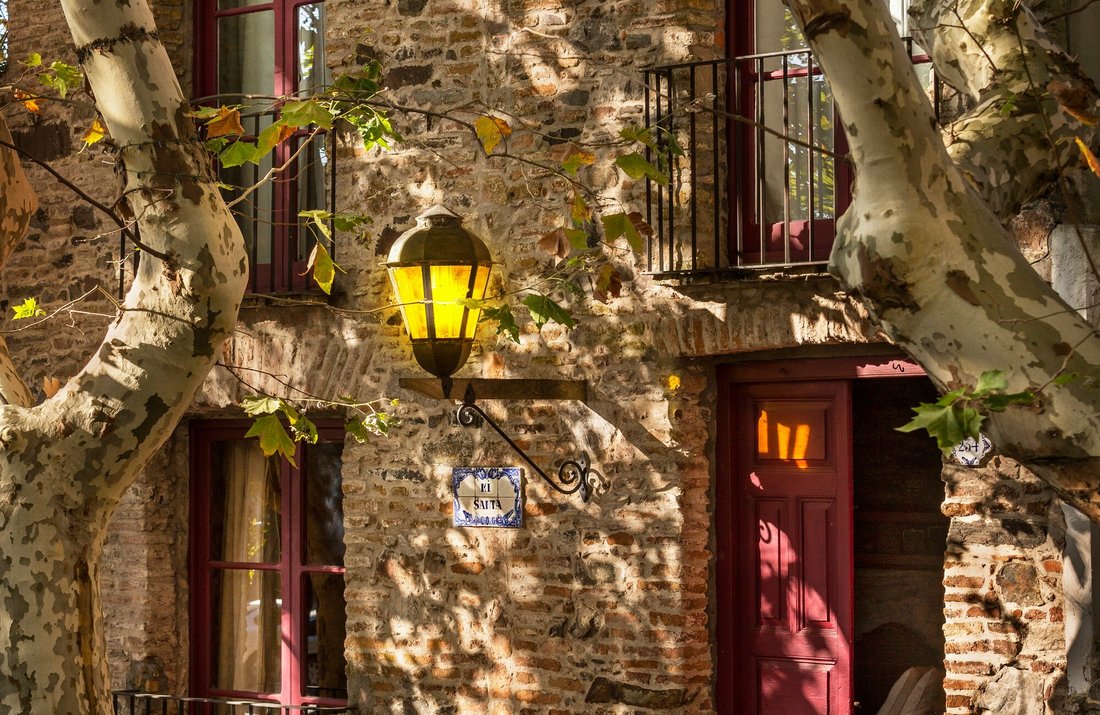
La casa es Patrimonio de la Humanidad (UNESCO), por lo que con la ayuda de un arqueólogo tuvieron que recurrir a la Comisión del Patrimonio Cultural para restaurarla. La restauración principal consistió en retirar las baldosas vidriadas de las paredes antiguas, por lo que la piedra de las paredes originales se hizo visible. Se tuvo especial cuidado con la parte trasera de la casa, la parte más
The house is a World Heritage Site (UNESCO), so with the help of an archaeologist they had to appeal to the Cultural Heritage Commission in order to restore it. The main restoration involved removal of the glazed tiles from the old walls, so the stone of the original walls became visible. Special care was taken with the back of the house, the oldest part of the building now a suite, with ”a la
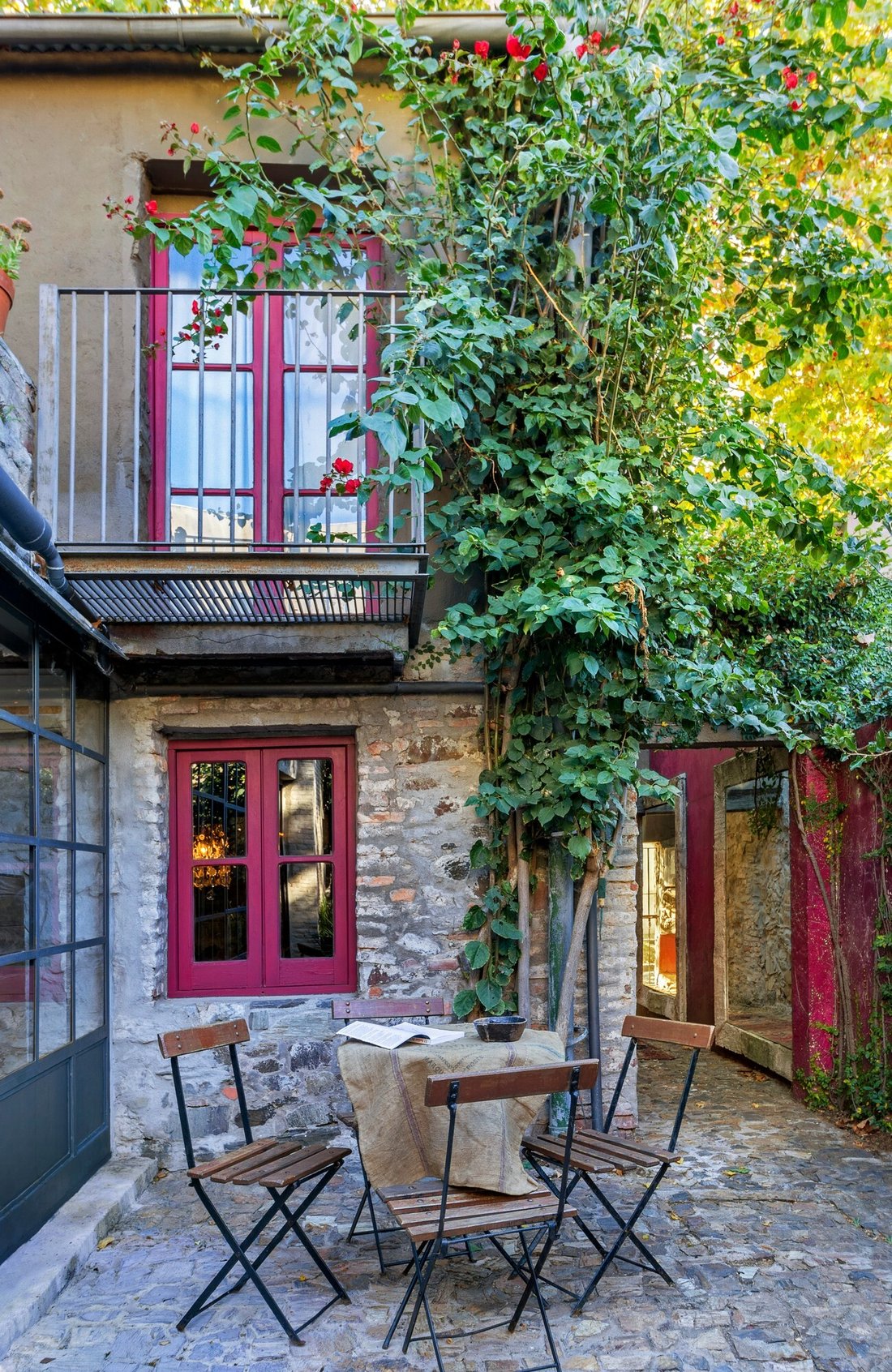
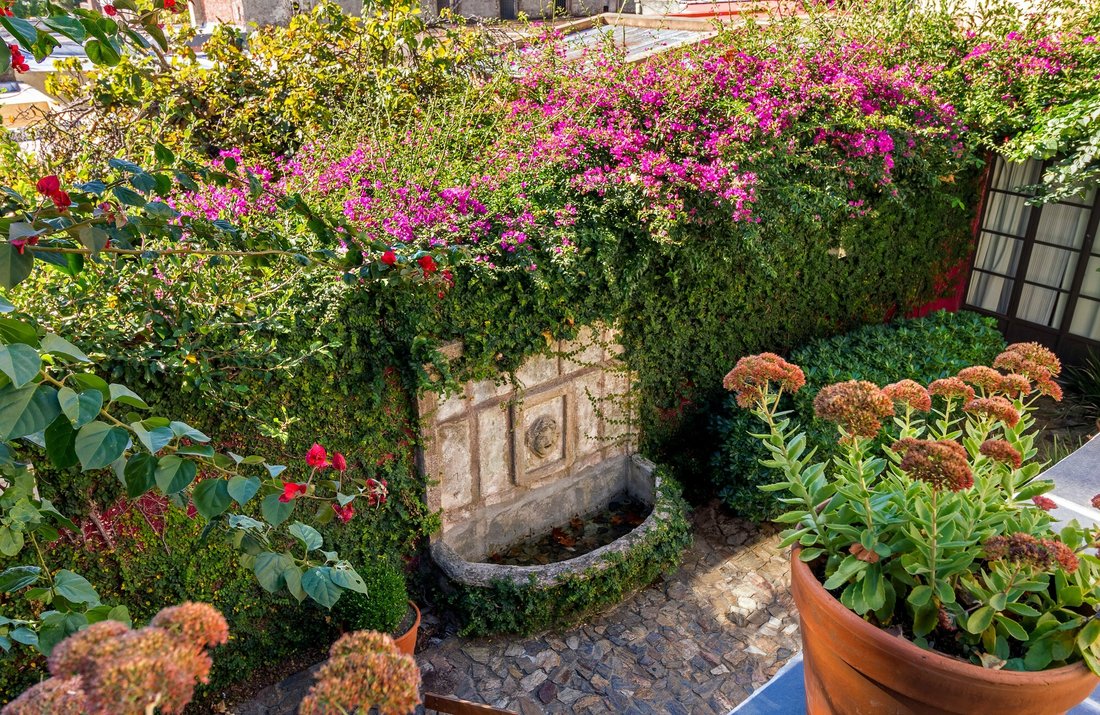
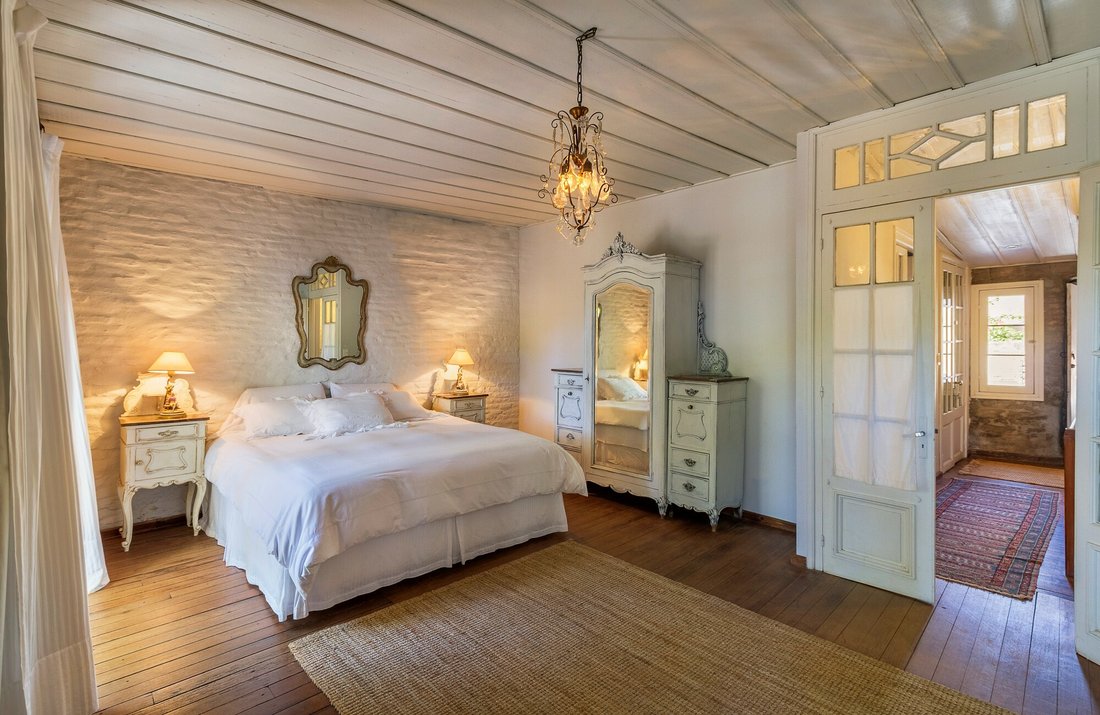
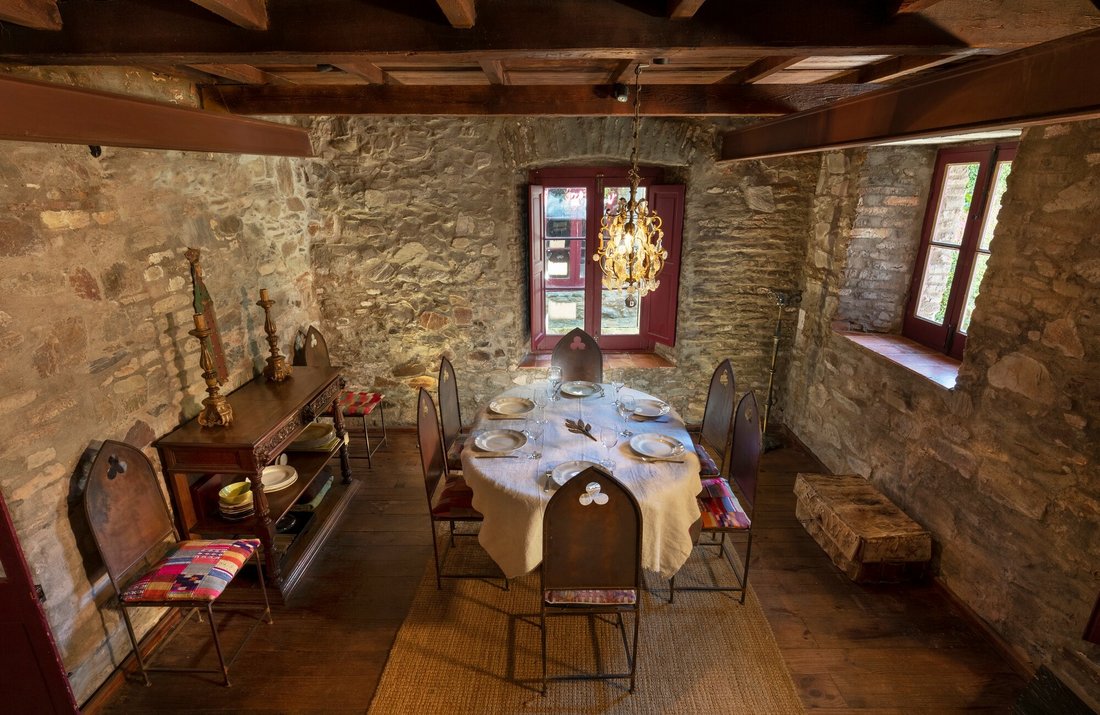
La casa es Patrimonio de la Humanidad (UNESCO), por lo que con la ayuda de un arqueólogo tuvieron que recurrir a la Comisión del Patrimonio Cultural para restaurarla. La restauración principal consistió en retirar las baldosas vidriadas de las paredes antiguas, por lo que la piedra de las paredes originales se hizo visible. Se tuvo especial cuidado con la parte trasera de la casa, la parte más antigua del edificio ahora una suite, con techo «a la porteña». Esto también se puede apreciar en los nichos de las paredes del comedor, probablemente utilizados para velas, y que ahora sostienen una variedad de figuras de madera talladas. La idea era garantizar que la mayoría de las habitaciones tuvieran al menos una de las paredes de piedra originales. Las paredes de Mi Santa esconden años de historia, era un restaurante llamado El Catalejo. Incluso antes de esto, era una casa con el primer título de propiedad que data de 1823, aunque es probable que se construyera a finales del siglo XVII, en aquellos días las casas se registraron más tarde, años después de que se construyera la casa. El patio ha visto los pasos de muchas generaciones, cada una ha dejado su propia huella, y se han contado muchas historias dentro de estas paredes. Los actuales propietarios también están dejando su propio sello con una fuente en el patio que emula el antiguo estilo colonial y la tradición de nombrar cada habitación. Tres personas queridas son
homenajeado aquí, así como Taco Larreta, uno de los mejores ejemplos del teatro nacional, visualizando la casa como una «caja presidencial» que conmemora su primera producción teatral realizada en Uruguay. El comedor es el espacio más preciado de la casa, y el que más valora. Los nichos murales se suman al misterio de sentarse en una casa colonial del siglo XVIII, con la iluminación del suelo bañando los muros de piedra adornados con imágenes de santos.
Mi Santa es un sueño hecho realidad. Es historia viva, imaginando todo lo que sucedió allí en los tiempos de la Banda Oriental. Está viviendo parte del pasado hoy, con comodidades contemporáneas.
The house is a World Heritage Site (UNESCO), so with the help of an archaeologist they had to appeal to the Cultural Heritage Commission in order to restore it. The main restoration involved removal of the glazed tiles from the old walls, so the stone of the original walls became visible. Special care was taken with the back of the house, the oldest part of the building now a suite, with ”a la porteña” roof. This can also be appreciated in the dining room wall niches, probably used for candles, and now holding an array of carved wooden figures. The idea was to ensure that most of the rooms had at least one of the original stone walls. The walls of Mi Santa hide years of history it was a restaurant called El Catalejo. Even before this, it was a home with the first property title dating from 1823, though it is probable that it was built at the end of the 1700’s. In those days houses were registered later, years after the house was built. The patio has seen the footsteps of many generations, each one leaving their own mark, and many stories have been told within these walls. The present owners are also leaving their own stamp with a fountain in the patio emulating the old colonial style as well as the tradition of naming each bedroom. Three loved people are
honoured here as well as Taco Larreta, one of the best examples of national theatre, visualizing the house as a ’a presidential box’ commemorating his first theatre production performed in Uruguay. The dining room is the most cherished space in the house, and the one she values most. The wall niches add to the mystery of sitting in a XVIII century colonial house, with the floor lighting bathing the stone walls adorned with images of saints.
Mi Santa is a dream come true. It is living history, imagining all that happened there in the times of the Banda Oriental. It is living some of the past today, with contemporary comforts.
-
Tipo de propiedad
Otros
-
Precio/pie²
$351
Características
- Jardín
- Moderno
- Bodega
Explorar la zona
El agente se comunicará con usted pronto por
Publicado por
Reserva una visita con Carlos García Arocena
Elija una fecha y si prefiere una visita virtual o presencial con el agente.

Propiedades similares cercanas
Nuevos anuncios en Colonia Del Sacramento

Explorar más viviendas en venta
Colonia Del Sacramento, Uruguay tipos de propiedad
Colonia Del Sacramento, Uruguay búsquedas populares
- Propiedades Vista al Agua en Colonia Del Sacramento, Uruguay
- Propiedades Vista al Río en Colonia Del Sacramento, Uruguay
- Propiedades Vista Panorámica en Colonia Del Sacramento, Uruguay
- Propiedades Frente a la Playa en Colonia Del Sacramento, Uruguay
- Propiedades con Balcón en Colonia Del Sacramento, Uruguay
- Propiedades con Bar en Colonia Del Sacramento, Uruguay
- Propiedades con Oficina en Colonia Del Sacramento, Uruguay
- Propiedades Moderno en Colonia Del Sacramento, Uruguay
- Propiedades Vista al Campo de Golf en Colonia Del Sacramento, Uruguay
Guías e historias relacionadas
La confianza de los mejores brokers del mundo
Los agentes tras las propiedades más excepcionales del mundo publican en JamesEdition.
- Anuncios de Sotheby's, Christie's, BARNES y Engel & Völkers
- Cada anuncio se revisa antes de publicarse
- Conecte directamente con agentes verificados
Al continuar, acepta nuestros Términos y la Política de Privacidad.