$3,855,911
Erdade Com Rendimento, An Der Italienischen Küste
- 15 Schlafz.
- 898,130 Sqft
- 20.62 Ac lot
- Aktualisiert: Juni 18
- 3
Über die Immobilie
Beschreibung wurde automatisch übersetzt.
Die Beschreibung wird in der Originalsprache angezeigt.
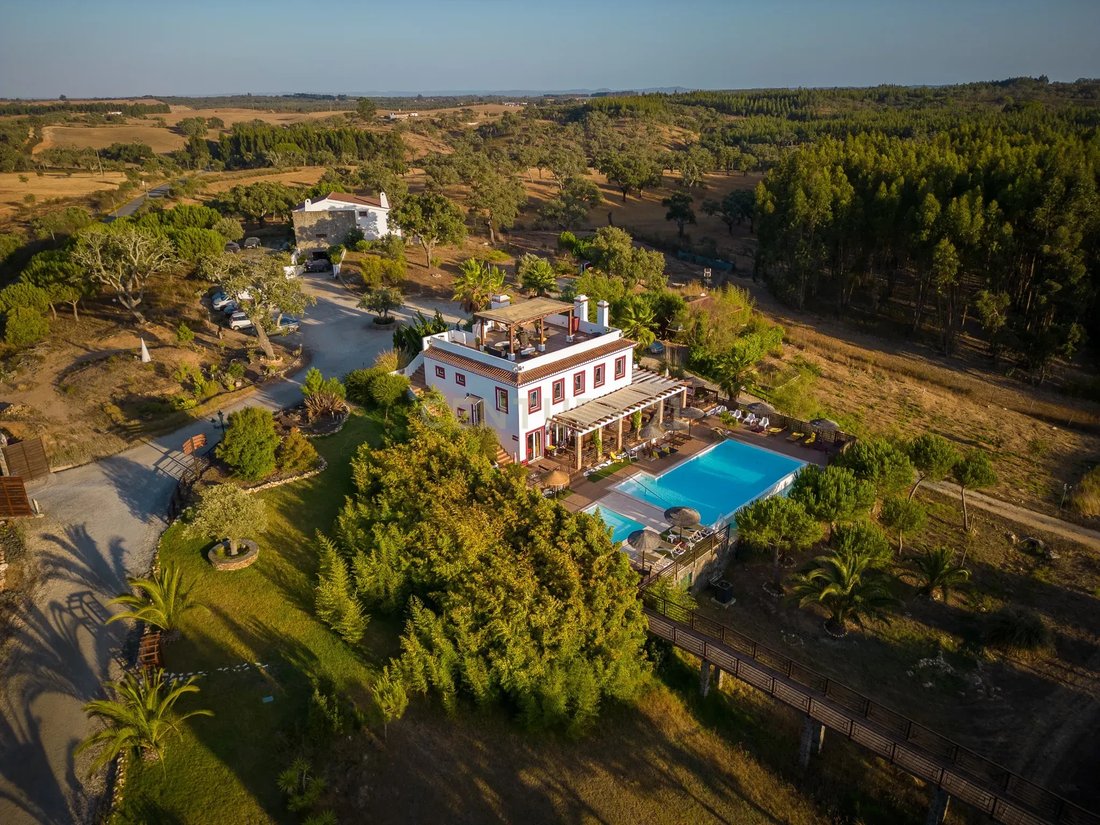
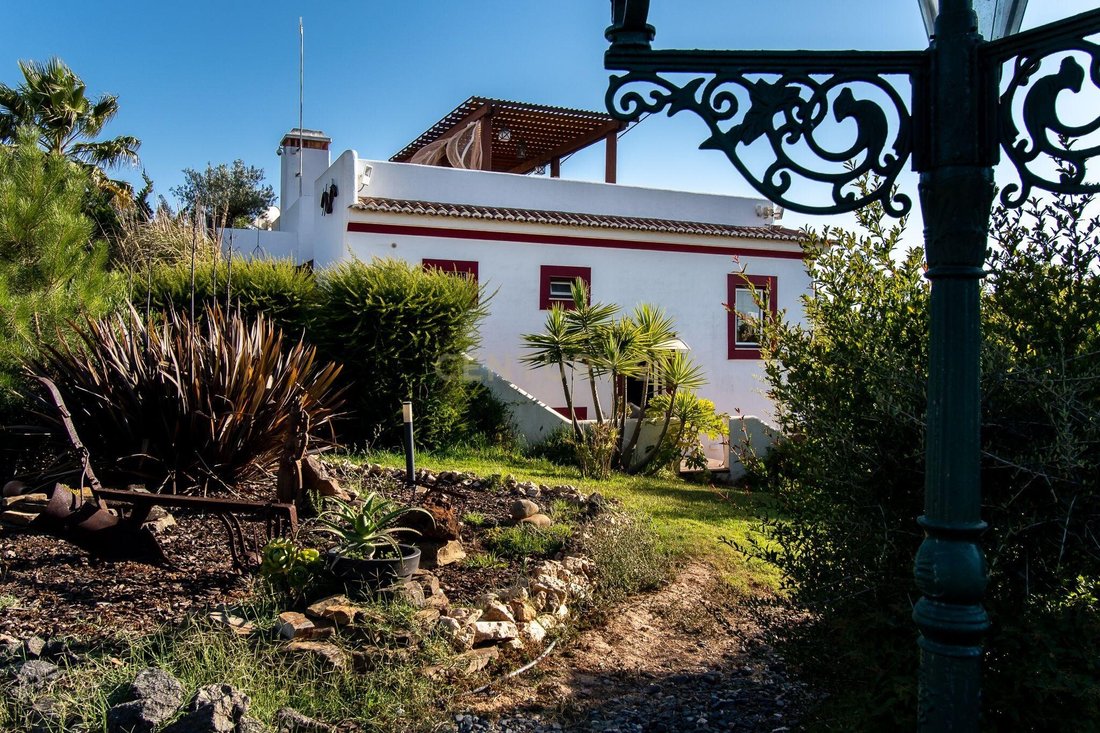
Der Komplex befindet sich an der Küste des Alentejo, genauer gesagt in der Gemeinde Santiago do Cacém, Vale das Éguas. Diese Gemeinde befindet sich in einer dominanten Position auf einem bescheidenen Hügel neben der Atlantikküste und dem Hafen von Sines mit Blick auf die benachbarte Ebene. Es ist derzeit Teil der Tourismusregion Costa Azul.
Das Projekt wurde so konzipiert, dass es die Landscha
Das Projekt wurde so konzipiert, dass es die Landscha
The property is located on the Alentejo coast, more specifically in the municipality of Santiago do Cacém, Vale das Éguas. This Municipality is in a dominant position on a modest hill, next to the Atlantic coast and the port of Sines, with visibility to the neighboring plain. It is currently part of the Costa Azul Tourism Region.
The project was designed to embrace the Alentejo landscape and cr
The project was designed to embrace the Alentejo landscape and cr
Der Komplex befindet sich an der Küste des Alentejo, genauer gesagt in der Gemeinde Santiago do Cacém, Vale das Éguas. Diese Gemeinde befindet sich in einer dominanten Position auf einem bescheidenen Hügel neben der Atlantikküste und dem Hafen von Sines mit Blick auf die benachbarte Ebene. Es ist derzeit Teil der Tourismusregion Costa Azul.
Das Projekt wurde so konzipiert, dass es die Landschaft des Alentejo einbezieht und die Harmonie schafft, die an einem Ort erforderlich ist, der Wohlbefinden und Momente purer Entspannung bieten soll. Sie können auch die vinzentinischen Strände genießen, die nur 15 Minuten entfernt sind. Dieses Anwesen befindet sich in einem herrlichen Grundstück mit etwa 10 Hektar. Gute Erreichbarkeit A-2 A-1, A-22, A-13 Etwa 90 Minuten von der Hauptstadt und den beiden wichtigsten internationalen Flughäfen Lissabon und Faro entfernt. Die Verbindung zu den wichtigsten Kommunikationswegen erfolgt über eine Teerstraße mit einer Fahrzeit von etwa 10 Minuten, egal ob in Richtung Süden oder Norden.
Nähere Informationen per Direktkontakt per E-Mail oder Telefon.
Historischer Rahmen von Santiago do Cacém
Um 712 und bereits nach dem Niedergang von Miróbriga erreichten die Mauren das Gebiet und errichteten die Burg auf dem gegenüberliegenden Hügel. Es wird sogar vermutet, dass der Name Kassem mit dem maurischen Bürgermeister in Verbindung gebracht wird. Die maurische Besetzung dauerte bis ins 17. Jahrhundert an. XII und viele Kämpfe um die Rückeroberung wurden in dem Gebiet ausgetragen, bis es 1217 endgültig in den Besitz der Christen zurückkehrte, nachdem D. Afonso II. die Schenkung seines Vaters an den Spatarierorden bestätigte.
Das mittelalterliche Dorf Sant’Iago de Kassem war bereits im 19. Jahrhundert von großer Bedeutung. XIII, mit hochrangigen Vertretern aus Politik und Verwaltung (Praktiker, Bürgermeister, Richter, Bürgermeister, Ladenbesitzer). 1186 wurde sie offiziell zur Stadt erklärt und erhielt im Auftrag von König D. Dinis ihre erste Stadtrechte. Zwischen 1315 und 1336 gingen das Dorf und das Schloss durch eine Schenkung von D. Dinis in den Besitz von Prinzessin D.ª Vetácia über, Magd und Freundin der Königin Santa Isabel, die nach dem Tod ihres Besitzers zum Santiagoorden zurückgekehrt war.
1512 wurde Santiago do Cacém Verwaltungssitz, dem Tag, an dem dem Ort von D. Manuel I. die Stadtrechte verliehen wurde.
Sehen Sie das Video unten:
[versteckte Informationen]
Das Projekt wurde so konzipiert, dass es die Landschaft des Alentejo einbezieht und die Harmonie schafft, die an einem Ort erforderlich ist, der Wohlbefinden und Momente purer Entspannung bieten soll. Sie können auch die vinzentinischen Strände genießen, die nur 15 Minuten entfernt sind. Dieses Anwesen befindet sich in einem herrlichen Grundstück mit etwa 10 Hektar. Gute Erreichbarkeit A-2 A-1, A-22, A-13 Etwa 90 Minuten von der Hauptstadt und den beiden wichtigsten internationalen Flughäfen Lissabon und Faro entfernt. Die Verbindung zu den wichtigsten Kommunikationswegen erfolgt über eine Teerstraße mit einer Fahrzeit von etwa 10 Minuten, egal ob in Richtung Süden oder Norden.
Nähere Informationen per Direktkontakt per E-Mail oder Telefon.
Historischer Rahmen von Santiago do Cacém
Um 712 und bereits nach dem Niedergang von Miróbriga erreichten die Mauren das Gebiet und errichteten die Burg auf dem gegenüberliegenden Hügel. Es wird sogar vermutet, dass der Name Kassem mit dem maurischen Bürgermeister in Verbindung gebracht wird. Die maurische Besetzung dauerte bis ins 17. Jahrhundert an. XII und viele Kämpfe um die Rückeroberung wurden in dem Gebiet ausgetragen, bis es 1217 endgültig in den Besitz der Christen zurückkehrte, nachdem D. Afonso II. die Schenkung seines Vaters an den Spatarierorden bestätigte.
Das mittelalterliche Dorf Sant’Iago de Kassem war bereits im 19. Jahrhundert von großer Bedeutung. XIII, mit hochrangigen Vertretern aus Politik und Verwaltung (Praktiker, Bürgermeister, Richter, Bürgermeister, Ladenbesitzer). 1186 wurde sie offiziell zur Stadt erklärt und erhielt im Auftrag von König D. Dinis ihre erste Stadtrechte. Zwischen 1315 und 1336 gingen das Dorf und das Schloss durch eine Schenkung von D. Dinis in den Besitz von Prinzessin D.ª Vetácia über, Magd und Freundin der Königin Santa Isabel, die nach dem Tod ihres Besitzers zum Santiagoorden zurückgekehrt war.
1512 wurde Santiago do Cacém Verwaltungssitz, dem Tag, an dem dem Ort von D. Manuel I. die Stadtrechte verliehen wurde.
Sehen Sie das Video unten:
[versteckte Informationen]
The property is located on the Alentejo coast, more specifically in the municipality of Santiago do Cacém, Vale das Éguas. This Municipality is in a dominant position on a modest hill, next to the Atlantic coast and the port of Sines, with visibility to the neighboring plain. It is currently part of the Costa Azul Tourism Region.
The project was designed to embrace the Alentejo landscape and create the harmony that is required in a place that aims to bring well-being and moments of pure relaxation. You can also enjoy the Vincentian beaches which are just 15 minutes away. This property is inserted in a magnificent property with about 10 hectares. Served by good accessibility A-2 A-1, A-22, A-13 About 90 minutes from the capital and the two main international airports Lisbon and Faro. The connection to the main communication routes is carried out by a tarred road with a journey of about 10 minutes, whether towards the south or north.
More details via direct contact by E-Mail or tel.
Historical framework of Santiago do Cacém
It would have been around 712 and already after the decline of Miróbriga that the Moors reached the territory, building the castle on the hill opposite; it is even thought that the name Kassem is linked to the Moorish mayor. The Moorish occupation lasted until the 17th century. XII and many battles for the reconquest were fought in the territory until, in 1217, it definitively returned to the possession of the Christians, having D. Afonso II confirmed the donation of his father to the Order of the Spatarians.
The medieval village of Sant’Iago de Kassem was already of great importance in the 19th century. XIII, with first-rate political and administrative officials (practors, mayors, judges, mayors, storekeepers). Officially considered a town in 1186, it received its first charter, by order of King D. Dinis. Between 1315 and 1336, by donation from D. Dinis, the village and the castle became the property of Princess D.ª Vetácia, handmaid and friend of Queen Santa Isabel, having returned to the Order of Santiago after the death of its owner.
Santiago do Cacém became the county seat in 1512, the date on which it was granted the charter by D. Manuel I.
See the video below:
[hidden information]
The project was designed to embrace the Alentejo landscape and create the harmony that is required in a place that aims to bring well-being and moments of pure relaxation. You can also enjoy the Vincentian beaches which are just 15 minutes away. This property is inserted in a magnificent property with about 10 hectares. Served by good accessibility A-2 A-1, A-22, A-13 About 90 minutes from the capital and the two main international airports Lisbon and Faro. The connection to the main communication routes is carried out by a tarred road with a journey of about 10 minutes, whether towards the south or north.
More details via direct contact by E-Mail or tel.
Historical framework of Santiago do Cacém
It would have been around 712 and already after the decline of Miróbriga that the Moors reached the territory, building the castle on the hill opposite; it is even thought that the name Kassem is linked to the Moorish mayor. The Moorish occupation lasted until the 17th century. XII and many battles for the reconquest were fought in the territory until, in 1217, it definitively returned to the possession of the Christians, having D. Afonso II confirmed the donation of his father to the Order of the Spatarians.
The medieval village of Sant’Iago de Kassem was already of great importance in the 19th century. XIII, with first-rate political and administrative officials (practors, mayors, judges, mayors, storekeepers). Officially considered a town in 1186, it received its first charter, by order of King D. Dinis. Between 1315 and 1336, by donation from D. Dinis, the village and the castle became the property of Princess D.ª Vetácia, handmaid and friend of Queen Santa Isabel, having returned to the Order of Santiago after the death of its owner.
Santiago do Cacém became the county seat in 1512, the date on which it was granted the charter by D. Manuel I.
See the video below:
[hidden information]
-
Art der Immobilie
Andere
-
Baujahr
2013
-
Preis/Quadratfuß
$4
Funktionen
Erkunden Sie die Gegend
Herdade do Juncalinho, Sao Domingos e Vale de Agua, Setúbal Municipality, Portugal
Auf Google Maps anzeigen
Preis pro sqft
Niedrig
Hoch
Vor 5 Jahren beigetreten
Sie haben sich nach diesem Objekt erkundigt
Der Agent wird sich in Kürze mit Ihnen in Verbindung setzen
Gelistet von
308
Angebote
2022
Beigetreten
Besichtigung mit the agent buchen
Wählen Sie ein Datum und ob Sie eine virtuelle oder persönliche Besichtigung mit dem Makler wünschen.
Bevorzugtes Datum
Art der Tour
Zuletzt aktualisiert
Juni 18
Erstmalig gelistet
November 1, 2023
Angebotsreferenz
C0364-01837
Ähnliche Immobilien in der Nähe
Neue Angebote in Sao Domingos e Vale de Agua



Entdecken Sie mehr Häuser zum Verkauf
Sao Domingos e Vale de Agua, Setúbal Municipality, Portugal Immobilienarten
- Farm Ranches zum Verkauf in Sao Domingos e Vale de Agua, Setúbal Municipality, Portugal
- Häuser zum Verkauf in Sao Domingos e Vale de Agua, Setúbal Municipality, Portugal
- Anwesen zum Verkauf in Sao Domingos e Vale de Agua, Setúbal Municipality, Portugal
- Fincas zum Verkauf in Sao Domingos e Vale de Agua, Setúbal Municipality, Portugal
- Landhaus zum Verkauf in Sao Domingos e Vale de Agua, Setúbal Municipality, Portugal
- Land zum Verkauf in Sao Domingos e Vale de Agua, Setúbal Municipality, Portugal
Sao Domingos e Vale de Agua, Setúbal Municipality, Portugal beliebte Suchanfragen
- Panorama Immobilien in Sao Domingos e Vale de Agua, Setúbal Municipality, Portugal
- Immobilien mit Terrasse in Sao Domingos e Vale de Agua, Setúbal Municipality, Portugal
- Immobilien mit Bar in Sao Domingos e Vale de Agua, Setúbal Municipality, Portugal
- Blick auf die Stadt Immobilien in Sao Domingos e Vale de Agua, Setúbal Municipality, Portugal
- Immobilien mit Bergblick in Sao Domingos e Vale de Agua, Setúbal Municipality, Portugal
- Immobilien mit Garten in Sao Domingos e Vale de Agua, Setúbal Municipality, Portugal
- Immobilien mit Outdoor-Küche in Sao Domingos e Vale de Agua, Setúbal Municipality, Portugal
- Küste Immobilien in Sao Domingos e Vale de Agua, Setúbal Municipality, Portugal
- Privatsphäre Immobilien in Sao Domingos e Vale de Agua, Setúbal Municipality, Portugal
- Anlageimmobilie Immobilien in Sao Domingos e Vale de Agua, Setúbal Municipality, Portugal
- Immobilien mit Fitnessstudio in Sao Domingos e Vale de Agua, Setúbal Municipality, Portugal
- Immobilien mit Klimaanlage in Sao Domingos e Vale de Agua, Setúbal Municipality, Portugal
- Immobilien mit Whirlpool in Sao Domingos e Vale de Agua, Setúbal Municipality, Portugal
- Immobilien mit Kamin in Sao Domingos e Vale de Agua, Setúbal Municipality, Portugal
- Immobilien mit Pool in Sao Domingos e Vale de Agua, Setúbal Municipality, Portugal
- Immobilien mit Garage in Sao Domingos e Vale de Agua, Setúbal Municipality, Portugal
- Immobilien mit Balkon in Sao Domingos e Vale de Agua, Setúbal Municipality, Portugal
- Immobilien mit Tennisplatz in Sao Domingos e Vale de Agua, Setúbal Municipality, Portugal
- Immobilien mit Weinberg in Sao Domingos e Vale de Agua, Setúbal Municipality, Portugal
- Immobilien mit Offene Küche in Sao Domingos e Vale de Agua, Setúbal Municipality, Portugal
- Immobilien mit Wasserblick in Sao Domingos e Vale de Agua, Setúbal Municipality, Portugal
Sao Domingos e Vale de Agua, Setúbal Municipality, Portugal nachbarschaften
Verwandte Leitfäden & Geschichten
Das Vertrauen der führenden Makler der Welt
Die Makler hinter den außergewöhnlichsten Immobilien der Welt inserieren bei JamesEdition.
- Angebote von Sotheby's, Christie's, BARNES und Engel & Völkers
- Jedes Angebot wird vor der Veröffentlichung geprüft
- Verbinden Sie sich direkt mit verifizierten Maklern
Indem Sie fortfahren, akzeptieren Sie unsere Nutzungsbedingungen und Datenschutzrichtlinie.