$14,071,870
Quinta Do Relógio Paço De Arcos
- 7 Schlafz.
- 6 Bäder
- 17,395 Sqft
- 1.39 Ac lot
- Aktualisiert: Juni 18
- 23
Über die Immobilie
Beschreibung wurde automatisch übersetzt.
Die Beschreibung wird in der Originalsprache angezeigt.
Die Quinta do Relógio stammt aus dem 19. Jahrhundert und wurde 1860 unter der Leitung des Architekten Cinatti de Siena fertiggestellt und war die Sommerresidenz Seiner Königlichen Hoheit D. Fernando II. von Portugal (Sohn des Prinzen Ferdinand von Sachsen-Coburg-Gotha und zweiter Ehemann von Königin Dona Maria II. von Portugal) .
Mit Blick auf den Tejo und den Atlantik ist die Quinta etwa
Mit Blick auf den Tejo und den Atlantik ist die Quinta etwa
The Quinta do Relógio dates from the 19th century having been completed in 1860, under the direction of the architect Cinatti de Siena, and was the summer residence of His Royal Highness D. Fernando II of Portugal (son of Prince Ferdinand of Saxe-Coburg-Gotha and second husband of Queen Dona Maria II of Portugal).
Overlooking the Tagus River and the Atlantic Ocean, the Quinta has approxim
Overlooking the Tagus River and the Atlantic Ocean, the Quinta has approxim
Die Quinta do Relógio stammt aus dem 19. Jahrhundert und wurde 1860 unter der Leitung des Architekten Cinatti de Siena fertiggestellt und war die Sommerresidenz Seiner Königlichen Hoheit D. Fernando II. von Portugal (Sohn des Prinzen Ferdinand von Sachsen-Coburg-Gotha und zweiter Ehemann von Königin Dona Maria II. von Portugal) .
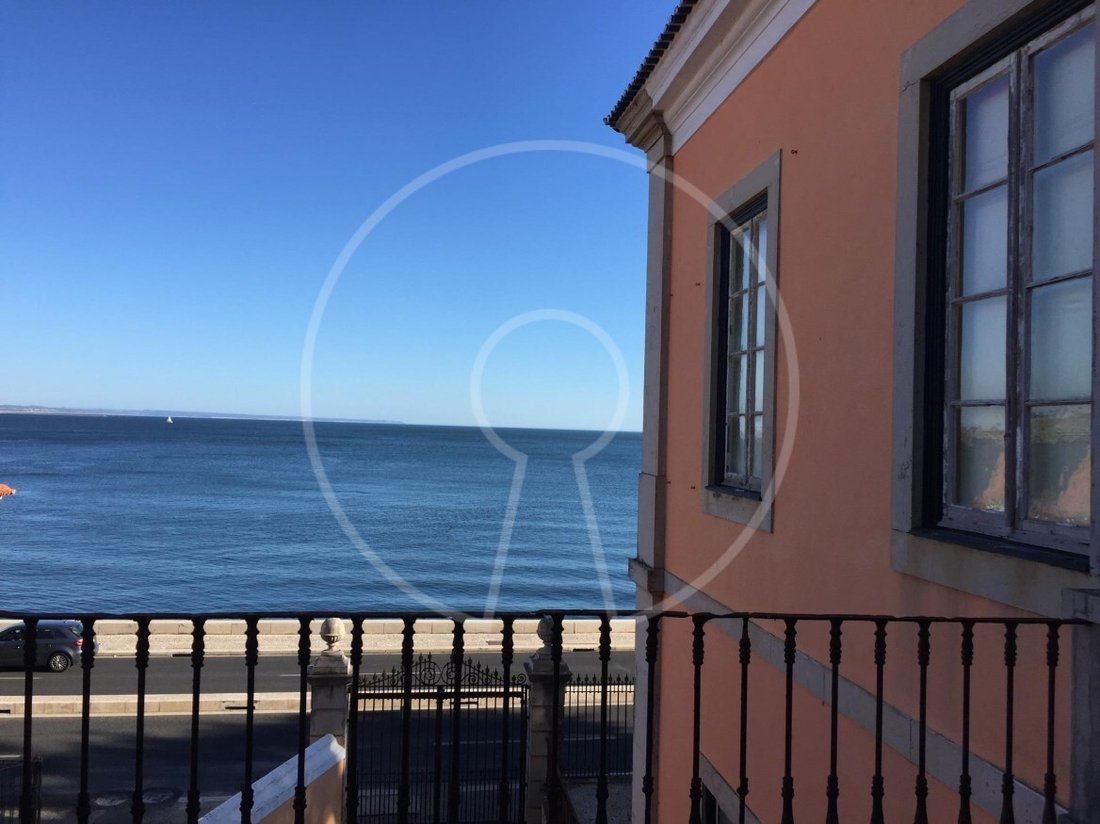
Mit Blick auf den Tejo und den Atlantik ist die Quinta etwa 150 Meter zum Meer hin ausgerichtet und befindet sich in einer Entfernung von etwa 30/40 Metern vom Meer (erste Meereslinie mit voller Aussicht). Sie besteht derzeit aus einem Palast, einem Stabshaus, 4 Garagen, einem Stall für 6 Pferde und einem Glockenturm mit einem insgesamt etwa 40 Divisionen.
Das gesamte Grundstück ist ummauert, ist derzeit autark mit Wasser und hat ein Aquädukt für Regenwasser gebaut, das unter der Randstraße (heute Costa Pinto Street genannt) fließt und zum Meer führt.
In seinen Gärten ist der Uhrenturm, der dem Anwesen den Namen gab, ein Teil.
Das Anwesen behält seine Verbindung zum portugiesischen Adel bei, der die heutigen Eigentümer sind, Nachkommen Seiner Königlichen Hoheit el Rey D. João I und D. Filipa de Lancastre, Königin von Portugal, die als Erbe eingestuft wird, das durch den Umweltschutzplan und das gebaute Erbe der Gemeinde Oeiras geschützt ist.
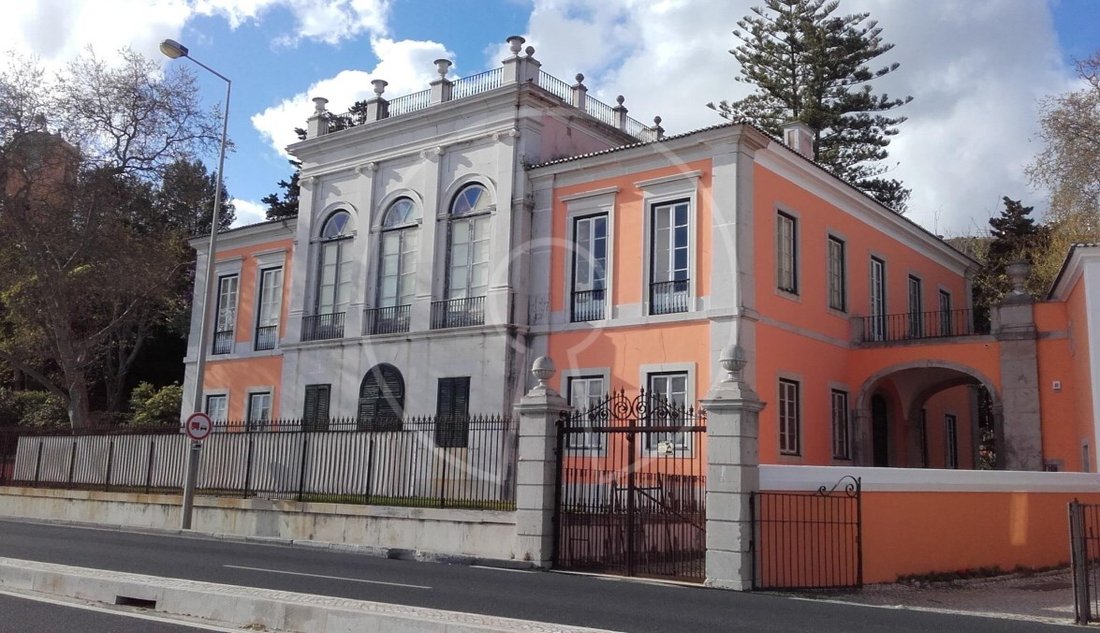
Das Hauptgebäude ist auf 2 Etagen verteilt, wo rund um den zentralen Raum die Veranda, die Eingangshalle und die vom Oberlicht beleuchtete Treppe verteilt sind.
Das Anwesen wird von der Gemeinde Oeiras als Valor Concelhio eingestuft
Energieeffizienzklasse: Ausgenommen
#ref:LANE_4378
Mit Blick auf den Tejo und den Atlantik ist die Quinta etwa 150 Meter zum Meer hin ausgerichtet und befindet sich in einer Entfernung von etwa 30/40 Metern vom Meer (erste Meereslinie mit voller Aussicht). Sie besteht derzeit aus einem Palast, einem Stabshaus, 4 Garagen, einem Stall für 6 Pferde und einem Glockenturm mit einem insgesamt etwa 40 Divisionen.
Das gesamte Grundstück ist ummauert, ist derzeit autark mit Wasser und hat ein Aquädukt für Regenwasser gebaut, das unter der Randstraße (heute Costa Pinto Street genannt) fließt und zum Meer führt.
In seinen Gärten ist der Uhrenturm, der dem Anwesen den Namen gab, ein Teil.
Das Anwesen behält seine Verbindung zum portugiesischen Adel bei, der die heutigen Eigentümer sind, Nachkommen Seiner Königlichen Hoheit el Rey D. João I und D. Filipa de Lancastre, Königin von Portugal, die als Erbe eingestuft wird, das durch den Umweltschutzplan und das gebaute Erbe der Gemeinde Oeiras geschützt ist.
Das Hauptgebäude ist auf 2 Etagen verteilt, wo rund um den zentralen Raum die Veranda, die Eingangshalle und die vom Oberlicht beleuchtete Treppe verteilt sind.
Das Anwesen wird von der Gemeinde Oeiras als Valor Concelhio eingestuft
Energieeffizienzklasse: Ausgenommen
#ref:LANE_4378
The Quinta do Relógio dates from the 19th century having been completed in 1860, under the direction of the architect Cinatti de Siena, and was the summer residence of His Royal Highness D. Fernando II of Portugal (son of Prince Ferdinand of Saxe-Coburg-Gotha and second husband of Queen Dona Maria II of Portugal).
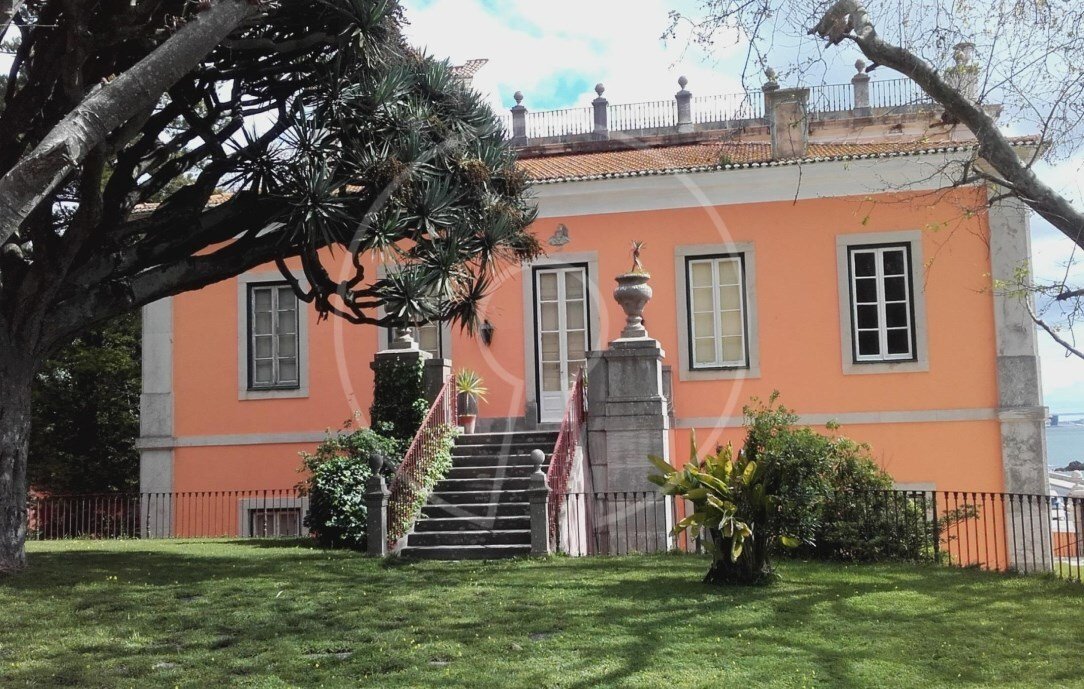
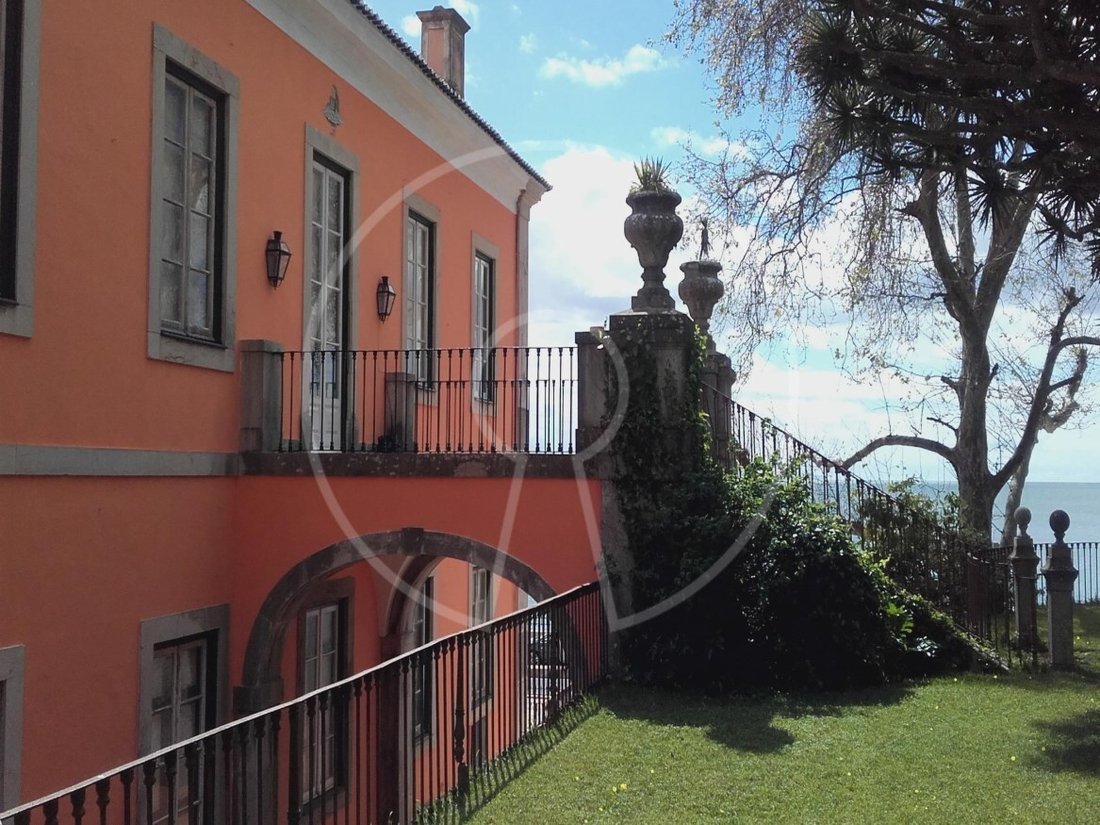
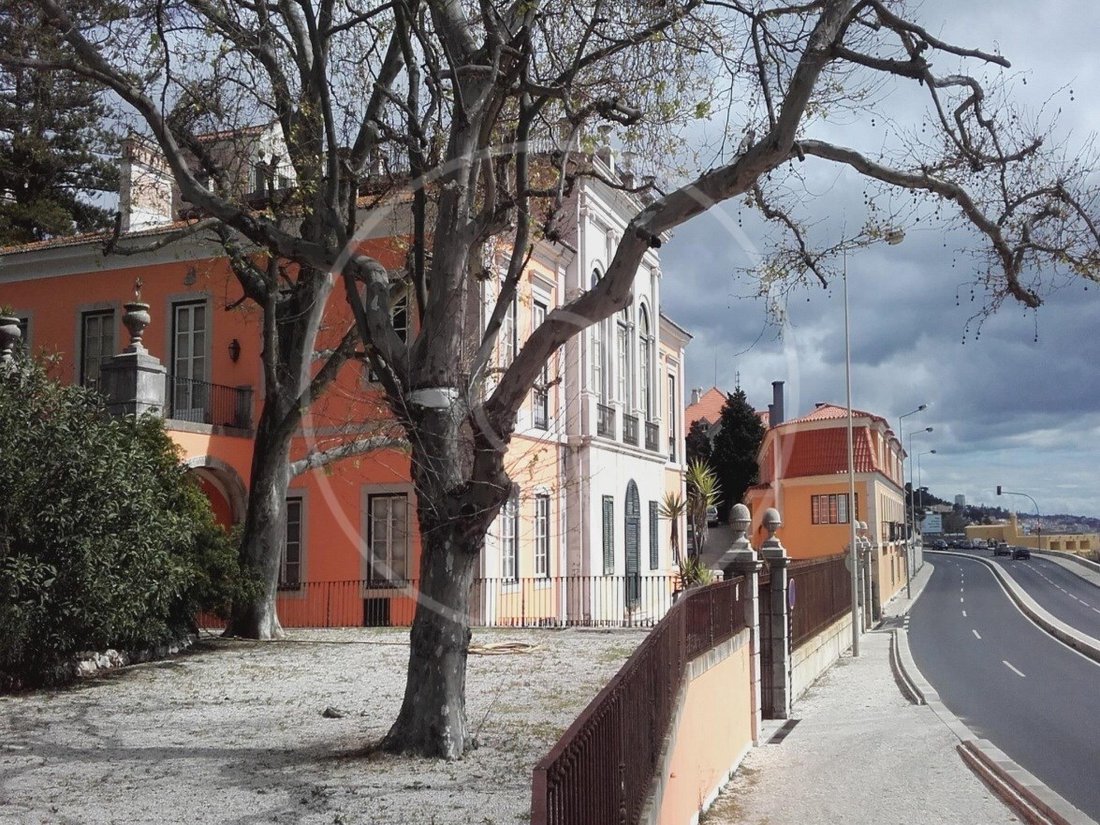
Overlooking the Tagus River and the Atlantic Ocean, the Quinta has approximately 150 meters facing the sea, located at a distance of about 30/40 meters from the Ocean (first line of sea with full view) is currently composed of a Palace, a Staff House, 4 Garages, a Stable for 6 horses and a Clock Tower, with a total of about 40 divisions.
The entire property is walled, is currently self-sufficient in water and has built an aqueduct for rainwater that passes under the Marginal Road (now called Costa Pinto Street) and that goes to the sea.
In its gardens the Clock Tower that gave the name to the property is a part.
The property maintains its connection to the Portuguese nobility being the current owners descendants of His Royal Highness el Rey D. João I and D. Filipa de Lancastre, Queen of Portugal being classified as heritage protected by the environmental safeguard plan and built heritage of the Municipality of Oeiras.
The main building is distributed over 2 floors where around the central space is distributed the porch, the entrance hall and the staircase illuminated by skylight.
The property is classified by the Municipality of Oeiras as Property with Valor Concelhio
Energy Rating: Exempt
#ref:LANE_4378
Overlooking the Tagus River and the Atlantic Ocean, the Quinta has approximately 150 meters facing the sea, located at a distance of about 30/40 meters from the Ocean (first line of sea with full view) is currently composed of a Palace, a Staff House, 4 Garages, a Stable for 6 horses and a Clock Tower, with a total of about 40 divisions.
The entire property is walled, is currently self-sufficient in water and has built an aqueduct for rainwater that passes under the Marginal Road (now called Costa Pinto Street) and that goes to the sea.
In its gardens the Clock Tower that gave the name to the property is a part.
The property maintains its connection to the Portuguese nobility being the current owners descendants of His Royal Highness el Rey D. João I and D. Filipa de Lancastre, Queen of Portugal being classified as heritage protected by the environmental safeguard plan and built heritage of the Municipality of Oeiras.
The main building is distributed over 2 floors where around the central space is distributed the porch, the entrance hall and the staircase illuminated by skylight.
The property is classified by the Municipality of Oeiras as Property with Valor Concelhio
Energy Rating: Exempt
#ref:LANE_4378
-
Art der Immobilie
Chateau
-
Etagen
3
-
Preis/Quadratfuß
$808
-
Emissionen
NI
-
Verbrauch
X
Funktionen
Erkunden Sie die Gegend
Paço de Arcos, Lissabon, Portugal
Auf Google Maps anzeigen
Preis pro sqft
Niedrig
Hoch
Vor 5 Jahren beigetreten
Sie haben sich nach diesem Objekt erkundigt
Der Agent wird sich in Kürze mit Ihnen in Verbindung setzen
Gelistet von
136
Angebote
2022
Beigetreten
Besichtigung mit the agent buchen
Wählen Sie ein Datum und ob Sie eine virtuelle oder persönliche Besichtigung mit dem Makler wünschen.
Bevorzugtes Datum
Art der Tour
Zuletzt aktualisiert
Juni 18
Erstmalig gelistet
Februar 23, 2022
Angebotsreferenz
LANE_4378-0518002506
Ähnliche Immobilien in der Nähe
Neue Angebote in Paço de Arcos

Entdecken Sie mehr Häuser zum Verkauf
Paço de Arcos, Lissabon, Portugal Immobilienarten
- Wohnungen zum Verkauf in Paço de Arcos, Lissabon, Portugal
- Häuser zum Verkauf in Paço de Arcos, Lissabon, Portugal
- Chateaus zum Verkauf in Paço de Arcos, Lissabon, Portugal
- Schlösser zum Verkauf in Paço de Arcos, Lissabon, Portugal
- Land zum Verkauf in Paço de Arcos, Lissabon, Portugal
- Penthouses zum Verkauf in Paço de Arcos, Lissabon, Portugal
Paço de Arcos, Lissabon, Portugal beliebte Suchanfragen
- Immobilien mit Bergblick in Paço de Arcos, Lissabon, Portugal
- Immobilien mit Outdoor-Küche in Paço de Arcos, Lissabon, Portugal
- Immobilien mit Golfblick in Paço de Arcos, Lissabon, Portugal
- Gesicherte Wohnanlage Immobilien in Paço de Arcos, Lissabon, Portugal
- Immobilien mit Sauna in Paço de Arcos, Lissabon, Portugal
- Immobilien mit Hallenbad in Paço de Arcos, Lissabon, Portugal
Paço de Arcos, Lissabon, Portugal nachbarschaften
Verwandte Leitfäden & Geschichten
Das Vertrauen der führenden Makler der Welt
Die Makler hinter den außergewöhnlichsten Immobilien der Welt inserieren bei JamesEdition.
- Angebote von Sotheby's, Christie's, BARNES und Engel & Völkers
- Jedes Angebot wird vor der Veröffentlichung geprüft
- Verbinden Sie sich direkt mit verifizierten Maklern
Indem Sie fortfahren, akzeptieren Sie unsere Nutzungsbedingungen und Datenschutzrichtlinie.