$6,000,000
Farm Founded In 1900
- 7 Schlafz.
- 5 Bäder
- 5,382 Sqft
- 4,942.0 Ac lot
- Aktualisiert: September 2, 2024
- 46
Über die Immobilie
Beschreibung wurde automatisch übersetzt.
Die Beschreibung wird in der Originalsprache angezeigt.
Im chilenischen Patagonien, nördlich von Punta Arenas, an der einzigen asphaltierten Straße, die zur Stadt Puerto Natales führt, wo sich der Nationalpark Torres del Paine, eine der bedeutendsten Touristenattraktionen Chiles, befindet, liegt dieses 2.000 Hektar große Anwesen, das ein enormes Tourismus- und Naturschutzpotenzial bietet. Das Herzstück des Anwesens ist das Haupthaus, ein gut gepflegtes
In Chilean Patagonia, north of Punta Arenas along the only paved road leading to the city of Puerto Natales—home to Torres del Paine National Park, one of Chile’s most significant tourist attractions—lies this 2,000-hectare estate, boasting tremendous tourism and conservation potential. The centerpiece of the property is the main house, a well-maintained 500-square-meter construction, complemented
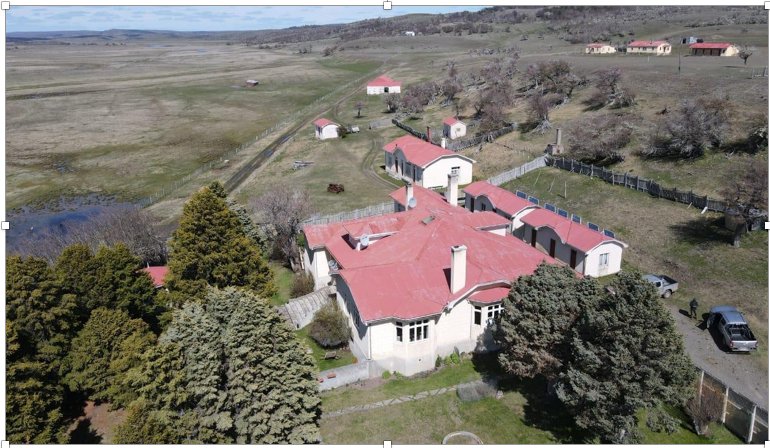
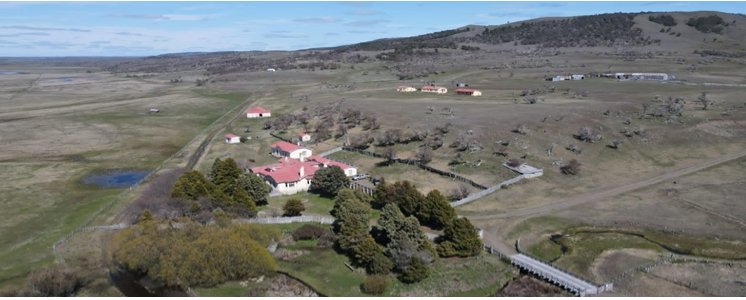
Im chilenischen Patagonien, nördlich von Punta Arenas, an der einzigen asphaltierten Straße, die zur Stadt Puerto Natales führt, wo sich der Nationalpark Torres del Paine, eine der bedeutendsten Touristenattraktionen Chiles, befindet, liegt dieses 2.000 Hektar große Anwesen, das ein enormes Tourismus- und Naturschutzpotenzial bietet. Das Herzstück des Anwesens ist das Haupthaus, ein gut gepflegtes 500 Quadratmeter großes Gebäude, das durch mehrere kleinere Häuser und zusätzliche Gebäude ergänzt wird, darunter Grillplätze, Lagerräume und Büros. Diese Merkmale ermöglichen die sofortige Entwicklung eines autarken Boutique-Hotelkomplexes mit zahlreichen natürlichen Attraktionen in seiner Umgebung.
Dieses Anwesen wurde 1900 während der goldenen Ära der Region Magallanes gegründet, angetrieben durch die Gründung von Schaffarmen, die durch die Nachfrage der englischen Textilindustrie zu dieser Zeit stimuliert wurden. Im Laufe der Jahre wurden diese Ländereien immer produktiver, nicht nur bei Wolle, sondern auch bei Lamm- und Rindfleisch, was zur Geschichte des chilenischen Patagoniens beitrug.
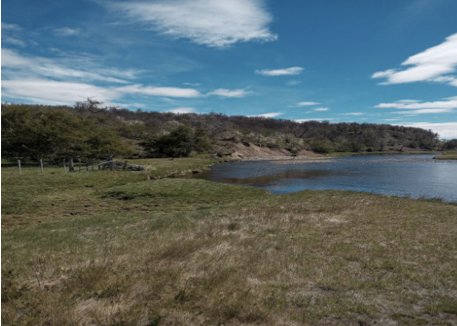
Das Anwesen verfügt über eine private 12 Kilometer lange Zufahrtsstraße, die ein Höchstmaß an Privatsphäre gewährleistet. Eine seiner Grenzen umfasst einen 10 Kilometer langen Abschnitt entlang eines Flusses und ist somit eine hervorragende Ressource für das Fliegenfischen mit Arten wie Bach- und Regenbogenforellen.
Neben seiner touristischen und gastfreundlichen Atmosphäre beherbergt das Anwesen auch eine einzigartige Flora und Fauna. Eine bedeutende Anzahl von Pumas, Füchsen, Hasen, Koypus, Stinktieren, Gürteltieren und Wildkatzen lebt in der Gegend. Vogelbeobachter finden hier ein Paradies mit einer Vielzahl von Enten, Falken, riesigen Magellan-Eulen (Tuqueres), Chuncos, Caturras, Turren, Turmfalken, Schnepfen, Blässhühnern und Kormoranen. Es ist auch ein Nistplatz für Bandurrien auf einer kleinen Insel und bietet eine vielfältige Pflanzenwelt.
Dieses Anwesen wurde 1900 während der goldenen Ära der Region Magallanes gegründet, angetrieben durch die Gründung von Schaffarmen, die durch die Nachfrage der englischen Textilindustrie zu dieser Zeit stimuliert wurden. Im Laufe der Jahre wurden diese Ländereien immer produktiver, nicht nur bei Wolle, sondern auch bei Lamm- und Rindfleisch, was zur Geschichte des chilenischen Patagoniens beitrug.
Das Anwesen verfügt über eine private 12 Kilometer lange Zufahrtsstraße, die ein Höchstmaß an Privatsphäre gewährleistet. Eine seiner Grenzen umfasst einen 10 Kilometer langen Abschnitt entlang eines Flusses und ist somit eine hervorragende Ressource für das Fliegenfischen mit Arten wie Bach- und Regenbogenforellen.
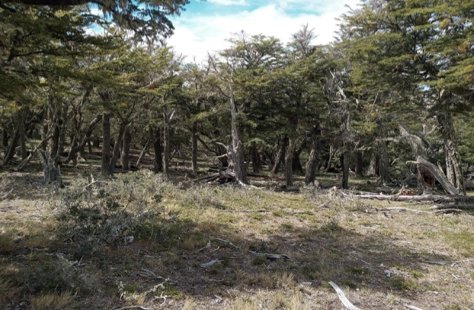
Neben seiner touristischen und gastfreundlichen Atmosphäre beherbergt das Anwesen auch eine einzigartige Flora und Fauna. Eine bedeutende Anzahl von Pumas, Füchsen, Hasen, Koypus, Stinktieren, Gürteltieren und Wildkatzen lebt in der Gegend. Vogelbeobachter finden hier ein Paradies mit einer Vielzahl von Enten, Falken, riesigen Magellan-Eulen (Tuqueres), Chuncos, Caturras, Turren, Turmfalken, Schnepfen, Blässhühnern und Kormoranen. Es ist auch ein Nistplatz für Bandurrien auf einer kleinen Insel und bietet eine vielfältige Pflanzenwelt.
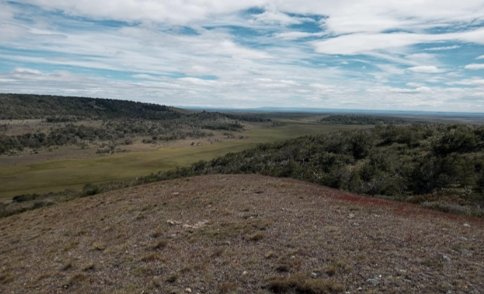
In Chilean Patagonia, north of Punta Arenas along the only paved road leading to the city of Puerto Natales—home to Torres del Paine National Park, one of Chile’s most significant tourist attractions—lies this 2,000-hectare estate, boasting tremendous tourism and conservation potential. The centerpiece of the property is the main house, a well-maintained 500-square-meter construction, complemented by several smaller houses and additional buildings, including barbecue areas, storage facilities, and offices. These features allow for the immediate development of a self-sufficient boutique hotel complex with numerous natural attractions in its surroundings.
This estate was founded in 1900 during the golden era of the Magallanes region, spurred by the establishment of sheep farms that were stimulated by the demand of the English textile industry at that time. Over the years, these lands became increasingly productive, not only in wool but also in lamb and beef, contributing to the history of Chilean Patagonia.
The estate features a private 12-kilometer access road, ensuring utmost privacy. One of its borders includes a 10-kilometer stretch along a river, making it an excellent resource for fly fishing, with species such as brown and rainbow trout.
In addition to its tourism and hospitality appeal, the estate is home to unique flora and fauna. A significant number of pumas, foxes, hares, coypus, skunks, armadillos, and wildcats inhabit the area. Bird-watching enthusiasts will find a paradise here, with a variety of ducks, hawks, Giant Magellanic owls (Tuququeres), chuncos, caturras, kestrels, snipes, coots, and cormorants, among others. It is also a nesting site for bandurrias on a small islet and boasts a diverse range of plant life.
This estate was founded in 1900 during the golden era of the Magallanes region, spurred by the establishment of sheep farms that were stimulated by the demand of the English textile industry at that time. Over the years, these lands became increasingly productive, not only in wool but also in lamb and beef, contributing to the history of Chilean Patagonia.
The estate features a private 12-kilometer access road, ensuring utmost privacy. One of its borders includes a 10-kilometer stretch along a river, making it an excellent resource for fly fishing, with species such as brown and rainbow trout.
In addition to its tourism and hospitality appeal, the estate is home to unique flora and fauna. A significant number of pumas, foxes, hares, coypus, skunks, armadillos, and wildcats inhabit the area. Bird-watching enthusiasts will find a paradise here, with a variety of ducks, hawks, Giant Magellanic owls (Tuququeres), chuncos, caturras, kestrels, snipes, coots, and cormorants, among others. It is also a nesting site for bandurrias on a small islet and boasts a diverse range of plant life.
-
Art der Immobilie
Farm Ranch
-
Etagen
2
-
Baujahr
1900
-
Preis/Quadratfuß
$1,114
Funktionen
- Flussblick
- Panorama
Erkunden Sie die Gegend
Laguna Blanca, Magallanes y la Antártica Chilena, Provinz Magallanes, Chile
Auf Google Maps anzeigen
Preis pro sqft
Niedrig
Hoch
Vor 2 Jahren beigetreten
Sie haben sich nach diesem Objekt erkundigt
Der Agent wird sich in Kürze mit Ihnen in Verbindung setzen
Gelistet von
15
Angebote
2024
Beigetreten
Besichtigung mit the agent buchen
Wählen Sie ein Datum und ob Sie eine virtuelle oder persönliche Besichtigung mit dem Makler wünschen.
Bevorzugtes Datum
Art der Tour
Zuletzt aktualisiert
September 2, 2024
Erstmalig gelistet
August 29, 2024
Ähnliche Immobilien in der Nähe
Neue Angebote in Provinz Magallanes



Entdecken Sie mehr Häuser zum Verkauf
Provinz Magallanes, Chile Städte
Provinz Magallanes, Chile Immobilienarten
Provinz Magallanes, Chile beliebte Suchanfragen
Verwandte Leitfäden & Geschichten
Das Vertrauen der führenden Makler der Welt
Die Makler hinter den außergewöhnlichsten Immobilien der Welt inserieren bei JamesEdition.
- Angebote von Sotheby's, Christie's, BARNES und Engel & Völkers
- Jedes Angebot wird vor der Veröffentlichung geprüft
- Verbinden Sie sich direkt mit verifizierten Maklern
Indem Sie fortfahren, akzeptieren Sie unsere Nutzungsbedingungen und Datenschutzrichtlinie.