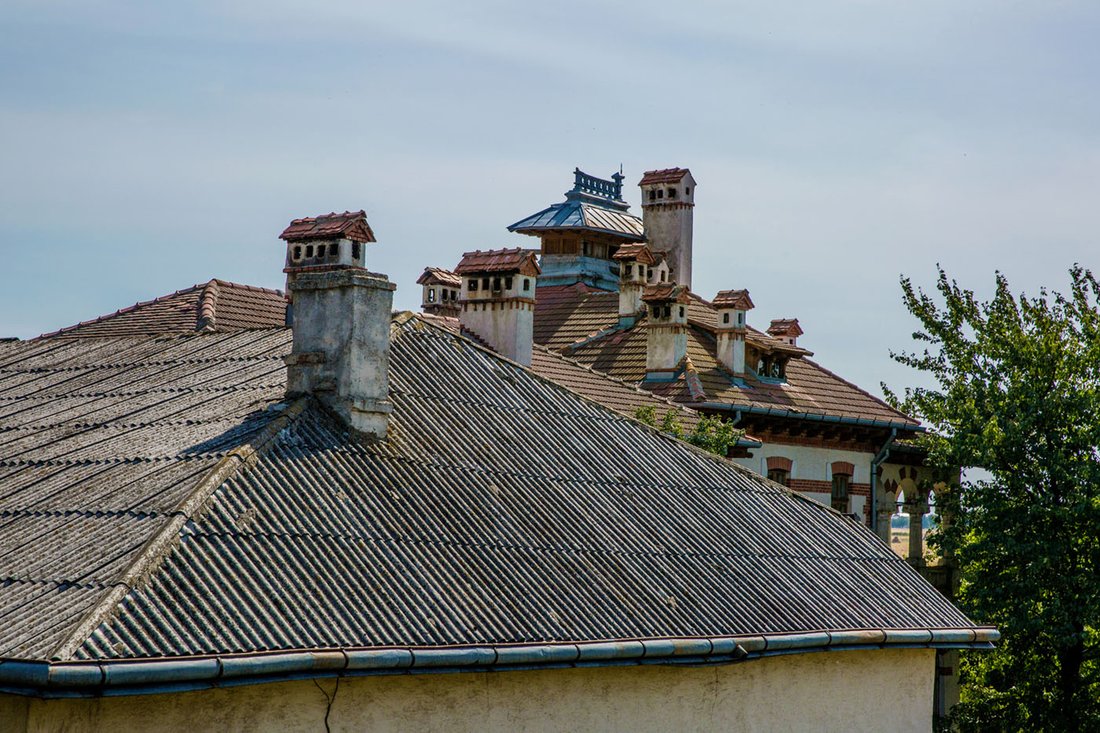
Alexandrescu Manor From Guranda, Neo Romanian Style
- 23 Schlafz.
- 5 Bäder
- 40.73 Ac lot
- 12
Über die Immobilie
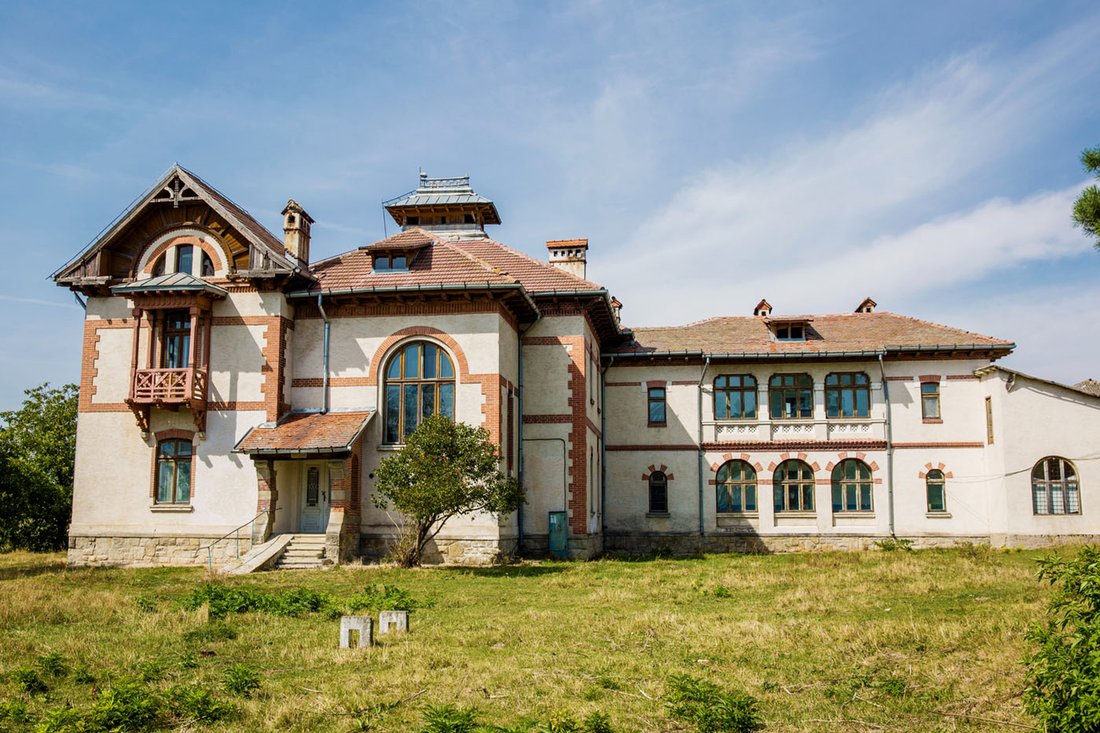
Alexandrescu Manor from Guranda has a history of more than one century, being built at the order of the spouses Mihai and Mathilde Alexandrescu, Mihai being a Wallach boyar who settled down in Moldova at the end of the 19th century, around 1890.
Situated at approximately 40 km from Botoșani, the property of the family Alexandrescu was about to become not only residence, but als
Alexandrescu Manor from Guranda has a history of more than one century, being built at the order of the spouses Mihai and Mathilde Alexandrescu, Mihai being a Wallach boyar who settled down in Moldova at the end of the 19th century, around 1890.
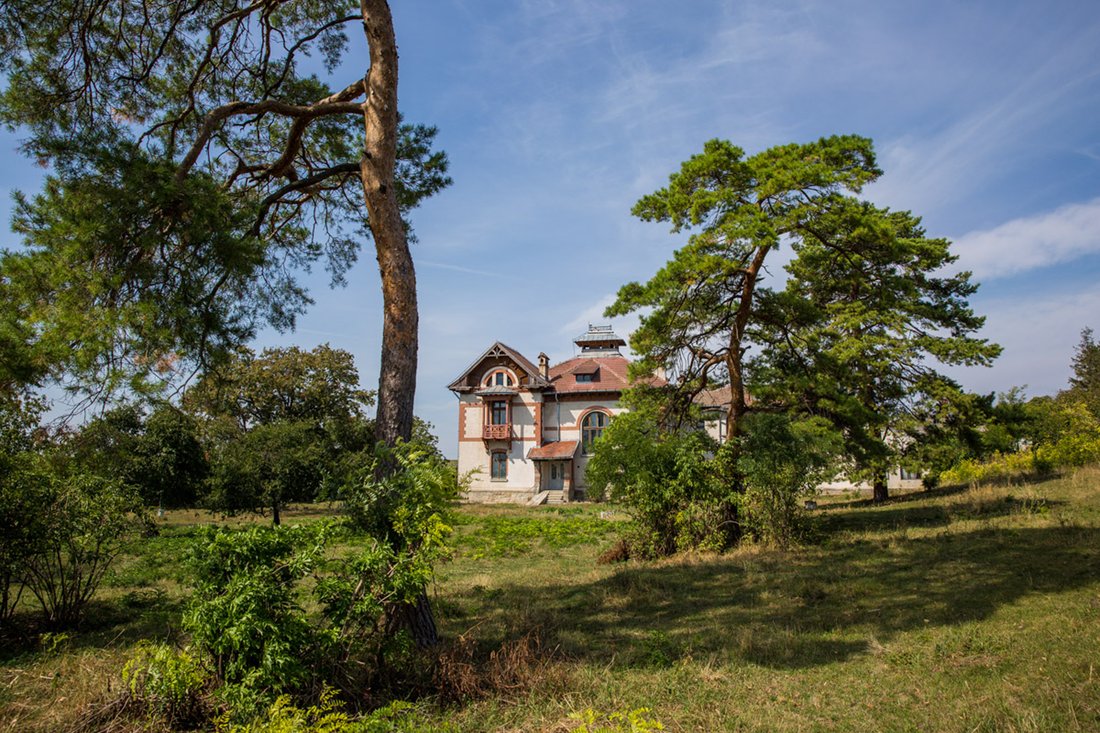
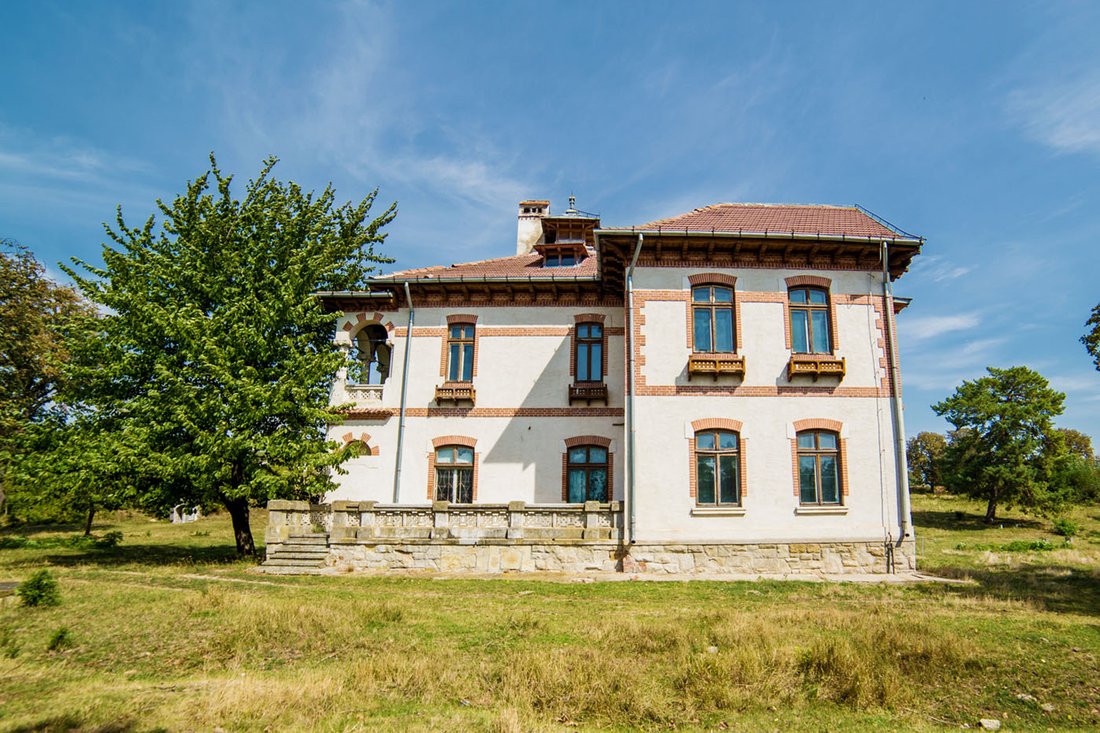
Situated at approximately 40 km from Botoșani, the property of the family Alexandrescu was about to become not only residence, but also a source of income, the domain being extended with hundreds of hectares. The main building was buttoned up in 1905, the project being signed by a Venetian architect. The estate borrows obviously from the typical architecture of those times, Neo-Romanian style, the Neo-Romanian style being the most dashing at the turn of the centuries.
Notwithstanding, the estate is marked by different decorative effects that offer a special aspect, monumentally – the use of the brick in the decoration of the borders or of the wooden frames in the tracing of small balconies. The heiress of the manor was the only daughter of the Alexandrescu spouses, Yvonne (1890-1974), who had to enter in the big Cantacuzino family, getting married with Ion Cantacuzino (1888-1954), with whom she had a daughter, Claudina (born 1914).
After the dispossessions from the year 1948, the manor enters in the property of the communist state, which, since 1949, has set up in the manor from Guranda a hospital unit. In the 2000s, the mansion is taken into family ownership, by his heirs.
-
Art der Immobilie
Andere
-
Baujahr
1905
Funktionen
Erkunden Sie die Gegend
Der Agent wird sich in Kürze mit Ihnen in Verbindung setzen
Gelistet von
Besichtigung mit Constantin Prisecaru buchen
Wählen Sie ein Datum und ob Sie eine virtuelle oder persönliche Besichtigung mit dem Makler wünschen.

Das Vertrauen der führenden Makler der Welt
Die Makler hinter den außergewöhnlichsten Immobilien der Welt inserieren bei JamesEdition.
- Angebote von Sotheby's, Christie's, BARNES und Engel & Völkers
- Jedes Angebot wird vor der Veröffentlichung geprüft
- Verbinden Sie sich direkt mit verifizierten Maklern
Indem Sie fortfahren, akzeptieren Sie unsere Nutzungsbedingungen und Datenschutzrichtlinie.