$4,222,407
Anwesen Mit Touristischem Potenzial Neben Dem Campilhas Dam
- 5,382 Sqft
- 522.14 Ac lot
- Aktualisiert: August 19
- 1
Über die Immobilie
Beschreibung wurde automatisch übersetzt.
Die Beschreibung wird in der Originalsprache angezeigt.
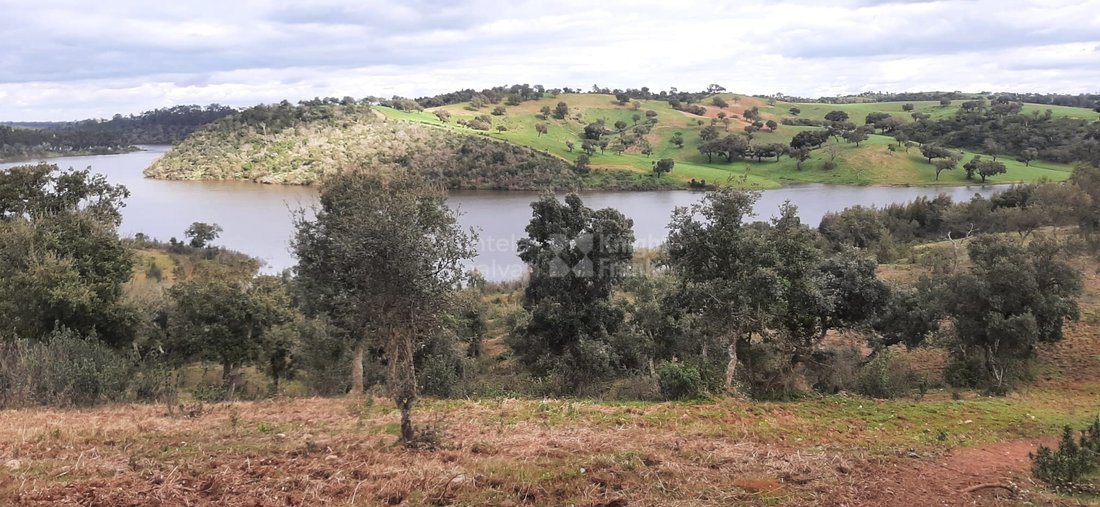
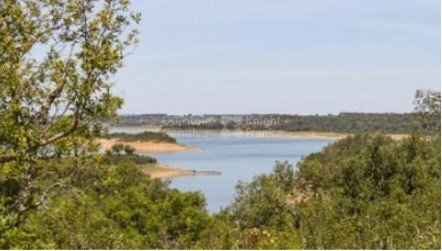
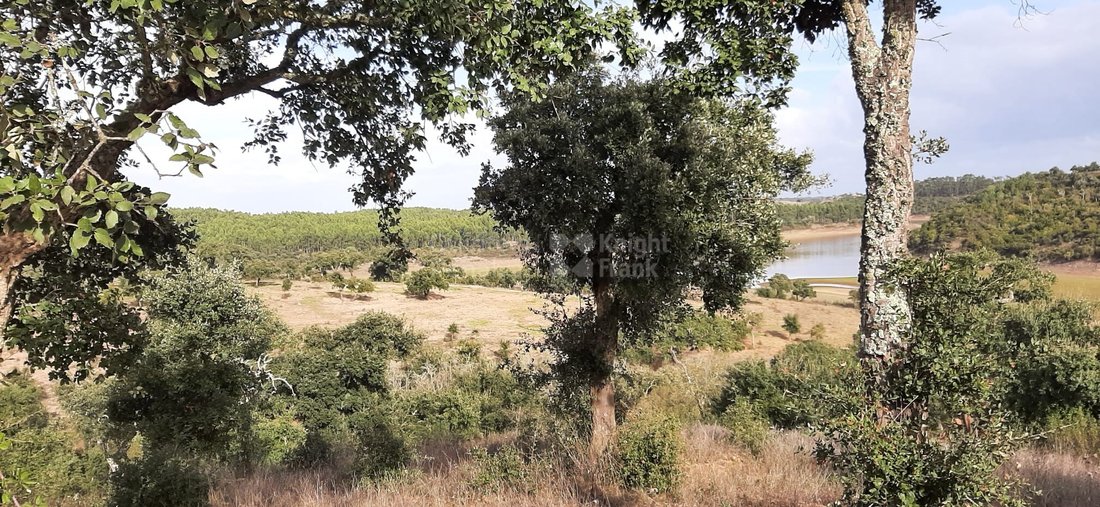
Landgut mit 211,3 Hektar, ca. 20 km von Porto Covo entfernt, in einer Umgebung von großer Ruhe und herausragender Landschaftsqualität. Das gesamte Grundstück grenzt an den Campilhas-Damm und bietet eine seltene natürliche Umgebung von erheblichem ökologischem Wert.
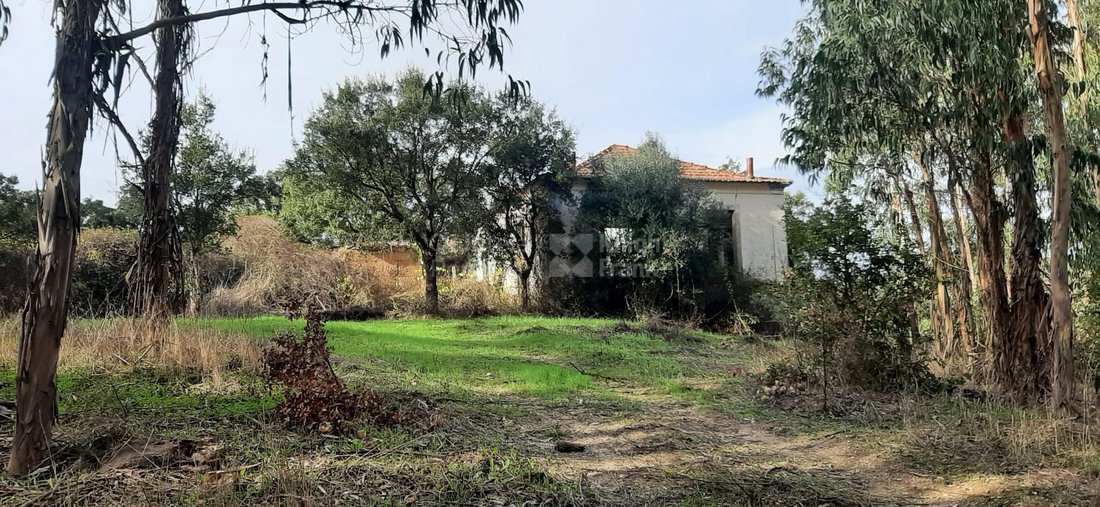
Ruine: Erweiterungspotenzial bis zu 500 qm für Wohnzwecke;
PIP: 6.000 m² Bruttobaufläche für ein Tourismusprojekt.
Ruine: Erweiterungspotenzial bis zu 500 qm für Wohnzwecke;
PIP: 6.000 m² Bruttobaufläche für ein Tourismusprojekt.
Estate with 211.3 hectares, located approximately 20 km from Porto Covo, in a setting of great tranquillity and outstanding landscape quality. The entire property borders the Campilhas Dam, providing a rare natural setting of significant environmental value.
Ruin: extension potential up to 500 sqm for residential use;
PIP: 6,000 sqm of gross construction area for a tourism project.
Ruin: extension potential up to 500 sqm for residential use;
PIP: 6,000 sqm of gross construction area for a tourism project.
Landgut mit 211,3 Hektar, ca. 20 km von Porto Covo entfernt, in einer Umgebung von großer Ruhe und herausragender Landschaftsqualität. Das gesamte Grundstück grenzt an den Campilhas-Damm und bietet eine seltene natürliche Umgebung von erheblichem ökologischem Wert.
Ruine: Erweiterungspotenzial bis zu 500 qm für Wohnzwecke;
PIP: 6.000 m² Bruttobaufläche für ein Tourismusprojekt.
Das Anwesen besteht aus drei ländlichen Grundstücken und einem städtischen Grundstück, das überwiegend von Korkeichen- und Steineichenwäldern bedeckt ist, die für die Region typisch und von hohem ökologischem Interesse sind.
Aufgrund seiner einzigartigen Eigenschaften, Größe, Wasserressourcen und natürlichen Umgebung bietet dieses Anwesen eine hervorragende Gelegenheit für die Entwicklung eines unverwechselbaren Tourismusprojekts sowie für eine langfristige Investition in eine der gefragtesten Gegenden der Alentejo-Küste.
Ursprünglich eine vorkeltische Siedlung und später ein keltischer Stadtkern, wurde es bis in die nachimperiale Zeit, insbesondere vom 1. Jahrhundert v. Chr. bis zum 5. Jahrhundert n. Chr., romanisiert. Während der keltischen Ära gab es zwar bereits Beziehungen zu anderen Völkern der Iberischen Halbinsel, vor allem im Süden, aber unter römischer Herrschaft wurde das tägliche Leben der Siedlung wiederbelebt und sie wurde zur wichtigsten römischen Stadt an der Westküste südlich des Tejo. Salatia Imperatoria oder Mirobriga Celtici (Gelehrte sind sich über den Namen uneinig) verfügte über ein Forum mit seinem Tempel, imposanten Bädern oder Thermen und (1 km entfernt) das einzige bekannte römische Hippodrom in Portugal.
Im 19. Jahrhundert, während der Zeit der Majorate, glich Santiago do Cacém einem kleinen Hof, in dem die lokalen Herren in Luxus und Pracht lebten. Die opulenten Häuser der Grafen von Bracial, La Cerda, Beja, des Capitão-Mor, der Grafen von Avillez, Fonseca Achaiolli und anderer dominierten die Stadt und andere Teile des Alentejo. Die folgenden Fakten spiegeln nicht nur den Reichtum dieser Lords wider, sondern auch den Aufstieg des blühenden und malerischen Lebens der Stadt in der ersten Hälfte des 20. Jahrhunderts zu nationaler Bedeutung: - 1895 gehörte das erste Auto, das nach Portugal kam, dem Grafen von Avillez aus Santiago do Cacém; - Der erste Rolls Royce, der nach Portugal kam, kam auch nach Santiago do Cacém, im Besitz von José Sande Champalimaud; - Fahrzeugzulassung Nr. 1, 1904 vom Ministerium für öffentliche Arbeiten ausgestellt, wurde Santiago do Cacém im Namen von Augusto Teixeira de Aragão verliehen.
In dieser Zeit der wirtschaftlichen Entwicklung entwickelten sich neben innovativen Agrar- und Viehzuchtmethoden (hauptsächlich Getreide, Obst und Kork sowie Pferde-, Maultier-, Esel-, Rinder-, Schaf-, Ziegen- und Schweinezucht) auch Industrie und Handel (Kork, Metallbearbeitung, Müllerei usw.). Nach 40 Jahren der Stagnation erlebte die Gemeinde in den 1970er Jahren eine neue Phase der Stadterweiterung — die größte, die es je gab, aber diesmal geplant und geordnet.
Von der Spitze des Schlosses aus, am Passeio das Romeirinhas, der die Festung umgibt, ist die Landschaft rund um Santiago do Cacém atemberaubend. Im Inneren beherbergt die Pfarrkirche, die nach dem Erdbeben von 1755 wieder aufgebaut wurde, Elemente des früheren gotischen Tempels, der vom Orden von Santiago da Espada in Auftrag gegeben wurde.
#ref: PROP-33124
Ruine: Erweiterungspotenzial bis zu 500 qm für Wohnzwecke;
PIP: 6.000 m² Bruttobaufläche für ein Tourismusprojekt.
Das Anwesen besteht aus drei ländlichen Grundstücken und einem städtischen Grundstück, das überwiegend von Korkeichen- und Steineichenwäldern bedeckt ist, die für die Region typisch und von hohem ökologischem Interesse sind.
Aufgrund seiner einzigartigen Eigenschaften, Größe, Wasserressourcen und natürlichen Umgebung bietet dieses Anwesen eine hervorragende Gelegenheit für die Entwicklung eines unverwechselbaren Tourismusprojekts sowie für eine langfristige Investition in eine der gefragtesten Gegenden der Alentejo-Küste.
Ursprünglich eine vorkeltische Siedlung und später ein keltischer Stadtkern, wurde es bis in die nachimperiale Zeit, insbesondere vom 1. Jahrhundert v. Chr. bis zum 5. Jahrhundert n. Chr., romanisiert. Während der keltischen Ära gab es zwar bereits Beziehungen zu anderen Völkern der Iberischen Halbinsel, vor allem im Süden, aber unter römischer Herrschaft wurde das tägliche Leben der Siedlung wiederbelebt und sie wurde zur wichtigsten römischen Stadt an der Westküste südlich des Tejo. Salatia Imperatoria oder Mirobriga Celtici (Gelehrte sind sich über den Namen uneinig) verfügte über ein Forum mit seinem Tempel, imposanten Bädern oder Thermen und (1 km entfernt) das einzige bekannte römische Hippodrom in Portugal.
Im 19. Jahrhundert, während der Zeit der Majorate, glich Santiago do Cacém einem kleinen Hof, in dem die lokalen Herren in Luxus und Pracht lebten. Die opulenten Häuser der Grafen von Bracial, La Cerda, Beja, des Capitão-Mor, der Grafen von Avillez, Fonseca Achaiolli und anderer dominierten die Stadt und andere Teile des Alentejo. Die folgenden Fakten spiegeln nicht nur den Reichtum dieser Lords wider, sondern auch den Aufstieg des blühenden und malerischen Lebens der Stadt in der ersten Hälfte des 20. Jahrhunderts zu nationaler Bedeutung: - 1895 gehörte das erste Auto, das nach Portugal kam, dem Grafen von Avillez aus Santiago do Cacém; - Der erste Rolls Royce, der nach Portugal kam, kam auch nach Santiago do Cacém, im Besitz von José Sande Champalimaud; - Fahrzeugzulassung Nr. 1, 1904 vom Ministerium für öffentliche Arbeiten ausgestellt, wurde Santiago do Cacém im Namen von Augusto Teixeira de Aragão verliehen.
In dieser Zeit der wirtschaftlichen Entwicklung entwickelten sich neben innovativen Agrar- und Viehzuchtmethoden (hauptsächlich Getreide, Obst und Kork sowie Pferde-, Maultier-, Esel-, Rinder-, Schaf-, Ziegen- und Schweinezucht) auch Industrie und Handel (Kork, Metallbearbeitung, Müllerei usw.). Nach 40 Jahren der Stagnation erlebte die Gemeinde in den 1970er Jahren eine neue Phase der Stadterweiterung — die größte, die es je gab, aber diesmal geplant und geordnet.
Von der Spitze des Schlosses aus, am Passeio das Romeirinhas, der die Festung umgibt, ist die Landschaft rund um Santiago do Cacém atemberaubend. Im Inneren beherbergt die Pfarrkirche, die nach dem Erdbeben von 1755 wieder aufgebaut wurde, Elemente des früheren gotischen Tempels, der vom Orden von Santiago da Espada in Auftrag gegeben wurde.
#ref: PROP-33124
Estate with 211.3 hectares, located approximately 20 km from Porto Covo, in a setting of great tranquillity and outstanding landscape quality. The entire property borders the Campilhas Dam, providing a rare natural setting of significant environmental value.
Ruin: extension potential up to 500 sqm for residential use;
PIP: 6,000 sqm of gross construction area for a tourism project.
The estate comprises three rustic plots and one urban plot, being predominantly covered by cork oak and holm oak woodland, typical of the region and of high ecological interest.
Due to its unique characteristics, size, water resources and natural surroundings, this estate represents an excellent opportunity for the development of a distinctive tourism project, as well as a long-term investment in one of the most sought-after areas of the Alentejo Coast.
Originally a pre-Celtic settlement and later a Celtic urban cluster, it underwent Romanisation up to the post-imperial period, specifically from the 1st century BC to the 5th century AD. Although during the Celtic era there were already relations with other peoples of the Iberian Peninsula, particularly to the south, it was under Roman rule that the settlement’s daily life was revitalised, becoming the main Roman city on the western coast south of the River Tagus. Salatia Imperatoria or Mirobriga Celtici (scholars are divided on the name) featured a forum with its temple, imposing baths or thermae, and (1 km away) the only known Roman hippodrome in Portugal.
In the 19th century, during the period of majorats, Santiago do Cacém was akin to a small court, where the local lords lived in luxury and splendour. The opulent houses of the Counts of Bracial, La Cerda, Beja, the capitão-mor, the Counts of Avillez, Fonseca Achaiolli and others dominated the town and other parts of the Alentejo. The following facts not only reflect the wealth of these Lords, but also the rise of the town’s flourishing and picturesque life in the first half of the 20th century to national prominence: - In 1895, the first automobile to arrive in Portugal belonged to the Count of Avillez, from Santiago do Cacém; - The first Rolls Royce to enter Portugal also came to Santiago do Cacém, owned by José Sande Champalimaud; - Vehicle registration no. 1, issued by the Ministry of Public Works in 1904, was granted to Santiago do Cacém, in the name of Augusto Teixeira de Aragão.
During this period of economic development, alongside innovative agricultural and livestock farming techniques (mainly cereals, fruit and cork, as well as horse, mule, donkey, cattle, sheep, goat and pig breeding), industry and commerce also developed (cork, metalwork, milling, etc.). After 40 years of stagnation, the municipality experienced a new phase of urban expansion in the 1970sthe largest everbut this time planned and orderly.
From the top of the castle, at the Passeio das Romeirinhas, which surrounds the fortress, the landscape around Santiago do Cacém is breathtaking. Inside, the parish church, rebuilt after the 1755 earthquake, incorporates elements of the previous Gothic temple commissioned by the Order of Santiago da Espada.
#ref:PROP-33124
Ruin: extension potential up to 500 sqm for residential use;
PIP: 6,000 sqm of gross construction area for a tourism project.
The estate comprises three rustic plots and one urban plot, being predominantly covered by cork oak and holm oak woodland, typical of the region and of high ecological interest.
Due to its unique characteristics, size, water resources and natural surroundings, this estate represents an excellent opportunity for the development of a distinctive tourism project, as well as a long-term investment in one of the most sought-after areas of the Alentejo Coast.
Originally a pre-Celtic settlement and later a Celtic urban cluster, it underwent Romanisation up to the post-imperial period, specifically from the 1st century BC to the 5th century AD. Although during the Celtic era there were already relations with other peoples of the Iberian Peninsula, particularly to the south, it was under Roman rule that the settlement’s daily life was revitalised, becoming the main Roman city on the western coast south of the River Tagus. Salatia Imperatoria or Mirobriga Celtici (scholars are divided on the name) featured a forum with its temple, imposing baths or thermae, and (1 km away) the only known Roman hippodrome in Portugal.
In the 19th century, during the period of majorats, Santiago do Cacém was akin to a small court, where the local lords lived in luxury and splendour. The opulent houses of the Counts of Bracial, La Cerda, Beja, the capitão-mor, the Counts of Avillez, Fonseca Achaiolli and others dominated the town and other parts of the Alentejo. The following facts not only reflect the wealth of these Lords, but also the rise of the town’s flourishing and picturesque life in the first half of the 20th century to national prominence: - In 1895, the first automobile to arrive in Portugal belonged to the Count of Avillez, from Santiago do Cacém; - The first Rolls Royce to enter Portugal also came to Santiago do Cacém, owned by José Sande Champalimaud; - Vehicle registration no. 1, issued by the Ministry of Public Works in 1904, was granted to Santiago do Cacém, in the name of Augusto Teixeira de Aragão.
During this period of economic development, alongside innovative agricultural and livestock farming techniques (mainly cereals, fruit and cork, as well as horse, mule, donkey, cattle, sheep, goat and pig breeding), industry and commerce also developed (cork, metalwork, milling, etc.). After 40 years of stagnation, the municipality experienced a new phase of urban expansion in the 1970sthe largest everbut this time planned and orderly.
From the top of the castle, at the Passeio das Romeirinhas, which surrounds the fortress, the landscape around Santiago do Cacém is breathtaking. Inside, the parish church, rebuilt after the 1755 earthquake, incorporates elements of the previous Gothic temple commissioned by the Order of Santiago da Espada.
#ref:PROP-33124
-
Art der Immobilie
Anwesen
-
Preis/Quadratfuß
$784
-
Emissionen
NI
-
Verbrauch
NI
Funktionen
Erkunden Sie die Gegend
Ermidas do Sado, Setúbal Municipality, Portugal
Auf Google Maps anzeigen
Preis pro sqft
Niedrig
Hoch
Vor 5 Jahren beigetreten
Sie haben sich nach diesem Objekt erkundigt
Der Agent wird sich in Kürze mit Ihnen in Verbindung setzen
Gelistet von
322
Angebote
2022
Beigetreten
Besichtigung mit the agent buchen
Wählen Sie ein Datum und ob Sie eine virtuelle oder persönliche Besichtigung mit dem Makler wünschen.
Bevorzugtes Datum
Art der Tour
Zuletzt aktualisiert
August 19
Erstmalig gelistet
Mai 8
Angebotsreferenz
PROP-33124-0525804463
Das Vertrauen der führenden Makler der Welt
Die Makler hinter den außergewöhnlichsten Immobilien der Welt inserieren bei JamesEdition.
- Angebote von Sotheby's, Christie's, BARNES und Engel & Völkers
- Jedes Angebot wird vor der Veröffentlichung geprüft
- Verbinden Sie sich direkt mit verifizierten Maklern
Indem Sie fortfahren, akzeptieren Sie unsere Nutzungsbedingungen und Datenschutzrichtlinie.