$5,264,820
Festungsburg Aus Dem 18. Jahrhundert An Der Costa Da Morte (A Coruña)
- 9 Schlafz.
- 9 Bäder
- 20,452 Sqft
- 110
Über die Immobilie
Beschreibung wurde automatisch übersetzt.
Die Beschreibung wird in der Originalsprache angezeigt.
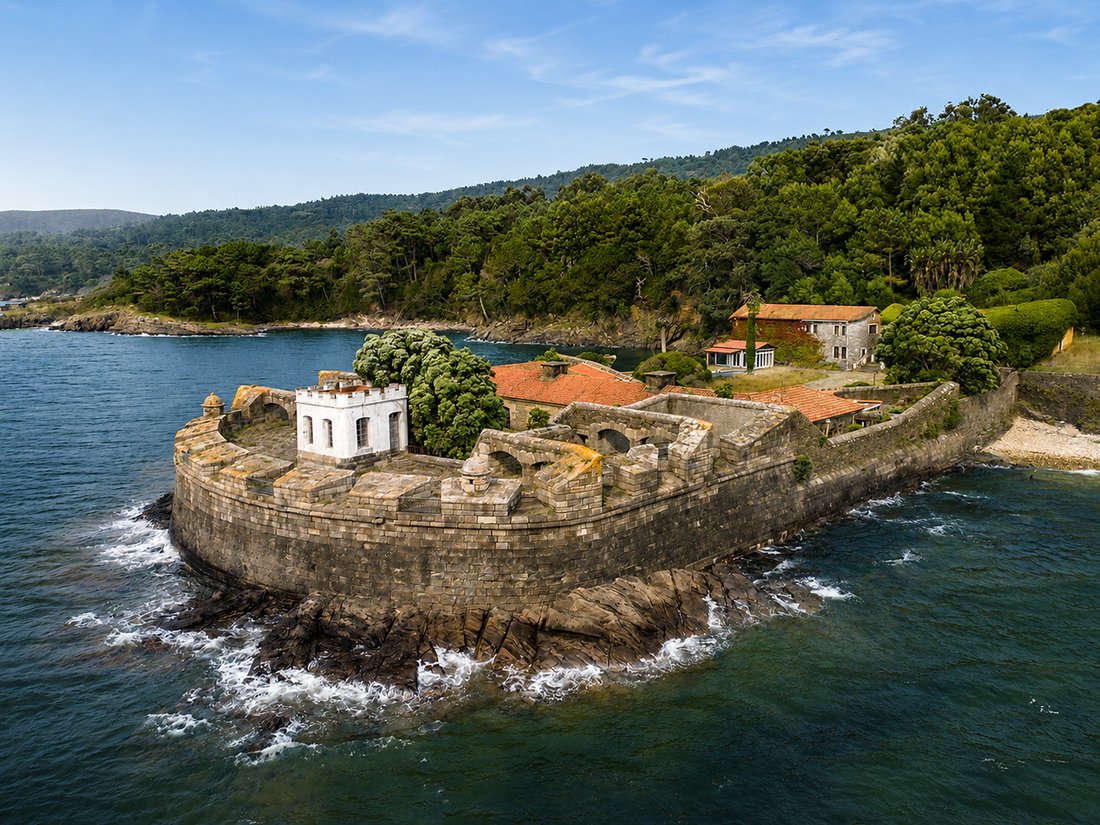
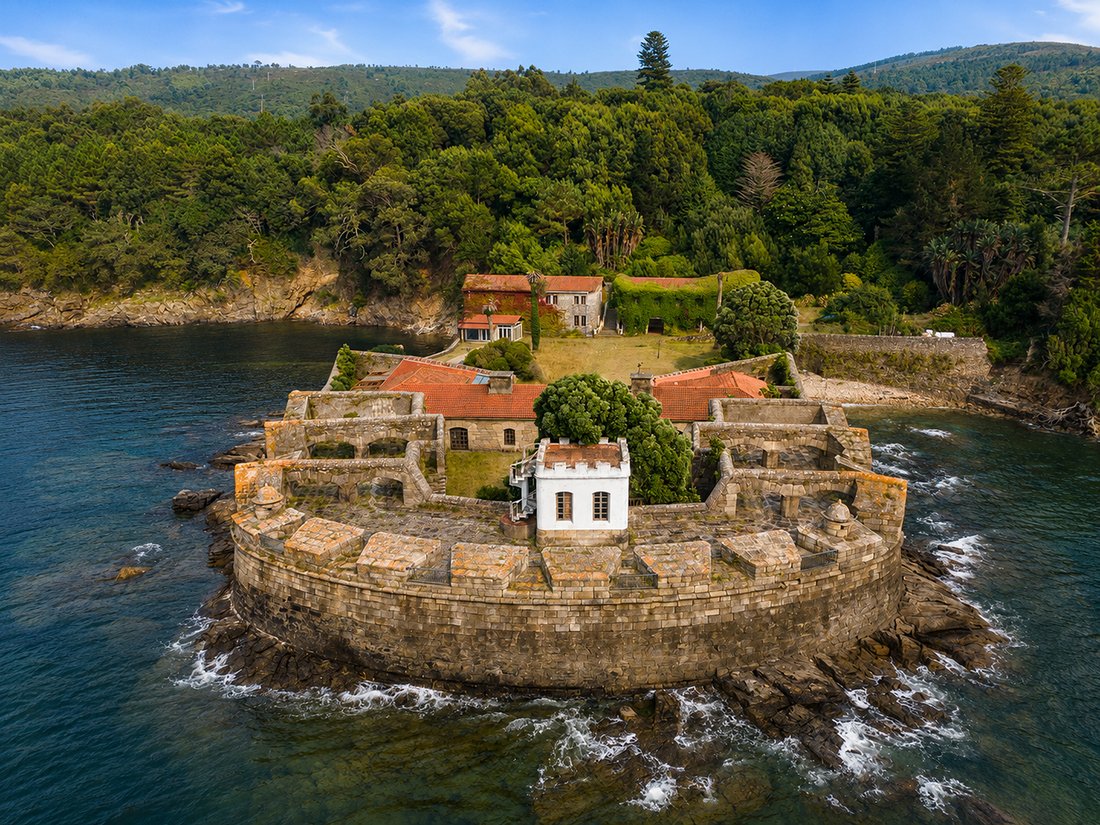
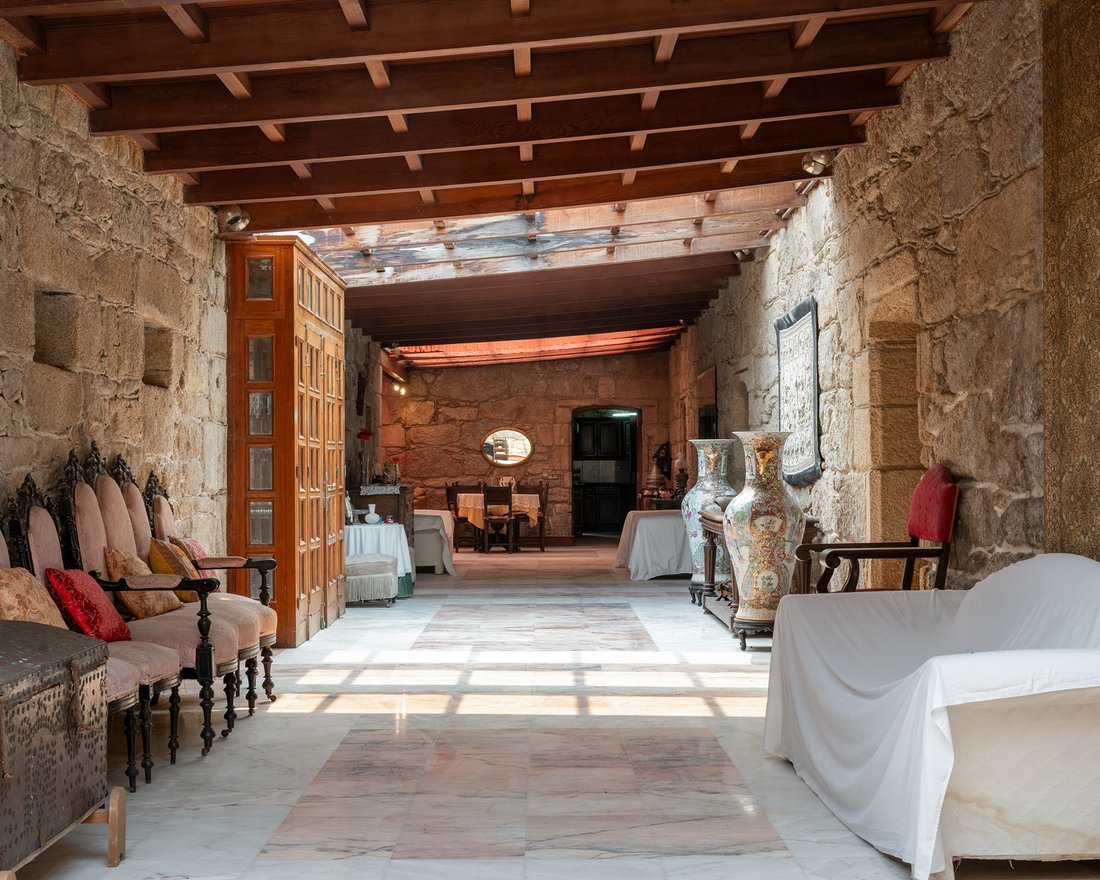
Wir gehen zurück ins 18. Jahrhundert, während der Herrschaft der Bourbonen in Spanien. Der Bau der Festung begann 1740, gleichzeitig mit dem Castelo do Cardeal (Schloss des Kardinals), das sich am gegenüberliegenden Ufer des Ría de Corcubión befand. Es wurde Castillo del Príncipe genannt, zu Ehren des Sohnes von Karl III. von Spanien, dem zukünftigen König Karl IV.
Ende des 19. Jahrhunder
Ende des 19. Jahrhunder
We go back to the 18th century, during the reign of the Bourbons in Spain. The construction of the fortress began in 1740, simultaneously with the Castelo do Cardeal (Cardinal’s Castle), located on the opposite shore of the Corcubión estuary. It was named Castillo del Príncipe in honor of the son of Carlos III of Spain, the future king Carlos IV.
By the end of the 19th century, the castle
By the end of the 19th century, the castle
Wir gehen zurück ins 18. Jahrhundert, während der Herrschaft der Bourbonen in Spanien. Der Bau der Festung begann 1740, gleichzeitig mit dem Castelo do Cardeal (Schloss des Kardinals), das sich am gegenüberliegenden Ufer des Ría de Corcubión befand. Es wurde Castillo del Príncipe genannt, zu Ehren des Sohnes von Karl III. von Spanien, dem zukünftigen König Karl IV.
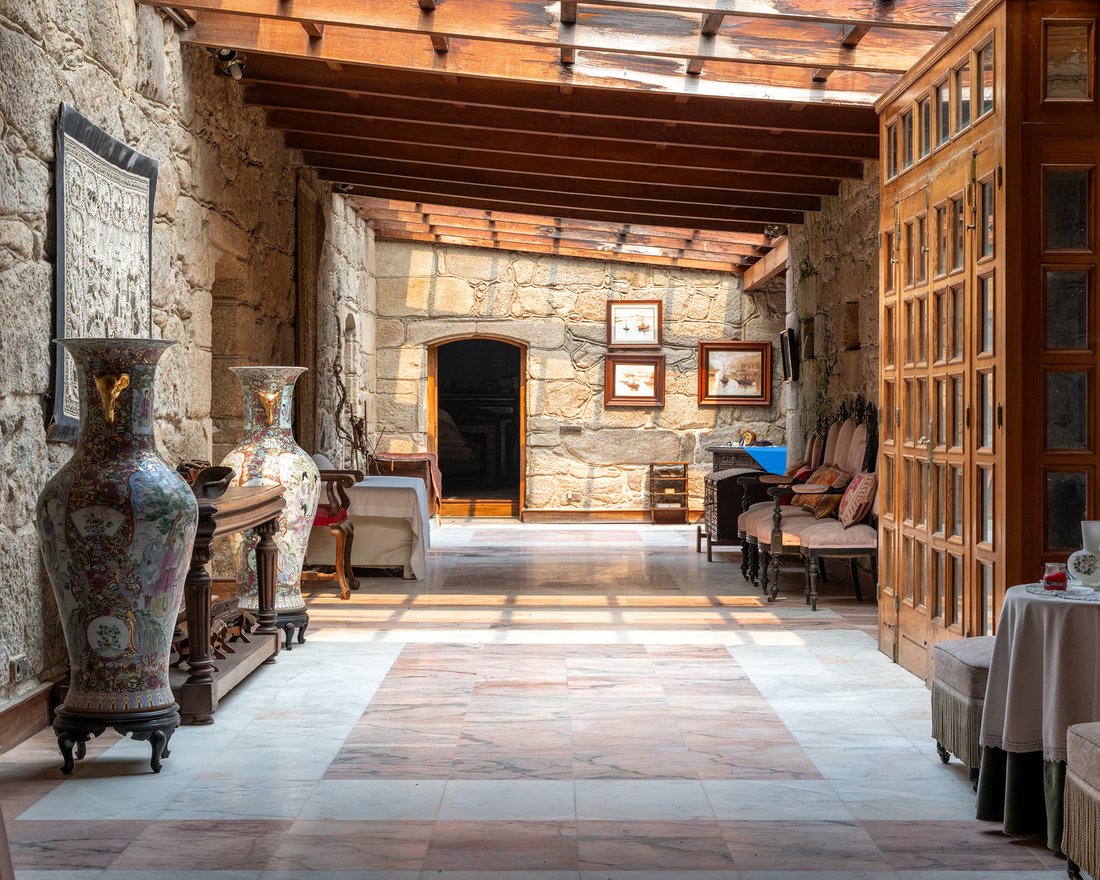
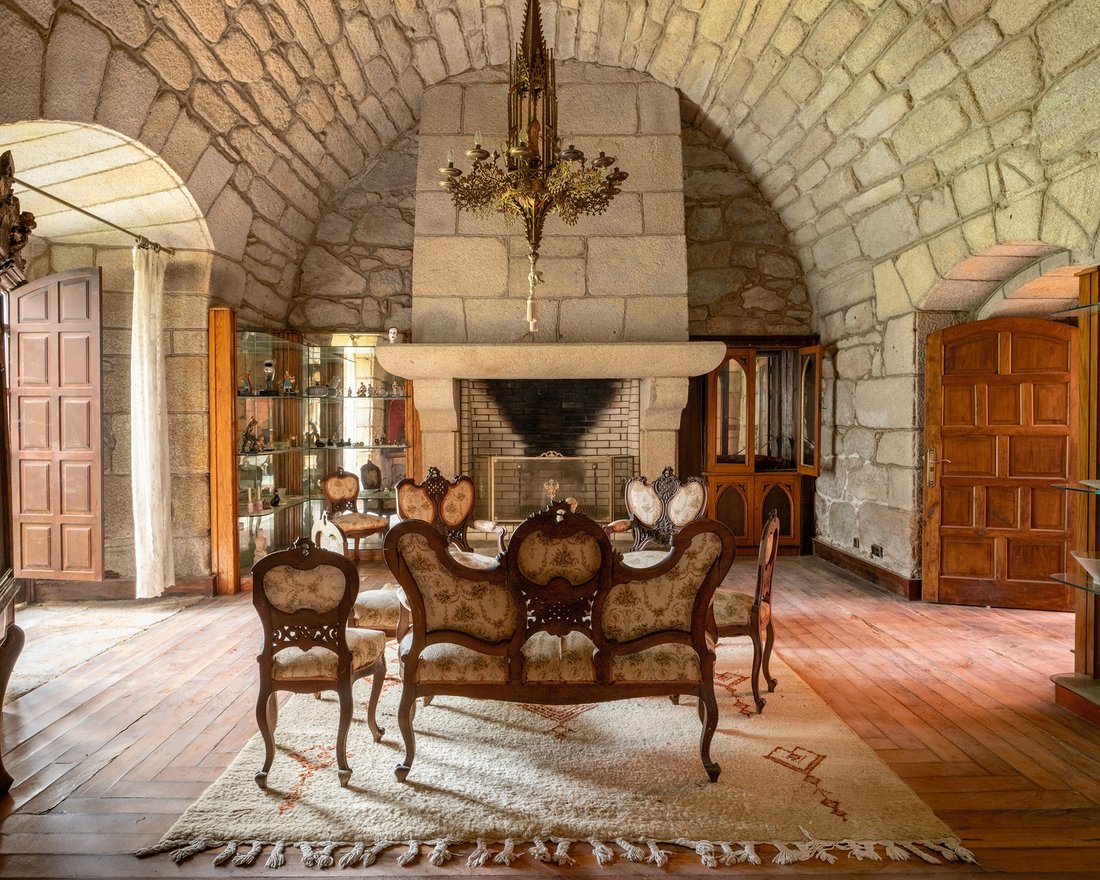
Ende des 19. Jahrhunderts wurde die Festung nach einer öffentlichen Auktion kein staatliches Eigentum mehr. Sie hatte verschiedene Eigentümer, und im Jahr 1985 führte der galicische Unternehmer Xosé Ramón Oreiro bedeutende Umbauten durch, um sie in eine Luxusresidenz umzuwandeln.
Wie das Castillo do Cardeal war es mit 12 Geschützen in verschiedenen Türmen ausgestattet, die auf das Meer ausgerichtet waren. Ein großes zentrales Gebäude erstreckte sich zu den Bastionen des Vorwerks, einschließlich der Unterkünfte für die Garnison, die 88 Soldaten beherbergten, sowie Lagerhäuser und ein Pulvermagazin. Die äußere Struktur, aus fein behauenem Stein und einem Großteil der Innenkonstruktionen, hebt sich sowohl vom Meer als auch vom Land aus prächtig ab, wo es einen Graben und eine Zugbrücke zum Zentrum der Festung gab.
Seit 1994 ist das Gebäude als Kulturgut eingestuft und Teil des kulturellen Erbes Galiciens.
Ende des 19. Jahrhunderts wurde die Festung nach einer öffentlichen Auktion kein staatliches Eigentum mehr. Sie hatte verschiedene Eigentümer, und im Jahr 1985 führte der galicische Unternehmer Xosé Ramón Oreiro bedeutende Umbauten durch, um sie in eine Luxusresidenz umzuwandeln.
Wie das Castillo do Cardeal war es mit 12 Geschützen in verschiedenen Türmen ausgestattet, die auf das Meer ausgerichtet waren. Ein großes zentrales Gebäude erstreckte sich zu den Bastionen des Vorwerks, einschließlich der Unterkünfte für die Garnison, die 88 Soldaten beherbergten, sowie Lagerhäuser und ein Pulvermagazin. Die äußere Struktur, aus fein behauenem Stein und einem Großteil der Innenkonstruktionen, hebt sich sowohl vom Meer als auch vom Land aus prächtig ab, wo es einen Graben und eine Zugbrücke zum Zentrum der Festung gab.
Seit 1994 ist das Gebäude als Kulturgut eingestuft und Teil des kulturellen Erbes Galiciens.
We go back to the 18th century, during the reign of the Bourbons in Spain. The construction of the fortress began in 1740, simultaneously with the Castelo do Cardeal (Cardinal’s Castle), located on the opposite shore of the Corcubión estuary. It was named Castillo del Príncipe in honor of the son of Carlos III of Spain, the future king Carlos IV.
By the end of the 19th century, the castle ceased to be state property after a public auction. It had several owners, with Galician businessman Xosé Ramón Oreiro making significant renovations in 1985, turning it into a luxury residence.
Like the Cardenal Castle, it was equipped with 12 artillery pieces in various towers facing the sea. A large central building directed its wings towards the half-bastions of the ravelin, including quarters for the garrison, which housed 88 soldiers, warehouses, and a powder magazine. The finely carved stonework of the exterior and much of the interior constructions magnificently stand out both from the sea and from the land, where it had a moat and a bridge leading to the center of the fortress.
Currently classified as a Cultural Heritage Site since 1994, forming part of the Cultural Heritage of Galicia.
By the end of the 19th century, the castle ceased to be state property after a public auction. It had several owners, with Galician businessman Xosé Ramón Oreiro making significant renovations in 1985, turning it into a luxury residence.
Like the Cardenal Castle, it was equipped with 12 artillery pieces in various towers facing the sea. A large central building directed its wings towards the half-bastions of the ravelin, including quarters for the garrison, which housed 88 soldiers, warehouses, and a powder magazine. The finely carved stonework of the exterior and much of the interior constructions magnificently stand out both from the sea and from the land, where it had a moat and a bridge leading to the center of the fortress.
Currently classified as a Cultural Heritage Site since 1994, forming part of the Cultural Heritage of Galicia.
-
Art der Immobilie
Andere
-
Baujahr
1740
-
Preis/Quadratfuß
$257
Funktionen
Erkunden Sie die Gegend
Vor 2 Jahren beigetreten
Sie haben sich nach diesem Objekt erkundigt
Der Agent wird sich in Kürze mit Ihnen in Verbindung setzen
Gelistet von
10
Angebote
2025
Beigetreten
Besichtigung mit Fernanda Viñas Cue buchen
Wählen Sie ein Datum und ob Sie eine virtuelle oder persönliche Besichtigung mit dem Makler wünschen.
Bevorzugtes Datum
Art der Tour

Spain Sotheby's International Realty
Calle Lagasca 28, 28001, Madrid, Madrid, Spain
Agenturprofil anzeigen
Offering high-end properties in the city, villas and equestrian farms on the
outskirts of the city. Madrid, the
outskirts of the city. Madrid, the
Offering high-end properties in the city, villas and equestrian farms on the
outskirts of the city. Madrid, the capital of Spain, is located in the centre of
the Iberian Peninsula. It is a very active city, with a lively nightlife and
scores of daytime allures. It is home to famous museums such as El Prado,
Thyssen-Bornemisza and Reina Sofia, great historic architecture, shopping
boulevards and excellent cuisine. It has a great diversity of districts that
merit visiting.
outskirts of the city. Madrid, the capital of Spain, is located in the centre of
the Iberian Peninsula. It is a very active city, with a lively nightlife and
scores of daytime allures. It is home to famous museums such as El Prado,
Thyssen-Bornemisza and Reina Sofia, great historic architecture, shopping
boulevards and excellent cuisine. It has a great diversity of districts that
merit visiting.
Zuletzt aktualisiert
September 18
Erstmalig gelistet
Oktober 14, 2024
Angebotslink
Angebotsreferenz
P85QPE
Das Vertrauen der führenden Makler der Welt
Die Makler hinter den außergewöhnlichsten Immobilien der Welt inserieren bei JamesEdition.
- Angebote von Sotheby's, Christie's, BARNES und Engel & Völkers
- Jedes Angebot wird vor der Veröffentlichung geprüft
- Verbinden Sie sich direkt mit verifizierten Maklern
Indem Sie fortfahren, akzeptieren Sie unsere Nutzungsbedingungen und Datenschutzrichtlinie.