$2,091,969
Preis gesenkt um $115,154 am Sep 05, 2026
Historischer Bauernhof In Barra Do Piraí
- 9 Schlafz.
- 512 Sqft
- 10
Über die Immobilie
Beschreibung wurde automatisch übersetzt.
Die Beschreibung wird in der Originalsprache angezeigt.
Dieses herrliche Anwesen befindet sich in Barra do Piraí, in der Nähe der Autobahn BR-393, etwa 30 Minuten von der Innenstadt von Barra do Piraí und auf halber Strecke von Volta Redonda entfernt. Die Zufahrt zur Farm erfolgt über eine unbefestigte Straße, die einen Blick auf einen Großteil des Grundstücks bietet, das überwiegend flach ist und auf der Rückseite von sanften Hügeln umgeben ist. Die f
This magnificent property is located in Barra do Piraí, near the BR-393 highway, approximately 30 minutes from downtown Barra do Piraí and halfway to Volta Redonda. Access to the farm is via a dirt road, allowing views of much of the property, which is predominantly flat and surrounded at the rear by rolling hills. The earliest references to the property date back to the early 19th century, with i
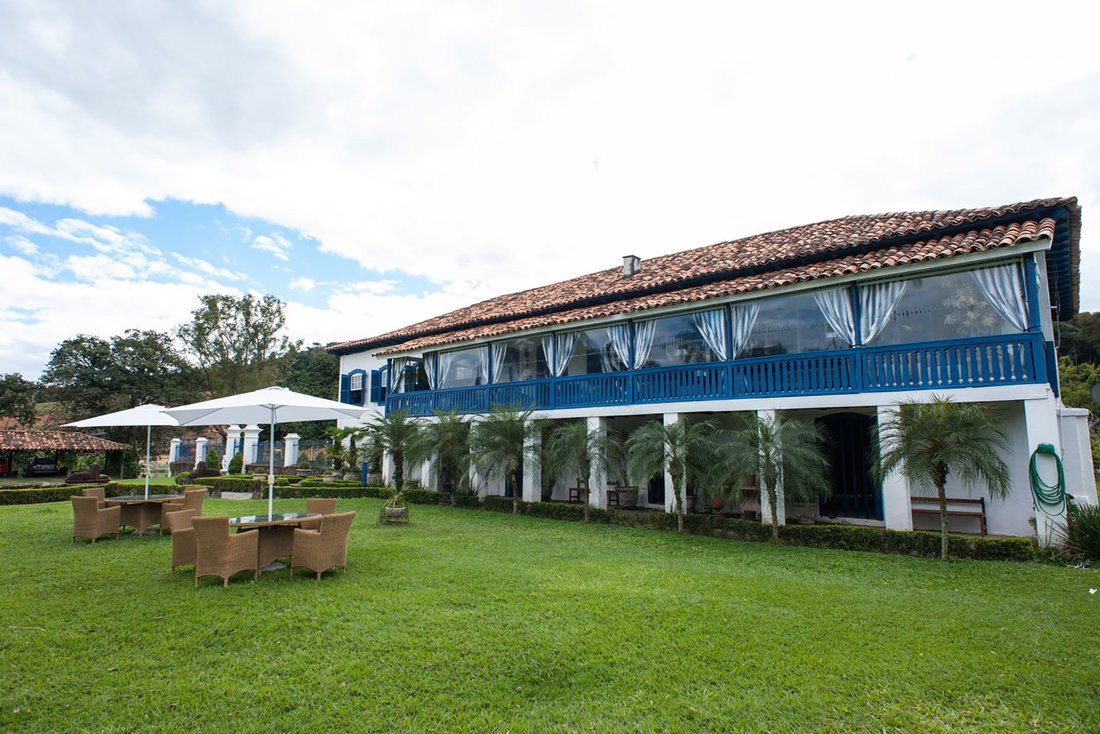
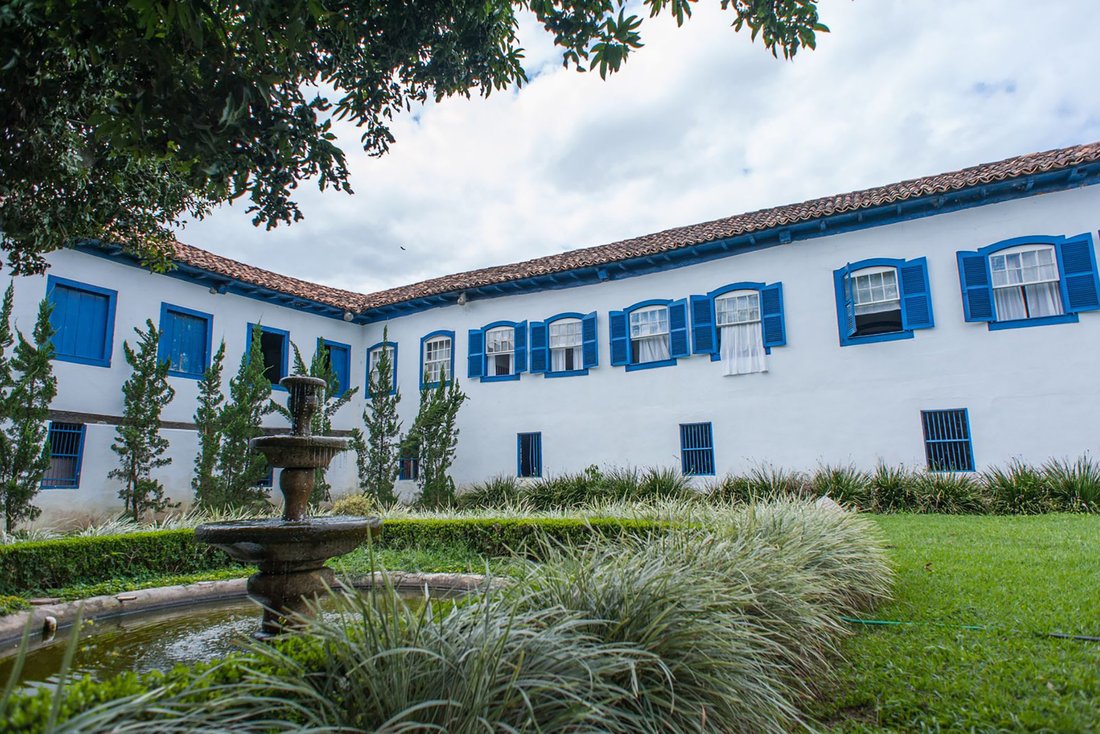
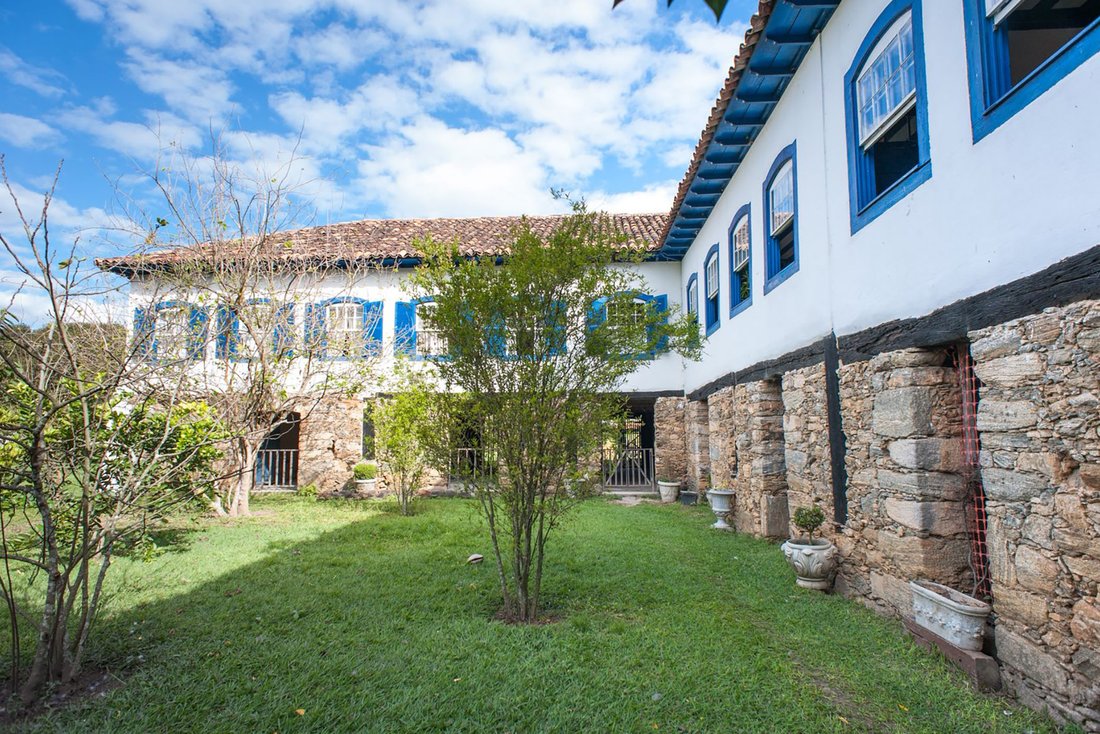
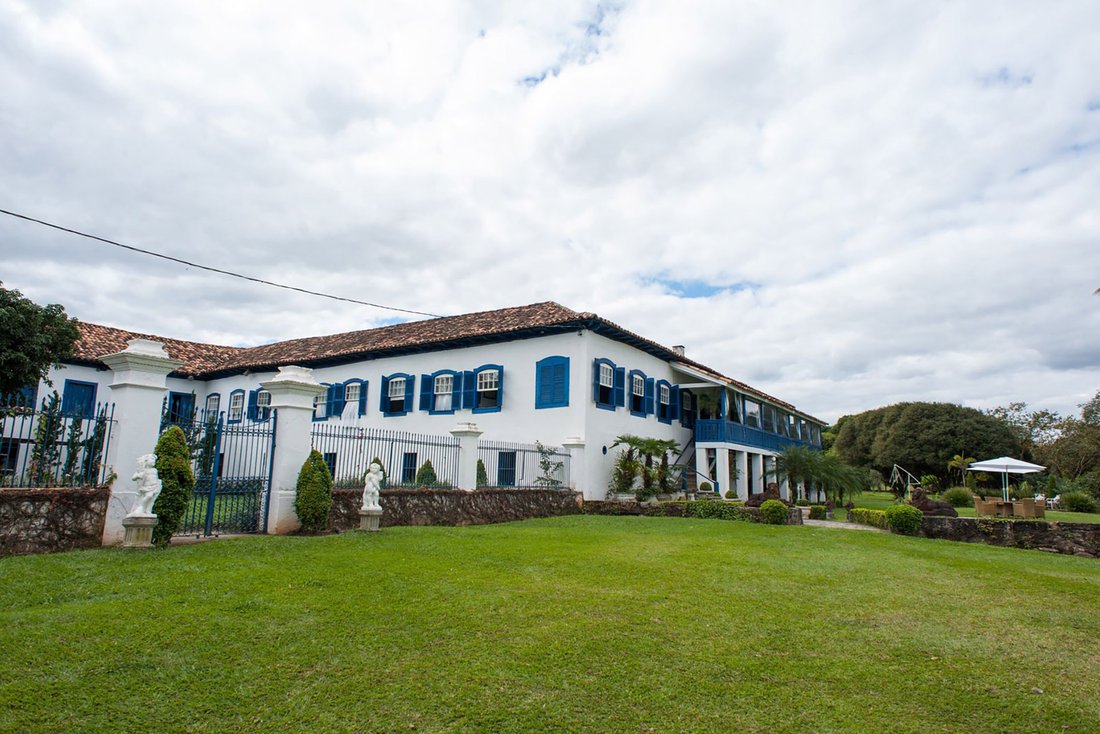
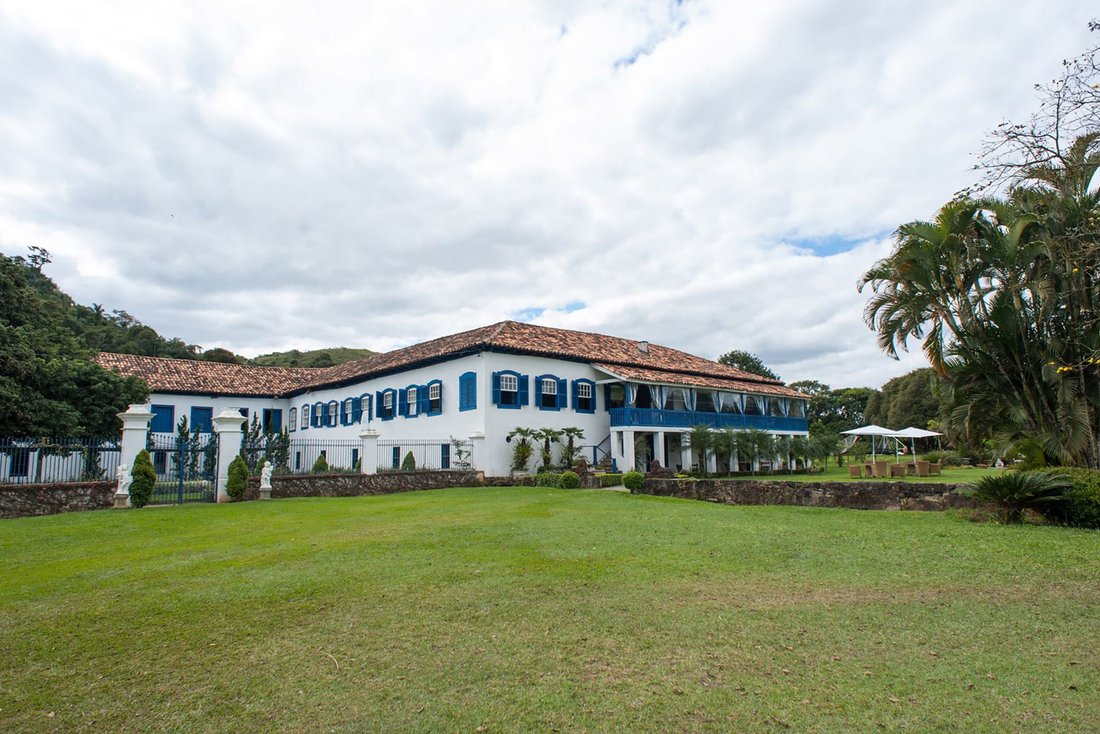
Dieses herrliche Anwesen befindet sich in Barra do Piraí, in der Nähe der Autobahn BR-393, etwa 30 Minuten von der Innenstadt von Barra do Piraí und auf halber Strecke von Volta Redonda entfernt. Die Zufahrt zur Farm erfolgt über eine unbefestigte Straße, die einen Blick auf einen Großteil des Grundstücks bietet, das überwiegend flach ist und auf der Rückseite von sanften Hügeln umgeben ist. Die frühesten Hinweise auf das Anwesen stammen aus dem frühen 19. Jahrhundert, als es als Kaffeeplantage dem Barão de Guapy, Joaquim José de Oliveira Ferraz, seinem berühmtesten Besitzer, zugeschrieben wird, der es 1851 von D. Izabel Jacyntha de Souza erwarb. Dem Barão wird die Entwicklung des Kaffeeanbaus auf der Farm zugeschrieben und dieser während des Kaffeebooms zu Wohlstand verholfen. Das Anwesen war sein bevorzugter Rückzugsort für die Wochenenden, da er in Barra Mansa lebte, wo er als Stadtrat, Vorsitzender der Gemeindekammer, Friedensrichter und Oberbefehlshaber der Nationalgarde für die Gemeinden Barra Mansa und Rio Claro tätig war. 1859 besuchte der portugiesische Reisende Augusto Emilio Zaluar die Farm und beschrieb sie als „ein ländliches Anwesen, umgeben von einem Horizont sanft umrandeter Berge... mehr als ein einfaches Landhaus, eine kleine Stadt für sich, mit großen Nebengebäuden, einem Krankenhaus, einem Oratorium und einer Apotheke. Felder mit Mais, Bohnen, Reisfeldern und riesigen Kaffeeplantagen erstreckten sich über die Hügel, die alle von breiten, wagenfreundlichen Wegen durchzogen waren.“ Das Haupthaus befindet sich auf einer flachen Fläche und bietet einen Panoramablick auf das gesamte Gebäudeensemble und die natürliche Umgebung. Besucher betreten den Raum durch ein Tor und eine von Palmen gesäumte Allee, die neben einem der ehemaligen Kaffeetrocknungsanlagen verläuft. Das Haupthaus verfügt über eine große Terrasse, eine Eingangshalle, ein Wohnzimmer mit Kamin, eine originale Kapelle mit portugiesischem Altar und heiligen Bildern, einen Fernsehraum, einen Leseraum, ein formelles Esszimmer, ein informelles Esszimmer, drei komplette Badezimmer, ein Gästebad, neun Schlafzimmer (eines mit begehbarem Kleiderschrank), eine große Mehrzweckhalle (ideal für ein Spielezimmer), zwei Küchen — eine moderne und eine traditionelle mit einem französischen Eisenholzofen Herd — eine modernisierte Waschküche und eine unabhängige Wohnung für den Farmmanager. Darüber hinaus müssen vier weitere Räume noch renoviert werden, was Flexibilität für die zukünftige Nutzung bietet. Unter dem Haupthaus wurden die ehemaligen Sklavenquartiere zu einem sozialen Raum umfunktioniert, einschließlich eines Speisesaals und Umkleideräume für das Personal. Breite Fahrbahnen durchziehen die weitläufigen landwirtschaftlichen Felder, und das Vieh und das Grundstück des Anwesens sind in einem ausgezeichneten Zustand und hinterlassen bei allen Besuchern bleibende Erinnerungen.
This magnificent property is located in Barra do Piraí, near the BR-393 highway, approximately 30 minutes from downtown Barra do Piraí and halfway to Volta Redonda. Access to the farm is via a dirt road, allowing views of much of the property, which is predominantly flat and surrounded at the rear by rolling hills. The earliest references to the property date back to the early 19th century, with its establishment as a coffee plantation attributed to the Barão de Guapy, Joaquim José de Oliveira Ferraz, its most illustrious owner, who acquired it from D. Izabel Jacyntha de Souza in 1851. The Barão is credited with developing coffee cultivation on the farm and leading it to prosperity during the coffee boom. The property was his favorite retreat for weekends, as he lived in Barra Mansa, where he served as city councilor, president of the municipal chamber, justice of the peace, and superior commander of the National Guard for the municipalities of Barra Mansa and Rio Claro. In 1859, Portuguese traveler Augusto Emilio Zaluar visited the farm and described it as “a rural property surrounded by a horizon of gently outlined mountains... more than a simple country house, a small city in itself, with grand dependencies, a hospital, an oratory, and a pharmacy. Fields of maize, beans, rice paddies, and vast coffee plantations stretched across the hills, all intersected by wide, wagon-friendly paths.” The main house is situated on a flat area, offering a panoramic view of the entire built ensemble and natural surroundings. Visitors enter through a gate and an avenue lined with palm trees that runs alongside what was once one of the coffee drying yards. The main house features a large terrace, entrance hall, living room with a fireplace, an original chapel with a Portuguese altar and sacred images, a TV room, a reading room, a formal dining room, an informal dining room, three full bathrooms, a guest bathroom, nine bedrooms (one with a walk-in closet), a large multi-use hall (ideal for a game room), two kitchens—one modern and one traditional with a French iron wood-burning stove—an updated laundry area, and an independent apartment for the farm manager. Additionally, there are four extra rooms yet to be renovated, offering flexibility for future use. Beneath the main house, the former slave quarters have been repurposed as a social space, including a dining hall and dressing rooms for the staff. Wide carriageways crisscross the vast agricultural fields, and the property’s livestock and grounds are in excellent condition, leaving lasting memories for all who visit.
-
Art der Immobilie
Finca
-
Baujahr
1800
-
Preis/Quadratfuß
$4,090
Funktionen
- Garage
- Terrasse
- Garten
- Begehbarer Kleiderschrank
- Bibliothek
- Spielzimmer
- Kamin
- Tor
- Renoviert
Funktionen
Lot
Innenbereich
- Kamin
- Waschküche
- Spielzimmer
- Bibliothek
- Begehbarer Kleiderschrank
Outdoor
Erkunden Sie die Gegend
Estrada Ruy Pio David Gomes Área Rural de Barra do Piraí, Barra do Piraí, RJ 27160-000, Rio de Janeiro, Brasilien
Auf Google Maps anzeigen
Preis pro sqft
Niedrig
Hoch
Vor 6 Jahren beigetreten
Sie haben sich nach diesem Objekt erkundigt
Der Agent wird sich in Kürze mit Ihnen in Verbindung setzen
Gelistet von
727
Angebote
2020
Beigetreten
Besichtigung mit Mauro Maidantchik buchen
Wählen Sie ein Datum und ob Sie eine virtuelle oder persönliche Besichtigung mit dem Makler wünschen.
Bevorzugtes Datum
Art der Tour

Bossa Nova Sotheby's International Realty
Rua Visconde de Pirajá, 572, 4º andar Ipanema, Rio de Janeiro, Rio de Janeiro, Brazil
Agenturprofil anzeigen
Bossa Nova Sotheby’s International Realty, established in Brazil since 2015, with a strong presence in São Paulo an
Bossa Nova Sotheby’s International Realty, established in Brazil since 2015, with a strong presence in São Paulo and Rio de Janeiro, rigorously upholds the rich tradition and high standards of curation and service that define our brand. By blending centuries of heritage with a continuous pursuit of innovation in the luxury real estate market, we deliver transformative experiences to our clients, exceeding their expectations at every step of the process.
Zuletzt aktualisiert
September 5
Erstmalig gelistet
Mai 22, 2025
Angebotslink
Angebotsreferenz
BHSC9W
Ähnliche Immobilien in der Nähe
Neue Angebote in Rio de Janeiro
Entdecken Sie mehr Häuser zum Verkauf
Rio de Janeiro, Brasilien Immobilienarten
- Wohnungen zum Verkauf in Rio de Janeiro, Brasilien
- Häuser zum Verkauf in Rio de Janeiro, Brasilien
- Penthouses zum Verkauf in Rio de Janeiro, Brasilien
- Villen zum Verkauf in Rio de Janeiro, Brasilien
- Farm Ranches zum Verkauf in Rio de Janeiro, Brasilien
- Land zum Verkauf in Rio de Janeiro, Brasilien
- Privatinseln zum Verkauf in Rio de Janeiro, Brasilien
- Eigentumswohnungen zum Verkauf in Rio de Janeiro, Brasilien
- Fincas zum Verkauf in Rio de Janeiro, Brasilien
- Landhaus zum Verkauf in Rio de Janeiro, Brasilien
- Stadthäuser zum Verkauf in Rio de Janeiro, Brasilien
Rio de Janeiro, Brasilien beliebte Suchanfragen
- Immobilien mit Garage in Rio de Janeiro, Brasilien
- Immobilien mit Balkon in Rio de Janeiro, Brasilien
- Immobilien mit Pool in Rio de Janeiro, Brasilien
- Immobilien mit Terrasse in Rio de Janeiro, Brasilien
- Immobilien mit Bergblick in Rio de Janeiro, Brasilien
- Immobilien mit Garten in Rio de Janeiro, Brasilien
- Panorama Immobilien in Rio de Janeiro, Brasilien
- Immobilien mit Meerblick in Rio de Janeiro, Brasilien
- Duplex Immobilien in Rio de Janeiro, Brasilien
- Moderne Immobilien in Rio de Janeiro, Brasilien
- am Strand Immobilien in Rio de Janeiro, Brasilien
- Blick auf die Stadt Immobilien in Rio de Janeiro, Brasilien
- Gesicherte Wohnanlage Immobilien in Rio de Janeiro, Brasilien
- am Wasser Immobilien in Rio de Janeiro, Brasilien
- Immobilien mit Hallenbad in Rio de Janeiro, Brasilien
- Neubauten Immobilien in Rio de Janeiro, Brasilien
- Anlageimmobilie Immobilien in Rio de Janeiro, Brasilien
- Immobilien mit Bibliothek in Rio de Janeiro, Brasilien
- Immobilien auf Hügeln in Rio de Janeiro, Brasilien
- Luxusvilla Immobilien in Rio de Janeiro, Brasilien
- Immobilien mit Privatstrand in Rio de Janeiro, Brasilien
- Pferdesport Immobilien in Rio de Janeiro, Brasilien
- Immobilien mit Privatflughafen in Rio de Janeiro, Brasilien
Rio de Janeiro, Brasilien nachbarschaften
- Häuser zum Verkauf in Ipanema, Brasilien
- Häuser zum Verkauf in Copacabana, Brasilien
- Häuser zum Verkauf in Centro, Brasilien
- Häuser zum Verkauf in Leblon, Brasilien
- Häuser zum Verkauf in Lagoa, Brasilien
- Häuser zum Verkauf in Barra da Tijuca, Brasilien
- Häuser zum Verkauf in Cascatinha, Brasilien
- Häuser zum Verkauf in Gávea, Brasilien
- Häuser zum Verkauf in Porto Frade, Brasilien
- Häuser zum Verkauf in Joá, Brasilien
- Häuser zum Verkauf in Cantagalo, Brasilien
- Häuser zum Verkauf in São Conrado, Brasilien
- Häuser zum Verkauf in Urca, Brasilien
- Häuser zum Verkauf in Flamengo, Brasilien
- Häuser zum Verkauf in Laranjeiras, Brasilien
- Häuser zum Verkauf in Manga Larga, Brasilien
- Häuser zum Verkauf in Jardim Botânico, Brasilien
- Häuser zum Verkauf in Itanema, Brasilien
- Häuser zum Verkauf in Santa Teresa, Brasilien
- Häuser zum Verkauf in Leme, Brasilien
- Häuser zum Verkauf in Piraquara, Brasilien
- Häuser zum Verkauf in Botafogo, Brasilien
- Häuser zum Verkauf in Bracuí, Brasilien
- Häuser zum Verkauf in Humaitá, Brasilien
- Häuser zum Verkauf in Cosme Velho, Brasilien
- Häuser zum Verkauf in Itanhangá, Brasilien
- Häuser zum Verkauf in Vidigal, Brasilien
- Häuser zum Verkauf in Vila Velha, Brasilien
- Häuser zum Verkauf in Araras, Brasilien
- Häuser zum Verkauf in Marinas, Brasilien
- Häuser zum Verkauf in Pedro do Rio, Brasilien
- Häuser zum Verkauf in Ponta de Manguinhos, Brasilien
- Häuser zum Verkauf in Pontal, Brasilien
- Häuser zum Verkauf in Praia Brava, Brasilien
- Häuser zum Verkauf in Village da Ferradura, Brasilien
- Häuser zum Verkauf in Glória, Brasilien
- Häuser zum Verkauf in Itaipava, Brasilien
- Häuser zum Verkauf in Ponta da Cruz, Brasilien
- Häuser zum Verkauf in Abraãozinho, Brasilien
- Häuser zum Verkauf in Albuquerque, Brasilien
- Häuser zum Verkauf in Alto, Brasilien
- Häuser zum Verkauf in Alto da Boa Vista, Brasilien
- Häuser zum Verkauf in Barra Olímpica, Brasilien
- Häuser zum Verkauf in Barro Vermelho, Brasilien
- Häuser zum Verkauf in Boa Viagem, Brasilien
- Häuser zum Verkauf in Catete, Brasilien
- Häuser zum Verkauf in Conceição de Jacareí, Brasilien
- Häuser zum Verkauf in Corrêas, Brasilien
- Häuser zum Verkauf in Encruzo da Enseada, Brasilien
- Häuser zum Verkauf in Fazenda Boa Fe, Brasilien
- Häuser zum Verkauf in Figueira, Brasilien
- Häuser zum Verkauf in Fischer, Brasilien
- Häuser zum Verkauf in Frade (Cunhambebe), Brasilien
- Häuser zum Verkauf in Guadalupe, Brasilien
- Häuser zum Verkauf in Ilha da Gipóia, Brasilien
- Häuser zum Verkauf in Ilha Do Jorge, Brasilien
- Häuser zum Verkauf in Mombaça, Brasilien
- Häuser zum Verkauf in Monsuaba, Brasilien
- Häuser zum Verkauf in Paquetá, Brasilien
- Häuser zum Verkauf in Penha, Brasilien
- Häuser zum Verkauf in Piratininga, Brasilien
- Häuser zum Verkauf in Ponta da Ribeira, Brasilien
- Häuser zum Verkauf in Ponta do Sapê, Brasilien
- Häuser zum Verkauf in Ponta Leste, Brasilien
- Häuser zum Verkauf in Portogalo, Brasilien
- Häuser zum Verkauf in Posse, Brasilien
- Häuser zum Verkauf in Praia da Ribeira, Brasilien
- Häuser zum Verkauf in Praia de Itaipuaçu, Brasilien
- Häuser zum Verkauf in Quebra Frascos, Brasilien
- Häuser zum Verkauf in Realengo, Brasilien
- Häuser zum Verkauf in Recreio dos Bandeirantes, Brasilien
- Häuser zum Verkauf in Retiro, Brasilien
- Häuser zum Verkauf in Saco do Céu, Brasilien
- Häuser zum Verkauf in Santa Irene, Brasilien
- Häuser zum Verkauf in Soberbo, Brasilien
- Häuser zum Verkauf in Tanguá, Brasilien
- Häuser zum Verkauf in Vargem Grande, Brasilien
- Häuser zum Verkauf in Vila Luiza, Brasilien
- Häuser zum Verkauf in Vila Norma, Brasilien
- Häuser zum Verkauf in Boa Vista II, Brasilien
- Häuser zum Verkauf in Camorim Pequeno, Brasilien
- Häuser zum Verkauf in Cascata do Imbuí, Brasilien
- Häuser zum Verkauf in Catarcione, Brasilien
- Häuser zum Verkauf in Estrada da Sauda, Brasilien
- Häuser zum Verkauf in Frade, Brasilien
- Häuser zum Verkauf in Itacuruca, Brasilien
- Häuser zum Verkauf in Jardim Pero, Brasilien
- Häuser zum Verkauf in Parque Anchieta, Brasilien
- Häuser zum Verkauf in Penha Circular, Brasilien
- Häuser zum Verkauf in Rocinha, Brasilien
Verwandte Leitfäden & Geschichten
Das Vertrauen der führenden Makler der Welt
Die Makler hinter den außergewöhnlichsten Immobilien der Welt inserieren bei JamesEdition.
- Angebote von Sotheby's, Christie's, BARNES und Engel & Völkers
- Jedes Angebot wird vor der Veröffentlichung geprüft
- Verbinden Sie sich direkt mit verifizierten Maklern
Indem Sie fortfahren, akzeptieren Sie unsere Nutzungsbedingungen und Datenschutzrichtlinie.