$711,698
15,5 Hektar Großes Anwesen — Azambuja
- 6 Schlafz.
- 1 Bäder
- 8,235 Sqft
- Aktualisiert: Juli 30
- 4
Über die Immobilie
Beschreibung wurde automatisch übersetzt.
Die Beschreibung wird in der Originalsprache angezeigt.
Am Ortseingang von Azambuja, inmitten der Ribatejo-Landschaft und in bequemer Entfernung von Lissabon, liegt Quinta de Santa Sofia: ein historisches Anwesen von etwa 15,5 Hektar, das sich durch Privatsphäre, Authentizität und außergewöhnliches landwirtschaftliches und touristisches Potenzial auszeichnet. Die Größe und Eigenschaften des Anwesens ermöglichen es, ein unverwechselbares Agrotourismuspr
At the entrance to Azambuja, amid the Ribatejo landscape and a comfortable distance from Lisbon, lies Quinta de Santa Sofia: a historic property of approximately 15.5 hectares, marked by privacy, authenticity, and extraordinary agricultural and tourism potential.
The size and characteristics of the property make it possible to envisage a distinctive agrotourism project with accommodation
The size and characteristics of the property make it possible to envisage a distinctive agrotourism project with accommodation
Am Ortseingang von Azambuja, inmitten der Ribatejo-Landschaft und in bequemer Entfernung von Lissabon, liegt Quinta de Santa Sofia: ein historisches Anwesen von etwa 15,5 Hektar, das sich durch Privatsphäre, Authentizität und außergewöhnliches landwirtschaftliches und touristisches Potenzial auszeichnet. Die Größe und Eigenschaften des Anwesens ermöglichen es, ein unverwechselbares Agrotourismusprojekt mit in die Natur integrierten Unterkünften ins Auge zu fassen, das die Restaurierung des Haupthauses mit der möglichen Installation von Glamping-Einheiten, kleinen Hütten oder anderem kombiniert ländliche Unterkünfte verteilt auf das Landgut. Die rund 15,5 Hektar bieten die Möglichkeit, ein Weingut mit eigener Produktion zu entwickeln, und zwar durch die Anlage von: einem Weinberg für die Weinproduktion; einem Olivenhain für die Olivenölproduktion; Obstbäume; Bio-Gemüsegärten; aromatische Pflanzen; kleine saisonale landwirtschaftliche Nutzpflanzen. Die Existenz eines traditionellen Weinkellers verstärkt das Potenzial, die Identität des Anwesens wiederherzustellen und ein Projekt zur Herstellung seines eigenen Weins zu schaffen, begleitet von privaten Verkostungen, Ernteerlebnissen und Weintourismusprogramme. Der Olivenhain könnte spielen ebenfalls eine zentrale Rolle im Projekt, da es die Entwicklung der Olivenölproduktion im Zusammenhang mit der Marke des Weinguts ermöglicht und den Gästen Erlebnisse beim Olivenpflücken, Verkostungen und landwirtschaftliche Aktivitäten bietet.Potenzial für Glamping und ländliche UnterkunftDas Anwesen bietet die Voraussetzungen, um ein Unterkunftsprojekt zu unterstützen, das aus Glamping-Einheiten oder kleinen, in die Landschaft integrierten Gebäuden besteht und Komfort, Privatsphäre und direkten Kontakt mit der Natur bieten.Dieses Konzept würde es ermöglichen, Unterkunft und Landwirtschaft zu kombinieren. Natur und Wohlbefinden Schaffung eines unverwechselbaren Agrotourismusprojekts mit starker Identität.Erbe mit CharakterDas Haupthaus mit seinem stattlichen Design und seiner neugotischen Inspiration zeichnet sich durch seine Spitzbogenöffnungen und historischen architektonischen Elemente aus, die an den Charakter der alten landwirtschaftlichen Anwesen der Region Ribatejo erinnern. Das Anwesen hat eine Bruttobaufläche von ca. 765 m², von denen etwa 277 m² der Nutzfläche des Hauptwohnsitzes entsprechen. Das Gebäude, das derzeit als Anwesen mit 6 Schlafzimmern (T6) konzipiert ist, muss vollständig restauriert werden und bietet die Möglichkeit, ein maßgeschneidertes Projekt zu entwickeln, das seine historische Essenz bewahrt. Neben dem Hauptwohnsitz umfasst die Quinta de Santa Sofia mehrere Stützstrukturen: Traditioneller Weinkeller; Scheunen; Ställe; landwirtschaftliche Nebengebäude; Lagerhäuser; Garagen; privater Brunnen.Eine seltene Gelegenheit, das Erbe zu restaurieren, eine eigene Marke zu entwickeln und einen unverwechselbaren Tourismus zu schaffen landwirtschaftliches Projekt direkt vor den Toren von Lissabon.
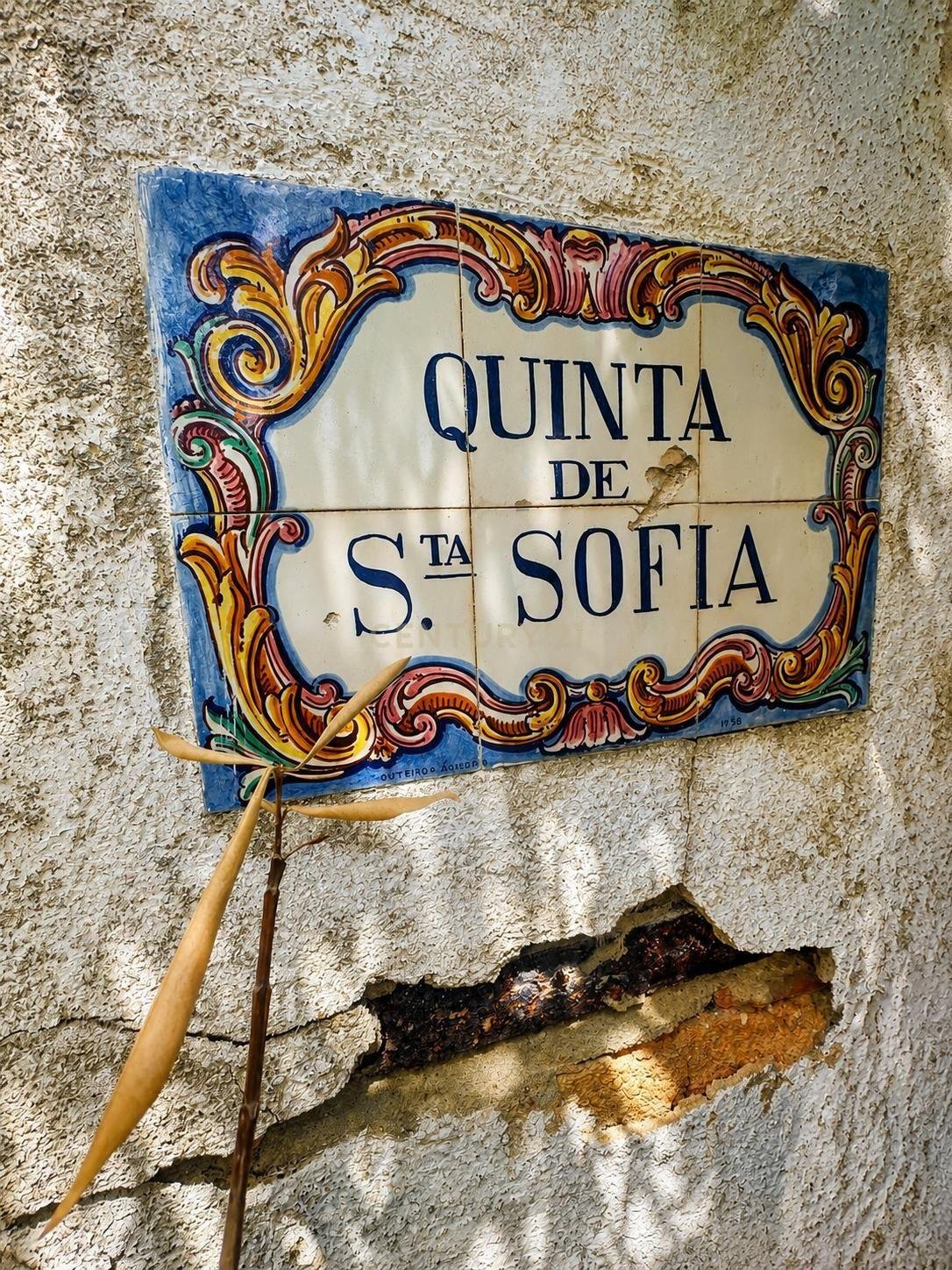
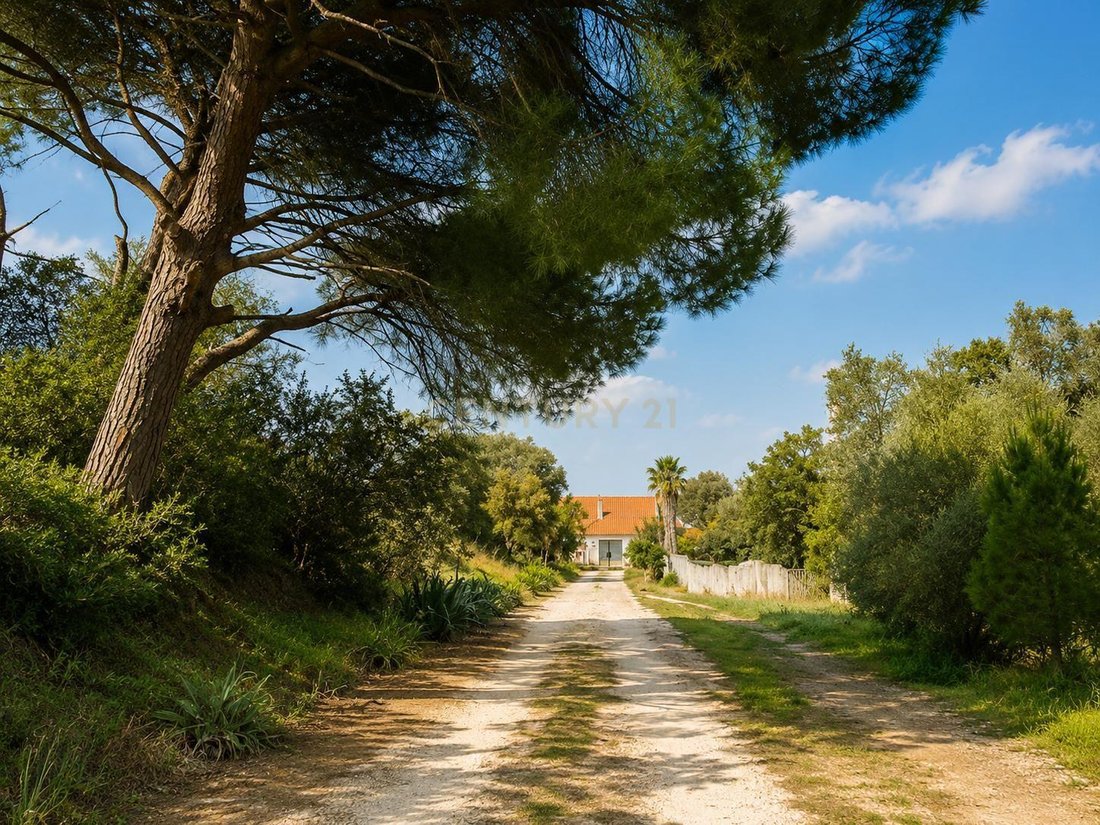
At the entrance to Azambuja, amid the Ribatejo landscape and a comfortable distance from Lisbon, lies Quinta de Santa Sofia: a historic property of approximately 15.5 hectares, marked by privacy, authenticity, and extraordinary agricultural and tourism potential.
The size and characteristics of the property make it possible to envisage a distinctive agrotourism project with accommodation integrated into nature, combining the restoration of the main house with the potential installation of glamping units, small cabins, or other rural accommodation distributed across the estate.
The approximately 15.5 hectares offer the possibility of developing an estate with its own production, through the establishment of:
A vineyard for wine production;
An olive grove for olive oil production;
Fruit trees;
Organic vegetable gardens;
Aromatic plants;
Small seasonal agricultural crops.
The existence of a traditional wine cellar reinforces the potential to restore the property’s winemaking identity and create a project for producing its own wine, accompanied by private tastings, harvest experiences, and wine tourism programs.
The olive grove could likewise play a central role in the project, allowing for the development of olive oil production associated with the estate’s brand, and offering guests olive-picking experiences, tastings, and agricultural activities.
Potential for glamping and rural accommodation
The property has the conditions to support an accommodation project made up of glamping units or small structures integrated into the landscape, providing comfort, privacy, and direct contact with nature.
This concept would make it possible to combine accommodation, agriculture, nature, and wellbeing, creating a distinctive agrotourism project with a strong identity.
Heritage with character
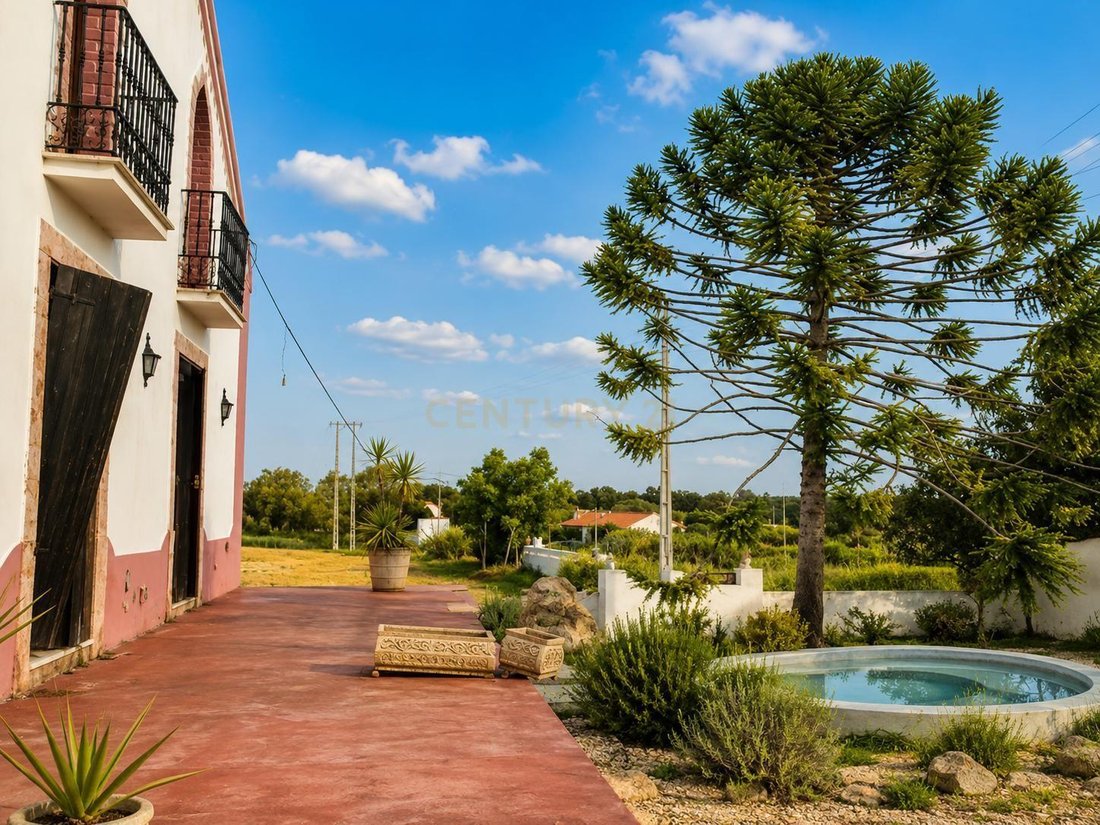
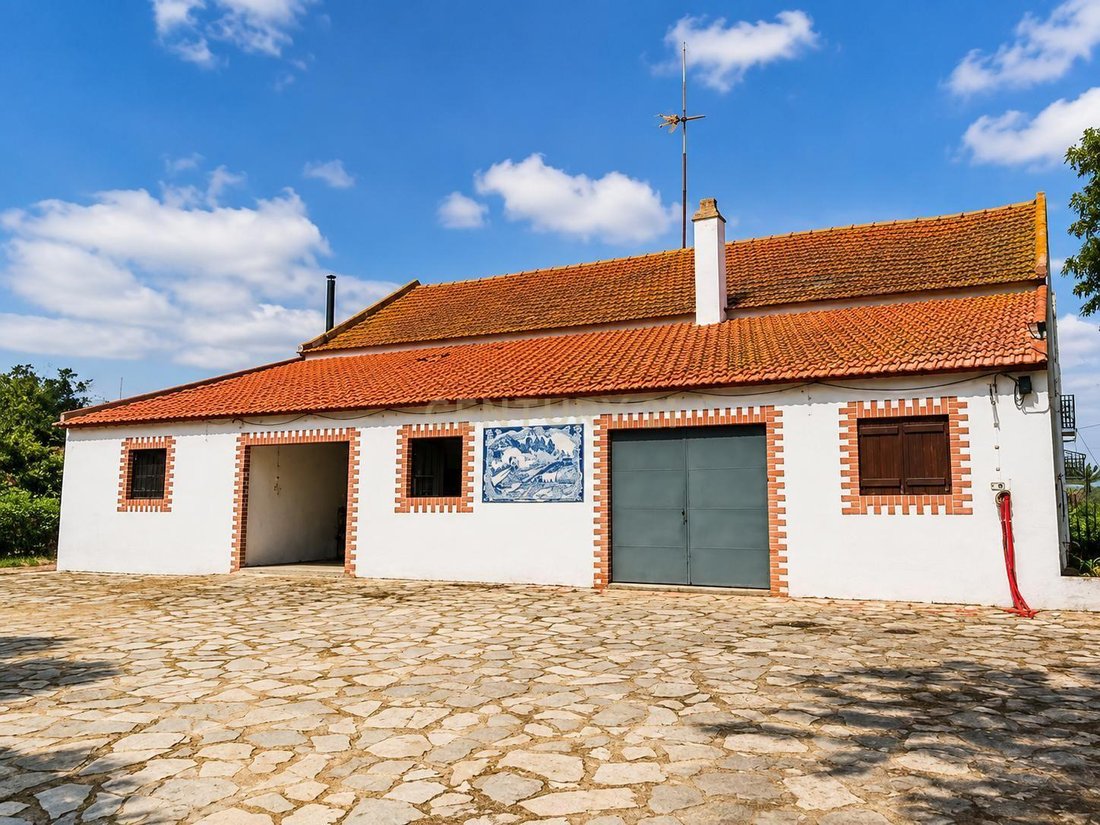
The main house, with its stately design and neo-Gothic inspiration, stands out for its pointed-arch openings and period architectural elements, evoking the character of the old agricultural estates of the Ribatejo region.
The property has approximately 765 m² of gross construction area, of which around 277 m² correspond to the usable area of the main residence. Currently laid out as a 6-bedroom (T6) property, the building requires full restoration, offering the opportunity to develop a bespoke project that preserves its historic essence.
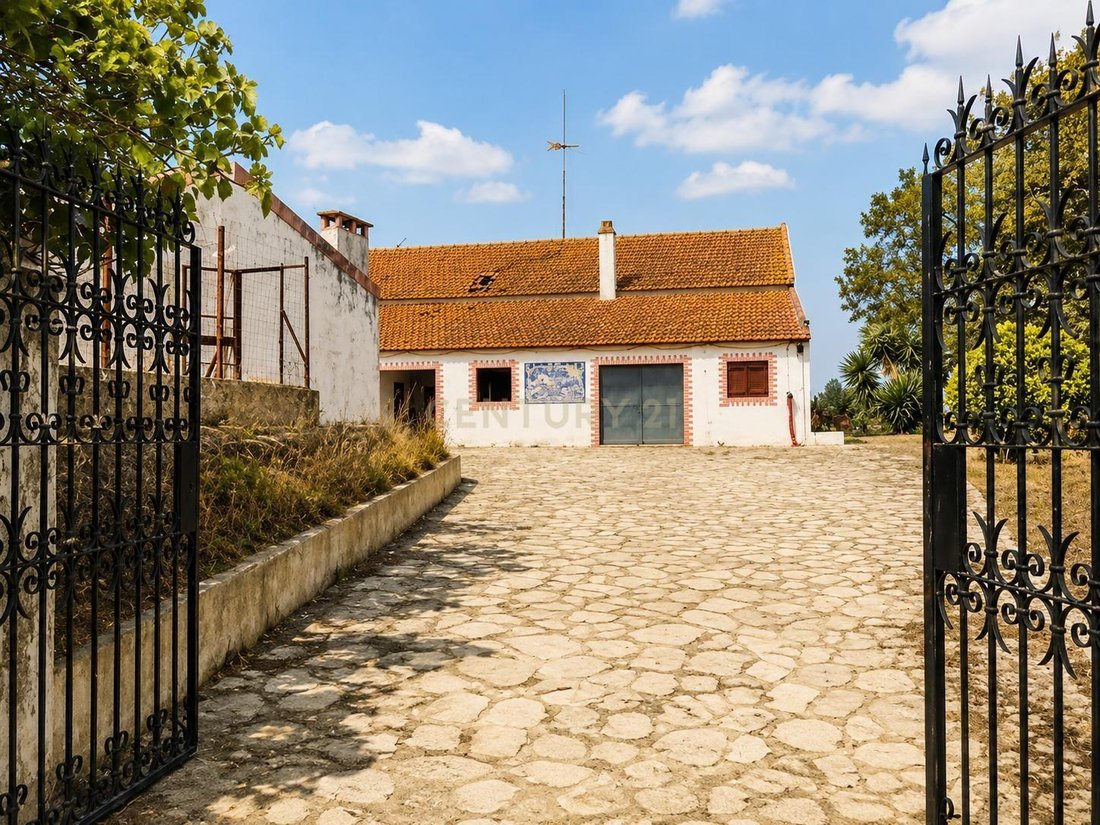
In addition to the main residence, Quinta de Santa Sofia includes several supporting structures:
Traditional wine cellar;
Barns;
Stables;
Agricultural outbuildings;
Warehouses;
Garages;
Private well.
A rare opportunity to restore heritage, develop a brand of its own, and create a distinctive tourism and agricultural project right on the doorstep of Lisbon.
The size and characteristics of the property make it possible to envisage a distinctive agrotourism project with accommodation integrated into nature, combining the restoration of the main house with the potential installation of glamping units, small cabins, or other rural accommodation distributed across the estate.
The approximately 15.5 hectares offer the possibility of developing an estate with its own production, through the establishment of:
A vineyard for wine production;
An olive grove for olive oil production;
Fruit trees;
Organic vegetable gardens;
Aromatic plants;
Small seasonal agricultural crops.
The existence of a traditional wine cellar reinforces the potential to restore the property’s winemaking identity and create a project for producing its own wine, accompanied by private tastings, harvest experiences, and wine tourism programs.
The olive grove could likewise play a central role in the project, allowing for the development of olive oil production associated with the estate’s brand, and offering guests olive-picking experiences, tastings, and agricultural activities.
Potential for glamping and rural accommodation
The property has the conditions to support an accommodation project made up of glamping units or small structures integrated into the landscape, providing comfort, privacy, and direct contact with nature.
This concept would make it possible to combine accommodation, agriculture, nature, and wellbeing, creating a distinctive agrotourism project with a strong identity.
Heritage with character
The main house, with its stately design and neo-Gothic inspiration, stands out for its pointed-arch openings and period architectural elements, evoking the character of the old agricultural estates of the Ribatejo region.
The property has approximately 765 m² of gross construction area, of which around 277 m² correspond to the usable area of the main residence. Currently laid out as a 6-bedroom (T6) property, the building requires full restoration, offering the opportunity to develop a bespoke project that preserves its historic essence.
In addition to the main residence, Quinta de Santa Sofia includes several supporting structures:
Traditional wine cellar;
Barns;
Stables;
Agricultural outbuildings;
Warehouses;
Garages;
Private well.
A rare opportunity to restore heritage, develop a brand of its own, and create a distinctive tourism and agricultural project right on the doorstep of Lisbon.
-
Art der Immobilie
Farm Ranch
-
Baujahr
1960
-
Preis/Quadratfuß
$86
Funktionen
- Garten
- Garage
- Whirlpool
- Weinkeller
- Weinberg
- Pferdesport
- Privatsphäre
- Hohe Decke
- Balkon
Erkunden Sie die Gegend
N3 124, Azambuja, Lissabon, Portugal
Auf Google Maps anzeigen
Preis pro sqft
Niedrig
Hoch
Vor 5 Jahren beigetreten
Sie haben sich nach diesem Objekt erkundigt
Der Agent wird sich in Kürze mit Ihnen in Verbindung setzen
Gelistet von
361
Angebote
2022
Beigetreten
Besichtigung mit the agent buchen
Wählen Sie ein Datum und ob Sie eine virtuelle oder persönliche Besichtigung mit dem Makler wünschen.
Bevorzugtes Datum
Art der Tour
Zuletzt aktualisiert
Juli 30
Erstmalig gelistet
Jul 29
Angebotsreferenz
C0364-06251
Das Vertrauen der führenden Makler der Welt
Die Makler hinter den außergewöhnlichsten Immobilien der Welt inserieren bei JamesEdition.
- Angebote von Sotheby's, Christie's, BARNES und Engel & Völkers
- Jedes Angebot wird vor der Veröffentlichung geprüft
- Verbinden Sie sich direkt mit verifizierten Maklern
Indem Sie fortfahren, akzeptieren Sie unsere Nutzungsbedingungen und Datenschutzrichtlinie.