$8,113,712
Grundstück Mit Genehmigtem Projekt In Alcobaça Leiria
- 37.55 Ac lot
- Aktualisiert: Juni 18
- 1
Über die Immobilie
Beschreibung wurde automatisch übersetzt.
Die Beschreibung wird in der Originalsprache angezeigt.
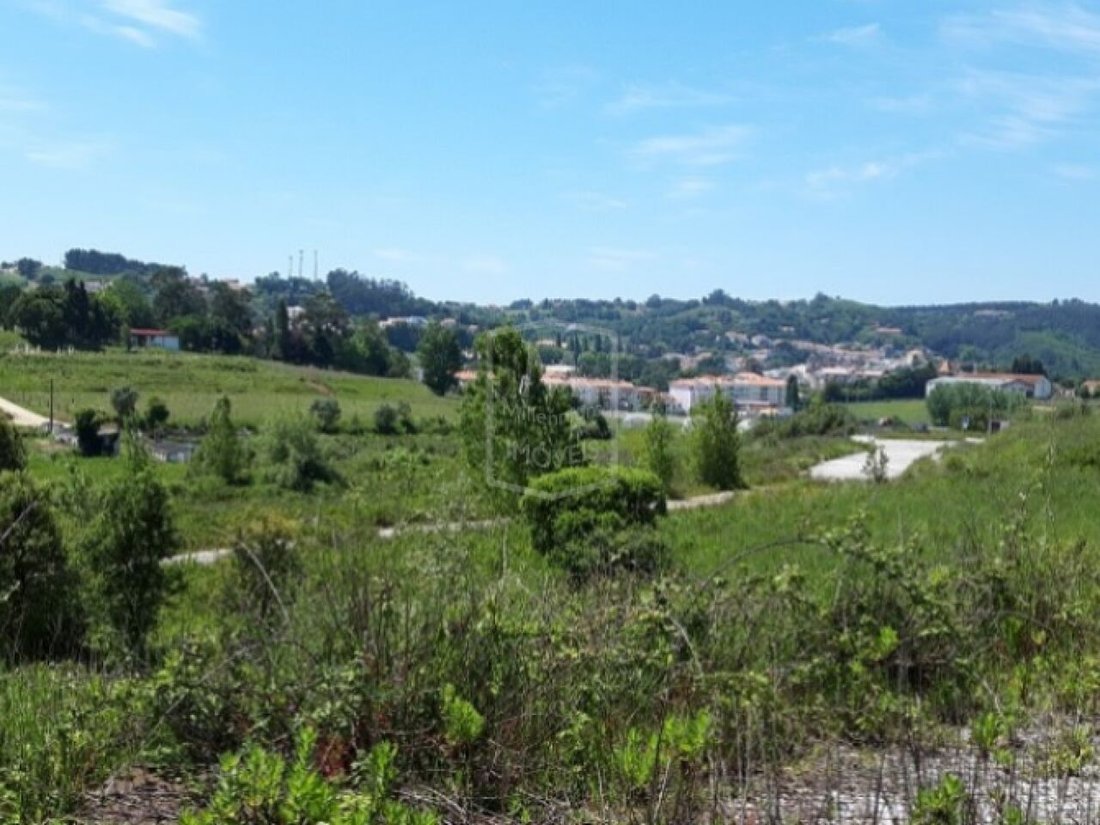
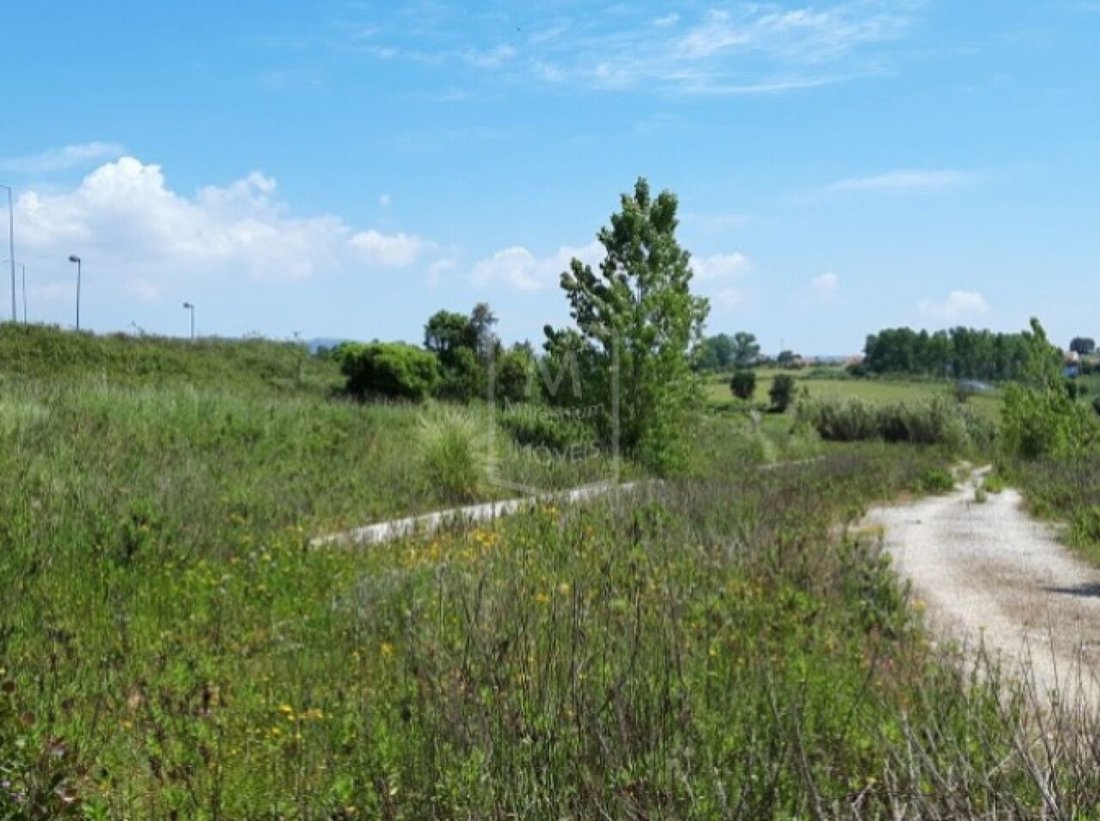
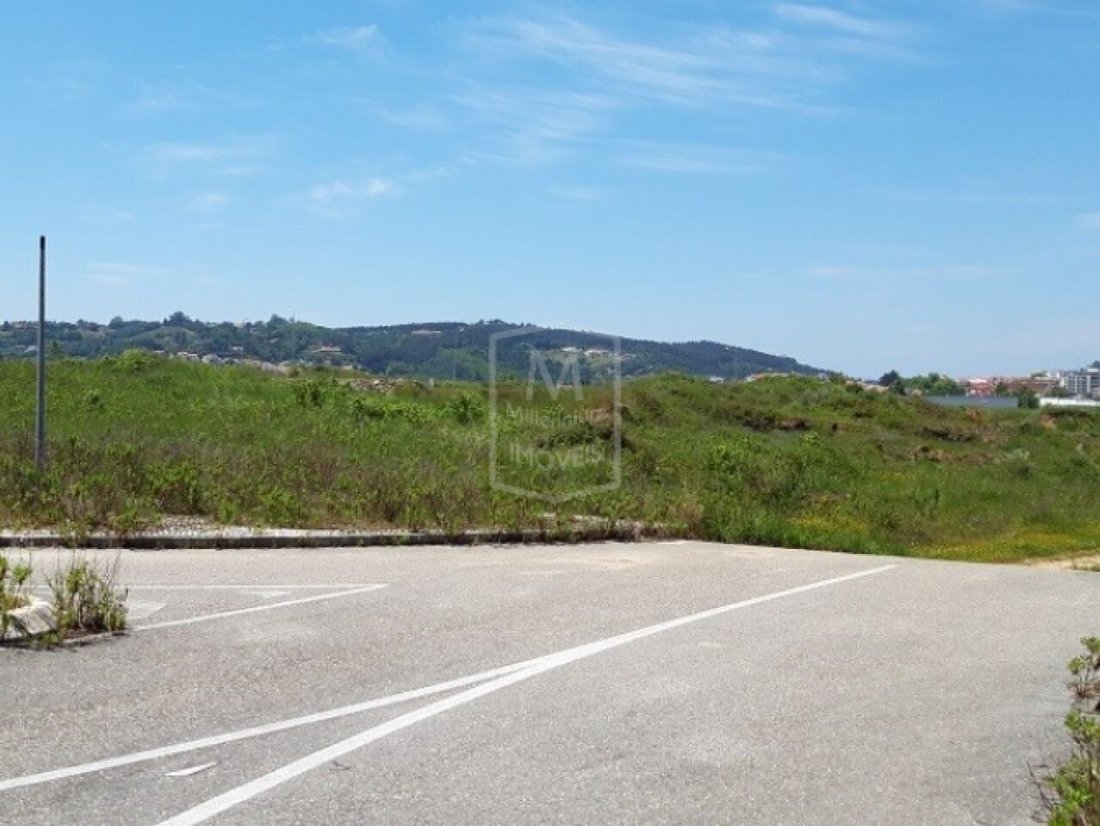
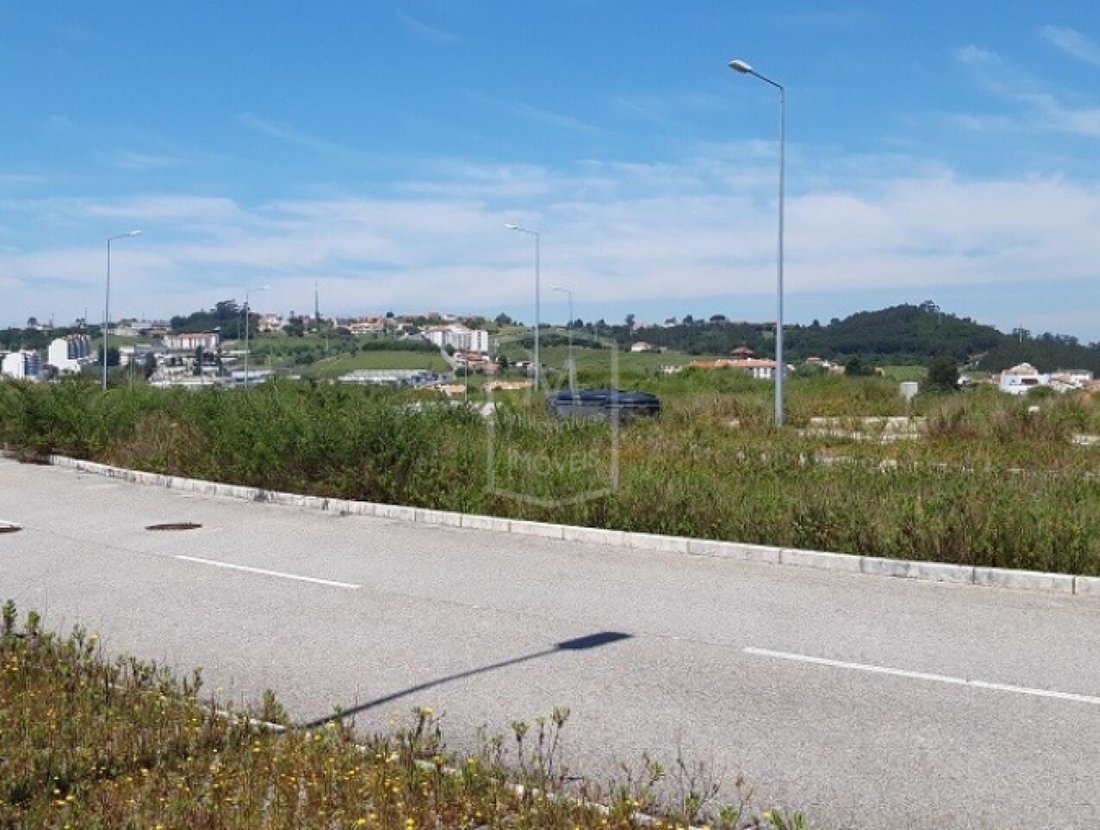
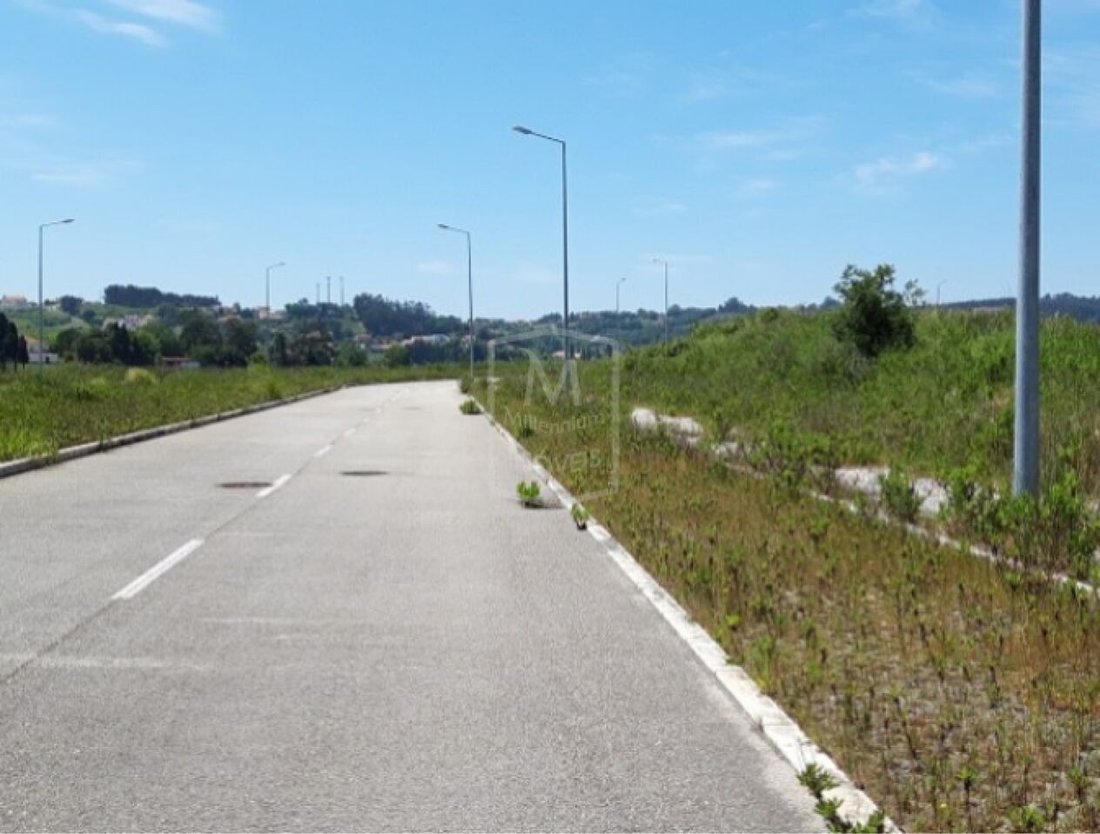
Wichtiges Grundstück mit Alcobaça, dessen Urbanisierungsarbeiten von der CMA genehmigt wurden, für Wohnungsbau (Einfamilien- und Mehrfamilienhäuser), Gewerbe und Dienstleistungen mit einer Gesamtbruttobaufläche (ABC) von 151.950m². Energieklasse: Ausgenommen Die heutige Stadt Alcobaça ist in den Tälern des Flusses Alcoa und des Flusses Baça gewachsen. Das Gebiet der heutigen Gemeinde Alcobaça wurd
Important allotment with Alcobaça whose urbanization works were approved by the CMA, for housing (single-family and multi-family), commerce and services, with a total Gross Construction Area (ABC) of 151,950sqm. Energy Class: Exempt The current city of Alcobaça has grown in the valleys of the Alcoa River and the Baça River. The area of the current municipality of Alcobaça was inhabited by the Roma
Wichtiges Grundstück mit Alcobaça, dessen Urbanisierungsarbeiten von der CMA genehmigt wurden, für Wohnungsbau (Einfamilien- und Mehrfamilienhäuser), Gewerbe und Dienstleistungen mit einer Gesamtbruttobaufläche (ABC) von 151.950m². Energieklasse: Ausgenommen Die heutige Stadt Alcobaça ist in den Tälern des Flusses Alcoa und des Flusses Baça gewachsen. Das Gebiet der heutigen Gemeinde Alcobaça wurde von den Römern bewohnt, aber die Bezeichnung wurde ihr von den Arabern überlassen, deren Besetzung eine Ära des Fortschritts kennzeichnet, wenn man an die zahlreichen Toponyme der angrenzenden Gebiete denkt, die an sie erinnern, wie Alcobaça, Alfeizerão, Aljubarrota, Alpedriz und andere Toponyme. Als Alcobaça zurückerobert wurde, hatte der Ort Zugang zum nahegelegenen Meer, das die große Pederneira-Lagune bildete, die bis Cós reichte, und es ihnen ermöglichte, die Schiffe zu befahren, die die köstlichen Früchte, die in der Region dank der von den Mönchen von Cisterer eingeführten Technik hergestellt wurden, in den Rest des Landes transportierten. Afonso Henriques versüßte den Zisterziensermönchen am 8. April 153 die Ländereien von Alcobaça mit der Verpflichtung, sie zu rülpsen; die Spenden, die in den verschiedenen Regierungszeiten geleistet wurden, bildeten ein riesiges Gebiet - Die Coutos von Alcobaça -, das von etwa São Pedro de Moel bis São Martinho do Porto und von Aljubarrota bis Alvorninha reichte, und das Gebiet erreichte seinen Höhepunkt in der Regierungszeit von D. Fernando I. Die Mönche der Zistermenen wurden Herren von 14 Dörfern, von denen 4 Seehäfen waren: Alfeizerão, São Martinho do Porto, Pederneira und Paredes da Vitória. Die Mönche von Alcobaça haben neben ihrer religiösen und kulturellen Aktivität seit 1269 öffentlichen Unterricht und in ihnen, zusätzlich zu den Geisteswissenschaften, Logik und Theologie, landwirtschaftliche Techniken gelehrt - eine bemerkenswerte und dauerhafte kolonisierende Aktion entwickelt, indem sie die landwirtschaftlichen Innovationen, die in anderen Klöstern erlebt wurden, in die Praxis umgesetzt haben und dank derer sie das Land rülpsten, Stöcke trockneten, für jedes Land geeignete Kulturen einführten und Farmen oder Farmen organisierten, was sie Farmen nannten, praktisch von nichts, eine Agrarregion, die geblieben ist bis heute als eine der produktivsten in Portugal. Joaquim Vieira Naatividade bezeichnet die Mönche von Alcobaça als die Mönche und Agronome. Die Gemeinden Alcobaça und Nazaré sowie ein Teil der nördlichen Gemeinde Caldas da Rainha wurden von den Mönchen von Alcobacense geplündert und verwaltet. Dieses riesige Gebiet wurde Coutos de Alcobaça genannt.
Important allotment with Alcobaça whose urbanization works were approved by the CMA, for housing (single-family and multi-family), commerce and services, with a total Gross Construction Area (ABC) of 151,950sqm. Energy Class: Exempt The current city of Alcobaça has grown in the valleys of the Alcoa River and the Baça River. The area of the current municipality of Alcobaça was inhabited by the Romans, but the denomination was left to it by the Arabs, whose occupation denotes an era of progress judging by the numerous toponyms of the adjacent lands that remind them, such as Alcobaça, Alfeizerão, Aljubarrota, Alpedriz and other toponyms. When Alcobaça was reconquered, the locality had access to the nearby sea that formed the great Pederneira Lagoon that reached Cós and allowed them to sail the vessels that transported to the rest of the country the delicious fruits produced in the region thanks to the technique introduced by the monks of Cisterer. Afonso Henriques sweetened the Lands of Alcobaça to the Cistercian monks on April 8,1153, with the obligation to burp them; the donations made over the various reigns came to constitute a vast territory - The Coutos of Alcobaça - ranging from about São Pedro de Moel to São Martinho do Porto and from Aljubarrota to Alvorninha, and the territory reached its maximum in the reign of D. Fernando I. The monks of Cistermen came to be lords of 14 villages of which 4 were sea ports: Alfeizerão, São Martinho do Porto, Pederneira and Paredes da Vitória. The monks of Alcobaça, in addition to their religious and cultural activity- have had public classes since 1269 and in them, in addition to Humanities, Logic and Theology, taught agricultural techniques - developed a remarkable and lasting colonizing action, putting into practice the agricultural innovations experienced in other monasteries and thanks to which they burped the lands, dried sticks, introduced cultures suitable to each land and organized farms or farms, what they called farms, creating practically from nothing an agricultural region that has remained to this day as one of the most productive in Portugal. Joaquim Vieira Naatividade refers to the monks of Alcobaça, as the monks-agronomes. The municipalities of Alcobaça and Nazaré, as well as part of the northern municipality of Caldas da Rainha, was burped and administered by the Alcobacense monks. This vast territory was called the Coutos de Alcobaça. (ref AV-PBI-1253)
-
Art der Immobilie
Land
Funktionen
Erkunden Sie die Gegend
Alcobaca e Vestiaria, Leiria, Portugal
Auf Google Maps anzeigen
Preis pro sqft
Niedrig
Hoch
Vor 3 Jahren beigetreten
Sie haben sich nach diesem Objekt erkundigt
Der Agent wird sich in Kürze mit Ihnen in Verbindung setzen
Gelistet von
87
Angebote
2023
Beigetreten
Besichtigung mit the agent buchen
Wählen Sie ein Datum und ob Sie eine virtuelle oder persönliche Besichtigung mit dem Makler wünschen.
Bevorzugtes Datum
Art der Tour
Zuletzt aktualisiert
Juni 18
Erstmalig gelistet
Mai 19, 2023
Angebotsreferenz
-209578524
Ähnliche Immobilien in der Nähe
Neue Angebote in Alcobaca e Vestiaria


Entdecken Sie mehr Häuser zum Verkauf
Alcobaca e Vestiaria, Leiria, Portugal Immobilienarten
- Stadthäuser zum Verkauf in Alcobaca e Vestiaria, Leiria, Portugal
- Häuser zum Verkauf in Alcobaca e Vestiaria, Leiria, Portugal
- Land zum Verkauf in Alcobaca e Vestiaria, Leiria, Portugal
- Wohnungen zum Verkauf in Alcobaca e Vestiaria, Leiria, Portugal
- Farm Ranches zum Verkauf in Alcobaca e Vestiaria, Leiria, Portugal
- Villen zum Verkauf in Alcobaca e Vestiaria, Leiria, Portugal
Alcobaca e Vestiaria, Leiria, Portugal beliebte Suchanfragen
- Panorama Immobilien in Alcobaca e Vestiaria, Leiria, Portugal
- Immobilien mit Meerblick in Alcobaca e Vestiaria, Leiria, Portugal
- Immobilien mit Terrasse in Alcobaca e Vestiaria, Leiria, Portugal
- Immobilien mit Bar in Alcobaca e Vestiaria, Leiria, Portugal
- Immobilien mit Spielzimmer in Alcobaca e Vestiaria, Leiria, Portugal
- Immobilien mit Office in Alcobaca e Vestiaria, Leiria, Portugal
- Immobilien mit Aufzug in Alcobaca e Vestiaria, Leiria, Portugal
- Blick auf die Stadt Immobilien in Alcobaca e Vestiaria, Leiria, Portugal
- Immobilien mit Bergblick in Alcobaca e Vestiaria, Leiria, Portugal
- Immobilien mit Garten in Alcobaca e Vestiaria, Leiria, Portugal
- Immobilien mit Outdoor-Küche in Alcobaca e Vestiaria, Leiria, Portugal
- Küste Immobilien in Alcobaca e Vestiaria, Leiria, Portugal
- Gesicherte Wohnanlage Immobilien in Alcobaca e Vestiaria, Leiria, Portugal
- Privatsphäre Immobilien in Alcobaca e Vestiaria, Leiria, Portugal
- am Wasser Immobilien in Alcobaca e Vestiaria, Leiria, Portugal
- Immobilien auf Hügeln in Alcobaca e Vestiaria, Leiria, Portugal
- Anlageimmobilie Immobilien in Alcobaca e Vestiaria, Leiria, Portugal
- Moderne Immobilien in Alcobaca e Vestiaria, Leiria, Portugal
- Pferdesport Immobilien in Alcobaca e Vestiaria, Leiria, Portugal
- Neubauten Immobilien in Alcobaca e Vestiaria, Leiria, Portugal
- Immobilien mit Fitnessstudio in Alcobaca e Vestiaria, Leiria, Portugal
- Immobilien mit Sauna in Alcobaca e Vestiaria, Leiria, Portugal
- Immobilien mit Bibliothek in Alcobaca e Vestiaria, Leiria, Portugal
- Immobilien mit Klimaanlage in Alcobaca e Vestiaria, Leiria, Portugal
- am Ozean Immobilien in Alcobaca e Vestiaria, Leiria, Portugal
- Immobilien mit Whirlpool in Alcobaca e Vestiaria, Leiria, Portugal
- Immobilien mit Kamin in Alcobaca e Vestiaria, Leiria, Portugal
- Immobilien mit Pool in Alcobaca e Vestiaria, Leiria, Portugal
- Immobilien mit Garage in Alcobaca e Vestiaria, Leiria, Portugal
- Immobilien mit Balkon in Alcobaca e Vestiaria, Leiria, Portugal
- Immobilien mit Tennisplatz in Alcobaca e Vestiaria, Leiria, Portugal
- am Meer Immobilien in Alcobaca e Vestiaria, Leiria, Portugal
- Immobilien mit Offene Küche in Alcobaca e Vestiaria, Leiria, Portugal
- Renoviert Immobilien in Alcobaca e Vestiaria, Leiria, Portugal
- Immobilien mit Wasserblick in Alcobaca e Vestiaria, Leiria, Portugal
Verwandte Leitfäden & Geschichten
Das Vertrauen der führenden Makler der Welt
Die Makler hinter den außergewöhnlichsten Immobilien der Welt inserieren bei JamesEdition.
- Angebote von Sotheby's, Christie's, BARNES und Engel & Völkers
- Jedes Angebot wird vor der Veröffentlichung geprüft
- Verbinden Sie sich direkt mit verifizierten Maklern
Indem Sie fortfahren, akzeptieren Sie unsere Nutzungsbedingungen und Datenschutzrichtlinie.