
Few real estate professionals have as broad a vantage point on the global property market as Benjamin Liers. As Global CFO and COO of KENSINGTON Finest Properties International, he oversees an international network that has specialized in high-end real estate across Europe and the Middle East for more than 25 years. Operating from over 100 locations across Germany, Switzerland, the United Kingdom, Spain Mainland, the Balearic Islands, Canary Islands and Dubai, KENSINGTON combines deep local expertise with a cross-border advisory model increasingly sought by globally mobile clients.
Properties like the Son Vida villa in Mallorca represent the kind of acquisition that defines this moment in global real estate: a strategic position in one of Europe’s most prestigious residential enclaves, offering both lifestyle value and long-term investment potential.
 Benjamin LiersGlobal CFO & COO at KENSINGTON Finest Properties International AGLuxury real estate has become closely linked to global capital allocation rather than local demand dynamics. Clients are no longer thinking in single-market terms, but in cross-border strategies. Real estate is increasingly used as a tool to create flexibility, protect wealth and establish optionality across jurisdictions.
 benjamin.liers@kensington-international.com
 A Structural Shift in Global Real Estate
Capital allocation in real estate has changed fundamentally. Buyers at the highest level are no longer evaluating properties in single-market terms. Instead, they are building cross-border strategies that account for taxation, geopolitical stability, lifestyle preferences, and long-term wealth preservation, often simultaneously. This shift has elevated the role of advisory beyond traditional brokerage, requiring firms to understand the strategic context behind each acquisition.
From Market Cycle to Structural Transformation
Liers sees the current environment as something far more significant than a typical correction or upswing.
The implications extend well beyond individual transactions. Expectations toward advisory have increased considerably, with clients seeking a deeper understanding of markets, risks, and opportunities rather than a simple presentation of options.

The Rise of the Strategic Second Home
The second-home market illustrates this evolution most clearly. While the pandemic accelerated the trend of multi-location living, the underlying driver is structural rather than reactionary. Internationally active individuals are increasingly treating real estate as part of a deliberate portfolio of locations, each serving a different purpose.
This multi-location approach is becoming more common among entrepreneurs and younger high-net-worth individuals, driven by flexibility and control rather than ownership for its own sake. Taxation, lifestyle flexibility, and geopolitical stability now sit at the center of nearly every acquisition decision.

Where Capital Is Flowing and Why
International capital is concentrating in a distinct set of markets, each offering a different combination of fiscal advantage, lifestyle appeal, and long-term stability. From the tax-efficient dynamism of Dubai to the enduring fundamentals of Mediterranean destinations, the pattern reflects a buyer base that is more analytical, more global, and more deliberate than ever before.
Dubai, Italy, and the New Fiscal Frontiers
Among global destinations attracting international capital, Dubai stands out for its combination of tax efficiency, economic dynamism, and international connectivity. Italy, meanwhile, has gained significant traction through its flat tax regime for new residents, offering a compelling blend of cultural depth, lifestyle quality, and fiscal attractiveness.
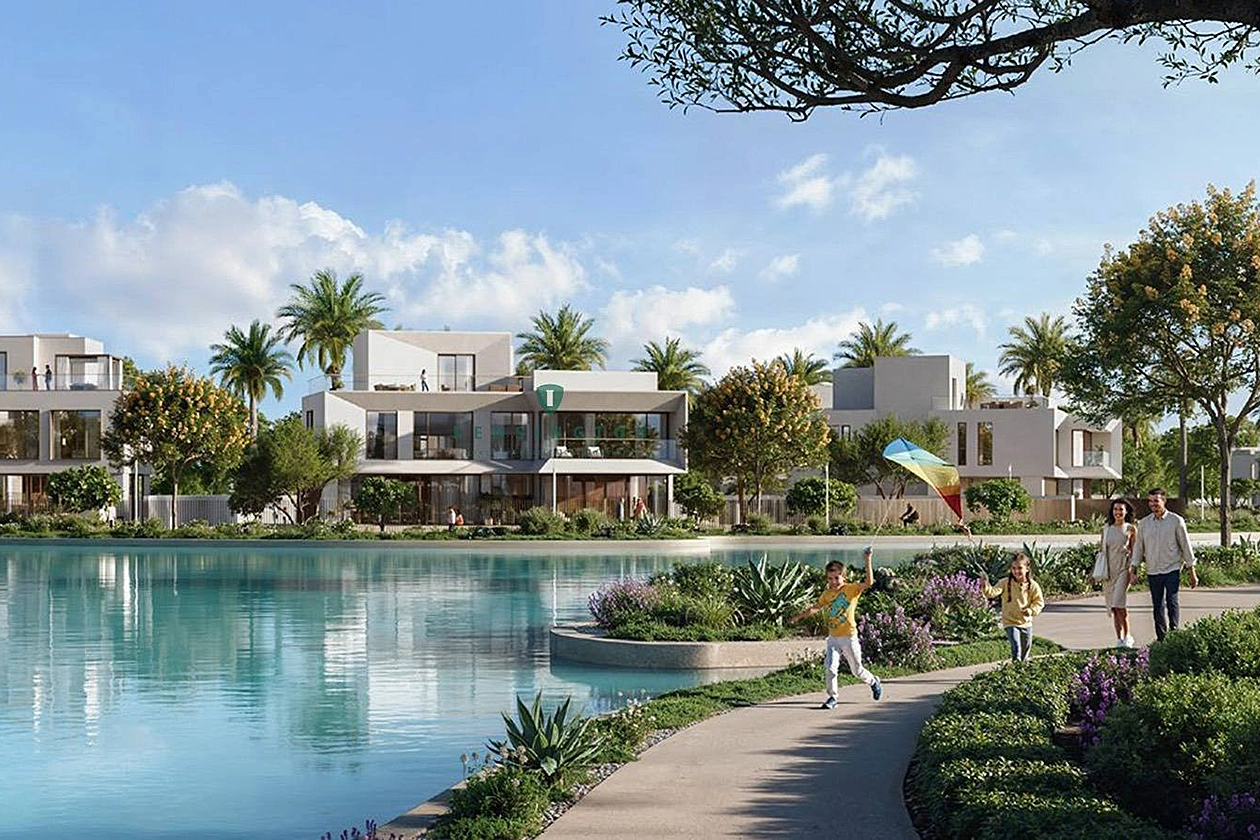

Liers notes that the speed and transparency of transactions are particular draws for entrepreneurs and internationally active individuals. At the same time, he cautions that the market requires careful navigation, given its wide range of quality, making local expertise critical for identifying sustainable, high-value opportunities.
Geopolitical uncertainty has become one of the strongest drivers of capital movement overall. Clients are increasingly sensitive to political stability, regulatory predictability, and long-term security, and are making very deliberate comparisons between jurisdictions.

Mediterranean Resilience and London’s Enduring Appeal
Destinations such as Mallorca, Marbella, and the Cote d’Azur continue to demonstrate remarkable resilience, driven not by short-term trends but by deep-rooted lifestyle fundamentals that have sustained international demand for decades.
The consistency of these markets is a defining characteristic. While broader economic cycles may create short-term fluctuations, the underlying appeal remains unchanged. Switzerland, too, continues to serve as a stability anchor, particularly for European clients who prioritize long-term security and a highly predictable regulatory environment.
London, despite periods of regulatory change and political uncertainty, retains its role as a global capital hub. Modern developments increasingly integrate wellness, co-working, and concierge services that align with the expectations of today’s globally minded buyers, and selective demand is creating interesting entry points.

Navigating the New Landscape
The decision-making process among high-net-worth buyers has shifted considerably. Acquisitions are no longer driven primarily by emotional factors or prestige. Instead, buyers approach real estate as part of a broader life strategy that encompasses business activities, family planning, and international mobility.


Notable differences exist between entrepreneurial buyers and traditional wealth. New money tends to prioritize flexibility, access, and potential upside, while traditional wealth focuses more heavily on preservation and legacy. Both groups, however, increasingly rely on a multi-dimensional framework that weighs taxation, lifestyle, and geopolitical stability together rather than in isolation.
International real estate transactions also carry a layer of complexity that many buyers initially underestimate, from legal structures and tax implications to financing and long-term residency planning.
This is where KENSINGTON’s international network plays a defining role. Operating across multiple key markets in Europe and the Middle East, the firm connects local depth with a global advisory perspective. Clients benefit from curated opportunities aligned with their broader objectives rather than isolated, single-market options.

From Ownership to Global Positioning
Looking ahead, Liers expects the current trends to accelerate. Capital will remain mobile, competition between jurisdictions for high-net-worth residents will intensify, and established lifestyle destinations will continue to attract international buyers anchored by fundamentals that transcend market cycles.
For the advisory industry, the message is clear: understanding global dynamics and translating them into concrete, well-positioned opportunities will define the firms that lead the next phase of international real estate.
For more information, contact KENSINGTON via the form below: