$5,341,856
18th Century Fortress "Cardinal's Castle"
- 6 Beds
- 3 Baths
- 6,373 Sqft
- 12.36 Ac lot
- Updated: Yesterday
- 2
About the Property
This imposing 18th-century fortress, known as Cardinal’s Castle, was erected in honor of the Spanish Infante D. Luis Antonio Jaime de Borbón y Farnesio (1727-1785), brother of King Carlos III and a prominent patron of artists such as Goya and Luis Paret, as well as musicians like Luigi Boccherini. Its historical significance and privileged location overlooking the Atlantic on the Costa da Morte ma
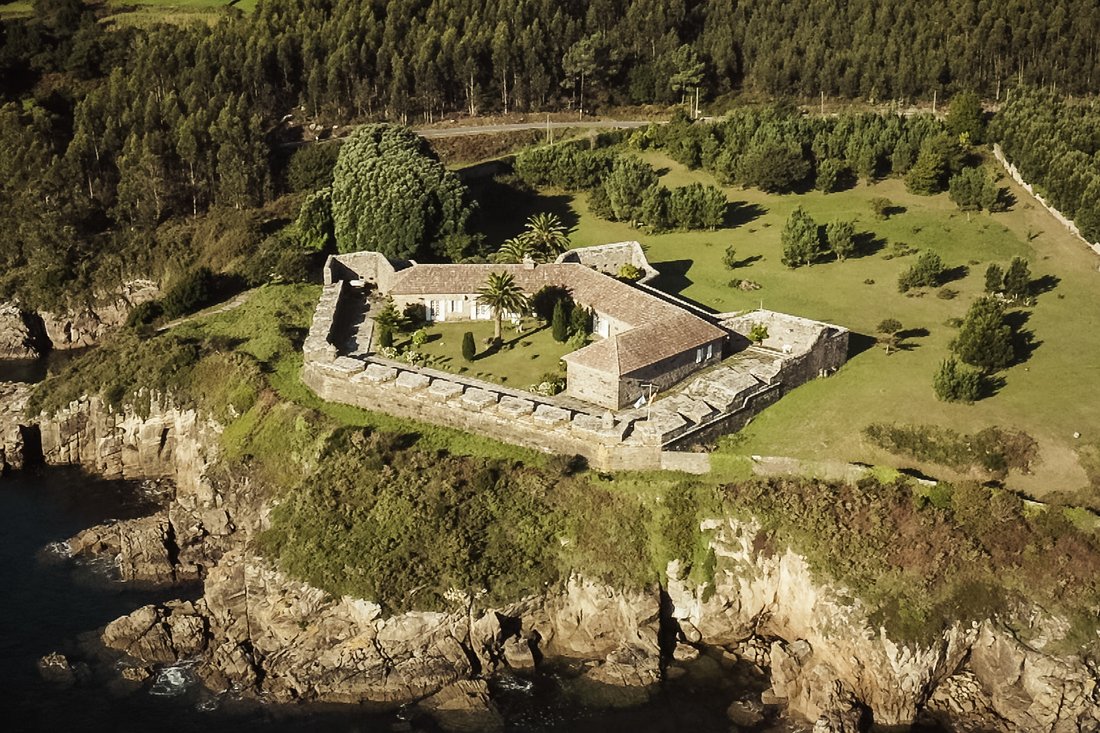
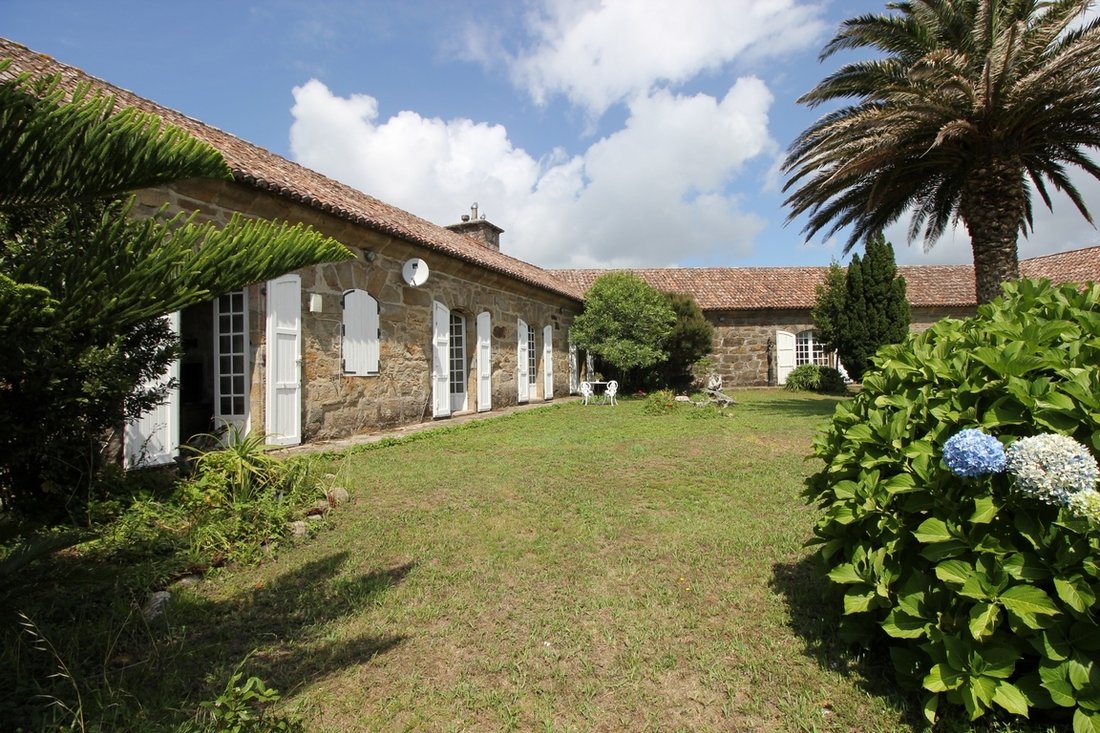
This imposing 18th-century fortress, known as Cardinal’s Castle, was erected in honor of the Spanish Infante D. Luis Antonio Jaime de Borbón y Farnesio (1727-1785), brother of King Carlos III and a prominent patron of artists such as Goya and Luis Paret, as well as musicians like Luigi Boccherini. Its historical significance and privileged location overlooking the Atlantic on the Costa da Morte make it a unique property in Galicia.
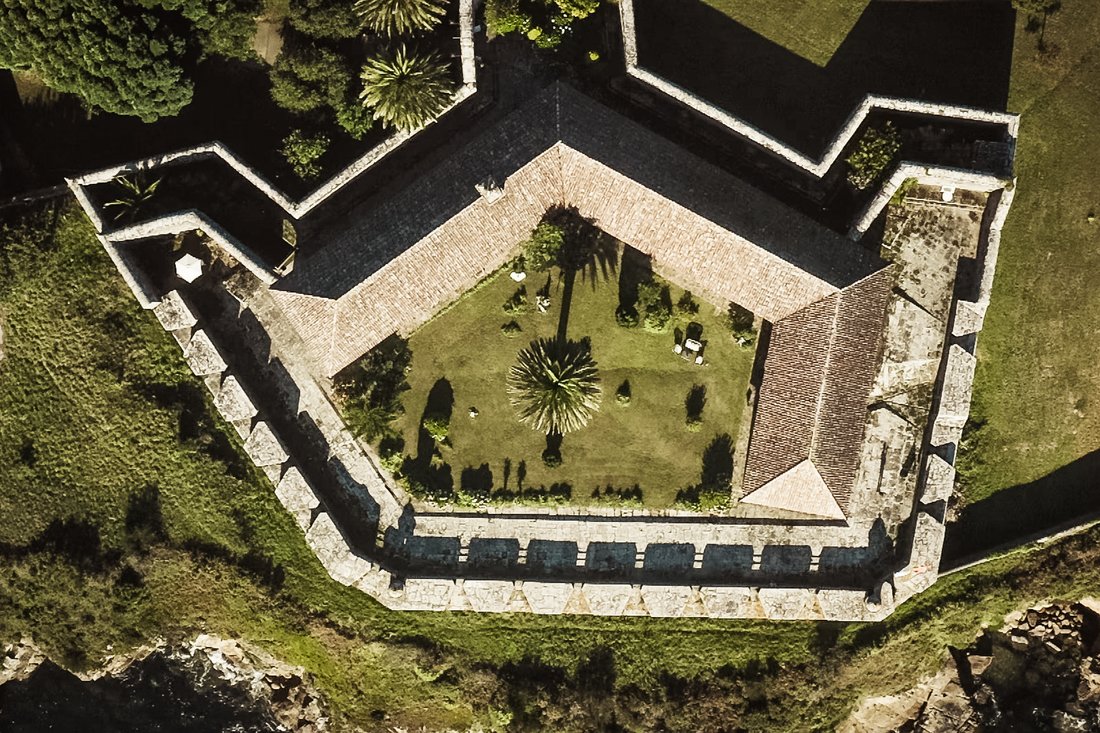
Construction began in 1755 under the direction of Lana Ferrieri and was completed by Francisco Llovet and the Frenchman, Carlos Lemaur in 1757. The castle was part of the defensive system of the Ría de Corcubión, along with the Prince’s Castle, protecting the port and trade routes to Northern Europe and the Mediterranean. Its strategic design—a fortified peninsula in the shape of a star, perfectly integrated into the landscape—allowed for surprising attackers and ensuring the safety of expeditions.
Built from solid local stone, the castle features 17 gun ports and an approximate area of 2,800 m². Inside, around the old parade ground, there is a U-shaped structure, now converted into residential space. Originally, it housed barracks, warehouses, a powder magazine, and facilities for a garrison of up to 96 soldiers.
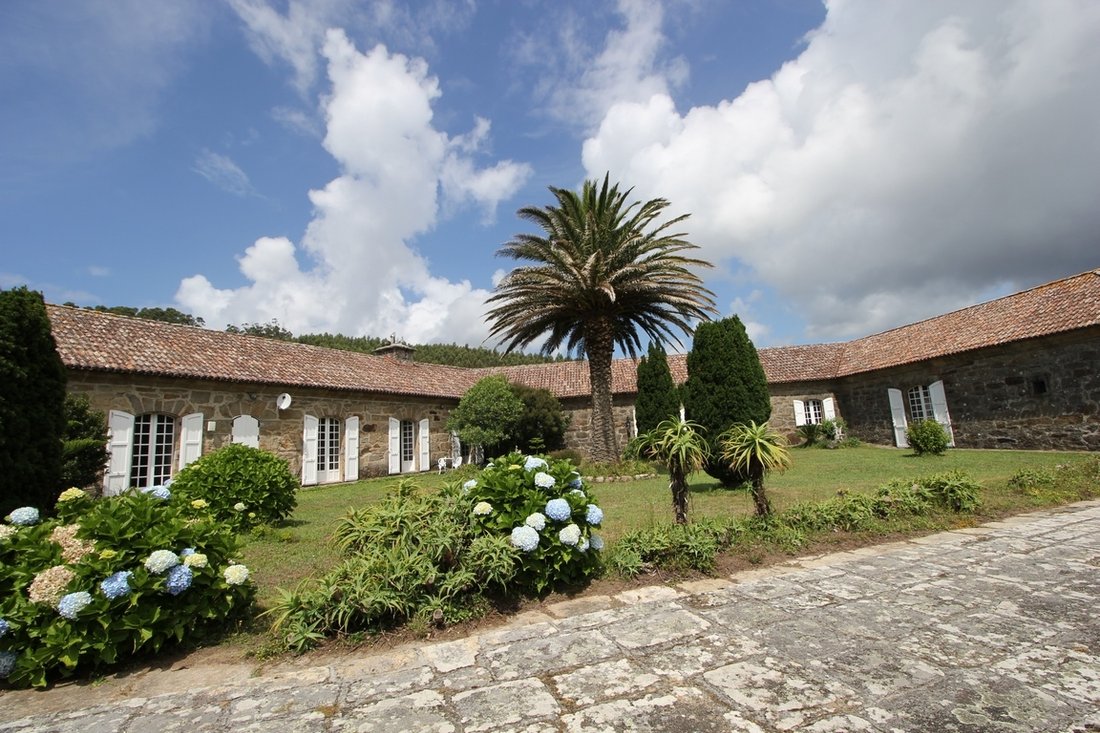
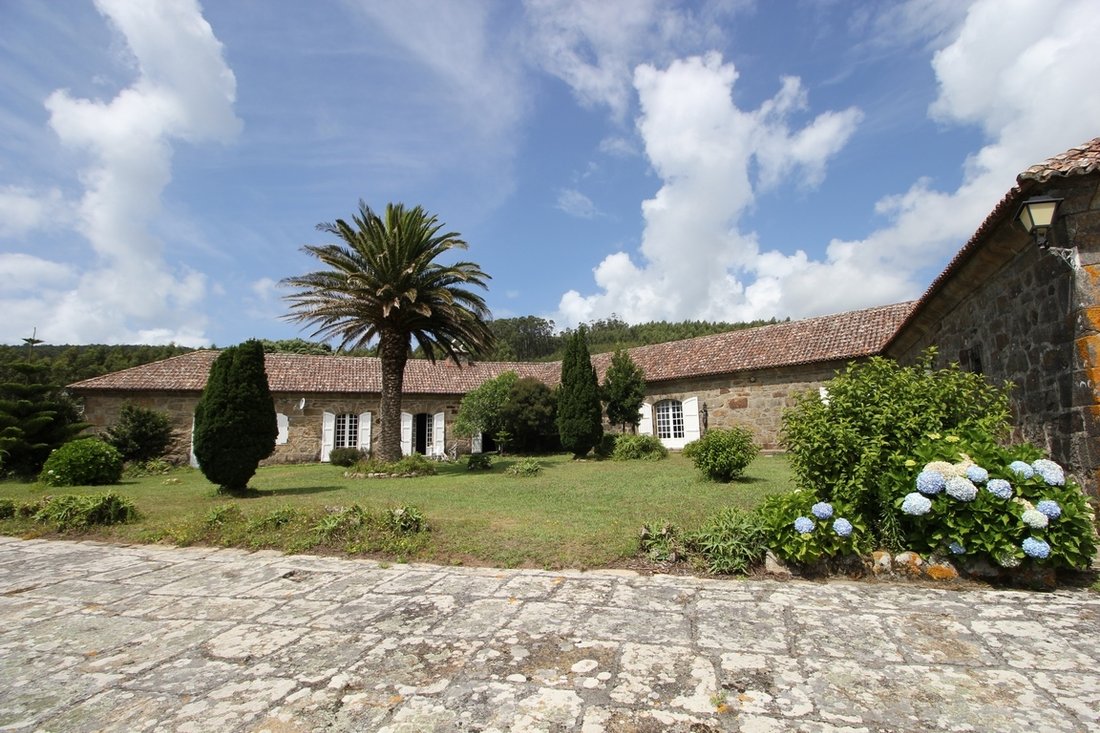
The main building, consisting of a single floor and three stone bodies, retains highly valuable architectural elements: barrel vaults, whitewashed walls—still visible in the current cellar—and traditional country tile roofing. The fortress also had interior gardens and a freshwater well, essential in case of siege.
Today, Cardinal’s Castle is presented in excellent condition, faithfully respecting its original structure and offering a unique space for residential, tourist, or cultural use.
A unique architectural gem on the Galician coast, where history, landscape, and exclusivity come together in an unparalleled property.
Construction began in 1755 under the direction of Lana Ferrieri and was completed by Francisco Llovet and the Frenchman, Carlos Lemaur in 1757. The castle was part of the defensive system of the Ría de Corcubión, along with the Prince’s Castle, protecting the port and trade routes to Northern Europe and the Mediterranean. Its strategic design—a fortified peninsula in the shape of a star, perfectly integrated into the landscape—allowed for surprising attackers and ensuring the safety of expeditions.
Built from solid local stone, the castle features 17 gun ports and an approximate area of 2,800 m². Inside, around the old parade ground, there is a U-shaped structure, now converted into residential space. Originally, it housed barracks, warehouses, a powder magazine, and facilities for a garrison of up to 96 soldiers.
The main building, consisting of a single floor and three stone bodies, retains highly valuable architectural elements: barrel vaults, whitewashed walls—still visible in the current cellar—and traditional country tile roofing. The fortress also had interior gardens and a freshwater well, essential in case of siege.
Today, Cardinal’s Castle is presented in excellent condition, faithfully respecting its original structure and offering a unique space for residential, tourist, or cultural use.
A unique architectural gem on the Galician coast, where history, landscape, and exclusivity come together in an unparalleled property.
-
Property type
Castle
-
Price/sqft
$838
Features
- Garden
- Water View
- Mountain View
- Wine Cellar
- Ocean View
- Coastal
- Panoramic / Scenic View
- High Ceiling
Explore the Area
Joined 3 months ago
You have inquired about this property
The agent will contact you soon by
Listed by
14
Listings
2026
Joined
Book home tour with the agent
Choose a date and whether you'd like a virtual or in-person tour with the agent.
Preferred date
Tour type
Last updated
Yesterday
First listed
October 17
Listing reference
-
Similar Properties Nearby
New Listings in Corcubion

Explore More Homes for Sale
Corcubion, Spain popular searches
Corcubion, Spain neighborhoods
Related Guides & Stories
Trusted by the World's Leading Brokers
The agents behind the world's most exceptional properties list with JamesEdition.
- Listings from Sotheby's, Christie's, BARNES, and Engel & Völkers
- Every listing reviewed before it goes live
- Connect directly with verified listing agents
By continuing you agree to our Terms and Privacy Policy.