$579,508
The Iconic Dyckhoff Manor House In Bar Le Duc, Halfway Between Paris And Strasbourg
- 5 Beds
- 2 Baths
- 4,091 Sqft
- 42,647 Sqft lot
- Updated: Yesterday
About the Property
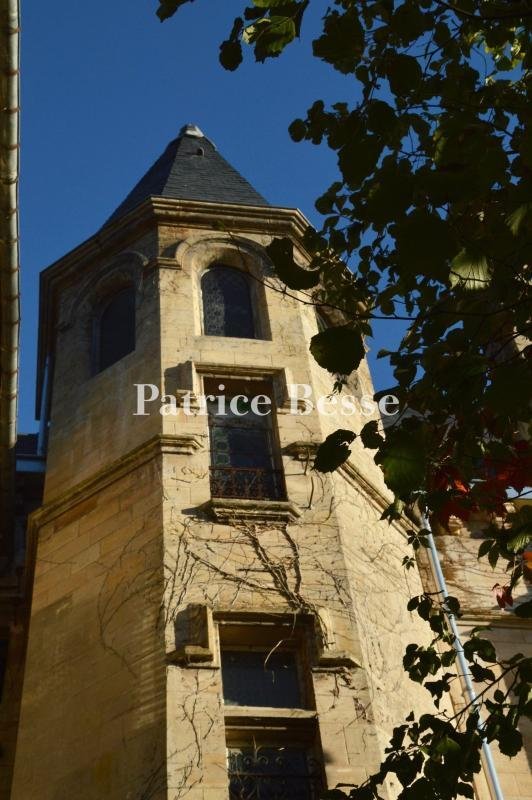
The iconic Dyckhoff manor house in Bar-le-Duc, halfway between Paris and Strasbourg. The property is accessed via a gate which, from the street, provides a discreet entrance to a large, walled garden with trees, covering just under 4,000 m². Built in 1886 for Frédéric Dyckhoff by his father-in-law, the architect Charles Demoget, the manor house stands set back from the edge of the garden, in the c
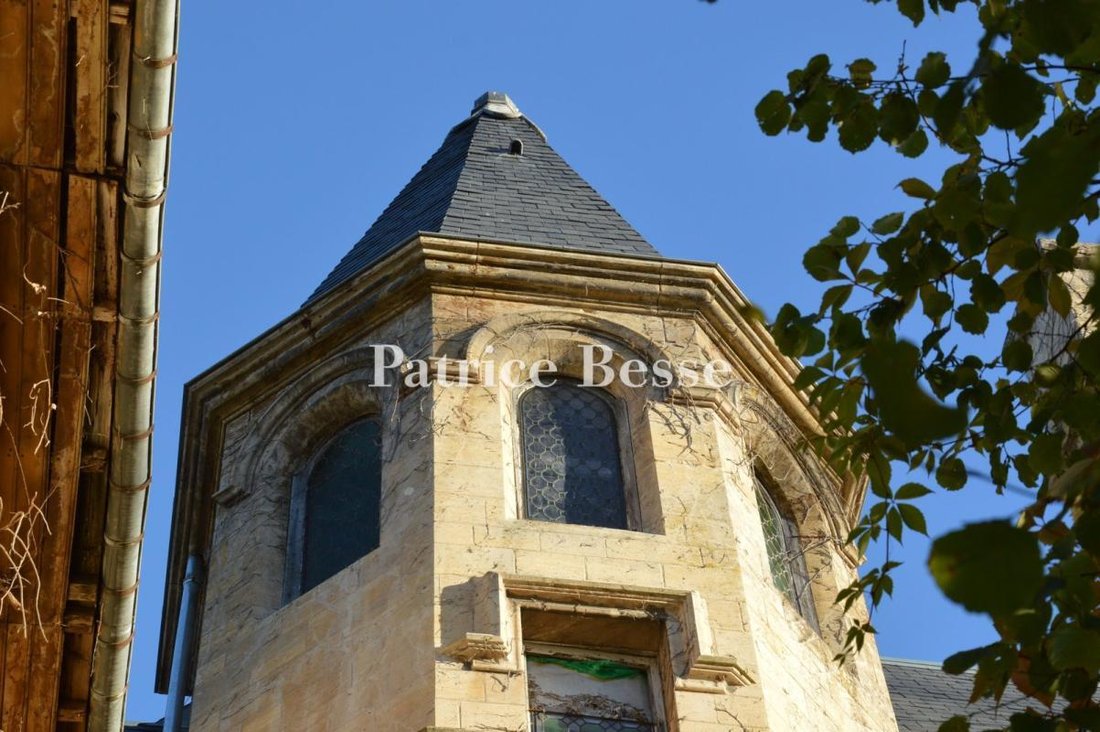
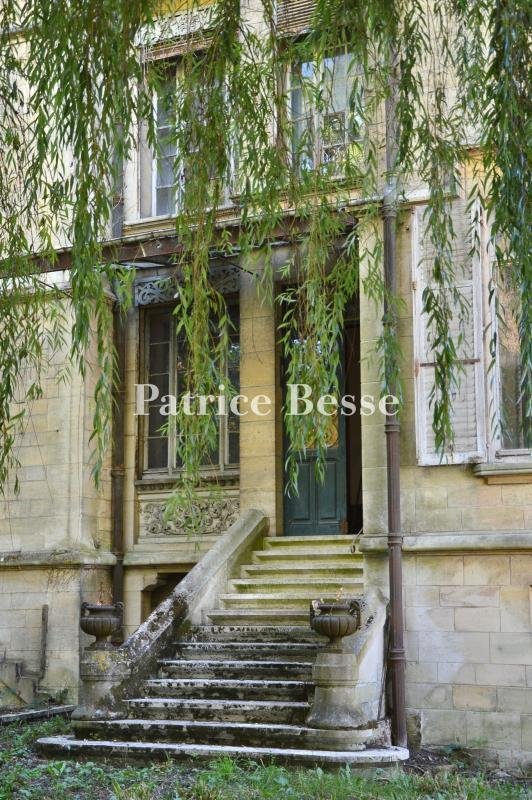
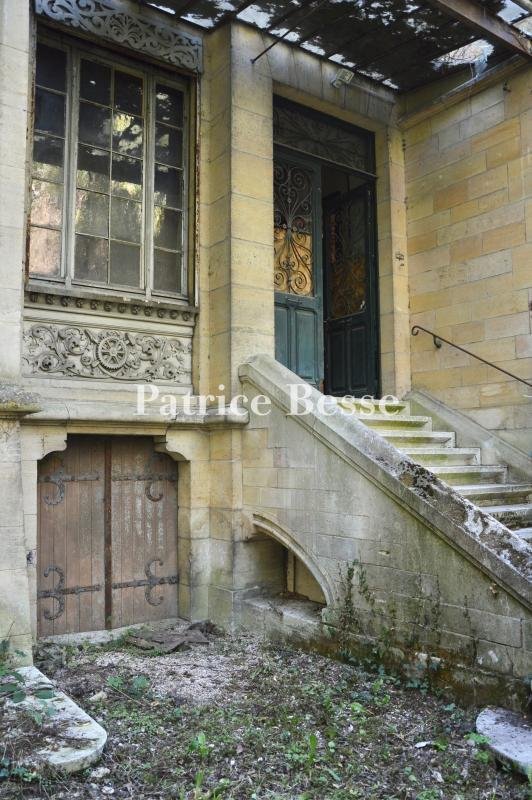
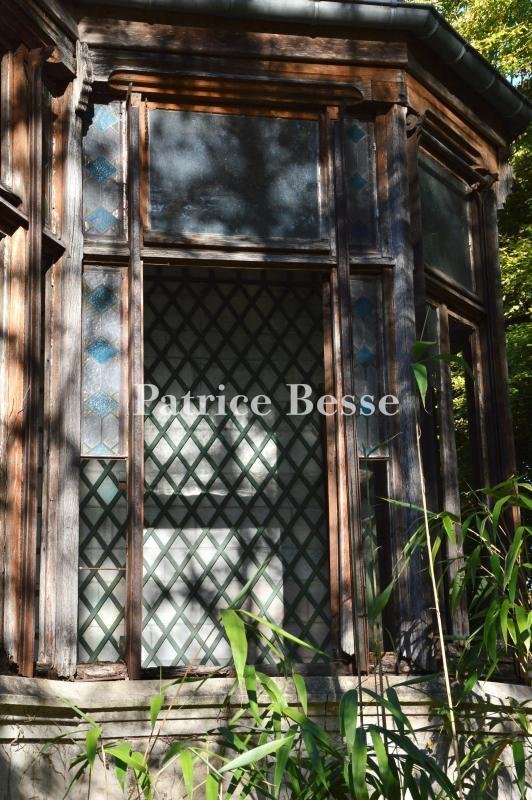
The iconic Dyckhoff manor house in Bar-le-Duc, halfway between Paris and Strasbourg. The property is accessed via a gate which, from the street, provides a discreet entrance to a large, walled garden with trees, covering just under 4,000 m². Built in 1886 for Frédéric Dyckhoff by his father-in-law, the architect Charles Demoget, the manor house stands set back from the edge of the garden, in the centre of the grounds. Three storeys’ high on top of cellars, with a slate roof, the manor house features facades made of Savonnières stone. The main facade is adorned with particularly elaborate sculpted decorations. The tall windows with small panes are framed by mouldings and topped by friezes featuring openwork designs of foliage and plant motifs. Beneath one of them, a carved frieze combines a cogwheel, a pair of pliers and a hammer – surrounded by foliage and scrolls – with a band of small floral motifs, evoking the industrial world. The entrance, preceded by a stone staircase, is sheltered by a long metal canopy that runs the entire length of the facade; it is now badly weathered and partially glazed. The double door, adorned with ironwork, is surmounted by a decorative transom. The ground floor still has a wooden service door. On the left, the facade still bears traces in the masonry of a former continuous balcony that has since disappeared. Adjoining the main elevation, a staircase turret is topped by a steeply pitched slate roof, the upper part of which features arched windows set with stained-glass panes. The windows, carefully framed with moulded stone, are flanked by cornices and string courses that mark out the different levels. The garden offers a truly private space and is home to a particularly lush array of plants, including, in particular, a ginkgo biloba, a copper beech, a lime tree and a walnut tree. An iconic property, both because of its architecture and its significance to local industrial history, it epitomises the success of the Dyckhoff family, who played a major role in the region’s history. It was in Bar-le-Duc that Rudolf Diesel and Frédéric Dyckhoff, an engineer and industrialist with close ties to Gustave Eiffel’s circle, designed the very first working diesel engine in July 1894.
Information on the risks to which this property is exposed is available on the Géorisques website: https://www.georisques.gouv.fr/
Information on the risks to which this property is exposed is available on the Géorisques website: https://www.georisques.gouv.fr/
-
Property type
House
-
Price/sqft
$141
Explore the Area
Centre Ville, Bar-le-Duc, France
View on Google Maps
Price per sqft
Low
High
Joined 3 years ago
You have inquired about this property
The agent will contact you soon by
Listed by
749
Listings
2023
Joined
Book home tour with the agent
Choose a date and whether you'd like a virtual or in-person tour with the agent.
Preferred date
Tour type
Last updated
Yesterday
First listed
October 29
Listing reference
430490_JE
Trusted by the World's Leading Brokers
The agents behind the world's most exceptional properties list with JamesEdition.
- Listings from Sotheby's, Christie's, BARNES, and Engel & Völkers
- Every listing reviewed before it goes live
- Connect directly with verified listing agents
By continuing you agree to our Terms and Privacy Policy.