$3,714,283
Hotel E Pensione Vicino Ad Alqueva
- 10,764 Sqft
- 108.73 Ac lot
- Aggiornato: Agosto 28
- 2
Informazioni sulla proprietà
La descrizione è stata tradotta automaticamente.
La descrizione viene visualizzata nella lingua originale.
QUINTA das RATOEIRAS
Turismo rurale e agricoltura
Villaggio dei frati
Memoria descrittiva
1. INTRODUZIONE
Quinta das Ratoeiras è una proprietà rurale di circa 44 ettari, situata nella parrocchia di Vila de Frades, nel comune di Vidigueira e nel distretto di Beja. Il suo nome originale, Horta das Ratoeiras, è attribuito al fatto che i numerosi alberi frondosi pre
Turismo rurale e agricoltura
Villaggio dei frati
Memoria descrittiva
1. INTRODUZIONE
Quinta das Ratoeiras è una proprietà rurale di circa 44 ettari, situata nella parrocchia di Vila de Frades, nel comune di Vidigueira e nel distretto di Beja. Il suo nome originale, Horta das Ratoeiras, è attribuito al fatto che i numerosi alberi frondosi pre
QUINTA das RATOEIRAS
Rural Tourism & Agriculture
Village of Friars
Descriptive Memory
1. INTRODUCTION
Quinta das Ratoeiras is a rural property with about 44 ha, located in the parish of Vila de Frades, Municipality of Vidigueira and District of Beja. Its original name, Horta das Ratoeiras, is attributed to the fact that the many leafy trees there allow local
Rural Tourism & Agriculture
Village of Friars
Descriptive Memory
1. INTRODUCTION
Quinta das Ratoeiras is a rural property with about 44 ha, located in the parish of Vila de Frades, Municipality of Vidigueira and District of Beja. Its original name, Horta das Ratoeiras, is attributed to the fact that the many leafy trees there allow local
QUINTA das RATOEIRAS
Turismo rurale e agricoltura
Villaggio dei frati
Memoria descrittiva
1. INTRODUZIONE
Quinta das Ratoeiras è una proprietà rurale di circa 44 ettari, situata nella parrocchia di Vila de Frades, nel comune di Vidigueira e nel distretto di Beja. Il suo nome originale, Horta das Ratoeiras, è attribuito al fatto che i numerosi alberi frondosi presenti consentono alle popolazioni locali di allestire «trappole» per gli uccelli, secondo le usanze dell’epoca. Dal secolo scorso, il nome «Trappole per topi» è stato registrato anche in tutte le carte militari della zona.
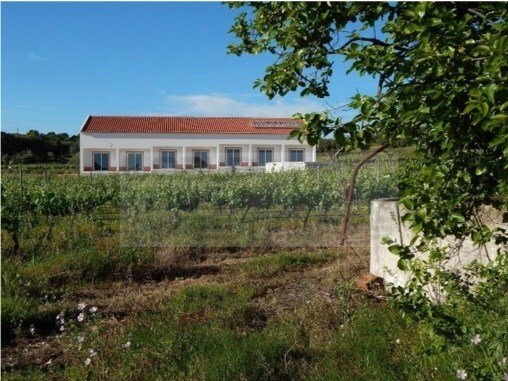
Secondo gli attuali proprietari, che l’hanno acquistata nel 1993, la proprietà era stata completamente abbandonata dagli anni ’60. Nel primo anno dopo l’acquisizione, le preoccupazioni principali erano rivolte alla ricostruzione e all’unione delle due abitazioni principali (+/- 400 m2 - foto di copertina e porta accanto), che consentirono innanzitutto l’insediamento della famiglia e anche la sede dell’azienda.
Nei cinque anni successivi (1994/1998), è stato sviluppato l’intero progetto agricolo attualmente associato. Sono stati piantati altri 2 ettari di agrumi, sono state acquisite licenze per l’impianto di 16 ha di viti e negli ultimi anni sono stati piantati altri 4 ha di uliveti e 5 ha di vigneto.
2. ATTIVITÀ
CITRICOLTURA - Come detto sopra, la Quinta das Ratoeiras si presenta come una proprietà agricola, perfettamente organizzata in termini di molteplici attività attualmente sviluppate in quasi tutta la fattoria.
Per piantare l’aranceto, sono state scelte le varietà «New Hall» e «Valencia Late» per associarle meglio alla varietà autoctona di Vidigueira, chiamata Laranja-Pera, e già presente con alberi secolari in circa 2 ettari della proprietà.
Dato il loro alto contenuto di succo, queste arance venivano vendute nei primi anni di produzione ai ristoranti della zona di Lisbona per la produzione di succhi.
Quinta das Ratoeiras ha anche un numero non significativo di sabbie di mandarini e limoni, alberi associati che completano l’attività degli agrumi.
Vidigueira - Evento «A Pão e Laranjas»
Al fine di valorizzare l’uso della sua produzione di arance, Quinta das Ratoeiras produce attualmente dolci e marmellate fatte in casa (in particolare marmellata di arance) e partecipa attivamente all’evento «A Pão e Laranjas», organizzato dal Comune di Vidigueira.
In questo evento Quinta das Ratoeiras è sempre presente con questi frutti e con prodotti fabbricati e associati: succhi d’arancia, torte all’arancia, dolci all’arancia e liquore all’arancia, oltre a Laranjas-Pera as vidigueira ex-libris.
VITICOLTURA - Nella vinificazione e nella piantumazione dei circa 21 ettari di vigneto attualmente esistenti, è stata utilizzata la consulenza di ATEVA (Associazione tecnica dei viticoltori dell’Alentejo) nella zona di vinificazione, che ha effettuato a Quinta das Ratoeiras l’analisi del terreno, lo studio dell’orografia della proprietà e la sua esposizione al sole. A seguito di queste analisi, è stata raccomandata la piantagione delle seguenti varietà rosse: Trincadeira, Alfrocheiro, Aragonês, Shirah e Alicante Bouschet.
Per quanto riguarda le varietà a bacca bianca (3 ha), si è optato per la casta regina di Vidigueira, Antão Vaz e Arinto, varietà che tra l’altro danno
ai vini di questa regione, tutta l’enorme fama che hanno. Lavori agricoli - Potatura nei vigneti
Ulivi ’Galega’ di circa 1.200 anni
OLIVICULTURA - Per quanto riguarda l’olivicoltura, la proprietà aveva 4 ettari di uliveti tradizionali della varietà Galega, che sono stati mantenuti. Su consiglio della Cooperativa Agricola di Vidigueira, è stato consigliato di piantare altri 4 ettari di nuovi uliveti, avendo scelto la varietà Cobrançosa.
Alcuni degli ulivi più antichi della proprietà sono stati conservati e vengono curati regolarmente, non solo per la loro età (da 1.000 a 1.200 anni), ma perché sono già un’importante attrazione turistica.
ALTRE ATTIVITÀ - I lavori agricoli vengono eseguiti durante tutto l’anno sulla proprietà, come
la molteplicità dei compiti si svolge nell’arco delle quattro stagioni.
Per sostenere i compiti più difficili, all’inizio del recupero agricolo della proprietà è stato acquistato un trattore Hurliman, recentemente sostituito da uno più potente del marchio «New Holland».
Il trattore viene utilizzato in particolare nel
1) Distribuzione e applicazione di fertilizzanti; 2) Applicazione di disinfettanti nei vigneti, negli aranceti e negli uliveti; 3) Taglio (despampanagem) dei rami più grandi delle viti; 4) Distruggere le vide dopo la potatura; 5) Spostamento del terreno (strappo); 6) Regolarizzazione dei percorsi lungo la proprietà; 7) Trasporto di uva e olive alle cooperative che le ricevono e le trasformano; 8) Trasporto di materiali e prodotti da e verso l’attività agricola
IRRIGAZIONE - Dato che Quinta das Ratoeiras ha molta acqua (6 pozzi, due buche e soprattutto due sorgenti naturali), fin dall’inizio questa autentica ricchezza naturale è stata inserita nella strategia di sviluppo di vigneti, uliveti e aranceti.
Così durante tutto il prNella proprietà è installato un sistema di irrigazione a goccia, che copre i vigneti, l’uliveto della varietà Snake e gli aranceti (vecchi e nuovi). Il sistema che integra filtri e fertilizzanti è completamente automatico e consente non solo una programmazione computerizzata completa, ma anche che l’irrigazione avvenga di notte, quando l’evaporazione è inferiore e il costo energetico inferiore.
Alcuni pozzi sono collegati tra loro con un sistema di trasvasi, per compensare e bilanciare la quantità di acqua disponibile per l’irrigazione nei periodi di maggiore necessità.
CANTINA
Di recente è stata costruita una cantina, per poter rispondere alle dinamiche che si sono create nell’azienda agricola e in tutta la regione circostante. In effetti, il Vinho de Talha è una tradizione della regione, lo erano i proprietari
«sedotti» all’idea di dedicarsi alla produzione di questo vino secondo la tecnica romana (vedi allegato al presente documento).
È iniziata con l’acquisizione di sette paranchi, impermeabilizzati con vernice epossidica, e che sono stati immediatamente
sono stati messi al servizio di questo progetto. In tempo utile questo passaggio è avvenuto, perché Quinta das Ratoeiras ha vinto 2 medaglie d’oro, 1 d’argento, 1 di bronzo e numerose menzioni d’onore ai Talha Wine Contest a cui partecipa per sempre.
Queste competizioni si svolgono ogni anno in occasione di VITIFRADES, l’unico evento nazionale dedicato al vino Talha, che si svolge in questa regione il secondo fine settimana di dicembre. Nel 2020 si svolgerà la 23a edizione di questo Concorso.
Il vino Talha è un patrimonio culturale di questa regione. Il processo lasciato qui dai romani è così originale che il comune di Vidigueira è a capo di un movimento regionale dell’Alentejo, tanto che il vino talha è considerato e classificato dall’UNESCO come patrimonio immateriale dell’umanità.
Dettagli dell’edificio
L’edificio con una superficie totale di 250 m2 è suddiviso in tre sottoaree: 1) Garage per trattore e rimorchio, attrezzi agricoli e magazzino di prodotti fitosanitari; 2) Cantina tradizionale con sette lotti di argilla e 3) Cantina tecnologica con una vasca di fermentazione in acciaio inossidabile (5 tonnellate), un refrigeratore, un mulino elettrico, una pressa e cinque depositi in acciaio inossidabile per la conservazione del vino.
Nell’area della Cantina Tradizionale sono disponibili tutte le infrastrutture per la preparazione e il servizio dei pasti (fino a 40 persone sedute), cucina attrezzata, servizi igienici per donne e uomini e tutto il materiale alberghiero necessario.
TURISMO RURALE
Soprattutto dal 2010, Quinta das Ratoeiras è stata contattata per mettere a disposizione la sua area rurale e l’ambiente ambientale naturale, per la realizzazione di attività commerciali, tra cui riunioni di lavoro, azioni di formazione e azioni di team building.
Se la durata era superiore a un giorno, alcune di queste condivisioni non potevano aver luogo, in quanto non vi era alcuna offerta di alloggio presso la struttura. Pertanto, per dare valore all’offerta di Quinta das Ratoeiras, circa tre anni fa è entrato in funzione un piccolo hotel rurale.
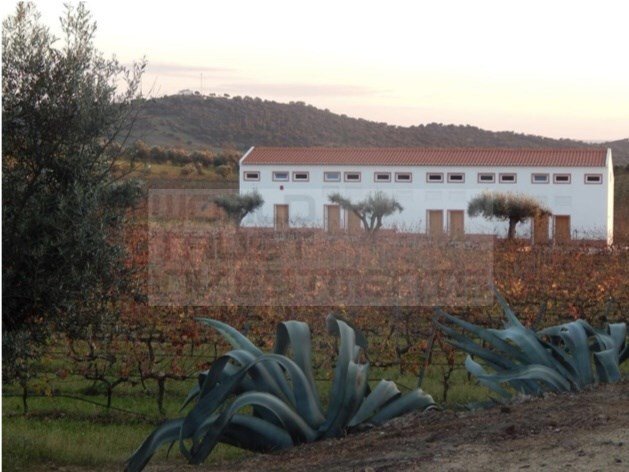
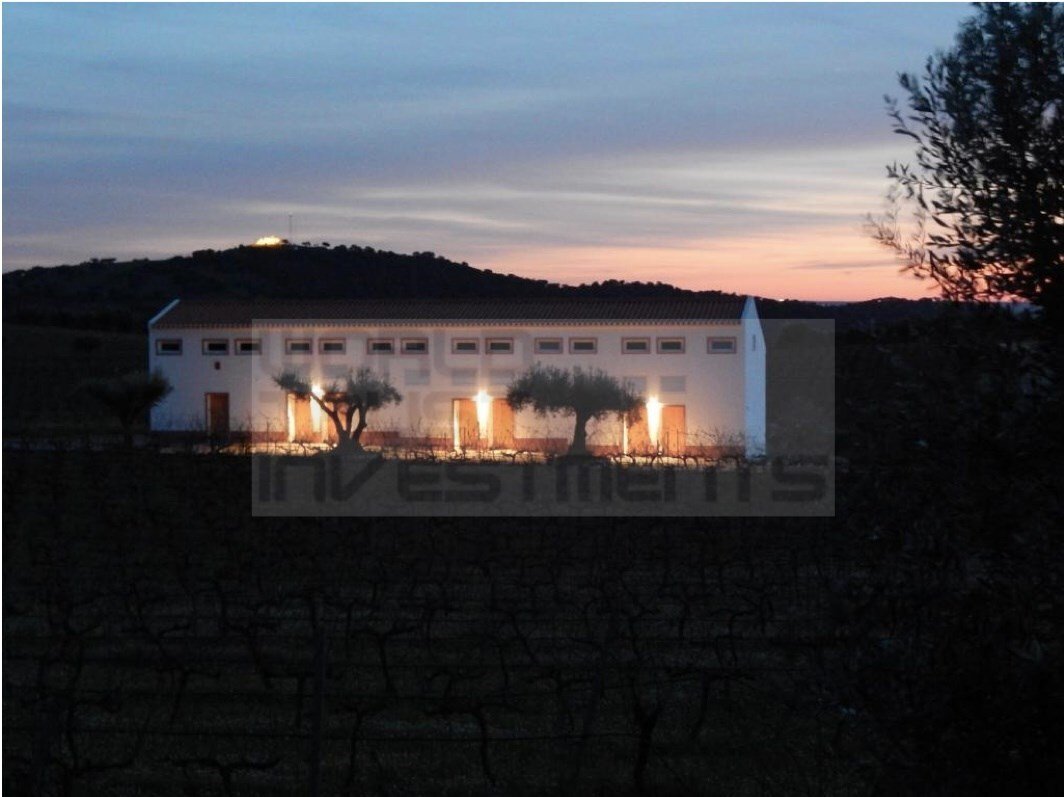
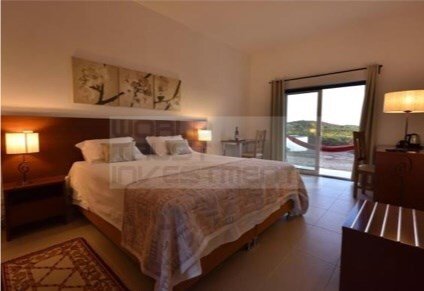
A tal fine, un edificio fatiscente installato nel mezzo di un vigneto, ha dato origine a un Rural EnoTurismo con sei camere doppie e sala colazione al piano superiore. Caratteristiche:
Camere doppie al piano terra (letto matrimoniale king size o 2 letti) con ingresso indipendente dall’esterno
Ogni due camere sono collegate tra loro (se necessario)
Aria condizionata, connessione Wi-Fi gratuita, bollitore elettrico, tè e caffè solubile, minibar
TV digitale da 40 pollici e 120 canali (più lingue)
Bagni con doccia dotati di colonna idromassaggio
C’è una stanza in più (per l’autista di un gruppo, ad esempio)
Attualmente è l’unità alberghiera più vicina alle rovine romane di S. Cucufate (vedi sotto), il che la rende il luogo ideale dove pernottare.
Per tutti coloro che desiderano fare un’ «immersione» enologica, gastronomica, culturale e storica in questa zona dell’Alentejo, è possibile organizzare programmi che soddisfino le aspettative dei visitatori
OFFERTE COMPLEMENTARI
1. Rovine romane di S. Cucufate
Le rovine romane di S. Cucufate (I secolo) si trovano a soli 350 metri dall’enoturismo rurale di Quinta das Ratoeiras.
Sono le rovine romane più grandi del Portogallo e sono di per sé un’attrazione sufficiente per tutti i visitatori di questa zona dell’Alentejo.
Quinta das Ratoeiras offre la sistemazione più vicina a questo Monumento Nazionale, classificato dall’IPPAR, e a cui è possibile accedere dopo una breve passeggiata di 10 minuti.
Rovine romane di San Cucufato
Nelle rovine di S. Cucufate si possono ammirare gli affreschi inclusi nel Percorso del Fresco do Alentejo.
2. Dighe di Alqueva e Pedrógão
Dighe di Alqueva e Pedrógão ->
Queste dighe di nuova costruzione sono
suscitano un’immensa curiosità in molti portoghesi e stranieri. Soprattutto quello di Alqueva, che è il lago artificiale più grande d’Europa e ha un perimetro superiore all’intera costa portoghese.
Si trovano entrambi in una zona ad alto potenziale turistico, e spesso in esse si svolgono competizioni sportive di pesca, canottaggio e canoa, attività la cui pratica (anche non competitiva) è sempre più fortemente incoraggiata. Recentemente è stata inaugurata un’eccellente spiaggia fluviale ad Amieirun.
La diga di Pedrógão si trova a pochi chilometri da Quinta das Ratoeiras, poiché si trova anche nel comune di Vidigueira. Alqueva dista circa 20/25 minuti in auto.
3. Quinta do Carmo/Convento di Nostra Signora delle Reliquie
Non dobbiamo dimenticare che Vidigueira è stato offerto a Vasco da Gama come premio e ricompensa per il suo arrivo in India via mare. Il re Manuel II non solo gli offrì il villaggio, ma gli concesse anche il titolo di conte di Vidigueira, ancora in possesso del suo discendente diretto, Dom Vasco Telles da Gama.
Sebbene Vasco da Gama sia nato a Sines, è più associato a Vidigueira e Quinta do Carmo
/Convento di Nostra Signora delle Reliquie, per essere stato il luogo scelto da voi per essere sepolti lì.
Quindi la Vidigueira è anche conosciuta come Vila dos Gamas, nome dato ad alcuni dei vini prodotti da Adega Cooperativa de Vidigueira, Cuba e Alvito.
Quinta do Carmo, ora di proprietà di un privato (Dr. Mário Maia e Silva), è visitabile e vengono fornite spiegazioni dettagliate sul collegamento di D. Vasco da Gama a Vidigueira
4. Eremo (belvedere) di Sant’António dos Açores
Accanto al villaggio di Vila de Frades, si trova questo eremito/belvedere dal quale ammirare ancora di più i paesaggi
ci permettono facilmente di comprendere e comprendere le molteplici realtà dell’Alentejo. Di fronte si trova la Serra do Mendro (o Portel), molto ricca d’acqua. Ai piedi della montagna si trovano i vicini villaggi di Vila de Frades e Vidigueira.
Da un lato si possono apprezzare le faldas da Serra, che definiscono la separazione geografica (e amministrativa) tra l’Alto e il baixo Alentejo. Dall’altro lato è apprezzato il minifúndio che caratterizza quest’area, contiguo e in contrasto con l’area di latifúndio beja.
Dall’alto si possono vedere anche i villaggi di Cuba, Alvito, Beja e Serpa (quando ci sono buone condizioni di visibilità). L’eremo di Sant’António dos Açores espone anche affreschi, tra cui quelli delle rovine romane, sulla Strada degli Affreschi dell’Alentejo.
5. Escursioni a piedi e in mountain bike
La Quinta das Ratoeiras promuove escursioni a piedi presso la struttura, all’insegna del contatto con l’ambiente
la natura e i diversi momenti di sviluppo agricolo di vigneti, aranceti e uliveti.
A tal fine, i visitatori potranno partecipare, sotto il nostro controllo e supervisione, alle diverse attività e ai lavori agricoli che si svolgono (raccolta, potatura, diradamento di viti e ulivi, raccolta delle olive, frutta, ecc.).
Elevazioni contigue a Quinta das Ratoeiras
L’orografia della struttura consente anche di visitare le colline circostanti, alcune delle quali hanno un’altitudine non trascurabile, in quella che può essere considerata una pratica alpinistica.
In questa zona dell’Alentejo queste attività all’aperto sono fortemente promosse anche dal GAMA (Gruppo di amici della Serra do Mendro - Alentejo), che insieme a CMVidigueira organizza eventi di alpinismo, come la Mendro Climb, competizione inclusa ogni anno nel Circuito di montagna della federazione montana di alpinismo e arrampicata.
Quinta das Ratoeiras offre anche ai visitatori la possibilità di fare gite in bicicletta (mountain bike), non solo all’interno della proprietà ma anche nei villaggi circostanti (Vila de Frades, Vidigueira, Cuba, ecc.).
6. Visite guidate
A Quinta das Ratoeiras vengono prodotti ogni anno Vinhos de Talha secondo le tecniche e i processi utilizzati dai romani per più di 2.000 anni.
Questi vini competono con VITIFRADES, un concorso che si svolge ogni anno a Vila de Frades e che è l’unico evento dedicato ai vini Talha in Portogallo.
Quinta das Ratoeiras è naturalmente orgogliosa di aver già vinto due primi premi (medaglie d’oro nel 2005 e nel 2010), un secondo e un terzo premio (medaglia d’argento e di bronzo nel 2000), oltre a diverse menzioni d’onore.
In conclusione
Il Comune di Vidigueira ha suscitato l’interesse di numerosi investitori nazionali e internazionali, che si sono recentemente stabiliti in quest’area, trasformandola in una delle aree di produzione vinicola più dinamiche del Portogallo.
Solo per parlarne alcuni che si trovano nel raggio di cinque chilometri abbiamo:
Luisa Amorim - (url nascosto)
Hans e Carrie Jorgensen - (url nascosto)
Paulo Laureano - (url hidden) José Carbona e Costa - (url hidden)
Cornelius (Cees) J. de Bruin - (url hidden) Il misterioso olandese che ha guidato il culto dell’arte a Vidigueira- e (url hidden)
Mário Pinheiro e Nuno Bicó - (url hidden) António e Mariana Lança - (url hidden)
Dieter e Thomas Morszeck - (url hidden) SOGRAPE - (url hidden) Casa RELVAS - (url hidden)
Se ci uniamo a questi importanti produttori privati, l’Adega Cooperativa de Vidigueira, che con i suoi 300 associati sfrutta così tanti vigneti, abbiamo un’area e un «terroir» di produzione vinicola la cui fama continua a crescere.
L’Alentejo è quindi oggi associato a un concetto e a immagini di cultura, natura, patrimonio, storia e, naturalmente, vini. Il piano di sviluppo del turismo dell’Alentejo ha definito il futuro della «Destina»tion Alentejo», dovrebbe passare attraverso il turismo nelle zone rurali, associato in particolare al turismo culturale e paesaggistico, al turismo naturalistico e al turismo enogastronomico.
Il progetto Quinta das Ratoeiras ha tutte queste variabili e valenze, poiché i valori presenti nei beni agricoli e ambientali, vale a dire i prodotti vinicoli, sono predominanti, poiché beneficiano di un elevato riconoscimento nazionale e anche sempre più internazionale.
Il patrimonio enologico, culturale, paesaggistico e ambientale della regione è presente e raccolto nella Quinta das Ratoeiras. Siamo riusciti ad aumentare la capacità di fidelizzazione dei visitatori nella destinazione dell’Alentejo, contribuendo a migliorare i livelli di ospitalità, attraverso nuove strategie di attrazione e accoglienza.
Quinta das Ratoeiras è già riconosciuta come partner nella ristrutturazione dell’offerta turistica dell’Alentejo. Se da un lato rappresentiamo questo progetto di enoturismo rurale, dall’altro partecipiamo a tutte le attività che rafforzano la componente turistica dell’Alentejo.
Vedi: (url hidden) e (url hidden)
Altri dati per la valutazione di ciò che è in vendita nell’ambito di questa transazione:
Tutto il terreno che costituisce la proprietà (+/- 44 ha)
Tutti gli edifici esistenti: l’hotel, la segale e, naturalmente, il monte principale (casa di 400 m2 e 4 camere da letto, 2 suite e 2 camere doppie che condividono un bagno).
Tutte le attrezzature agricole (trattore, attrezzi multipli, attrezzi in argilla, vasche in acciaio inossidabile, ecc.)
Tutte le apparecchiature installate nell’hotel
Molteplici marchi registrati nel PTO per i vini da produrre e commercializzare.
#Ref:GE_1878
Turismo rurale e agricoltura
Villaggio dei frati
Memoria descrittiva
1. INTRODUZIONE
Quinta das Ratoeiras è una proprietà rurale di circa 44 ettari, situata nella parrocchia di Vila de Frades, nel comune di Vidigueira e nel distretto di Beja. Il suo nome originale, Horta das Ratoeiras, è attribuito al fatto che i numerosi alberi frondosi presenti consentono alle popolazioni locali di allestire «trappole» per gli uccelli, secondo le usanze dell’epoca. Dal secolo scorso, il nome «Trappole per topi» è stato registrato anche in tutte le carte militari della zona.
Secondo gli attuali proprietari, che l’hanno acquistata nel 1993, la proprietà era stata completamente abbandonata dagli anni ’60. Nel primo anno dopo l’acquisizione, le preoccupazioni principali erano rivolte alla ricostruzione e all’unione delle due abitazioni principali (+/- 400 m2 - foto di copertina e porta accanto), che consentirono innanzitutto l’insediamento della famiglia e anche la sede dell’azienda.
Nei cinque anni successivi (1994/1998), è stato sviluppato l’intero progetto agricolo attualmente associato. Sono stati piantati altri 2 ettari di agrumi, sono state acquisite licenze per l’impianto di 16 ha di viti e negli ultimi anni sono stati piantati altri 4 ha di uliveti e 5 ha di vigneto.
2. ATTIVITÀ
CITRICOLTURA - Come detto sopra, la Quinta das Ratoeiras si presenta come una proprietà agricola, perfettamente organizzata in termini di molteplici attività attualmente sviluppate in quasi tutta la fattoria.
Per piantare l’aranceto, sono state scelte le varietà «New Hall» e «Valencia Late» per associarle meglio alla varietà autoctona di Vidigueira, chiamata Laranja-Pera, e già presente con alberi secolari in circa 2 ettari della proprietà.
Dato il loro alto contenuto di succo, queste arance venivano vendute nei primi anni di produzione ai ristoranti della zona di Lisbona per la produzione di succhi.
Quinta das Ratoeiras ha anche un numero non significativo di sabbie di mandarini e limoni, alberi associati che completano l’attività degli agrumi.
Vidigueira - Evento «A Pão e Laranjas»
Al fine di valorizzare l’uso della sua produzione di arance, Quinta das Ratoeiras produce attualmente dolci e marmellate fatte in casa (in particolare marmellata di arance) e partecipa attivamente all’evento «A Pão e Laranjas», organizzato dal Comune di Vidigueira.
In questo evento Quinta das Ratoeiras è sempre presente con questi frutti e con prodotti fabbricati e associati: succhi d’arancia, torte all’arancia, dolci all’arancia e liquore all’arancia, oltre a Laranjas-Pera as vidigueira ex-libris.
VITICOLTURA - Nella vinificazione e nella piantumazione dei circa 21 ettari di vigneto attualmente esistenti, è stata utilizzata la consulenza di ATEVA (Associazione tecnica dei viticoltori dell’Alentejo) nella zona di vinificazione, che ha effettuato a Quinta das Ratoeiras l’analisi del terreno, lo studio dell’orografia della proprietà e la sua esposizione al sole. A seguito di queste analisi, è stata raccomandata la piantagione delle seguenti varietà rosse: Trincadeira, Alfrocheiro, Aragonês, Shirah e Alicante Bouschet.
Per quanto riguarda le varietà a bacca bianca (3 ha), si è optato per la casta regina di Vidigueira, Antão Vaz e Arinto, varietà che tra l’altro danno
ai vini di questa regione, tutta l’enorme fama che hanno. Lavori agricoli - Potatura nei vigneti
Ulivi ’Galega’ di circa 1.200 anni
OLIVICULTURA - Per quanto riguarda l’olivicoltura, la proprietà aveva 4 ettari di uliveti tradizionali della varietà Galega, che sono stati mantenuti. Su consiglio della Cooperativa Agricola di Vidigueira, è stato consigliato di piantare altri 4 ettari di nuovi uliveti, avendo scelto la varietà Cobrançosa.
Alcuni degli ulivi più antichi della proprietà sono stati conservati e vengono curati regolarmente, non solo per la loro età (da 1.000 a 1.200 anni), ma perché sono già un’importante attrazione turistica.
ALTRE ATTIVITÀ - I lavori agricoli vengono eseguiti durante tutto l’anno sulla proprietà, come
la molteplicità dei compiti si svolge nell’arco delle quattro stagioni.
Per sostenere i compiti più difficili, all’inizio del recupero agricolo della proprietà è stato acquistato un trattore Hurliman, recentemente sostituito da uno più potente del marchio «New Holland».
Il trattore viene utilizzato in particolare nel
1) Distribuzione e applicazione di fertilizzanti; 2) Applicazione di disinfettanti nei vigneti, negli aranceti e negli uliveti; 3) Taglio (despampanagem) dei rami più grandi delle viti; 4) Distruggere le vide dopo la potatura; 5) Spostamento del terreno (strappo); 6) Regolarizzazione dei percorsi lungo la proprietà; 7) Trasporto di uva e olive alle cooperative che le ricevono e le trasformano; 8) Trasporto di materiali e prodotti da e verso l’attività agricola
IRRIGAZIONE - Dato che Quinta das Ratoeiras ha molta acqua (6 pozzi, due buche e soprattutto due sorgenti naturali), fin dall’inizio questa autentica ricchezza naturale è stata inserita nella strategia di sviluppo di vigneti, uliveti e aranceti.
Così durante tutto il prNella proprietà è installato un sistema di irrigazione a goccia, che copre i vigneti, l’uliveto della varietà Snake e gli aranceti (vecchi e nuovi). Il sistema che integra filtri e fertilizzanti è completamente automatico e consente non solo una programmazione computerizzata completa, ma anche che l’irrigazione avvenga di notte, quando l’evaporazione è inferiore e il costo energetico inferiore.
Alcuni pozzi sono collegati tra loro con un sistema di trasvasi, per compensare e bilanciare la quantità di acqua disponibile per l’irrigazione nei periodi di maggiore necessità.
CANTINA
Di recente è stata costruita una cantina, per poter rispondere alle dinamiche che si sono create nell’azienda agricola e in tutta la regione circostante. In effetti, il Vinho de Talha è una tradizione della regione, lo erano i proprietari
«sedotti» all’idea di dedicarsi alla produzione di questo vino secondo la tecnica romana (vedi allegato al presente documento).
È iniziata con l’acquisizione di sette paranchi, impermeabilizzati con vernice epossidica, e che sono stati immediatamente
sono stati messi al servizio di questo progetto. In tempo utile questo passaggio è avvenuto, perché Quinta das Ratoeiras ha vinto 2 medaglie d’oro, 1 d’argento, 1 di bronzo e numerose menzioni d’onore ai Talha Wine Contest a cui partecipa per sempre.
Queste competizioni si svolgono ogni anno in occasione di VITIFRADES, l’unico evento nazionale dedicato al vino Talha, che si svolge in questa regione il secondo fine settimana di dicembre. Nel 2020 si svolgerà la 23a edizione di questo Concorso.
Il vino Talha è un patrimonio culturale di questa regione. Il processo lasciato qui dai romani è così originale che il comune di Vidigueira è a capo di un movimento regionale dell’Alentejo, tanto che il vino talha è considerato e classificato dall’UNESCO come patrimonio immateriale dell’umanità.
Dettagli dell’edificio
L’edificio con una superficie totale di 250 m2 è suddiviso in tre sottoaree: 1) Garage per trattore e rimorchio, attrezzi agricoli e magazzino di prodotti fitosanitari; 2) Cantina tradizionale con sette lotti di argilla e 3) Cantina tecnologica con una vasca di fermentazione in acciaio inossidabile (5 tonnellate), un refrigeratore, un mulino elettrico, una pressa e cinque depositi in acciaio inossidabile per la conservazione del vino.
Nell’area della Cantina Tradizionale sono disponibili tutte le infrastrutture per la preparazione e il servizio dei pasti (fino a 40 persone sedute), cucina attrezzata, servizi igienici per donne e uomini e tutto il materiale alberghiero necessario.
TURISMO RURALE
Soprattutto dal 2010, Quinta das Ratoeiras è stata contattata per mettere a disposizione la sua area rurale e l’ambiente ambientale naturale, per la realizzazione di attività commerciali, tra cui riunioni di lavoro, azioni di formazione e azioni di team building.
Se la durata era superiore a un giorno, alcune di queste condivisioni non potevano aver luogo, in quanto non vi era alcuna offerta di alloggio presso la struttura. Pertanto, per dare valore all’offerta di Quinta das Ratoeiras, circa tre anni fa è entrato in funzione un piccolo hotel rurale.
A tal fine, un edificio fatiscente installato nel mezzo di un vigneto, ha dato origine a un Rural EnoTurismo con sei camere doppie e sala colazione al piano superiore. Caratteristiche:
Camere doppie al piano terra (letto matrimoniale king size o 2 letti) con ingresso indipendente dall’esterno
Ogni due camere sono collegate tra loro (se necessario)
Aria condizionata, connessione Wi-Fi gratuita, bollitore elettrico, tè e caffè solubile, minibar
TV digitale da 40 pollici e 120 canali (più lingue)
Bagni con doccia dotati di colonna idromassaggio
C’è una stanza in più (per l’autista di un gruppo, ad esempio)
Attualmente è l’unità alberghiera più vicina alle rovine romane di S. Cucufate (vedi sotto), il che la rende il luogo ideale dove pernottare.
Per tutti coloro che desiderano fare un’ «immersione» enologica, gastronomica, culturale e storica in questa zona dell’Alentejo, è possibile organizzare programmi che soddisfino le aspettative dei visitatori
OFFERTE COMPLEMENTARI
1. Rovine romane di S. Cucufate
Le rovine romane di S. Cucufate (I secolo) si trovano a soli 350 metri dall’enoturismo rurale di Quinta das Ratoeiras.
Sono le rovine romane più grandi del Portogallo e sono di per sé un’attrazione sufficiente per tutti i visitatori di questa zona dell’Alentejo.
Quinta das Ratoeiras offre la sistemazione più vicina a questo Monumento Nazionale, classificato dall’IPPAR, e a cui è possibile accedere dopo una breve passeggiata di 10 minuti.
Rovine romane di San Cucufato
Nelle rovine di S. Cucufate si possono ammirare gli affreschi inclusi nel Percorso del Fresco do Alentejo.
2. Dighe di Alqueva e Pedrógão
Dighe di Alqueva e Pedrógão ->
Queste dighe di nuova costruzione sono
suscitano un’immensa curiosità in molti portoghesi e stranieri. Soprattutto quello di Alqueva, che è il lago artificiale più grande d’Europa e ha un perimetro superiore all’intera costa portoghese.
Si trovano entrambi in una zona ad alto potenziale turistico, e spesso in esse si svolgono competizioni sportive di pesca, canottaggio e canoa, attività la cui pratica (anche non competitiva) è sempre più fortemente incoraggiata. Recentemente è stata inaugurata un’eccellente spiaggia fluviale ad Amieirun.
La diga di Pedrógão si trova a pochi chilometri da Quinta das Ratoeiras, poiché si trova anche nel comune di Vidigueira. Alqueva dista circa 20/25 minuti in auto.
3. Quinta do Carmo/Convento di Nostra Signora delle Reliquie
Non dobbiamo dimenticare che Vidigueira è stato offerto a Vasco da Gama come premio e ricompensa per il suo arrivo in India via mare. Il re Manuel II non solo gli offrì il villaggio, ma gli concesse anche il titolo di conte di Vidigueira, ancora in possesso del suo discendente diretto, Dom Vasco Telles da Gama.
Sebbene Vasco da Gama sia nato a Sines, è più associato a Vidigueira e Quinta do Carmo
/Convento di Nostra Signora delle Reliquie, per essere stato il luogo scelto da voi per essere sepolti lì.
Quindi la Vidigueira è anche conosciuta come Vila dos Gamas, nome dato ad alcuni dei vini prodotti da Adega Cooperativa de Vidigueira, Cuba e Alvito.
Quinta do Carmo, ora di proprietà di un privato (Dr. Mário Maia e Silva), è visitabile e vengono fornite spiegazioni dettagliate sul collegamento di D. Vasco da Gama a Vidigueira
4. Eremo (belvedere) di Sant’António dos Açores
Accanto al villaggio di Vila de Frades, si trova questo eremito/belvedere dal quale ammirare ancora di più i paesaggi
ci permettono facilmente di comprendere e comprendere le molteplici realtà dell’Alentejo. Di fronte si trova la Serra do Mendro (o Portel), molto ricca d’acqua. Ai piedi della montagna si trovano i vicini villaggi di Vila de Frades e Vidigueira.
Da un lato si possono apprezzare le faldas da Serra, che definiscono la separazione geografica (e amministrativa) tra l’Alto e il baixo Alentejo. Dall’altro lato è apprezzato il minifúndio che caratterizza quest’area, contiguo e in contrasto con l’area di latifúndio beja.
Dall’alto si possono vedere anche i villaggi di Cuba, Alvito, Beja e Serpa (quando ci sono buone condizioni di visibilità). L’eremo di Sant’António dos Açores espone anche affreschi, tra cui quelli delle rovine romane, sulla Strada degli Affreschi dell’Alentejo.
5. Escursioni a piedi e in mountain bike
La Quinta das Ratoeiras promuove escursioni a piedi presso la struttura, all’insegna del contatto con l’ambiente
la natura e i diversi momenti di sviluppo agricolo di vigneti, aranceti e uliveti.
A tal fine, i visitatori potranno partecipare, sotto il nostro controllo e supervisione, alle diverse attività e ai lavori agricoli che si svolgono (raccolta, potatura, diradamento di viti e ulivi, raccolta delle olive, frutta, ecc.).
Elevazioni contigue a Quinta das Ratoeiras
L’orografia della struttura consente anche di visitare le colline circostanti, alcune delle quali hanno un’altitudine non trascurabile, in quella che può essere considerata una pratica alpinistica.
In questa zona dell’Alentejo queste attività all’aperto sono fortemente promosse anche dal GAMA (Gruppo di amici della Serra do Mendro - Alentejo), che insieme a CMVidigueira organizza eventi di alpinismo, come la Mendro Climb, competizione inclusa ogni anno nel Circuito di montagna della federazione montana di alpinismo e arrampicata.
Quinta das Ratoeiras offre anche ai visitatori la possibilità di fare gite in bicicletta (mountain bike), non solo all’interno della proprietà ma anche nei villaggi circostanti (Vila de Frades, Vidigueira, Cuba, ecc.).
6. Visite guidate
A Quinta das Ratoeiras vengono prodotti ogni anno Vinhos de Talha secondo le tecniche e i processi utilizzati dai romani per più di 2.000 anni.
Questi vini competono con VITIFRADES, un concorso che si svolge ogni anno a Vila de Frades e che è l’unico evento dedicato ai vini Talha in Portogallo.
Quinta das Ratoeiras è naturalmente orgogliosa di aver già vinto due primi premi (medaglie d’oro nel 2005 e nel 2010), un secondo e un terzo premio (medaglia d’argento e di bronzo nel 2000), oltre a diverse menzioni d’onore.
In conclusione
Il Comune di Vidigueira ha suscitato l’interesse di numerosi investitori nazionali e internazionali, che si sono recentemente stabiliti in quest’area, trasformandola in una delle aree di produzione vinicola più dinamiche del Portogallo.
Solo per parlarne alcuni che si trovano nel raggio di cinque chilometri abbiamo:
Luisa Amorim - (url nascosto)
Hans e Carrie Jorgensen - (url nascosto)
Paulo Laureano - (url hidden) José Carbona e Costa - (url hidden)
Cornelius (Cees) J. de Bruin - (url hidden) Il misterioso olandese che ha guidato il culto dell’arte a Vidigueira- e (url hidden)
Mário Pinheiro e Nuno Bicó - (url hidden) António e Mariana Lança - (url hidden)
Dieter e Thomas Morszeck - (url hidden) SOGRAPE - (url hidden) Casa RELVAS - (url hidden)
Se ci uniamo a questi importanti produttori privati, l’Adega Cooperativa de Vidigueira, che con i suoi 300 associati sfrutta così tanti vigneti, abbiamo un’area e un «terroir» di produzione vinicola la cui fama continua a crescere.
L’Alentejo è quindi oggi associato a un concetto e a immagini di cultura, natura, patrimonio, storia e, naturalmente, vini. Il piano di sviluppo del turismo dell’Alentejo ha definito il futuro della «Destina»tion Alentejo», dovrebbe passare attraverso il turismo nelle zone rurali, associato in particolare al turismo culturale e paesaggistico, al turismo naturalistico e al turismo enogastronomico.
Il progetto Quinta das Ratoeiras ha tutte queste variabili e valenze, poiché i valori presenti nei beni agricoli e ambientali, vale a dire i prodotti vinicoli, sono predominanti, poiché beneficiano di un elevato riconoscimento nazionale e anche sempre più internazionale.
Il patrimonio enologico, culturale, paesaggistico e ambientale della regione è presente e raccolto nella Quinta das Ratoeiras. Siamo riusciti ad aumentare la capacità di fidelizzazione dei visitatori nella destinazione dell’Alentejo, contribuendo a migliorare i livelli di ospitalità, attraverso nuove strategie di attrazione e accoglienza.
Quinta das Ratoeiras è già riconosciuta come partner nella ristrutturazione dell’offerta turistica dell’Alentejo. Se da un lato rappresentiamo questo progetto di enoturismo rurale, dall’altro partecipiamo a tutte le attività che rafforzano la componente turistica dell’Alentejo.
Vedi: (url hidden) e (url hidden)
Altri dati per la valutazione di ciò che è in vendita nell’ambito di questa transazione:
Tutto il terreno che costituisce la proprietà (+/- 44 ha)
Tutti gli edifici esistenti: l’hotel, la segale e, naturalmente, il monte principale (casa di 400 m2 e 4 camere da letto, 2 suite e 2 camere doppie che condividono un bagno).
Tutte le attrezzature agricole (trattore, attrezzi multipli, attrezzi in argilla, vasche in acciaio inossidabile, ecc.)
Tutte le apparecchiature installate nell’hotel
Molteplici marchi registrati nel PTO per i vini da produrre e commercializzare.
#Ref:GE_1878
QUINTA das RATOEIRAS
Rural Tourism & Agriculture
Village of Friars
Descriptive Memory
1. INTRODUCTION
Quinta das Ratoeiras is a rural property with about 44 ha, located in the parish of Vila de Frades, Municipality of Vidigueira and District of Beja. Its original name, Horta das Ratoeiras, is attributed to the fact that the many leafy trees there allow local populations to set up ’traps’ for birds, according to the customs of the time. Since the last century, the name ’Mousetraps’ has also been registered in all military charters in the area.
According to the current owners, who acquired it in 1993, the property had been completely abandoned since the 1960s. In the first year after its acquisition, the main concerns were oriented to the reconstruction and union of the two main dwellings (+/- 400 m2 - cover photo and next door), which allowed first the installation of the family, and also the company’s headquarters.
In the following five years (1994/1998), the entire agricultural project that is currently associated with it was developed. Another 2 ha of citrus fruits were planted, licenses were acquired for the planting of 16 ha of vines, and in recent years, another 4 ha of olive groves and 5 ha of vines were planted.
2. ACTIVITIES
CITRICULTURA - As above is said the Quinta das Ratoeiras presents itself as an agricultural property, perfectly organized in terms of the multiple activities that are currently developed in almost all of the farm.
When planting the orange grove, the varieties ’New Hall’ and ’Valencia Late’ were chosen to better associate with the autoctonic variety of Vidigueira, called Laranja-Pera, and already present with old trees in about 2 ha on the property.
Given their high juice content, these oranges were sold in the first years of production to restaurants in the Lisbon area for the production of juices.
Quinta das Ratoeiras also has a non-significant number of mandarin sands and lemon trees, associated trees that complete the citrus activity.
Vidigueira - ’A Pão e Laranjas’ event
In order to enhance the use of its production of oranges, Quinta das Ratoeiras currently produces homemade sweets and jams (namely Orange Marmelade), and actively participates in the event ’A Pão e Laranjas’ when it is organized by the Municipality of Vidigueira.
In this event Quinta das Ratoeiras is always present with these fruits, and with manufactured and associated products: Orange Juices, Orange Cakes, Orange Sweets and Orange Liqueur, in addition to Laranjas-Pera as vidigueira ex-libris.
VITICULTURA - In the wine making and planting of the approximately 21 ha of vines currently existing, the consultancy of ATEVA (Technical Association of Winegrowers of Alentejo) was used in the wine making area, which carried out in Quinta das Ratoeiras the analysis of the land, the study of the orography of the property, and its sun exposure. As a result of these analyses, the planting of the following red varieties was recommended: Trincadeira, Alfrocheiro, Aragonês, Shirah and Alicante Bouschet.
In the white grape varieties (3 ha), the option was for the queen caste of Vidigueira, Antão Vaz, and arinto, varieties that incidentally give
to the wines of this region, all the enormous fame they have. Agricultural works - Pruning in vineyards
’Galega’ olive trees about 1,200 years old
OLIVICULTURA - In terms of olive growing, the property had 4 ha of traditional olive groves of the Galega variety, which were maintained. After advice from the Agricultural Cooperative of Vidigueira, it was advised to plant another 4 ha of new olive groves, having chosen the variety Cobrançosa.
Some of the oldest olive trees on the property have been preserved and are cared for regularly, not only for their age (1,000 to 1,200 years), but because they are already an important tourist attraction.
OTHER ACTIVITIES - Agricultural work is carried out throughout the year on the property, as the
multiplicity of tasks spreads throughout the four seasons.
To support the most difficult tasks, a Hurliman tractor was acquired at the beginning of the agricultural recovery of the property, recently replaced by a more powerful one of the ’New Holland’ brand.
The tractor is used in particular in the
1) Distribution and application of fertilisers; 2) Application of disinfectants in vineyards, orange groves and olive groves; 3) Cutting (despampanagem) of larger branches of vines; 4) Destroy the vides after pruning; 5) Land movement (rippage); 6) Regularization of paths along the property; 7) Transport of grapes and olives to the Cooperatives that receive and process them; 8) Transport of materials and products to and from agricultural activity
IRRIGATION - Given that Quinta das Ratoeiras has a lot of water (6 wells, two holes and especially two natural springs), from the beginning this authentic natural wealth was inserted in the strategy of development of vineyards, olive groves and orange groves.
Thus throughout the property is installed a drip irrigation system, which covers the vineyards, the olive grove of snake variety, and the orange groves (old and new). The system that integrates filters and fertilizer, is fully automatic, and allows not only a complete computerized programming, but also that the watering takes place at night, when the evaporation is lower and the energy cost lower.
Some of the wells are connected to each other with a system of transvases, to compensate and balance the amount of water available for watering in the periods of greatest need.
CELLAR
A winery was recently built, to be able to respond to the dynamics that was created in the farm and throughout the surrounding region. Indeed, the Vinho de Talha is a tradition of the region, the owners were
’seduced’ to embrace the production of this wine according to roman technique (see annex to this document).
It began by the acquisition of seven hoists, which were waterproofed with epoxy paint, and which immediately
were put at the service of this project. In good time this step took place, because Quinta das Ratoeiras has won 2 gold medals, 1 silver, 1 bronze, and numerous Honorable Mentions in the Talha Wine Contests in which it participates forever.
These competitions take place annually on the occasion of VITIFRADES, the only national event dedicated to Talha Wine, which takes place in this region on the second weekend of December. In 2020 will take place the 23rd edition of this Contest.
Talha Wine is a cultural heritage of this region. The process left here by the Romans is so original that the Municipality of Vidigueira, heads an Alentejo regional movement, so that talha wine is considered and classified by UNESCO as an Intangible Heritage of Humanity.
Building Details
The building with a total area of 250 m2 is divided into three sub-areas: 1) Garage for tractor and trailer, agricultural tools and warehouse of plant protection products; 2) Traditional winery with seven clay lots, and 3) Technological cellar with a stainless steel fermentation vat (5 ton.), a chiller, an electric mill, a press and five stainless steel deposits for wine storage.
In the area of the Traditional Winery is available all the infrastructure for the preparation and service of meals (up to 40 pax seated), equipped kitchen, toilet for ladies and men and all its necessary hotel material.
RURAL TOURISM
Especially since 2010, Quinta das Ratoeiras was being approached to make its rural area and natural environmental environment available, for the realization of business activities, including work meetings, training actions, and team-building actions.
Where the duration was longer than one day, some of these shares could not take place, as there was no offer of accommodation at the property. Thus, to fill a value in the offer of Quinta das Ratoeiras, about three years ago a small Rural Hotel came into operation.
To this end, a dilapidated building installed in the middle of a vineyard, gave rise to a Rural EnoTurismo with six double rooms and breakfast area on the upper floor. Features:
Ground-floor double rooms (king size double bed or 2 beds) with individual entrance from the outside
Each two rooms with connection to each other (if desirable)
Air Conditioning, free Wi-Fi, electric kettle, teas and soluble coffee, minibar
40’ and 120-channel digital TV (multiple languages)
Bathrooms with shower equipped with hydromassage column
There is an extra room (for driver of a group, for example)
It is currently the closest hotel unit to the Roman Ruins of S. Cucufate (see below), which makes it the ideal place to stay overnight.
For all those who wish to make an oenological, gastronomic, cultural and historical ’immersion’ in this area of alentejo, programs can be organized that meet the expectations of visitors
COMPLEMENTARY OFFERS
1. Roman Ruins of S. Cucufate
The Roman Ruins of S. Cucufate (1st Century I) are just 350 metres from the Rural Enotourism of Quinta das Ratoeiras.
They are the largest Roman ruins in Portugal and are by themselves a sufficient attraction for all visitors to this area of alentejo.
Quinta das Ratoeiras provides the closest accommodation to this National Monument, classified by IPPAR, and which you can access after a short 10-minute walk.
Roman Ruins of S. Cucufate
In the Ruins of S. Cucufate can be enjoyed frescoes included in the Route of the Fresco do Alentejo.
2. Alqueva and Pedrógão Dams
Dams of Alqueva, and Pedrógão ->
These newly built dams are
arouse immense curiosity in many Portuguese and foreigners. Especially that of Alqueva, which is the largest artificial lake in Europe and has a perimeter superior to the entire Portuguese coast.
They are both in an area with high tourist potential, and often in them are disputed sports competitions of fishing, rowing and canoeing, activities whose practice (even non-competitive) is increasingly strongly encouraged. Recently an excellent river beach was inaugurated in Amieira.
The Pedrógão dam is a few kilometers from Quinta das Ratoeiras, since it is also located in the municipality of Vidigueira. Alqueva is about 20/25 minutes away by car.
3. Quinta do Carmo / Convent of Our Lady of the Relics
We must not forget that Vidigueira was offered to Vasco da Gama as a prize and reward for his arrival in India by sea. King Manuel II not only offered him the village, but also granted him the title of Count of Vidigueira, still in the possession of his direct descendant, Dom Vasco Telles da Gama.
Although Vasco da Gama was born in Sines, he is more associated with Vidigueira and Quinta do Carmo
/Convent of Our Lady of the Relics, for having been the place chosen by you to be buried there.
Hence the Vidigueira is also known as Vila dos Gamas, name given to some of the wines produced by Adega Cooperativa de Vidigueira, Cuba and Alvito.
Quinta do Carmo, now in possession of a private individual (Dr. Mário Maia e Silva), is visitable and detailed explanations are provided about the connection of D. Vasco da Gama to Vidigueira
4. Hermitage (Viewpoint) of St. António dos Açores
Next to the village of Vila de Frades, stands this hermitage / viewpoint from which you enjoy landscapes that more
easily allow us to understand and understand the multiple Alentejo realities. Opposite is the Serra do Mendro (or Portel), very rich in water. At the foot of the mountain are the nearby villages of Vila de Frades and Vidigueira.
On the one hand you can appreciate the faldas da Serra, which define the geographical (and administrative) separation between the Alto and baixo Alentejo. On the other side is appreciated the minifúndio that characterizes this area, contiguous and in contrast to the area of latifúndio beja.
From the top you can also see the villages of Cuba, Alvito, Beja and Serpa (when there are good conditions of visibility). The hermitage of St. António dos Açores also displays frescoes, included as those of the Roman Ruins, on the Alentejo Fresco Route.
5. Walking and Mountain Biking
Quinta das Ratoeiras promotes walking tours at the property, enjoying contact with the environment
nature, and the different moments of agricultural development of vineyards, orange groves and olive groves.
To this end, visitors will be allowed to participate, under our control and supervision, in the different tasks and agricultural work being developed (harvest, pruning, thinning of vines and olive trees, olive picking, fruit, etc.).
Elevations contiguous to Quinta das Ratoeiras
The property’s orography also allows you to visit the surrounding hills, some of which have a non-negligible altitude, in what can be considered mountaineering practice.
In this Alentejo area these outdoor activities are also strongly promoted by GAMA (Group of Friends of the Serra do Mendro - Alentejo), which together with CMVidigueira organizes mountaineering events, such as the Mendro Climb, competition included annually in the Mountain Circuit of the Mountain federation of Mountaineering and Climbing.
Quinta das Ratoeiras also offers visitors the possibility to take bike rides (mountain biking), not only inside the property but also to the surrounding villages (Vila de Frades, Vidigueira, Cuba, etc.).
6. Guided tours
In Quinta das Ratoeiras are produced every year Vinhos de Talha according to the techniques and processes used by the Romans for more than 2,000 years.
These wines compete with VITIFRADES, a competition that takes place annually in Vila de Frades, and which is the only event dedicated to Talha Wines in Portugal.
Quinta das Ratoeiras is naturally proud to have already won two 1st Prizes (gold medals in 2005 and 2010), a 2nd and 3rd Prize (silver and bronze medal in 2000), in addition to several honorable mentions.
In conclusion
The Municipality of Vidigueira has aroused the interest of numerous national and international investors, who have recently settled in this area, transforming it into one of the most dynamic areas of wine production in Portugal.
Just to talk about a few that are within a five-kilometer radius we have:
Luisa Amorim - (url hidden)
Hans and Carrie Jorgensen - (url hidden)
Paulo Laureano - (url hidden) José Carmona and Costa - (url hidden)
Cornelius (Cees) J. de Bruin - (url hidden) mysterious-Dutch-who-led-the-cult-of-art-to-Vidigueira- and (url hidden)
Mário Pinheiro and Nuno Bicó - (url hidden) António and Mariana Lança - (url hidden)
Dieter and Thomas Morszeck - (url hidden) SOGRAPE - (url hidden) Casa RELVAS - (url hidden)
If we join these important private producers the Adega Cooperativa de Vidigueira, which with its 300 associates exploit so many vineyards, we have an area and a ’terroir’ of wine production whose fame continues to grow.
The Alentejo is thus associated today with a concept and images of culture, nature, heritage, history and of course wines. The Alentejo Tourism Development Plan defined that the future of the «Destination Alentejo», should go through Tourism in rural areas, associated in particular with Cultural and Landscape Tourism, Nature Tourism and Wine and Gastronomic Tourism.
The Quinta das Ratoeiras project has all these variables and valences, since the values that are present in agricultural and environmental property, namely wine products, are predominant, since they benefit from a high national and also increasingly international recognition.
The oenological, cultural, landscape and environmental heritage of the region, are present and gathered in Quinta das Ratoeiras. We have managed to increase the retention capacity of visitors in the Alentejo destination, by helping to improve the levels of hospitality, through new strategies of attraction and reception.
Quinta das Ratoeiras is already recognized as a partner in the restructuring of the tourist offer of alentejo. If on the one hand we represent this rural enotourism project, on the other hand we participate in all activities that reinforce the tourist component of alentejo.
See: (url hidden) and (url hidden)
Other data for the assessment of what is for sale in this transaction:
All the land that constitutes the property (+/- 44 ha)
All existing buildings: the hotel, the wine rye and of course the main monte (house with 400 m2 and 4 bedrooms, 2 suites and 2 double rooms that share a toilet).
All agricultural equipment (tractor, multiple tools, clay wits, stainless steel vats, etc.)
All equipment installed in the hotel
Multiple trademarks registered in the PTO for wines to be produced and marketed.
#ref:GE_1878
Rural Tourism & Agriculture
Village of Friars
Descriptive Memory
1. INTRODUCTION
Quinta das Ratoeiras is a rural property with about 44 ha, located in the parish of Vila de Frades, Municipality of Vidigueira and District of Beja. Its original name, Horta das Ratoeiras, is attributed to the fact that the many leafy trees there allow local populations to set up ’traps’ for birds, according to the customs of the time. Since the last century, the name ’Mousetraps’ has also been registered in all military charters in the area.
According to the current owners, who acquired it in 1993, the property had been completely abandoned since the 1960s. In the first year after its acquisition, the main concerns were oriented to the reconstruction and union of the two main dwellings (+/- 400 m2 - cover photo and next door), which allowed first the installation of the family, and also the company’s headquarters.
In the following five years (1994/1998), the entire agricultural project that is currently associated with it was developed. Another 2 ha of citrus fruits were planted, licenses were acquired for the planting of 16 ha of vines, and in recent years, another 4 ha of olive groves and 5 ha of vines were planted.
2. ACTIVITIES
CITRICULTURA - As above is said the Quinta das Ratoeiras presents itself as an agricultural property, perfectly organized in terms of the multiple activities that are currently developed in almost all of the farm.
When planting the orange grove, the varieties ’New Hall’ and ’Valencia Late’ were chosen to better associate with the autoctonic variety of Vidigueira, called Laranja-Pera, and already present with old trees in about 2 ha on the property.
Given their high juice content, these oranges were sold in the first years of production to restaurants in the Lisbon area for the production of juices.
Quinta das Ratoeiras also has a non-significant number of mandarin sands and lemon trees, associated trees that complete the citrus activity.
Vidigueira - ’A Pão e Laranjas’ event
In order to enhance the use of its production of oranges, Quinta das Ratoeiras currently produces homemade sweets and jams (namely Orange Marmelade), and actively participates in the event ’A Pão e Laranjas’ when it is organized by the Municipality of Vidigueira.
In this event Quinta das Ratoeiras is always present with these fruits, and with manufactured and associated products: Orange Juices, Orange Cakes, Orange Sweets and Orange Liqueur, in addition to Laranjas-Pera as vidigueira ex-libris.
VITICULTURA - In the wine making and planting of the approximately 21 ha of vines currently existing, the consultancy of ATEVA (Technical Association of Winegrowers of Alentejo) was used in the wine making area, which carried out in Quinta das Ratoeiras the analysis of the land, the study of the orography of the property, and its sun exposure. As a result of these analyses, the planting of the following red varieties was recommended: Trincadeira, Alfrocheiro, Aragonês, Shirah and Alicante Bouschet.
In the white grape varieties (3 ha), the option was for the queen caste of Vidigueira, Antão Vaz, and arinto, varieties that incidentally give
to the wines of this region, all the enormous fame they have. Agricultural works - Pruning in vineyards
’Galega’ olive trees about 1,200 years old
OLIVICULTURA - In terms of olive growing, the property had 4 ha of traditional olive groves of the Galega variety, which were maintained. After advice from the Agricultural Cooperative of Vidigueira, it was advised to plant another 4 ha of new olive groves, having chosen the variety Cobrançosa.
Some of the oldest olive trees on the property have been preserved and are cared for regularly, not only for their age (1,000 to 1,200 years), but because they are already an important tourist attraction.
OTHER ACTIVITIES - Agricultural work is carried out throughout the year on the property, as the
multiplicity of tasks spreads throughout the four seasons.
To support the most difficult tasks, a Hurliman tractor was acquired at the beginning of the agricultural recovery of the property, recently replaced by a more powerful one of the ’New Holland’ brand.
The tractor is used in particular in the
1) Distribution and application of fertilisers; 2) Application of disinfectants in vineyards, orange groves and olive groves; 3) Cutting (despampanagem) of larger branches of vines; 4) Destroy the vides after pruning; 5) Land movement (rippage); 6) Regularization of paths along the property; 7) Transport of grapes and olives to the Cooperatives that receive and process them; 8) Transport of materials and products to and from agricultural activity
IRRIGATION - Given that Quinta das Ratoeiras has a lot of water (6 wells, two holes and especially two natural springs), from the beginning this authentic natural wealth was inserted in the strategy of development of vineyards, olive groves and orange groves.
Thus throughout the property is installed a drip irrigation system, which covers the vineyards, the olive grove of snake variety, and the orange groves (old and new). The system that integrates filters and fertilizer, is fully automatic, and allows not only a complete computerized programming, but also that the watering takes place at night, when the evaporation is lower and the energy cost lower.
Some of the wells are connected to each other with a system of transvases, to compensate and balance the amount of water available for watering in the periods of greatest need.
CELLAR
A winery was recently built, to be able to respond to the dynamics that was created in the farm and throughout the surrounding region. Indeed, the Vinho de Talha is a tradition of the region, the owners were
’seduced’ to embrace the production of this wine according to roman technique (see annex to this document).
It began by the acquisition of seven hoists, which were waterproofed with epoxy paint, and which immediately
were put at the service of this project. In good time this step took place, because Quinta das Ratoeiras has won 2 gold medals, 1 silver, 1 bronze, and numerous Honorable Mentions in the Talha Wine Contests in which it participates forever.
These competitions take place annually on the occasion of VITIFRADES, the only national event dedicated to Talha Wine, which takes place in this region on the second weekend of December. In 2020 will take place the 23rd edition of this Contest.
Talha Wine is a cultural heritage of this region. The process left here by the Romans is so original that the Municipality of Vidigueira, heads an Alentejo regional movement, so that talha wine is considered and classified by UNESCO as an Intangible Heritage of Humanity.
Building Details
The building with a total area of 250 m2 is divided into three sub-areas: 1) Garage for tractor and trailer, agricultural tools and warehouse of plant protection products; 2) Traditional winery with seven clay lots, and 3) Technological cellar with a stainless steel fermentation vat (5 ton.), a chiller, an electric mill, a press and five stainless steel deposits for wine storage.
In the area of the Traditional Winery is available all the infrastructure for the preparation and service of meals (up to 40 pax seated), equipped kitchen, toilet for ladies and men and all its necessary hotel material.
RURAL TOURISM
Especially since 2010, Quinta das Ratoeiras was being approached to make its rural area and natural environmental environment available, for the realization of business activities, including work meetings, training actions, and team-building actions.
Where the duration was longer than one day, some of these shares could not take place, as there was no offer of accommodation at the property. Thus, to fill a value in the offer of Quinta das Ratoeiras, about three years ago a small Rural Hotel came into operation.
To this end, a dilapidated building installed in the middle of a vineyard, gave rise to a Rural EnoTurismo with six double rooms and breakfast area on the upper floor. Features:
Ground-floor double rooms (king size double bed or 2 beds) with individual entrance from the outside
Each two rooms with connection to each other (if desirable)
Air Conditioning, free Wi-Fi, electric kettle, teas and soluble coffee, minibar
40’ and 120-channel digital TV (multiple languages)
Bathrooms with shower equipped with hydromassage column
There is an extra room (for driver of a group, for example)
It is currently the closest hotel unit to the Roman Ruins of S. Cucufate (see below), which makes it the ideal place to stay overnight.
For all those who wish to make an oenological, gastronomic, cultural and historical ’immersion’ in this area of alentejo, programs can be organized that meet the expectations of visitors
COMPLEMENTARY OFFERS
1. Roman Ruins of S. Cucufate
The Roman Ruins of S. Cucufate (1st Century I) are just 350 metres from the Rural Enotourism of Quinta das Ratoeiras.
They are the largest Roman ruins in Portugal and are by themselves a sufficient attraction for all visitors to this area of alentejo.
Quinta das Ratoeiras provides the closest accommodation to this National Monument, classified by IPPAR, and which you can access after a short 10-minute walk.
Roman Ruins of S. Cucufate
In the Ruins of S. Cucufate can be enjoyed frescoes included in the Route of the Fresco do Alentejo.
2. Alqueva and Pedrógão Dams
Dams of Alqueva, and Pedrógão ->
These newly built dams are
arouse immense curiosity in many Portuguese and foreigners. Especially that of Alqueva, which is the largest artificial lake in Europe and has a perimeter superior to the entire Portuguese coast.
They are both in an area with high tourist potential, and often in them are disputed sports competitions of fishing, rowing and canoeing, activities whose practice (even non-competitive) is increasingly strongly encouraged. Recently an excellent river beach was inaugurated in Amieira.
The Pedrógão dam is a few kilometers from Quinta das Ratoeiras, since it is also located in the municipality of Vidigueira. Alqueva is about 20/25 minutes away by car.
3. Quinta do Carmo / Convent of Our Lady of the Relics
We must not forget that Vidigueira was offered to Vasco da Gama as a prize and reward for his arrival in India by sea. King Manuel II not only offered him the village, but also granted him the title of Count of Vidigueira, still in the possession of his direct descendant, Dom Vasco Telles da Gama.
Although Vasco da Gama was born in Sines, he is more associated with Vidigueira and Quinta do Carmo
/Convent of Our Lady of the Relics, for having been the place chosen by you to be buried there.
Hence the Vidigueira is also known as Vila dos Gamas, name given to some of the wines produced by Adega Cooperativa de Vidigueira, Cuba and Alvito.
Quinta do Carmo, now in possession of a private individual (Dr. Mário Maia e Silva), is visitable and detailed explanations are provided about the connection of D. Vasco da Gama to Vidigueira
4. Hermitage (Viewpoint) of St. António dos Açores
Next to the village of Vila de Frades, stands this hermitage / viewpoint from which you enjoy landscapes that more
easily allow us to understand and understand the multiple Alentejo realities. Opposite is the Serra do Mendro (or Portel), very rich in water. At the foot of the mountain are the nearby villages of Vila de Frades and Vidigueira.
On the one hand you can appreciate the faldas da Serra, which define the geographical (and administrative) separation between the Alto and baixo Alentejo. On the other side is appreciated the minifúndio that characterizes this area, contiguous and in contrast to the area of latifúndio beja.
From the top you can also see the villages of Cuba, Alvito, Beja and Serpa (when there are good conditions of visibility). The hermitage of St. António dos Açores also displays frescoes, included as those of the Roman Ruins, on the Alentejo Fresco Route.
5. Walking and Mountain Biking
Quinta das Ratoeiras promotes walking tours at the property, enjoying contact with the environment
nature, and the different moments of agricultural development of vineyards, orange groves and olive groves.
To this end, visitors will be allowed to participate, under our control and supervision, in the different tasks and agricultural work being developed (harvest, pruning, thinning of vines and olive trees, olive picking, fruit, etc.).
Elevations contiguous to Quinta das Ratoeiras
The property’s orography also allows you to visit the surrounding hills, some of which have a non-negligible altitude, in what can be considered mountaineering practice.
In this Alentejo area these outdoor activities are also strongly promoted by GAMA (Group of Friends of the Serra do Mendro - Alentejo), which together with CMVidigueira organizes mountaineering events, such as the Mendro Climb, competition included annually in the Mountain Circuit of the Mountain federation of Mountaineering and Climbing.
Quinta das Ratoeiras also offers visitors the possibility to take bike rides (mountain biking), not only inside the property but also to the surrounding villages (Vila de Frades, Vidigueira, Cuba, etc.).
6. Guided tours
In Quinta das Ratoeiras are produced every year Vinhos de Talha according to the techniques and processes used by the Romans for more than 2,000 years.
These wines compete with VITIFRADES, a competition that takes place annually in Vila de Frades, and which is the only event dedicated to Talha Wines in Portugal.
Quinta das Ratoeiras is naturally proud to have already won two 1st Prizes (gold medals in 2005 and 2010), a 2nd and 3rd Prize (silver and bronze medal in 2000), in addition to several honorable mentions.
In conclusion
The Municipality of Vidigueira has aroused the interest of numerous national and international investors, who have recently settled in this area, transforming it into one of the most dynamic areas of wine production in Portugal.
Just to talk about a few that are within a five-kilometer radius we have:
Luisa Amorim - (url hidden)
Hans and Carrie Jorgensen - (url hidden)
Paulo Laureano - (url hidden) José Carmona and Costa - (url hidden)
Cornelius (Cees) J. de Bruin - (url hidden) mysterious-Dutch-who-led-the-cult-of-art-to-Vidigueira- and (url hidden)
Mário Pinheiro and Nuno Bicó - (url hidden) António and Mariana Lança - (url hidden)
Dieter and Thomas Morszeck - (url hidden) SOGRAPE - (url hidden) Casa RELVAS - (url hidden)
If we join these important private producers the Adega Cooperativa de Vidigueira, which with its 300 associates exploit so many vineyards, we have an area and a ’terroir’ of wine production whose fame continues to grow.
The Alentejo is thus associated today with a concept and images of culture, nature, heritage, history and of course wines. The Alentejo Tourism Development Plan defined that the future of the «Destination Alentejo», should go through Tourism in rural areas, associated in particular with Cultural and Landscape Tourism, Nature Tourism and Wine and Gastronomic Tourism.
The Quinta das Ratoeiras project has all these variables and valences, since the values that are present in agricultural and environmental property, namely wine products, are predominant, since they benefit from a high national and also increasingly international recognition.
The oenological, cultural, landscape and environmental heritage of the region, are present and gathered in Quinta das Ratoeiras. We have managed to increase the retention capacity of visitors in the Alentejo destination, by helping to improve the levels of hospitality, through new strategies of attraction and reception.
Quinta das Ratoeiras is already recognized as a partner in the restructuring of the tourist offer of alentejo. If on the one hand we represent this rural enotourism project, on the other hand we participate in all activities that reinforce the tourist component of alentejo.
See: (url hidden) and (url hidden)
Other data for the assessment of what is for sale in this transaction:
All the land that constitutes the property (+/- 44 ha)
All existing buildings: the hotel, the wine rye and of course the main monte (house with 400 m2 and 4 bedrooms, 2 suites and 2 double rooms that share a toilet).
All agricultural equipment (tractor, multiple tools, clay wits, stainless steel vats, etc.)
All equipment installed in the hotel
Multiple trademarks registered in the PTO for wines to be produced and marketed.
#ref:GE_1878
-
Tipo di proprietà
Finca
-
Prezzo/piede²
$345
-
Emissioni
NI
-
Consumo
NI
Caratteristiche
Esplora la zona
Vila de Frades, 7960-000, Portugal
Visualizza su Google Maps
Prezzo per sqft
Basso
Alto
Iscritto da 4 anni
Hai chiesto informazioni su questa proprietà
L'agente La contatterà al più presto
Pubblicato da
65
Annunci
2023
Iscritto
Prenota una visita con the agent
Scegli una data e indica se preferisci un tour virtuale o di persona con l’agente.
Data preferita
Tipo di tour
Ultimo aggiornamento
Agosto 28
Prima pubblicazione
Gennaio 18, 2023
Riferimento annuncio
GE_1878-0519970674
Proprietà simili nelle vicinanze
Nuovi annunci a Vila de Frades

Esplora più immobili in vendita
tipi di proprietà Vila de Frades, Distretto di Beja, Portogallo
Vila de Frades, Distretto di Beja, Portogallo ricerche popolari
Guide e storie correlate
La fiducia dei migliori broker del mondo
Gli agenti dietro le proprietà più straordinarie del mondo pubblicano su JamesEdition.
- Annunci di Sotheby's, Christie's, BARNES ed Engel & Völkers
- Ogni annuncio è verificato prima della pubblicazione
- Si metta in contatto diretto con agenti verificati
Continuando, accetta i nostri Termini e la nostra Informativa sulla privacy.