Palazzo Szana
- 1 Camere
- 3 Bagni
- 3,714 Sqft
-
12
Visualizzazioni degli ultimi 30 giorni
- 5
Informazioni sulla proprietà
In the historic heart of Timișoara, where the city’s story has unfolded over centuries, rises the Szana Palace — a Class A historical monument that appears less like a mere building and more like a jewel carefully set into the urban fabric. Built between 1921 and 1922 to the designs of architect Josef Kremer Jr., at the initiative of banker and philanthropist Sigismund Szana, the edifice seamle
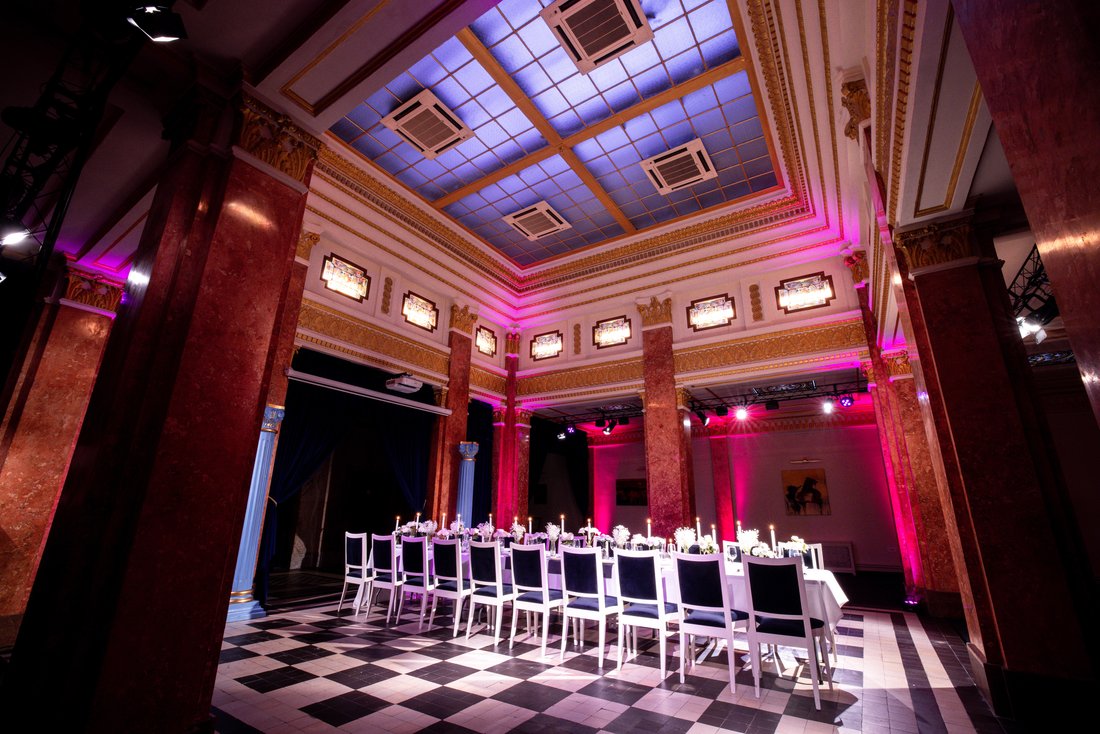
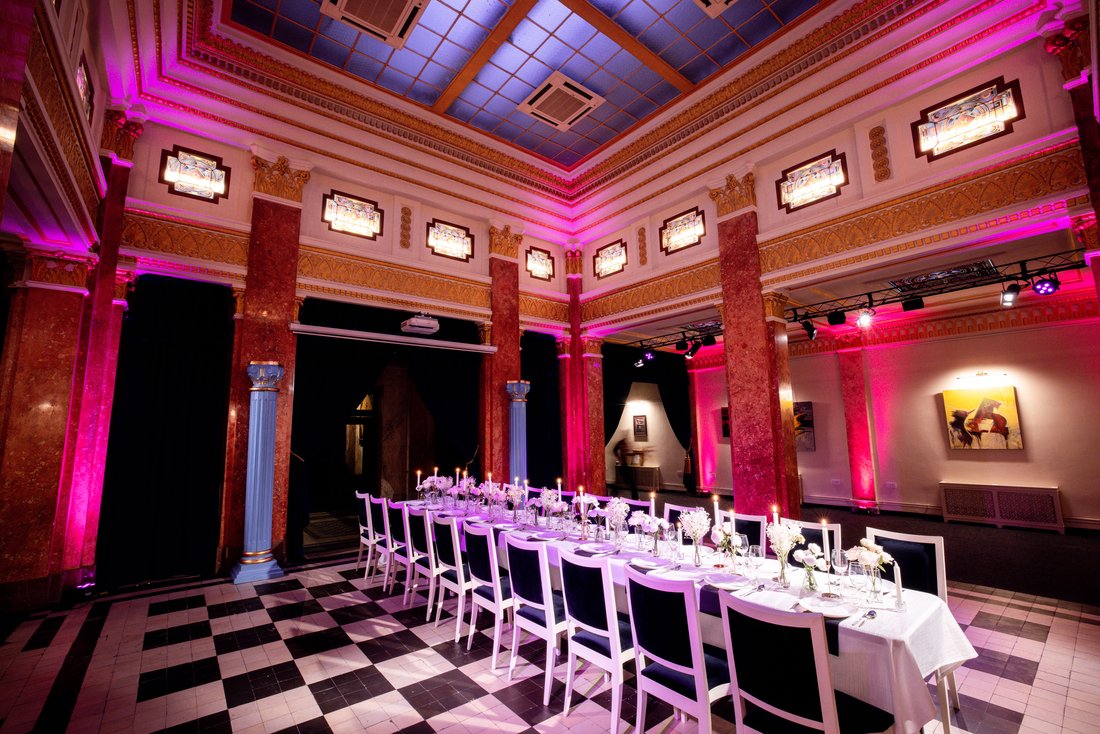
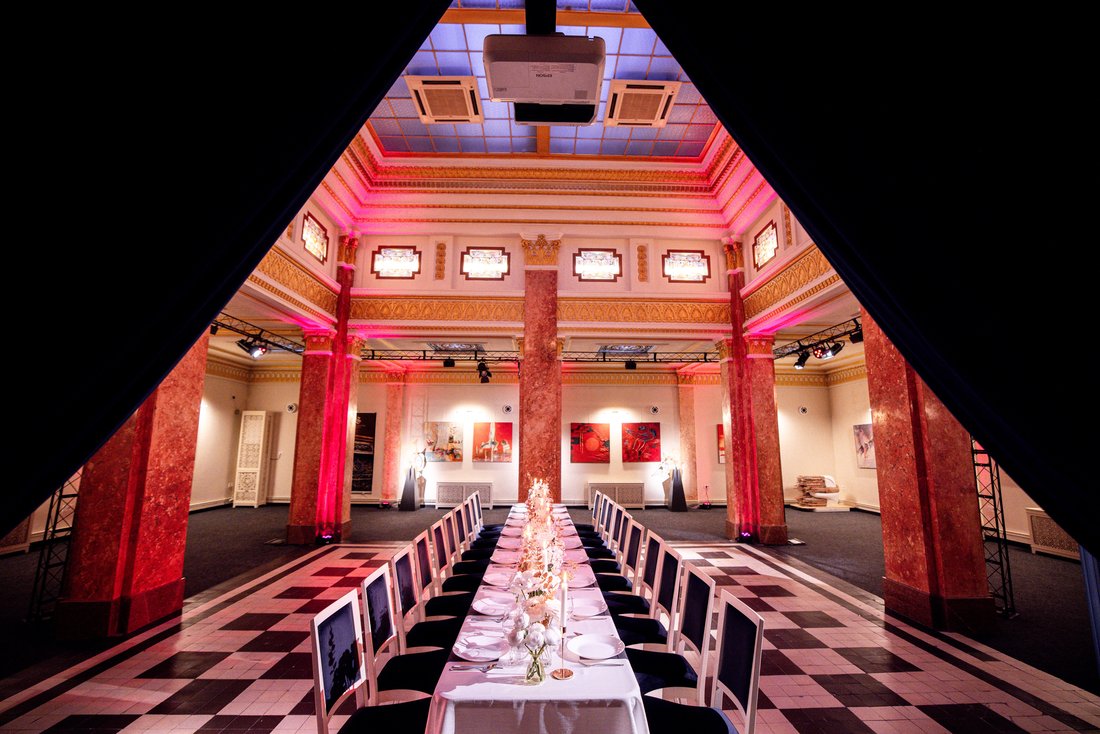
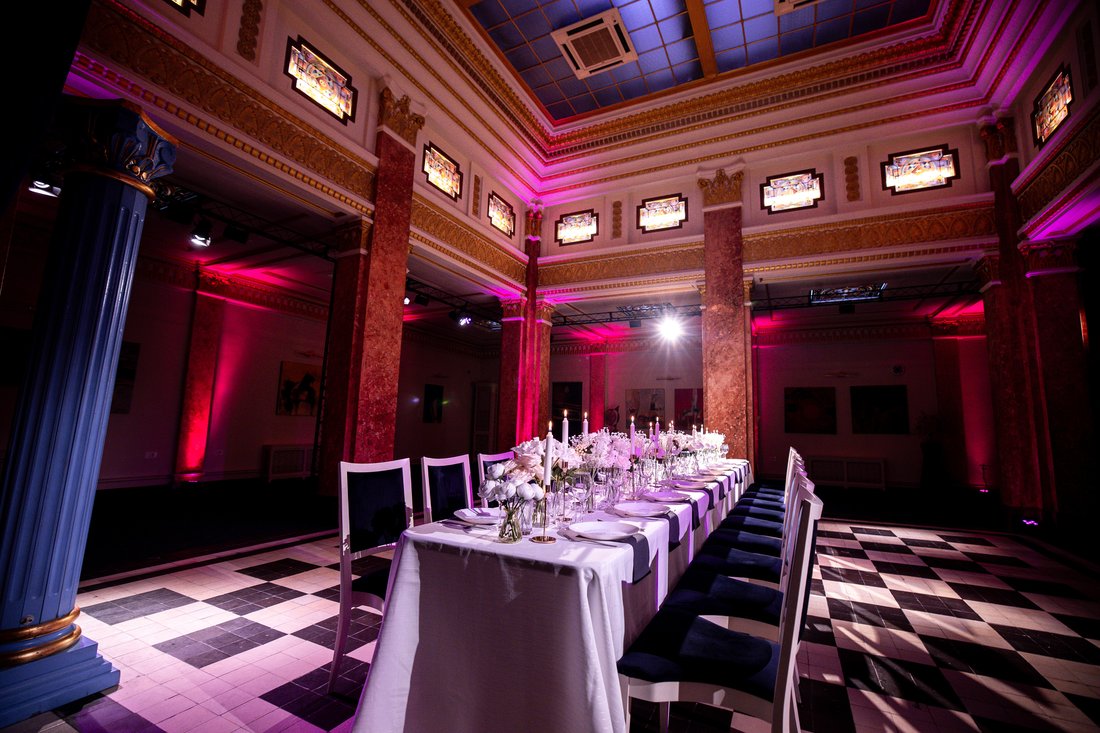
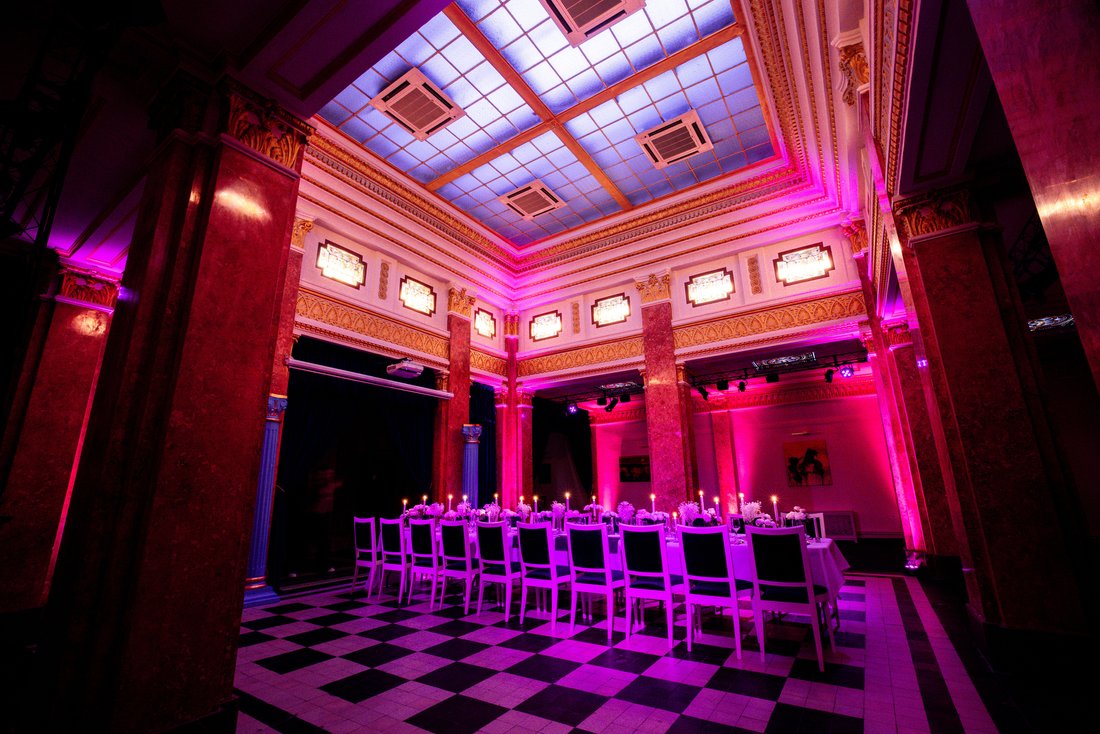
In the historic heart of Timișoara, where the city’s story has unfolded over centuries, rises the Szana Palace — a Class A historical monument that appears less like a mere building and more like a jewel carefully set into the urban fabric. Built between 1921 and 1922 to the designs of architect Josef Kremer Jr., at the initiative of banker and philanthropist Sigismund Szana, the edifice seamlessly blends the eclectic charm of its era with the solemnity of neoclassical lines, the delicacy of Secession details, and the subtle modernity of early Art Deco. Its façade, marked by Ionic columns and an elegant pediment, opens like a grand curtain, inviting one to step into a universe of refinement.
On the very ground where the palace stands today, layers of history have succeeded one another across centuries: medieval churches, an Ottoman mosque, and later a Jesuit sanctuary. Each era left its imprint, and all of these memories now converge in the walls of Szana Palace, transforming it into a place where the past feels alive — like a story whispered between columns and arches.
The palace is not only an architectural landmark but also a testament to the prosperity of an era when Timișoara embraced modernity with ambition and elegance. It once housed the Szana Bank, an institution that supported the city’s most emblematic industries: from Kandia chocolate to the Timișoreana brewery, from the Bega Mill to textile factories. Within its rooms linger the echoes of business negotiations, diplomatic exchanges, and artistic encounters, while the footsteps once heard in the Marble Hall still seem to summon elegant soirées and cultural evenings that gave the building its soul.
Today, with a usable area of 345 square meters, Szana Palace opens its doors once again as a sanctuary of elegance, carefully restored and returned to the cultural life of the city. Home to the Romanian Writers’ Union and artistic events, it retains its aristocratic air while at the same time breathing the freshness of the present. Here, the sunset gently caresses the sober façade, while inside, the silence of the walls invites the imagination to dream of the future.
Szana Palace is not merely a property available for acquisition. It is a page of history, a promise of prestige, and a space awaiting its new custodian to continue the story. For those who seek more than real estate — for those in search of a symbol, a legacy, and a stage where the beauty of the past meets the aspirations of tomorrow — this unique building represents a rare and unrepeatable opportunity.
-
Tipo di proprietà
Altro
-
Anno di costruzione
1922
-
Prezzo/piede²
$389
Caratteristiche
- Cinema
- Soffitto alto
- Aria condizionata
- Seminterrato
Esplora la zona
L'agente La contatterà al più presto
Pubblicato da
Prenota una visita con Cosmin Vermesan
Scegli una data e indica se preferisci un tour virtuale o di persona con l’agente.

Proprietà simili nelle vicinanze
Nuovi annunci a Timișoara
Esplora più immobili in vendita
Timișoara, Romania ricerche popolari
- Proprietà immobiliari con Balcone a Timișoara, Romania
- Proprietà immobiliari Privacy a Timișoara, Romania
- Proprietà immobiliari Vista Città a Timișoara, Romania
- Proprietà immobiliari Rinnovato a Timișoara, Romania
- Proprietà immobiliari Nuove costruzioni a Timișoara, Romania
- Proprietà immobiliari Moderno a Timișoara, Romania
- Proprietà immobiliari con Cinema a Timișoara, Romania
Guide e storie correlate
La fiducia dei migliori broker del mondo
Gli agenti dietro le proprietà più straordinarie del mondo pubblicano su JamesEdition.
- Annunci di Sotheby's, Christie's, BARNES ed Engel & Völkers
- Ogni annuncio è verificato prima della pubblicazione
- Si metta in contatto diretto con agenti verificati
Continuando, accetta i nostri Termini e la nostra Informativa sulla privacy.