$729,739
Historischer Stadtturm Rattenberg Self Bst Bewohnen/Kurzzeitvermietung Als Investment Möglich
- 980 Sqft
- Aggiornato: Ottobre 29
Informazioni sulla proprietà
La descrizione è stata tradotta automaticamente.
La descrizione viene visualizzata nella lingua originale.
This unique property in Tyrol, rich in history, is for sale.
After consultation with the Tyrol Monument Authority and the district administration in Kufstein, short-term rentals would generally be permitted. Exact details must, of course, be clarified directly with the authorities.
A once-in-a-lifetime opportunity to own a piece of history.
The former city gate tower, no
This unique property in Tyrol, rich in history, is for sale.
After consultation with the Tyrol Monument Authority and the district administration in Kufstein, short-term rentals would generally be permitted. Exact details must, of course, be clarified directly with the authorities.
A once-in-a-lifetime opportunity to own a piece of history.
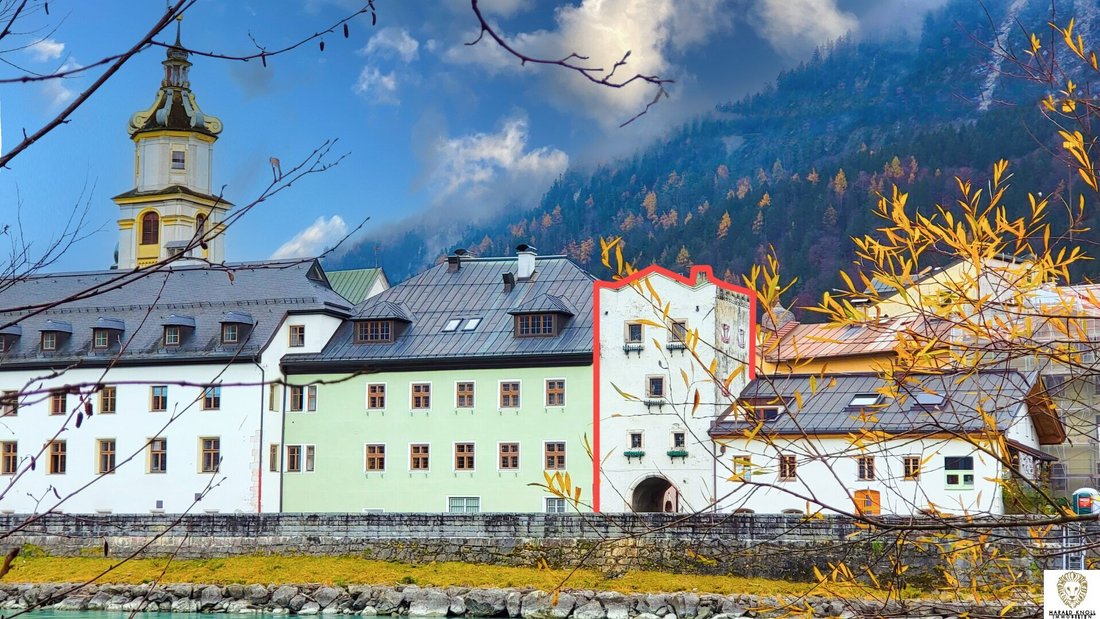
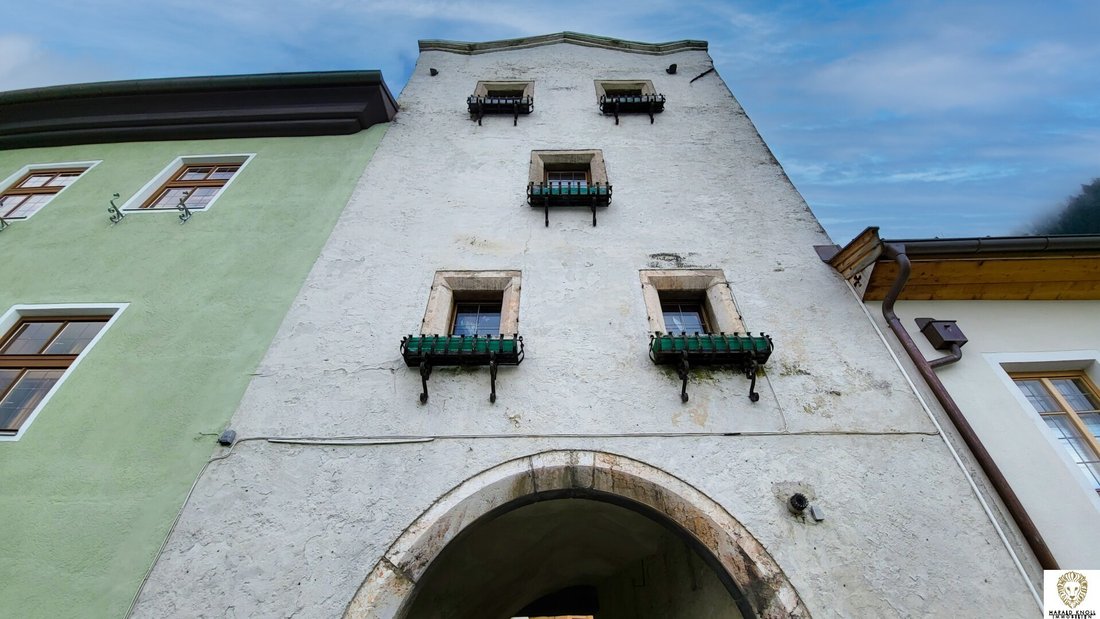
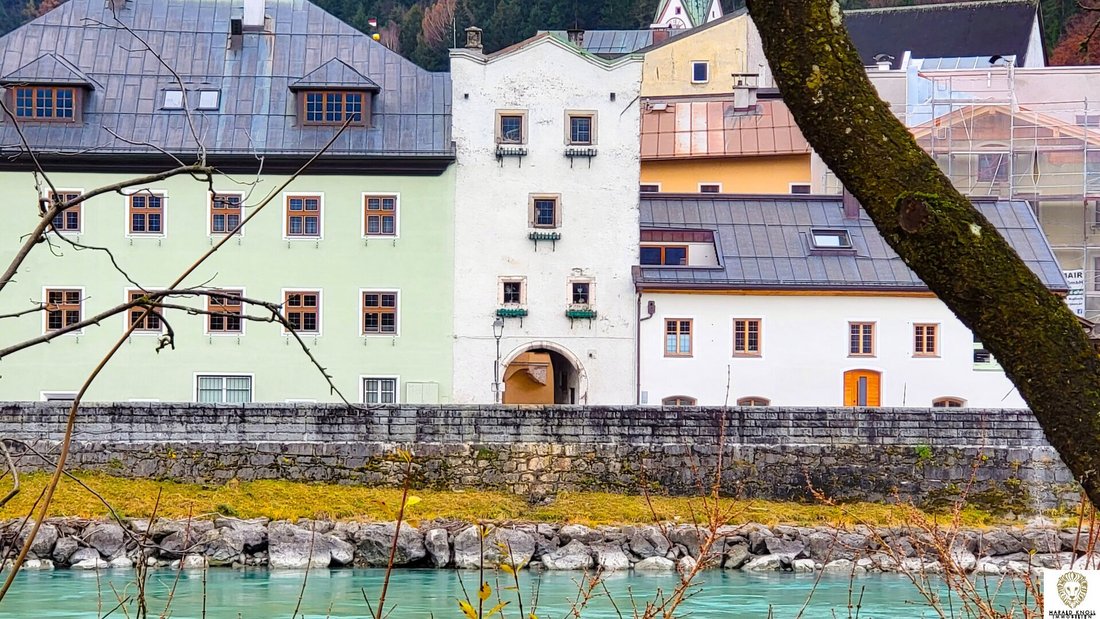
The former city gate tower, now called Inntor, is part of the former late Gothic city fortifications and is the only remaining city gate in Rattenberg.
The listed gate tower features a Gothic pointed arch gate on the city side and a round arch portal on the inside.
The building is three stories high, has a gable roof, and likely dates from the second half of the 14th century.
Directly behind it was the old Inn bridge, which was only dismantled in 1839. The tower is always a true eye-catcher when passing through the gate.
This old city tower (see history below) has been fully converted into living space and used as such in recent years.
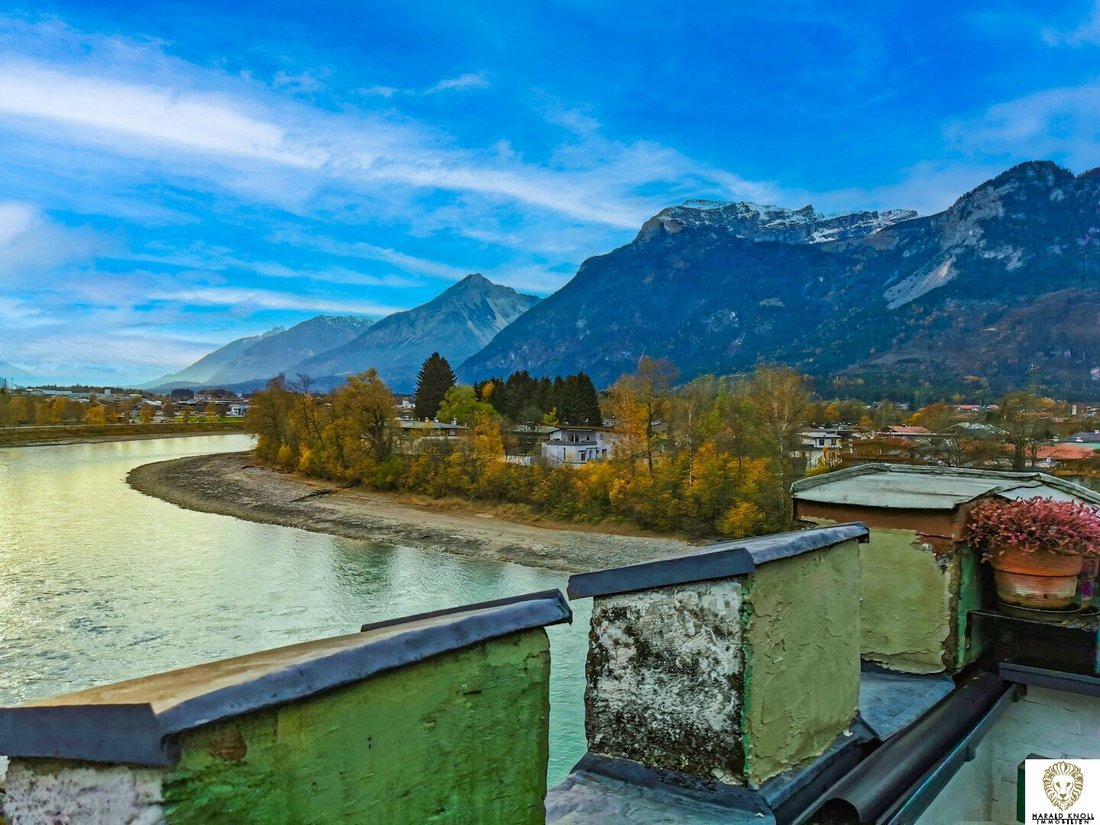
At the top of the tower is a magnificent viewing terrace with a breathtaking view of the Tyrolean mountains and the Inn River. (Subject to approval, expansion with an additional small room is possible.)
Investments in the last 5 years:
- Gas central heating, electric, wood
- Completely new bathroom
- New kitchen
- New electrical system
- The roof was also sanded and painted
2025: Completely new electric heating system
Room layout:
Ground floor: Entrance area, anteroom, storage room
1st floor: Kitchen, living room with dining area and tiled stove
2nd floor: Bathroom with shower and toilet, bedroom
3rd floor: Anteroom, fireplace room, two rooms
Attic: Room with terrace (currently under construction)
A floor plan is attached for detailed area information.
Since Rattenberg has no private parking spaces, there is the option, as for all other residents, to rent parking spaces nearby.
The cost for an outdoor parking space is approximately €100 per year. It is also possible to rent a garage – cost about €70 per month.
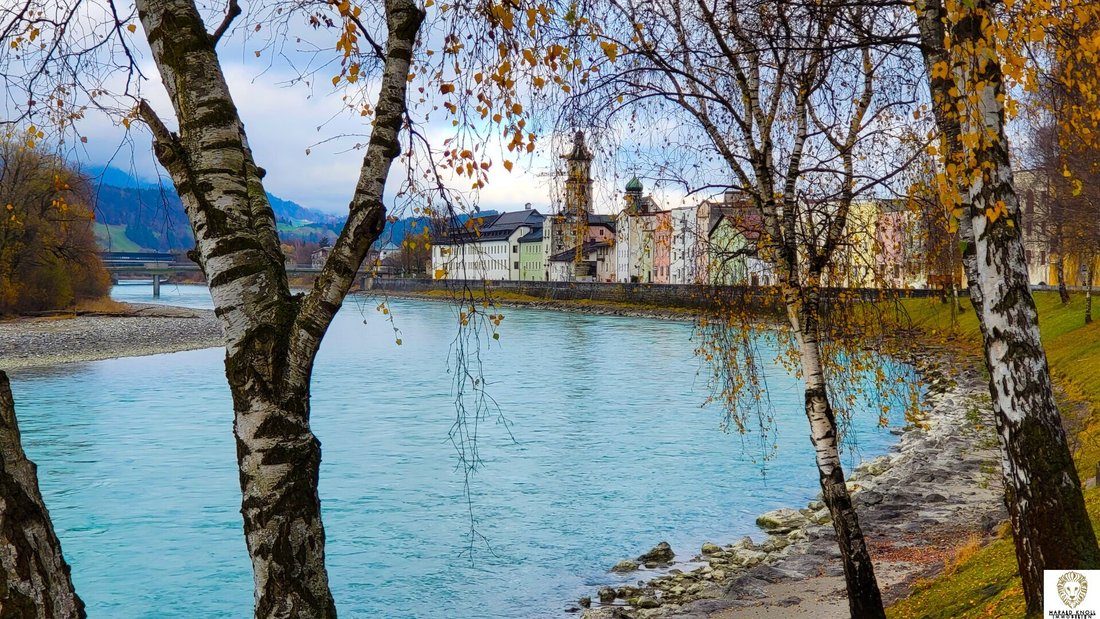
Rattenberg lies between rock and the Inn River at the foot of a castle from the 10th century. Historically, the town served as a transshipment point for goods on the Inn shipping route and as a customs post on the border between Tyrol and Bavaria. The historic center is built in the Inn-Salzach style and is now a pedestrian zone.
Rattenberg was first mentioned in documents in 1254 as Ratinberch. It may be a short form of the personal names Radolt or Ratpot – a name frequently found among the Counts of Andechs, who held estates in this area. It is uncertain whether a place called Ratpotenberg, documented in the 12th century, refers to this location. In 1393, it was elevated to a Bavarian town. Under the protection of the castle, the settlement developed along the road between the Inn and the town hill. A wall and a moat enclosed the town to the east. The South Tyrolean road leading east forms the town square as a kind of center. After floods, the town was raised several times.
The four Bavarian duchies after the territorial division of 1392.
Like the rest of Tyrol east of the Ziller (Zillertal), Rattenberg belongs to the Archdiocese of Salzburg. Until the Landshut War of Succession, Rattenberg was politically part of Bavaria. In 1505, Maximilian I secured possession of the towns of Rattenberg, Kufstein, and Kitzbühel and their surroundings, formerly belonging to Bavaria-Ingolstadt and later Bavaria-Landshut, through the Cologne arbitration that ended the war. However, until the 19th century, the regional law of Emperor Ludwig of Bavaria still applied in these areas. In 1514, the reconciliation between the Bavarian Duke Wilhelm IV and his younger brother took place in Rattenberg.
In 1805, all of Tyrol came under Bavarian control, and during the Tyrolean uprising, the Bavarian officer Wilhelm von Metzen died by suicide in Rattenberg in 1809 in a sensational incident.
In 2013, the town area was placed under ensemble protection (monument protection). Thus, Rattenberg became the second town ensemble in Tyrol after Hall and the 30th in Austria.
Link to the YouTube video: [hidden information]
The information provided is for non-binding preliminary information only and is without any guarantee.
-
Tipo di proprietà
Casa
-
Prezzo/piede²
$745
Caratteristiche
- Garage
- Vista sull'acqua
- Vista sulle montagne
- Planimetria 2D
Esplora la zona
Iscritto da 1 anno
Hai chiesto informazioni su questa proprietà
L'agente La contatterà al più presto
Pubblicato da
7
Annunci
2025
Iscritto
Prenota una visita con the agent
Scegli una data e indica se preferisci un tour virtuale o di persona con l’agente.
Data preferita
Tipo di tour
Ultimo aggiornamento
Ottobre 29
Prima pubblicazione
Ottobre 18, 2025
Riferimento annuncio
2506
La fiducia dei migliori broker del mondo
Gli agenti dietro le proprietà più straordinarie del mondo pubblicano su JamesEdition.
- Annunci di Sotheby's, Christie's, BARNES ed Engel & Völkers
- Ogni annuncio è verificato prima della pubblicazione
- Si metta in contatto diretto con agenti verificati
Continuando, accetta i nostri Termini e la nostra Informativa sulla privacy.