$885,037
Antico Frantoio Del 1500
- 5 Camere
- 4 Bagni
- 3,294 Sqft
- 2,153 Sqft lot
- Aggiornato: Marzo 10, 2025
- 3
Informazioni sulla proprietà
La descrizione è stata tradotta automaticamente.
La descrizione viene visualizzata nella lingua originale.
Un complesso rurale attraverso i secoli: da frantoio medievale a frantoio ristrutturato
La storia di questo sito inizia nel lontano 1410, quando viene descritto come un «mulino murato con tetto in lastre e due paia di macine, con una capanna e un acquedotto». Questa descrizione ci riporta a un’epoca medievale, dove il mulino era un elemento centrale della vita rurale, un luogo di trasform
La storia di questo sito inizia nel lontano 1410, quando viene descritto come un «mulino murato con tetto in lastre e due paia di macine, con una capanna e un acquedotto». Questa descrizione ci riporta a un’epoca medievale, dove il mulino era un elemento centrale della vita rurale, un luogo di trasform
A Rural Complex Through the Centuries: From Medieval Mill to Renovated Oil Mill
The history of this site begins way back in 1410, when it is described as a ”walled mill with a slab roof and two pairs of millstones and with a hut and aqueduct”. This description takes us back to a medieval era, where the mill was a central element of rural life, a place of transformation of grain into flour
The history of this site begins way back in 1410, when it is described as a ”walled mill with a slab roof and two pairs of millstones and with a hut and aqueduct”. This description takes us back to a medieval era, where the mill was a central element of rural life, a place of transformation of grain into flour
Un complesso rurale attraverso i secoli: da frantoio medievale a frantoio ristrutturato
La storia di questo sito inizia nel lontano 1410, quando viene descritto come un «mulino murato con tetto in lastre e due paia di macine, con una capanna e un acquedotto». Questa descrizione ci riporta a un’epoca medievale, dove il mulino era un elemento centrale della vita rurale, un luogo di trasformazione del grano in farina, essenziale per la sussistenza della comunità. La presenza di due macine in pietra suggerisce già allora una notevole attività produttiva.
Nei secoli successivi, il mulino rimase legato a importanti famiglie nobili della zona. Nel 1660 apparteneva al nobile Tommaso Montecatini, detto il Visconte, e nel 1771 era ancora di proprietà della stessa famiglia, con una struttura che si era evoluta: ora era chiamato «mulino a due palmenti con casa e forno per il mugnaio», ad indicare la presenza di una casa per chi lavorava al mulino e di un forno per cuocere il pane, ulteriore testimonianza dell’importanza del sito per la comunità.
Un elemento significativo che è stato aggiunto nel tempo è stata la presenza del frantoio adiacente al frantoio, con un lavatoio per la sansa (il residuo della lavorazione delle olive), di proprietà del nobile Nicolao Orsucci. Questa coesistenza tra frantoio e frantoio testimonia la diversificazione delle attività agricole della zona, con la produzione sia di farina che di olio.
La proprietà delle due strutture si intrecciò nel tempo: nel 1808, Nicolao Montecatini possedeva il frantoio, mentre la vedova Orsucci possedeva il frantoio. Nel 1850, il conte Michelangelo Orsucci riunì le due proprietà sotto un’unica gestione.
Un significativo cambio di proprietà avvenne nel 1867, quando sia il frantoio che il frantoio passarono alla famiglia Giannini. Da questo momento in poi, la storia del sito prese una nuova direzione.
La ristrutturazione del frantoio: un ponte tra passato e presente
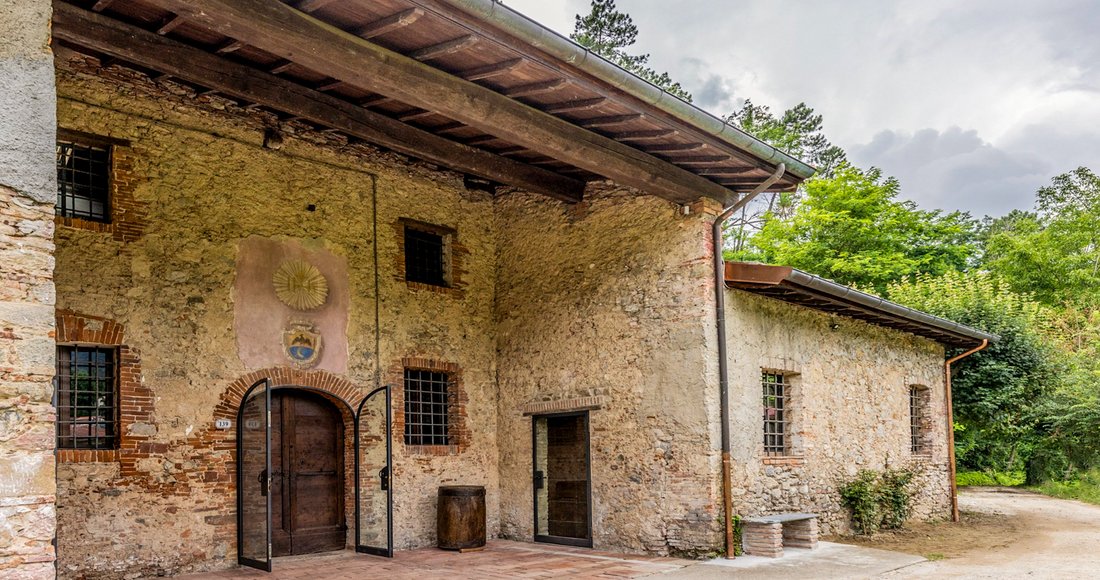
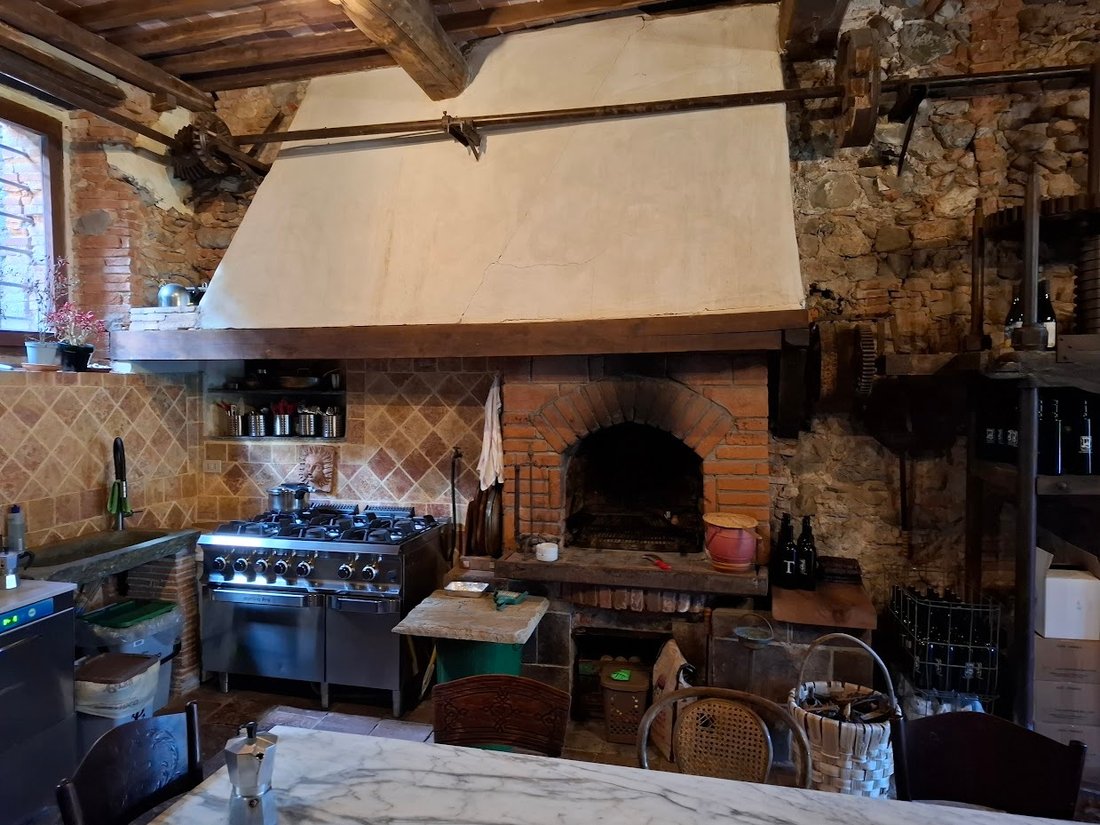
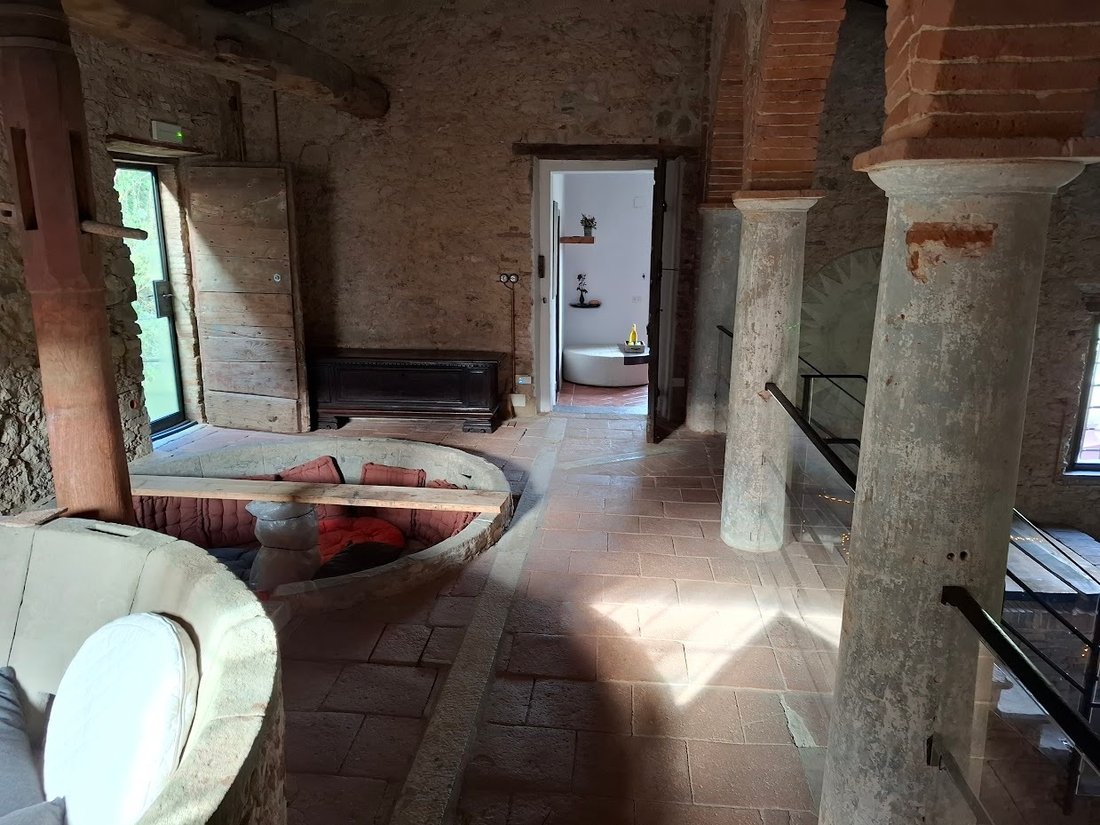
La parte più recente della storia è segnata dalla completa ristrutturazione del frantoio nel 2023. Questo intervento ha avuto il merito di preservare i materiali dell’epoca, creando un’affascinante combinazione di passato e presente. Il frantoio è stato trasformato in una struttura turistico-ricettiva, con moderni spazi abitativi ricavati all’interno dell’antica struttura. Al piano terra ci sono tre camere da letto e due bagni, mentre il primo piano ospita due camere da letto con bagno.
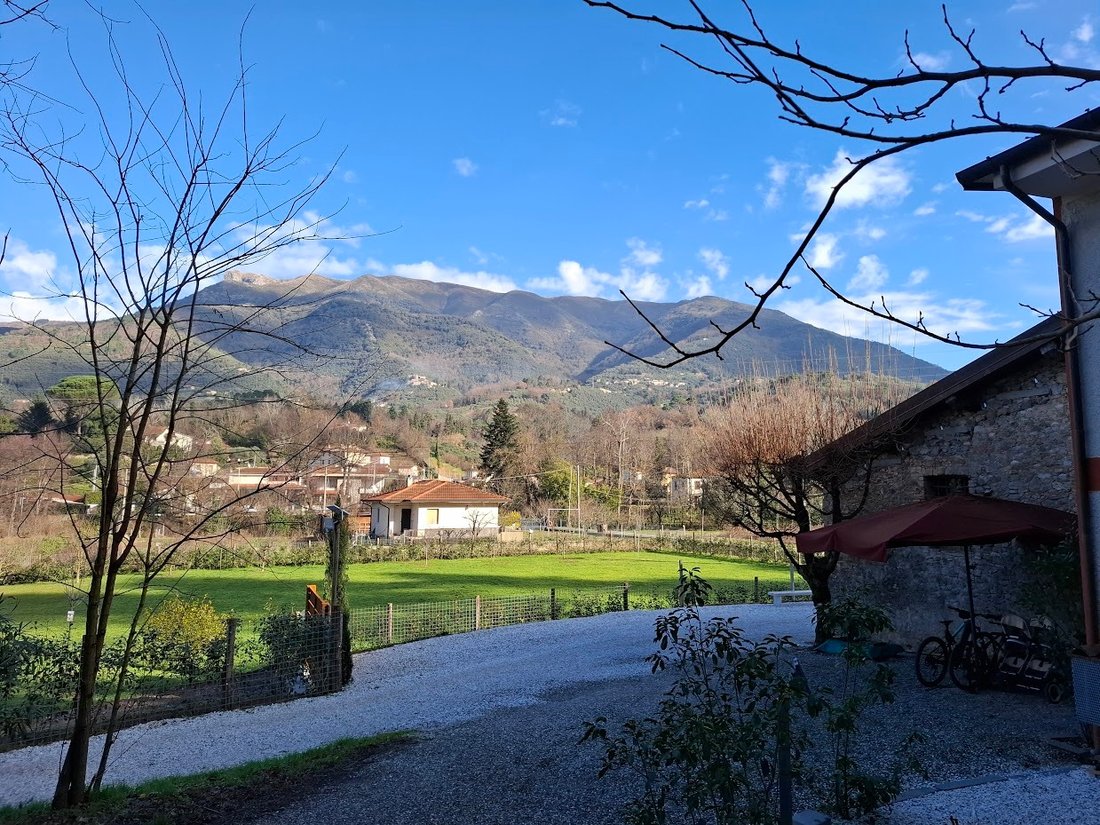
Un elemento che lega indissolubilmente il frantoio al suo passato è il torrente che scorre adiacente, lo stesso che un tempo forniva energia al frantoio. Questo dettaglio non solo aggiunge un tocco di fascino al luogo, ma ne sottolinea anche la continuità con la sua storia.
In breve, questo luogo rappresenta un prezioso esempio di architettura rurale che ha attraversato i secoli, adattandosi alle esigenze e ai cambiamenti del tempo. Dalle sue origini come semplice mulino medievale, si è evoluto in un complesso agricolo con un frantoio e un frantoio, per poi trasformarsi, grazie ad un’attenta ristrutturazione, in un luogo che unisce la storia al comfort moderno.
La storia di questo sito inizia nel lontano 1410, quando viene descritto come un «mulino murato con tetto in lastre e due paia di macine, con una capanna e un acquedotto». Questa descrizione ci riporta a un’epoca medievale, dove il mulino era un elemento centrale della vita rurale, un luogo di trasformazione del grano in farina, essenziale per la sussistenza della comunità. La presenza di due macine in pietra suggerisce già allora una notevole attività produttiva.
Nei secoli successivi, il mulino rimase legato a importanti famiglie nobili della zona. Nel 1660 apparteneva al nobile Tommaso Montecatini, detto il Visconte, e nel 1771 era ancora di proprietà della stessa famiglia, con una struttura che si era evoluta: ora era chiamato «mulino a due palmenti con casa e forno per il mugnaio», ad indicare la presenza di una casa per chi lavorava al mulino e di un forno per cuocere il pane, ulteriore testimonianza dell’importanza del sito per la comunità.
Un elemento significativo che è stato aggiunto nel tempo è stata la presenza del frantoio adiacente al frantoio, con un lavatoio per la sansa (il residuo della lavorazione delle olive), di proprietà del nobile Nicolao Orsucci. Questa coesistenza tra frantoio e frantoio testimonia la diversificazione delle attività agricole della zona, con la produzione sia di farina che di olio.
La proprietà delle due strutture si intrecciò nel tempo: nel 1808, Nicolao Montecatini possedeva il frantoio, mentre la vedova Orsucci possedeva il frantoio. Nel 1850, il conte Michelangelo Orsucci riunì le due proprietà sotto un’unica gestione.
Un significativo cambio di proprietà avvenne nel 1867, quando sia il frantoio che il frantoio passarono alla famiglia Giannini. Da questo momento in poi, la storia del sito prese una nuova direzione.
La ristrutturazione del frantoio: un ponte tra passato e presente
La parte più recente della storia è segnata dalla completa ristrutturazione del frantoio nel 2023. Questo intervento ha avuto il merito di preservare i materiali dell’epoca, creando un’affascinante combinazione di passato e presente. Il frantoio è stato trasformato in una struttura turistico-ricettiva, con moderni spazi abitativi ricavati all’interno dell’antica struttura. Al piano terra ci sono tre camere da letto e due bagni, mentre il primo piano ospita due camere da letto con bagno.
Un elemento che lega indissolubilmente il frantoio al suo passato è il torrente che scorre adiacente, lo stesso che un tempo forniva energia al frantoio. Questo dettaglio non solo aggiunge un tocco di fascino al luogo, ma ne sottolinea anche la continuità con la sua storia.
In breve, questo luogo rappresenta un prezioso esempio di architettura rurale che ha attraversato i secoli, adattandosi alle esigenze e ai cambiamenti del tempo. Dalle sue origini come semplice mulino medievale, si è evoluto in un complesso agricolo con un frantoio e un frantoio, per poi trasformarsi, grazie ad un’attenta ristrutturazione, in un luogo che unisce la storia al comfort moderno.
A Rural Complex Through the Centuries: From Medieval Mill to Renovated Oil Mill
The history of this site begins way back in 1410, when it is described as a ”walled mill with a slab roof and two pairs of millstones and with a hut and aqueduct”. This description takes us back to a medieval era, where the mill was a central element of rural life, a place of transformation of grain into flour, essential for the subsistence of the community. The presence of two millstones suggests already then a considerable productive activity.
In the following centuries, the mill remained linked to important noble families of the area. In 1660 it belonged to the nobleman Tommaso Montecatini, known as the Visconte, and in 1771 it was still owned by the same family, with a structure that had evolved: now it was called a ”two-palmenti mill with a house and oven for the miller”, indicating the presence of a home for those who worked at the mill and an oven for baking bread, further evidence of the importance of the site for the community.
A significant element that was added over time was the presence of the oil mill adjacent to the mill, with a wash house for the pomace (the residue from the processing of olives), owned by the nobleman Nicolao Orsucci. This coexistence of mill and oil mill testifies to the diversification of agricultural activities in the area, with the production of both flour and oil.
The ownership of the two structures became intertwined over time: in 1808, Nicolao Montecatini owned the mill, while the widow Orsucci owned the oil mill. In 1850, Count Michelangelo Orsucci brought the two properties together under one management.
A significant change of ownership occurred in 1867, when both the mill and the oil mill passed to the Giannini family. From this moment on, the history of the site took a new direction.
The Renovation of the Oil Mill: A Bridge Between Past and Present
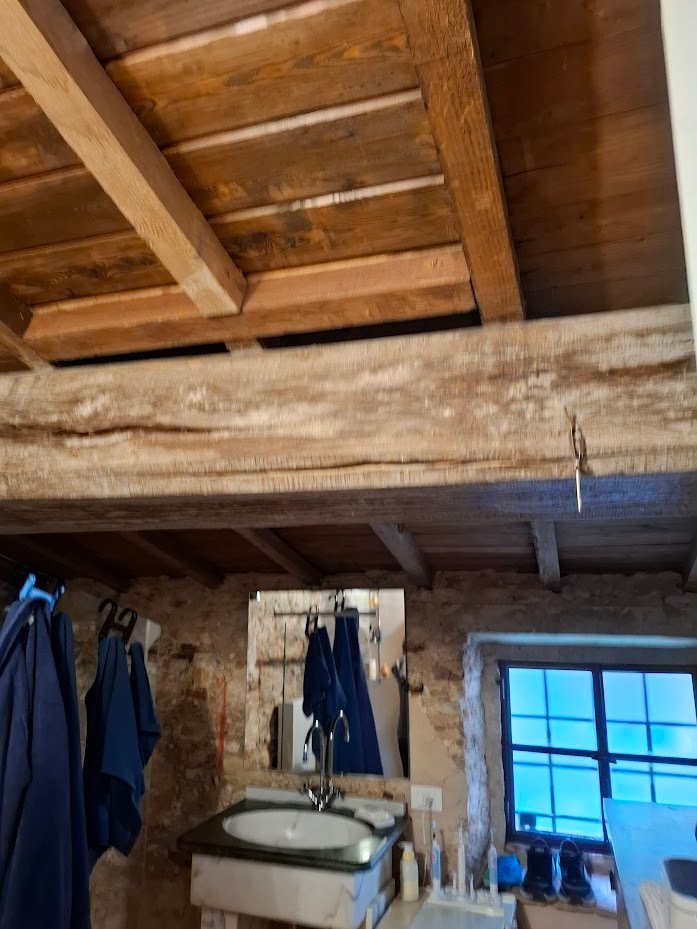
The most recent part of the story is marked by the complete renovation of the oil mill in 2023. This intervention had the merit of preserving the period materials, creating a fascinating combination of past and present. The oil mill was transformed into a tourist accommodation facility, with modern living spaces created within the ancient structure. On the ground floor there are three bedrooms and two bathrooms, while the first floor houses two bedrooms with bathrooms.
An element that inextricably links the oil mill to its past is the stream that flows adjacent, the same one that once provided energy for the mill. This detail not only adds a touch of charm to the place, but also underlines its continuity with its history.
In short, this place represents a precious example of rural architecture that has spanned the centuries, adapting to the needs and changes of time. From its origins as a simple medieval mill, it has evolved into an agricultural complex with a mill and an oil mill, and then transformed, thanks to careful renovation, into a place that combines history with modern comfort.
The history of this site begins way back in 1410, when it is described as a ”walled mill with a slab roof and two pairs of millstones and with a hut and aqueduct”. This description takes us back to a medieval era, where the mill was a central element of rural life, a place of transformation of grain into flour, essential for the subsistence of the community. The presence of two millstones suggests already then a considerable productive activity.
In the following centuries, the mill remained linked to important noble families of the area. In 1660 it belonged to the nobleman Tommaso Montecatini, known as the Visconte, and in 1771 it was still owned by the same family, with a structure that had evolved: now it was called a ”two-palmenti mill with a house and oven for the miller”, indicating the presence of a home for those who worked at the mill and an oven for baking bread, further evidence of the importance of the site for the community.
A significant element that was added over time was the presence of the oil mill adjacent to the mill, with a wash house for the pomace (the residue from the processing of olives), owned by the nobleman Nicolao Orsucci. This coexistence of mill and oil mill testifies to the diversification of agricultural activities in the area, with the production of both flour and oil.
The ownership of the two structures became intertwined over time: in 1808, Nicolao Montecatini owned the mill, while the widow Orsucci owned the oil mill. In 1850, Count Michelangelo Orsucci brought the two properties together under one management.
A significant change of ownership occurred in 1867, when both the mill and the oil mill passed to the Giannini family. From this moment on, the history of the site took a new direction.
The Renovation of the Oil Mill: A Bridge Between Past and Present
The most recent part of the story is marked by the complete renovation of the oil mill in 2023. This intervention had the merit of preserving the period materials, creating a fascinating combination of past and present. The oil mill was transformed into a tourist accommodation facility, with modern living spaces created within the ancient structure. On the ground floor there are three bedrooms and two bathrooms, while the first floor houses two bedrooms with bathrooms.
An element that inextricably links the oil mill to its past is the stream that flows adjacent, the same one that once provided energy for the mill. This detail not only adds a touch of charm to the place, but also underlines its continuity with its history.
In short, this place represents a precious example of rural architecture that has spanned the centuries, adapting to the needs and changes of time. From its origins as a simple medieval mill, it has evolved into an agricultural complex with a mill and an oil mill, and then transformed, thanks to careful renovation, into a place that combines history with modern comfort.
-
Tipo di proprietà
Villa
-
Piani
2
-
Anno di costruzione
1406
-
Prezzo/piede²
$268
-
Emissioni
G
-
Consumo
G
Caratteristiche
- Camino
- Vista sulle montagne
- Cucina aperta
- Soffitto alto
- Parcheggio
Esplora la zona
Via del Mulino, 79, 55041 Nocchi LU, Italy, Toscana, Italia
Visualizza su Google Maps
Prezzo per sqft
Basso
Alto
Immerso nelle pittoresche colline toscane, questa proprietà a Nocchi offre una vita raffinata con accesso a paesaggi mozzafiato e ricchezze culturali della regione. A breve distanza in auto dalle iconiche città di Lucca e Pisa, goditi la cucina raffinata, lo shopping e le attrazioni storiche. Ideale per chi cerca la tranquillità con comfort moderni, offre anche un facile accesso a belle spiagge e campi da golf ricercati, rendendola una base perfetta per esplorare la campagna italiana.
Ottieni luoghi vicini
Attrazioni
Scuole
Aeroporto di Pisa
Aeroporto
38 min
Stazione di Viareggio
Stazione ferroviaria
28 min
Stazione di Lucca
Stazione ferroviaria
23 min
Torre di Pisa
Cultura e Patrimonio
50 min
Museo Puccini
Cultura e Patrimonio
30 min
Spiaggia di Viareggio
Natura & Outdoor
30 min
Scuola Internazionale di Firenze
Scuola Internazionale
70 min
Scuola Media Cesare Batisti
Scuola pubblica
15 min
Liceo Scientifico A Vallisneri
Scuola pubblica
25 min
Iscritto da 6 anni
Hai chiesto informazioni su questa proprietà
L'agente La contatterà al più presto
Pubblicato da
8
Annunci
2020
Iscritto
Prenota una visita con the agent
Scegli una data e indica se preferisci un tour virtuale o di persona con l’agente.
Data preferita
Tipo di tour
Ultimo aggiornamento
Marzo 10, 2025
Prima pubblicazione
Gennaio 21, 2025
La fiducia dei migliori broker del mondo
Gli agenti dietro le proprietà più straordinarie del mondo pubblicano su JamesEdition.
- Annunci di Sotheby's, Christie's, BARNES ed Engel & Völkers
- Ogni annuncio è verificato prima della pubblicazione
- Si metta in contatto diretto con agenti verificati
Continuando, accetta i nostri Termini e la nostra Informativa sulla privacy.