80 Forsyth Street, Edificio Privato
- 3 Bagni
- 6,800 Sqft
- 31
- MLS#20068873
Informazioni sulla proprietà
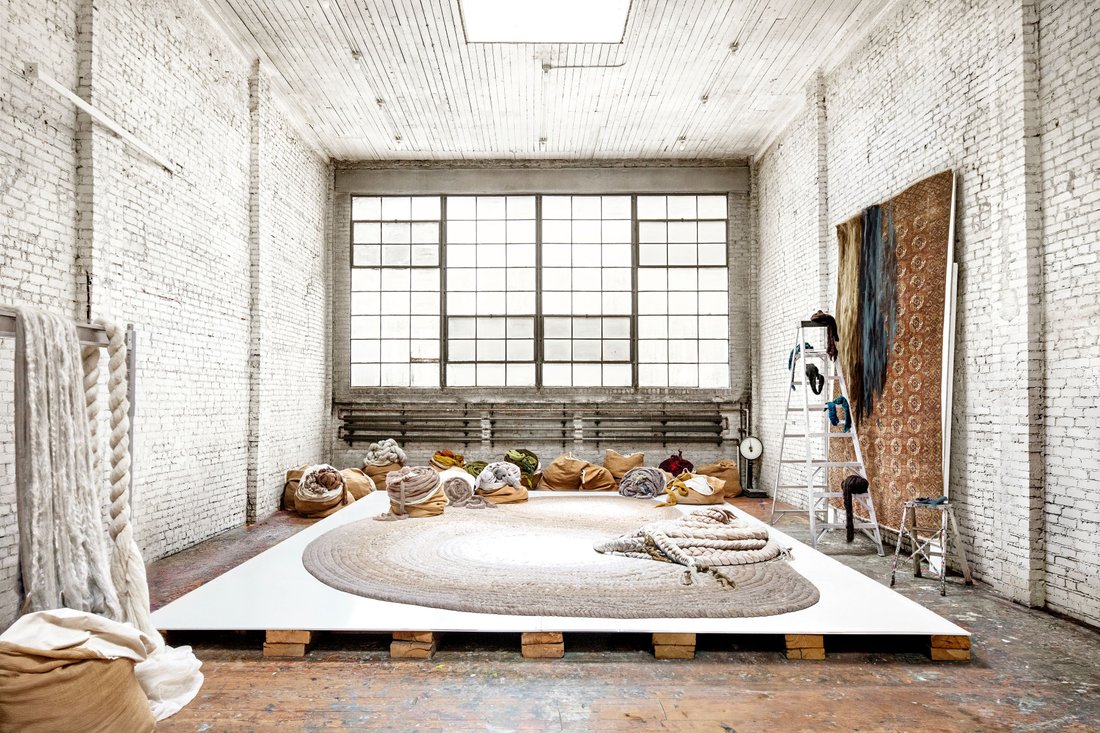
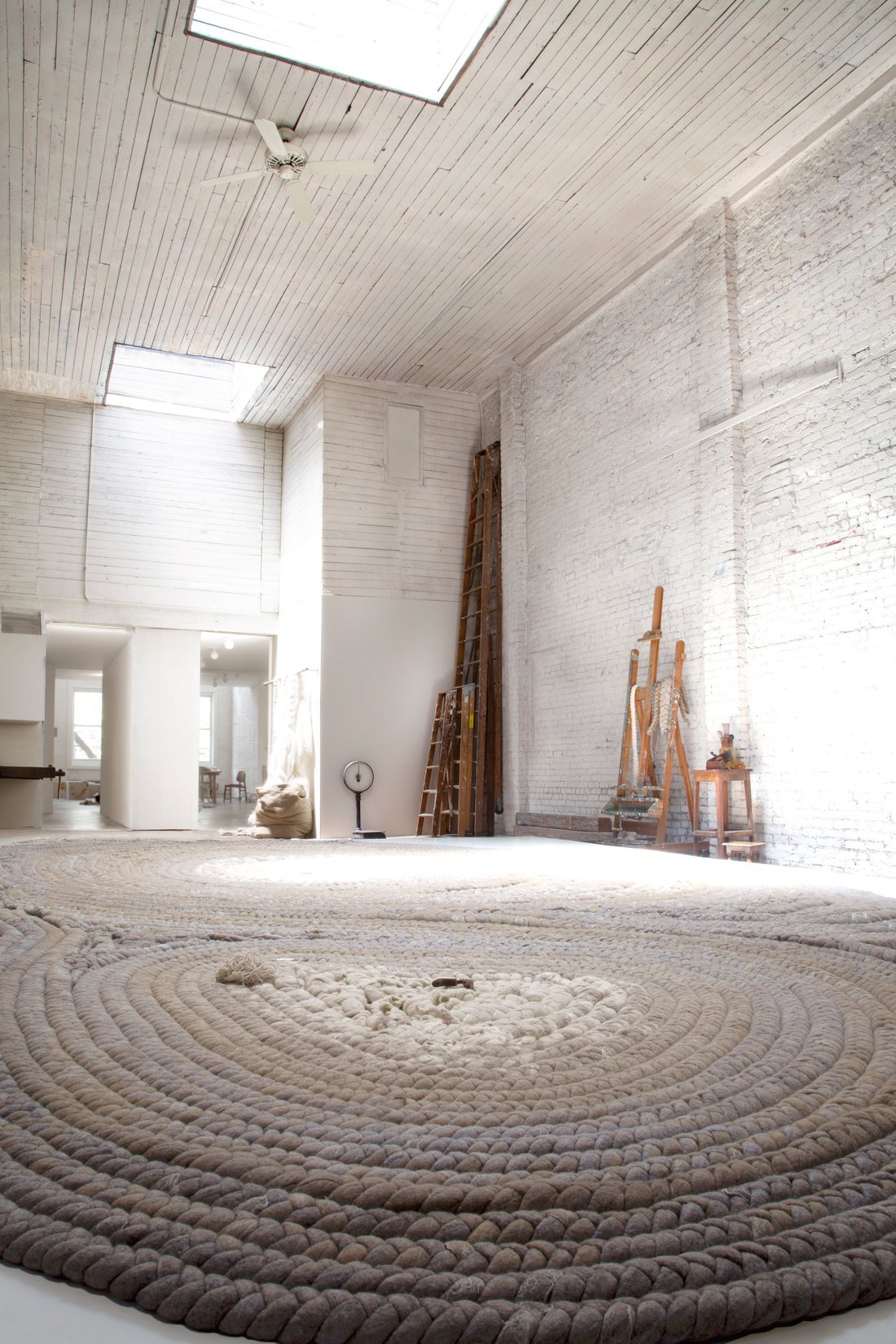
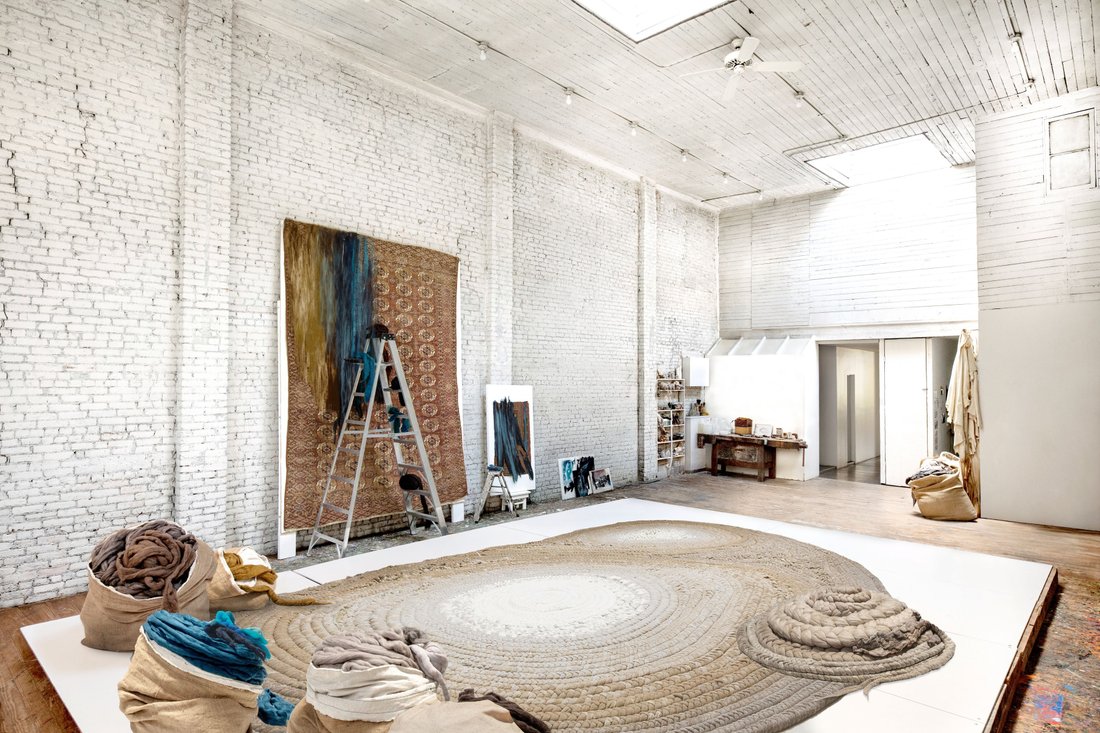
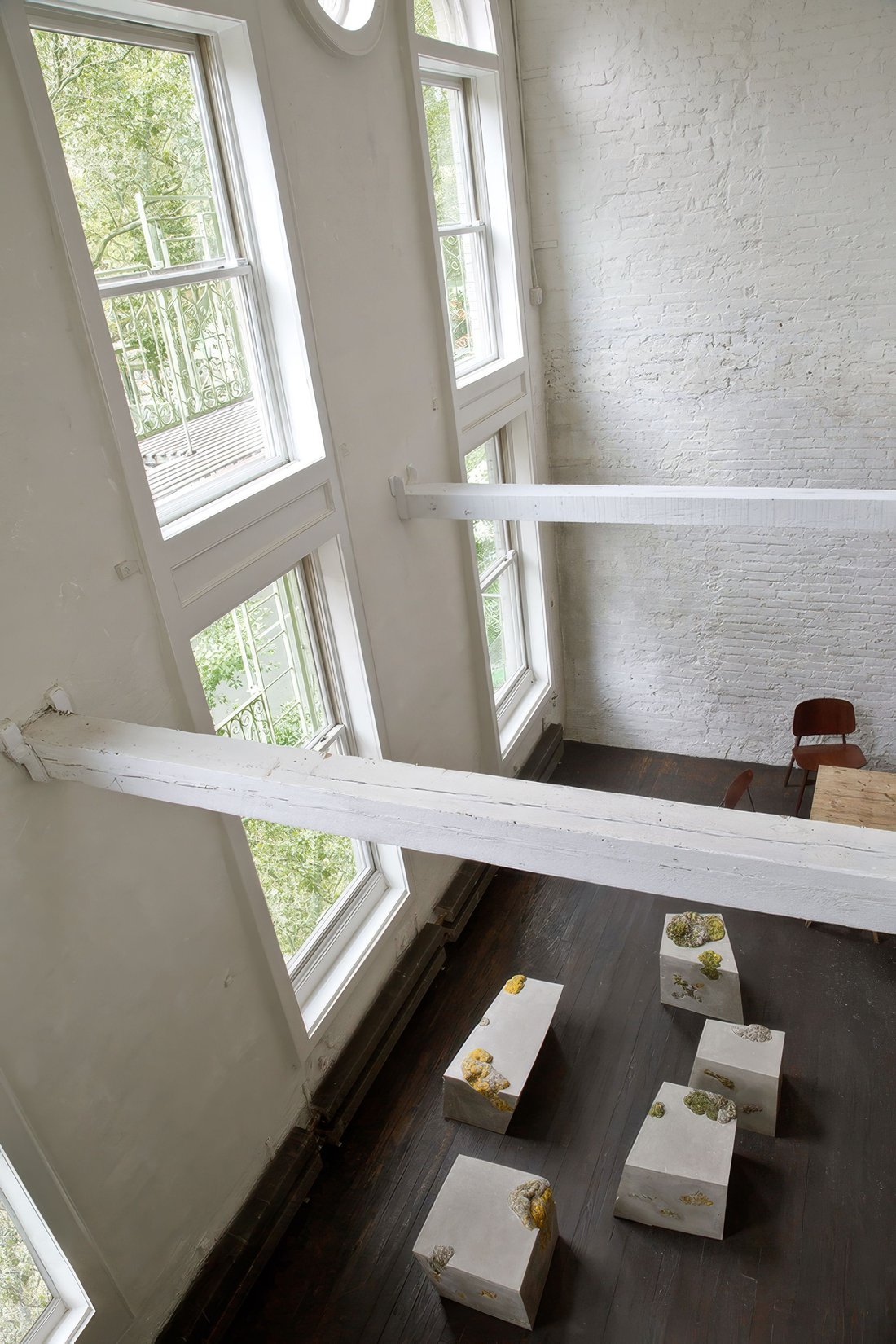
A former Lower East Side synagogue with extraordinary volume, abstract expressionist provenance, and rare potential for live/work, studio, gallery, foundation or creative use.
80 Forsyth Street stands as a singular, and exceedingly rare, opportunity. The building’s historic gravitas and soulfulness are immediately apparent upon entering. Heroic scale and irreplaceable
A former Lower East Side synagogue with extraordinary volume, abstract expressionist provenance, and rare potential for live/work, studio, gallery, foundation or creative use.
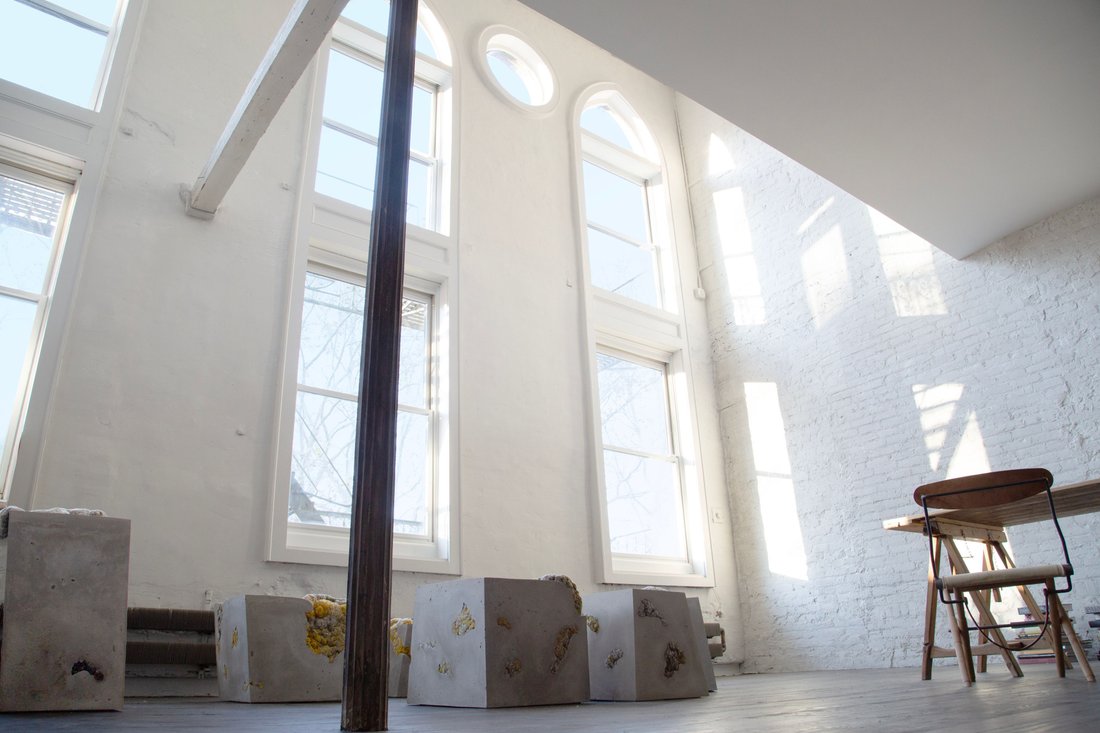
80 Forsyth Street stands as a singular, and exceedingly rare, opportunity. The building’s historic gravitas and soulfulness are immediately apparent upon entering. Heroic scale and irreplaceable architectural details abound throughout a myriad of luminous creative spaces which simply must be experienced. Ideally set on a 25.25 ft by 100.25 ft lot and spanning over 6,800 square feet 80 Forsyth Street is uniquely memorable. Approximately 10,000 square feet of additional air rights offer countless possibilities and a rare canvas for those seeking a property with unique character, cultural depth and an impressive provenance. The block’s flexible zoning would permit a variety of uses, including as a live/work space, a headquarters for a foundation or museum, or an inspired single or multi-family residence (subject to review by buyer’s architect).
Originally constructed in 1874, the building was home to the Kol Israel Anshe Poland congregation, one of the earliest Eastern European Jewish communities to settle in New York after emigrating from Suwałki, Poland. Purpose-built as a synagogue, the structure featured a mikvah (ritual rainwater bath) in its basement—an uncommon and historically significant element that remained in use into the early 20th century. As the congregation flourished, it commissioned a grander synagogue nearby, leaving 80 Forsyth as a vital spiritual and communal anchor during the neighborhood’s formative years.
By the early 1900s, as demographic and economic shifts reshaped the Lower East Side, the building transitioned into commercial use—mirroring the broader transformation of the neighborhood itself. Yet its most influential chapter was still to come.
In 1962, the property was purchased by Milton Resnick, a seminal figure of the Abstract Expressionist movement, and his wife, painter Pat Passlof. Introduced by close friend Willem de Kooning, Resnick and Passlof transformed the former sanctuary into a combined residence and painting studio, honoring the vast, light-filled volume of the original space while imbuing it with new creative life. For nearly five decades, 80 Forsyth served as both home and studio—an intimate setting for artistic production, reflection, and dialogue at the heart of postwar American art.
The property’s artistic lineage continues into the present day, serving as the studio and gallery of an internationally renown sculptural artist whose work engages natural fibers and other materials, draws strength from the building’s raw architectural presence, underscoring its enduring role as a site of artistic inquiry and production.
Rich with nearly 150 years of layered history, 80 Forsyth Street stands as a rare and compelling embodiment of the Lower East Side’s evolution—from immigrant enclave to artistic epicenter.
-
Tipo di proprietà
Residenza
-
Anno di costruzione
1874
-
Prezzo/piede²
$1,610
Caratteristiche
- Terrazza
- Camino
- Seminterrato
- Spazio di vita all'aperto
- Soffitto alto
- Lavasciuga
- Aria condizionata
- Planimetria 2D
Esplora la zona

L'agente La contatterà al più presto
Pubblicato da
Prenota una visita con Jonathan Hettinger
Scegli una data e indica se preferisci un tour virtuale o di persona con l’agente.

Proprietà simili nelle vicinanze
Nuovi annunci a Manhattan












Esplora più immobili in vendita
tipi di proprietà Manhattan, NY, Stati Uniti
- Condomini in vendita in Manhattan, NY, Stati Uniti
- Cooperative in vendita in Manhattan, NY, Stati Uniti
- Case in vendita in Manhattan, NY, Stati Uniti
- Appartamenti in vendita in Manhattan, NY, Stati Uniti
- Case in vendita in Manhattan, NY, Stati Uniti
- Ville in vendita in Manhattan, NY, Stati Uniti
- Attici in vendita in Manhattan, NY, Stati Uniti
Manhattan, NY, Stati Uniti ricerche popolari
- Proprietà immobiliari con Centro Fitness / Palestra a Manhattan, NY, Stati Uniti
- Proprietà immobiliari con Terrazza a Manhattan, NY, Stati Uniti
- Proprietà immobiliari con Giardino a Manhattan, NY, Stati Uniti
- Proprietà immobiliari con Garage a Manhattan, NY, Stati Uniti
- Proprietà immobiliari con Piscina a Manhattan, NY, Stati Uniti
- Proprietà immobiliari con Libreria a Manhattan, NY, Stati Uniti
- Proprietà immobiliari Moderno a Manhattan, NY, Stati Uniti
- Proprietà immobiliari con Sauna a Manhattan, NY, Stati Uniti
- Proprietà immobiliari Vista sul fiume a Manhattan, NY, Stati Uniti
- Proprietà immobiliari Duplex a Manhattan, NY, Stati Uniti
- Proprietà immobiliari Investimento immobiliare a Manhattan, NY, Stati Uniti
- Proprietà immobiliari con Piscina coperta a Manhattan, NY, Stati Uniti
- Proprietà immobiliari Lungomare a Manhattan, NY, Stati Uniti
- Proprietà immobiliari con Campo da tennis a Manhattan, NY, Stati Uniti
- Proprietà immobiliari Equestre a Manhattan, NY, Stati Uniti
- Proprietà immobiliari Vista sulle montagne a Manhattan, NY, Stati Uniti
- Proprietà immobiliari Vista sul lago a Manhattan, NY, Stati Uniti
- Proprietà immobiliari Comunità recintata a Manhattan, NY, Stati Uniti
- Proprietà immobiliari con Eliporto a Manhattan, NY, Stati Uniti
Guide e storie correlate
La fiducia dei migliori broker del mondo
Gli agenti dietro le proprietà più straordinarie del mondo pubblicano su JamesEdition.
- Annunci di Sotheby's, Christie's, BARNES ed Engel & Völkers
- Ogni annuncio è verificato prima della pubblicazione
- Si metta in contatto diretto con agenti verificati
Continuando, accetta i nostri Termini e la nostra Informativa sulla privacy.
partnered with