$106,500,000
Prezzo diminuito di $18,500,000 il Sep 14, 2026
Whitney Park: Un'eredità Oltre Misura
- 34 Camere
- 19 Bagni
- 30,000 Sqft
- 36,486.7 Ac lot
- 452
- MLS#204518
Informazioni sulla proprietà
La descrizione è stata tradotta automaticamente.
La descrizione viene visualizzata nella lingua originale.
Per la prima volta dall’età dell’oro, il leggendario Whitney Park a Long Lake, New York, viene offerto per l’acquisizione, un’opportunità irripetibile per amministrare una delle più importanti proprietà private degli Stati Uniti. Con una superficie mozzafiato di 36.486 acri nel cuore degli Adirondacks, questo paesaggio storico è più di 2,5 volte più grande di Manhattan e offre una rara miscela di
For the first time since the Gilded Age, the legendary Whitney Park in Long Lake, New York, is being offered for acquisition—a once-in-a-lifetime opportunity to steward one of the most significant privately held estates in the United States. Encompassing a breathtaking 36,486 acres in the heart of the Adirondacks, this storied landscape is more than 2.5 times the size of Manhattan, offering a rar
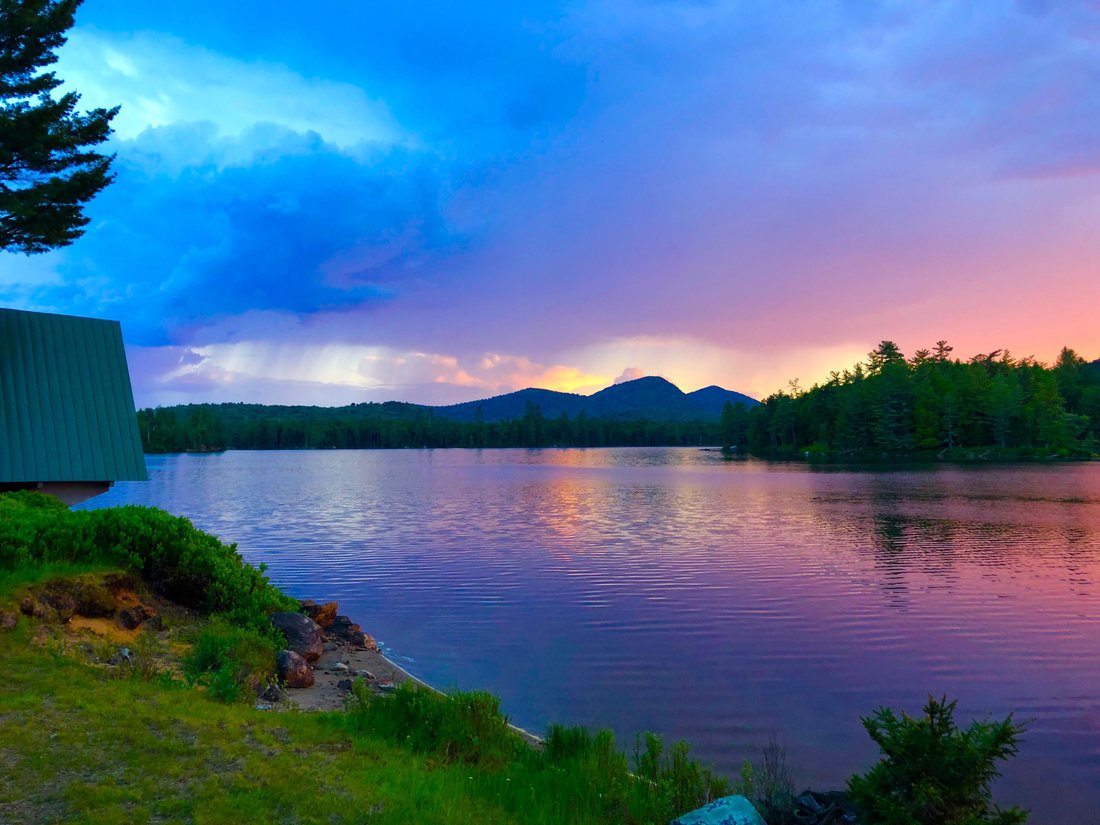
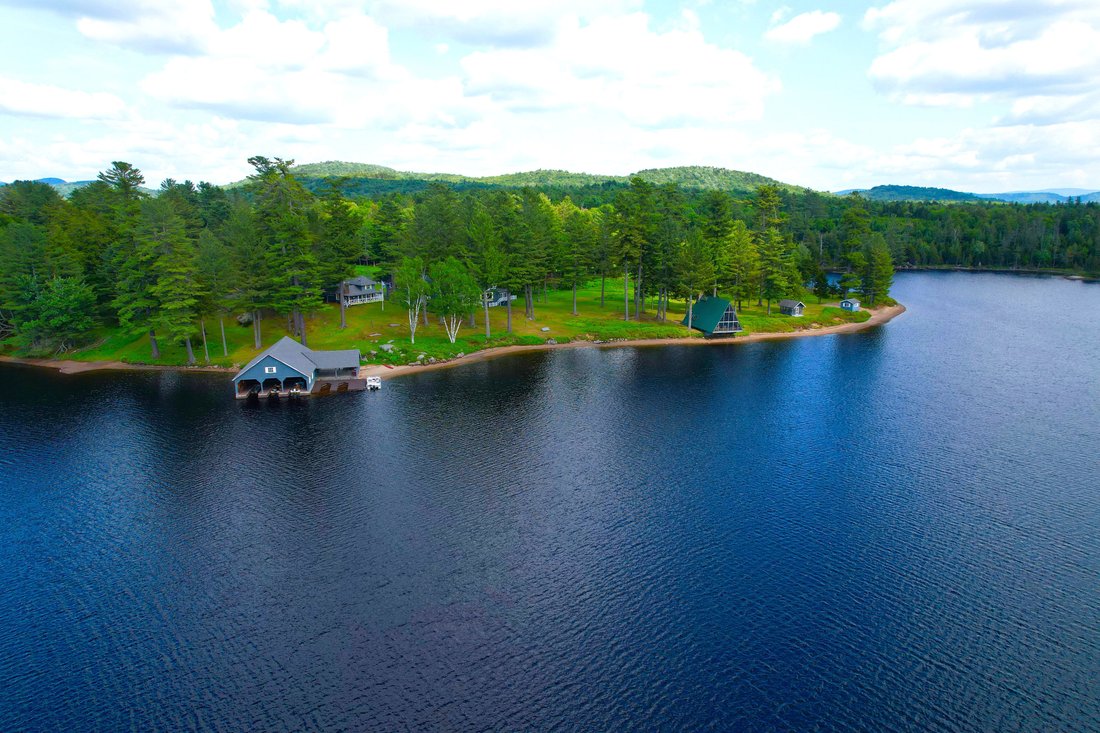
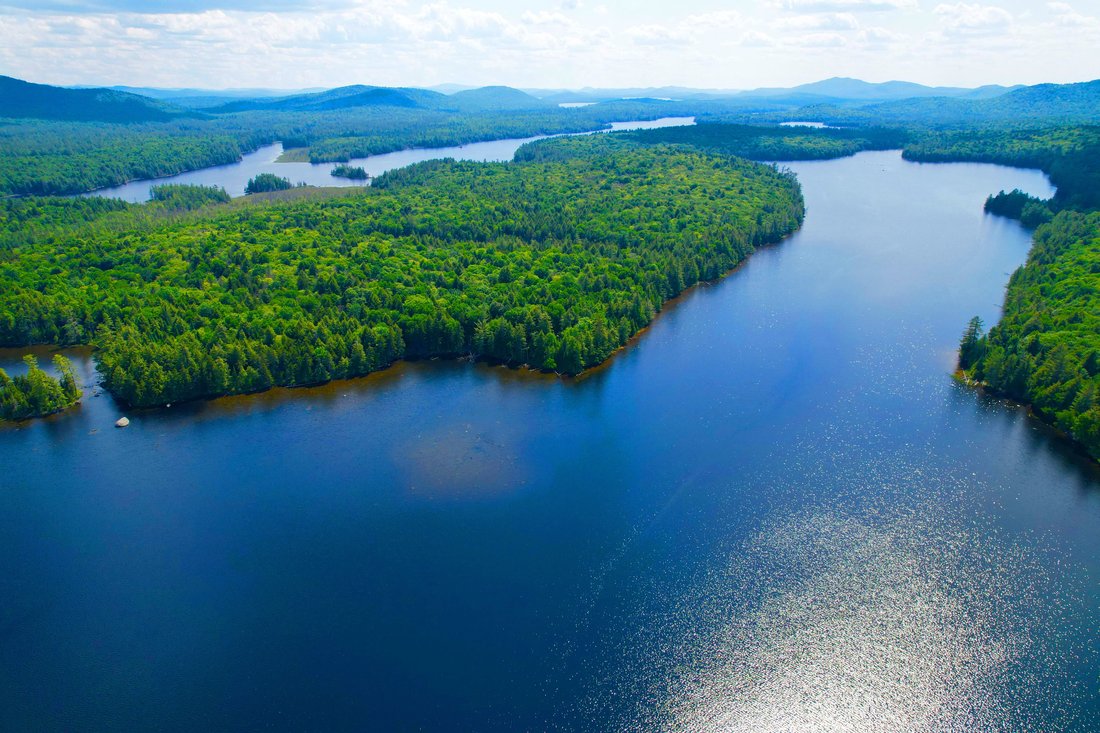
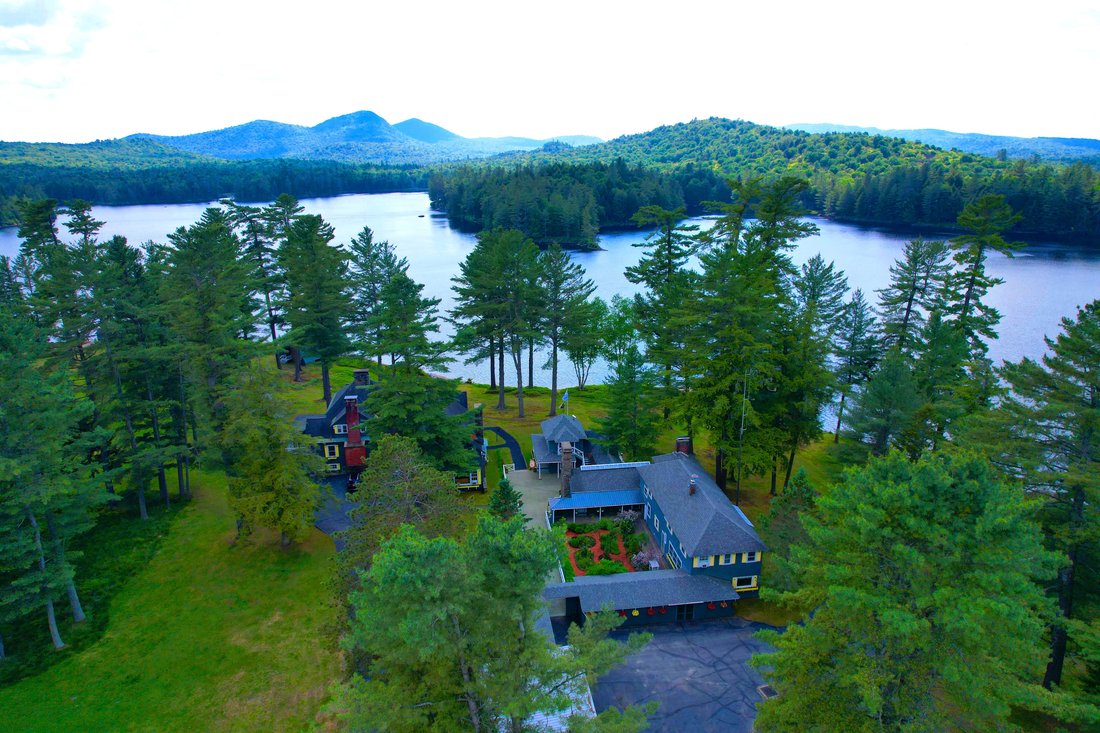
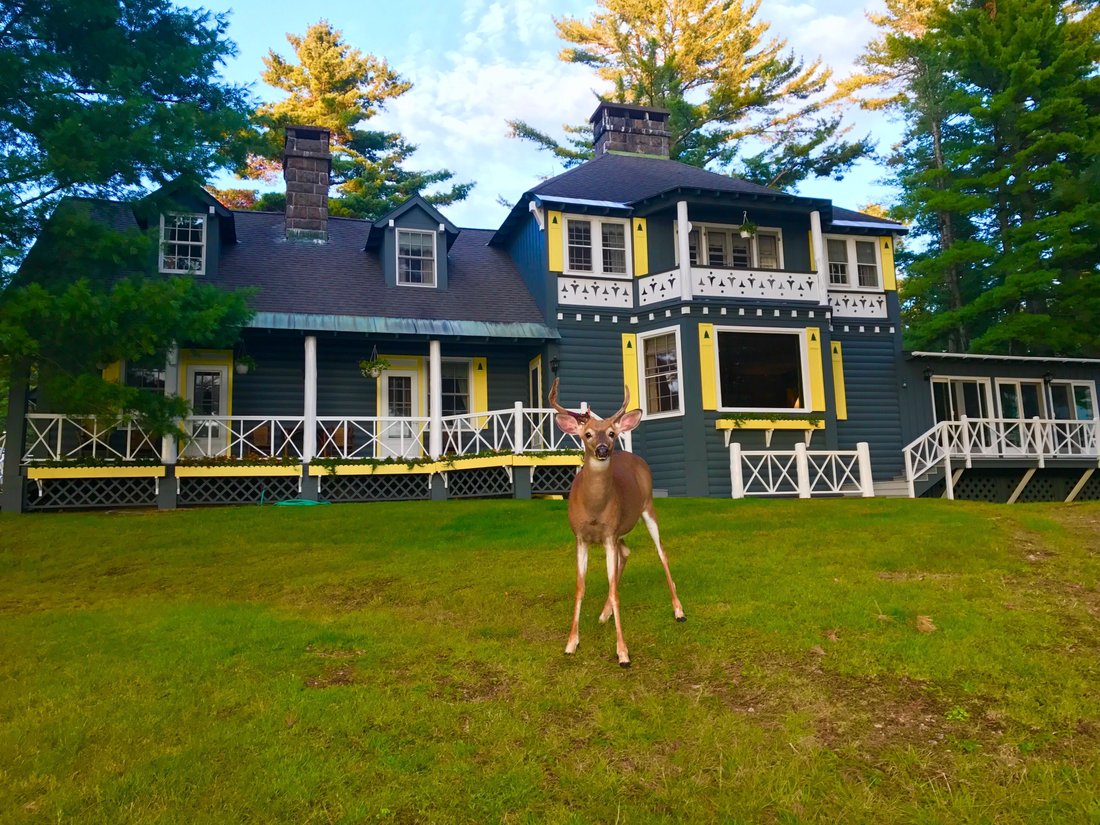
Per la prima volta dall’età dell’oro, il leggendario Whitney Park a Long Lake, New York, viene offerto per l’acquisizione, un’opportunità irripetibile per amministrare una delle più importanti proprietà private degli Stati Uniti. Con una superficie mozzafiato di 36.486 acri nel cuore degli Adirondacks, questo paesaggio storico è più di 2,5 volte più grande di Manhattan e offre una rara miscela di eredità, dimensioni e natura selvaggia incontaminata. Fondata nel 1897 da William Collins Whitney, stimato finanziere ed ex Segretario della Marina degli Stati Uniti, la tenuta è rimasta sotto l’attenta gestione della famiglia Whitney, e recentemente di John Hendrickson, per più di un secolo. Oggi, il suo terreno incontaminato è un magnifico mosaico di laghi e stagni cristallini, ruscelli tortuosi, foreste secolari e panorami montani, tutti protetti entro i confini dell’Adirondack Park di New York. Più di 130 miglia di strade private e 100 miglia di sentieri attraversano il territorio, collegando una straordinaria gamma di caratteristiche naturali e gemme architettoniche. Al centro ci sono due storici Adirondack Great Camps, che incarnano entrambi lo stile architettonico senza tempo che definisce la regione: Camp Deerlands, costruito nel 1915 sulla sponda orientale del Little Forked Lake, si trova a 13 miglia dall’ingresso della portineria. Dipinto nel classico blu Adirondack con finiture bianche e fioriere gialle, questo complesso immobiliare comprende sette caminetti, un garage con sei posti auto e incantevoli alloggi per i custodi. Una struttura ad A in stile Adirondack perfettamente inclinata poggia sul bordo del lago, accompagnata da una tradizionale rimessa per barche, un gazebo schermato in riva al lago e un campo da tennis, situato su un terreno di 14 acri per lo più sgombro, che offre privacy ed eleganza in riva al lago. Il Camp Togus, costruito nel 1949, è arroccato sul Forked Lake e offre viste altrettanto suggestive sull’acqua e sulle montagne, continuando la tradizione di Great Camp di raffinatezza rustica. Sparse in tutta la tenuta ci sono altre strutture storiche, tra cui pensioni, fienili, garage, una classica rimessa per barche e una serie di affascinanti capanne da caccia e pesca che collegano sottilmente la terra da Little Forked Lake a Salmon Lake. Tra questi c’è una capanna per cacciatori di Adirondack nascosta lungo le rive del Salmon Lake, un tempo un rifugio amato dalla famiglia Whitney e dai suoi ospiti, che vi si avventuravano per alcune delle migliori attività di pesca alla trota di lago della regione. Nel corso dei decenni, la tenuta ha accolto statisti, ambientalisti e visionari in cerca di conforto nella sua bellezza naturale. L’influenza di Whitney Park si estende oltre i suoi confini e ha plasmato silenziosamente le conversazioni sulla conservazione, lo scopo e la natura selvaggia americana per generazioni. Possedere Whitney Park significa unirsi a un’eredità di visionari americani, coloro che hanno riconosciuto il raro potere della terra, della privacy e dello scopo. Più che una proprietà, questa è un’eredità vivente di terra e eredità, un santuario in una delle regioni protette più iconiche d’America. In un mondo sempre più caratterizzato dall’incertezza ambientale e dalla ricerca di aria pulita, acqua dolce e solitudine significativa, Whitney Park è unico. Offre un’opportunità senza pari di possedere non solo la terra, ma anche l’eredità. Questo è il lusso più raro: una natura selvaggia privata di dimensioni, silenzio e permanenza. Nonostante le sue straordinarie dimensioni e la sua bellezza incontaminata, Whitney Park rimane straordinariamente accessibile: a breve distanza in auto da Albany, New York City, Boston, Montreal e vicino a piste di atterraggio private per un arrivo in aereo senza interruzioni. La sua consolidata infrastruttura favorisce sistemazioni accoglienti e facilità operativa, mentre alcune aree offrono il potenziale per uno sviluppo futuro ponderato, migliorando ulteriormente il valore e il carattere duraturi della tenuta. Che sia preservato come santuario personale, affidato alla conservazione, leggermente ristrutturato o ripensato con cura per le generazioni future, Whitney Park è un’offerta unica: un luogo in cui natura, storia e patrimonio si incontrano, in attesa del suo prossimo amministratore visionario.
For the first time since the Gilded Age, the legendary Whitney Park in Long Lake, New York, is being offered for acquisition—a once-in-a-lifetime opportunity to steward one of the most significant privately held estates in the United States. Encompassing a breathtaking 36,486 acres in the heart of the Adirondacks, this storied landscape is more than 2.5 times the size of Manhattan, offering a rare blend of legacy, scale, and unspoiled wilderness. Established in 1897 by William Collins Whitney, esteemed financier and former U. S. Secretary of the Navy, the estate remained under the careful stewardship of the Whitney family, and recently John Hendrickson, for more than a century. Today, its pristine terrain is a magnificent mosaic of crystal-clear lakes and ponds, winding streams, old-growth forests, and mountain vistas—all protected within the bounds of New York’s Adirondack Park. More than 80 miles of private roads and 100 miles of trails traverse the land, connecting a remarkable array of natural features and architectural gems. At its core are two historic Adirondack Great Camps, both embodying the timeless architectural style that defines the region: Camp Deerlands, constructed in 1915 on the eastern shore of Little Forked Lake, stands eight miles from the gatehouse entrance. Painted in classic Adirondack blue with white trim and yellow window boxes, this estate compound includes seven fireplaces, a six-stall garage, and charming caretaker quarters. A perfectly pitched Adirondack-style A-frame rests at the lake’s edge, accompanied by a traditional boathouse, a screened lakeside gazebo, and a tennis court—set on a mostly cleared 14-acre parcel, offering privacy and lakeside elegance. Camp Togus, built in 1949, is perched on Forked Lake and offers equally striking water and mountain views, continuing the Great Camp tradition of rustic refinement. Scattered across the estate are additional legacy structures, including guest houses, barns, garages, a classic boathouse, and a collection of charming hunting and fishing cabins that subtly connect the land from Little Forked Lake to Salmon Lake. Among them is an Adirondack trapper’s cabin tucked along the shores of Salmon Lake—once a beloved retreat for the Whitney family and their guests, who ventured there for some of the region’s finest lake trout fishing. Over the decades, the estate welcomed statesmen, conservationists, and visionaries seeking solace in its natural beauty. The influence of Whitney Park reaches beyond its borders, having quietly shaped conversations about preservation, purpose, and American wilderness for generations. To own Whitney Park is to join a legacy of American visionaries—those who recognized the rare power of land, privacy, and purpose. More than a property, this is a living inheritance of land and legacy, a sanctuary in one of America’s most iconic conservation regions. In a world increasingly defined by environmental uncertainty and the search for clean air, fresh water, and meaningful solitude, Whitney Park stands alone. It offers an unmatched opportunity to own not just land, but legacy. This is the rarest of luxuries: a private wilderness of scale, silence, and permanence. Despite its extraordinary scale and untamed beauty, Whitney Park remains remarkably accessible—within driving distance of Albany, New York City, Boston, Montreal, and near private airstrips for seamless arrival by air. Its well-established infrastructure supports gracious accommodations and operational ease, while select areas offer potential for thoughtful future development, further enhancing the estate’s enduring value and character. Whether preserved as a personal sanctuary, entrusted to conservation, lightly developed or thoughtfully reimagined for future generations, Whitney Park is a singular offering—a place where nature, history, and heritage converge, awaiting its next visionary steward.
-
Tipo di proprietà
Altro
-
Anno di costruzione
1915
-
Prezzo/piede²
$3,550
Caratteristiche
Caratteristiche
Lot
Interni
- Camino
- Aria condizionata
- Lavasciuga
- Bar
- Seminterrato
Outdoor
- Terrazza
- Focolare
- Piscina
- Garage
- Campo da tennis
- Cancello
- Giardino
Esplora la zona
1594 Elk Pond Rd , Long Lake, NY 12847, New York, Stati Uniti
Visualizza su Google Maps
Prezzo per sqft
Basso
Alto
Iscritto da 9 anni
Hai chiesto informazioni su questa proprietà
L'agente La contatterà al più presto
Pubblicato da
2
Annunci
2017
Iscritto
Prenota una visita con Andrea Collins
Scegli una data e indica se preferisci un tour virtuale o di persona con l’agente.
Data preferita
Tipo di tour

Four Seasons Sotheby's International Realty
270 Broadway, 12866, Saratoga Springs, New York, United States
Visualizza profilo agenzia
Ultimo aggiornamento
Settembre 14
Prima pubblicazione
Maggio 9, 2025
Link annuncio
Riferimento annuncio
WRHPJ7
La fiducia dei migliori broker del mondo
Gli agenti dietro le proprietà più straordinarie del mondo pubblicano su JamesEdition.
- Annunci di Sotheby's, Christie's, BARNES ed Engel & Völkers
- Ogni annuncio è verificato prima della pubblicazione
- Si metta in contatto diretto con agenti verificati
Continuando, accetta i nostri Termini e la nostra Informativa sulla privacy.
brokerages we
partnered with
partnered with