$1,846,569
Isola Delle Femmine, Isola Privata In Vendita In Sicilia, Mar Mediterraneo
- 5,318 Sqft
- 32.13 Ac lot
- Aggiornato: Agosto 7
- 14
Informazioni sulla proprietà
La descrizione è stata tradotta automaticamente.
La descrizione viene visualizzata nella lingua originale.
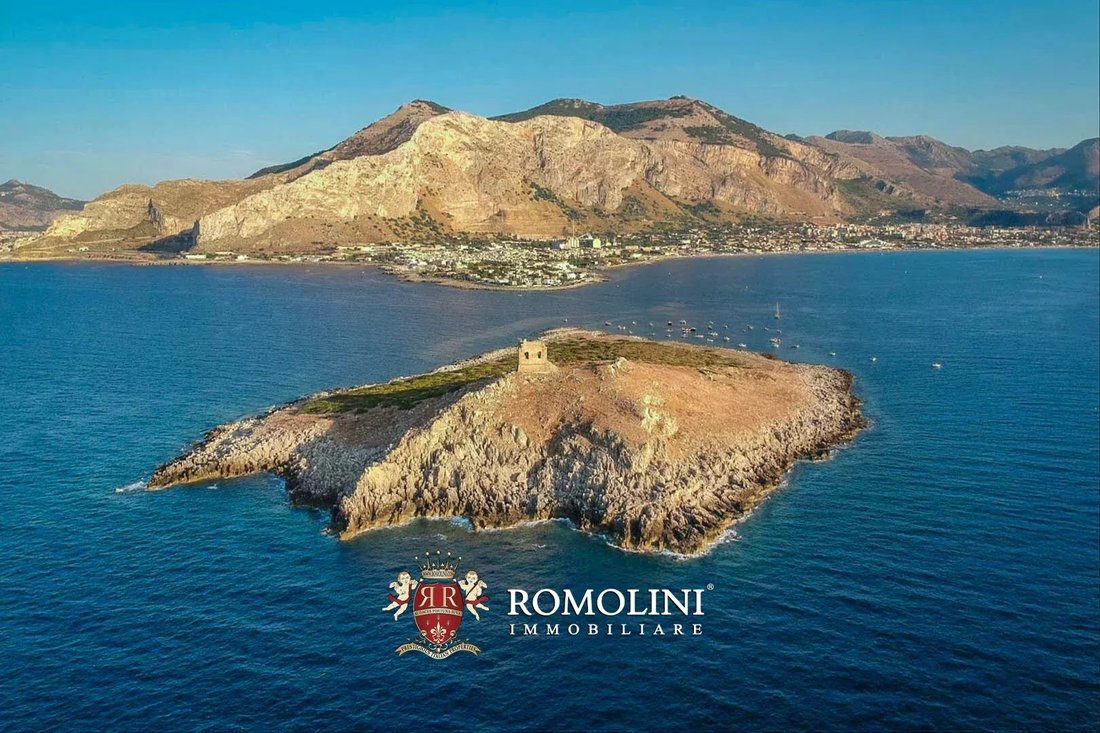
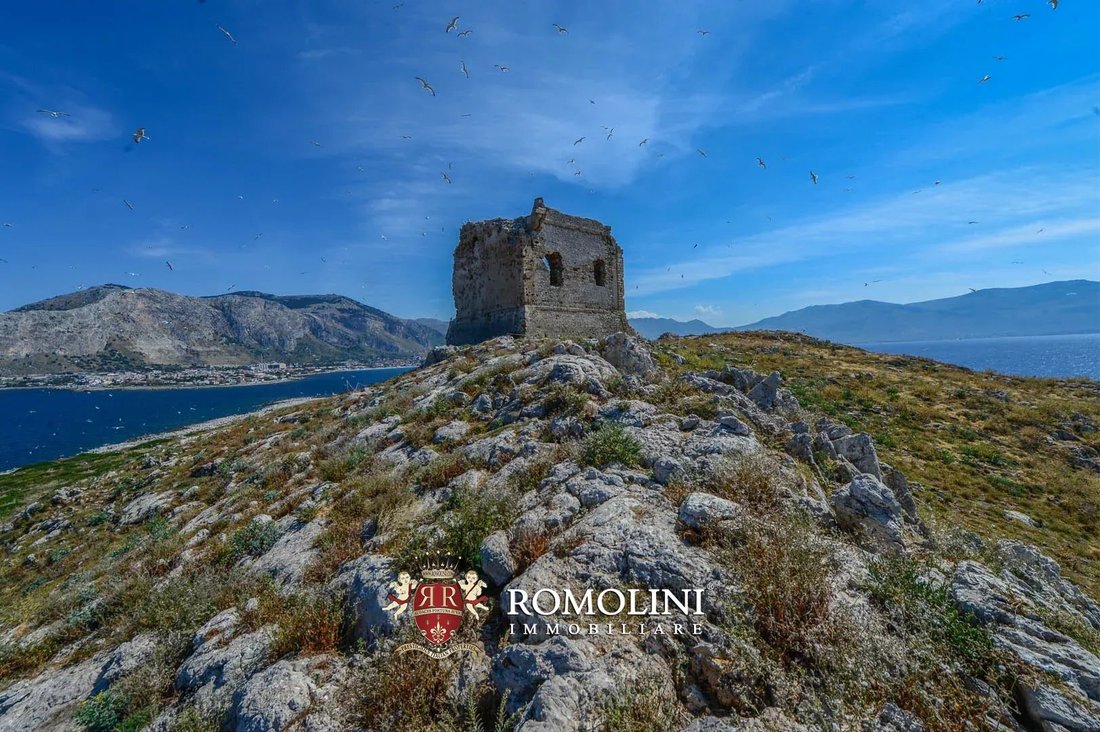
Situata a breve distanza da Palermo e dalla terraferma (300 m), l’Isola delle Femmine ha una superficie di 13,9 ettari con un’altezza massima di 35 m sul livello del mare, dove possiamo avvistare i resti di un’antica torre di avvistamento.
Una volta atterrati sulla terraferma, sono facilmente raggiungibili diverse città della Sicilia: Palermo (19km; 40’), Monreale (21km; 40’), Trapani (92km; 1
Una volta atterrati sulla terraferma, sono facilmente raggiungibili diverse città della Sicilia: Palermo (19km; 40’), Monreale (21km; 40’), Trapani (92km; 1
Located a short distance from Palermo and the mainland (300 m), the Isola delle Femmine (literally, Island of the Women) is 13.9 hectares in surface with a maximum height of 35 m above sea level, where we can spot the remains of an ancient watchtower.
Once landed on the mainland, various cities in Sicily are easily reached: Palermo (19km; 40’), Monreale (21km; 40’), Trapani (92km; 1h 5’), Mars
Once landed on the mainland, various cities in Sicily are easily reached: Palermo (19km; 40’), Monreale (21km; 40’), Trapani (92km; 1h 5’), Mars
Situata a breve distanza da Palermo e dalla terraferma (300 m), l’Isola delle Femmine ha una superficie di 13,9 ettari con un’altezza massima di 35 m sul livello del mare, dove possiamo avvistare i resti di un’antica torre di avvistamento.
Una volta atterrati sulla terraferma, sono facilmente raggiungibili diverse città della Sicilia: Palermo (19km; 40’), Monreale (21km; 40’), Trapani (92km; 1h 5’), Marsala (110km; 1h 25’) e Agrigento (189km; 2h 25’). Gli aeroporti più vicini sono Palermo Falcone-Borsellino (16km; 15’), Palermo Boccadifalco (16km; 15’), Trapani Birgi (97km; 1h 5’) e Catania Fontanarossa (223km; 1h 30’).
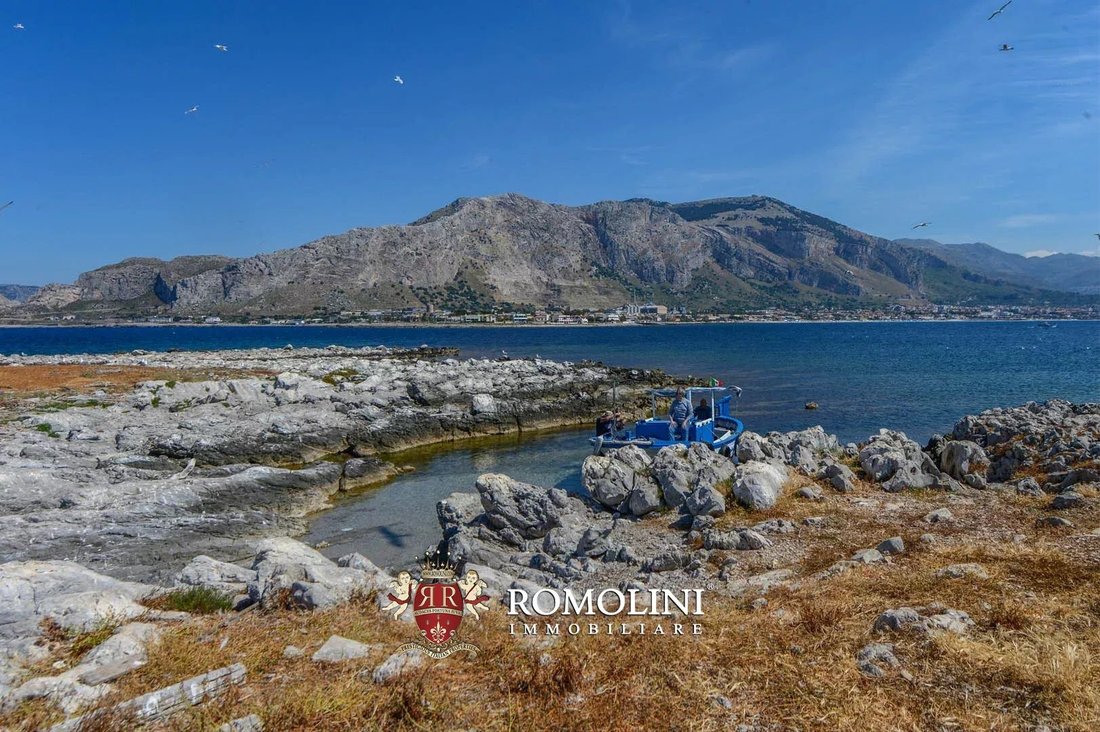
I fondali dell’isola sono facilmente raggiungibili, anche da subacquei non professionisti, grazie soprattutto all’incredibile limpidezza dell’acqua. Ed è grazie a questa limpidezza che si possono ammirare le bellissime forme di vita tipiche dell’isola e diversi resti di età greca e romana.
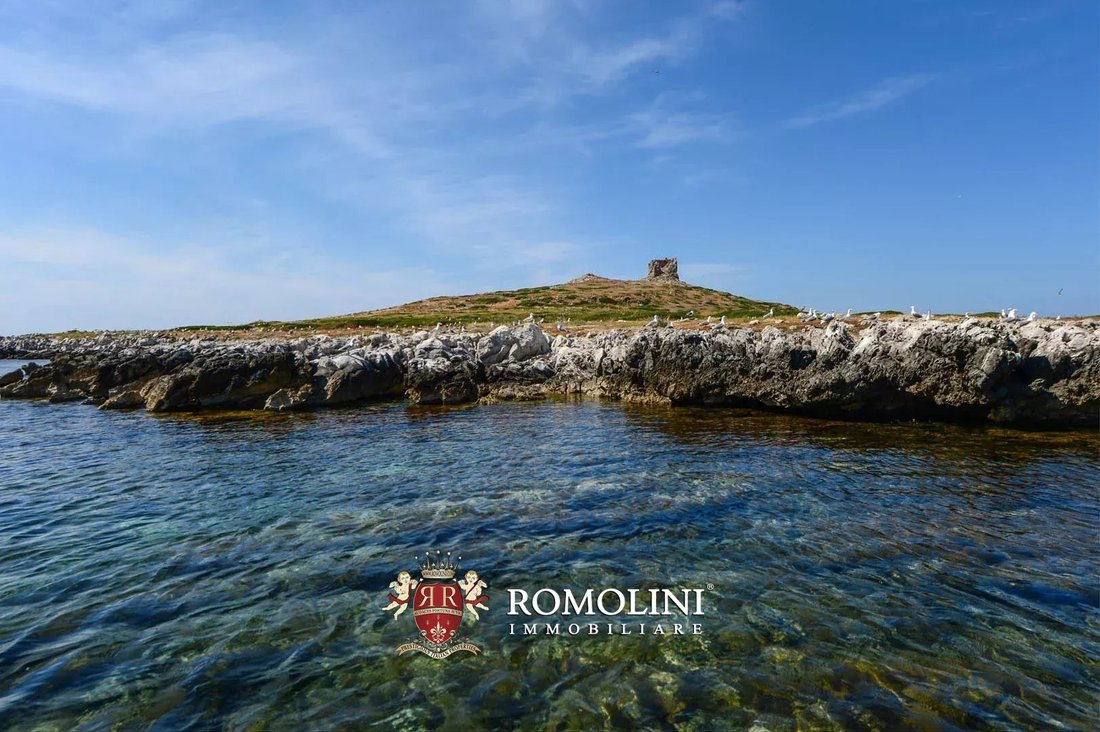
L’isola è caratterizzata dalla tipica steppa mediterranea, ricoperta principalmente da malva, mandragora ed erba stella sulle alture che lasciano spazio alla salicornia e al trifoglio sulle scogliere che si dirigono verso la costa. Ad arricchire ulteriormente il paesaggio troviamo bellissimi fiori di Iris e Romulea. La fauna è composta principalmente da lucertole, ma sono presenti anche alcune bellissime e rare specie di farfalle.
ORIGINE DEL NOME: LEGGENDE E FILOLOGIA
La leggenda narra di tredici fanciulle turche che, condannate per gravi reati, furono imbarcate dai parenti su una nave e lasciate alla deriva in mezzo al mare. Una tempesta fece naufragare la nave su una piccola isola rocciosa, dove le ragazze vissero sole per sette lunghi anni. Quando le loro famiglie, rese conto delle loro orribili azioni, riuscirono a ritrovare le ragazze decisero di non tornare in patria ma di fondare una nuova città sulla terraferma. La chiamarono Capaci (CCA-Paci, letteralmente qui la pace) mentre l’isola fu ribattezzata Isola delle Femmine (letteralmente Isola delle Donne).
Se mettiamo da parte la leggenda e consideriamo solo la storia, l’origine del nome è molto incerta. Quel che è certo è che è il risultato di un lungo processo di italianizzazione. La tradizione popolare utilizza il toponimo Insula Fimi, probabilmente un errore di ortografia di una più antica Insula Euphemi (dove Eufemio è il nome del governatore bizantino della Sicilia nel IX secolo d.C.). Altra possibile origine è il termine Fimis, latinizzazione della parola araba fim (letteralmente baia, stretto) che indica il tratto di mare che divide l’isola dalla terraferma.
STORIA DELL’ISOLA: BACINI ROMANI E TORRE CAMILLIANI
Sull’isola possiamo trovare alcune tracce risalenti all’epoca romana, probabilmente dopo la seconda guerra punica, sotto forma di bacinelle in pietra e cemento utilizzate un tempo nella preparazione di un tipico piatto di pesce.
Il pozzo e gli altri bacini di acqua piovana risalgono invece al Medioevo.
La torre sulla sommità dell’isola fu costruita nel XVI secolo come parte di un enorme sistema di difesa che circondava la Sicilia contro gli attacchi delle navi corsare (questo progetto difensivo risaliva al XIV secolo e fu proseguito in base alla necessità per diversi anni). Come per molte altre torri della stessa epoca, il progetto è fortemente influenzato dall’architetto fiorentino Camillo Camilliani, meglio conosciuto per i suoi lavori sulla Fontana Pretoria a Palermo. Lo stesso Camilliani, nel suo Libro delle Torri Marittime, spiega l’ubicazione e sottolinea l’importanza della torre: «[...] dove dovrebbe essere costruita la torre di cui abbiamo parlato, e sarebbe una gran cosa; questa (torre) garantisce sicurezza ai marinai e ai viandanti che attraversano quel tratto di mare».
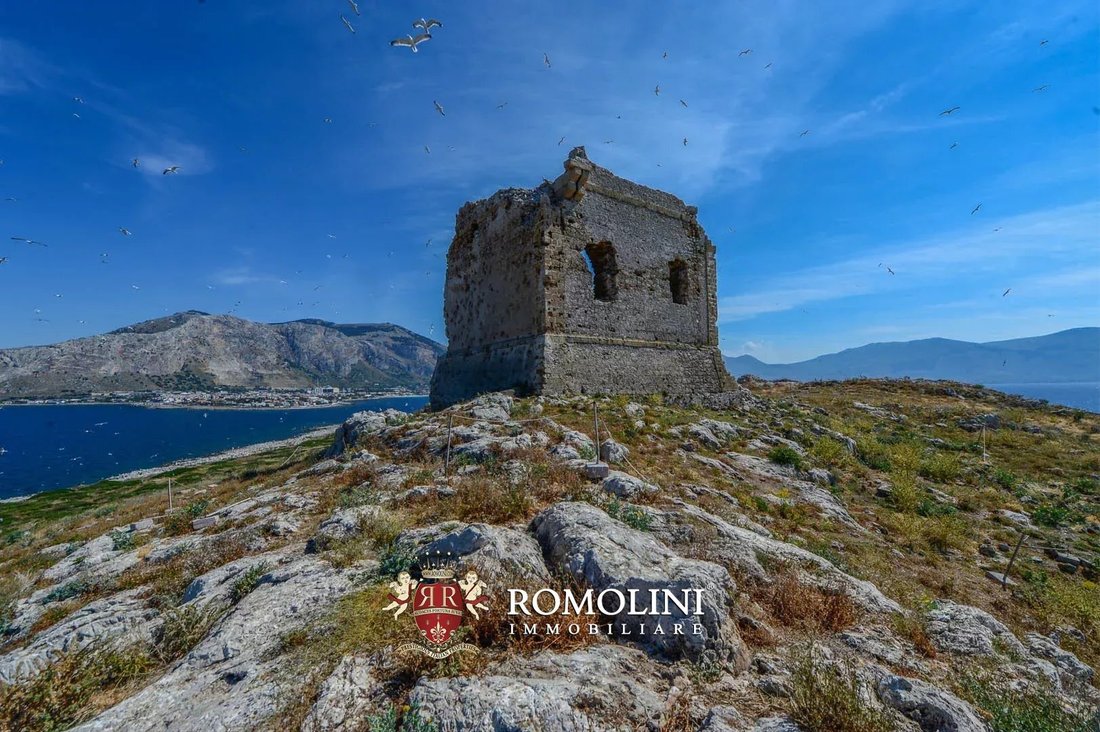
Originariamente strutturata su due piani e ora su un unico piano, la torre ha una base quadrata (247 mq - 2.658 piedi quadrati). Il piano terra era diviso in tre stanze coperte con volte a botte e destinate alla cisterna d’acqua (due su tre) e all’armeria. Da quest’ultimo locale era possibile salire al quartiere delle guardie attraverso un foro nel tetto, e da quest’ultimo era a sua volta facile raggiungere il tetto attraverso una scala di legno. Qui c’erano i pezzi di artiglieria per abbattere le navi nemiche.
La torre è attualmente in pessime condizioni, soprattutto a causa dei gravi danni subiti durante lo sbarco degli Alleati in Sicilia nell’ambito dell’Operazione Husky nel 1943. Dopo la seconda guerra mondiale, la torre non fu né ricostruita né mantenuta e questo abbandono contribuì alla sua definitiva decadenza.
L’edificio può essere completamente ricostruito, rispettando la volumetria originaria della struttura, ed è possibile ottenere un finanziamento dall’Unione Europea o dal Ministero dei Beni e delle Attività Culturali e del Turismo per un eventuale programma di sviluppo culturale e turistico dell’isola, il tutto rispettando il vincolo naturalistico.
Infatti, dal 1997 l’isola è inclusa nella riserva naturale dell’Isola delle Femmine di cui la Lega Italiana per la Protezione degli Uccelli (LIPU) è l’autorità di gestione. L’Unione Europea ha riconosciuto l’importanza del luogo, che è stato il primo cclassificato come SIC (Sito di Importanza Comunitaria) e successivamente come SAC (Zona Speciale di Conservazione).
USO E USI POTENZIALI
L’acquisto dell’isola è un’opportunità unica per chi è alla ricerca di un «bene prezioso»: un uso privato o semplicemente un’attività di conservazione di qualcosa di veramente unico.
Il restauro conservativo della torre consentirebbe di rendere l’edificio utilizzabile come residenza privata, edificio di rappresentanza, immagine aziendale o realizzazione di un museo che consenta ai turisti di apprezzare non solo il valore naturalistico dell’isola ma anche quello storico, artistico e archeologico.
CITTÀ E PAESI PIÙ VICINI
Tutte le distanze sono calcolate dalla città continentale di Isola delle Femmine: Palermo (19km; 40’), Monreale (21km; 40’), Trapani (92km; 1h 5’), Marsala (110km; 1h 25’), Agrigento (189km; 2h 25’)
AEROPORTI PIÙ VICINI
Palermo Falcone-Borsellino (16km; 15’), Palermo Boccadifalco (16km; 15’), Trapani Birgi (97km; 1h 5’), Catania Fontanarossa (223 km; 1h 30’)
Una volta atterrati sulla terraferma, sono facilmente raggiungibili diverse città della Sicilia: Palermo (19km; 40’), Monreale (21km; 40’), Trapani (92km; 1h 5’), Marsala (110km; 1h 25’) e Agrigento (189km; 2h 25’). Gli aeroporti più vicini sono Palermo Falcone-Borsellino (16km; 15’), Palermo Boccadifalco (16km; 15’), Trapani Birgi (97km; 1h 5’) e Catania Fontanarossa (223km; 1h 30’).
I fondali dell’isola sono facilmente raggiungibili, anche da subacquei non professionisti, grazie soprattutto all’incredibile limpidezza dell’acqua. Ed è grazie a questa limpidezza che si possono ammirare le bellissime forme di vita tipiche dell’isola e diversi resti di età greca e romana.
L’isola è caratterizzata dalla tipica steppa mediterranea, ricoperta principalmente da malva, mandragora ed erba stella sulle alture che lasciano spazio alla salicornia e al trifoglio sulle scogliere che si dirigono verso la costa. Ad arricchire ulteriormente il paesaggio troviamo bellissimi fiori di Iris e Romulea. La fauna è composta principalmente da lucertole, ma sono presenti anche alcune bellissime e rare specie di farfalle.
ORIGINE DEL NOME: LEGGENDE E FILOLOGIA
La leggenda narra di tredici fanciulle turche che, condannate per gravi reati, furono imbarcate dai parenti su una nave e lasciate alla deriva in mezzo al mare. Una tempesta fece naufragare la nave su una piccola isola rocciosa, dove le ragazze vissero sole per sette lunghi anni. Quando le loro famiglie, rese conto delle loro orribili azioni, riuscirono a ritrovare le ragazze decisero di non tornare in patria ma di fondare una nuova città sulla terraferma. La chiamarono Capaci (CCA-Paci, letteralmente qui la pace) mentre l’isola fu ribattezzata Isola delle Femmine (letteralmente Isola delle Donne).
Se mettiamo da parte la leggenda e consideriamo solo la storia, l’origine del nome è molto incerta. Quel che è certo è che è il risultato di un lungo processo di italianizzazione. La tradizione popolare utilizza il toponimo Insula Fimi, probabilmente un errore di ortografia di una più antica Insula Euphemi (dove Eufemio è il nome del governatore bizantino della Sicilia nel IX secolo d.C.). Altra possibile origine è il termine Fimis, latinizzazione della parola araba fim (letteralmente baia, stretto) che indica il tratto di mare che divide l’isola dalla terraferma.
STORIA DELL’ISOLA: BACINI ROMANI E TORRE CAMILLIANI
Sull’isola possiamo trovare alcune tracce risalenti all’epoca romana, probabilmente dopo la seconda guerra punica, sotto forma di bacinelle in pietra e cemento utilizzate un tempo nella preparazione di un tipico piatto di pesce.
Il pozzo e gli altri bacini di acqua piovana risalgono invece al Medioevo.
La torre sulla sommità dell’isola fu costruita nel XVI secolo come parte di un enorme sistema di difesa che circondava la Sicilia contro gli attacchi delle navi corsare (questo progetto difensivo risaliva al XIV secolo e fu proseguito in base alla necessità per diversi anni). Come per molte altre torri della stessa epoca, il progetto è fortemente influenzato dall’architetto fiorentino Camillo Camilliani, meglio conosciuto per i suoi lavori sulla Fontana Pretoria a Palermo. Lo stesso Camilliani, nel suo Libro delle Torri Marittime, spiega l’ubicazione e sottolinea l’importanza della torre: «[...] dove dovrebbe essere costruita la torre di cui abbiamo parlato, e sarebbe una gran cosa; questa (torre) garantisce sicurezza ai marinai e ai viandanti che attraversano quel tratto di mare».
Originariamente strutturata su due piani e ora su un unico piano, la torre ha una base quadrata (247 mq - 2.658 piedi quadrati). Il piano terra era diviso in tre stanze coperte con volte a botte e destinate alla cisterna d’acqua (due su tre) e all’armeria. Da quest’ultimo locale era possibile salire al quartiere delle guardie attraverso un foro nel tetto, e da quest’ultimo era a sua volta facile raggiungere il tetto attraverso una scala di legno. Qui c’erano i pezzi di artiglieria per abbattere le navi nemiche.
La torre è attualmente in pessime condizioni, soprattutto a causa dei gravi danni subiti durante lo sbarco degli Alleati in Sicilia nell’ambito dell’Operazione Husky nel 1943. Dopo la seconda guerra mondiale, la torre non fu né ricostruita né mantenuta e questo abbandono contribuì alla sua definitiva decadenza.
L’edificio può essere completamente ricostruito, rispettando la volumetria originaria della struttura, ed è possibile ottenere un finanziamento dall’Unione Europea o dal Ministero dei Beni e delle Attività Culturali e del Turismo per un eventuale programma di sviluppo culturale e turistico dell’isola, il tutto rispettando il vincolo naturalistico.
Infatti, dal 1997 l’isola è inclusa nella riserva naturale dell’Isola delle Femmine di cui la Lega Italiana per la Protezione degli Uccelli (LIPU) è l’autorità di gestione. L’Unione Europea ha riconosciuto l’importanza del luogo, che è stato il primo cclassificato come SIC (Sito di Importanza Comunitaria) e successivamente come SAC (Zona Speciale di Conservazione).
USO E USI POTENZIALI
L’acquisto dell’isola è un’opportunità unica per chi è alla ricerca di un «bene prezioso»: un uso privato o semplicemente un’attività di conservazione di qualcosa di veramente unico.
Il restauro conservativo della torre consentirebbe di rendere l’edificio utilizzabile come residenza privata, edificio di rappresentanza, immagine aziendale o realizzazione di un museo che consenta ai turisti di apprezzare non solo il valore naturalistico dell’isola ma anche quello storico, artistico e archeologico.
CITTÀ E PAESI PIÙ VICINI
Tutte le distanze sono calcolate dalla città continentale di Isola delle Femmine: Palermo (19km; 40’), Monreale (21km; 40’), Trapani (92km; 1h 5’), Marsala (110km; 1h 25’), Agrigento (189km; 2h 25’)
AEROPORTI PIÙ VICINI
Palermo Falcone-Borsellino (16km; 15’), Palermo Boccadifalco (16km; 15’), Trapani Birgi (97km; 1h 5’), Catania Fontanarossa (223 km; 1h 30’)
Located a short distance from Palermo and the mainland (300 m), the Isola delle Femmine (literally, Island of the Women) is 13.9 hectares in surface with a maximum height of 35 m above sea level, where we can spot the remains of an ancient watchtower.
Once landed on the mainland, various cities in Sicily are easily reached: Palermo (19km; 40’), Monreale (21km; 40’), Trapani (92km; 1h 5’), Marsala (110km; 1h 25’) and Agrigento (189km; 2h 25’). Closest airports are Palermo Falcone-Borsellino (16km; 15’), Palermo Boccadifalco (16km; 15’), Trapani Birgi (97km; 1h 5’) and Catania Fontanarossa (223km; 1h 30’).
The seabed around the island is easily reachable, even by non-professional scuba-divers, thanks mainly to the incredible clearness of the water. And it is thanks to this clearness that one can admire the beautiful life forms typical of the island and several remaining of Greek and Roman age.
The island is characterized by the typical Mediterranean steppe, mainly covered in mallow, mandrake and erba stella on the higher ground which leave space to glasswort and bird’s-foot trefoil on the cliffs going toward the coastline. Further enriching the landscape we find beautiful Iris and Romulea flowers. Fauna is mainly composed of lizards, but there are also some beautiful and uncommon species of butterflies.
ORIGIN OF THE NAME: LEGENDS AND PHILOLOGY
The legend tales of thirteen Turkish maidens who, condemned for serious crimes, were embarked by their relatives on a ship and left adrift in the middle of the sea. A storm wrecked the ship on a small rocky island, where the girls lived alone for seven long years. When their families, having realized their horrible doings, managed to find the girls decided not to return to their homeland but to found a new town on the mainland. They named it Capaci (Cca-paci, literally here the peace) while the island was renamed Isola delle Femmine (literally Island of the Women).
If we take aside the legend and only consider history, the origin of the name is highly uncertain. What’s sure is that it is the result of a long process of Italianization. Popular tradition uses the toponym Insula Fimi, probably a misspelling of an older Insula Euphemi (where Euphemius is the name of the Byzantine governor of Sicily in the 9th century AD). Other possible origin is the term Fimis, latinization of the Arab word fim (literally bay, strait) indicating the stretch of sea dividing the island from the mainland.
HISTORY OF THE ISLAND: ROMAN BASINS AND CAMILLIANI’S TOWER
On the island we can find some traces dating back to the Roman age, probably after the second Punic War, in the form of stone and concrete basins once used in the preparation of a typical fish plate.
The well and other rainwater basins date back to the Middle Age instead.
The tower at the top of the island was built in the 16th century as part of a huge defense system entouring Sicily against the attacks of Corsair ships (this defensive project dated back to the 14th century and was continued based on necessity for several years). As for many other towers of the same age, the project is highly influenced by the Florentine architect Camillo Camilliani, who is better known for its work on the Fontana Pretoria in Palermo. Camilliani himself, in its Book of Maritime Towers, explains the location and underline the importance of the tower: “[…] where the tower we discussed should be built, and that would be a great thing; this (tower) grants security to sailors and wanderers crossing that stretch of sea”.
Originally structured onto two floors and now on a single floor, the tower has a squared base (247 sqm – 2,658 sqft). The ground floor was split into three rooms covered with barrel vaults and earmarked to water cistern (two out of three) and armory. From this last local it was possible to climb up to the guardsmen quarter through a hole in the roof, and from the quarters it was in turn easy to reach the rooftop through a wooden ladder. Here there were the artillery pieces to gun down enemy ships.
The tower is currently in a very bad shape, mainly because of the heavy damage it suffered during the Allied landing in Sicily as part of the Operation Husky in 1943. After World War II, the tower was neither rebuilt nor maintained and this abandonment contributed to its final decadence.
The building can be fully rebuilt, respecting the original volume of the structure, and it is possible to obtain a financing from the European Union or the Ministry of Cultural Heritage and Activities and Tourism for a possible cultural and touristic development program for the isle, all complying with the naturalistic constraint.
As a matter of fact, since 1997 the island has been included in the Natural reserve of Isola delle Femmine for which the Italian League for Bird Protection (LIPU) is managing authority. The European Union recognized the importance of the location which was first classified as SCI (Site of Community Importance) and then as SAC (Special Area of Conservation).
USE AND POTENTIAL USES
The purchase of the island is a unique opportunity for some looking for a “trophy asset”: a private use or simply an activity of preservation of something really unique.
The conservative restoration of the tower would allow making the building usable as a private residence, representative building, corporate image or the realization of a museum allowing tourists to appreciate not just the naturalistic value of the island but also the historical, artistic and archaeological ones.
CLOSEST CITIES AND TOWNS
All the distances are calculated from the mainland town of Isola delle Femmine: Palermo (19km; 40’), Monreale (21km; 40’), Trapani (92km; 1h 5’), Marsala (110km; 1h 25’), Agrigento (189km; 2h 25’)
CLOSEST AIRPORTS
Palermo Falcone-Borsellino (16km; 15’), Palermo Boccadifalco (16km; 15’), Trapani Birgi (97km; 1h 5’), Catania Fontanarossa (223km; 1h 30’)
Once landed on the mainland, various cities in Sicily are easily reached: Palermo (19km; 40’), Monreale (21km; 40’), Trapani (92km; 1h 5’), Marsala (110km; 1h 25’) and Agrigento (189km; 2h 25’). Closest airports are Palermo Falcone-Borsellino (16km; 15’), Palermo Boccadifalco (16km; 15’), Trapani Birgi (97km; 1h 5’) and Catania Fontanarossa (223km; 1h 30’).
The seabed around the island is easily reachable, even by non-professional scuba-divers, thanks mainly to the incredible clearness of the water. And it is thanks to this clearness that one can admire the beautiful life forms typical of the island and several remaining of Greek and Roman age.
The island is characterized by the typical Mediterranean steppe, mainly covered in mallow, mandrake and erba stella on the higher ground which leave space to glasswort and bird’s-foot trefoil on the cliffs going toward the coastline. Further enriching the landscape we find beautiful Iris and Romulea flowers. Fauna is mainly composed of lizards, but there are also some beautiful and uncommon species of butterflies.
ORIGIN OF THE NAME: LEGENDS AND PHILOLOGY
The legend tales of thirteen Turkish maidens who, condemned for serious crimes, were embarked by their relatives on a ship and left adrift in the middle of the sea. A storm wrecked the ship on a small rocky island, where the girls lived alone for seven long years. When their families, having realized their horrible doings, managed to find the girls decided not to return to their homeland but to found a new town on the mainland. They named it Capaci (Cca-paci, literally here the peace) while the island was renamed Isola delle Femmine (literally Island of the Women).
If we take aside the legend and only consider history, the origin of the name is highly uncertain. What’s sure is that it is the result of a long process of Italianization. Popular tradition uses the toponym Insula Fimi, probably a misspelling of an older Insula Euphemi (where Euphemius is the name of the Byzantine governor of Sicily in the 9th century AD). Other possible origin is the term Fimis, latinization of the Arab word fim (literally bay, strait) indicating the stretch of sea dividing the island from the mainland.
HISTORY OF THE ISLAND: ROMAN BASINS AND CAMILLIANI’S TOWER
On the island we can find some traces dating back to the Roman age, probably after the second Punic War, in the form of stone and concrete basins once used in the preparation of a typical fish plate.
The well and other rainwater basins date back to the Middle Age instead.
The tower at the top of the island was built in the 16th century as part of a huge defense system entouring Sicily against the attacks of Corsair ships (this defensive project dated back to the 14th century and was continued based on necessity for several years). As for many other towers of the same age, the project is highly influenced by the Florentine architect Camillo Camilliani, who is better known for its work on the Fontana Pretoria in Palermo. Camilliani himself, in its Book of Maritime Towers, explains the location and underline the importance of the tower: “[…] where the tower we discussed should be built, and that would be a great thing; this (tower) grants security to sailors and wanderers crossing that stretch of sea”.
Originally structured onto two floors and now on a single floor, the tower has a squared base (247 sqm – 2,658 sqft). The ground floor was split into three rooms covered with barrel vaults and earmarked to water cistern (two out of three) and armory. From this last local it was possible to climb up to the guardsmen quarter through a hole in the roof, and from the quarters it was in turn easy to reach the rooftop through a wooden ladder. Here there were the artillery pieces to gun down enemy ships.
The tower is currently in a very bad shape, mainly because of the heavy damage it suffered during the Allied landing in Sicily as part of the Operation Husky in 1943. After World War II, the tower was neither rebuilt nor maintained and this abandonment contributed to its final decadence.
The building can be fully rebuilt, respecting the original volume of the structure, and it is possible to obtain a financing from the European Union or the Ministry of Cultural Heritage and Activities and Tourism for a possible cultural and touristic development program for the isle, all complying with the naturalistic constraint.
As a matter of fact, since 1997 the island has been included in the Natural reserve of Isola delle Femmine for which the Italian League for Bird Protection (LIPU) is managing authority. The European Union recognized the importance of the location which was first classified as SCI (Site of Community Importance) and then as SAC (Special Area of Conservation).
USE AND POTENTIAL USES
The purchase of the island is a unique opportunity for some looking for a “trophy asset”: a private use or simply an activity of preservation of something really unique.
The conservative restoration of the tower would allow making the building usable as a private residence, representative building, corporate image or the realization of a museum allowing tourists to appreciate not just the naturalistic value of the island but also the historical, artistic and archaeological ones.
CLOSEST CITIES AND TOWNS
All the distances are calculated from the mainland town of Isola delle Femmine: Palermo (19km; 40’), Monreale (21km; 40’), Trapani (92km; 1h 5’), Marsala (110km; 1h 25’), Agrigento (189km; 2h 25’)
CLOSEST AIRPORTS
Palermo Falcone-Borsellino (16km; 15’), Palermo Boccadifalco (16km; 15’), Trapani Birgi (97km; 1h 5’), Catania Fontanarossa (223km; 1h 30’)
-
Tipo di proprietà
Tenuta
-
Prezzo/piede²
$347
Caratteristiche
Esplora la zona
Isola delle Femmine, Sicilia, Italia
Visualizza su Google Maps
Prezzo per sqft
Basso
Alto
Situata nella pittoresca località balneare di Isola delle Femmine, questa proprietà offre facile accesso all’aeroporto di Palermo (23 min) e al centro di Palermo (28 min). Conosciuta per le sue spiagge e il porto turistico, la zona offre uno stile di vita tranquillo ma ben collegato. Nelle vicinanze, goditi un’ampia scelta di ristoranti, attrazioni culturali e attività all’aperto come nuoto, vela ed escursionismo.
Ottieni luoghi vicini
Attrazioni
Scuole
Aeroporto Falcone Borsellino
Aeroporto
23 min
Spiaggia di Capaci
All'aperto e natura
5 min
Porto turistico Isola delle Femmine
Porto / Marina
3 min
Scuola Internazionale di Palermo
Scuola Internazionale
20 min
Iscritto da 4 anni
Hai chiesto informazioni su questa proprietà
L'agente La contatterà al più presto
Pubblicato da
223
Annunci
2022
Iscritto
Prenota una visita con Danilo Romolini
Scegli una data e indica se preferisci un tour virtuale o di persona con l’agente.
Data preferita
Tipo di tour

Romolini Immobiliare
Piazza Torre di Berta 4, Tuscany, 52037, Sansepolcro, Italy
Visualizza profilo agenzia
Riccardo and Marta met during their high school years. Since then, their paths have never parted. United by shared
Riccardo and Marta met during their high school years. Since then, their paths have never parted. United by shared dreams and aspirations, they married in 1999 and are today parents of three children. In 2004, driven by their passion for their native land, art, and beauty, they chose the historic heart of Tuscany – the charming village of Anghiari – as the birthplace of a project that already carried the warmth of home: Romolini Immobiliare. A story founded on courage, dedication, and profound values that, paired with their vision, quickly earned them recognition within both the national and international real estate markets. In 2008, an important achievement further strengthened their reputation: Romolini Immobiliare was appointed exclusive affiliate of Christie’s International Real Estate, the world’s most prestigious name in luxury real estate – a testament to their authenticity and unwavering commitment. Romolini, however, is more than a business: it is a family. Those who have joined Riccardo and Marta in this endeavor were welcomed for their human qualities, integrity, and outstanding professionalism, becoming not just exceptional team members, but part of a greater family. Each brings a unique approach, a personal style, and a shared dedication to the values that have always defined Romolini. In 2020, Danilo, their eldest son, chose to join the company. Having grown up amid the dreams and challenges of the family business, he brought a visionary spirit and a profound love for beauty. Danilo pioneered a new way of presenting properties in Italy, creating emotional and engaging video narratives that captivate and inspire. With his contribution, Romolini Immobiliare embraced a new chapter. A refined approach to communication, an even greater attention to detail, and a client-centered philosophy have established the company as a leading figure in the luxury real estate sector. Romolini is not just a name. It is a legacy. It is a family dream brought to life. It is a journey that moves forward with passion and purpose.
Ultimo aggiornamento
Agosto 7
Prima pubblicazione
Maggio 21, 2025
Riferimento annuncio
1523
La fiducia dei migliori broker del mondo
Gli agenti dietro le proprietà più straordinarie del mondo pubblicano su JamesEdition.
- Annunci di Sotheby's, Christie's, BARNES ed Engel & Völkers
- Ogni annuncio è verificato prima della pubblicazione
- Si metta in contatto diretto con agenti verificati
Continuando, accetta i nostri Termini e la nostra Informativa sulla privacy.