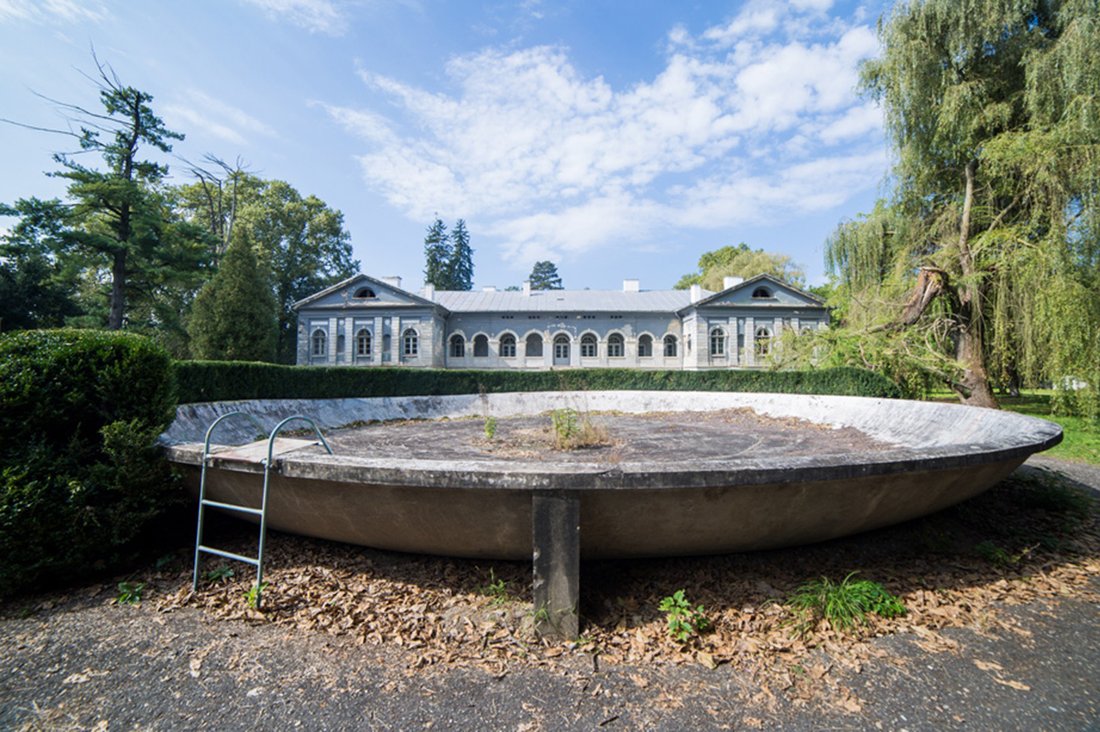
Il Castello Del Generale Austriaco Gyulay Ferencz
- 20 Camere
- 5 Bagni
- 19,376 Sqft
- 14.83 Ac lot
- 63
Informazioni sulla proprietà
Nel castello vivevano dive
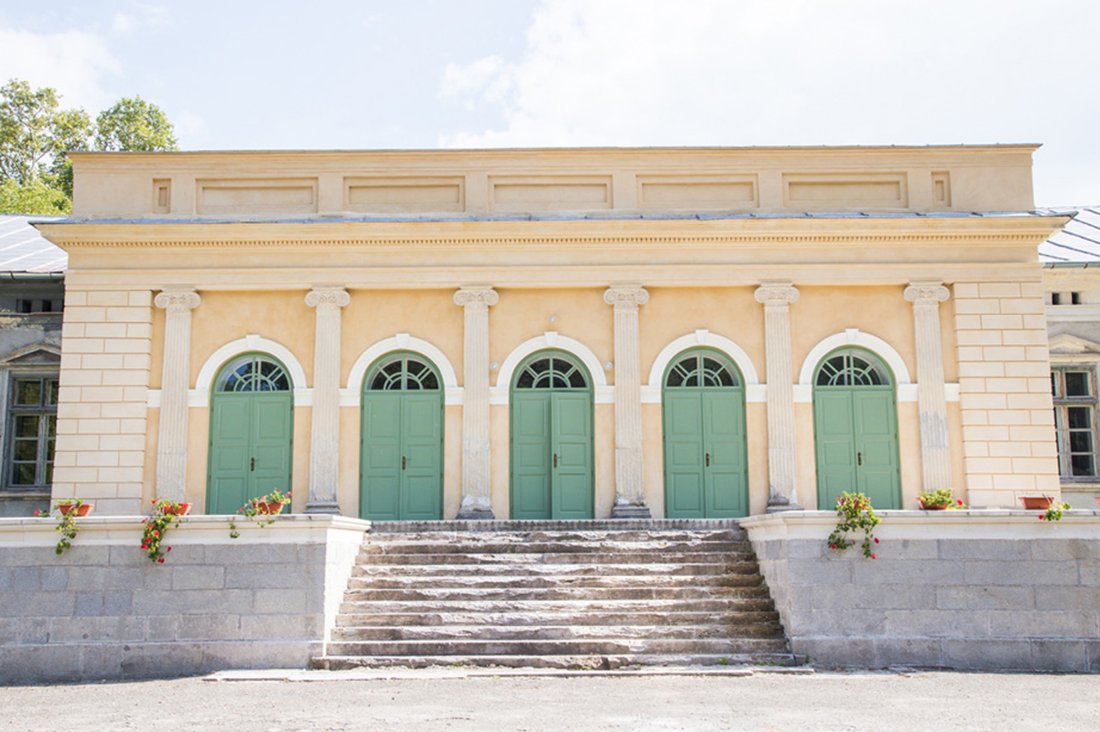
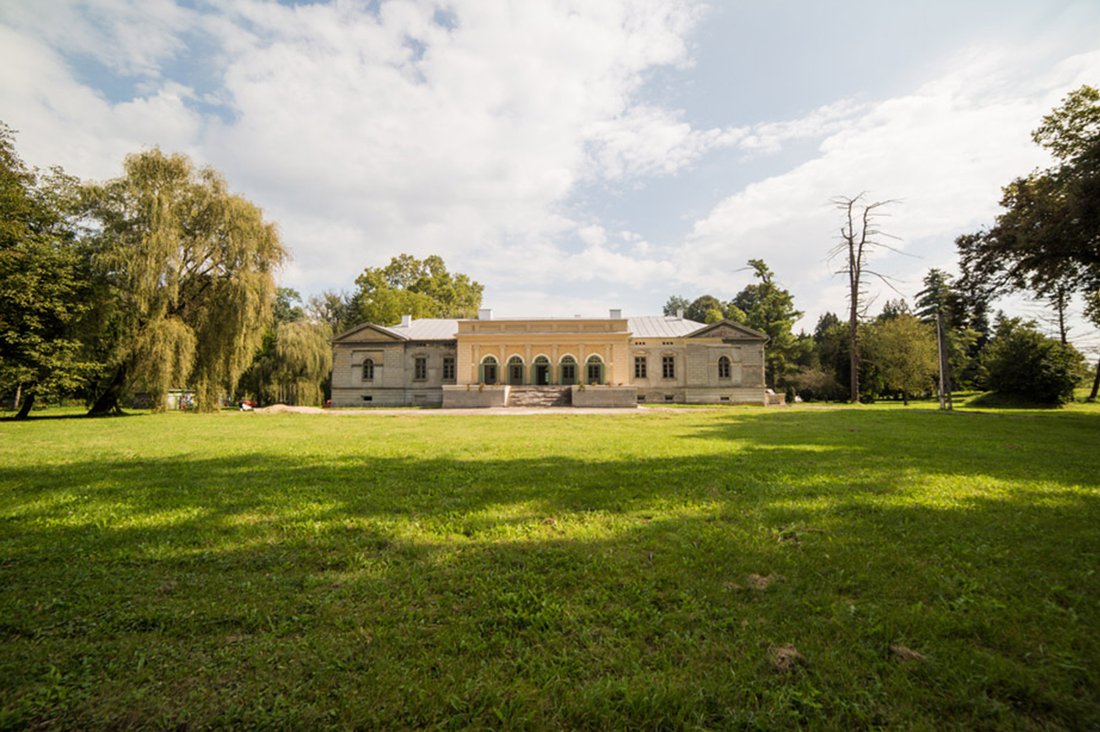
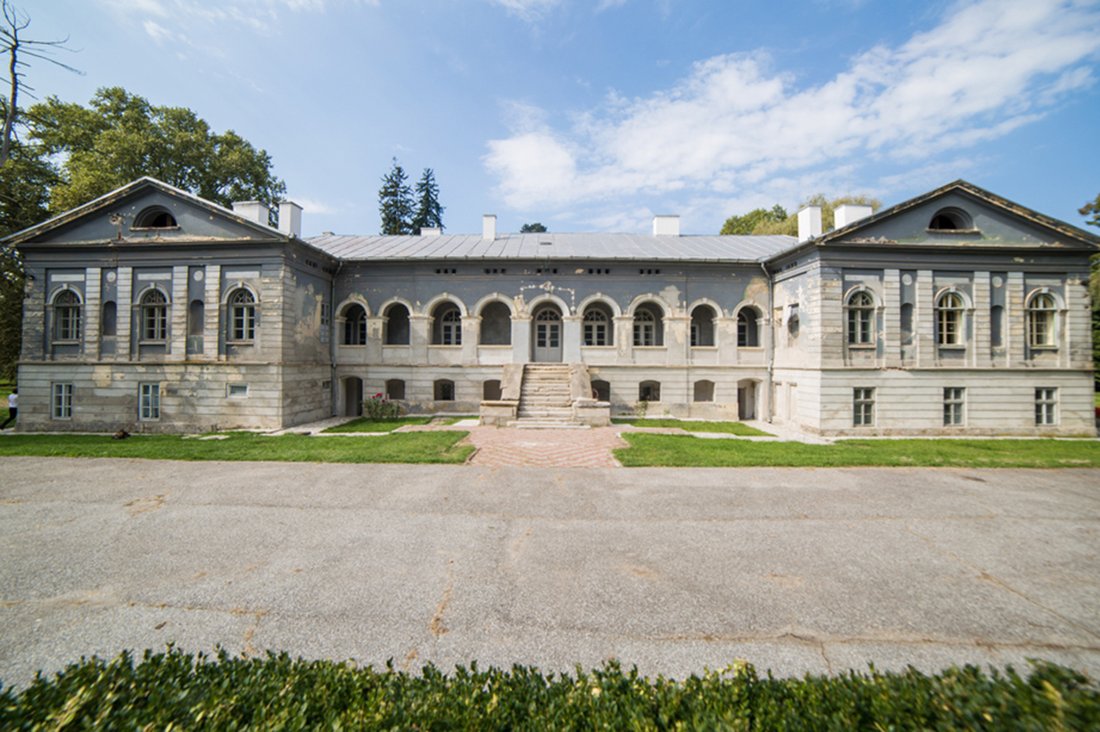
The castle was built during the 17th century by Gyulay Ferencz, an Austrian general, the only child of Hungarian nobleman Gyulay Ignacz. Ferencz built the mansion on the site of a smaller building. The general’s family ruled the town called Mintia, that was renamed Marosnemeti, a term derived from the Hungarian word ”nemet”, that translates to ”German”.
Several descendants of the Gyulay fa
Nel castello vivevano diversi discendenti della famiglia Gyulay. Documenti storici del 1806 attestano che la villa Mintia era di proprietà a quel tempo di Gyulay Istvan, seguito da Albert e K.R Gyulay. La contessa Gyulay di Mintia, che sposò Ladislau Kuun di Osdola, ereditò in seguito il dominio insieme a suo fratello Ludovic. Nel 1848, la famiglia Gyulay si rifugiò a Cluj e, dopo la rivoluzione, Ludovic, Ladislau Kuun, sua moglie Costanza e i loro figli, Irene e Geza, tornarono a Mintia. Ludovic era l’ultimo erede della famiglia Gyulay. Ha scritto più di 100 diari sulla villa e su Mintia. Tutti sono conservati nel museo di storia di Cluj-Napoca. Ludovic Gyulay modificò l’edificio nel 1834, dandogli la forma che ha oggi.
Ludovic Gyulay non si è mai sposato e, quindi, non ha mai avuto eredi. La sua fortuna fu ereditata da suo cognato, Ladislau Kuun, seguito da suo figlio, Geza Kuun. Geza ha studiato letteratura ungherese e tedesca presso le università di Budapest e Gottinga ed è stato membro e vicepresidente dell’Accademia delle scienze di Budapest. Faceva parte dei circoli sociali d’élite di Vienna e divenne amico del famoso compositore Franz Liszt, uno dei pianisti più importanti di tutti i tempi. Fu allora che incontrò anche la scrittrice Elena Ghica, figlia di Mihai Ghica, nipote di Grigore Ghica IV e prima donna ad aver scalato la vetta del Monte Bianco, il 1° giugno 1860. Dopo il 1870, Geza Kunn si stabilì a Mintia e sposò Vilma Kemeny, figlia del barone Kemeny di Magyar-Gyeno Monosto. La sua presenza qui trasformò la città in un luogo di incontro per eminenti rappresentanti della scena culturale e scientifica, tra cui V. Zakrzewski, professore all’Università di Cracovia, Al. Szilagyi — segretario della Società Storica, barone Balazs Orban, A. Szecsen — Marchal della Corte Imperiale. La bellezza della villa situata sulla riva del fiume Mureș è stata ammirata anche dal presidente della Società Archeologica, Solyon Fekete, dal direttore del Museo di storia di Deva, Teglas Gabor, e dallo scienziato Samuel Brassay, considerato l’ultimo poliedrico della Transilvania. L’immensa biblioteca del castello di Mintia e il salone, decorati con ritratti di famiglia e oggetti preziosi, sono stati visitati dal prefetto George Pogany, dal sottoprefetto Coloman Barcsay, dal conte Coloman Esterhazy — direttore del Museo della Transilvania, da Otto von Keller — professore all’Università di Praga, Zsolt Beothy — professore all’Università di Budapest e dallo scienziato norvegese Conrad Nielsen. Anche il barone Miklos Josika viaggiò da Brănişca a Mintia, a piedi, in auto o a cavallo. Ha anche viaggiato in barca sul fiume Mureş per ammirare il parco che circondava il castello. Le rare specie di piante e alberi che abbellivano il parco erano affascinanti. Il conte Kuun diede agli alberi il nome dei più importanti scrittori ungheresi, molti dei quali erano stati suoi amici. Uno degli alberi, ad esempio, portava il nome di Attila, in memoria di Attila Gerando. Tra i cespugli di rose, il visitatore poteva anche scoprire numerosi santuari onorari o funerari. Geza Kuun morì nel 1905, il 10 aprile, e fu sepolto a Cluj. La leggenda narra che, sebbene il corpo del conte Geza sia stato inumato a Cluj, il suo cuore sia stato sepolto nel cimitero della chiesa riformata di Mintia, insieme ad altri membri della sua famiglia ed ex proprietari del castello. Il dominio Mintia, che comprende il castello e il parco, è classificato come monumento storico di importanza nazionale e universale, classe A.
The castle was built during the 17th century by Gyulay Ferencz, an Austrian general, the only child of Hungarian nobleman Gyulay Ignacz. Ferencz built the mansion on the site of a smaller building. The general’s family ruled the town called Mintia, that was renamed Marosnemeti, a term derived from the Hungarian word ”nemet”, that translates to ”German”.
Several descendants of the Gyulay family lived at the castle. Historical documents from 1806 state that the Mintia mansion was owned at that time by Gyulay Istvan, followed by Albert and K. R Gyulay. Countess Gyulay of Mintia, who married Ladislau Kuun of Osdola, later inherited the domain together with her brother, Ludovic. In 1848, the Gyulay family took refuge at Cluj and, after the revolution, Ludovic, Ladislau Kuun, his wife Constance, and their children, Irene and Geza, returned to Mintia.
Ludovic was the last heir of the Gyulay family. He wrote over 100 journals about the mansion and about Mintia. All of them are preserved at the Cluj-Napoca history museum. Ludovic Gyulay modified the building in 1834, giving it the shape it has today.
Ludovic Gyulay never got married and, therefore, never had any heirs. His fortune was inherited by his brother-in-law, Ladislau Kuun, followed by his son, Geza Kuun. Geza studied Hungarian and German literature at the Universities of Budapest and Gottingen, and was a member and vice president of the Budapest Academy of Sciences. He was part of Vienna’s elite social circles, and became friends with the famous composer Franz Liszt – one of the most prominent pianists of all time. It was then that he also met writer Elena Ghica – daughter of Mihai Ghica, niece of Grigore Ghica the 4th, and the first woman to have climbed the Mont Blanc peak, on June 1st 1860.
After 1870, Geza Kunn settled at Mintia and married Vilma Kemeny, the daughter of baron Kemeny of Magyar-Gyeno Monosto. His presence here transformed the town into a gathering place for eminent representatives of the cultural and scientific scenes, which included V. Zakrzewski – professor at the Cracovia University, Al. Szilagyi – secretary of the Historical Society, baron Balazs Orban, A. Szecsen –Imperial Court marchal. The beauty of the mansion located on the bank of Mureș River was also admired by the president of the Archeological Society – Solyon Fekete, the director of the Deva History Museum – Teglas Gabor, and by scientist Samuel Brassay – regarded as Transylvania’s last polymath. The immense library of the Mintia Castle and the salon, decorated with family portraits and precious objects, were visited by prefect George Pogany, subprefect Coloman Barcsay, count Coloman Esterhazy – director of the Transylvania Museum, by Otto von Keller – professor at the University of Prague, Zsolt Beothy – professor at the Budapest University, and by Norwegian scientist Conrad Nielsen. Baron Miklos Josika also traveled from Brănişca to Mintia, either on foot, by car, or on horseback. He also traveled by boat on Mureş River in order to admire the park that surrounded the castle.
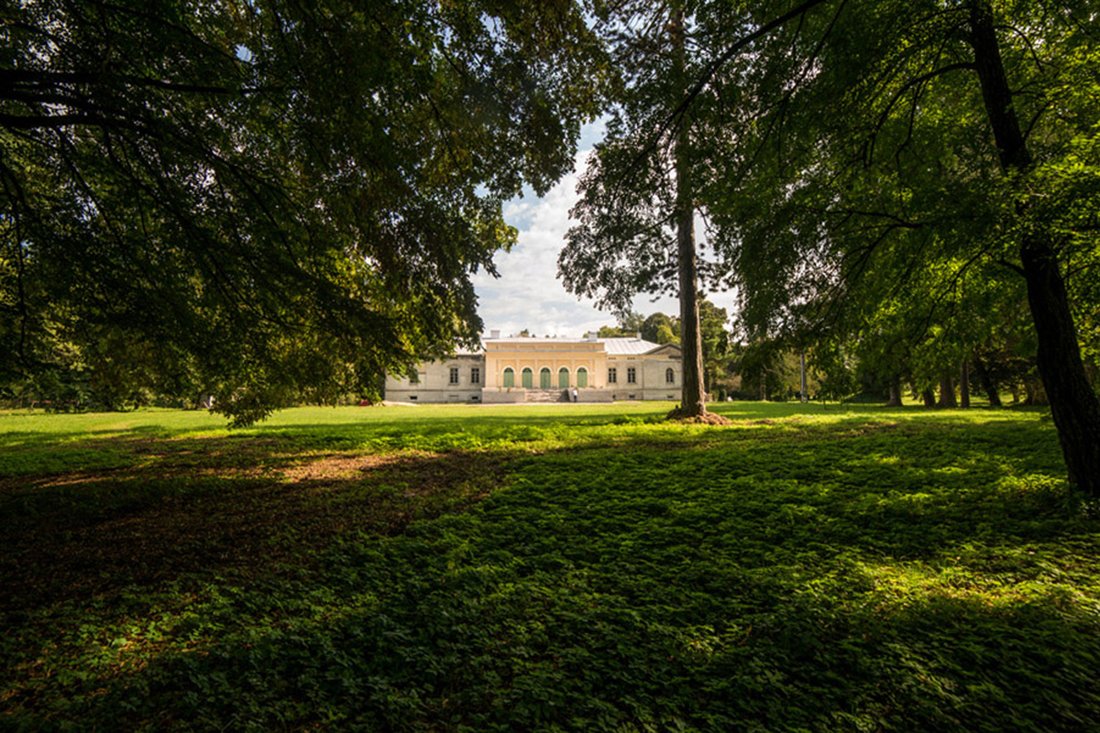
The rare species of plants and trees that embellished the park were mesmerizing. Count Kuun named the trees after the most important Hungarian writers, many of whom had been his friends. One of the trees, for example, bore the name of Attila, in the memory of Attila Gerando. Amid the rose bushes, the visitor could also discover numerous honorary or mortuary shrines. Geza Kuun died in 1905, on April 10th, and was entombed at Cluj. Legend has it that, although the body of count Geza was inhumed at Cluj, his heart was buried in the cemetery of the Mintia Reformed Church, alongside other members of his family and former owners of the castle.
The Mintia domain, that comprises the castle and the park, is classed as a historical monument of national and universal importance, class A.
-
Tipo di proprietà
Altro
-
Anno di costruzione
1834
-
Prezzo/piede²
$46
Caratteristiche
- Giardino
- Vista sull'acqua
- Libreria
- Residenza
- Soffitto alto
Esplora la zona
L'agente La contatterà al più presto
Pubblicato da
Prenota una visita con Constantin Prisecaru
Scegli una data e indica se preferisci un tour virtuale o di persona con l’agente.

La fiducia dei migliori broker del mondo
Gli agenti dietro le proprietà più straordinarie del mondo pubblicano su JamesEdition.
- Annunci di Sotheby's, Christie's, BARNES ed Engel & Völkers
- Ogni annuncio è verificato prima della pubblicazione
- Si metta in contatto diretto con agenti verificati
Continuando, accetta i nostri Termini e la nostra Informativa sulla privacy.