
Jugendstil Stadtvilla A Grazer Top Lage Nahe Dem Hilmteich
- 5 Camere
- 2 Bagni
- 1,927 Sqft
- 9,397 Sqft lot
- Aggiornato: Settembre 2
Informazioni sulla proprietà
Description
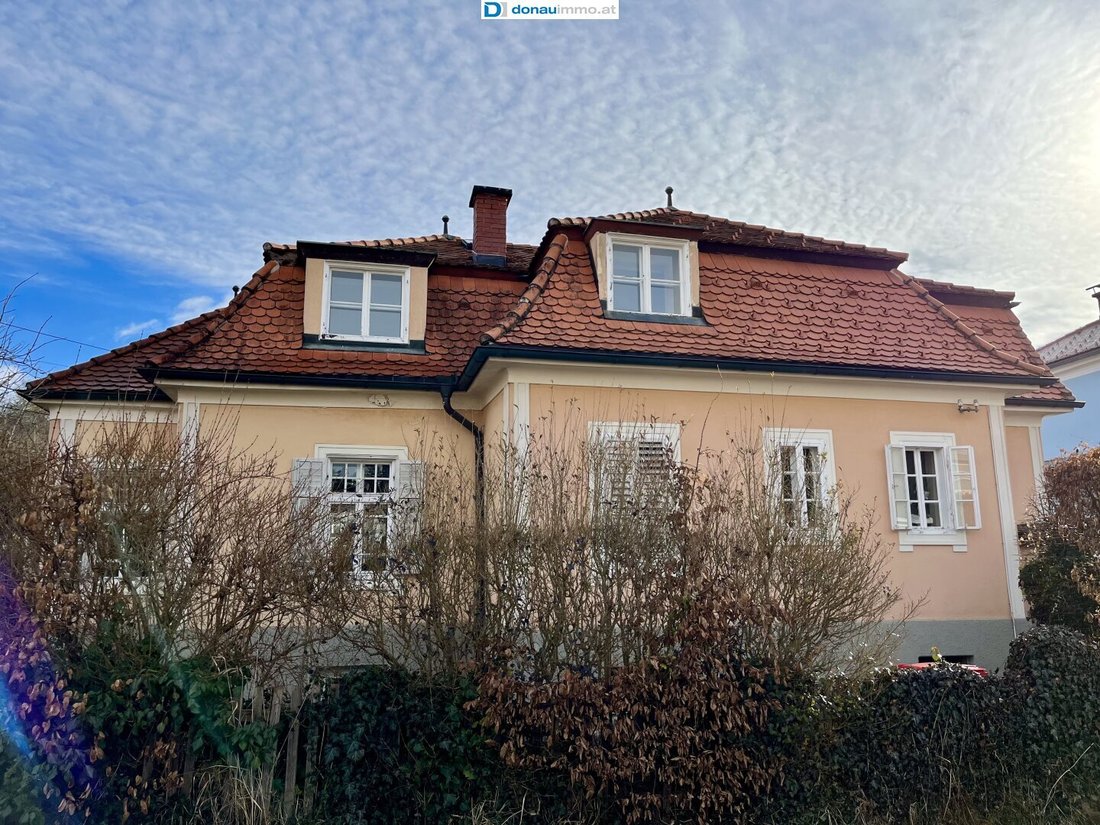
A special Art Nouveau city villa is offered in the best location in Graz and in excellent condition!
The immediate neighborhood, consisting of twelve villas on the Königsmühlen grounds, was planned and designed in the 1910s by the renowned Graz architect Andreas Gisshammer. Artistically and architecturally, the villa complex is a significant example o
Description
A special Art Nouveau city villa is offered in the best location in Graz and in excellent condition!
The immediate neighborhood, consisting of twelve villas on the Königsmühlen grounds, was planned and designed in the 1910s by the renowned Graz architect Andreas Gisshammer. Artistically and architecturally, the villa complex is a significant example of Art Nouveau architecture in Graz. The urban design of the complex, with its loose development and private open spaces, successfully reflects the idea of the garden city movement.
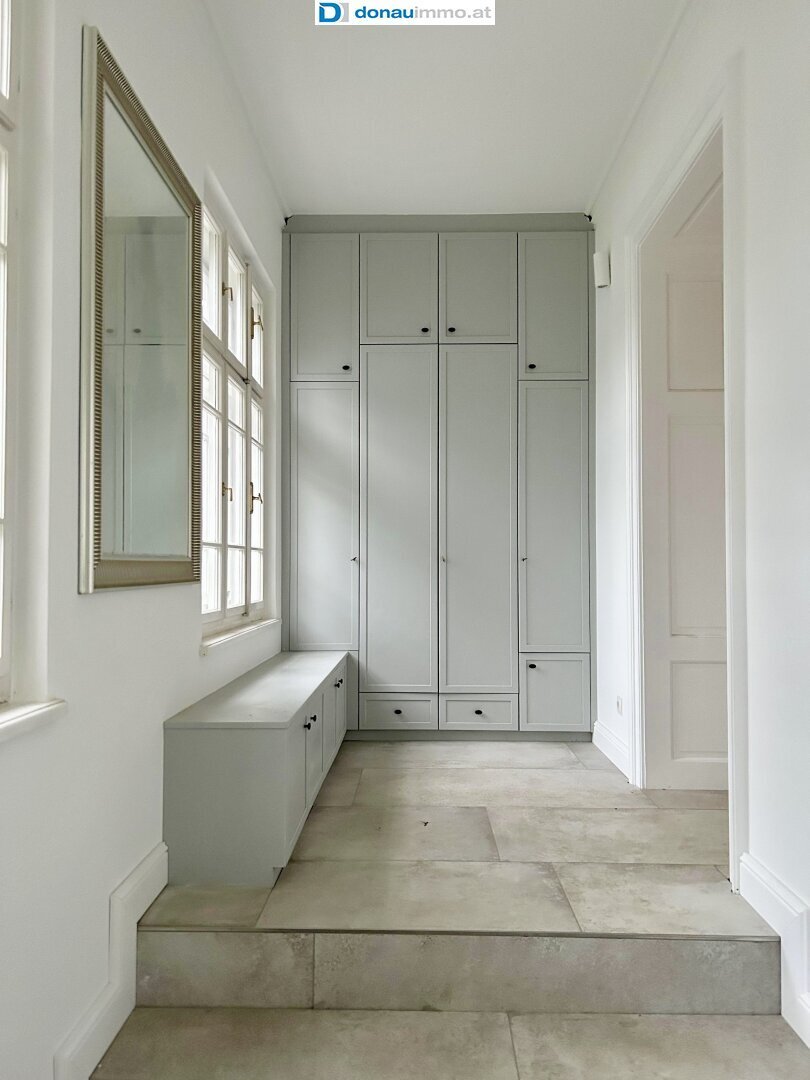
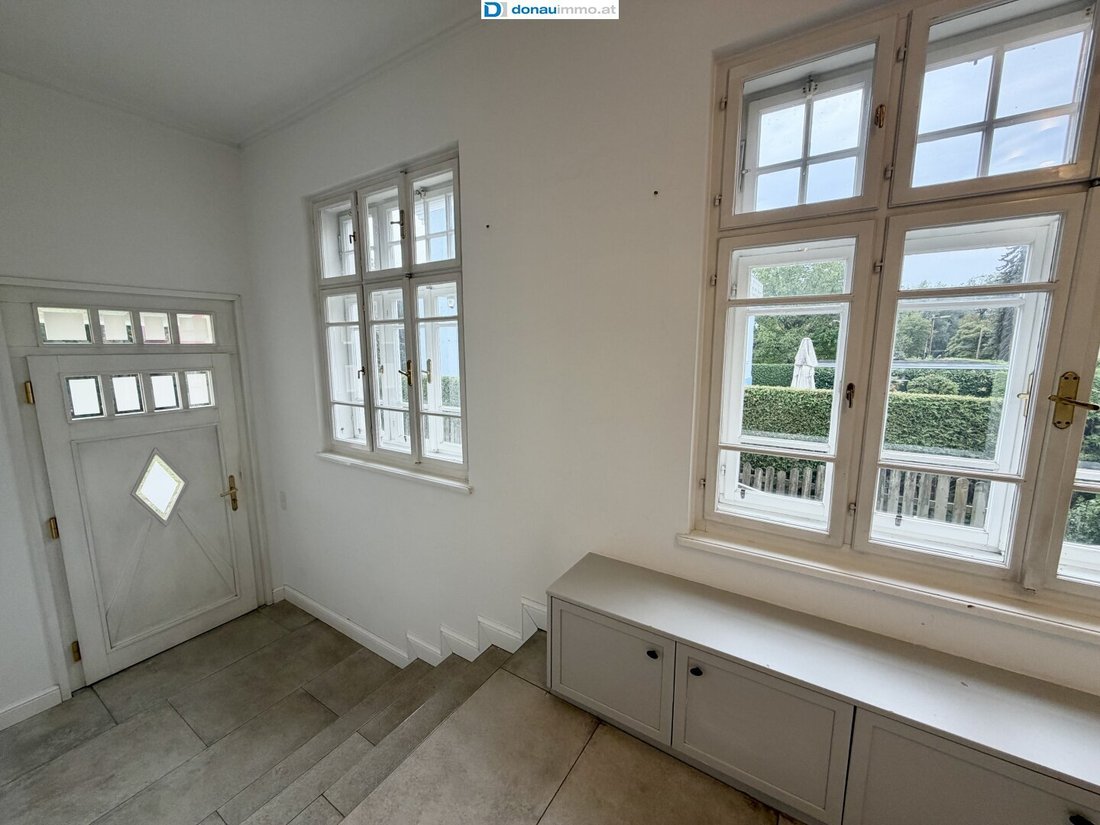
The villa offered for sale was negotiated for construction around 1914 but was only built in 1920 after World War I. It remained in family ownership continuously from 1927 to 2022 and has been well maintained and preserved accordingly. It stands out clearly from the neighboring villas due to its unique architecture. The ground floor layout includes a spacious entrance hall and an inviting main corridor from which the staircase to the upper floor is accessed. The bathroom and toilet are separate, there is an office, and a large living-dining-kitchen area with plenty of light and garden views. The upper floor features three individual rooms, a ”foyer gallery,” another bathroom, and a separate toilet.
Originally designed as a summer residence in the ”Mac-Intosh Art Nouveau” style, it was later used as a family home and office. The room layout can be described as open and modern. Since the villa proved difficult to heat in its original form, it was partially remodeled in 1954. Further renovations took place in the 1970s and most recently in 1986, when the attic was converted and some extensions were made—all with official approval!
In the early 2000s, the basement was partially dried out and district heating with underfloor heating was installed! The facade was finished with ”thermal plaster,” the windows were renovated, and new insulated glass windows were installed in the basement during the renovations alongside heated screed. The last major renovations and refurbishments took place in 2016 and most recently in 2024. The electrical system and building technology are up to date, and both the ground and upper floors have been freshly renovated. Two fantastic marble bathrooms with separate toilets and a high-quality new fitted kitchen enhance the villa in keeping with its style. Due to the age and history of the house, it would be advisable and recommended to fully dry out the basement.
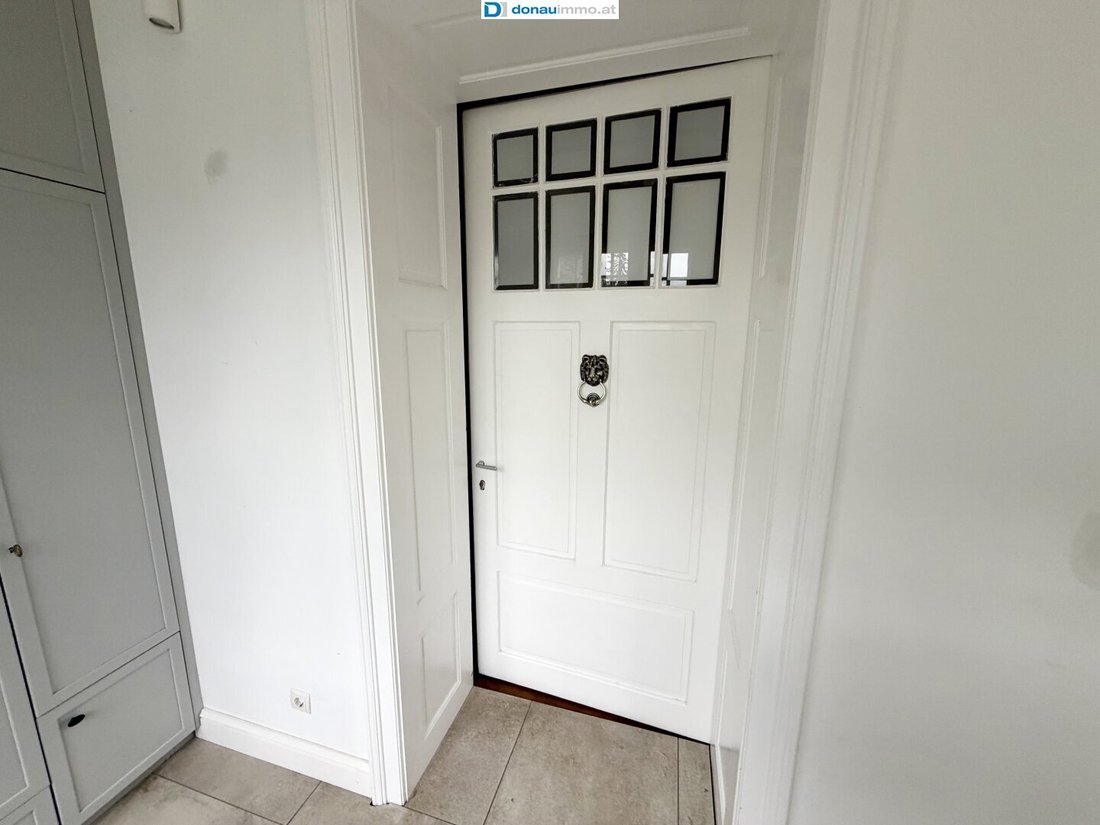
Highlights of the interior include continuous herringbone parquet flooring with underfloor heating, gold-trimmed stucco work in the main room, solid wood paneled doors, a cylindrical convection tile stove ”Frauenthaler” (a very rare piece), and the fully developed and partially renovated basement, which features interior plaster and heated screed—elements usually expected only in new buildings. The outdoor facilities (all with building permits) include a garden arbor, a double carport, and several open parking spaces.
Viewings are possible at any time by appointment—please send inquiries preferably by email.
Energy certificate is available.
All information is provided according to the owner’s statements, available documents, or public authorities. Typographical errors and mistakes excepted!
The course of today’s Königsmühlstraße, near the Hilmteich, traces back to a former mill race of the so-called ”Königsmühle” which was filled in after its closure in 1912. The plots on both sides of this newly created street were parceled and built upon in connection with the residential expansion in Graz that continued into the 1920s. The significant Graz architect Andreas Gisshammer was commissioned around 1912 to plan the villa complex. In Graz, only two complexes remain that were planned and built in the spirit of the garden city movement, of which only the one on the Königsmühlen grounds near the Hilmteich has been largely preserved. From an architectural perspective, the villa offered for sale is thus a rare and historically significant gem.
The agent acts as a dual agent.
-
Tipo di proprietà
Villa
-
Anno di costruzione
1920
-
Prezzo/piede²
$865
Caratteristiche
Esplora la zona
L'agente La contatterà al più presto
Pubblicato da
Prenota una visita con the agent
Scegli una data e indica se preferisci un tour virtuale o di persona con l’agente.
La fiducia dei migliori broker del mondo
Gli agenti dietro le proprietà più straordinarie del mondo pubblicano su JamesEdition.
- Annunci di Sotheby's, Christie's, BARNES ed Engel & Völkers
- Ogni annuncio è verificato prima della pubblicazione
- Si metta in contatto diretto con agenti verificati
Continuando, accetta i nostri Termini e la nostra Informativa sulla privacy.