Prezzo su richiesta
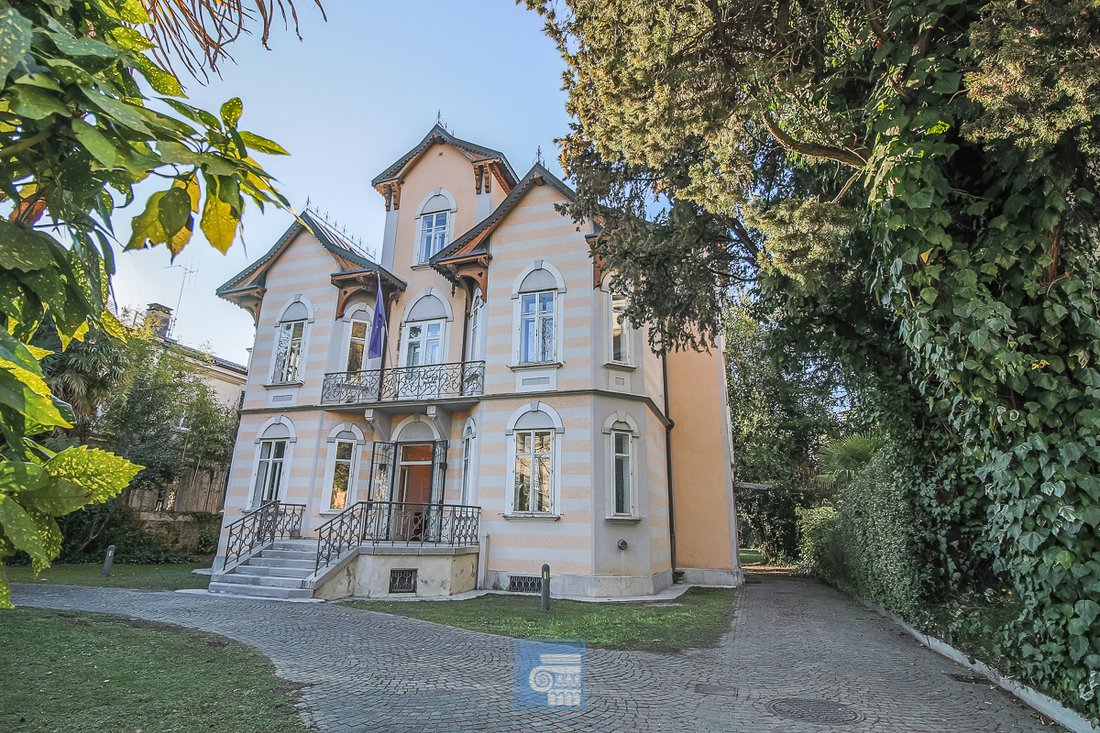
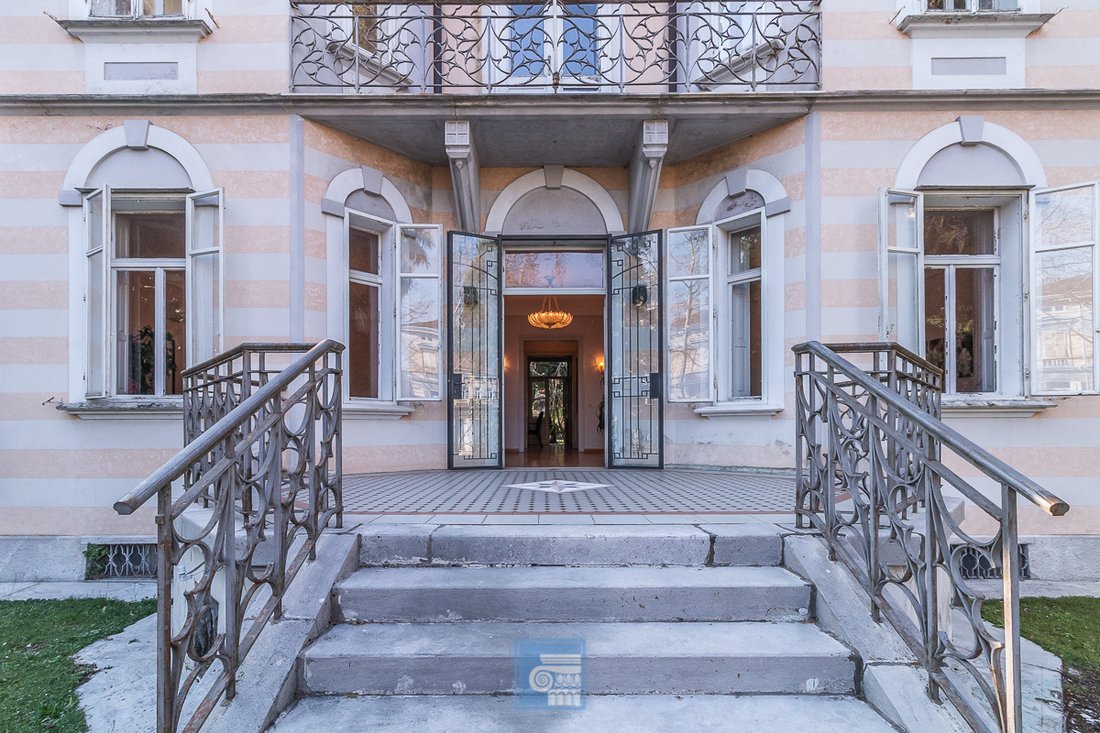
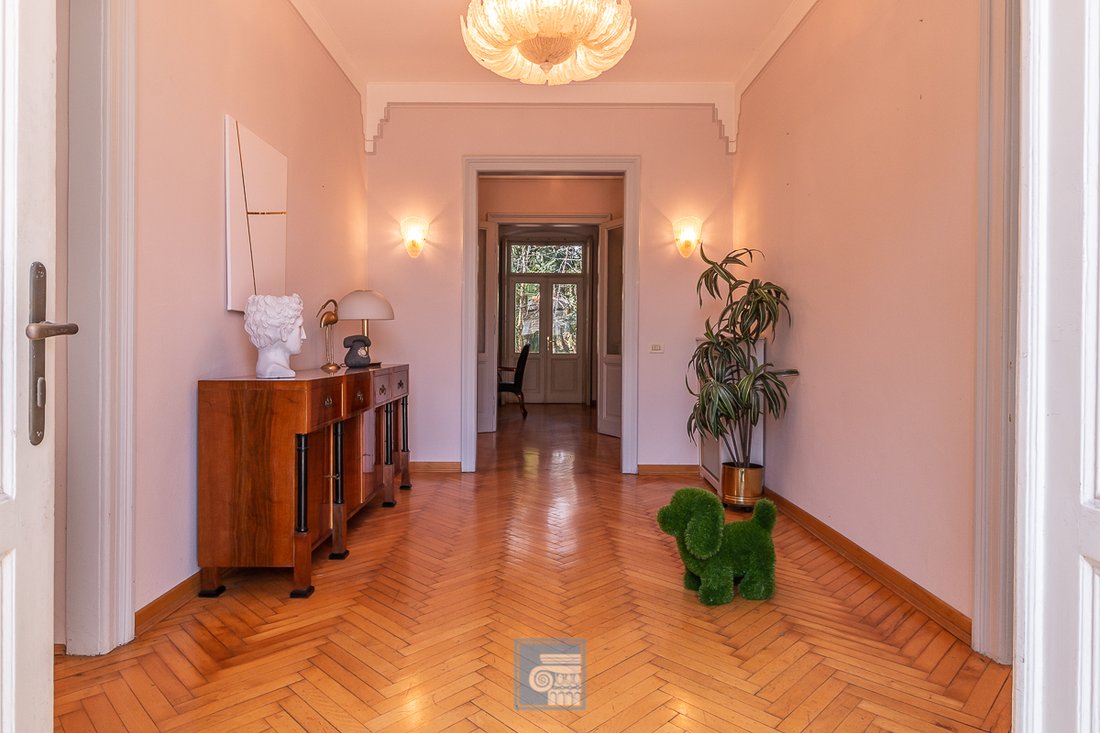
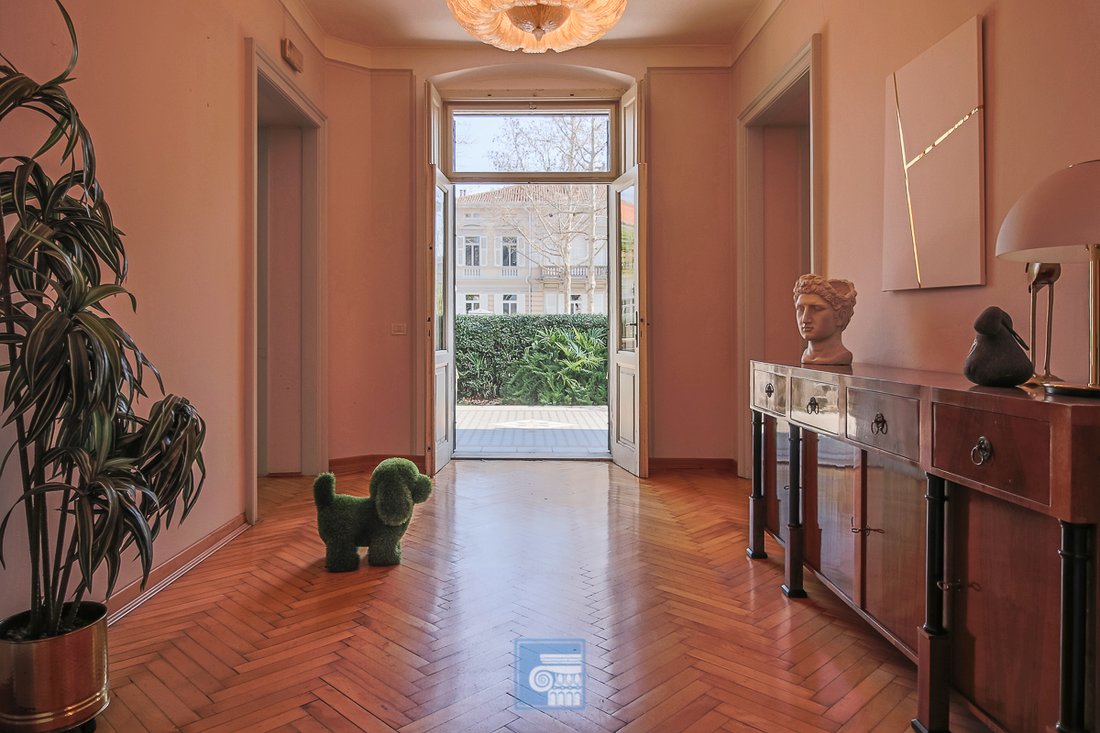
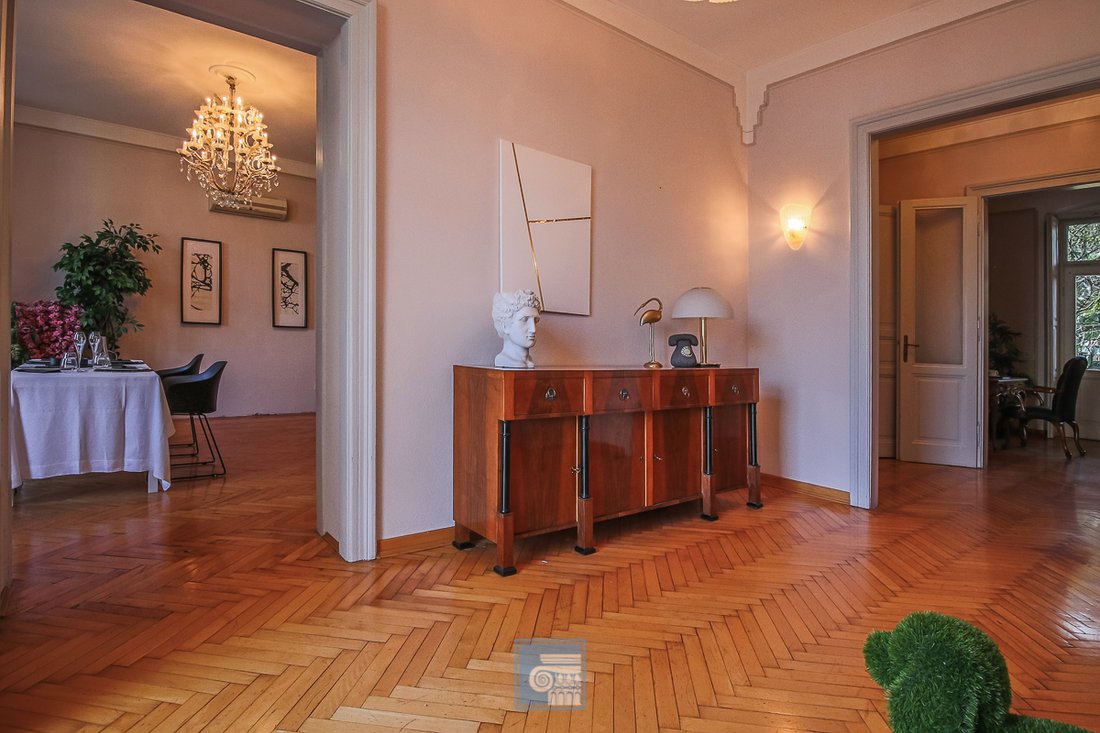
Gorizia, Villa D'epoca Con Parco.
- 5 Camere
- 3 Bagni
- 1,615 Sqft
- 1,615 Sqft lot
- 8
Informazioni sulla proprietà
La descrizione è stata tradotta automaticamente.
La descrizione viene visualizzata nella lingua originale.
VILLA VERVEGA
1866 VILLA STORICA ARCH. CATULLO BISI
STILE NEOGOTICO
CORSO ITALIA 226 GORIZIA — ITALIA
Circondata da ville e giardini, ideale come
dimora singola, frazionabile in due appartamenti
indipendenti o come sede di rappresentanza.
Le grandi personalità della storia hanno dato vita ad architetture straordinarie, talvolta sfidando le mode del tempo, altre volte an
1866 VILLA STORICA ARCH. CATULLO BISI
STILE NEOGOTICO
CORSO ITALIA 226 GORIZIA — ITALIA
Circondata da ville e giardini, ideale come
dimora singola, frazionabile in due appartamenti
indipendenti o come sede di rappresentanza.
Le grandi personalità della storia hanno dato vita ad architetture straordinarie, talvolta sfidando le mode del tempo, altre volte an
VILLA VERVEGA
1866 HISTORIC VILLA ARCH. CATULLO BISI
NEOGOTHIC STYLE
CORSO ITALIA 226 GORIZIA – ITALY
Surrounded by villas and gardens, ideal as
- a single residence,
- divisible into two independent apartments,
- or as a representative headquarters.
Great personalities in history have created extraordinary architectures, sometimes defying the fashions of their time
1866 HISTORIC VILLA ARCH. CATULLO BISI
NEOGOTHIC STYLE
CORSO ITALIA 226 GORIZIA – ITALY
Surrounded by villas and gardens, ideal as
- a single residence,
- divisible into two independent apartments,
- or as a representative headquarters.
Great personalities in history have created extraordinary architectures, sometimes defying the fashions of their time
VILLA VERVEGA
1866 VILLA STORICA ARCH. CATULLO BISI
STILE NEOGOTICO
CORSO ITALIA 226 GORIZIA — ITALIA
Circondata da ville e giardini, ideale come
dimora singola, frazionabile in due appartamenti
indipendenti o come sede di rappresentanza.
Le grandi personalità della storia hanno dato vita ad architetture straordinarie, talvolta sfidando le mode del tempo, altre volte anticipandole, lasciando sempre un segno indelebile. Villa Vervega appartiene senza dubbio a questa élite di dimore iconiche.
Con il suo stile neogotico, arricchito da influenze svizzere, la villa suscitò grande scalpore alla sua costruzione, proprio come desiderava il suo primo proprietario, il raffinato banchiere Riccardo Vervega. Un edificio pensato dall’architetto Catullo Bisi per stupire, incantare e imporsi nel paesaggio culturale della città.
Nei secoli, Villa Vervega è stata più di una residenza: è stata il simbolo di una visione, accogliendo una successione di proprietari illuminati, attratti dall’eccellenza e dall’unicità di questo luogo.
Il viale alberato di Corso Italia, con la sua maestosa enfilade di platani e lo skyline che si innalza avvicinandosi al cuore della città, è da sempre uno dei tratti più iconici di Gorizia. Fin dall’arrivo della ferrovia nel 1860, questo boulevard ha incantato viaggiatori e intellettuali, tanto che persino Sigmund Freud, pochi anni dopo, ne rimase profondamente colpito.
Un percorso che non si limita a condurre, ma accoglie e accompagna, terminando il suo viaggio sulla scenografica Piazza Vittoria, ai piedi del Castello, cuore storico e simbolico della città.
1866 VILLA STORICA ARCH. CATULLO BISI
STILE NEOGOTICO
CORSO ITALIA 226 GORIZIA — ITALIA
Circondata da ville e giardini, ideale come
dimora singola, frazionabile in due appartamenti
indipendenti o come sede di rappresentanza.
Le grandi personalità della storia hanno dato vita ad architetture straordinarie, talvolta sfidando le mode del tempo, altre volte anticipandole, lasciando sempre un segno indelebile. Villa Vervega appartiene senza dubbio a questa élite di dimore iconiche.
Con il suo stile neogotico, arricchito da influenze svizzere, la villa suscitò grande scalpore alla sua costruzione, proprio come desiderava il suo primo proprietario, il raffinato banchiere Riccardo Vervega. Un edificio pensato dall’architetto Catullo Bisi per stupire, incantare e imporsi nel paesaggio culturale della città.
Nei secoli, Villa Vervega è stata più di una residenza: è stata il simbolo di una visione, accogliendo una successione di proprietari illuminati, attratti dall’eccellenza e dall’unicità di questo luogo.
Il viale alberato di Corso Italia, con la sua maestosa enfilade di platani e lo skyline che si innalza avvicinandosi al cuore della città, è da sempre uno dei tratti più iconici di Gorizia. Fin dall’arrivo della ferrovia nel 1860, questo boulevard ha incantato viaggiatori e intellettuali, tanto che persino Sigmund Freud, pochi anni dopo, ne rimase profondamente colpito.
Un percorso che non si limita a condurre, ma accoglie e accompagna, terminando il suo viaggio sulla scenografica Piazza Vittoria, ai piedi del Castello, cuore storico e simbolico della città.
VILLA VERVEGA
1866 HISTORIC VILLA ARCH. CATULLO BISI
NEOGOTHIC STYLE
CORSO ITALIA 226 GORIZIA – ITALY
Surrounded by villas and gardens, ideal as
- a single residence,
- divisible into two independent apartments,
- or as a representative headquarters.
Great personalities in history have created extraordinary architectures, sometimes defying the fashions of their time, other times anticipating them, always leaving an indelible mark. Villa Vervega undoubtedly belongs to this elite of iconic homes.
With its Neogothic style, enriched by Swiss influences, the villa caused a great sensation at its construction, just as its first owner, the refined banker Riccardo Vervega, desired. A building designed by architect Catullo Bisi to amaze, enchant, and assert itself in the cultural landscape of the city.
Over the centuries, Villa Vervega has been more than a residence: it has been a symbol of a vision, hosting a succession of enlightened owners attracted by the excellence and uniqueness of this place.
The tree-lined avenue of Corso Italia, with its majestic row of plane trees and the skyline rising as it approaches the heart of the city, has always been one of the most iconic features of Gorizia. Since the arrival of the railway in 1860, this boulevard has enchanted travelers and intellectuals, so much so that even Sigmund Freud, a few years later, was deeply impressed by it.
A path that does not merely lead, but welcomes and accompanies, ending its journey at the scenic Piazza Vittoria, at the foot of the Castle, the historic and symbolic heart of the city.
1866 HISTORIC VILLA ARCH. CATULLO BISI
NEOGOTHIC STYLE
CORSO ITALIA 226 GORIZIA – ITALY
Surrounded by villas and gardens, ideal as
- a single residence,
- divisible into two independent apartments,
- or as a representative headquarters.
Great personalities in history have created extraordinary architectures, sometimes defying the fashions of their time, other times anticipating them, always leaving an indelible mark. Villa Vervega undoubtedly belongs to this elite of iconic homes.
With its Neogothic style, enriched by Swiss influences, the villa caused a great sensation at its construction, just as its first owner, the refined banker Riccardo Vervega, desired. A building designed by architect Catullo Bisi to amaze, enchant, and assert itself in the cultural landscape of the city.
Over the centuries, Villa Vervega has been more than a residence: it has been a symbol of a vision, hosting a succession of enlightened owners attracted by the excellence and uniqueness of this place.
The tree-lined avenue of Corso Italia, with its majestic row of plane trees and the skyline rising as it approaches the heart of the city, has always been one of the most iconic features of Gorizia. Since the arrival of the railway in 1860, this boulevard has enchanted travelers and intellectuals, so much so that even Sigmund Freud, a few years later, was deeply impressed by it.
A path that does not merely lead, but welcomes and accompanies, ending its journey at the scenic Piazza Vittoria, at the foot of the Castle, the historic and symbolic heart of the city.
-
Tipo di proprietà
Villa
-
Piani
2
-
Anno di costruzione
1890
-
Consumo
F
Caratteristiche
- Giardino
- Cucina aperta
- Residenza
- Vista panoramica / Scenica
- Cancello
- Soffitto alto
- Balcone
Esplora la zona
Corso Italia, 226, 34170 Gorizia GO, Italy, Centro, Friuli-Venezia Giulia
Visualizza su Google Maps
Prezzo per sqft
Basso
Alto
Situato a Gorizia, Corso Italia offre un ambiente ideale per una vita di lusso. Quest’area offre un facile accesso alla ricchezza culturale e storica della regione di confine. È comodamente situato vicino a importanti poli di trasporto, come l’Aeroporto di Trieste nelle vicinanze, migliorando la sua accessibilità. I residenti godono della vicinanza a opzioni di ristorazione raffinata, vigneti rigogliosi e paesaggi suggestivi. La vibrante scena culturale con gallerie e teatri aggiunge fascino a questa prestigiosa location.
Ottieni luoghi vicini
Attrazioni
Scuole
Aeroporto di Trieste - Friuli Venezia Giulia
Aeroporto
28 min
Golf & Country Club Castello di Spessa
Golf & Country Club
22 min
Castello di Gorizia
Cultura e Patrimonio
5 min
Cantina Vinaceous
Ristorazione & Vini
15 min
Scuola Europea di Trieste
Scuola Internazionale
35 min
Iscritto da 11 mesi
Hai chiesto informazioni su questa proprietà
L'agente La contatterà al più presto
Pubblicato da
1
Annunci
2025
Iscritto
Prenota una visita con the agent
Scegli una data e indica se preferisci un tour virtuale o di persona con l’agente.
Data preferita
Tipo di tour
Prima pubblicazione
Dicembre 2, 2025
Licenza agente
#REA 63178
La fiducia dei migliori broker del mondo
Gli agenti dietro le proprietà più straordinarie del mondo pubblicano su JamesEdition.
- Annunci di Sotheby's, Christie's, BARNES ed Engel & Völkers
- Ogni annuncio è verificato prima della pubblicazione
- Si metta in contatto diretto con agenti verificati
Continuando, accetta i nostri Termini e la nostra Informativa sulla privacy.