Estancia Lago Bravo, Aysen
- 6,926.36 Ac lot
- 115
Informazioni sulla proprietà
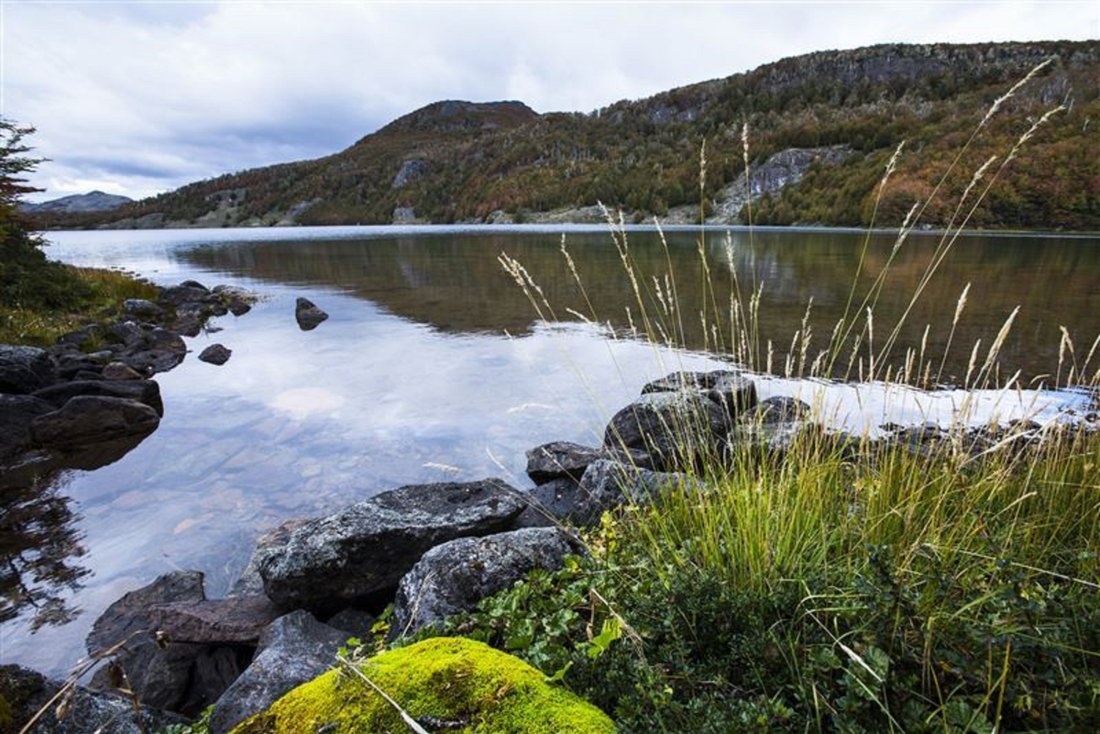
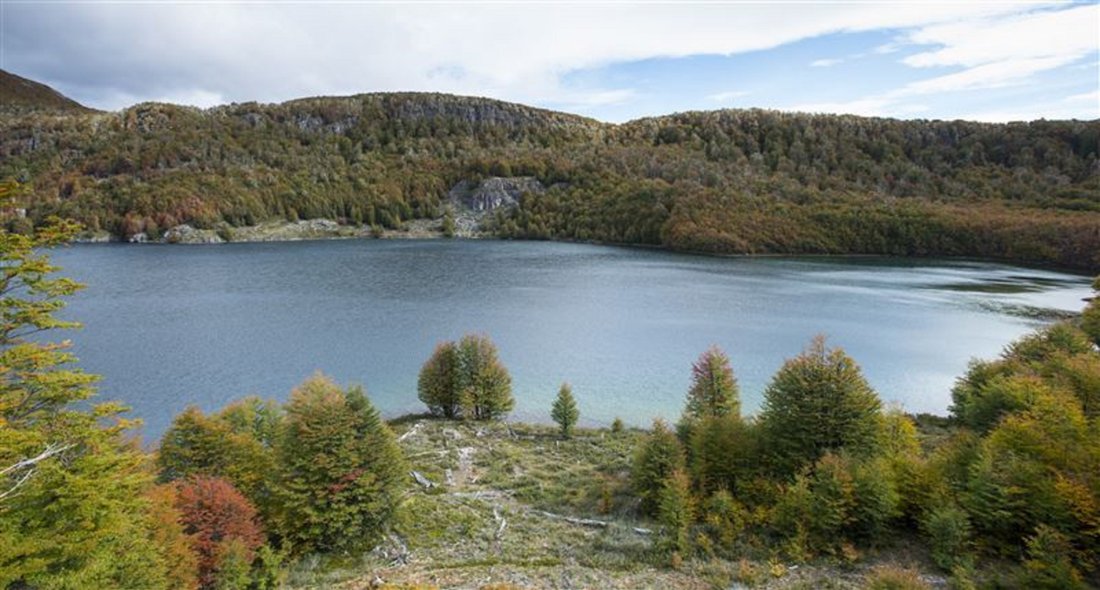
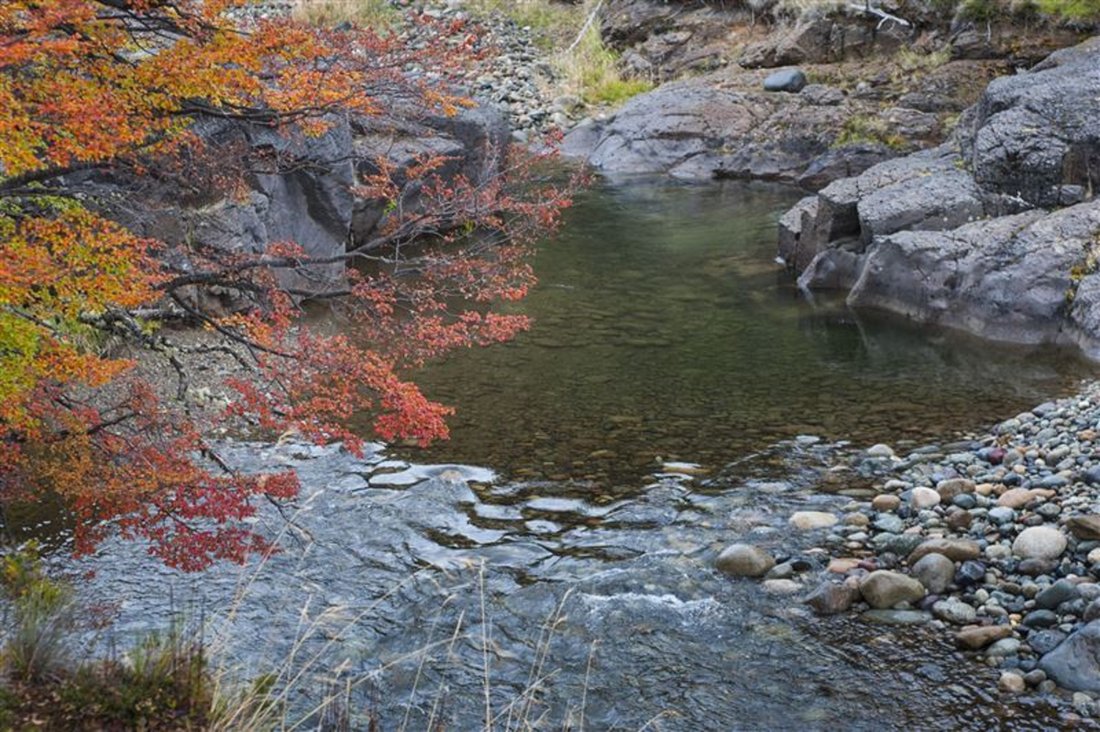
Lago Bravo is a unique property. The total property area is 2800 hectares (6918 acres), about three hours away from Balmaceda Airport and approximately 130 km (80 miles) from Coyhaique. Some key aspects of Lago Bravo are the private lake (almost impossible to find in properties of this size), three other smaller and beautiful lagoons, some 2,000 hectares (4942 acres) of lenga (Nothofagus pumili
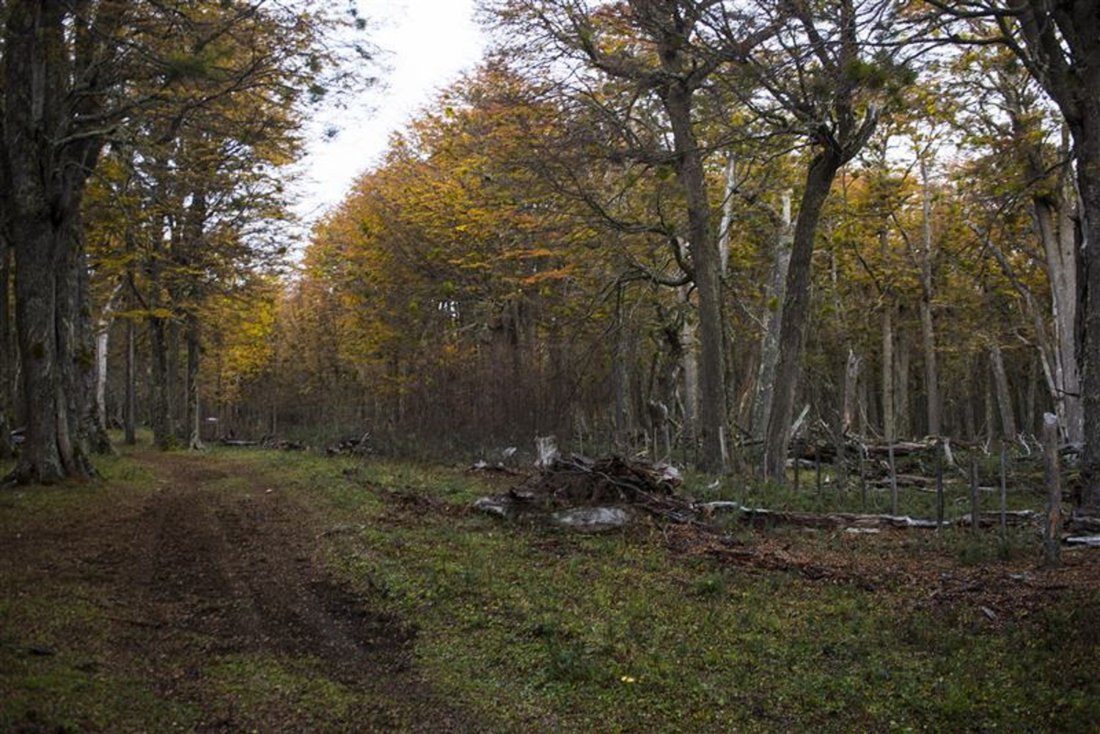
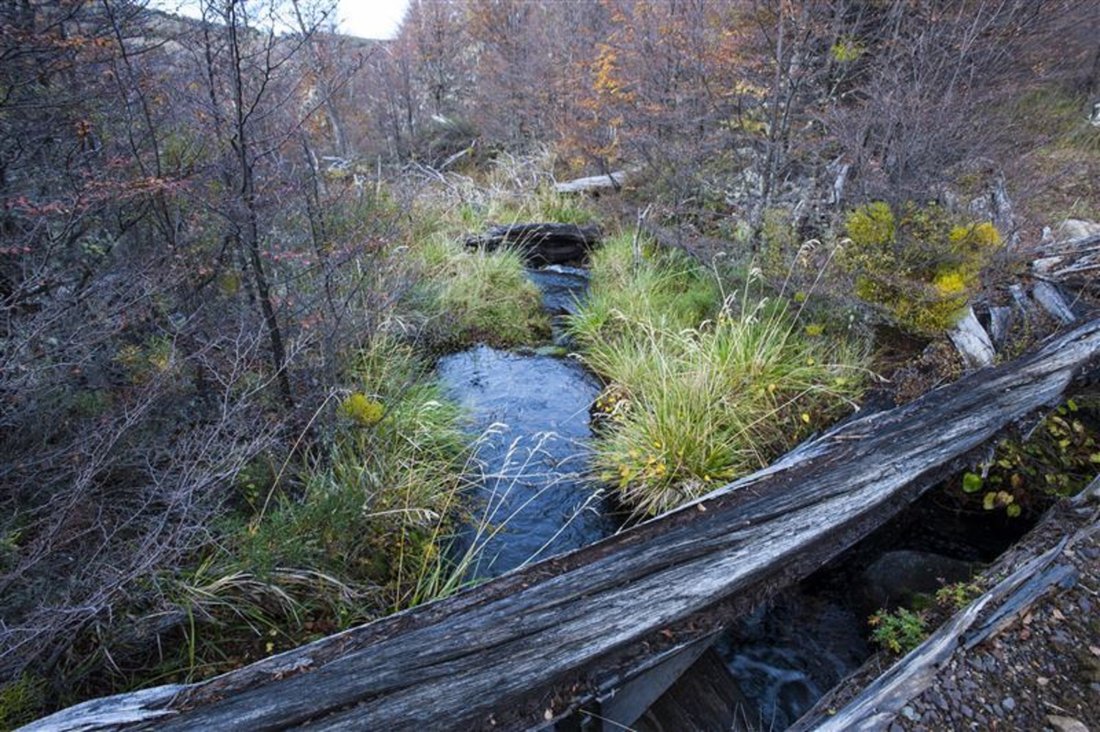
Lago Bravo is a unique property. The total property area is 2800 hectares (6918 acres), about three hours away from Balmaceda Airport and approximately 130 km (80 miles) from Coyhaique. Some key aspects of Lago Bravo are the private lake (almost impossible to find in properties of this size), three other smaller and beautiful lagoons, some 2,000 hectares (4942 acres) of lenga (Nothofagus pumilio) forest, and about 4 km (2.5 miles) of the river (Río Pedregoso) with trout fishing entirely within the property.
Lago Bravo also has about 400 hectares (988 acres) of grasslands, which the current owner has been fencing in, cleaning, and fertilizing, and which should provide much better pastures in the coming years. The property is used for grazing during the summer, and there are plans to leave livestock permanently this year.
Two different routes can access Lago Bravo. In both cases, it takes about 1.5 hours from Coyhaique, although during the last five years, the government has been improving access through the west side, and there are plans to continue doing so. This substantially reduces travel time and facilitates access even in the winter months.
A small cabin (two bedrooms, kitchen, bathroom, small living room) is comfortable and habitable for short stays.
There are also two small cabins for workers (1 km from the main cabin).
All the cabins are equipped with solar panels and wood-burning stoves for cooking and heating.
Wildlife is first class, and a wide variety of species, including deer and trout.
Taxes are meager, approximately USD400 per year, and the Chilean government provides subsidies to improve and upgrade properties in the area.
-
Tipo di proprietà
Azienda agricola
Caratteristiche
- Vista sulle montagne
- Giardino
- Vista sull'acqua
- Cancello
- Investimento immobiliare
Esplora la zona
L'agente La contatterà al più presto
Pubblicato da
Prenota una visita con Javier Contreras
Scegli una data e indica se preferisci un tour virtuale o di persona con l’agente.

Patagonia.
One of our
Patagonia.
One of our main markets is the exclusives properties in some of the lakes shore
in the area, characterized by its natural beauty.
Proprietà simili nelle vicinanze
Nuovi annunci a Coyhaique


Esplora più immobili in vendita
tipi di proprietà Coyhaique, Cile
Guide e storie correlate
La fiducia dei migliori broker del mondo
Gli agenti dietro le proprietà più straordinarie del mondo pubblicano su JamesEdition.
- Annunci di Sotheby's, Christie's, BARNES ed Engel & Völkers
- Ogni annuncio è verificato prima della pubblicazione
- Si metta in contatto diretto con agenti verificati
Continuando, accetta i nostri Termini e la nostra Informativa sulla privacy.