$5,262,904
Fortezza Del XVIII Secolo Sulla Costa Da Morte (A Coruña)
- 9 Camere
- 9 Bagni
- 20,452 Sqft
- 110
Informazioni sulla proprietà
La descrizione è stata tradotta automaticamente.
La descrizione viene visualizzata nella lingua originale.
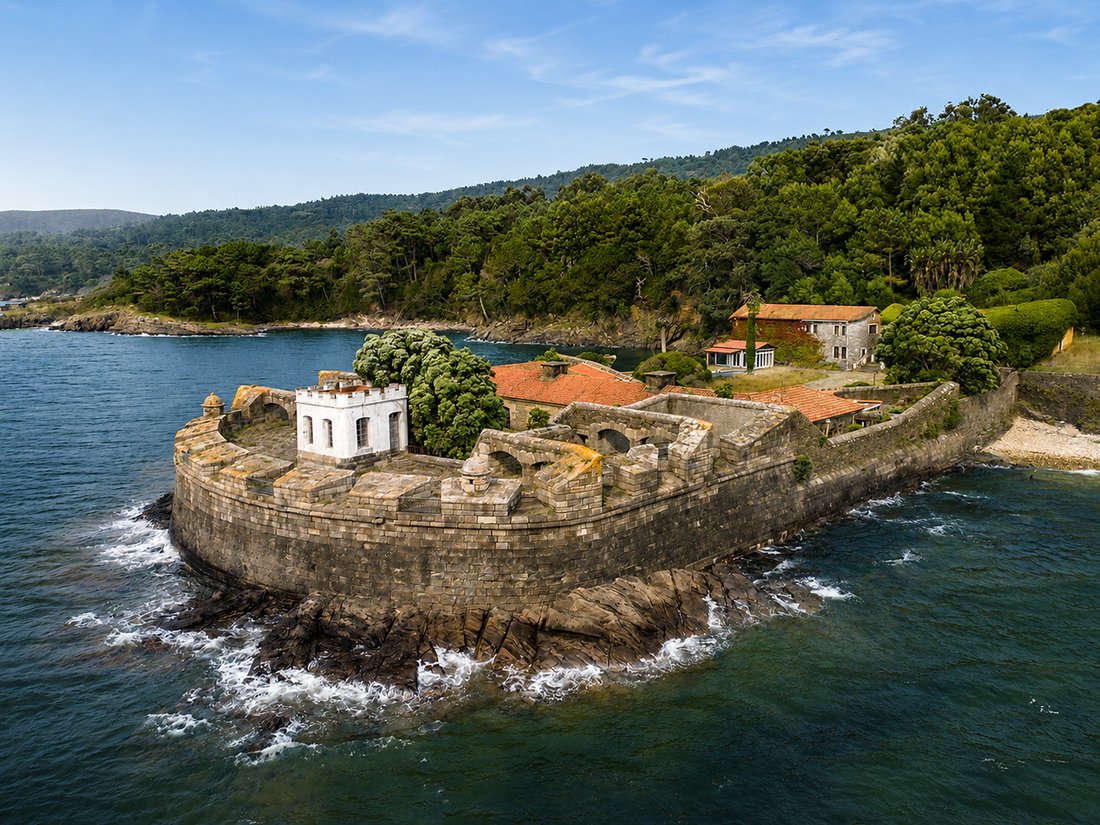
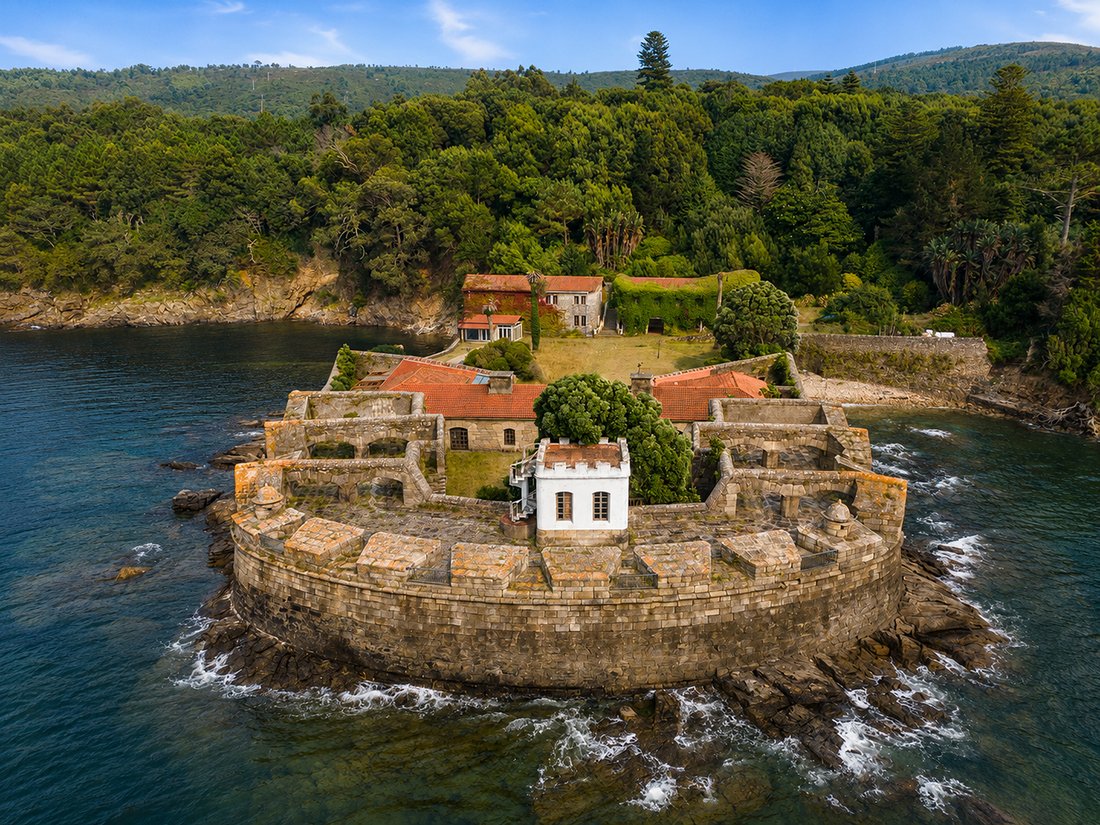
Torniamo al XVIII secolo, durante il regno dei Borboni in Spagna. La costruzione della fortezza iniziò nel 1740, simultaneamente con il Castelo do Cardeal (Castello del Cardinale), situato sulla riva opposta dell’estuario di Corcubión. Fu chiamato Castillo del Príncipe in onore del figlio di Carlo III di Spagna, il futuro re Carlo IV. Alla fine del XIX secolo, il castello smise di essere di propri
We go back to the 18th century, during the reign of the Bourbons in Spain. The construction of the fortress began in 1740, simultaneously with the Castelo do Cardeal (Cardinal’s Castle), located on the opposite shore of the Corcubión estuary. It was named Castillo del Príncipe in honor of the son of Carlos III of Spain, the future king Carlos IV.
By the end of the 19th century, the castle
By the end of the 19th century, the castle
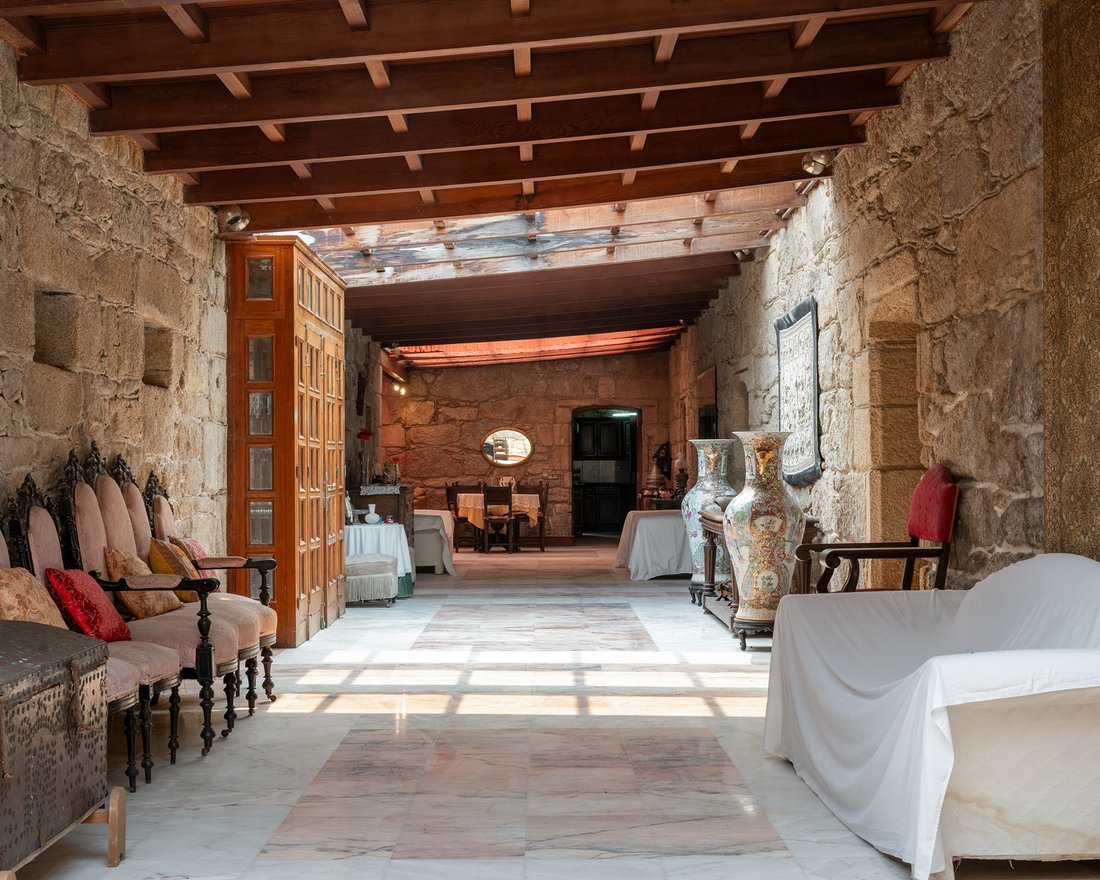
Torniamo al XVIII secolo, durante il regno dei Borboni in Spagna. La costruzione della fortezza iniziò nel 1740, simultaneamente con il Castelo do Cardeal (Castello del Cardinale), situato sulla riva opposta dell’estuario di Corcubión. Fu chiamato Castillo del Príncipe in onore del figlio di Carlo III di Spagna, il futuro re Carlo IV. Alla fine del XIX secolo, il castello smise di essere di proprietà dello Stato dopo un’asta pubblica. Ha avuto diversi proprietari, con il businessman galiziano Xosé Ramón Oreiro che ha apportato significativi restauri nel 1985, trasformandolo in una residenza di lusso. Come il Castello del Cardinale, era dotato di 12 pezzi di artiglieria in diverse torri rivolte verso il mare. Un grande edificio centrale dirigeva le sue ali verso i mezzi baluardi del rivellino, inclusi alloggi per la guarnigione, che ospitava 88 soldati, magazzini e una polveriera. I lavori di pietra finemente scolpiti dell’esterno e gran parte delle costruzioni interne risaltavano magnificamente sia dal mare che dalla terra, dove era presente un fossato e un ponte che conduceva al centro della fortezza. Attualmente classificato come Sito del Patrimonio Culturale dal 1994, facente parte del Patrimonio Culturale della Galizia.
We go back to the 18th century, during the reign of the Bourbons in Spain. The construction of the fortress began in 1740, simultaneously with the Castelo do Cardeal (Cardinal’s Castle), located on the opposite shore of the Corcubión estuary. It was named Castillo del Príncipe in honor of the son of Carlos III of Spain, the future king Carlos IV.
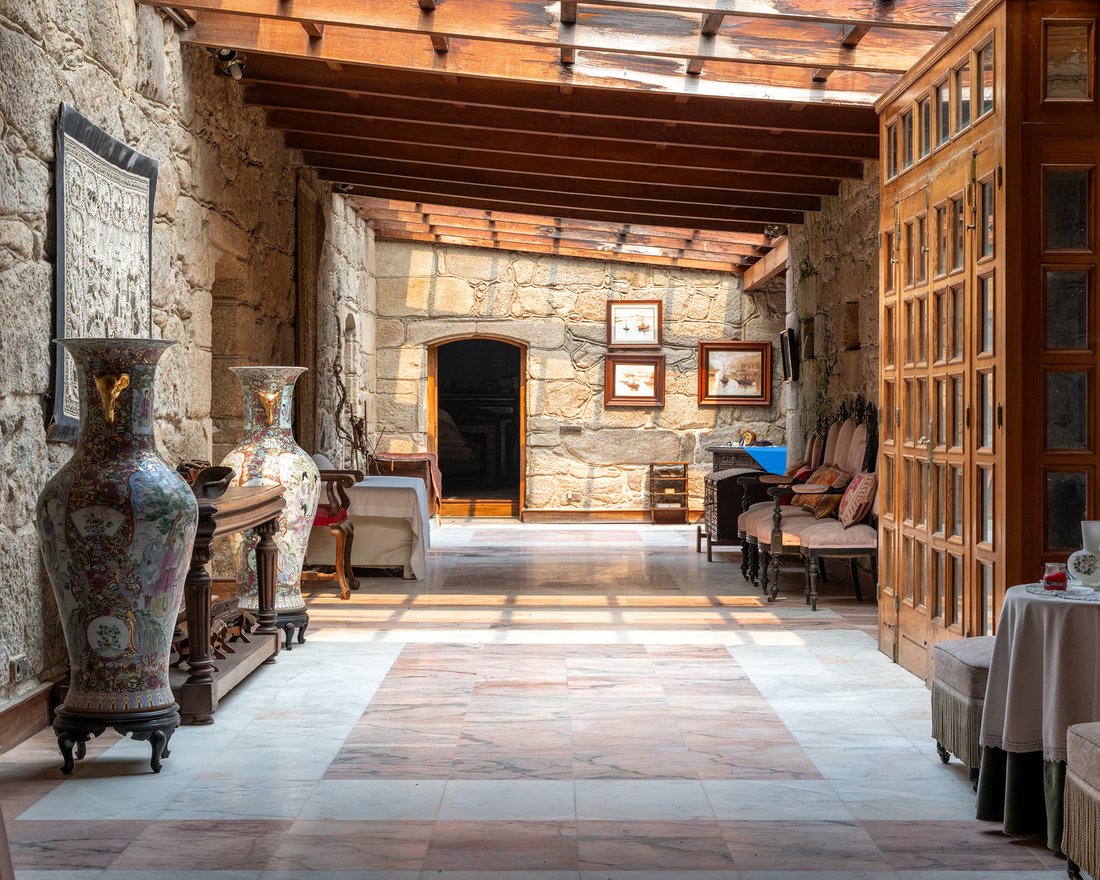
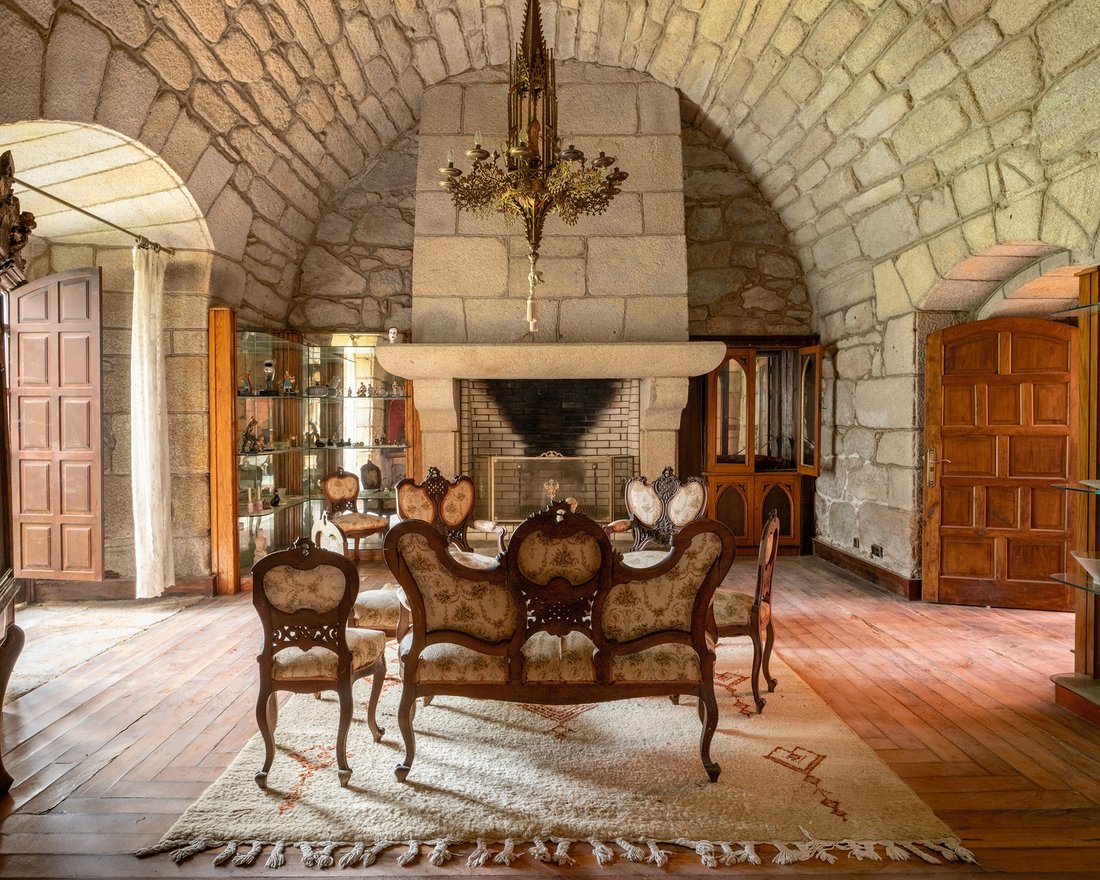
By the end of the 19th century, the castle ceased to be state property after a public auction. It had several owners, with Galician businessman Xosé Ramón Oreiro making significant renovations in 1985, turning it into a luxury residence.
Like the Cardenal Castle, it was equipped with 12 artillery pieces in various towers facing the sea. A large central building directed its wings towards the half-bastions of the ravelin, including quarters for the garrison, which housed 88 soldiers, warehouses, and a powder magazine. The finely carved stonework of the exterior and much of the interior constructions magnificently stand out both from the sea and from the land, where it had a moat and a bridge leading to the center of the fortress.
Currently classified as a Cultural Heritage Site since 1994, forming part of the Cultural Heritage of Galicia.
By the end of the 19th century, the castle ceased to be state property after a public auction. It had several owners, with Galician businessman Xosé Ramón Oreiro making significant renovations in 1985, turning it into a luxury residence.
Like the Cardenal Castle, it was equipped with 12 artillery pieces in various towers facing the sea. A large central building directed its wings towards the half-bastions of the ravelin, including quarters for the garrison, which housed 88 soldiers, warehouses, and a powder magazine. The finely carved stonework of the exterior and much of the interior constructions magnificently stand out both from the sea and from the land, where it had a moat and a bridge leading to the center of the fortress.
Currently classified as a Cultural Heritage Site since 1994, forming part of the Cultural Heritage of Galicia.
-
Tipo di proprietà
Altro
-
Anno di costruzione
1740
-
Prezzo/piede²
$257
Caratteristiche
- Giardino
- Piscina
- Terrazza
- Camino
- Vista sulle montagne
- Vista sull'acqua
- Planimetria 2D
- Isola della cucina
- Soffitto alto
Caratteristiche
Lot
Interni
- Soffitto alto
- Camino
- Aria condizionata
- Isola della cucina
- Controsoffitti in pietra
Outdoor
Esplora la zona
Iscritto da 2 anni
Hai chiesto informazioni su questa proprietà
L'agente La contatterà al più presto
Pubblicato da
10
Annunci
2025
Iscritto
Prenota una visita con Fernanda Viñas Cue
Scegli una data e indica se preferisci un tour virtuale o di persona con l’agente.
Data preferita
Tipo di tour

Spain Sotheby's International Realty
Calle Lagasca 28, 28001, Madrid, Madrid, Spain
Visualizza profilo agenzia
Offering high-end properties in the city, villas and equestrian farms on the
outskirts of the city. Madrid, the
outskirts of the city. Madrid, the
Offering high-end properties in the city, villas and equestrian farms on the
outskirts of the city. Madrid, the capital of Spain, is located in the centre of
the Iberian Peninsula. It is a very active city, with a lively nightlife and
scores of daytime allures. It is home to famous museums such as El Prado,
Thyssen-Bornemisza and Reina Sofia, great historic architecture, shopping
boulevards and excellent cuisine. It has a great diversity of districts that
merit visiting.
outskirts of the city. Madrid, the capital of Spain, is located in the centre of
the Iberian Peninsula. It is a very active city, with a lively nightlife and
scores of daytime allures. It is home to famous museums such as El Prado,
Thyssen-Bornemisza and Reina Sofia, great historic architecture, shopping
boulevards and excellent cuisine. It has a great diversity of districts that
merit visiting.
Ultimo aggiornamento
Settembre 18
Prima pubblicazione
Ottobre 14, 2024
Link annuncio
Riferimento annuncio
P85QPE
La fiducia dei migliori broker del mondo
Gli agenti dietro le proprietà più straordinarie del mondo pubblicano su JamesEdition.
- Annunci di Sotheby's, Christie's, BARNES ed Engel & Völkers
- Ogni annuncio è verificato prima della pubblicazione
- Si metta in contatto diretto con agenti verificati
Continuando, accetta i nostri Termini e la nostra Informativa sulla privacy.