Palazzo Borghese In Stile Francese, Con Vista Sulla Corte DI Giustizia Della Valacchia
- 45 Camere
- 14 Bagni
- 25,296 Sqft
- 24
Informazioni sulla proprietà
The French Street connects Piata Unirii with Calea Victoriei; it appears in documents since 1649 when it was known as Curții Street; over time the name varies - one part of it was ”Podul cel Mare din Curtea Veche” (1763), ”Podul Curtea Veche” (1804) and ”Uliţa Curții Vechi” (1854), the other - ”Uliţa cea Domnească” in 1690 or ”Işlicarilor & Boiangiilor Street” in 1804. Under Constantin Brân
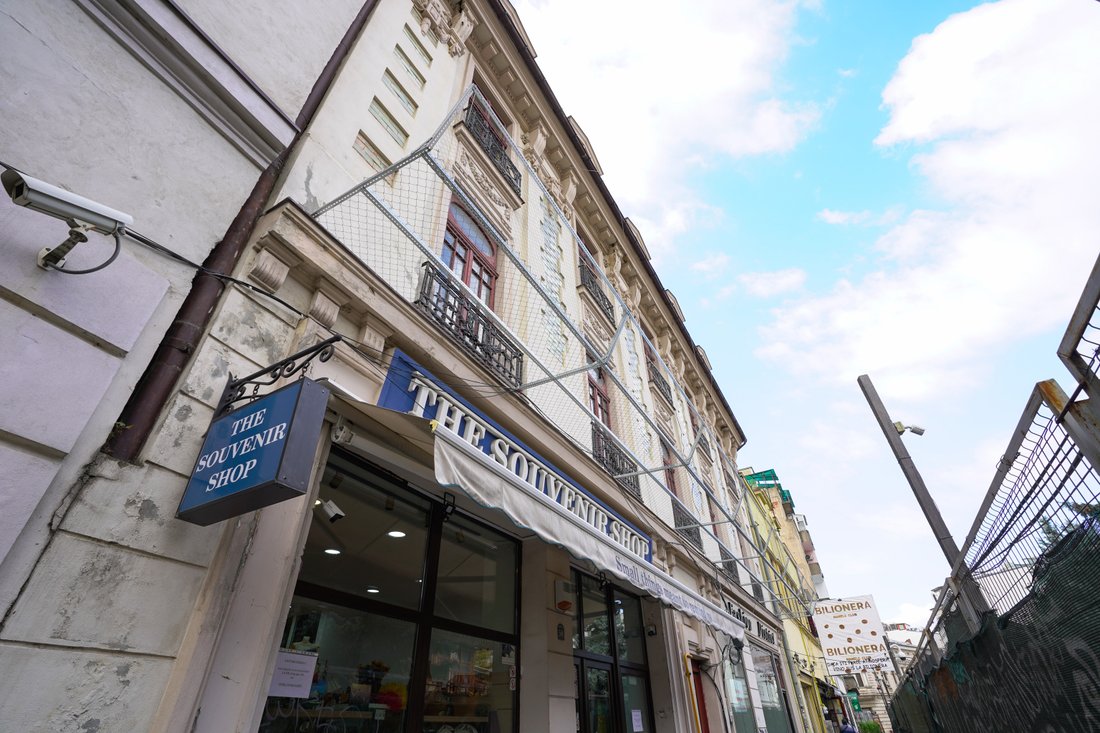
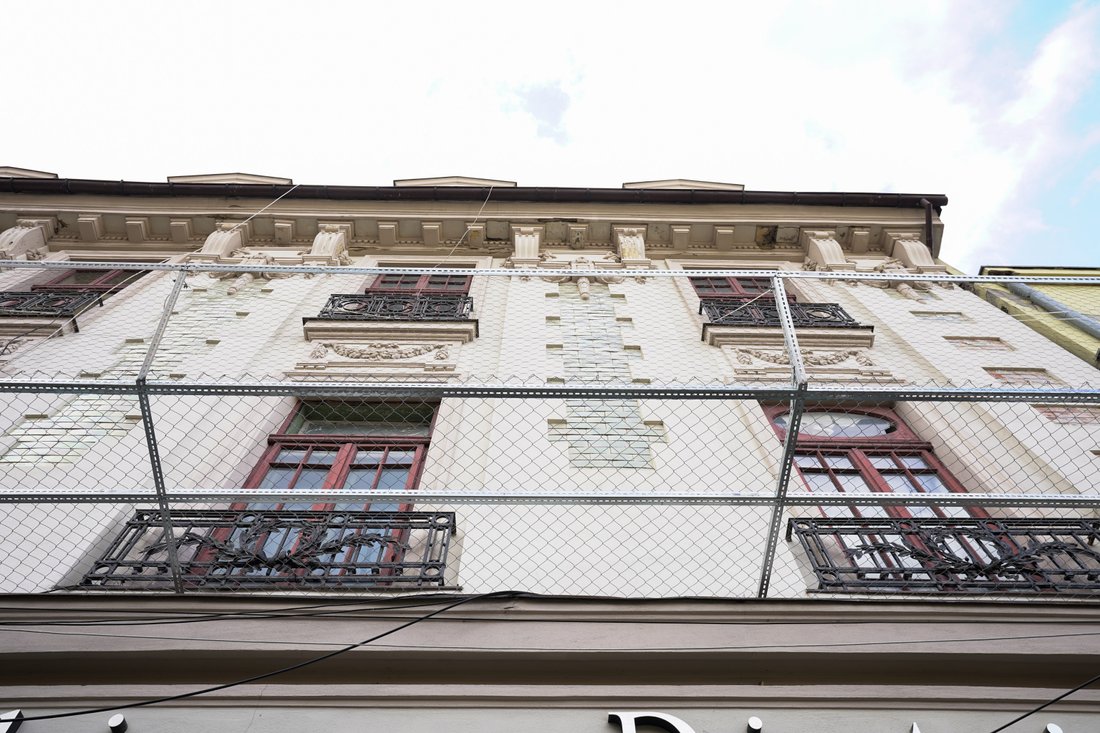
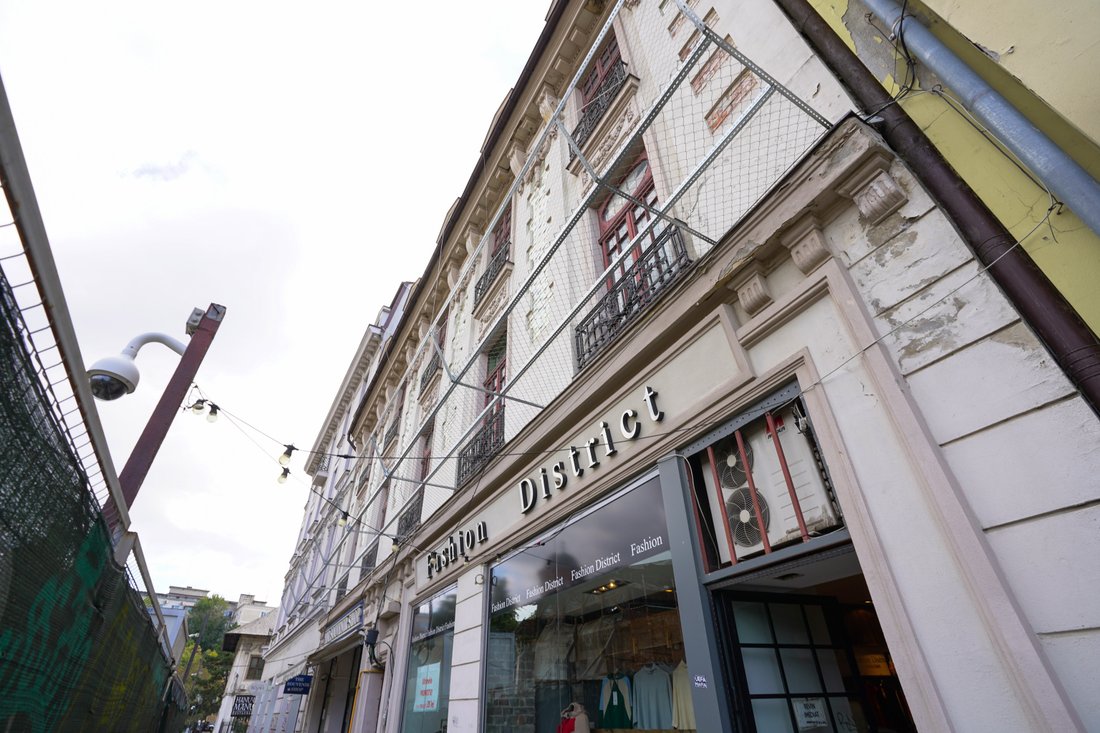
In questa strada storica, al n. 58, nel 1938, operavano Schrems Broderie, tessitore, e Karmann I — Carol, un dentista (sembra che Lev Tolstoi abbia vissuto al n. 12 nel 1854 quando accompagnava le truppe russe in Valacchia). Oggi, al n. 58, c’è un elegante edificio con alte lastre di vetro e balaustre in ferro battuto che scandiscono ritmicamente la facciata; dentelli, corte semicolonne e altri elementi vegetali e geometrici lo completano.
L’edificio dispone di due spazi commerciali al piano terra e 14 appartamenti ai piani superiori, con superfici comprese tra 38 e 113 mq. La soffitta (384 mq) e la cantina (211 mq) completano generosamente le superfici. L’accesso è consentito da quattro diverse scale che conducono al cortile interno. Attualmente è in affitto un solo appartamento, l’edificio necessita di lavori di riparazione e ristrutturazione.
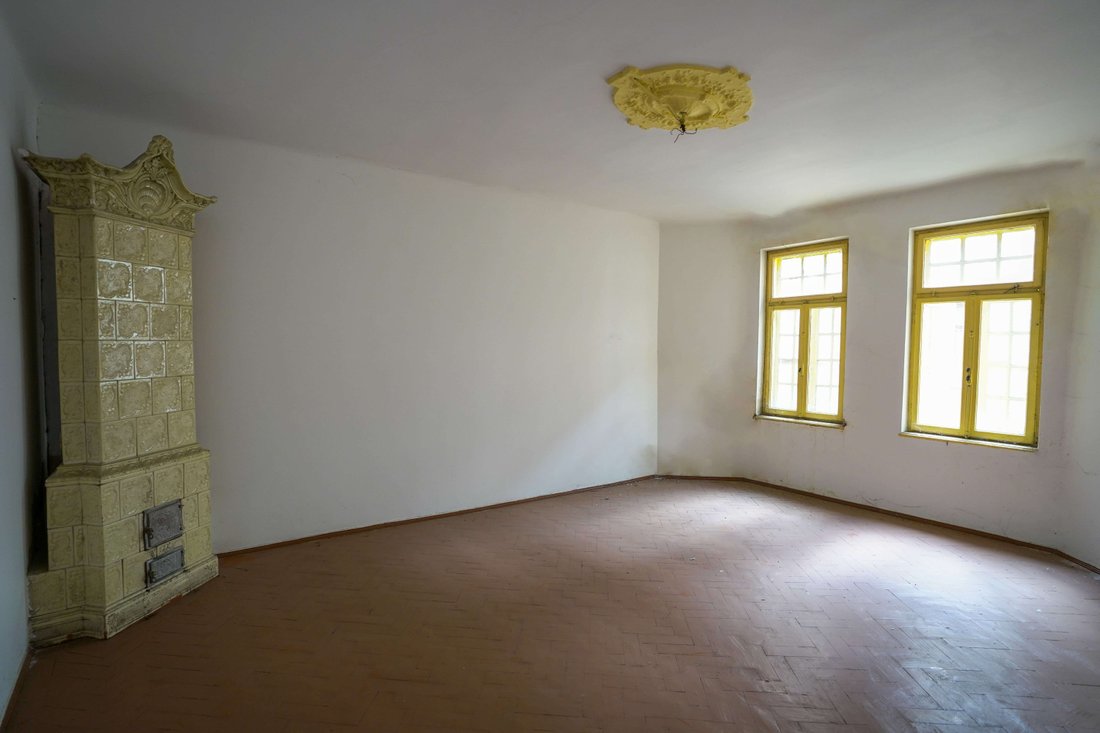
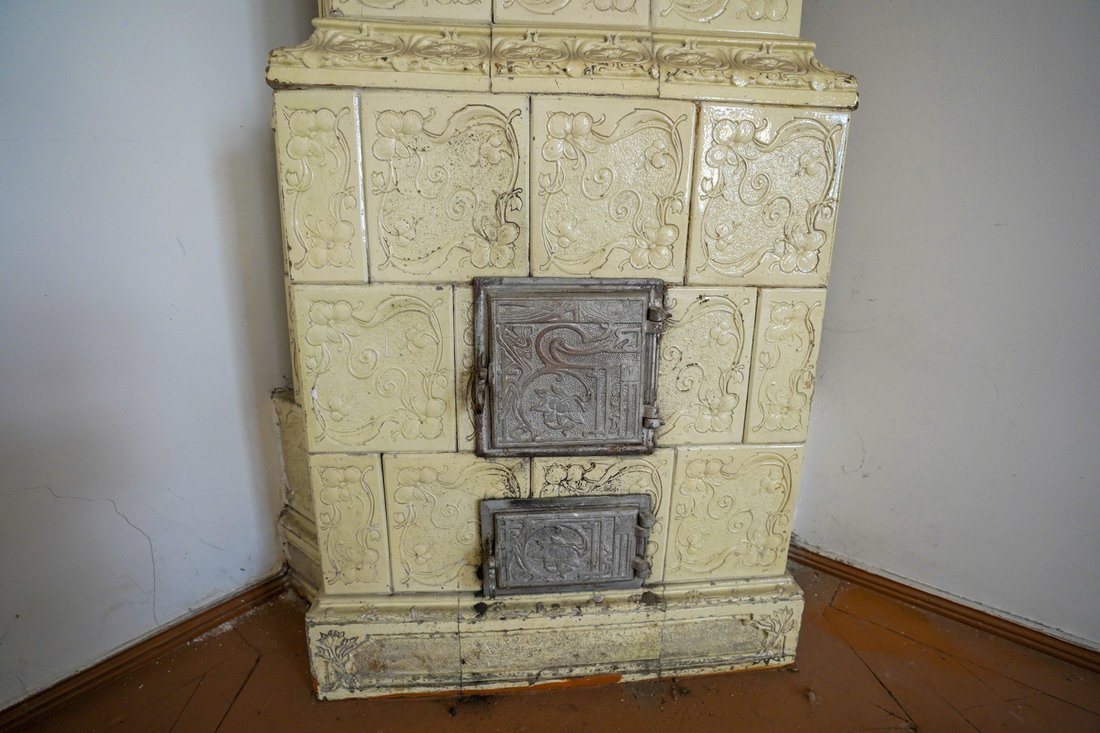
Le stufe angolari originali, i pannelli sui soffitti e le doppie porte con finestre in vetro sono le uniche che ancora oggi combattono lo sbiadimento, conservando ostinatamente lo spirito delle epoche passate. Tuttavia, il potenziale è enorme considerando il posizionamento a un minuto dal Manuc Inn; l’edificio può diventare un boutique/apart-hotel o appartamenti in affitto/rivendita, dopo il consolidamento.
Foto: Tudor Priseca.ru
The French Street connects Piata Unirii with Calea Victoriei; it appears in documents since 1649 when it was known as Curții Street; over time the name varies - one part of it was ”Podul cel Mare din Curtea Veche” (1763), ”Podul Curtea Veche” (1804) and ”Uliţa Curții Vechi” (1854), the other - ”Uliţa cea Domnească” in 1690 or ”Işlicarilor & Boiangiilor Street” in 1804. Under Constantin Brâncoveanu the street becomes as long as we know it today. The French name comes from the time when the French consul resided on it. The street was also called Carol until 1947 and then 30th December. After the 1989 revolution, it became Iuliu Maniu and since 2007, when a boulevard was named after the politician, it has become French Street again. It is one of the first lit and paved streets in the city, but also the one that entered history as the place where the great fire of 1847 started, when over 2000 buildings disappeared; the fire broke out thanks to the son of a stolnic (local clerk) who played by shooting his father’s gun into the thatched attic.
On this historic street, at no. 58, in 1938, Schrems Broderie, a weaver, and Karmann I – Carol, a dentist, were operating (it seems that Lev Tolstoi lived at no. 12 in 1854 when accompanying the Russian troops to Wallachia). Today, at no. 58, there is an elegant building with tall glass sheets and wrought iron balustrades that rhythmically punctuate the facade; denticles, short half-columns and other vegetal and geometric elements complete it.
The building has two commercial spaces on the ground floor and 14 apartments on the upper floors, with areas between 38-113 sqm. The attic (384 sqm) and the cellar (211 sqm) generously complement the surfaces. Access is allowed by four different stairs leading to the inner courtyard. Only one apartment is currently rented, the building being in need of repair and renovation works.
The original corner stoves, paneling on the ceilings and double doors with glass windows are the only ones still fighting the fading today, stubbornly preserving the spirit of past eras. However, the potential is huge considering the positioning one minute away from the Manuc Inn; the building can become a boutique/apart-hotel or apartments for rent/resale, after consolidation.
-
Tipo di proprietà
Altro
-
Anno di costruzione
1890
-
Prezzo/piede²
$86
Caratteristiche
- Seminterrato
Esplora la zona
L'agente La contatterà al più presto
Pubblicato da
Prenota una visita con the agent
Scegli una data e indica se preferisci un tour virtuale o di persona con l’agente.

Proprietà simili nelle vicinanze
Nuovi annunci a Bucarest

Esplora più immobili in vendita
tipi di proprietà Bucarest, Romania
Bucarest, Romania ricerche popolari
- Proprietà immobiliari Moderno a Bucarest, Romania
- Proprietà immobiliari con Garage a Bucarest, Romania
- Proprietà immobiliari Vista sull'acqua a Bucarest, Romania
- Proprietà immobiliari Nuove costruzioni a Bucarest, Romania
- Proprietà immobiliari con Centro Fitness / Palestra a Bucarest, Romania
- Proprietà immobiliari con Piscina a Bucarest, Romania
- Proprietà immobiliari Lungomare a Bucarest, Romania
- Proprietà immobiliari Lungolago a Bucarest, Romania
- Proprietà immobiliari Vista sul lago a Bucarest, Romania
- Proprietà immobiliari Duplex a Bucarest, Romania
- Proprietà immobiliari Residenza a Bucarest, Romania
- Proprietà immobiliari Equestre a Bucarest, Romania
- Proprietà immobiliari con Piscina coperta a Bucarest, Romania
Bucarest, Romania Quartieri
Guide e storie correlate
La fiducia dei migliori broker del mondo
Gli agenti dietro le proprietà più straordinarie del mondo pubblicano su JamesEdition.
- Annunci di Sotheby's, Christie's, BARNES ed Engel & Völkers
- Ogni annuncio è verificato prima della pubblicazione
- Si metta in contatto diretto con agenti verificati
Continuando, accetta i nostri Termini e la nostra Informativa sulla privacy.