$651,152
Prezzo diminuito di $123,494 il Nov 02, 2026
Dal XIV Secolo Ai Nostri Giorni
- 15 Camere
- 7 Bagni
- 6,997 Sqft
- 21,528 Sqft lot
- Aggiornato: Novembre 2
- 79
Informazioni sulla proprietà
La descrizione è stata tradotta automaticamente.
La descrizione viene visualizzata nella lingua originale.
È accattivante a prima vista. Ancora prima di arrivare, ti incanta con il suo viale alberato, un viale che ha visto una storia lunga 2.700 anni.
Sì, 2.700 anni. Sebbene Masseria Casignano sia stata costruita nel XIV secolo, le testimonianze storiche indicano che 1.500 anni prima in questo sito sorgeva già un’antica villa patrizia romana.
La tenuta visse per tutta l’epoca borbonic
Sì, 2.700 anni. Sebbene Masseria Casignano sia stata costruita nel XIV secolo, le testimonianze storiche indicano che 1.500 anni prima in questo sito sorgeva già un’antica villa patrizia romana.
La tenuta visse per tutta l’epoca borbonic
It is captivating at first sight. Even before you arrive, it enchants you with its tree-lined avenue—an avenue that has witnessed a history spanning 2,700 years.
Yes, 2,700 years. Although Masseria Casignano was built in the 14th century, historical evidence indicates that 1,500 years earlier an ancient Roman patrician villa already stood on this site.
The estate lived through th
Yes, 2,700 years. Although Masseria Casignano was built in the 14th century, historical evidence indicates that 1,500 years earlier an ancient Roman patrician villa already stood on this site.
The estate lived through th
È accattivante a prima vista. Ancora prima di arrivare, ti incanta con il suo viale alberato, un viale che ha visto una storia lunga 2.700 anni.
Sì, 2.700 anni. Sebbene Masseria Casignano sia stata costruita nel XIV secolo, le testimonianze storiche indicano che 1.500 anni prima in questo sito sorgeva già un’antica villa patrizia romana.
La tenuta visse per tutta l’epoca borbonica e prende il nome, Casignano, da Domenico Casignano, sindaco dal 1529 al 1530. Le ricerche storiche hanno inoltre portato alla luce un atto che ne attesta l’acquisto da parte della nobildonna Silvia Pons De Leon, vedova di Scipione Fornari. Questa transazione fu autenticata da Andrea Vavotico il 24 aprile 1637. Vavotico è ricordato anche per aver redatto l’atto che trasferiva la proprietà della famosa Colonna Romana di Brindisi, successivamente donata alla città di Lecce.
Un contributo decisivo alla nostra ricerca è venuto dall’illustre storico professor Giacomo Carito. Dopo una conversazione con lui, ci ha indirizzato verso uno dei suoi studi, fornendoci un prezioso punto di partenza e un percorso cruciale attraverso la documentazione storica. Il suo lavoro rivela anche l’affascinante storia della famiglia Monetta, la cui storia si intreccia con quella della madre di San Lorenzo da Brindisi, membro della famiglia Musella.
La famiglia Monetta si assunse la responsabilità del patrimonio già nel 1648 e, attraverso una serie di atti legali e donazioni, alla fine lo trasferì al clero. Dal 1660 in poi, la proprietà passò sotto l’amministrazione del Capitolo della Basilica.
Come documentato nello studio di Giacomo Carito La famiglia Monetta e la devozione a San Carlo nella prima metà del XVII secolo, la Masseria e i terreni circostanti, che coprono circa tre ettari, sostenevano un’intera comunità locale nei primi secoli. Più tardi, per grazia di Dio, divenne un luogo di rifugio, fede e valori condivisi per quella stessa comunità.
In seguito agli eventi del 1860, con l’annessione dei Savoia, descritta da alcuni come un’invasione e da altri come una liberazione, la zona subì numerose incursioni da parte di briganti. È meglio lasciare l’interpretazione politica di questi eventi agli storici e ci asteniamo dall’entrare in quel dibattito.
La Masseria è successivamente rinata sotto la proprietà del sindaco Serafino Giannelli, per poi passare alla Fondazione Giannelli. Dopo la seconda guerra mondiale, divenne proprietà del barone Pispico di Lecce, che pose il suo stemma nobiliare sull’arco in pietra a sinistra dell’ingresso, dove è ancora visibile oggi.
Oggi, gli attuali proprietari hanno deciso di mettere in vendita questa straordinaria tenuta. La comunità locale non vede l’ora di vedere questo monumento storico riportato in vita, una testimonianza senza tempo che ha segnato per secoli i capitoli più significativi della storia di questa terra.
It is captivating at first sight. Even before you arrive, it enchants you with its tree-lined avenue—an avenue that has witnessed a history spanning 2,700 years.
Yes, 2,700 years. Although Masseria Casignano was built in the 14th century, historical evidence indicates that 1,500 years earlier an ancient Roman patrician villa already stood on this site.
The estate lived through the entire Bourbon era and takes its name, Casignano, from Domenico Casignano, Mayor from 1529 to 1530. Historical research has also uncovered a deed recording its purchase by the noblewoman Silvia Pons De Leon, widow of Scipione Fornari. This transaction was notarized by Andrea Vavotico on 24 April 1637. Vavotico is also remembered for drafting the deed that transferred ownership of the famous Roman Column of Brindisi, later donated to the city of Lecce.
A decisive contribution to our research came from the distinguished historian Professor Giacomo Carito. Following a conversation with him, he directed us to one of his studies, providing an invaluable starting point and a crucial trail through the historical documentation. His work also reveals the fascinating story of the Monetta family, whose history intertwines with that of the mother of Saint Lawrence of Brindisi, a member of the Musella family.
The Monetta family took responsibility for the estate as early as 1648, and through a succession of legal acts and donations eventually transferred it to the clergy. From 1660 onward, the property came under the administration of the Chapter of the Basilica.
As documented in Giacomo Carito’s study The Monetta Family and the Devotion to Saint Charles in the First Half of the 17th Century, the Masseria and its surrounding lands—covering approximately three hectares—supported an entire local community during its early centuries. Later, by the grace of God, it became a place of refuge, faith, and shared values for that same community.
Following the events of 1860, with the Savoy annexation—described by some as an invasion and by others as a liberation—the area experienced numerous incursions by brigands. The political interpretation of these events is best left to historians, and we refrain from entering that debate.
The Masseria was subsequently reborn under the ownership of Mayor Serafino Giannelli, later passing to the Giannelli Foundation. After the Second World War, it became the property of Baron Pispico of Lecce, who placed his noble coat of arms on the stone arch to the left of the entrance, where it can still be seen today.
Today, the current owners have decided to offer this extraordinary estate for sale. The local community looks forward to seeing this historic landmark restored to life—a timeless witness that has marked the most significant chapters in the history of this land for centuries.
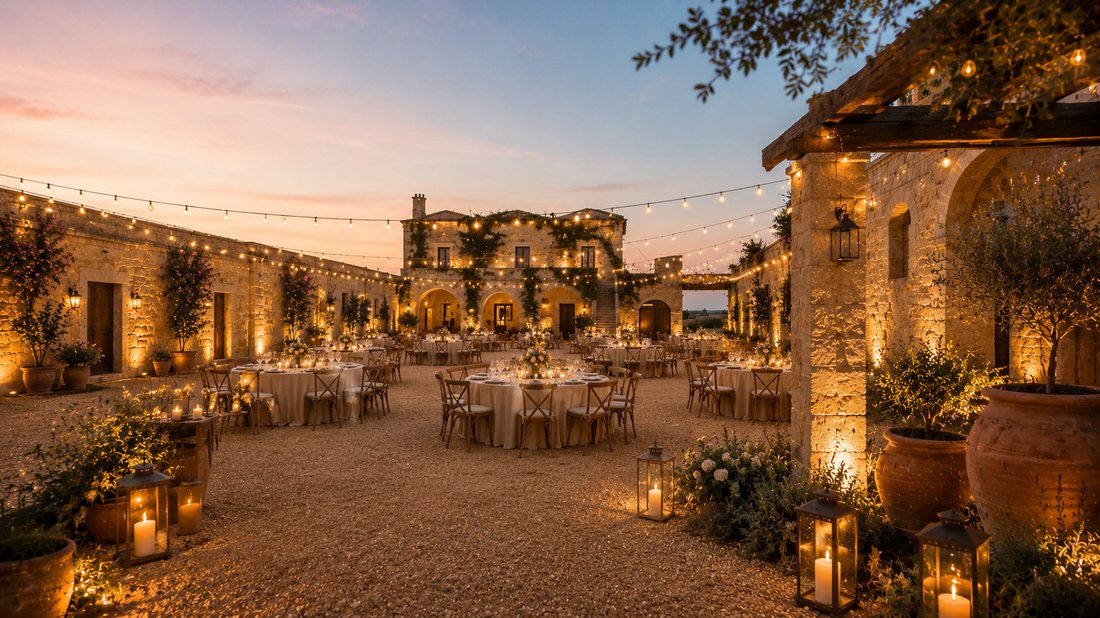
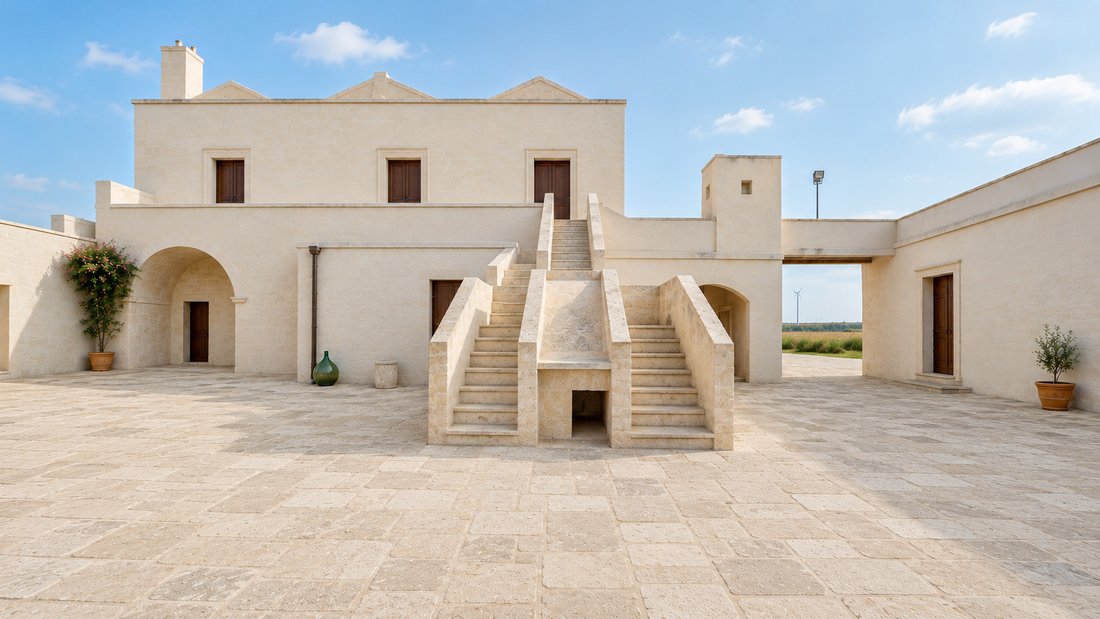
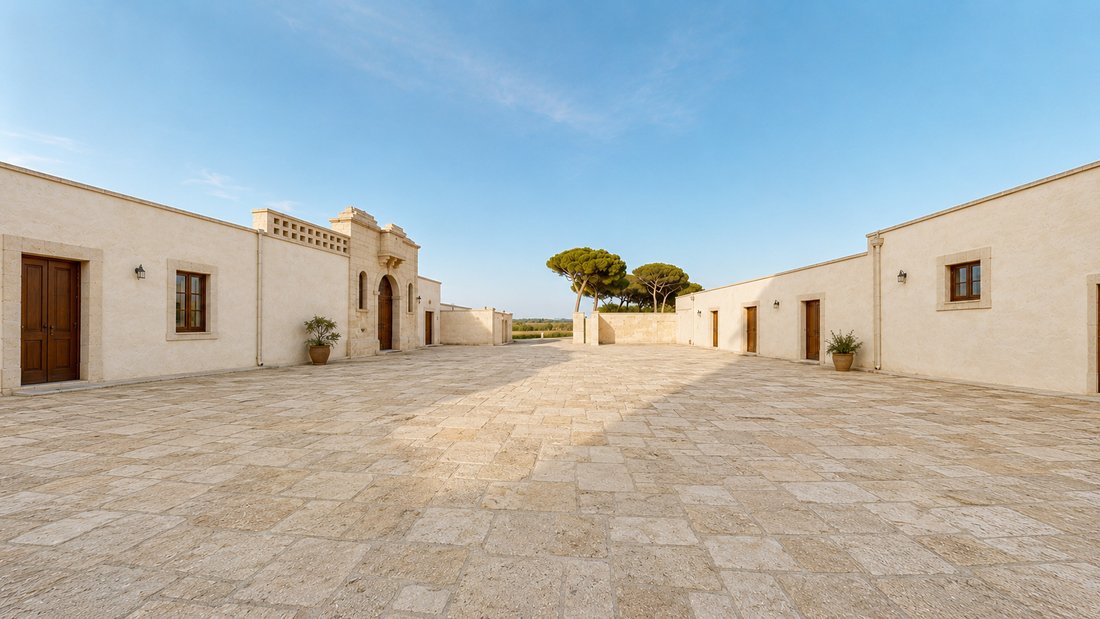
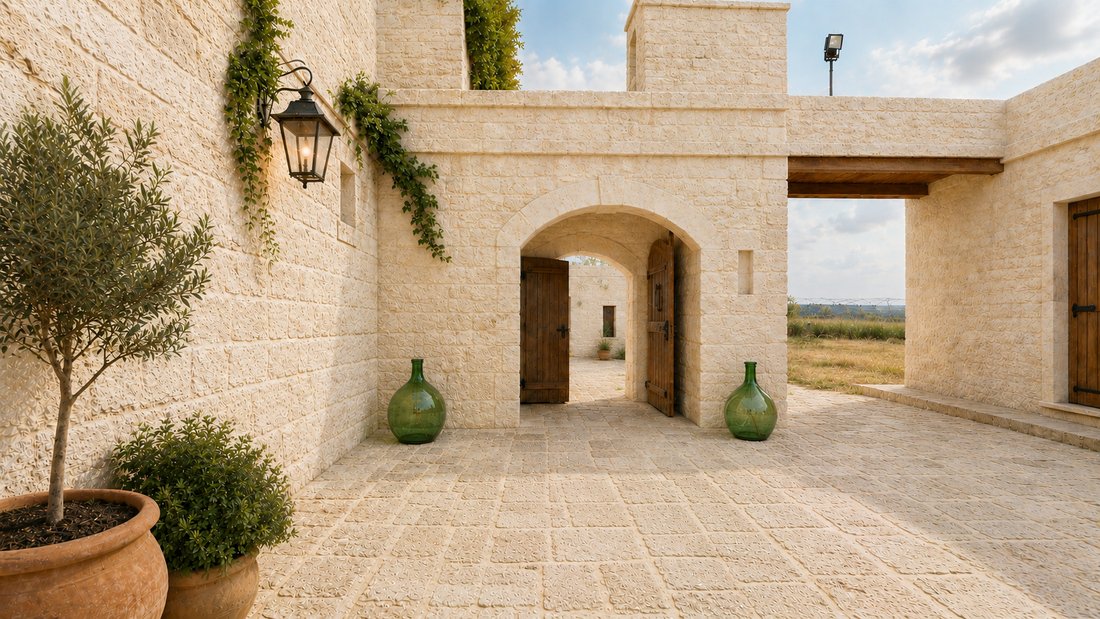
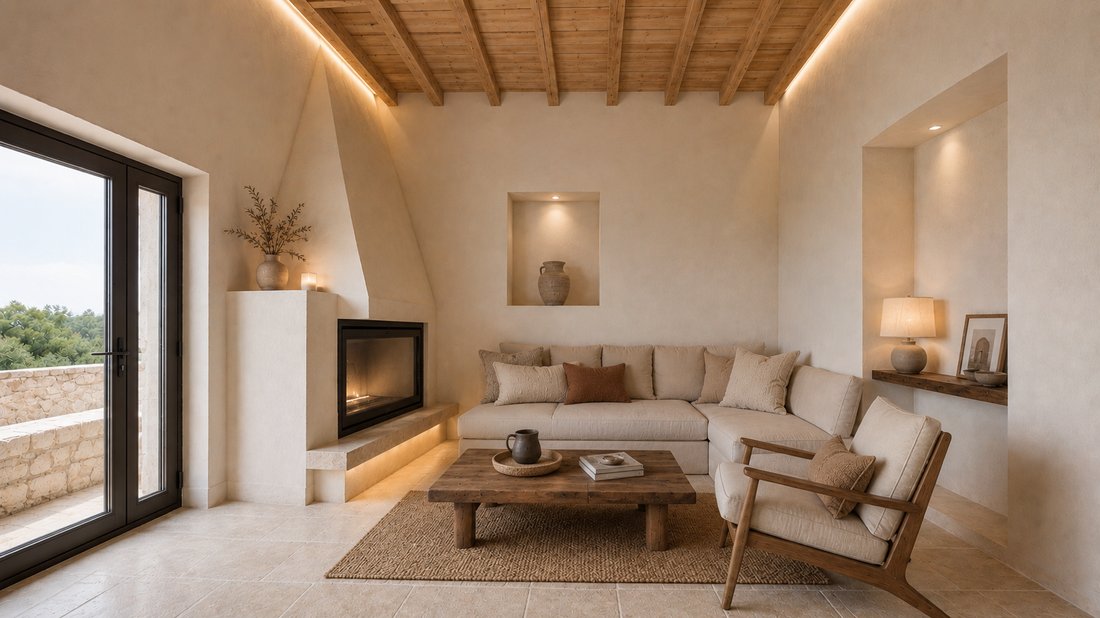
The images represent one potential renovation outcome.
-
Tipo di proprietà
Tenuta
-
Piani
2
-
Anno di costruzione
1300
-
Prezzo/piede²
$93
Caratteristiche
- Terrazza
- Camino
- Residenza
- Pergola
- Investimento immobiliare
- Planimetria 2D
- Vista panoramica / Scenica
- Cancello
- Ufficio
Caratteristiche
Lot
Interni
Outdoor
Esplora la zona
JV92+XM Brindisi, BR, Italy, Cappuccini, Puglia
Visualizza su Google Maps
Prezzo per sqft
Basso
Alto
Situata nel centro di Brindisi, questa proprietà offre comodo accesso all’aeroporto di Brindisi (11 min) e alla stazione principale (7 min). Godetevi il centro storico con musei e lungomare a pochi minuti. Nelle vicinanze ristoranti e negozi garantiscono comodità, mentre la costa adriatica offre bellezze naturali e svago.
Ottieni luoghi vicini
Attrazioni
Scuole
Aeroporto di Brindisi
Aeroporto
11 min
Stazione di Brindisi
Stazione
7 min
Porto di Brindisi
Porto / Marina
6 min
Castello Svevo di Brindisi
Cultura & Patrimonio
5 min
Museo Archeologico Provinciale Francesco Ribezzo
Cultura & Patrimonio
6 min
Spiaggia Lama Monachile
Natura & Outdoor
19 min
Scuola Internazionale di Brindisi
Scuola Internazionale
8 min
Liceo Scientifico E. Fermi
Scuola Pubblica
6 min

Iscritto da 3 mesi
Hai chiesto informazioni su questa proprietà
L'agente La contatterà al più presto
Pubblicato da
2
Annunci
2026
Iscritto
Prenota una visita con Federico Di Presa
Scegli una data e indica se preferisci un tour virtuale o di persona con l’agente.
Data preferita
Tipo di tour

Our Tecnocasa Alto Salento Immobiliare agency was established thanks to the dedication, commitment, and perseveranc
Our Tecnocasa Alto Salento Immobiliare agency was established thanks to the dedication, commitment, and perseverance of a team of young entrepreneurs.
Today, the agency is supported by a strong network of experienced real estate professionals operating throughout the areas of Brindisi, Mesagne, Ostuni, and Locorotondo. In addition, we benefit from the extensive Tecnocasa network across Italy, enabling a valuable exchange of property inquiries, market insights, and real estate opportunities nationwide.
Today, the agency is supported by a strong network of experienced real estate professionals operating throughout the areas of Brindisi, Mesagne, Ostuni, and Locorotondo. In addition, we benefit from the extensive Tecnocasa network across Italy, enabling a valuable exchange of property inquiries, market insights, and real estate opportunities nationwide.
Ultimo aggiornamento
Novembre 2
Prima pubblicazione
Luglio 28
La fiducia dei migliori broker del mondo
Gli agenti dietro le proprietà più straordinarie del mondo pubblicano su JamesEdition.
- Annunci di Sotheby's, Christie's, BARNES ed Engel & Völkers
- Ogni annuncio è verificato prima della pubblicazione
- Si metta in contatto diretto con agenti verificati
Continuando, accetta i nostri Termini e la nostra Informativa sulla privacy.