$2,091,580
Prezzo diminuito di $115,132 il Sep 05, 2026
Fattoria Storica A Barra Do Piraí
- 9 Camere
- 512 Sqft
- 10
Informazioni sulla proprietà
La descrizione è stata tradotta automaticamente.
La descrizione viene visualizzata nella lingua originale.
Questa magnifica struttura si trova a Barra do Piraí, vicino all’autostrada BR-393, a circa 30 minuti dal centro di Barra do Piraí e a metà strada da Volta Redonda. L’accesso alla fattoria avviene tramite una strada sterrata, che consente di ammirare gran parte della proprietà, che è prevalentemente pianeggiante e circondata sul retro da dolci colline. Le prime notizie sulla proprietà risalgono al
This magnificent property is located in Barra do Piraí, near the BR-393 highway, approximately 30 minutes from downtown Barra do Piraí and halfway to Volta Redonda. Access to the farm is via a dirt road, allowing views of much of the property, which is predominantly flat and surrounded at the rear by rolling hills. The earliest references to the property date back to the early 19th century, with i
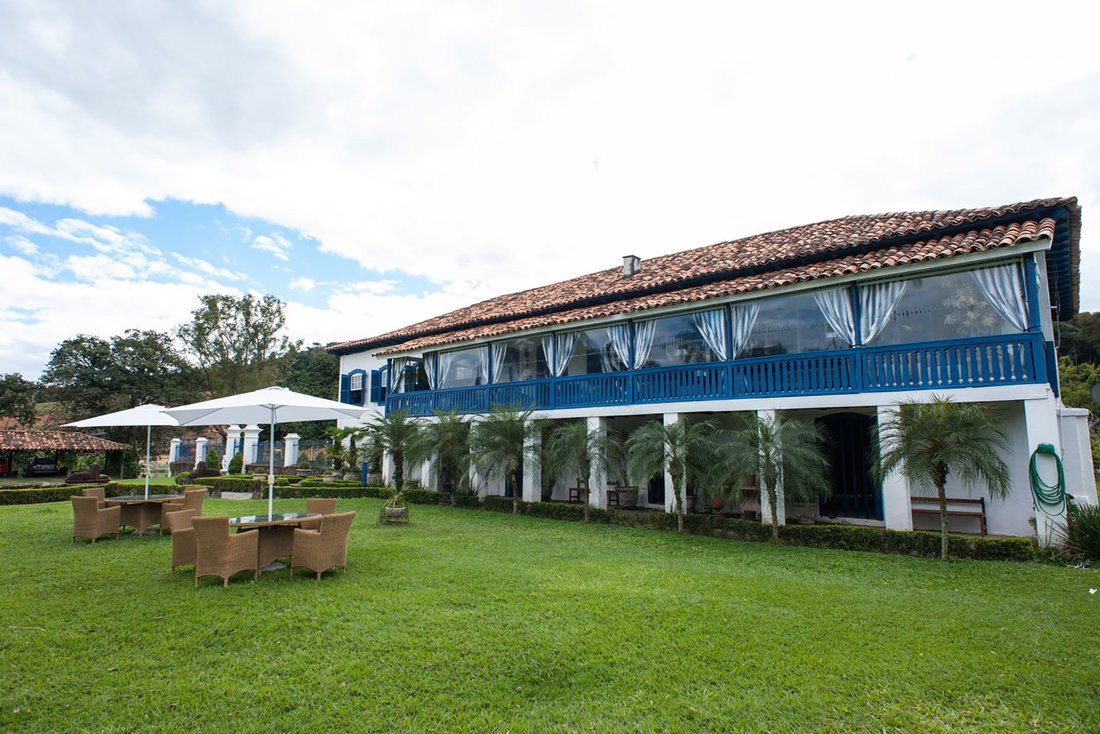
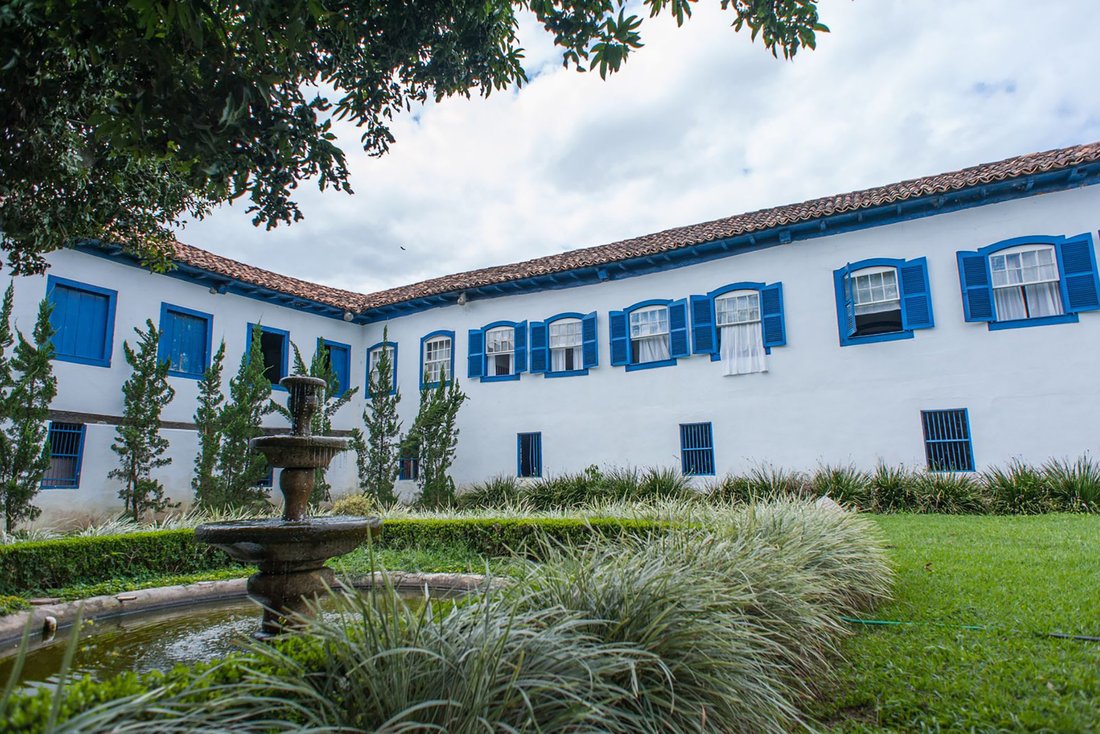
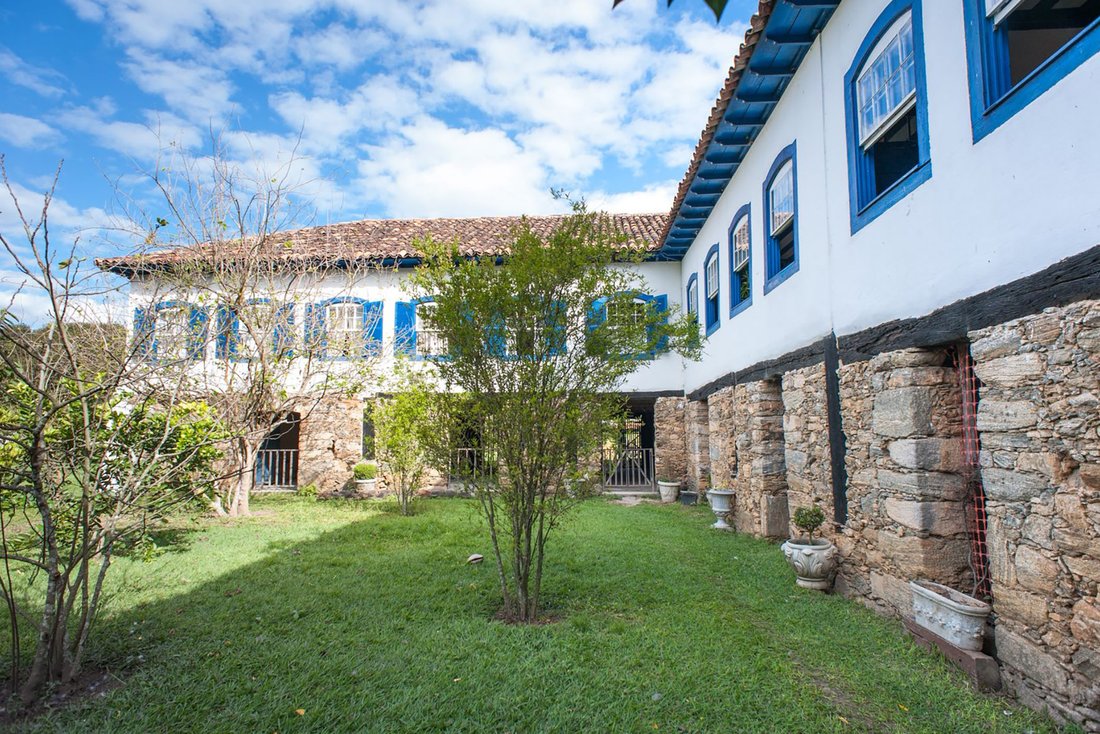
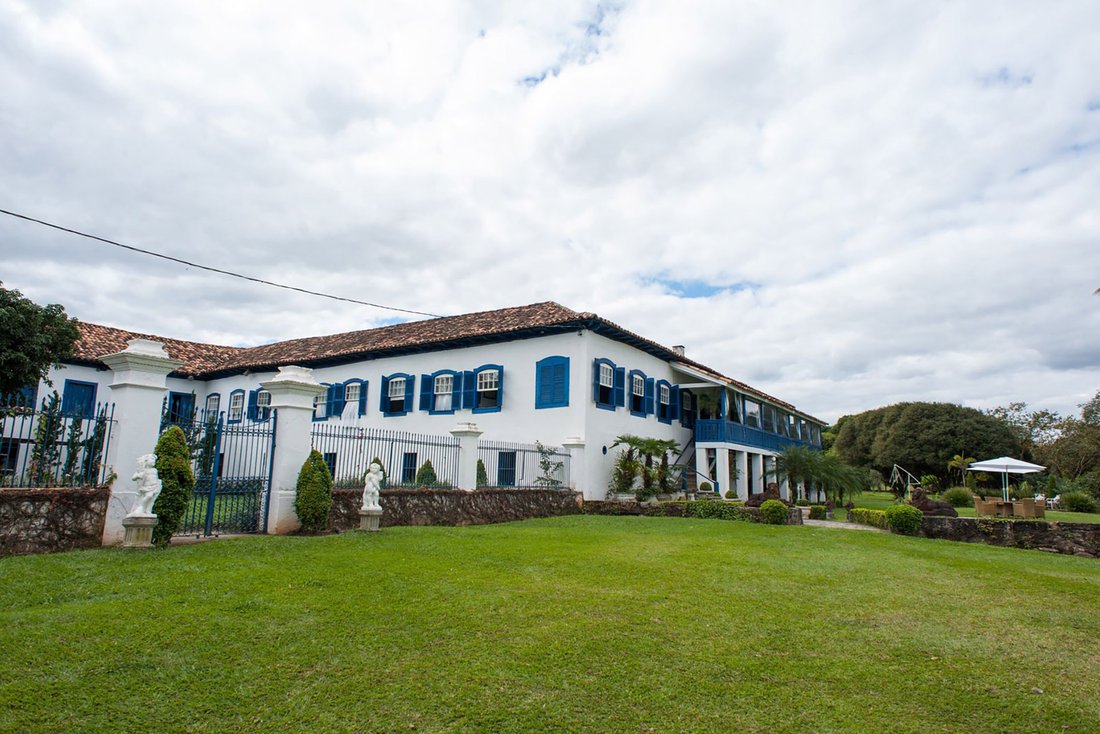
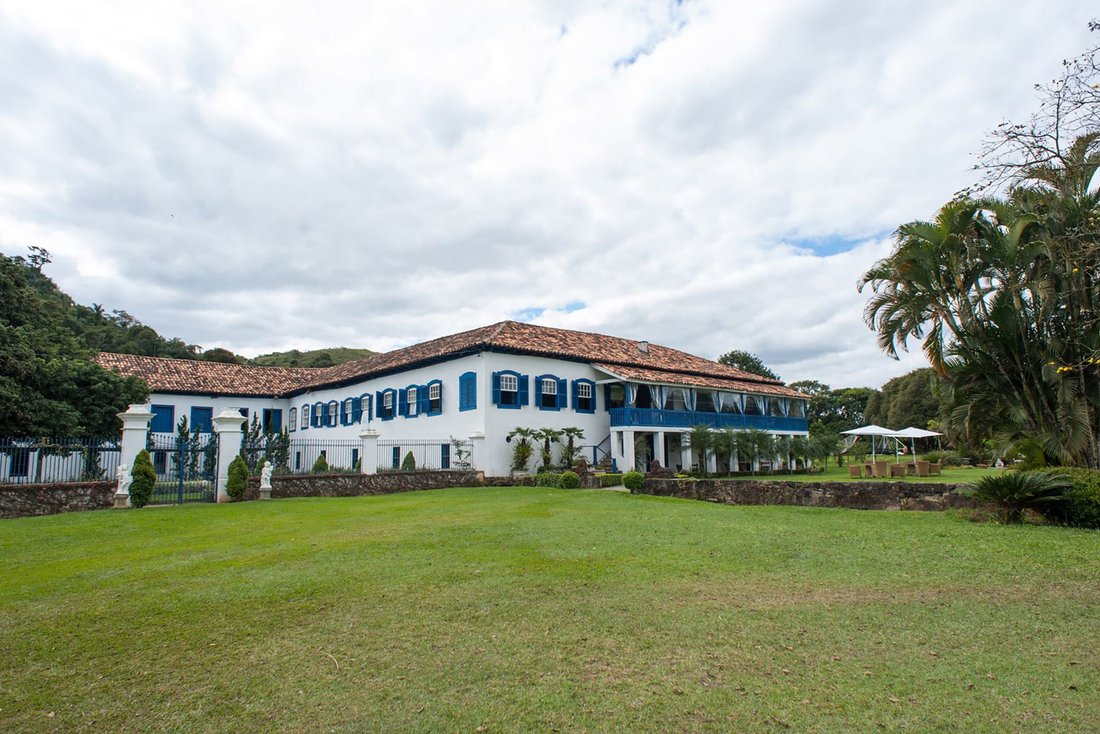
Questa magnifica struttura si trova a Barra do Piraí, vicino all’autostrada BR-393, a circa 30 minuti dal centro di Barra do Piraí e a metà strada da Volta Redonda. L’accesso alla fattoria avviene tramite una strada sterrata, che consente di ammirare gran parte della proprietà, che è prevalentemente pianeggiante e circondata sul retro da dolci colline. Le prime notizie sulla proprietà risalgono all’inizio del XIX secolo, con la sua fondazione come piantagione di caffè attribuita al Barão de Guapy, Joaquim José de Oliveira Ferraz, il suo più illustre proprietario, che la acquistò da D. Izabel Jacyntha de Souza nel 1851. Al Barão si attribuisce il merito di aver sviluppato la coltivazione del caffè nella fattoria e di averla portata alla prosperità durante il boom del caffè. La proprietà era il suo rifugio preferito per i fine settimana, poiché viveva a Barra Mansa, dove era consigliere comunale, presidente della camera municipale, giudice di pace e comandante superiore della Guardia nazionale per i comuni di Barra Mansa e Rio Claro. Nel 1859, il viaggiatore portoghese Augusto Emilio Zaluar visitò la fattoria e la descrisse come «una proprietà rurale circondata da un orizzonte di montagne delicatamente delineate... più di una semplice casa di campagna, una piccola città in sé, con grandi dipendenze, un ospedale, un oratorio e una farmacia. Campi di mais, fagioli, risaie e vaste piantagioni di caffè si estendevano sulle colline, tutte intersecate da ampi sentieri accessibili ai carri». La casa principale è situata su un’area pianeggiante e offre una vista panoramica dell’intero complesso costruito e dell’ambiente naturale circostante. I visitatori entrano attraverso un cancello e un viale fiancheggiato da palme che costeggia quello che un tempo era uno dei essiccatoi del caffè. La casa principale dispone di una grande terrazza, ingresso, soggiorno con camino, una cappella originale con un altare portoghese e immagini sacre, una sala TV, una sala lettura, una sala da pranzo formale, una sala da pranzo informale, tre bagni completi, un bagno per gli ospiti, nove camere da letto (una con cabina armadio), una grande sala multiuso (ideale per una sala giochi), due cucine, una moderna e una tradizionale con legno di ferro francese stufa a legna: una zona lavanderia aggiornata e un appartamento indipendente per il gestore della fattoria. Inoltre, ci sono quattro camere aggiuntive ancora da rinnovare, che offrono flessibilità per un uso futuro. Sotto la casa principale, gli ex alloggi per gli schiavi sono stati riutilizzati come spazio sociale, tra cui una sala da pranzo e spogliatoi per il personale. Ampie carreggiate attraversano i vasti campi agricoli e il bestiame e i terreni della proprietà sono in condizioni eccellenti, lasciando ricordi indelebili a tutti coloro che la visitano.
This magnificent property is located in Barra do Piraí, near the BR-393 highway, approximately 30 minutes from downtown Barra do Piraí and halfway to Volta Redonda. Access to the farm is via a dirt road, allowing views of much of the property, which is predominantly flat and surrounded at the rear by rolling hills. The earliest references to the property date back to the early 19th century, with its establishment as a coffee plantation attributed to the Barão de Guapy, Joaquim José de Oliveira Ferraz, its most illustrious owner, who acquired it from D. Izabel Jacyntha de Souza in 1851. The Barão is credited with developing coffee cultivation on the farm and leading it to prosperity during the coffee boom. The property was his favorite retreat for weekends, as he lived in Barra Mansa, where he served as city councilor, president of the municipal chamber, justice of the peace, and superior commander of the National Guard for the municipalities of Barra Mansa and Rio Claro. In 1859, Portuguese traveler Augusto Emilio Zaluar visited the farm and described it as “a rural property surrounded by a horizon of gently outlined mountains... more than a simple country house, a small city in itself, with grand dependencies, a hospital, an oratory, and a pharmacy. Fields of maize, beans, rice paddies, and vast coffee plantations stretched across the hills, all intersected by wide, wagon-friendly paths.” The main house is situated on a flat area, offering a panoramic view of the entire built ensemble and natural surroundings. Visitors enter through a gate and an avenue lined with palm trees that runs alongside what was once one of the coffee drying yards. The main house features a large terrace, entrance hall, living room with a fireplace, an original chapel with a Portuguese altar and sacred images, a TV room, a reading room, a formal dining room, an informal dining room, three full bathrooms, a guest bathroom, nine bedrooms (one with a walk-in closet), a large multi-use hall (ideal for a game room), two kitchens—one modern and one traditional with a French iron wood-burning stove—an updated laundry area, and an independent apartment for the farm manager. Additionally, there are four extra rooms yet to be renovated, offering flexibility for future use. Beneath the main house, the former slave quarters have been repurposed as a social space, including a dining hall and dressing rooms for the staff. Wide carriageways crisscross the vast agricultural fields, and the property’s livestock and grounds are in excellent condition, leaving lasting memories for all who visit.
-
Tipo di proprietà
Finca
-
Anno di costruzione
1800
-
Prezzo/piede²
$4,089
Caratteristiche
Esplora la zona
Estrada Ruy Pio David Gomes Área Rural de Barra do Piraí, Barra do Piraí, RJ 27160-000, Rio de Janeiro, Brasile
Visualizza su Google Maps
Prezzo per sqft
Basso
Alto
Iscritto da 6 anni
Hai chiesto informazioni su questa proprietà
L'agente La contatterà al più presto
Pubblicato da
727
Annunci
2020
Iscritto
Prenota una visita con Mauro Maidantchik
Scegli una data e indica se preferisci un tour virtuale o di persona con l’agente.
Data preferita
Tipo di tour

Bossa Nova Sotheby's International Realty
Rua Visconde de Pirajá, 572, 4º andar Ipanema, Rio de Janeiro, Rio de Janeiro, Brazil
Visualizza profilo agenzia
Bossa Nova Sotheby’s International Realty, established in Brazil since 2015, with a strong presence in São Paulo an
Bossa Nova Sotheby’s International Realty, established in Brazil since 2015, with a strong presence in São Paulo and Rio de Janeiro, rigorously upholds the rich tradition and high standards of curation and service that define our brand. By blending centuries of heritage with a continuous pursuit of innovation in the luxury real estate market, we deliver transformative experiences to our clients, exceeding their expectations at every step of the process.
Ultimo aggiornamento
Settembre 5
Prima pubblicazione
Maggio 22, 2025
Link annuncio
Riferimento annuncio
BHSC9W
Proprietà simili nelle vicinanze
Nuovi annunci a Rio de Janeiro
Esplora più immobili in vendita
tipi di proprietà Rio de Janeiro, Brasile
- Appartamenti in vendita in Rio de Janeiro, Brasile
- Case in vendita in Rio de Janeiro, Brasile
- Attici in vendita in Rio de Janeiro, Brasile
- Ville in vendita in Rio de Janeiro, Brasile
- Tenute agricole in vendita in Rio de Janeiro, Brasile
- Terreno in vendita in Rio de Janeiro, Brasile
- Isole Private in vendita in Rio de Janeiro, Brasile
- Condomini in vendita in Rio de Janeiro, Brasile
- Fincas in vendita in Rio de Janeiro, Brasile
- Case di campagna in vendita in Rio de Janeiro, Brasile
- Case in vendita in Rio de Janeiro, Brasile
Rio de Janeiro, Brasile ricerche popolari
- Proprietà immobiliari con Garage a Rio de Janeiro, Brasile
- Proprietà immobiliari con Balcone a Rio de Janeiro, Brasile
- Proprietà immobiliari con Piscina a Rio de Janeiro, Brasile
- Proprietà immobiliari con Terrazza a Rio de Janeiro, Brasile
- Proprietà immobiliari Vista sulle montagne a Rio de Janeiro, Brasile
- Proprietà immobiliari con Giardino a Rio de Janeiro, Brasile
- Proprietà immobiliari Vista panoramica / Scenica a Rio de Janeiro, Brasile
- Proprietà immobiliari Vista mare a Rio de Janeiro, Brasile
- Proprietà immobiliari Duplex a Rio de Janeiro, Brasile
- Proprietà immobiliari Moderno a Rio de Janeiro, Brasile
- Proprietà immobiliari Fronte mare a Rio de Janeiro, Brasile
- Proprietà immobiliari Vista Città a Rio de Janeiro, Brasile
- Proprietà immobiliari Comunità recintata a Rio de Janeiro, Brasile
- Proprietà immobiliari Lungomare a Rio de Janeiro, Brasile
- Proprietà immobiliari con Piscina coperta a Rio de Janeiro, Brasile
- Proprietà immobiliari Nuove costruzioni a Rio de Janeiro, Brasile
- Proprietà immobiliari Investimento immobiliare a Rio de Janeiro, Brasile
- Proprietà immobiliari con Libreria a Rio de Janeiro, Brasile
- Proprietà immobiliari Collina a Rio de Janeiro, Brasile
- Proprietà immobiliari Residenza a Rio de Janeiro, Brasile
- Proprietà immobiliari con Spiaggia Privata a Rio de Janeiro, Brasile
- Proprietà immobiliari Equestre a Rio de Janeiro, Brasile
- Proprietà immobiliari con Aeroporto Privato a Rio de Janeiro, Brasile
Rio de Janeiro, Brasile Quartieri
- Case in vendita in Ipanema, Brasile
- Case in vendita in Copacabana, Brasile
- Case in vendita in Centro, Brasile
- Case in vendita in Leblon, Brasile
- Case in vendita in Lagoa, Brasile
- Case in vendita in Barra da Tijuca, Brasile
- Case in vendita in Petrópolis, Brasile
- Case in vendita in Gávea, Brasile
- Case in vendita in Porto Frade, Brasile
- Case in vendita in Joá, Brasile
- Case in vendita in Cantagalo, Brasile
- Case in vendita in São Conrado, Brasile
- Case in vendita in Urca, Brasile
- Case in vendita in Flamengo, Brasile
- Case in vendita in Laranjeiras, Brasile
- Case in vendita in Manga Larga, Brasile
- Case in vendita in Jardim Botânico, Brasile
- Case in vendita in Itanema, Brasile
- Case in vendita in Santa Teresa, Brasile
- Case in vendita in Leme, Brasile
- Case in vendita in Piraquara, Brasile
- Case in vendita in Botafogo, Brasile
- Case in vendita in Bracuí, Brasile
- Case in vendita in Humaitá, Brasile
- Case in vendita in Cosme Velho, Brasile
- Case in vendita in Itanhangá, Brasile
- Case in vendita in Vidigal, Brasile
- Case in vendita in Vila Velha, Brasile
- Case in vendita in Araras, Brasile
- Case in vendita in Marinas, Brasile
- Case in vendita in Pedro do Rio, Brasile
- Case in vendita in Ponta de Manguinhos, Brasile
- Case in vendita in Pontal, Brasile
- Case in vendita in Praia Brava, Brasile
- Case in vendita in Village da Ferradura, Brasile
- Case in vendita in Glória, Brasile
- Case in vendita in Itaipava, Brasile
- Case in vendita in Ponta da Cruz, Brasile
- Case in vendita in Abraãozinho, Brasile
- Case in vendita in Albuquerque, Brasile
- Case in vendita in Alto, Brasile
- Case in vendita in Alto da Boa Vista, Brasile
- Case in vendita in Barra Olímpica, Brasile
- Case in vendita in Barro Vermelho, Brasile
- Case in vendita in Boa Viagem, Brasile
- Case in vendita in Catete, Brasile
- Case in vendita in Conceição de Jacareí, Brasile
- Case in vendita in Corrêas, Brasile
- Case in vendita in Encruzo da Enseada, Brasile
- Case in vendita in Fazenda Boa Fe, Brasile
- Case in vendita in Figueira, Brasile
- Case in vendita in Fischer, Brasile
- Case in vendita in Frade (Cunhambebe), Brasile
- Case in vendita in Guadalupe, Brasile
- Case in vendita in Ilha da Gipóia, Brasile
- Case in vendita in Ilha Do Jorge, Brasile
- Case in vendita in Mombaça, Brasile
- Case in vendita in Monsuaba, Brasile
- Case in vendita in Paquetá, Brasile
- Case in vendita in Penha, Brasile
- Case in vendita in Piratininga, Brasile
- Case in vendita in Ponta da Ribeira, Brasile
- Case in vendita in Ponta do Sapê, Brasile
- Case in vendita in Ponta Leste, Brasile
- Case in vendita in Portogalo, Brasile
- Case in vendita in Posse, Brasile
- Case in vendita in Praia da Ribeira, Brasile
- Case in vendita in Praia de Itaipuaçu, Brasile
- Case in vendita in Quebra Frascos, Brasile
- Case in vendita in Realengo, Brasile
- Case in vendita in Recreio dos Bandeirantes, Brasile
- Case in vendita in Retiro, Brasile
- Case in vendita in Saco do Céu, Brasile
- Case in vendita in Santa Irene, Brasile
- Case in vendita in Soberbo, Brasile
- Case in vendita in Tanguá, Brasile
- Case in vendita in Vargem Grande, Brasile
- Case in vendita in Vila Luiza, Brasile
- Case in vendita in Vila Norma, Brasile
- Case in vendita in Boa Vista II, Brasile
- Case in vendita in Camorim Pequeno, Brasile
- Case in vendita in Cascata do Imbuí, Brasile
- Case in vendita in Catarcione, Brasile
- Case in vendita in Estrada da Sauda, Brasile
- Case in vendita in Frade, Brasile
- Case in vendita in Itacuruca, Brasile
- Case in vendita in Jardim Pero, Brasile
- Case in vendita in Parque Anchieta, Brasile
- Case in vendita in Penha Circular, Brasile
- Case in vendita in Rocinha, Brasile
Guide e storie correlate
La fiducia dei migliori broker del mondo
Gli agenti dietro le proprietà più straordinarie del mondo pubblicano su JamesEdition.
- Annunci di Sotheby's, Christie's, BARNES ed Engel & Völkers
- Ogni annuncio è verificato prima della pubblicazione
- Si metta in contatto diretto con agenti verificati
Continuando, accetta i nostri Termini e la nostra Informativa sulla privacy.