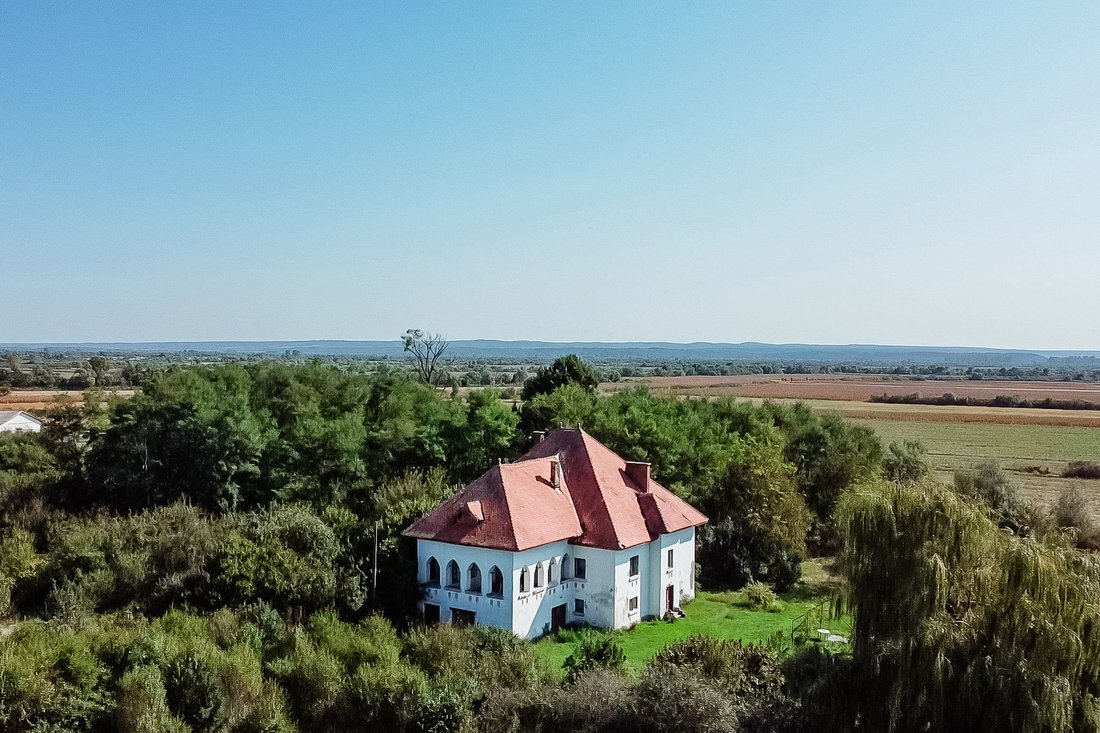
Cula Voiculescu, Rara Casa Fortificata del XVIII Secolo
- 7 Camere
- 2 Bagni
- 7.556 ft²
- 25,77 ac di terreno
- 16
Informazioni sulla proprietà
Surrounded by abundant vegetation, the tower lifts its tiled roof to survey the distance. Times are quiet now, but at the end of the 18th century when it was built, Pazvantoglu, the pasa from Vidin known to the residents as Pazvante Chioru, used to raid the area. The Phanariot lordships did not have the ability to ensure the protection of the territories far from the capital, that is why the Ol
La parola cula viene dal turco, dove kule significa torre, e indica questo tipo di casa a un piano che si trova qui nel sud del paese, ma anche a sud del Danubio, in Bulgaria, Albania, Grecia, Serbia, Bosnia-Erzegovina, Macedonia del Nord, Montenegro, regione del Kosovo.
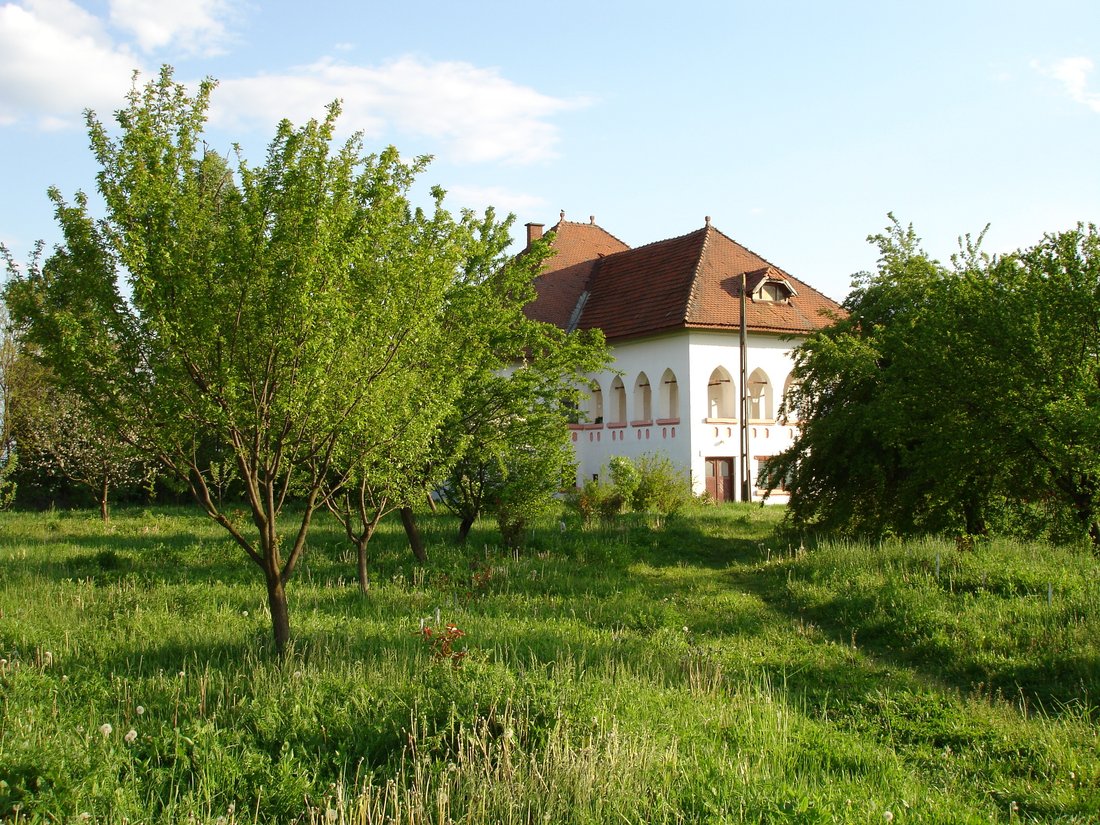
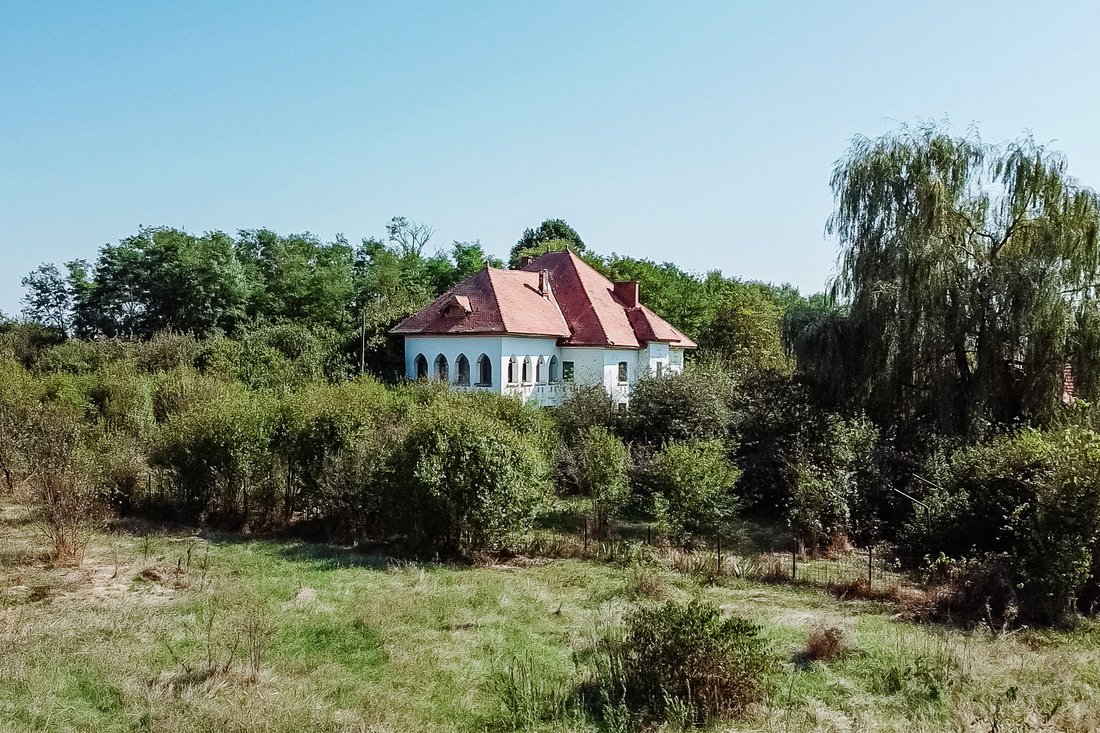
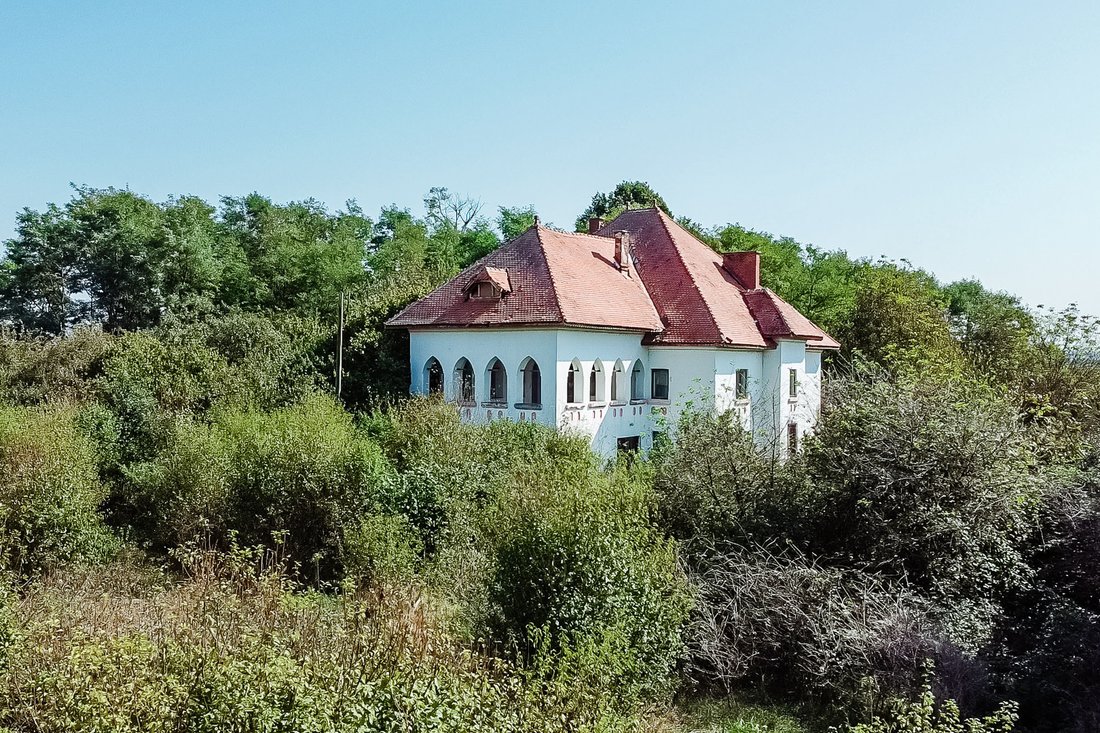
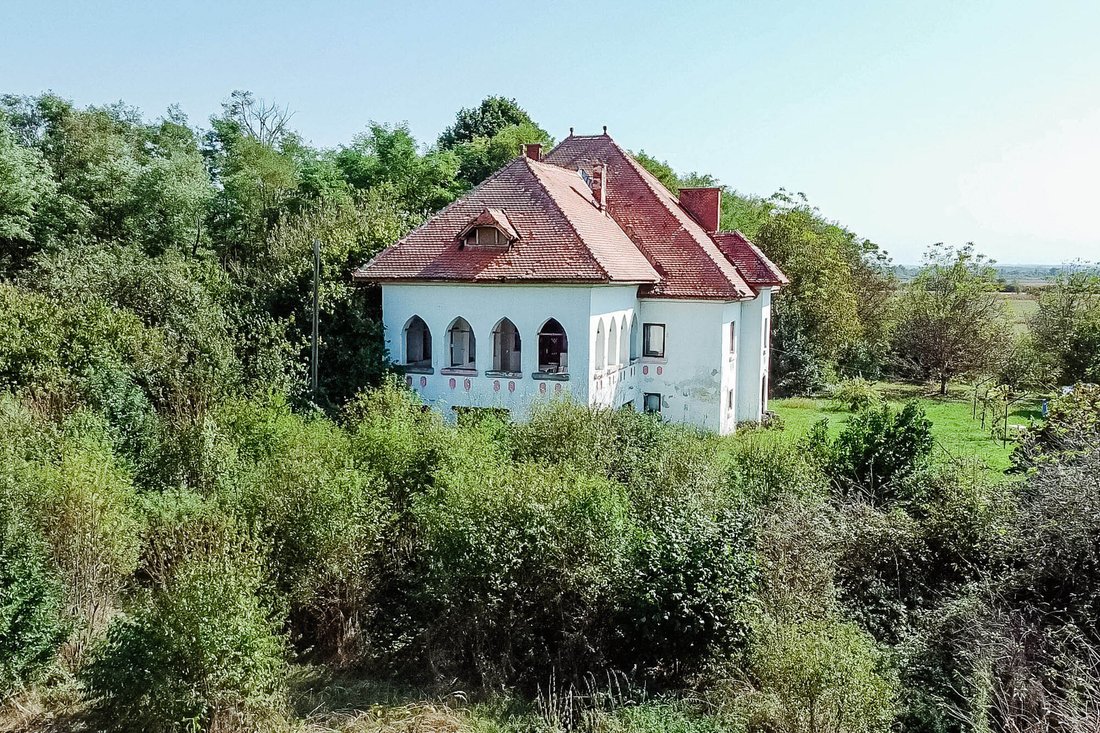
La casa della famiglia Voiculescu segue la linea architettonica classica, con volumi compatti e solidi, ben posizionata sul terreno, situata in un luogo isolato, circondato dalla campagna e dalla pace, con buona visibilità sulla zona. Con pareti spesse, scale interne tra i piani, porte blindate, nascondigli, finestre strette e botole, oggi la parola d’ordine sono abitazioni private o unità turistiche apprezzate e amate. La loggia ispirata a Brancoveneanu è un posto meraviglioso per evitare le estati troppo calde, e la cantina offre un potenziale riparo invernale davanti al camino e al vin brulè.
Cula divenne proprietà dell’attuale famiglia nel 1915, dopo essere stata acquistata da Ion. V Voiculescu, padrone di casa, figlio dell’insegnante Vasile Voiculescu e nipote del deputato contadino Ioan Voicu (lescu), che rappresentava Gorj accanto ai famosi Gheorghe Magheru e Christian Tell (i momenti storici sono stati immortalati a Bucarest dalla fotografa Carol Popp de Szathmary - vedi foto).
Sebbene provenisse da una famiglia non molto ricca, Ion V. Voiculescu possedeva ancora dei terreni che attirarono l’attenzione dei ribelli durante la ribellione contadina del 1907 e in seguito si permise di acquistare 250 ettari da Dimitrie I. Mongescu. Cula si trova su queste terre appena acquisite. La famiglia Mongescu aveva stretti legami con Tudor Vladimirescu e con il movimento rivoluzionario da lui guidato. Un bisnonno, Vasile Moanga (Mongescu), era un buon amico di Tudor Vladimirescu e tesoriere del suo movimento rivoluzionario del 1821. La storia racconta che prima di leggere la dichiarazione a Pades, Tudor Vladimirescu e la sua gente trascorsero la notte nella cula di Copaceni (l’attuale cula Voiculescu a Cornesti), che all’epoca apparteneva presumibilmente a Barbu Viisoreanu, influente amministratore della contea e deputato di Gorj durante il Regolamento biologico. La storia più recente dimostra che Ion Voiculescu donò la casa e i 10,5 ettari che la circondavano a suo figlio, Vasile Voiculescu, che in seguito, nel 1949, fu allontanato con la forza dalla casa dai comunisti nel cuore della notte; la sua ricchezza fu espropriata, l’ex nobile ricevette la residenza obbligatoria in una stanza a Targu Jiu e fu costretto a lavorare come portiere in città stazione, scarico carri merci. Lo stato trascurò la cula; tra il 1947-1997 fu trasformata in un I. A. S., con lavoratori giornalieri che alloggiavano al piano terra, polli allevati nei corridoi e pecore riparate in soffitta in inverno. I discendenti del boiardo espropriato dai comunisti oggi possiedono l’edificio insieme ai 10,5 ettari di terreno.
Surrounded by abundant vegetation, the tower lifts its tiled roof to survey the distance. Times are quiet now, but at the end of the 18th century when it was built, Pazvantoglu, the pasa from Vidin known to the residents as Pazvante Chioru, used to raid the area. The Phanariot lordships did not have the ability to ensure the protection of the territories far from the capital, that is why the Oltenian boyars built forts, fortified houses meant to protect their wealth in case of attack. It is interesting to note the uniqueness of this type of construction, which was no longer built after 1821 because the attacks stopped after Tudor Vladimirescu’s revolution, therefore their construction no longer made sense. The rarity makes the appearance of such a house on the real estate market an event, an opportunity.
The word cula comes from the Turkish, where kule means tower, and names this type of one-story house that can be found here in the south of the country, but also south of the Danube, in Bulgaria, Albania, Greece, Serbia, Bosnia and Herzegovina, Macedonia from North, Montenegro, Kosovo Region.
The house of the Voiculescu family follows the classical architectural line, having compact, solid volumes, well placed on the ground, located in an isolated place, surrounded by countryside and peace, with good visibility over the area. With thick walls, internal stairs between floors, reinforced doors, hiding places, narrow windows and hatches, today the cule are private homes or appreciated and loved tourist units. The Brancoveneanu-inspired loggia is a wonderful place to avoid too hot summers, and the wine cellar has potential for winter shelter in front of a fireplace and mulled wine.
Cula became the property of the current family in 1915, having been bought by Ion . V Voiculescu, landlord, son of the teacher Vasile Voiculescu and grandson of the peasant-deputy Ioan Voicu(lescu), who represented Gorj alongside the famous Gheorghe Magheru and Christian Tell (the historical moments were immortalized in Bucharest by the photographer Carol Popp de Szathmary - see photo).
Although coming from a not very rich family, Ion V. Voiculescu still had some land that attracted the attention of the rebels during the 1907 peasant rebellion and later allowed himself to buy 250 ha from Dimitrie I. Mongescu. Cula is located on these newly acquired lands. The Mongescu family had close ties with Tudor Vladimirescu and the revolutionary movement led by him, one great-grandfather, Vasile Moanga (Mongescu), being a good friend of Tudor Vladimirescu and the treasurer of his revolutionary 1821 movement. History says that before reading the declaration in Pades, Tudor Vladimirescu and his people spent the night in the cula of Copaceni (the current Voiculescu cula in Cornesti), which at that time supposedly belonged to Barbu Viisoreanu, an influential administrator in the county and deputy of Gorj during the Organic Regulation. More recent history shows that Ion Voiculescu donated the house and the 10.5 ha that surrounded it to his son, Vasile Voiculescu, who later, in 1949, was forcibly removed from the house by communists in the middle of the night; his wealth was expropriated, the former nobleman receiving mandatory residence in a room in Targu Jiu and being forced to work as a porter in the city station, unloading freight wagons. The state neglected the cula; between 1947-1997 it was transformed into an I. A. S., with day laborers staying on the ground floor, chickens raised in the hallways and sheep sheltered in the attic in winter. The descendants of the boyar expropriated by the communists today own the building together with the 10.5 ha of land.
-
Tipo di proprietà
Altro
-
Prezzo/piede²
$159
Caratteristiche
- Camino
- Cantina
Esplora la zona
L'agente La contatterà al più presto
Pubblicato da
Prenota una visita con the agent
Scegli una data e indica se preferisci un tour virtuale o di persona con l’agente.

La fiducia dei migliori broker del mondo
Gli agenti dietro le proprietà più straordinarie del mondo pubblicano su JamesEdition.
- Annunci di Sotheby's, Christie's, BARNES ed Engel & Völkers
- Ogni annuncio è verificato prima della pubblicazione
- Si metta in contatto diretto con agenti verificati
Continuando, accetta i nostri Termini e la nostra Informativa sulla privacy.