Prezzo su richiesta
Un Castello Senza Tempo Nel Cuore Delle Dolomiti
- 8 Camere
- 12 Bagni
- 22,282 Sqft
- 62
Informazioni sulla proprietà
La descrizione è stata tradotta automaticamente.
La descrizione viene visualizzata nella lingua originale.
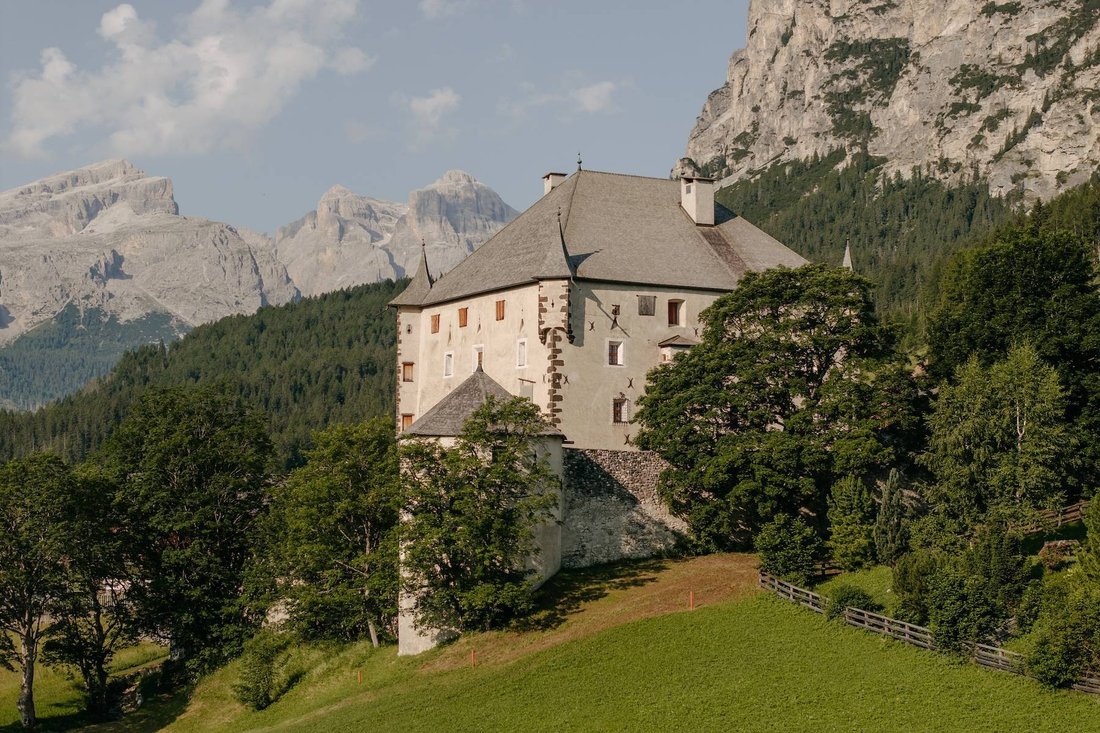
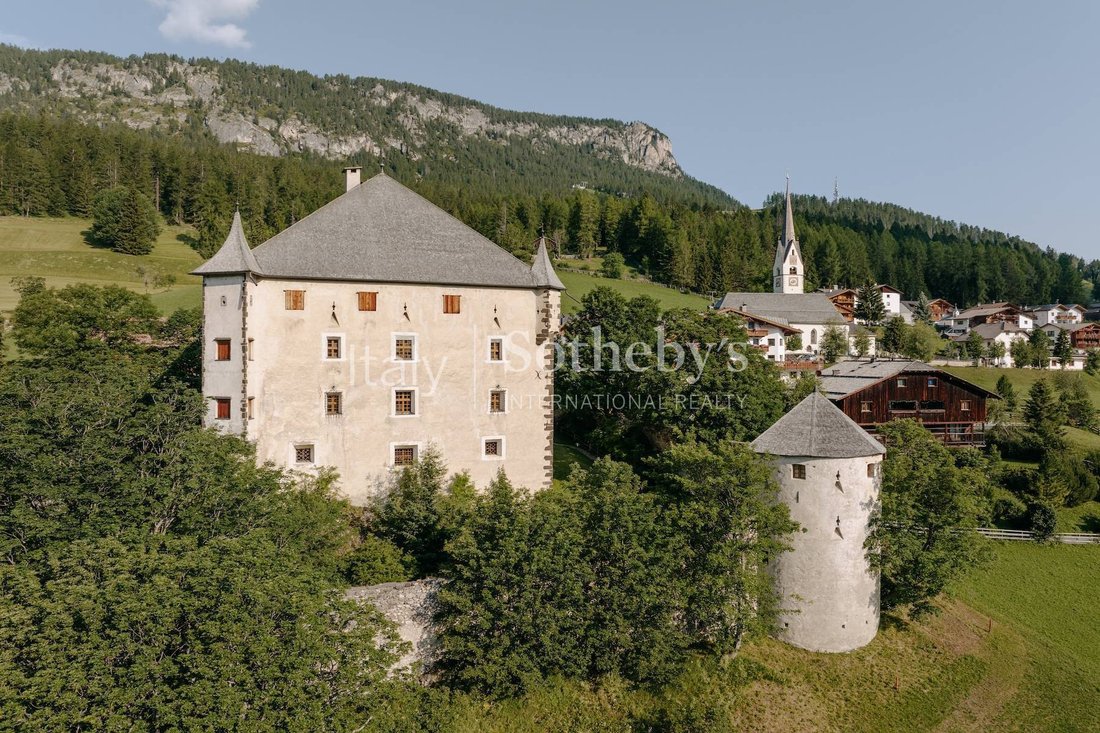
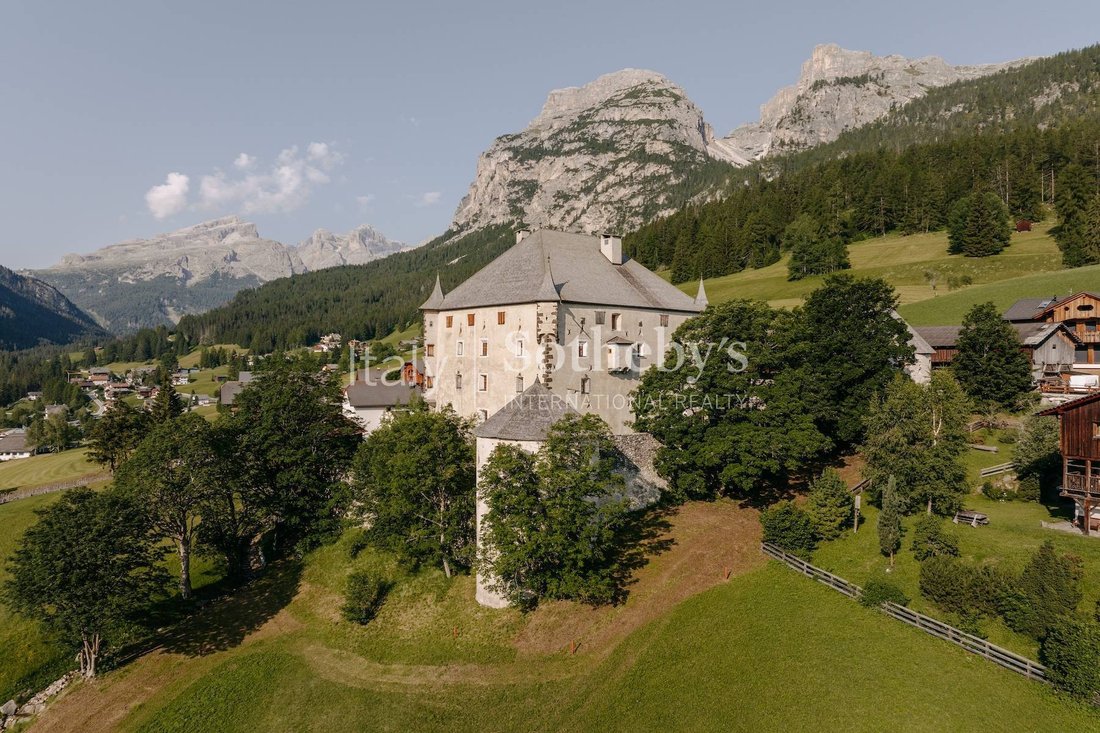
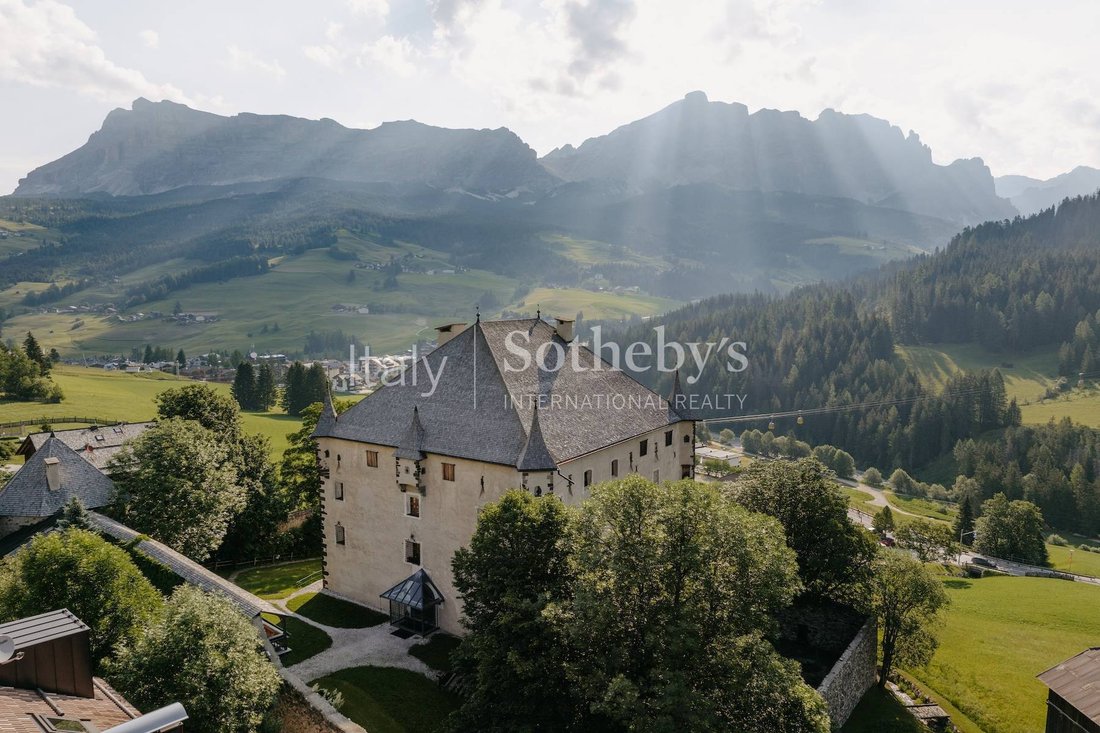
Nel cuore dell’Alta Badia, arroccato su uno sperone di roccia dolomitica, si erge Castel Colz: un gioiello architettonico del XVI secolo, raro esempio di residenza signorile in stile gotico-rinascimentale.
Voluto nel 1536 da Hans von Rubatsch con il permesso dell’imperatore Ferdinando I, fu completato in soli dodici mesi e successivamente appartenne alla famiglia Colz, da cui prende il n
Voluto nel 1536 da Hans von Rubatsch con il permesso dell’imperatore Ferdinando I, fu completato in soli dodici mesi e successivamente appartenne alla famiglia Colz, da cui prende il n
In the heart of Alta Badia, perched on a rocky dolomitic outcrop, stands Castel Colz - a 16th-century architectural gem and a rare example of noble Gothic-Renaissance residence in the Italian Dolomites.
Commissioned in 1536 by Hans von Rubatsch with the approval of Emperor Ferdinand I, the castle was completed in just twelve months and later passed to the Colz family, from whom it takes
Commissioned in 1536 by Hans von Rubatsch with the approval of Emperor Ferdinand I, the castle was completed in just twelve months and later passed to the Colz family, from whom it takes
Nel cuore dell’Alta Badia, arroccato su uno sperone di roccia dolomitica, si erge Castel Colz: un gioiello architettonico del XVI secolo, raro esempio di residenza signorile in stile gotico-rinascimentale.
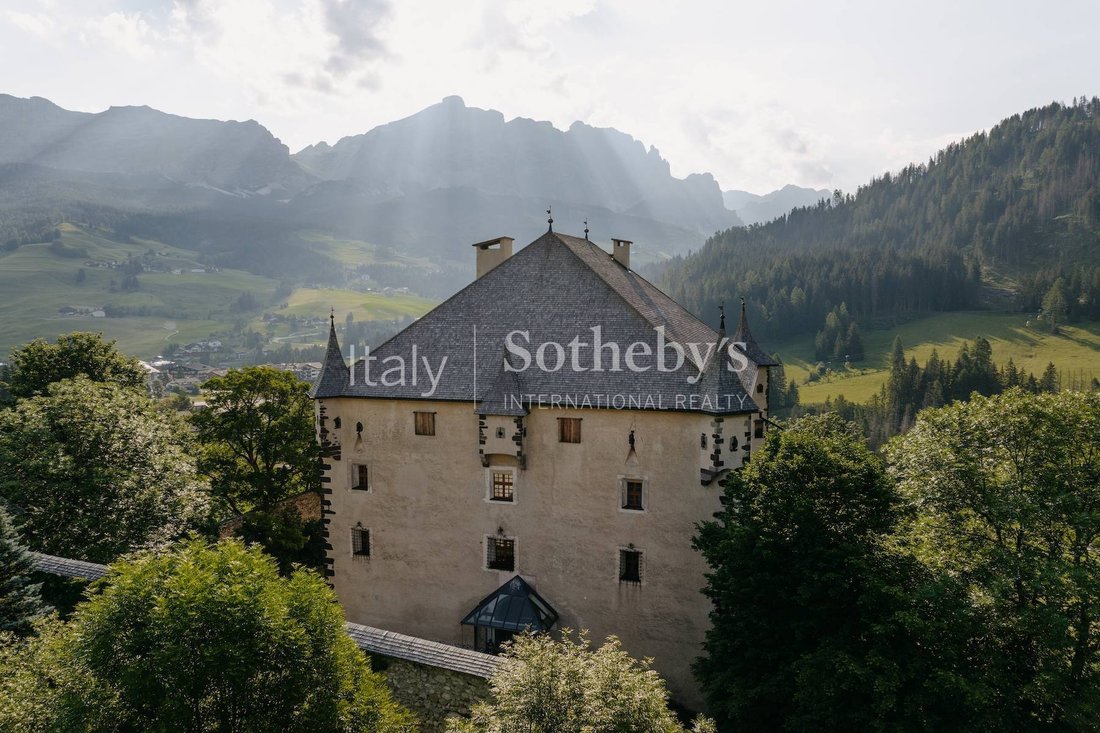
Voluto nel 1536 da Hans von Rubatsch con il permesso dell’imperatore Ferdinando I, fu completato in soli dodici mesi e successivamente appartenne alla famiglia Colz, da cui prende il nome. La struttura, imponente e armoniosa, è scandita da torri e volumi compatti che si integrano perfettamente con il paesaggio dolomitico circostante.
Gli interni conservano il fascino originario del castello, con ambienti voltati, boiserie in legno antico, arredi d’epoca e dettagli decorativi che richiamano la tradizione nobiliare dolomitica. Ogni sala racconta una storia, in un equilibrio raffinato tra autenticità storica e accoglienza senza tempo.
Conosciuto in ladino come Gran Ciasa, il castello è da sempre simbolo identitario della valle: un luogo ricco di storia, cultura e bellezza. Oggi, grazie a un accurato restauro conservativo, la proprietà rappresenta un’opportunità straordinaria per chi desidera abitare o valorizzare un bene unico, immerso nell’autenticità delle Dolomiti, Patrimonio UNESCO.
Voluto nel 1536 da Hans von Rubatsch con il permesso dell’imperatore Ferdinando I, fu completato in soli dodici mesi e successivamente appartenne alla famiglia Colz, da cui prende il nome. La struttura, imponente e armoniosa, è scandita da torri e volumi compatti che si integrano perfettamente con il paesaggio dolomitico circostante.
Gli interni conservano il fascino originario del castello, con ambienti voltati, boiserie in legno antico, arredi d’epoca e dettagli decorativi che richiamano la tradizione nobiliare dolomitica. Ogni sala racconta una storia, in un equilibrio raffinato tra autenticità storica e accoglienza senza tempo.
Conosciuto in ladino come Gran Ciasa, il castello è da sempre simbolo identitario della valle: un luogo ricco di storia, cultura e bellezza. Oggi, grazie a un accurato restauro conservativo, la proprietà rappresenta un’opportunità straordinaria per chi desidera abitare o valorizzare un bene unico, immerso nell’autenticità delle Dolomiti, Patrimonio UNESCO.
In the heart of Alta Badia, perched on a rocky dolomitic outcrop, stands Castel Colz - a 16th-century architectural gem and a rare example of noble Gothic-Renaissance residence in the Italian Dolomites.
Commissioned in 1536 by Hans von Rubatsch with the approval of Emperor Ferdinand I, the castle was completed in just twelve months and later passed to the Colz family, from whom it takes its name. It’s imposing yet harmonious structure, punctuated by towers and compact volumes, blends seamlessly into the surrounding Dolomite landscape.
The interiors preserve the original charm of the castle, with vaulted ceilings, antique wood paneling, period furnishings and decorative details that echo the noble Alpine tradition. Each room tells a story, offering a refined balance between historical authenticity and timeless hospitality.
Known in the local Ladin language as Gran Ciasa, the castle has long been a cultural and symbolic landmark of the valley - a place steeped in history, elegance and natural beauty. Today, thanks to a careful conservative restoration, the property offers a rare opportunity for those wishing to inhabit or enhance a truly unique architectural heritage, immersed in the authenticity of the UNESCO-listed Dolomites.
Commissioned in 1536 by Hans von Rubatsch with the approval of Emperor Ferdinand I, the castle was completed in just twelve months and later passed to the Colz family, from whom it takes its name. It’s imposing yet harmonious structure, punctuated by towers and compact volumes, blends seamlessly into the surrounding Dolomite landscape.
The interiors preserve the original charm of the castle, with vaulted ceilings, antique wood paneling, period furnishings and decorative details that echo the noble Alpine tradition. Each room tells a story, offering a refined balance between historical authenticity and timeless hospitality.
Known in the local Ladin language as Gran Ciasa, the castle has long been a cultural and symbolic landmark of the valley - a place steeped in history, elegance and natural beauty. Today, thanks to a careful conservative restoration, the property offers a rare opportunity for those wishing to inhabit or enhance a truly unique architectural heritage, immersed in the authenticity of the UNESCO-listed Dolomites.
-
Tipo di proprietà
Altro
-
Anno di costruzione
1536
Caratteristiche
- Giardino
- Terrazza
- Camino
- Vista sulle montagne
- Cantina
- Idromassaggio
- Centro Fitness / Palestra
- Lavanderia
- Privacy
Caratteristiche
Lot
- Vista sulle montagne
- Privacy
Interni
- Soffitto alto
- Camino
- Idromassaggio
- Lavanderia
- Cantina
- Centro Fitness / Palestra
Outdoor
- Terrazza
- Balcone
- Giardino
Esplora la zona
Str. Marin, La Villa BZ, Badia - Abtei, BZ 39030, Trentino-Alto Adige, Italia
Visualizza su Google Maps
Prezzo per sqft
Basso
Alto
Immersa nel pittoresco villaggio di La Villa, Badia, questa posizione è ideale per chi ama la natura e il lusso. Circondata dalle splendide Dolomiti, l’area offre accesso immediato a stazioni sciistiche, sentieri escursionistici e paesaggi mozzafiato. Con opzioni di ristorazione gourmet e ritiri benessere nelle vicinanze, i residenti possono godere di avventure e relax. L’aeroporto internazionale più vicino dista circa 2 ore in auto.
Ottieni luoghi vicini
Attrazioni
Scuole
Aeroporto di Bolzano
Aeroporto
92 min
Stazione sciistica Alta Badia
Natura e attività all'aperto
8 min
Sassongher
Natura e attività all'aperto
20 min
Scuola Internazionale di Bolzano
Scuola internazionale
95 min

Iscritto da 2 anni
Hai chiesto informazioni su questa proprietà
L'agente La contatterà al più presto
Pubblicato da
4
Annunci
2024
Iscritto
Prenota una visita con Davide Borgo
Scegli una data e indica se preferisci un tour virtuale o di persona con l’agente.
Data preferita
Tipo di tour

Italy Sotheby's International Realty
Corso Castelvecchio, 25, 37122, Verona, Verona, Italy
Visualizza profilo agenzia
With the opening of the Verona office, inside Palazzo Castellani di Sermeti, one of the most iconic cities not only
With the opening of the Verona office, inside Palazzo Castellani di Sermeti, one of the most iconic cities not only of Veneto but of the whole of Italy, we aim to consolidate our presence in the North-East, to assist an international clientele that is increasingly interested in the city. The historic center is undoubtedly full of characteristic places that are worth visiting, at any time of the year, first of all Piazza Bra: here it is possible to see the ancient walls of the Verona Arena, symbol of the city and headquarters of one of the most famous opera festivals in Europe, and the Portoni della Bra. This position allows our experts to develop areas of great appeal such as Lake Garda, the cities of Padua and Treviso, passing through the prestigious area of the ”Venetian Villas” and the Prosecco Hills, up to the Dolomites.
Ultimo aggiornamento
Ieri
Prima pubblicazione
Novembre 7, 2025
Link annuncio
Riferimento annuncio
CLG5XP
La fiducia dei migliori broker del mondo
Gli agenti dietro le proprietà più straordinarie del mondo pubblicano su JamesEdition.
- Annunci di Sotheby's, Christie's, BARNES ed Engel & Völkers
- Ogni annuncio è verificato prima della pubblicazione
- Si metta in contatto diretto con agenti verificati
Continuando, accetta i nostri Termini e la nostra Informativa sulla privacy.