$4,929,320
Edificio — Aix En Provence
- 8,463 Sqft
- Aggiornato: Settembre 8
- 4
Informazioni sulla proprietà
La descrizione è stata tradotta automaticamente.
La descrizione viene visualizzata nella lingua originale.
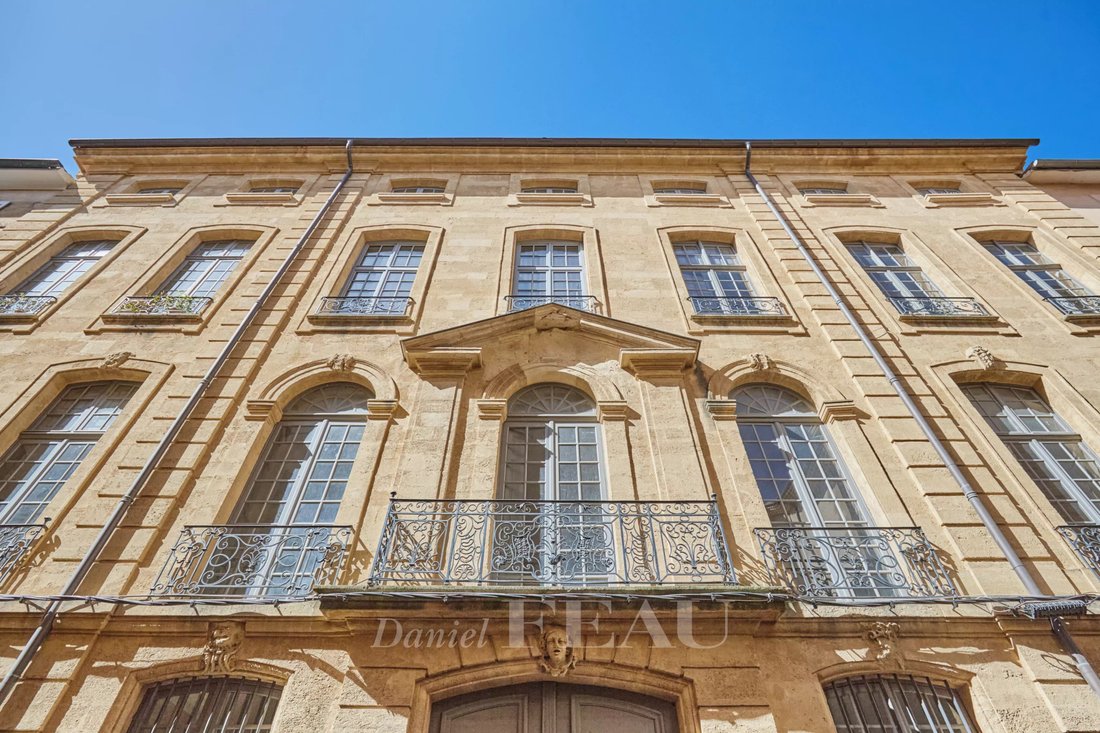
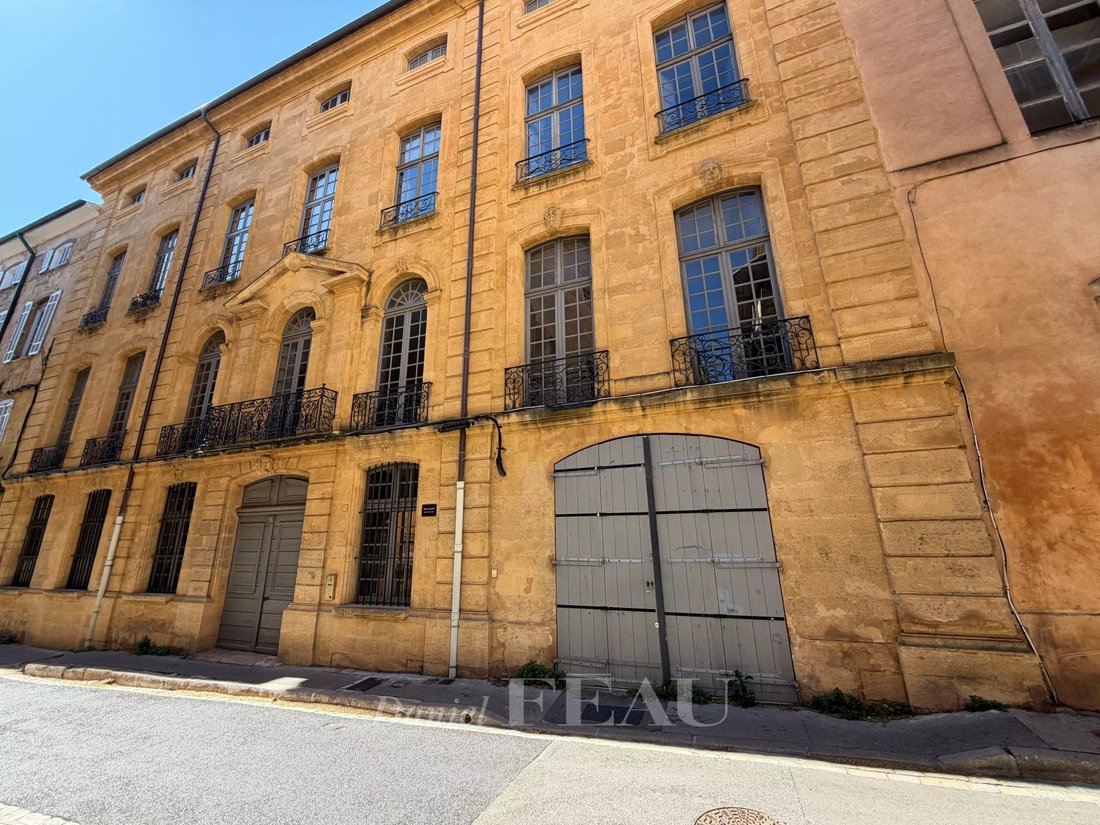
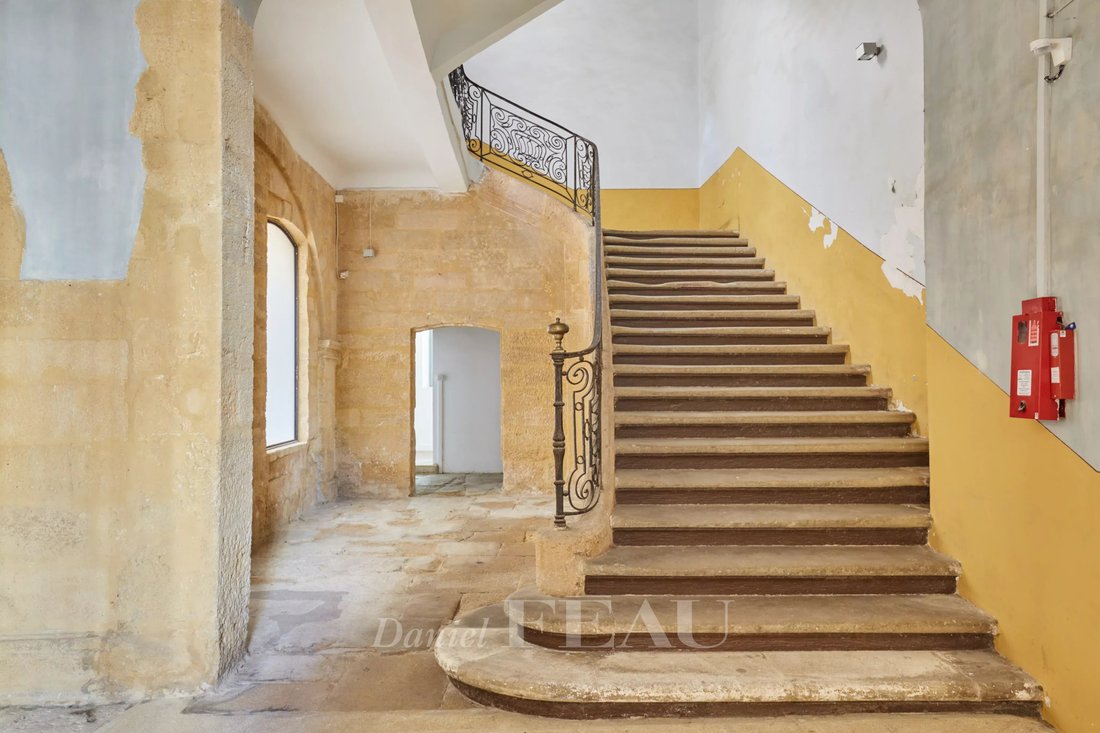
A jewel of Aix’s architectural heritage, the Hôtel d’Oraison is a grand private mansion whose origins date back to the late 16th century. Initially the property of Henri de Raffelis, it welcomed among its guests the Duke of Guise, Governor of Provence, reflecting from its very beginnings a prestige of the highest order.
It was in the 18th century that the building took on its current form
It was in the 18th century that the building took on its current form
A jewel of Aix’s architectural heritage, the Hôtel d’Oraison is a grand private mansion whose origins date back to the late 16th century. Initially the property of Henri de Raffelis, it welcomed among its guests the Duke of Guise, Governor of Provence, reflecting from its very beginnings a prestige of the highest order.
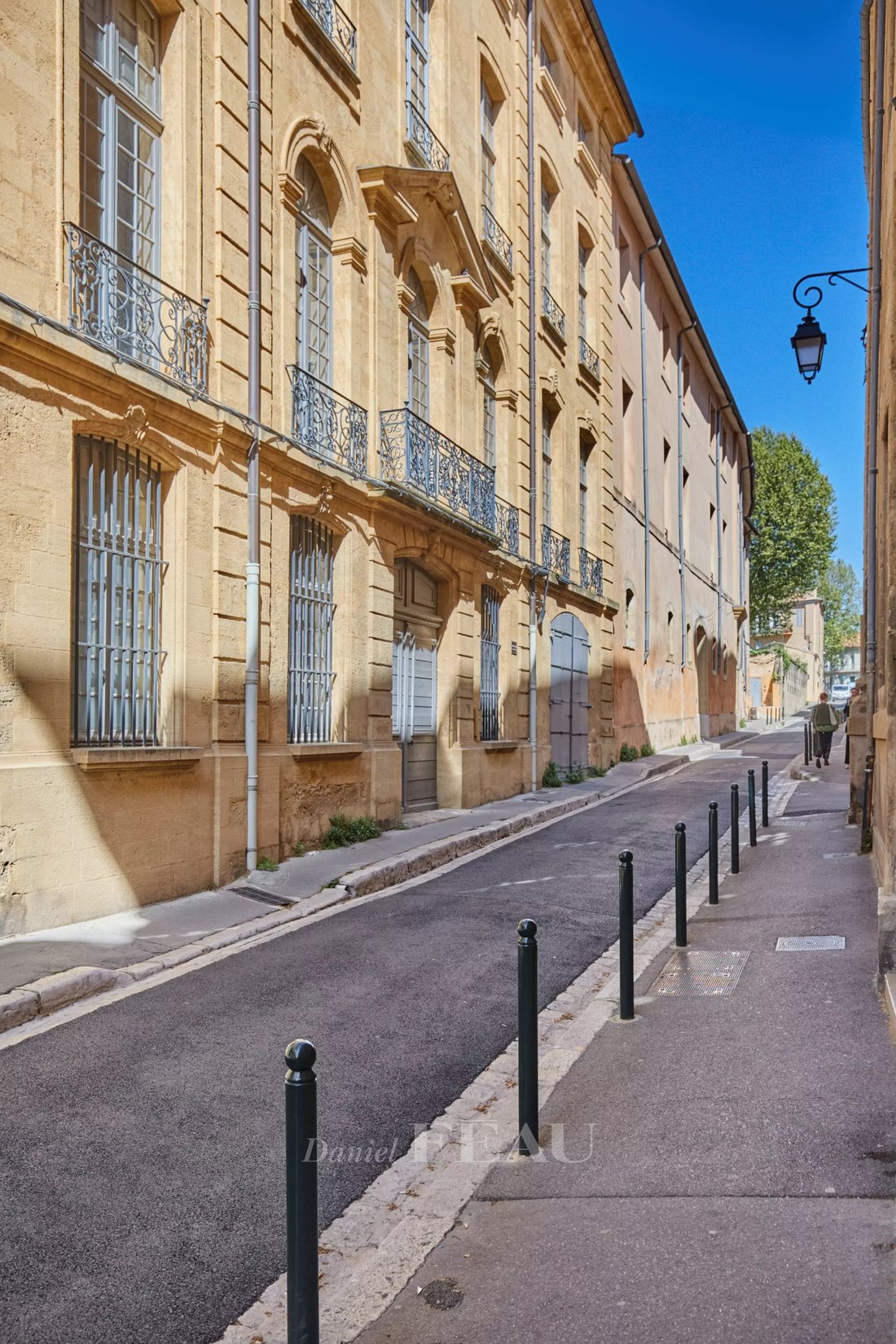
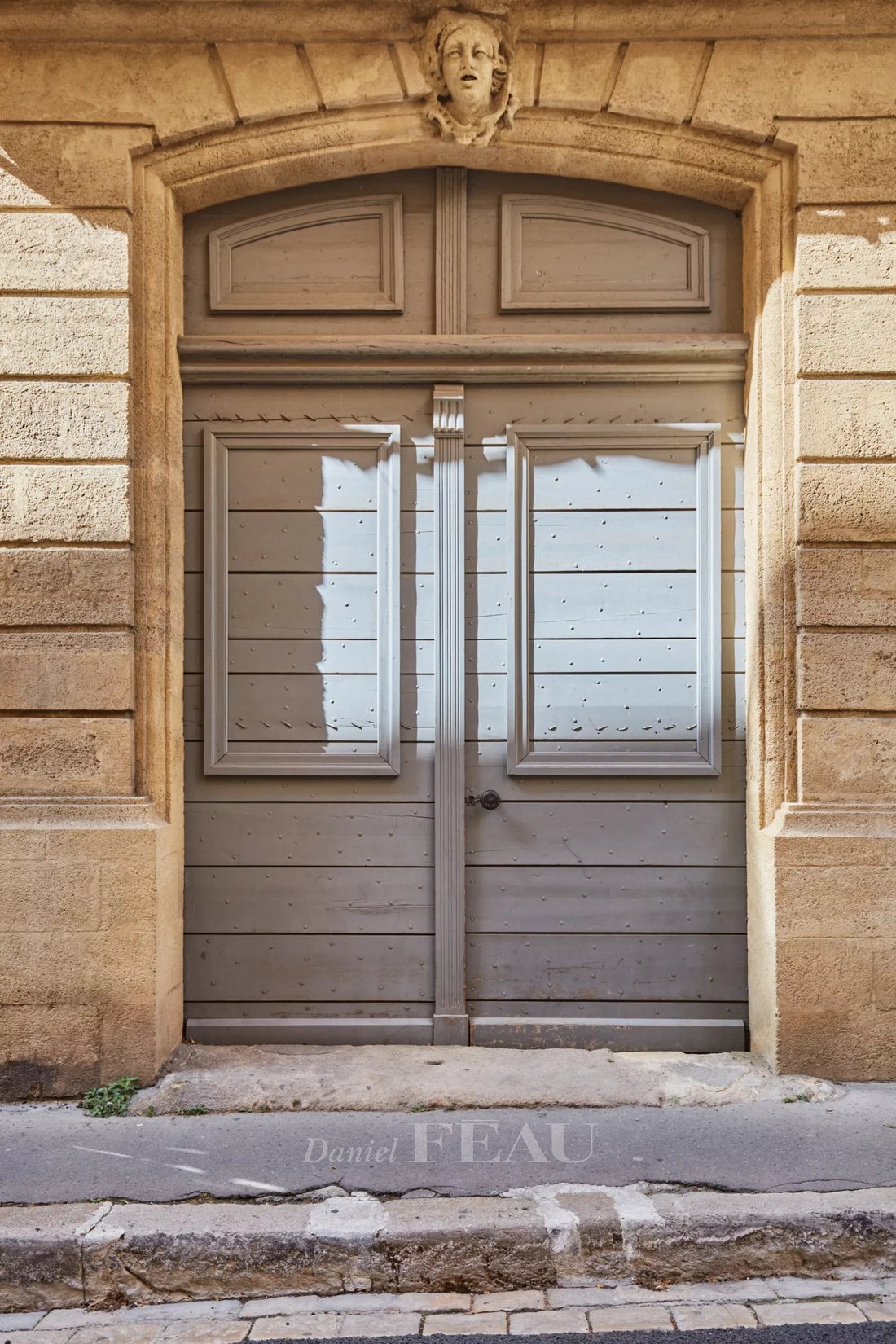
It was in the 18th century that the building took on its current form: the Marquis d’Oraison, Mathieu Fulque, acquired and merged several houses between 1731 and 1736 to compose an architectural ensemble befitting his rank. The result is a majestic seven-bay façade adorned with vertical rustication, windows featuring acanthus ornamentation and mascarons, as well as two carriage gateways, one of which is crowned by an elegant balcony with a triangular pediment — all hallmarks of Aix’s Baroque style in its full splendour.
Confiscated during the Revolution in 1792, the mansion passed through the centuries in the hands of notable figures and prominent members of the city’s academic community, before being listed as a historic monument in 1987 and carefully restored in 2012.
The building is currently divided into individual apartments, arranged as follows:
- A 66.4 sqm apartment on the ground floor.
- A 93.9 sqm apartment with a 169 sqm garden, spanning the garden level, mezzanine and first floor.
- A 211 sqm office-style apartment on the first floor.
- A 58.1 sqm apartment on the second floor.
- A 104.7 sqm apartment on the second floor.
- A 78.6 sqm apartment on the second floor.
- A 31.6 sqm apartment on the third floor.
- A 41.2 sqm apartment on the third floor.
- A 35.6 sqm apartment spanning the third and fourth floors.
- A 64.9 sqm apartment spanning the third and fourth floors.
Period mouldings and original flooring have been preserved wherever possible. The common areas are elegant and spacious, evoking the grandeur of Aix’s storied past.
Some units are currently tenanted.
31 sqm garage.
Le informazioni sui rischi a cui è esposta questa proprietà sono disponibili sul sito web di Géorisques: https://www.georisques.gouv.fr/
It was in the 18th century that the building took on its current form: the Marquis d’Oraison, Mathieu Fulque, acquired and merged several houses between 1731 and 1736 to compose an architectural ensemble befitting his rank. The result is a majestic seven-bay façade adorned with vertical rustication, windows featuring acanthus ornamentation and mascarons, as well as two carriage gateways, one of which is crowned by an elegant balcony with a triangular pediment — all hallmarks of Aix’s Baroque style in its full splendour.
Confiscated during the Revolution in 1792, the mansion passed through the centuries in the hands of notable figures and prominent members of the city’s academic community, before being listed as a historic monument in 1987 and carefully restored in 2012.
The building is currently divided into individual apartments, arranged as follows:
- A 66.4 sqm apartment on the ground floor.
- A 93.9 sqm apartment with a 169 sqm garden, spanning the garden level, mezzanine and first floor.
- A 211 sqm office-style apartment on the first floor.
- A 58.1 sqm apartment on the second floor.
- A 104.7 sqm apartment on the second floor.
- A 78.6 sqm apartment on the second floor.
- A 31.6 sqm apartment on the third floor.
- A 41.2 sqm apartment on the third floor.
- A 35.6 sqm apartment spanning the third and fourth floors.
- A 64.9 sqm apartment spanning the third and fourth floors.
Period mouldings and original flooring have been preserved wherever possible. The common areas are elegant and spacious, evoking the grandeur of Aix’s storied past.
Some units are currently tenanted.
31 sqm garage.
Le informazioni sui rischi a cui è esposta questa proprietà sono disponibili sul sito web di Géorisques: https://www.georisques.gouv.fr/
-
Tipo di proprietà
Altro
-
Prezzo/piede²
$582
Caratteristiche
- Giardino
- Garage
- Residenza
- Soffitto alto
- Bar
- Aria condizionata
Esplora la zona
Comtale-Cente-Cours Mirabeau, Aix-en-Provence, Francia
Visualizza su Google Maps
Prezzo per sqft
Basso
Alto
Aix-en-Provence occupies a singular position among French cities: a former capital of Provence with a concentrated historic core of 17th and 18th century hôtels particuliers, fountains, and plane-tree-lined cours that have remained largely intact. The city carries genuine cultural weight as the birthplace of Paul Cézanne and the home of one of France’s oldest universities, founded in 1409. Its scale is intimate by design, yet its architectural density and quality of public space place it among the most distinguished addresses in southern France.
Daily life in Aix centres on the Cours Mirabeau and the market at Place Richelme, which runs every morning. The city has a strong restaurant scene, with notable addresses including Le Formal and Pierre Reboul. The Festival International d’Art Lyrique draws international audiences each July. The Musée Granet holds a significant permanent collection.
Aix-en-Provence is served by the TGV station at Aix-en-Provence TGV, located approximately 15 kilometres from the city centre, with direct high-speed rail connections to Paris Gare de Lyon in approximately three hours. Marseille-Provence Airport is roughly 25 kilometres away, around 30 minutes by road, offering extensive European and international routes. Marseille city centre is accessible in under 40 minutes by motorway or by regular coach service from the city centre.
Daily life in Aix centres on the Cours Mirabeau and the market at Place Richelme, which runs every morning. The city has a strong restaurant scene, with notable addresses including Le Formal and Pierre Reboul. The Festival International d’Art Lyrique draws international audiences each July. The Musée Granet holds a significant permanent collection.
Aix-en-Provence is served by the TGV station at Aix-en-Provence TGV, located approximately 15 kilometres from the city centre, with direct high-speed rail connections to Paris Gare de Lyon in approximately three hours. Marseille-Provence Airport is roughly 25 kilometres away, around 30 minutes by road, offering extensive European and international routes. Marseille city centre is accessible in under 40 minutes by motorway or by regular coach service from the city centre.
Ottieni luoghi vicini
Attrazioni
Scuole
Marseille Provence Airport
Airport
30 min
Aix-en-Provence TGV Station
Train Station
20 min
Cézanne's Studio
Culture & Heritage
8 min
Sainte-Victoire Golf Club
Golf & Country Clubs
18 min
Thermes Sextius Spa
Luxury Wellness & Spas
5 min
International Bilingual School of Provence
International School
15 min
Lycée Paul Cézanne
Public School
5 min

Iscritto da 2 anni
Hai chiesto informazioni su questa proprietà
L'agente La contatterà al più presto
Pubblicato da
24
Annunci
2024
Iscritto
Prenota una visita con Tatiana Kryvonogova
Scegli una data e indica se preferisci un tour virtuale o di persona con l’agente.
Data preferita
Tipo di tour

Ultimo aggiornamento
Settembre 8
Prima pubblicazione
Aprile 29
Riferimento annuncio
86924917
Proprietà simili nelle vicinanze
Nuovi annunci a Comtale-Cente-Cours Mirabeau



Esplora più immobili in vendita
tipi di proprietà Comtale-Cente-Cours Mirabeau, Aix-en-Provence, Francia
- Appartamenti in vendita in Comtale-Cente-Cours Mirabeau, Aix-en-Provence, Francia
- Ville in vendita in Comtale-Cente-Cours Mirabeau, Aix-en-Provence, Francia
- Case in vendita in Comtale-Cente-Cours Mirabeau, Aix-en-Provence, Francia
- Proprietà in vendita in Comtale-Cente-Cours Mirabeau, Aix-en-Provence, Francia
- Case di campagna in vendita in Comtale-Cente-Cours Mirabeau, Aix-en-Provence, Francia
- Case in vendita in Comtale-Cente-Cours Mirabeau, Aix-en-Provence, Francia
- Castelli in vendita in Comtale-Cente-Cours Mirabeau, Aix-en-Provence, Francia
Comtale-Cente-Cours Mirabeau, Aix-en-Provence, Francia ricerche popolari
- Proprietà immobiliari Vista panoramica / Scenica a Comtale-Cente-Cours Mirabeau, Aix-en-Provence, Francia
- Proprietà immobiliari con Terrazza a Comtale-Cente-Cours Mirabeau, Aix-en-Provence, Francia
- Proprietà immobiliari con Bar a Comtale-Cente-Cours Mirabeau, Aix-en-Provence, Francia
- Proprietà immobiliari con Sala giochi a Comtale-Cente-Cours Mirabeau, Aix-en-Provence, Francia
- Proprietà immobiliari con Ufficio a Comtale-Cente-Cours Mirabeau, Aix-en-Provence, Francia
- Proprietà immobiliari con Ascensore a Comtale-Cente-Cours Mirabeau, Aix-en-Provence, Francia
- Proprietà immobiliari Vista Città a Comtale-Cente-Cours Mirabeau, Aix-en-Provence, Francia
- Proprietà immobiliari Vista sulle montagne a Comtale-Cente-Cours Mirabeau, Aix-en-Provence, Francia
- Proprietà immobiliari con Giardino a Comtale-Cente-Cours Mirabeau, Aix-en-Provence, Francia
- Proprietà immobiliari Duplex a Comtale-Cente-Cours Mirabeau, Aix-en-Provence, Francia
- Proprietà immobiliari Comunità recintata a Comtale-Cente-Cours Mirabeau, Aix-en-Provence, Francia
- Proprietà immobiliari Privacy a Comtale-Cente-Cours Mirabeau, Aix-en-Provence, Francia
- Proprietà immobiliari Investimento immobiliare a Comtale-Cente-Cours Mirabeau, Aix-en-Provence, Francia
- Proprietà immobiliari Moderno a Comtale-Cente-Cours Mirabeau, Aix-en-Provence, Francia
- Proprietà immobiliari Equestre a Comtale-Cente-Cours Mirabeau, Aix-en-Provence, Francia
- Proprietà immobiliari Nuove costruzioni a Comtale-Cente-Cours Mirabeau, Aix-en-Provence, Francia
- Proprietà immobiliari con Centro Fitness / Palestra a Comtale-Cente-Cours Mirabeau, Aix-en-Provence, Francia
- Proprietà immobiliari con Sauna a Comtale-Cente-Cours Mirabeau, Aix-en-Provence, Francia
- Proprietà immobiliari con Bagno turco a Comtale-Cente-Cours Mirabeau, Aix-en-Provence, Francia
- Proprietà immobiliari con Aria condizionata a Comtale-Cente-Cours Mirabeau, Aix-en-Provence, Francia
- Proprietà immobiliari con Cantina a Comtale-Cente-Cours Mirabeau, Aix-en-Provence, Francia
- Proprietà immobiliari con Idromassaggio a Comtale-Cente-Cours Mirabeau, Aix-en-Provence, Francia
- Proprietà immobiliari con Camino a Comtale-Cente-Cours Mirabeau, Aix-en-Provence, Francia
- Proprietà immobiliari con Piscina a Comtale-Cente-Cours Mirabeau, Aix-en-Provence, Francia
- Proprietà immobiliari con Garage a Comtale-Cente-Cours Mirabeau, Aix-en-Provence, Francia
- Proprietà immobiliari con Balcone a Comtale-Cente-Cours Mirabeau, Aix-en-Provence, Francia
- Proprietà immobiliari con Campo da tennis a Comtale-Cente-Cours Mirabeau, Aix-en-Provence, Francia
- Proprietà immobiliari Residenza a Comtale-Cente-Cours Mirabeau, Aix-en-Provence, Francia
- Proprietà immobiliari con Cucina aperta a Comtale-Cente-Cours Mirabeau, Aix-en-Provence, Francia
- Proprietà immobiliari Rinnovato a Comtale-Cente-Cours Mirabeau, Aix-en-Provence, Francia
- Proprietà immobiliari con Cinema a Comtale-Cente-Cours Mirabeau, Aix-en-Provence, Francia
- Proprietà immobiliari Vista sull'acqua a Comtale-Cente-Cours Mirabeau, Aix-en-Provence, Francia
Guide e storie correlate
La fiducia dei migliori broker del mondo
Gli agenti dietro le proprietà più straordinarie del mondo pubblicano su JamesEdition.
- Annunci di Sotheby's, Christie's, BARNES ed Engel & Völkers
- Ogni annuncio è verificato prima della pubblicazione
- Si metta in contatto diretto con agenti verificati
Continuando, accetta i nostri Termini e la nostra Informativa sulla privacy.