Lo Chalet DI Caccia Del Conte Zichy Ferenc
- 3 Camere
- 1 Bagni
- 3,337 Sqft
-
30
Visualizzazioni degli ultimi 30 giorni
- 35
Informazioni sulla proprietà
Modest at a first glance like a demure young lady, the mansion keeps its roof like an eye lid fixed in the ground, refusing to reveal itself. It must be courted, trodden on the brick paths and eyed on the woodwork of the porch. Inside, the piano is shyly silent but the proud stove promises roaring fire. The solid wood furniture is carefully chosen and captures the atmosphere of the late 19th ce
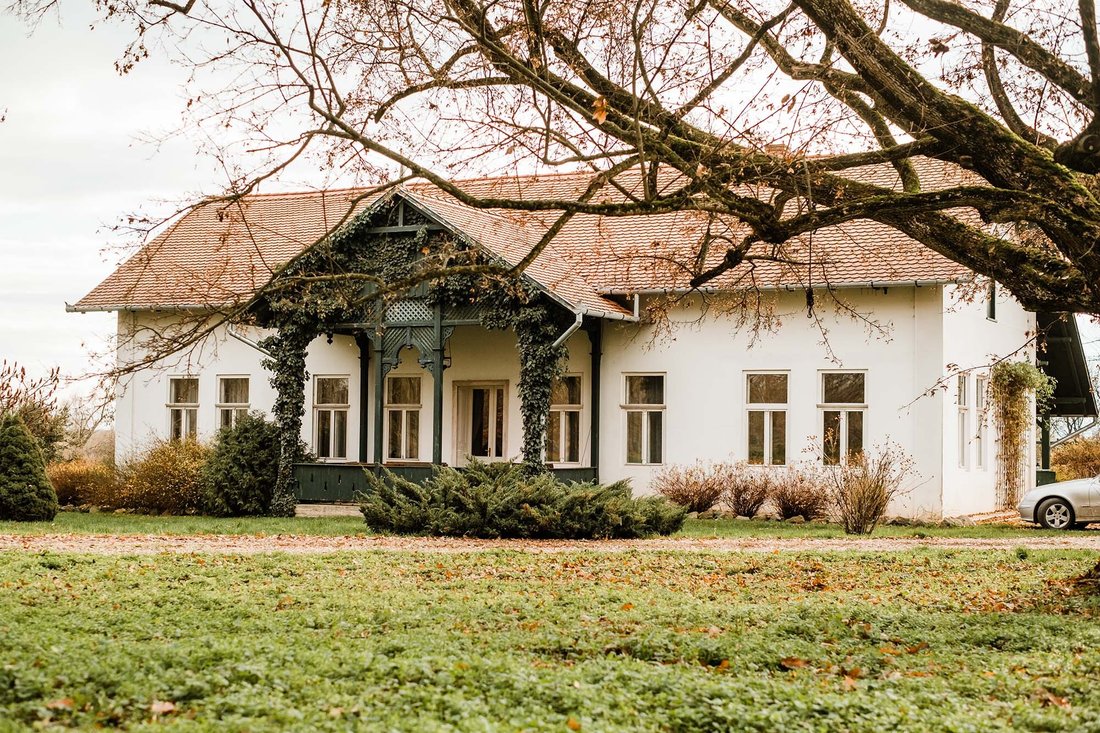
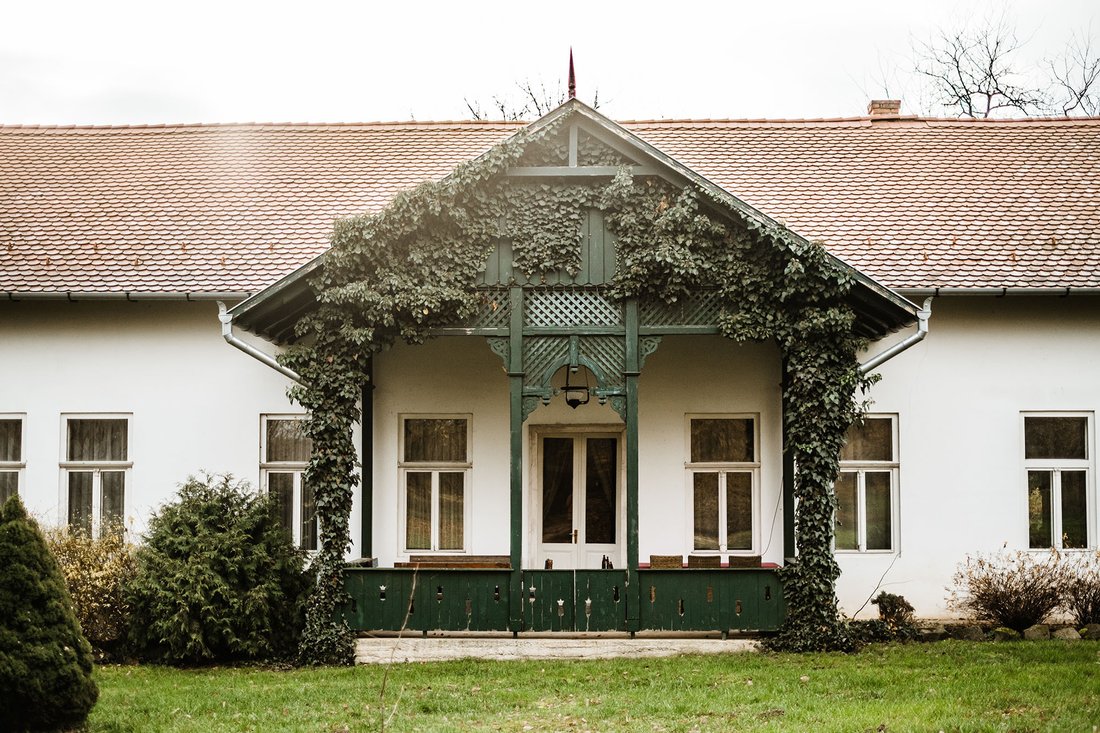
Modest at a first glance like a demure young lady, the mansion keeps its roof like an eye lid fixed in the ground, refusing to reveal itself. It must be courted, trodden on the brick paths and eyed on the woodwork of the porch. Inside, the piano is shyly silent but the proud stove promises roaring fire. The solid wood furniture is carefully chosen and captures the atmosphere of the late 19th century when the building was erected; the wooden pendulum keeps the measure of time but does not take it prisoner - the property enjoys all the comforts of the present - electricity, central heating (wood boiler), water, solar panels for hot water and complete infrastructure.
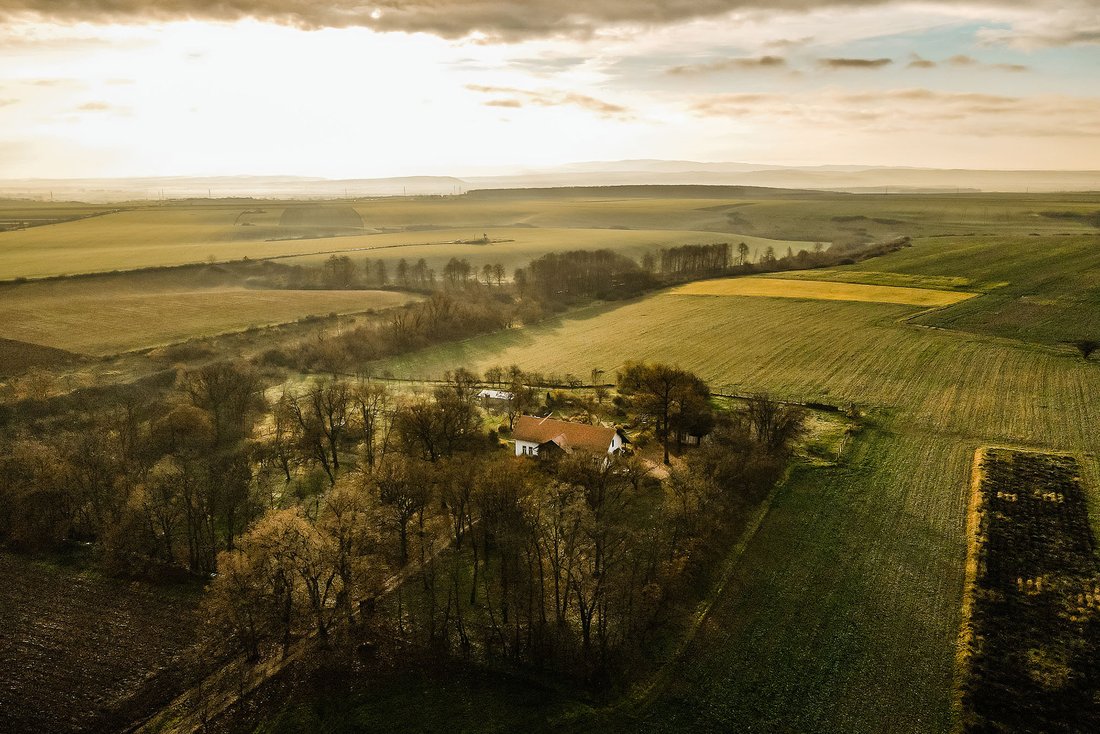
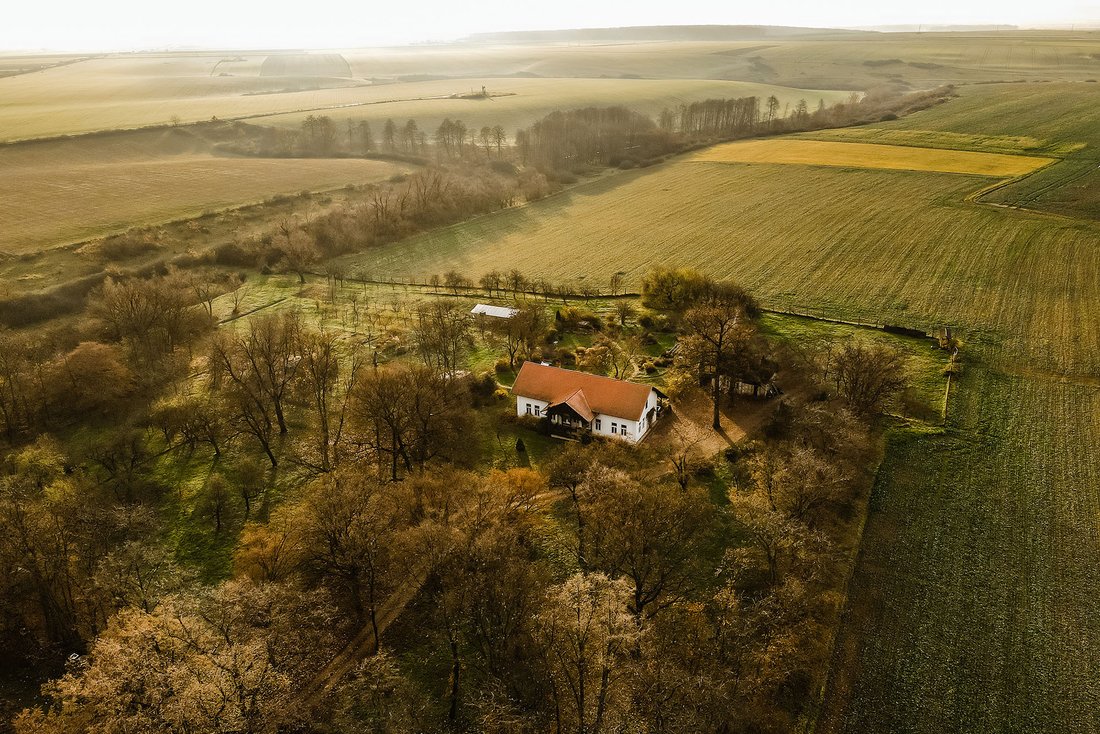
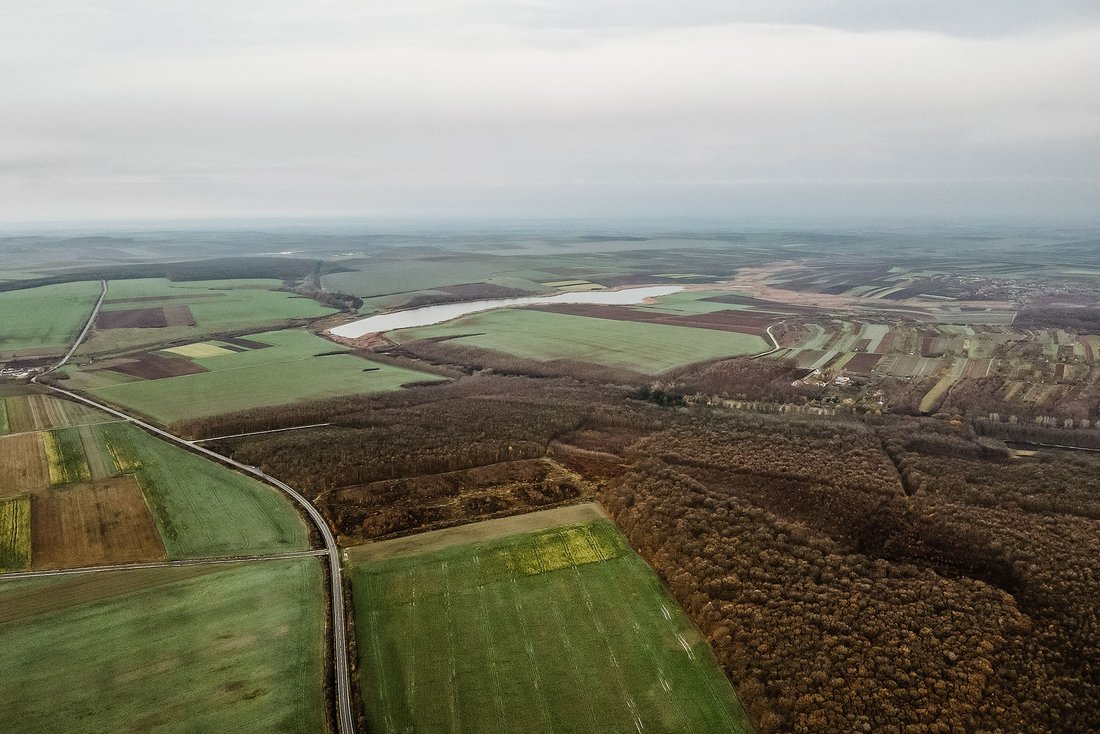
The generous porch is the ornamental element that ennobles the building, otherwise a classic parallelepiped volume. The timber construction has a rustic yet elegant finish that the hanging plants take to another level (as does the annex that exploits a mound on the property and is fitted with lovely brick-framed double doors). Curved, brick paths lead the steps through areas of thick grass or dwarf flowers and over 30 varieties of roses in the English garden, but on the grounds there are also oaks, maples and ornamental shrubs over 150 years old; lavender is cultivated on 20 acres (of the 7.8 hectares, 1.28 ha is urban land and 4.8 ha is arable land). The orchard has peaches, nectarines, sour cherries, pears, cherries and other fruit trees such as a few wild cherries; not far away there are crops of strawberries, currants, blackberries and raspberries - the land is rich and can be exploited for farming or hunting.
The manor was gifted as a hunting estate by Count Zichy Vasonckeoy Ferenc, Minister of Trade in the Austro-Hungarian Empire, to his son Tivadar in 1899. Today the property is also known as Hajas Manor after the current owners, but in the title deed it is referred to as a castle. It was bought in 2010 and restored according to the original plan keeping the original carpentry but adding double glazed windows to the wooden windows.
The domain is located on the road between Marghita and Săcuieni, 200 m from the main road, between the Petreu and Cristur settlements.
-
Tipo di proprietà
Casa
-
Anno di costruzione
1899
Caratteristiche
- Giardino
- Piscina
- Terrazza
- Camino
- Equestre
- Residenza
- Lavasciuga
- Seminterrato
- Privacy
Lot
- Privacy
- Equestre
- Residenza
Interni
- Soffitto alto
- Camino
- Lavasciuga
- Seminterrato
Outdoor
- Terrazza
- Piscina
- Giardino
Esplora la zona
L'agente La contatterà al più presto
Pubblicato da
Prenota una visita con Daniel Lengyel
Scegli una data e indica se preferisci un tour virtuale o di persona con l’agente.

La fiducia dei migliori broker del mondo
Gli agenti dietro le proprietà più straordinarie del mondo pubblicano su JamesEdition.
- Annunci di Sotheby's, Christie's, BARNES ed Engel & Völkers
- Ogni annuncio è verificato prima della pubblicazione
- Si metta in contatto diretto con agenti verificati
Continuando, accetta i nostri Termini e la nostra Informativa sulla privacy.