



$2,758,086
Prix réduit de $337,724 le Sep 04, 2026
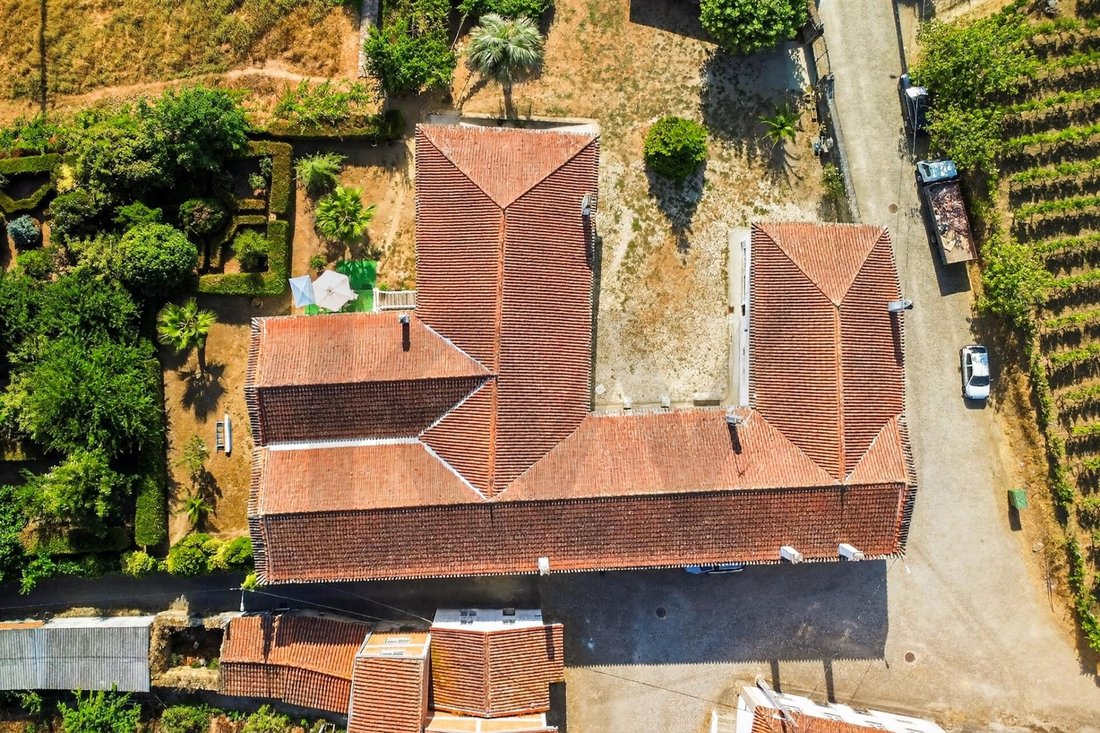
Ferme De Tábua
- 9 Chambres
- 11 SdB
- 9,946 Sqft
- 47.68 Ac lot
- Mis à jour: Septembre 4
- 6
À propos de la propriété
La description a été traduite automatiquement.
La description est affichée dans la langue d'origine.
Quinta do Espírito Santo est située à Espariz, dans le village de Tábua, appartenant à la région de Coimbra
Jeudi Histoire
• Quinta do Espírito Santo, située à Especim, Tábua (Coimbra), a des origines au début du XVIIIe siècle et appartenait initialement à la famille Marques de Proença. D. Ana Marques de Proença a été le premier propriétaire connu, étant sœur de Sebastião Marques
Jeudi Histoire
• Quinta do Espírito Santo, située à Especim, Tábua (Coimbra), a des origines au début du XVIIIe siècle et appartenait initialement à la famille Marques de Proença. D. Ana Marques de Proença a été le premier propriétaire connu, étant sœur de Sebastião Marques
Quinta do Espírito Santo is located in Espariz, in the village of Tábua, belonging to the region of Coimbra
History:
• Quinta do Espírito Santo, located in Especado, Tábua (Coimbra), has origins in the early eighteenth century and initially belonged to the Marques de Proença family. D. Ana Marques de Proença was the first known owner, being sister of Sebastião Marques de Proença,
History:
• Quinta do Espírito Santo, located in Especado, Tábua (Coimbra), has origins in the early eighteenth century and initially belonged to the Marques de Proença family. D. Ana Marques de Proença was the first known owner, being sister of Sebastião Marques de Proença,
Quinta do Espírito Santo est située à Espariz, dans le village de Tábua, appartenant à la région de Coimbra
Jeudi Histoire
• Quinta do Espírito Santo, située à Especim, Tábua (Coimbra), a des origines au début du XVIIIe siècle et appartenait initialement à la famille Marques de Proença. D. Ana Marques de Proença a été le premier propriétaire connu, étant sœur de Sebastião Marques de Proença, protonotaire de l’Inde.
• À la fin du XVIIIe siècle, António Joaquim Correia de Proença et Oliveira Coelho se sont démarqués comme administrateur de propriété et obtenu, en 1783, une lettre d’armes.
• Au XIXe siècle, la propriété a été héritée par Manuel de Serpa Pimentel, 2e baron de S. João de Areias, qui l’a ensuite donnée à son frère Eduardo de Serpa Pimentel. Grâce au mariage de sa fille, D. Sofia Adelaide de Serpa Pimentel, avec Jorge Ferreira, petit-fils de D. Antónia Ferreira (\
Jeudi Histoire
• Quinta do Espírito Santo, située à Especim, Tábua (Coimbra), a des origines au début du XVIIIe siècle et appartenait initialement à la famille Marques de Proença. D. Ana Marques de Proença a été le premier propriétaire connu, étant sœur de Sebastião Marques de Proença, protonotaire de l’Inde.
• À la fin du XVIIIe siècle, António Joaquim Correia de Proença et Oliveira Coelho se sont démarqués comme administrateur de propriété et obtenu, en 1783, une lettre d’armes.
• Au XIXe siècle, la propriété a été héritée par Manuel de Serpa Pimentel, 2e baron de S. João de Areias, qui l’a ensuite donnée à son frère Eduardo de Serpa Pimentel. Grâce au mariage de sa fille, D. Sofia Adelaide de Serpa Pimentel, avec Jorge Ferreira, petit-fils de D. Antónia Ferreira (\
Quinta do Espírito Santo is located in Espariz, in the village of Tábua, belonging to the region of Coimbra
History:
• Quinta do Espírito Santo, located in Especado, Tábua (Coimbra), has origins in the early eighteenth century and initially belonged to the Marques de Proença family. D. Ana Marques de Proença was the first known owner, being sister of Sebastião Marques de Proença, protonotary of India.
• In the late eighteenth century, António Joaquim Correia de Proença and Oliveira Coelho stood out as the property administrator and obtained, in 1783, a letter of arms coat of arms.
• In the nineteenth century, the property was inherited by Manuel de Serpa Pimentel, 2nd Baron of S. João de Areias, who later donated her to his brother Eduardo de Serpa Pimentel. Through the marriage of his daughter, D. Sofia Adelaide de Serpa Pimentel, with Jorge Ferreira, grandson of D. Antónia Ferreira (\
History:
• Quinta do Espírito Santo, located in Especado, Tábua (Coimbra), has origins in the early eighteenth century and initially belonged to the Marques de Proença family. D. Ana Marques de Proença was the first known owner, being sister of Sebastião Marques de Proença, protonotary of India.
• In the late eighteenth century, António Joaquim Correia de Proença and Oliveira Coelho stood out as the property administrator and obtained, in 1783, a letter of arms coat of arms.
• In the nineteenth century, the property was inherited by Manuel de Serpa Pimentel, 2nd Baron of S. João de Areias, who later donated her to his brother Eduardo de Serpa Pimentel. Through the marriage of his daughter, D. Sofia Adelaide de Serpa Pimentel, with Jorge Ferreira, grandson of D. Antónia Ferreira (\
-
Type de propriété
Corps de ferme
-
Prix/pied²
$277
-
Émissions
B
-
Consommation
B
Caractéristiques
- Jardin
- Terrasse
- Garage
- Cheminée
- Salle de jeux
- Vue sur la montagne
- Haut plafond
- Balcon
Explorez le secteur
Espariz, Tábua, 3330-xxx, Portugal
Voir sur Google Maps
Prix par sqft
Faible
Élevé
Inscrit il y a 4 ans
Vous vous êtes renseigné sur ce bien
L'agent vous contactera bientôt par
Publié par
290
Annonces
2023
Inscrit
Réserver une visite avec the agent
Choisissez une date et si vous souhaitez une visite virtuelle ou en personne avec l’agent.
Date préférée
Type de visite
Dernière mise à jour
Septembre 4
Première mise en ligne
Août 19, 2025
Référence de l’annonce
KWPT-018757
Propriétés similaires à proximité
Nouvelles annonces à Espariz e Sinde

Explorez plus de biens à vendre
Espariz e Sinde, District de Coimbra, Portugal types de propriétés
Espariz e Sinde, District de Coimbra, Portugal Recherches populaires
- Propriétés avec Terrasse à Espariz e Sinde, District de Coimbra, Portugal
- Propriétés avec Salle de jeux à Espariz e Sinde, District de Coimbra, Portugal
- Propriétés avec Bureau à Espariz e Sinde, District de Coimbra, Portugal
- Vue sur la montagne propriétés à Espariz e Sinde, District de Coimbra, Portugal
- Propriétés avec Jardin à Espariz e Sinde, District de Coimbra, Portugal
- Propriétés avec Cheminée à Espariz e Sinde, District de Coimbra, Portugal
- Propriétés avec Garage à Espariz e Sinde, District de Coimbra, Portugal
- Propriétés avec Balcon à Espariz e Sinde, District de Coimbra, Portugal
Espariz e Sinde, District de Coimbra, Portugal Quartiers
Guides et histoires connexes
La confiance des plus grands courtiers du monde
Les agents des propriétés les plus exceptionnelles du monde publient sur JamesEdition.
- Des annonces de Sotheby's, Christie's, BARNES et Engel & Völkers
- Chaque annonce est vérifiée avant sa mise en ligne
- Contactez directement des agents vérifiés
En continuant, vous acceptez nos Conditions et notre Politique de confidentialité.