$14,563,900
Prix réduit de $2,240,600 le Sep 29, 2026
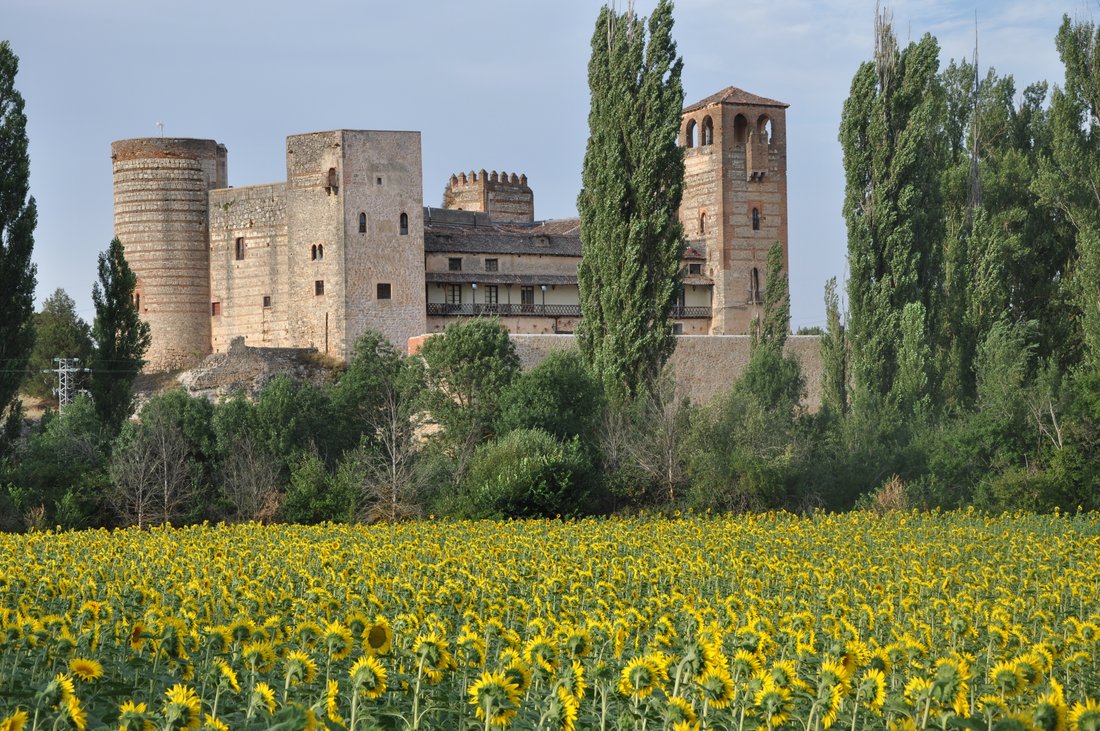
Authentique Château Médiéval Au Cœur De L'espagne
- 21 Chambres
- 24 SdB
- 39,655 Sqft
- Mis à jour: Septembre 29
- 709
À propos de la propriété
La description a été traduite automatiquement.
La description est affichée dans la langue d'origine.
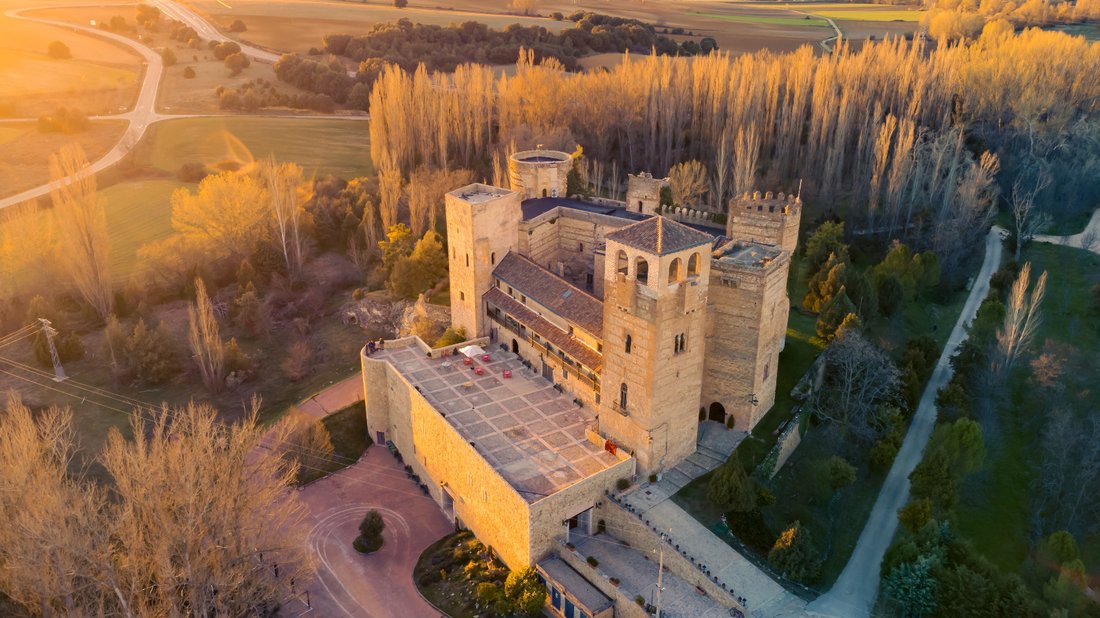
Bienvenue dans le complexe du château de Castilnovo, situé à environ une heure de route au nord de Madrid et à 45 minutes de Ségovie, site classé au patrimoine mondial de l’UNESCO.
Castilnovo n’est pas simplement un château, mais un domaine de 78 hectares comprenant une forêt de chênes et de pins à feuilles persistantes arrosée par une rivière et où les cerfs et les sangliers se promènen
Castilnovo n’est pas simplement un château, mais un domaine de 78 hectares comprenant une forêt de chênes et de pins à feuilles persistantes arrosée par une rivière et où les cerfs et les sangliers se promènen
Welcome to the Castilnovo Castle complex, located approximately an hour’s drive north of Madrid and 45 minutes from UNESCO World Heritage Site Segovia.
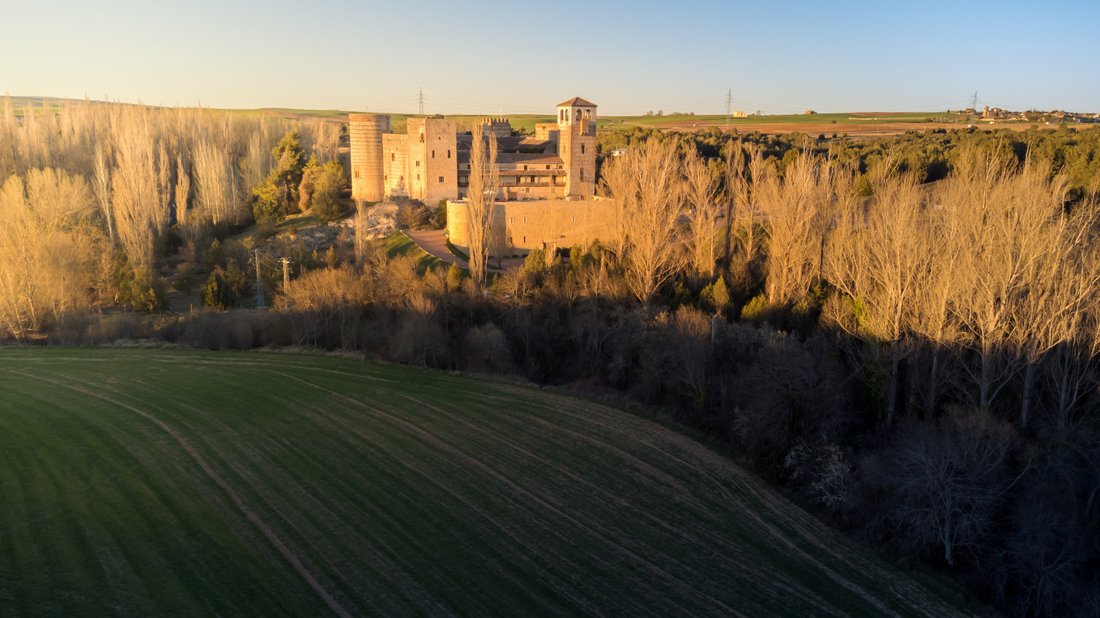
Castilnovo is not just a castle, but a 78 hectare/193 acre estate including an evergreen oak and pine forest watered by a river, and where deer and wild boar roam freely. Privacy and gorgeous views are guaranteed.
Legend says th
Castilnovo is not just a castle, but a 78 hectare/193 acre estate including an evergreen oak and pine forest watered by a river, and where deer and wild boar roam freely. Privacy and gorgeous views are guaranteed.
Legend says th
Bienvenue dans le complexe du château de Castilnovo, situé à environ une heure de route au nord de Madrid et à 45 minutes de Ségovie, site classé au patrimoine mondial de l’UNESCO.
Castilnovo n’est pas simplement un château, mais un domaine de 78 hectares comprenant une forêt de chênes et de pins à feuilles persistantes arrosée par une rivière et où les cerfs et les sangliers se promènent librement. L’intimité et les vues magnifiques sont garanties.
La légende raconte que le château a été construit au VIIIe siècle par Abderramán I, émir de Cordoue.
D’autres disent que le château date du XIIIe siècle, lorsque le roi Alphonse VIII de Castille a conquis la ville de Castilnovo et a ordonné la construction d’une forteresse sur le site où se trouve aujourd’hui le château.
C’était la propriété des rois catholiques Ferdinand et Isabelle. Et une autre légende raconte qu’à la mort de Philippe le Beau en 1506, la reine Juana « la Folle » a séjourné au château de Castilnovo avec sa demi-sœur.
Le domaine du château offre de nombreuses possibilités d’utilisation, qu’il s’agisse d’une maison privée offrant une tranquillité et une intimité maximales ou d’un hôtel/lieu de réunion.
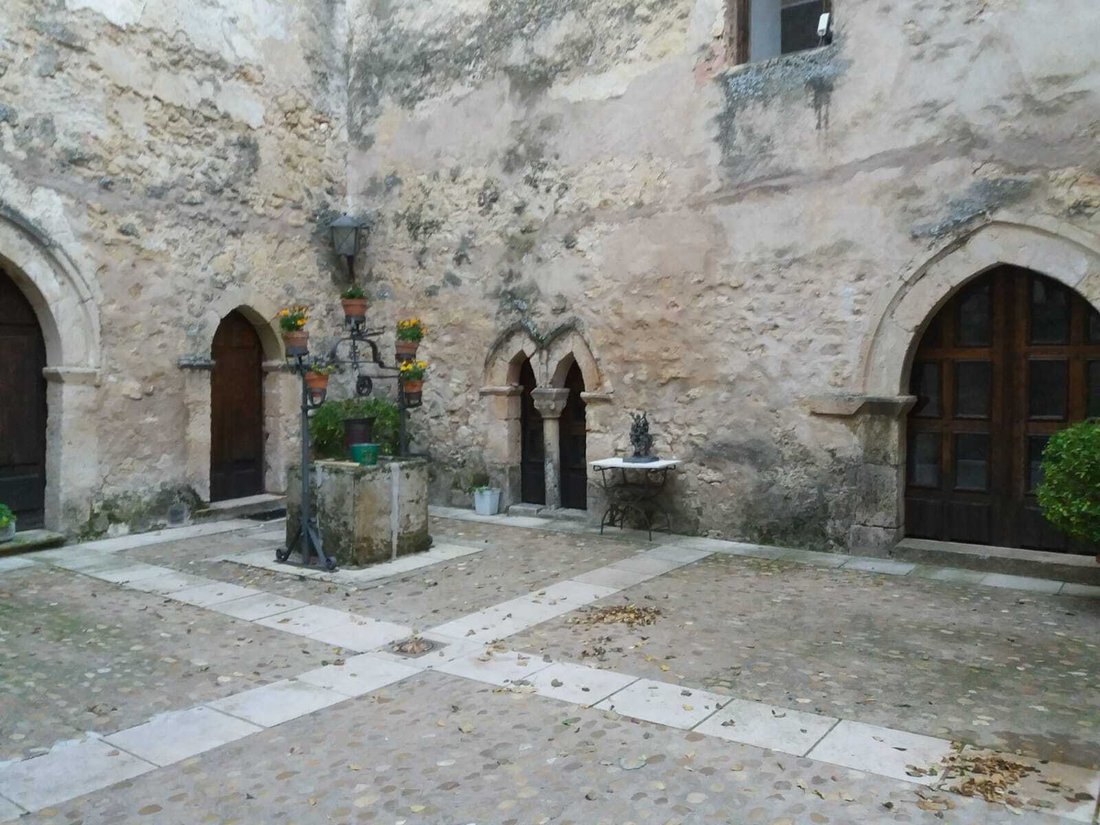
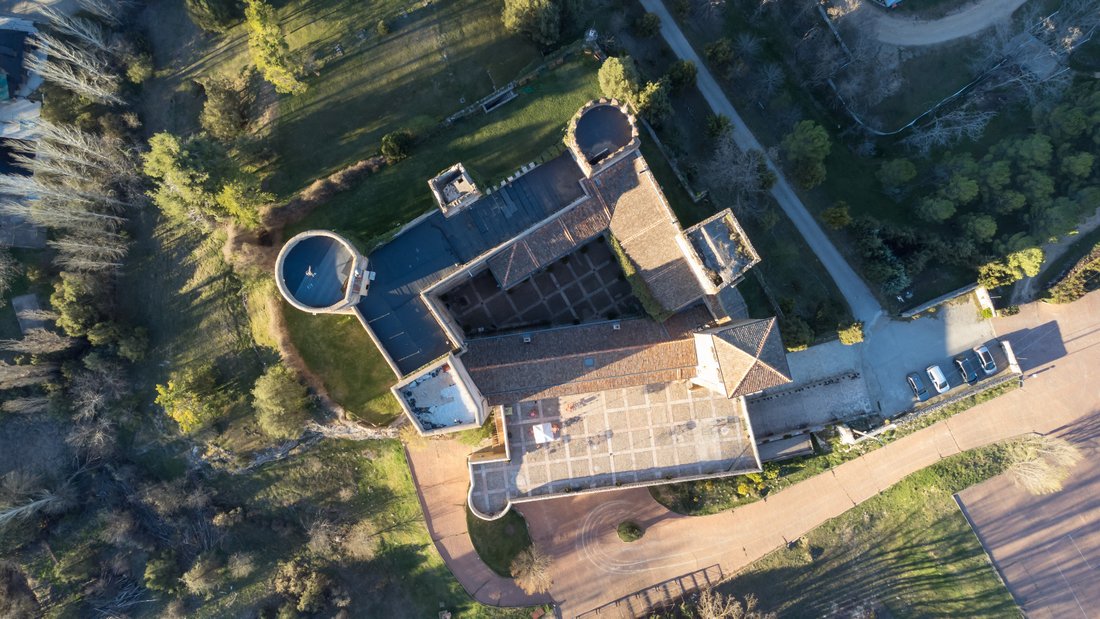
Le château se compose de cinq étages avec six tours rondes et carrées, une belle cour, des salles de conférence, une bibliothèque, des salles de réunion, un bar, des salles à manger, 21 chambres avec salle de bain privée (certaines avec sauna), une vaste terrasse, des piscines et un parking.
Il existe également plusieurs possibilités pour agrandir les bâtiments existants. Le domaine dispose de différents espaces pour les événements, à la fois à l’intérieur et à l’extérieur du château. Histoire de Castilnovo Au XVe siècle, les seigneurs de Castilnovo, la famille Velasco de Mendoza, ont commandé la construction d’un nouveau château.
L’objectif était de donner à la forteresse une plus grande capacité défensive et une image plus imposante en accord avec le statut de la famille. Au cours des XVIe et XVIIe siècles, le château de Castilnovo a subi plusieurs rénovations et améliorations.
En 1710, après la guerre de Succession, il a été remis au duc de Berwick et est ensuite devenu la propriété des comtes d’Orgaz. Tout au long du XIXe siècle, le château de Castilnovo a cessé d’être utilisé militairement et est devenu une résidence.
Le gouvernement espagnol l’a déclaré monument d’intérêt culturel en juin 1931.
Superficie du château : domaine de 3 684 m²/39 654 pieds carrés Le domaine mesure 78 hectares/193 acres.
Castilnovo n’est pas simplement un château, mais un domaine de 78 hectares comprenant une forêt de chênes et de pins à feuilles persistantes arrosée par une rivière et où les cerfs et les sangliers se promènent librement. L’intimité et les vues magnifiques sont garanties.
La légende raconte que le château a été construit au VIIIe siècle par Abderramán I, émir de Cordoue.
D’autres disent que le château date du XIIIe siècle, lorsque le roi Alphonse VIII de Castille a conquis la ville de Castilnovo et a ordonné la construction d’une forteresse sur le site où se trouve aujourd’hui le château.
C’était la propriété des rois catholiques Ferdinand et Isabelle. Et une autre légende raconte qu’à la mort de Philippe le Beau en 1506, la reine Juana « la Folle » a séjourné au château de Castilnovo avec sa demi-sœur.
Le domaine du château offre de nombreuses possibilités d’utilisation, qu’il s’agisse d’une maison privée offrant une tranquillité et une intimité maximales ou d’un hôtel/lieu de réunion.
Le château se compose de cinq étages avec six tours rondes et carrées, une belle cour, des salles de conférence, une bibliothèque, des salles de réunion, un bar, des salles à manger, 21 chambres avec salle de bain privée (certaines avec sauna), une vaste terrasse, des piscines et un parking.
Il existe également plusieurs possibilités pour agrandir les bâtiments existants. Le domaine dispose de différents espaces pour les événements, à la fois à l’intérieur et à l’extérieur du château. Histoire de Castilnovo Au XVe siècle, les seigneurs de Castilnovo, la famille Velasco de Mendoza, ont commandé la construction d’un nouveau château.
L’objectif était de donner à la forteresse une plus grande capacité défensive et une image plus imposante en accord avec le statut de la famille. Au cours des XVIe et XVIIe siècles, le château de Castilnovo a subi plusieurs rénovations et améliorations.
En 1710, après la guerre de Succession, il a été remis au duc de Berwick et est ensuite devenu la propriété des comtes d’Orgaz. Tout au long du XIXe siècle, le château de Castilnovo a cessé d’être utilisé militairement et est devenu une résidence.
Le gouvernement espagnol l’a déclaré monument d’intérêt culturel en juin 1931.
Superficie du château : domaine de 3 684 m²/39 654 pieds carrés Le domaine mesure 78 hectares/193 acres.
Welcome to the Castilnovo Castle complex, located approximately an hour’s drive north of Madrid and 45 minutes from UNESCO World Heritage Site Segovia.
Castilnovo is not just a castle, but a 78 hectare/193 acre estate including an evergreen oak and pine forest watered by a river, and where deer and wild boar roam freely. Privacy and gorgeous views are guaranteed.
Legend says the castle was originally built in the 8th century by Abderramán I, emir of Cordoba,.
Others say the castle dates to the 13th century when King Alfonso VIII of Castile conquered the town of Castilnovo and ordered the construction of a fortress on the site where the castle now stands.
It was the property of the Catholic Monarchs Ferdinand and Isabella. And another legend says that, on the death of Philip the Handsome in 1506, Queen Juana ”the Mad” stayed at Castilnovo Castle with her half-sister.
The castle estate offers many possibilities for use, from a private home of utmost tranquility and privacy, to a hotel/venue.
The castle consists of five floors with six round and square towers, a beautiful courtyard, conference rooms, bibliotheque, meeting rooms, bar, dining rooms, 21 rooms with ensuite bathrooms (some with sauna), a vast terrace, swimming pools, and car park.
There are also several possibilities to expand existing buildings. The estate has different areas for events, both inside and outside the castle. Castilnovo History In the 15th century, the lords of Castilnovo, the Velasco de Mendoza family, commissioned the construction of a new castle.
The objective was to give the fortress a greater defensive capacity and a more imposing image in keeping with the status of the family. During the 16th and 17th centuries, Castilnovo Castle underwent several renovations and improvements.
In 1710, after the War of Succession, it was handed to the Duke of Berwick, and subsequently became the property of the Counts of Orgaz. Throughout the 19th century, Castilnovo Castle ceased to be used militarily and became a residence.
The Spanish government declared it a Monument of Cultural Interest in June 1931.
Castle surface area: estate 3,684 m²/39,654 sq. feet. Estate measures 78 hectares/193 acres.
Castilnovo is not just a castle, but a 78 hectare/193 acre estate including an evergreen oak and pine forest watered by a river, and where deer and wild boar roam freely. Privacy and gorgeous views are guaranteed.
Legend says the castle was originally built in the 8th century by Abderramán I, emir of Cordoba,.
Others say the castle dates to the 13th century when King Alfonso VIII of Castile conquered the town of Castilnovo and ordered the construction of a fortress on the site where the castle now stands.
It was the property of the Catholic Monarchs Ferdinand and Isabella. And another legend says that, on the death of Philip the Handsome in 1506, Queen Juana ”the Mad” stayed at Castilnovo Castle with her half-sister.
The castle estate offers many possibilities for use, from a private home of utmost tranquility and privacy, to a hotel/venue.
The castle consists of five floors with six round and square towers, a beautiful courtyard, conference rooms, bibliotheque, meeting rooms, bar, dining rooms, 21 rooms with ensuite bathrooms (some with sauna), a vast terrace, swimming pools, and car park.
There are also several possibilities to expand existing buildings. The estate has different areas for events, both inside and outside the castle. Castilnovo History In the 15th century, the lords of Castilnovo, the Velasco de Mendoza family, commissioned the construction of a new castle.
The objective was to give the fortress a greater defensive capacity and a more imposing image in keeping with the status of the family. During the 16th and 17th centuries, Castilnovo Castle underwent several renovations and improvements.
In 1710, after the War of Succession, it was handed to the Duke of Berwick, and subsequently became the property of the Counts of Orgaz. Throughout the 19th century, Castilnovo Castle ceased to be used militarily and became a residence.
The Spanish government declared it a Monument of Cultural Interest in June 1931.
Castle surface area: estate 3,684 m²/39,654 sq. feet. Estate measures 78 hectares/193 acres.
-
Type de propriété
Château
-
Étages
5
-
Année de construction
1300
-
Prix/pied²
$367
Caractéristiques
Caractéristiques
Lot
Intérieur
- Haut plafond
- Bureau
- Cheminée
- Climatisation
- Îlot de cuisine
- Cuisinière à gaz
- Jacuzzi
- Laveuse sécheuse
- Bar
- Buanderie
- Sauna
- Salle de jeux
- Cave à vins
- Cinéma
- Cuisine ouverte
- Sous-sol
- Comptoirs en pierre
- Hammam
- Dressing
Outdoor
Explorez le secteur
carretera, comarcal 205, km 15, 40318, Segovia, Spain, Condado de Castilnovo, Castille-et-León, Espagne
Voir sur Google Maps
Prix par sqft
Faible
Élevé
Inscrit il y a 5 ans
Vous vous êtes renseigné sur ce bien
L'agent vous contactera bientôt par
Publié par
24
Annonces
2021
Inscrit
Réserver une visite avec the agent
Choisissez une date et si vous souhaitez une visite virtuelle ou en personne avec l’agent.
Date préférée
Type de visite
Dernière mise à jour
Septembre 29
Première mise en ligne
Décembre 1, 2023
Référence de l’annonce
23CVMCAS
Propriétés similaires à proximité
Nouvelles annonces à Condado de Castilnovo

Explorez plus de biens à vendre
Condado de Castilnovo, Castille-et-León, Espagne types de propriétés
Condado de Castilnovo, Castille-et-León, Espagne Recherches populaires
- Vue panoramique / panoramique propriétés à Condado de Castilnovo, Castille-et-León, Espagne
- Propriétés avec Terrasse à Condado de Castilnovo, Castille-et-León, Espagne
- Propriétés avec Bar à Condado de Castilnovo, Castille-et-León, Espagne
- Propriétés avec Salle de jeux à Condado de Castilnovo, Castille-et-León, Espagne
- Propriétés avec Bureau à Condado de Castilnovo, Castille-et-León, Espagne
- Vue sur la montagne propriétés à Condado de Castilnovo, Castille-et-León, Espagne
- Propriétés avec Jardin à Condado de Castilnovo, Castille-et-León, Espagne
- Propriétés avec Cuisine extérieure à Condado de Castilnovo, Castille-et-León, Espagne
- Vie privée propriétés à Condado de Castilnovo, Castille-et-León, Espagne
- Moderne propriétés à Condado de Castilnovo, Castille-et-León, Espagne
- Propriétés avec Sauna à Condado de Castilnovo, Castille-et-León, Espagne
- Propriétés avec Hammam à Condado de Castilnovo, Castille-et-León, Espagne
- Propriétés avec Climatisation à Condado de Castilnovo, Castille-et-León, Espagne
- Propriétés avec Cave à vins à Condado de Castilnovo, Castille-et-León, Espagne
- Propriétés avec Jacuzzi à Condado de Castilnovo, Castille-et-León, Espagne
- Propriétés avec Cheminée à Condado de Castilnovo, Castille-et-León, Espagne
- Propriétés avec Piscine à Condado de Castilnovo, Castille-et-León, Espagne
- Propriétés avec Garage à Condado de Castilnovo, Castille-et-León, Espagne
- Propriétés avec Balcon à Condado de Castilnovo, Castille-et-León, Espagne
- Propriétés avec Cuisine ouverte à Condado de Castilnovo, Castille-et-León, Espagne
- Propriétés avec Cinéma à Condado de Castilnovo, Castille-et-León, Espagne
- Propriétés avec Piscine intérieure à Condado de Castilnovo, Castille-et-León, Espagne
Guides et histoires connexes
La confiance des plus grands courtiers du monde
Les agents des propriétés les plus exceptionnelles du monde publient sur JamesEdition.
- Des annonces de Sotheby's, Christie's, BARNES et Engel & Völkers
- Chaque annonce est vérifiée avant sa mise en ligne
- Contactez directement des agents vérifiés
En continuant, vous acceptez nos Conditions et notre Politique de confidentialité.