$4,615,573
Ferme, 5 Chambres, À Vendre
- 5 Chambres
- 3 SdB
- 3,297 Sqft
- 2
À propos de la propriété
La description a été traduite automatiquement.
La description est affichée dans la langue d'origine.
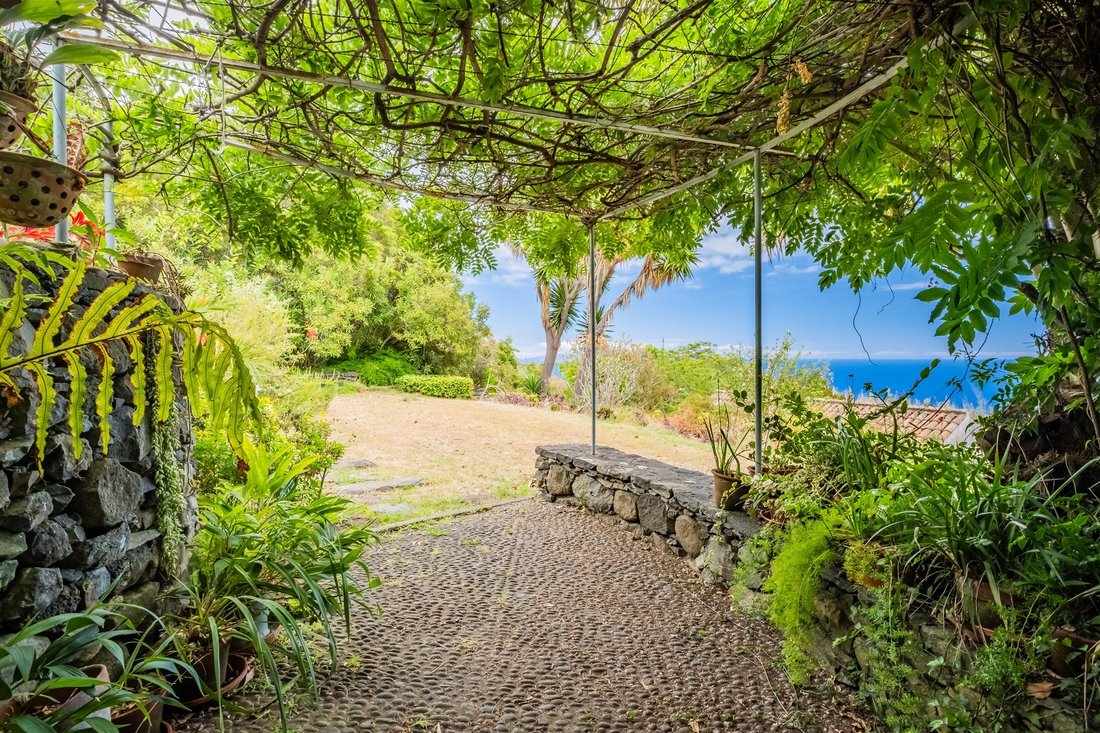
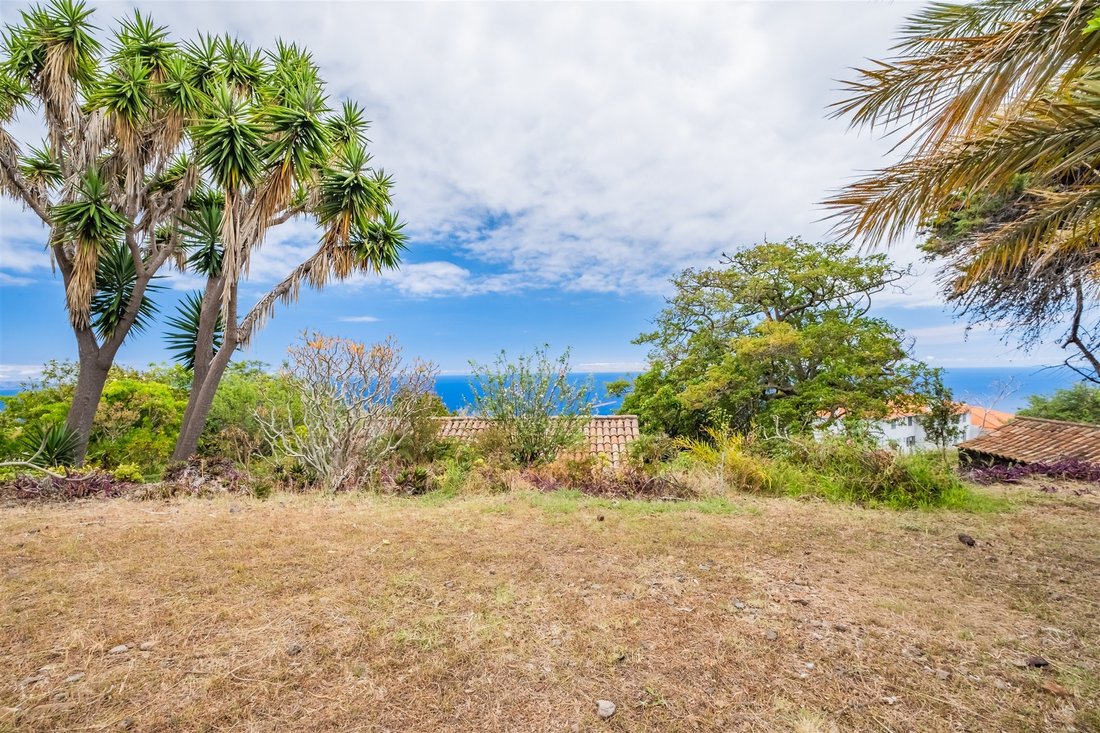
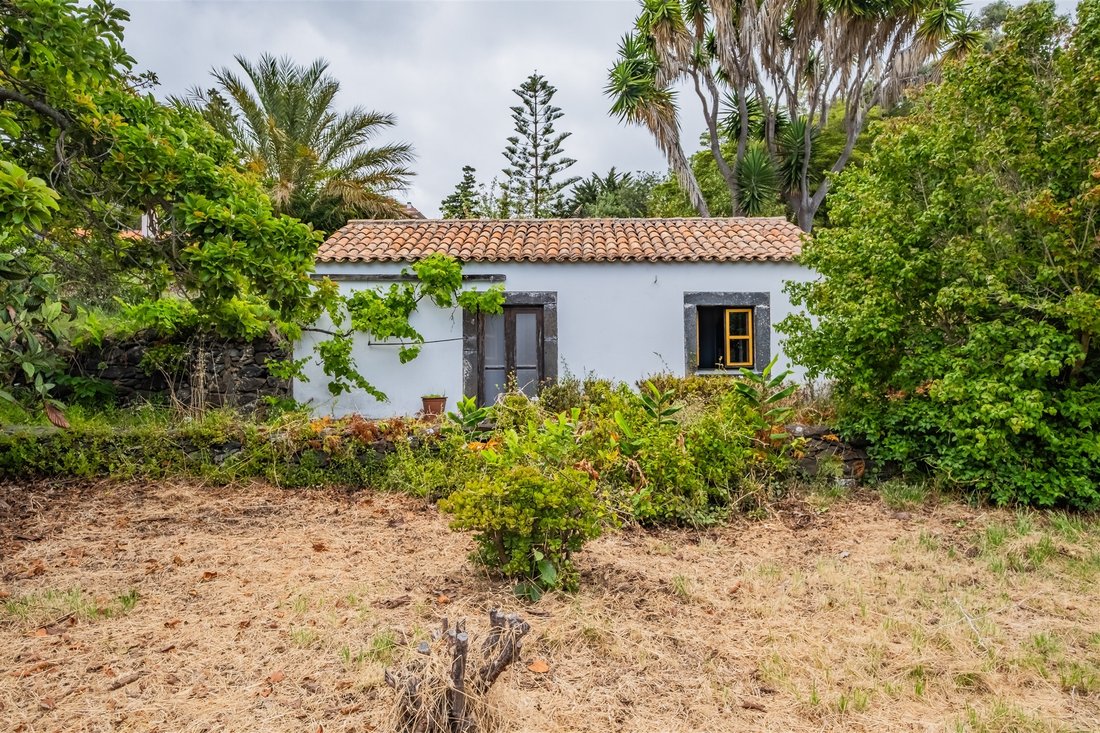
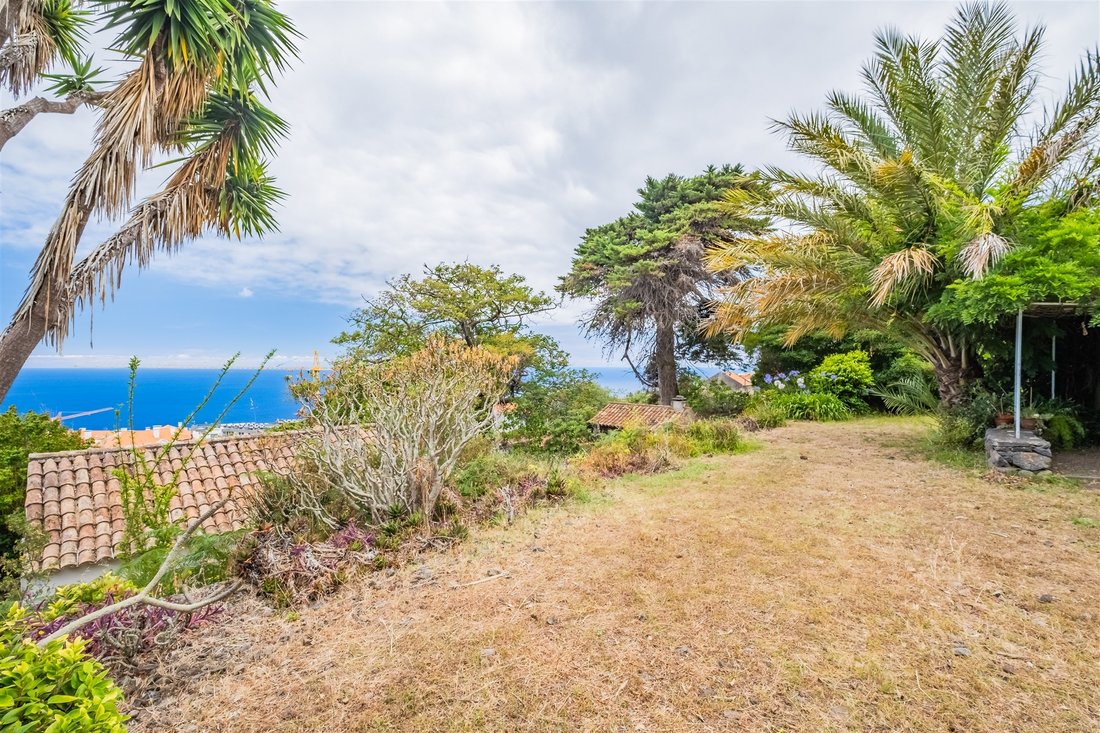
La maison de Lourdes Castro, située à Caniço, à Madère, est bien plus qu’une simple résidence ; elle constitue un témoignage vivant de son art et de sa vision. Ce refuge, offrant une vue imprenable sur l’océan et les îles Desertas, a été conçu par Lourdes Castro et son compagnon, l’architecte Manuel Zimbro, comme un lieu reflétant l’essence même de leur œuvre et de leur mode de vie. Pour Lourdes,
The house of Lourdes Castro, located in Caniço, Madeira, is far more than a simple home; it is a living testament to her art and vision. This retreat, overlooking the ocean and the Desertas Islands, was designed by Lourdes Castro and her partner, architect Manuel Zimbro, and transformed into a space that reflects the essence of their work and way of life. For Lourdes, the house and the garden were
La maison de Lourdes Castro, située à Caniço, à Madère, est bien plus qu’une simple résidence ; elle constitue un témoignage vivant de son art et de sa vision. Ce refuge, offrant une vue imprenable sur l’océan et les îles Desertas, a été conçu par Lourdes Castro et son compagnon, l’architecte Manuel Zimbro, comme un lieu reflétant l’essence même de leur œuvre et de leur mode de vie. Pour Lourdes, la maison et le jardin étaient indissociables, formant une extension de son processus créatif et devenant, au fil des années, un lieu symbolique d’appartenance.
Lourdes considérait le jardin non pas comme un simple espace extérieur, mais comme sa « dernière œuvre d’art », un lieu qu’elle cultivait avec la même passion qu’elle consacrait à ses créations artistiques. Son lien profond avec la nature et le rythme de la vie insulaire constituaient des piliers essentiels de son œuvre. Les deux grands arbres qu’elle avait plantés, qu’elle appelait affectueusement « mes gladiateurs », revêtaient une signification particulière. Pour elle, ils étaient les gardiens de la maison, symbolisant sa relation intime avec la nature qui l’entourait et qui a toujours inspiré son travail.
Son souhait était que la maison soit préservée comme un musée et que le jardin soit entretenu comme un hommage à son art, à l’image des jardins de Monet à Giverny. Ensemble, ils devaient constituer une expression complète de son héritage, reflétant non seulement son attachement à la nature, mais aussi la simplicité et la sagesse qui ont marqué son parcours artistique.
Lourdes Castro n’était pas seulement une artiste, mais aussi une femme qui a su fusionner de manière unique sa vie et son art. Sa maison, avec ses espaces soigneusement pensés, et le jardin qu’elle aimait tant, demeurent aujourd’hui encore des manifestations de cette harmonie entre le quotidien et la création artistique. Ils continuent de témoigner de son héritage : un lieu où l’art et la nature se rencontrent dans une atmosphère de sérénité et de beauté qui a toujours nourri son inspiration.
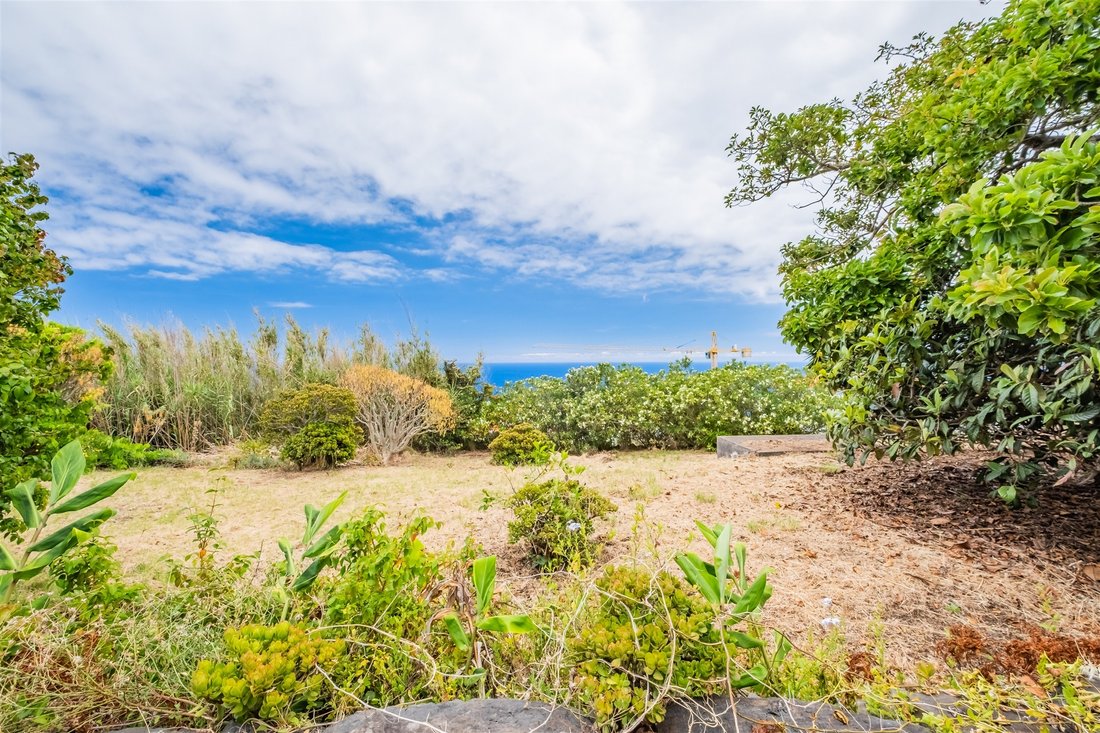
Cette magnifique propriété, d’une superficie de près de 13 000 mètres carrés, bénéficie d’un indice de construction de 1,5, offrant non seulement la possibilité de valoriser la résidence ayant appartenu à Lourdes Castro, mais aussi un important potentiel de développement. Grâce à ses remarquables possibilités d’expansion, elle est idéale pour des projets touristiques ou la construction de villas individuelles.
Lourdes considérait le jardin non pas comme un simple espace extérieur, mais comme sa « dernière œuvre d’art », un lieu qu’elle cultivait avec la même passion qu’elle consacrait à ses créations artistiques. Son lien profond avec la nature et le rythme de la vie insulaire constituaient des piliers essentiels de son œuvre. Les deux grands arbres qu’elle avait plantés, qu’elle appelait affectueusement « mes gladiateurs », revêtaient une signification particulière. Pour elle, ils étaient les gardiens de la maison, symbolisant sa relation intime avec la nature qui l’entourait et qui a toujours inspiré son travail.
Son souhait était que la maison soit préservée comme un musée et que le jardin soit entretenu comme un hommage à son art, à l’image des jardins de Monet à Giverny. Ensemble, ils devaient constituer une expression complète de son héritage, reflétant non seulement son attachement à la nature, mais aussi la simplicité et la sagesse qui ont marqué son parcours artistique.
Lourdes Castro n’était pas seulement une artiste, mais aussi une femme qui a su fusionner de manière unique sa vie et son art. Sa maison, avec ses espaces soigneusement pensés, et le jardin qu’elle aimait tant, demeurent aujourd’hui encore des manifestations de cette harmonie entre le quotidien et la création artistique. Ils continuent de témoigner de son héritage : un lieu où l’art et la nature se rencontrent dans une atmosphère de sérénité et de beauté qui a toujours nourri son inspiration.
Cette magnifique propriété, d’une superficie de près de 13 000 mètres carrés, bénéficie d’un indice de construction de 1,5, offrant non seulement la possibilité de valoriser la résidence ayant appartenu à Lourdes Castro, mais aussi un important potentiel de développement. Grâce à ses remarquables possibilités d’expansion, elle est idéale pour des projets touristiques ou la construction de villas individuelles.
The house of Lourdes Castro, located in Caniço, Madeira, is far more than a simple home; it is a living testament to her art and vision. This retreat, overlooking the ocean and the Desertas Islands, was designed by Lourdes Castro and her partner, architect Manuel Zimbro, and transformed into a space that reflects the essence of their work and way of life. For Lourdes, the house and the garden were inseparable, forming an extension of her creative process and becoming, over the years, a symbolic place of belonging.
Lourdes regarded the garden not merely as an outdoor space, but as her “last work of art,” a place she cultivated with the same dedication she devoted to her artistic creations. Her profound connection with nature and the rhythm of island life were fundamental pillars of her work. The two large trees she planted, which she affectionately called “my gladiators,” held special significance. To Lourdes, they were guardians of the house, symbolising her deep bond with the natural world that surrounded her and inspired her artistic practice.
Her vision was for the house to be preserved as a museum and for the garden to be maintained as a tribute to her art, much like Monet’s gardens in Giverny. Together, they were intended to stand as a complete expression of her legacy, reflecting not only her connection to nature but also the simplicity and wisdom that characterised her artistic journey.
Lourdes Castro was not only an artist but also a woman who uniquely integrated life and art. Her home, with its carefully designed spaces, and the garden she cherished so deeply, remain enduring manifestations of this harmony between daily life and artistic creation. Today, both continue to bear witness to her legacy: a place where art and nature meet in an atmosphere of tranquillity and beauty that was always her greatest source of inspiration.
This magnificent property, with almost 13,000 square metres of land, offers a construction index of 1.5, creating opportunities not only to enhance the residence once owned by Lourdes Castro but also to unlock significant development potential. With remarkable expansion possibilities, the property is ideally suited for tourism developments as well as the construction of private villas. Its vast grounds and privileged location make it an exceptional opportunity for those seeking to create a project of outstanding value while respecting the natural beauty that surrounds it.
Lourdes regarded the garden not merely as an outdoor space, but as her “last work of art,” a place she cultivated with the same dedication she devoted to her artistic creations. Her profound connection with nature and the rhythm of island life were fundamental pillars of her work. The two large trees she planted, which she affectionately called “my gladiators,” held special significance. To Lourdes, they were guardians of the house, symbolising her deep bond with the natural world that surrounded her and inspired her artistic practice.
Her vision was for the house to be preserved as a museum and for the garden to be maintained as a tribute to her art, much like Monet’s gardens in Giverny. Together, they were intended to stand as a complete expression of her legacy, reflecting not only her connection to nature but also the simplicity and wisdom that characterised her artistic journey.
Lourdes Castro was not only an artist but also a woman who uniquely integrated life and art. Her home, with its carefully designed spaces, and the garden she cherished so deeply, remain enduring manifestations of this harmony between daily life and artistic creation. Today, both continue to bear witness to her legacy: a place where art and nature meet in an atmosphere of tranquillity and beauty that was always her greatest source of inspiration.
This magnificent property, with almost 13,000 square metres of land, offers a construction index of 1.5, creating opportunities not only to enhance the residence once owned by Lourdes Castro but also to unlock significant development potential. With remarkable expansion possibilities, the property is ideally suited for tourism developments as well as the construction of private villas. Its vast grounds and privileged location make it an exceptional opportunity for those seeking to create a project of outstanding value while respecting the natural beauty that surrounds it.
-
Type de propriété
Corps de ferme
-
Année de construction
1900
-
Prix/pied²
$1,400
Caractéristiques
Explorez le secteur
Santa Cruz, Madère, Portugal
Voir sur Google Maps
Prix par sqft
Faible
Élevé
Inscrit il y a 9 ans
Vous vous êtes renseigné sur ce bien
L'agent vous contactera bientôt par
Publié par
98
Annonces
2017
Inscrit
Réserver une visite avec Lina Ramos
Choisissez une date et si vous souhaitez une visite virtuelle ou en personne avec l’agent.
Date préférée
Type de visite

Portugal Sotheby's International Realty
Praça do Infante 2, Funchal, Madeira, Portugal
Voir le profil de l’agence
Dernière mise à jour
Septembre 5
Première mise en ligne
Juillet 27
Lien de l’annonce
Référence de l’annonce
Y284TK
Propriétés similaires à proximité
Nouvelles annonces à Santa Cruz
Explorez plus de biens à vendre
Santa Cruz, Madère, Portugal types de propriétés
- Maisons à vendre à Santa Cruz, Madère, Portugal
- Villas à vendre à Santa Cruz, Madère, Portugal
- Campagne à vendre à Santa Cruz, Madère, Portugal
- Corps de ferme à vendre à Santa Cruz, Madère, Portugal
- Appartements à vendre à Santa Cruz, Madère, Portugal
- Maisons de ville à vendre à Santa Cruz, Madère, Portugal
Santa Cruz, Madère, Portugal Recherches populaires
- Vue panoramique / panoramique propriétés à Santa Cruz, Madère, Portugal
- Vue sur la mer propriétés à Santa Cruz, Madère, Portugal
- Propriétés avec Terrasse à Santa Cruz, Madère, Portugal
- Propriétés avec Bar à Santa Cruz, Madère, Portugal
- Propriétés avec Salle de jeux à Santa Cruz, Madère, Portugal
- Propriétés avec Bureau à Santa Cruz, Madère, Portugal
- Propriétés avec Ascenseur à Santa Cruz, Madère, Portugal
- Vue sur la ville propriétés à Santa Cruz, Madère, Portugal
- Vue sur la montagne propriétés à Santa Cruz, Madère, Portugal
- Propriétés avec Jardin à Santa Cruz, Madère, Portugal
- Duplex propriétés à Santa Cruz, Madère, Portugal
- Vie privée propriétés à Santa Cruz, Madère, Portugal
- Haute altitude propriétés à Santa Cruz, Madère, Portugal
- Au bord de l’eau propriétés à Santa Cruz, Madère, Portugal
- Colline propriétés à Santa Cruz, Madère, Portugal
- Immobilier d’investissement propriétés à Santa Cruz, Madère, Portugal
- Moderne propriétés à Santa Cruz, Madère, Portugal
- Équestre propriétés à Santa Cruz, Madère, Portugal
- Constructions neuves propriétés à Santa Cruz, Madère, Portugal
- Propriétés avec Centre de remise en forme / Fitness à Santa Cruz, Madère, Portugal
- Propriétés avec Sauna à Santa Cruz, Madère, Portugal
- Propriétés avec Bibliothèque à Santa Cruz, Madère, Portugal
- Propriétés avec Climatisation à Santa Cruz, Madère, Portugal
- Le front de mer propriétés à Santa Cruz, Madère, Portugal
- Propriétés avec Jacuzzi à Santa Cruz, Madère, Portugal
- Propriétés avec Cheminée à Santa Cruz, Madère, Portugal
- Propriétés avec Piscine à Santa Cruz, Madère, Portugal
- Propriétés avec Garage à Santa Cruz, Madère, Portugal
- Propriétés avec Balcon à Santa Cruz, Madère, Portugal
- Bord de Mer propriétés à Santa Cruz, Madère, Portugal
- Propriétés avec Cuisine ouverte à Santa Cruz, Madère, Portugal
- Rénové propriétés à Santa Cruz, Madère, Portugal
- Propriétés avec Piscine intérieure à Santa Cruz, Madère, Portugal
- Vue sur la mer propriétés à Santa Cruz, Madère, Portugal
- Vue sur l’océan propriétés à Santa Cruz, Madère, Portugal
Guides et histoires connexes
La confiance des plus grands courtiers du monde
Les agents des propriétés les plus exceptionnelles du monde publient sur JamesEdition.
- Des annonces de Sotheby's, Christie's, BARNES et Engel & Völkers
- Chaque annonce est vérifiée avant sa mise en ligne
- Contactez directement des agents vérifiés
En continuant, vous acceptez nos Conditions et notre Politique de confidentialité.