$4,446,710
Domaine Du Monastère São Jorge À Coimbra
- 50 Chambres
- 69,966 Sqft
- 91.43 Ac lot
- Mis à jour: Juin 18
- 12
À propos de la propriété
La description a été traduite automatiquement.
La description est affichée dans la langue d'origine.
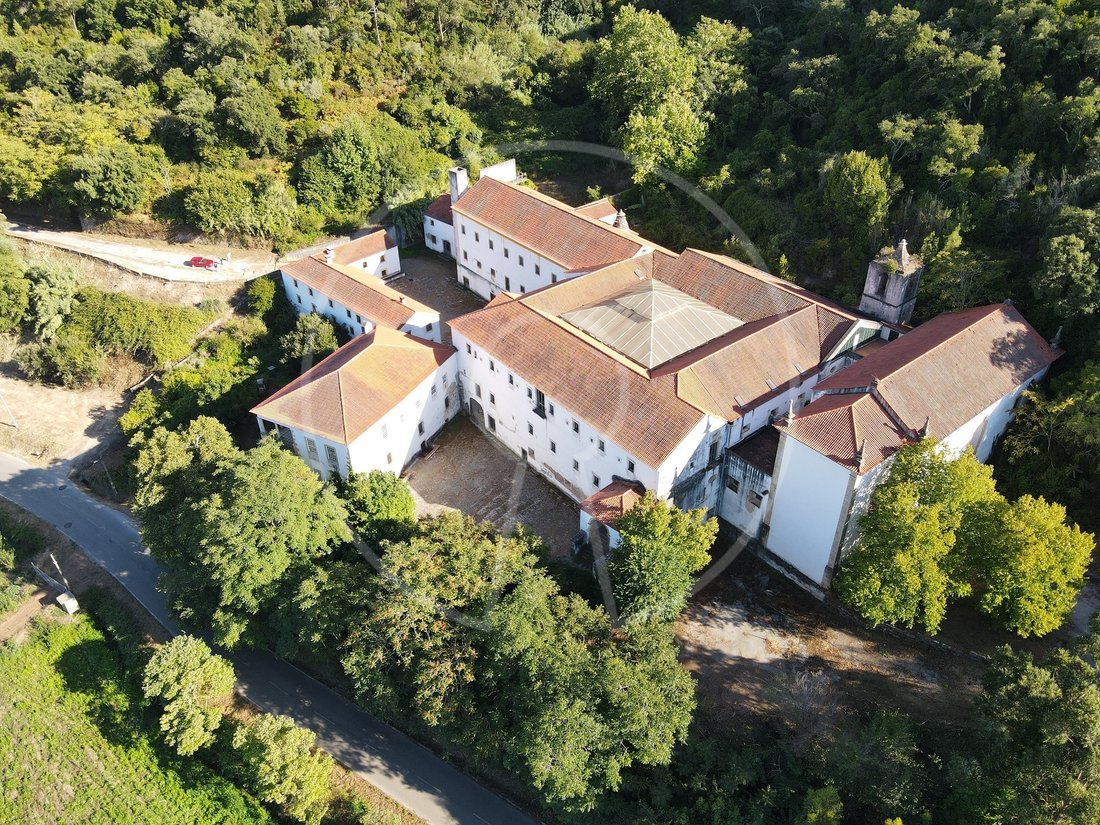
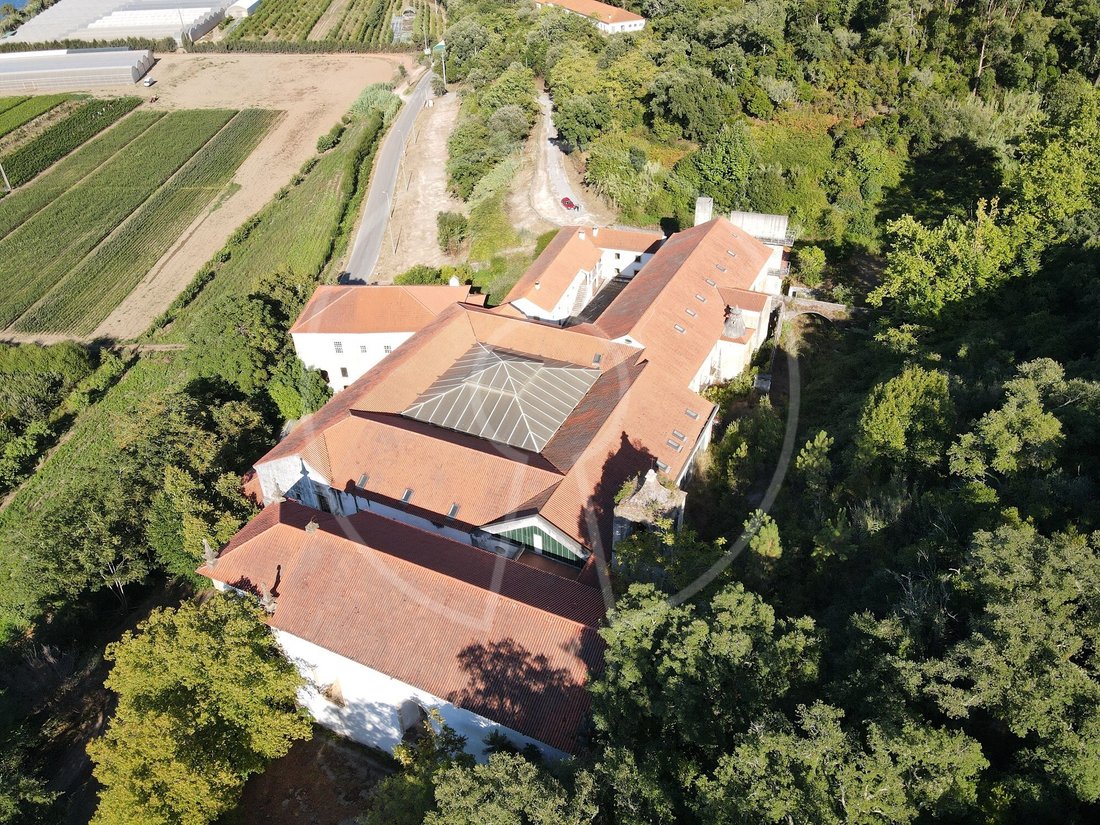
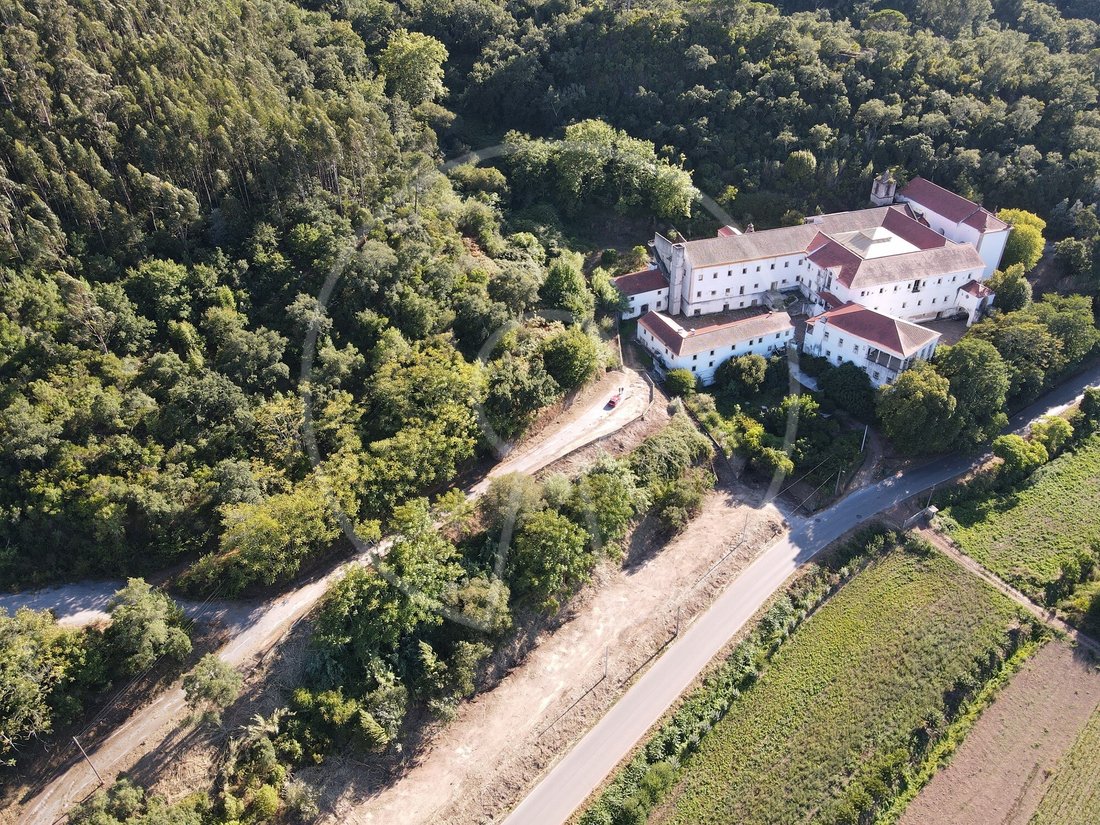
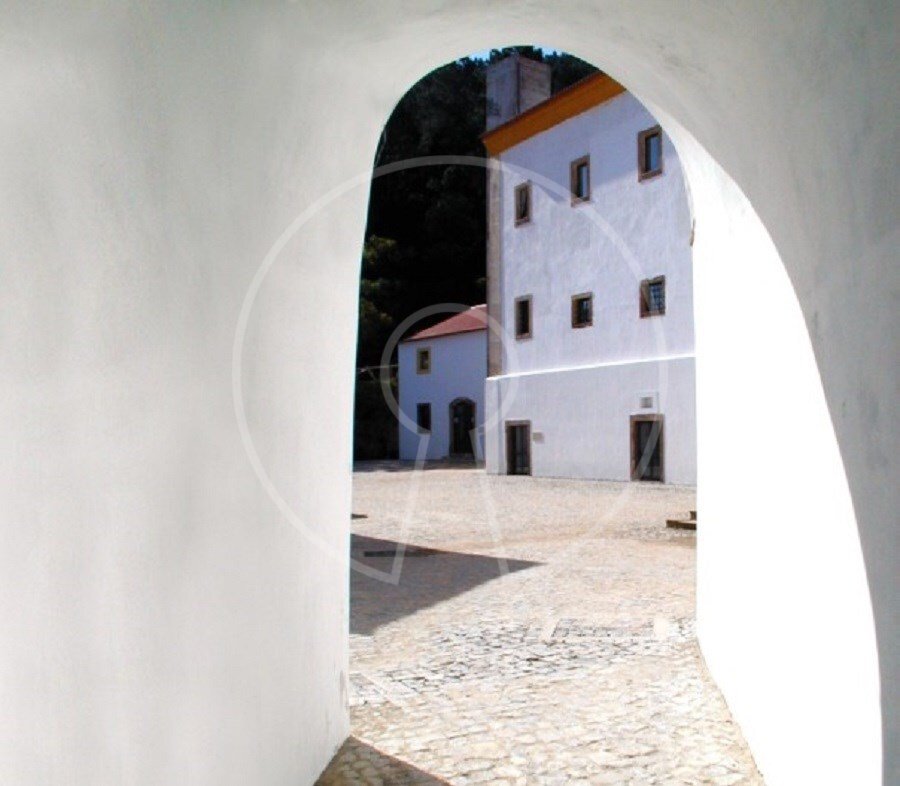
La Quinta do Mosteiro de São Jorge, un domaine de 37 hectares composé d’une série de bâtiments d’une nature particulière et d’une vaste zone boisée et irriguée, situé sur la rive sud du fleuve Mondego, associe les avantages d’un cadre bucolique à la proximité de la ville de Coimbra et de son université du patrimoine mondial.
La partie urbaine de la propriété a une superficie bâtie d’envi
La partie urbaine de la propriété a une superficie bâtie d’envi
Quinta do Mosteiro de São Jorge, a 37-hectare estate made up of a series of buildings of a distinctive nature and a vast area of woodland and irrigated land, located on the south bank of the River Mondego, combines the advantages of a bucolic setting with the proximity of the city of Coimbra and its World Heritage University.
The urban part of the property has a built-up area of around 6
The urban part of the property has a built-up area of around 6
La Quinta do Mosteiro de São Jorge, un domaine de 37 hectares composé d’une série de bâtiments d’une nature particulière et d’une vaste zone boisée et irriguée, situé sur la rive sud du fleuve Mondego, associe les avantages d’un cadre bucolique à la proximité de la ville de Coimbra et de son université du patrimoine mondial.
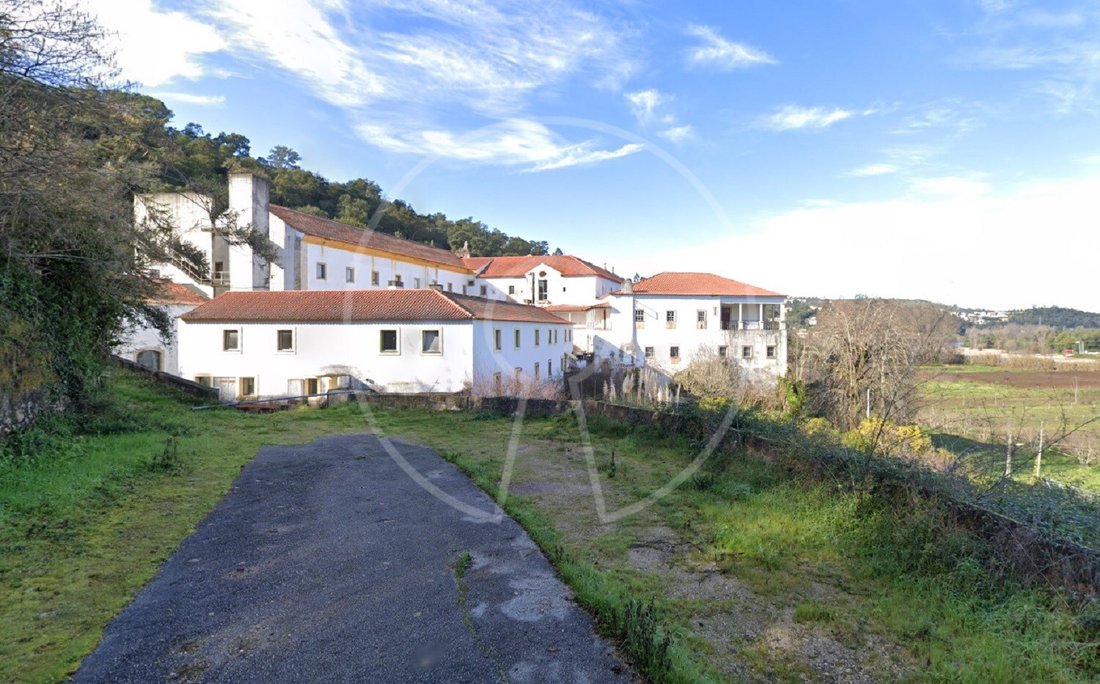
La partie urbaine de la propriété a une superficie bâtie d’environ 6 500 m², divisée en trois corps distincts, dont le cloître, l’église, le réfectoire des frères, une petite chapelle à côté de la cellule des moines, ainsi qu’un grand balcon d’angle du XVIIe siècle offrant une vue magnifique sur le Mondego, des carreaux baroques dans la majeure partie du bâtiment et un tableau d’André Gonçalves datant de 1751.
Bien que la fondation du monastère de Saint-Georges soit entourée de mystère, des légendes miraculeuses le situent au début du XIe siècle et au milieu du siècle suivant, il était habité par les chanoines de Saint-Augustin.
À l’exception de la période comprise entre le XVIe et le XVIIIe siècle, lorsqu’il était aux mains des Jésuites, le monastère est resté aux mains des Augustins jusqu’en 1834, date à laquelle l’extinction des ordres religieux a fait passer la Quinta et le monastère aux mains de particuliers, entamant une voie de dégradation lente et progressive du bâtiment, qui l’a amené à un état de ruine presque complet.
En 1999, le monastère de Saint-Georges a acquis la Quinta et a entamé une vaste campagne de travaux visant à l’adapter aux besoins de l’école universitaire Vasco da Gama, qui y a fonctionné jusqu’à la fin de 2013.
Très intéressant pour un investissement touristique en raison de son emplacement, de sa zone bâtie et de sa valeur historique, architecturale et paysagère.
Cote énergétique : En cours
#réf:LANE_7193
La partie urbaine de la propriété a une superficie bâtie d’environ 6 500 m², divisée en trois corps distincts, dont le cloître, l’église, le réfectoire des frères, une petite chapelle à côté de la cellule des moines, ainsi qu’un grand balcon d’angle du XVIIe siècle offrant une vue magnifique sur le Mondego, des carreaux baroques dans la majeure partie du bâtiment et un tableau d’André Gonçalves datant de 1751.
Bien que la fondation du monastère de Saint-Georges soit entourée de mystère, des légendes miraculeuses le situent au début du XIe siècle et au milieu du siècle suivant, il était habité par les chanoines de Saint-Augustin.
À l’exception de la période comprise entre le XVIe et le XVIIIe siècle, lorsqu’il était aux mains des Jésuites, le monastère est resté aux mains des Augustins jusqu’en 1834, date à laquelle l’extinction des ordres religieux a fait passer la Quinta et le monastère aux mains de particuliers, entamant une voie de dégradation lente et progressive du bâtiment, qui l’a amené à un état de ruine presque complet.
En 1999, le monastère de Saint-Georges a acquis la Quinta et a entamé une vaste campagne de travaux visant à l’adapter aux besoins de l’école universitaire Vasco da Gama, qui y a fonctionné jusqu’à la fin de 2013.
Très intéressant pour un investissement touristique en raison de son emplacement, de sa zone bâtie et de sa valeur historique, architecturale et paysagère.
Cote énergétique : En cours
#réf:LANE_7193
Quinta do Mosteiro de São Jorge, a 37-hectare estate made up of a series of buildings of a distinctive nature and a vast area of woodland and irrigated land, located on the south bank of the River Mondego, combines the advantages of a bucolic setting with the proximity of the city of Coimbra and its World Heritage University.
The urban part of the property has a built-up area of around 6,500sqm, divided into three distinct bodies, including the cloister, the church, the friars’ refectory, a small chapel next to the monks’ cell, as well as a large 17th-century corner balcony with a magnificent view over the Mondego, baroque tiles throughout most of the building and a painting by André Gonçalves dating from 1751.
Although the foundation of the Monastery of St. George is shrouded in mystery, miraculous legends place it in the early 11th century and by the middle of the following century it was inhabited by the canons of St. Augustine.
With the exception of the period between the 16th and 18th centuries, when it was in the hands of the Jesuits, the monastery remained in the possession of the Augustinians until 1834, when the extinction of the religious orders meant that the Quinta and the monastery passed into the hands of private individuals, beginning a path of slow and progressive degradation of the building, which brought it to a state of almost complete ruin.
In 1999, the Monastery of St. George acquired the Quinta and began a vast and comprehensive campaign of works to adapt it to the needs of the Vasco da Gama University School, which operated there until the end of 2013.
Very interesting for a tourist investment due to its location, its built-up area and its historical, architectural and landscape value.
Energy Rating: C
#ref:LANE_7193
The urban part of the property has a built-up area of around 6,500sqm, divided into three distinct bodies, including the cloister, the church, the friars’ refectory, a small chapel next to the monks’ cell, as well as a large 17th-century corner balcony with a magnificent view over the Mondego, baroque tiles throughout most of the building and a painting by André Gonçalves dating from 1751.
Although the foundation of the Monastery of St. George is shrouded in mystery, miraculous legends place it in the early 11th century and by the middle of the following century it was inhabited by the canons of St. Augustine.
With the exception of the period between the 16th and 18th centuries, when it was in the hands of the Jesuits, the monastery remained in the possession of the Augustinians until 1834, when the extinction of the religious orders meant that the Quinta and the monastery passed into the hands of private individuals, beginning a path of slow and progressive degradation of the building, which brought it to a state of almost complete ruin.
In 1999, the Monastery of St. George acquired the Quinta and began a vast and comprehensive campaign of works to adapt it to the needs of the Vasco da Gama University School, which operated there until the end of 2013.
Very interesting for a tourist investment due to its location, its built-up area and its historical, architectural and landscape value.
Energy Rating: C
#ref:LANE_7193
-
Type de propriété
Finca
-
Prix/pied²
$63
-
Émissions
NI
-
Consommation
C
Caractéristiques
Explorez le secteur
Santa Clara e Castelo Viegas, District de Coimbra, Portugal
Voir sur Google Maps
Prix par sqft
Faible
Élevé
Inscrit il y a 5 ans
Vous vous êtes renseigné sur ce bien
L'agent vous contactera bientôt par
Publié par
136
Annonces
2022
Inscrit
Réserver une visite avec the agent
Choisissez une date et si vous souhaitez une visite virtuelle ou en personne avec l’agent.
Date préférée
Type de visite
Dernière mise à jour
Juin 18
Première mise en ligne
Octobre 25, 2023
Référence de l’annonce
LANE_7193-0520771602
La confiance des plus grands courtiers du monde
Les agents des propriétés les plus exceptionnelles du monde publient sur JamesEdition.
- Des annonces de Sotheby's, Christie's, BARNES et Engel & Völkers
- Chaque annonce est vérifiée avant sa mise en ligne
- Contactez directement des agents vérifiés
En continuant, vous acceptez nos Conditions et notre Politique de confidentialité.